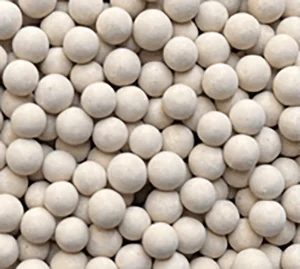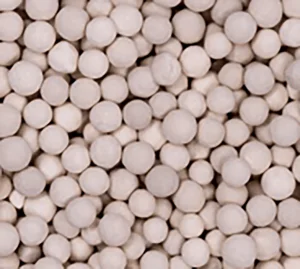
Explore our premium catalyst and desiccant portfolio engineered for demanding process architectures and dynamic industrial dehydration requirements.
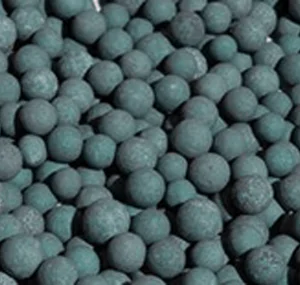
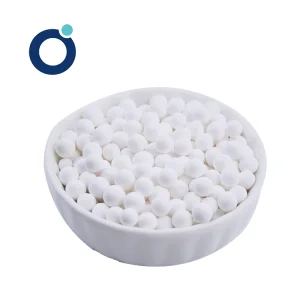
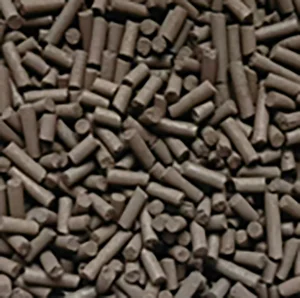
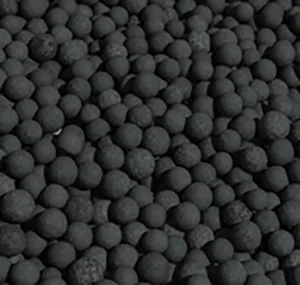
In the modern energy and petrochemical landscapes, traces of moisture represent one of the most critical structural threats to system integrity and catalytic operations. In Natural Gas Processing and LNG Liquefaction trains, water presence below pipeline specifications leads to the formation of solid crystalline hydrates, causing severe blockages, catalyst poisoning, and catastrophic failure of cryogenic heat exchangers.
Similarly, in olefin purification streams (such as ethylene and propylene polymerization systems), trace water levels must be reduced to parts-per-billion (ppb) boundaries to protect sensitive organometallic catalysts (like Ziegler-Natta systems). The dynamic optimization of molecular sieve dehydration towers, utilizing Temperature Swing Adsorption (TSA) or Pressure Swing Adsorption (PSA), requires high-density crystalline structures that offer high adsorption capacity, physical robustness, and rapid mass-transfer kinetics.
As a leading global supplier, JOOZEO manufactures and optimizes zeolite and synthetic aluminosilicate frameworks tailored to these exacting processes. Our materials are calculated to optimize the mass transfer zone (MTZ) while reducing operational pressure drops, extending service lifetimes, and lowering regeneration energy metrics.
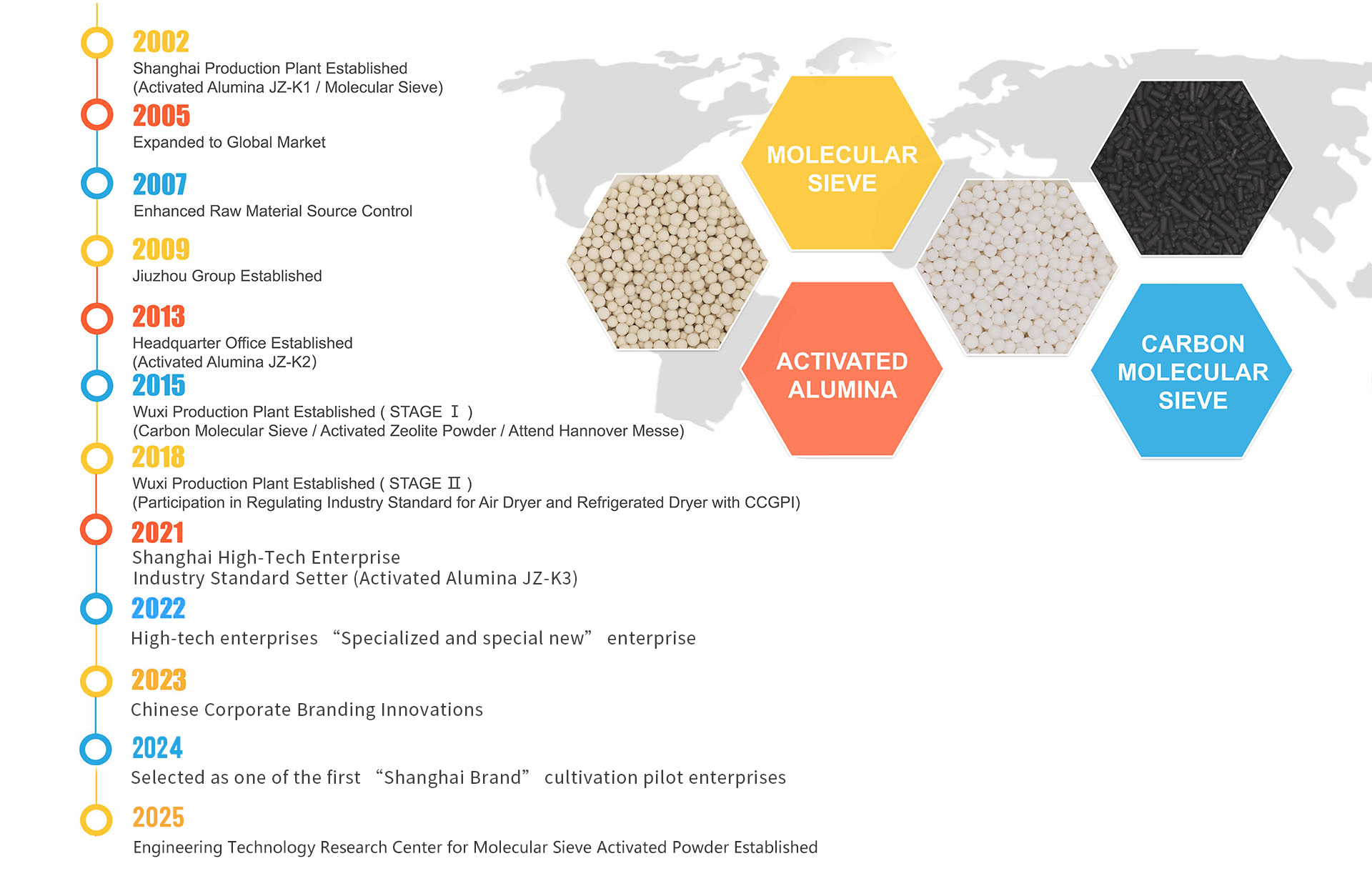
Adhering to strict Quality Control & Continuous Innovation since 1994, bringing specialized industrial solutions to 80+ countries.
Jiuzhou houses a world-class team of chemical engineers and researchers. Our laboratories feature state-of-the-art dynamic adsorption pilot rigs, chromatographic analysis systems, and particle crush strength analysis equipment, certifying that every batch complies with real-world operating environments.
We manage automated, multi-functional manufacturing facilities in Wuxi and Shanghai. Covering over 25,000 square meters, these plants feature automated packing, precise calcination control, and real-time analytical monitors to sustain consistent quality under ISO 9001:2008, TUV, and SGS frameworks.
With an established logistical grid stretching through North America, the EU, Southeast Asia, Japan, and the Middle East, we guarantee timely dispatch, on-site technical support, and energy-efficient customized adsorption configurations designed around regional challenges.
A glance inside our Shanghai and Wuxi factories showing automated control structures and high-purity chemical processing lines.
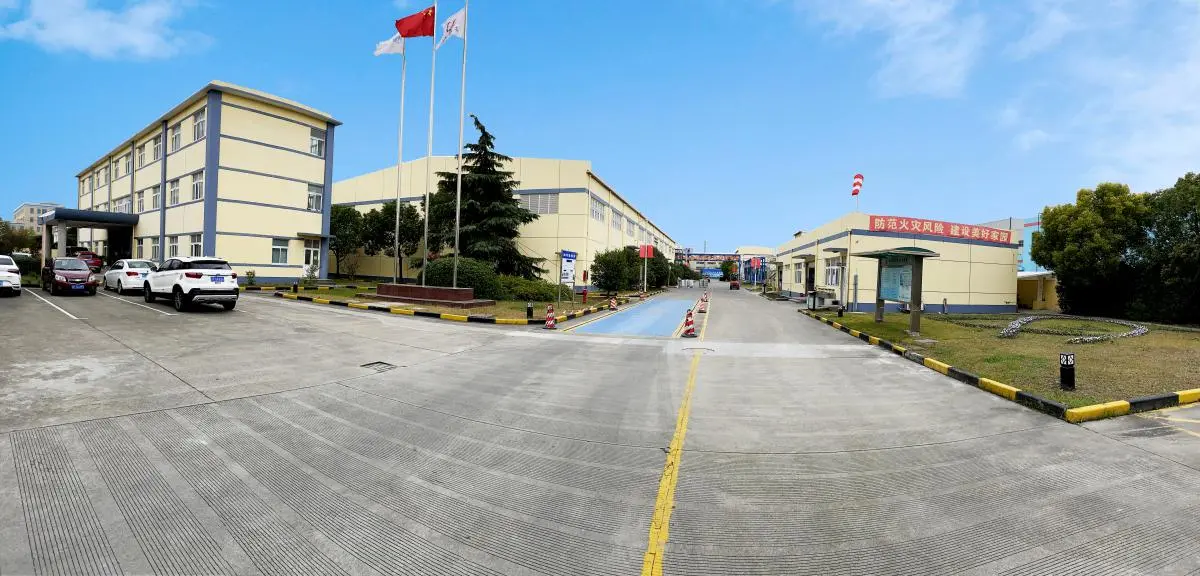

Continuous manufacturing inspection, in-house XRF analysis, and rigorous physical property compliance testing on every chemical batch.
JOOZEO actively shapes chemical drying benchmarks. We act as official drafters and key participants in establishing key national and industrial performance standards.
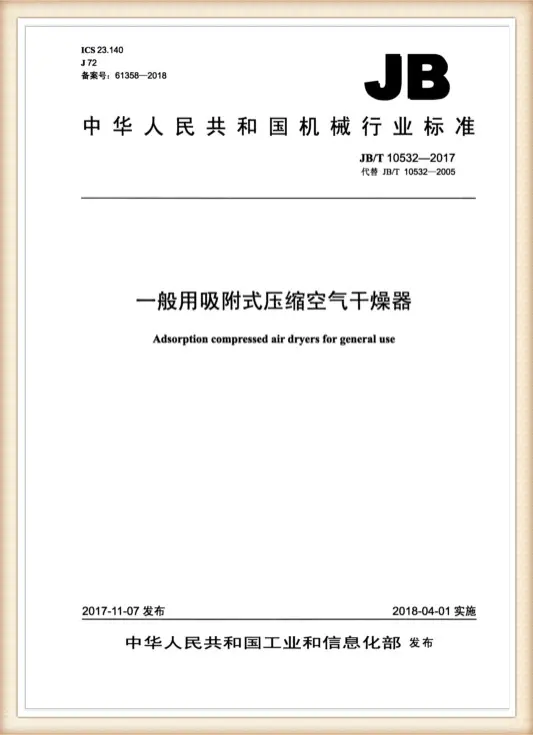
JB / T 10532-2017
Adsorption compressed air dryers for general industrial use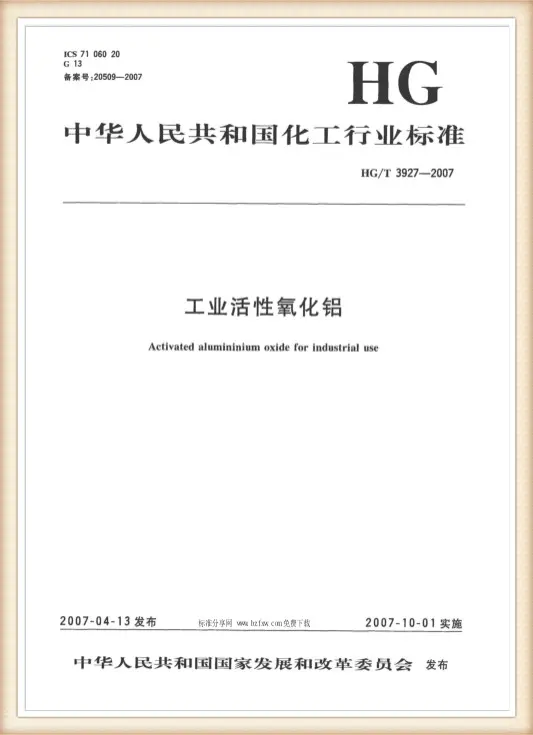
HG / T 3927-2007
Activated aluminum oxide for industrial applications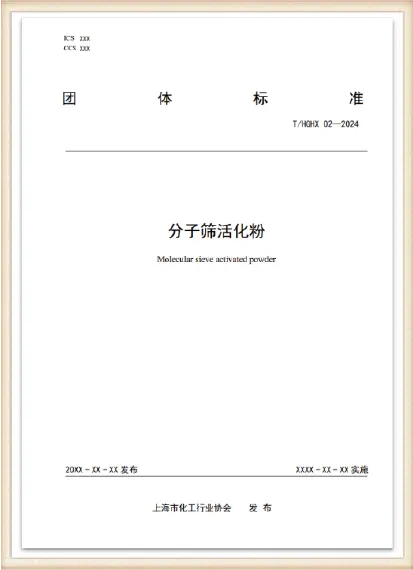
JB / T 10526-2017
Refrigeration compressed air dryers for general industrial use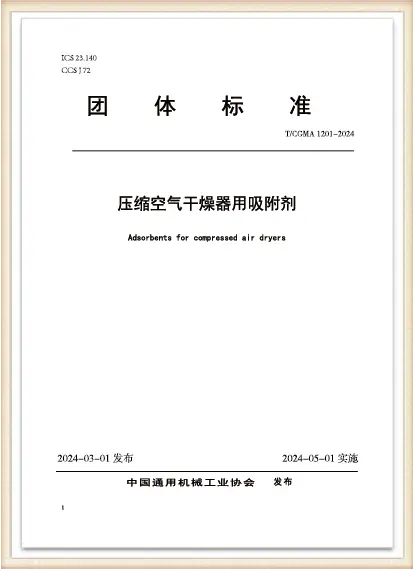
T/CGMA1201-2024
Active industrial participant standard drafts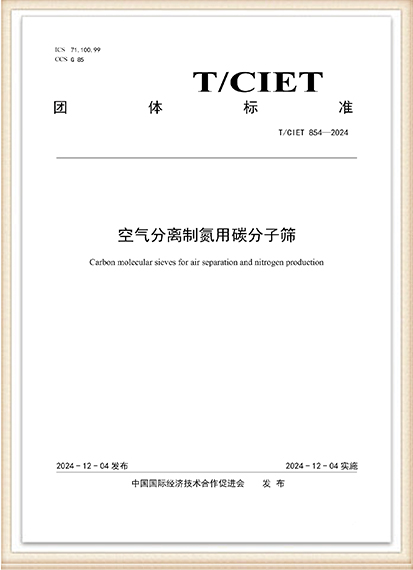
T/HGHX 02—2024
Industry chemical technical framework draft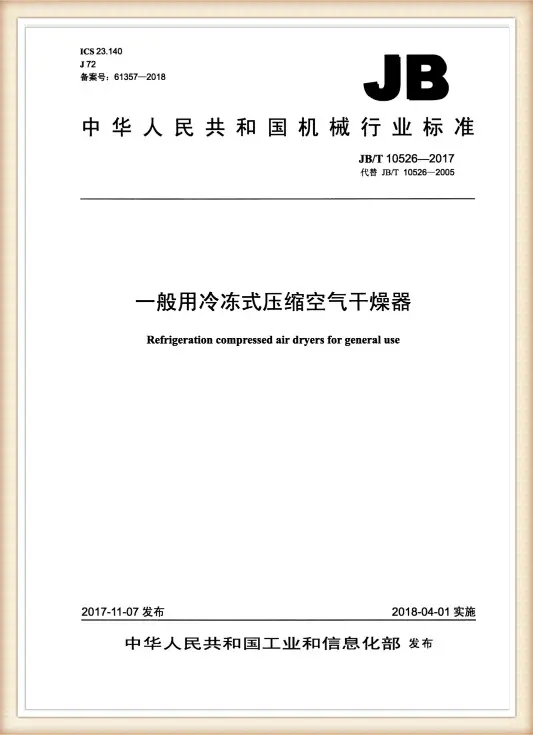
T/CIET 854-2024
Chemical engineering eco-adsorbent standards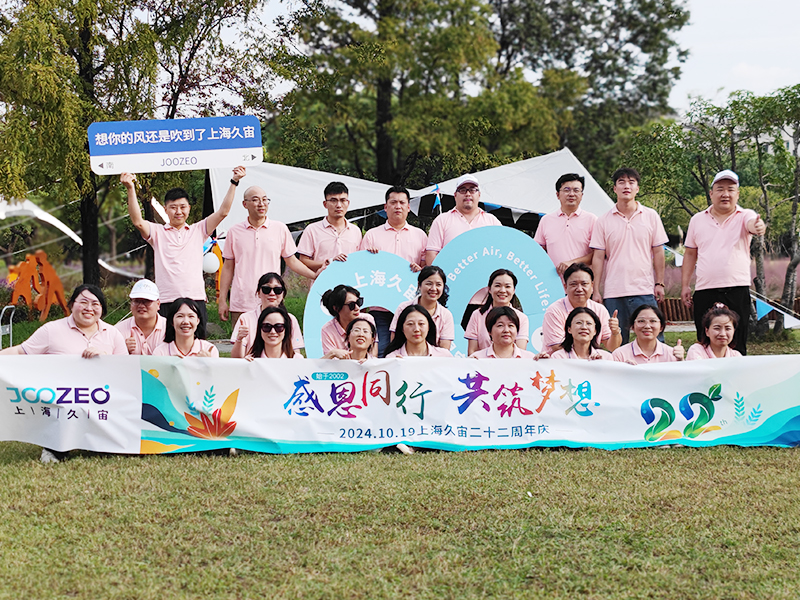
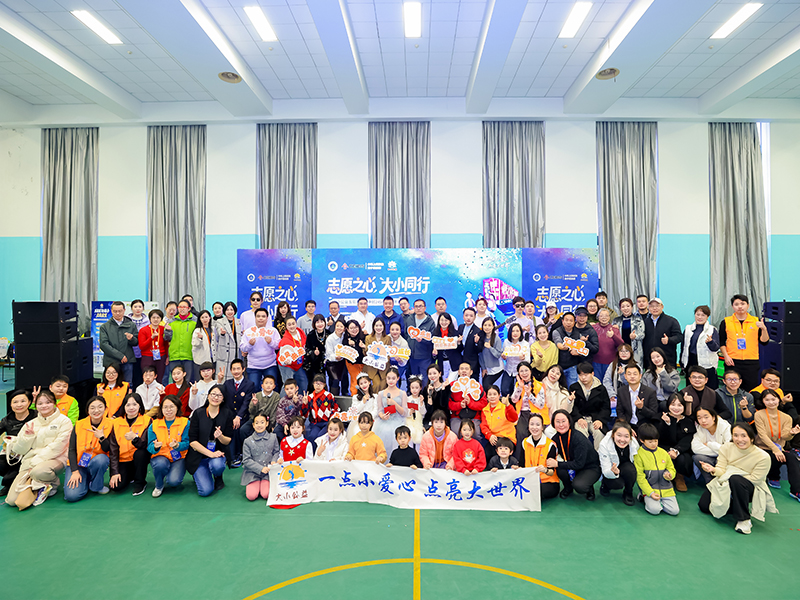
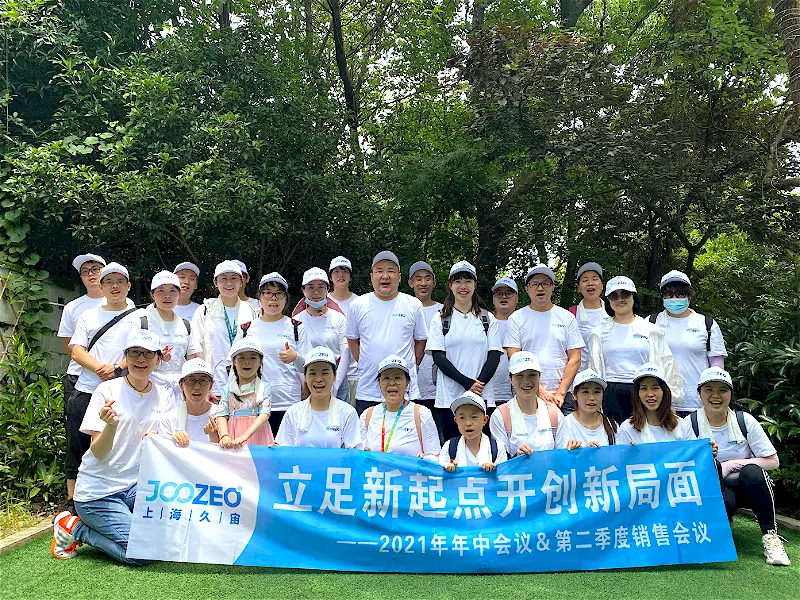
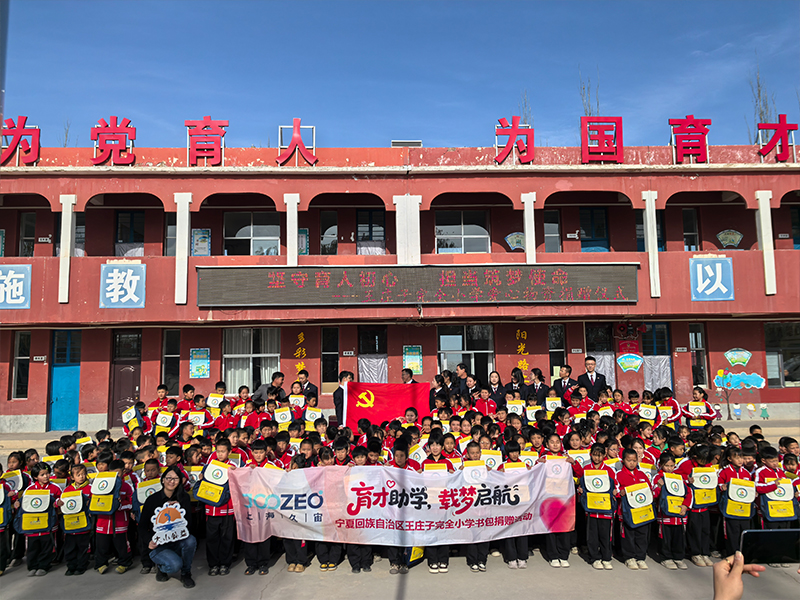
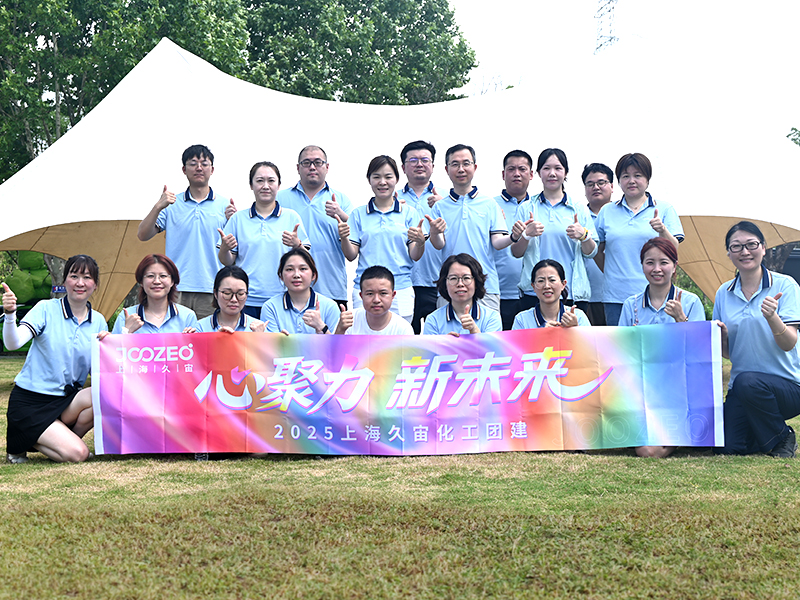
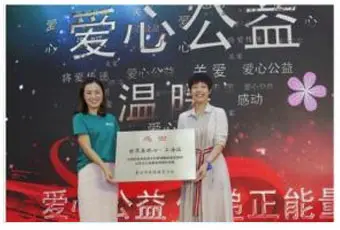
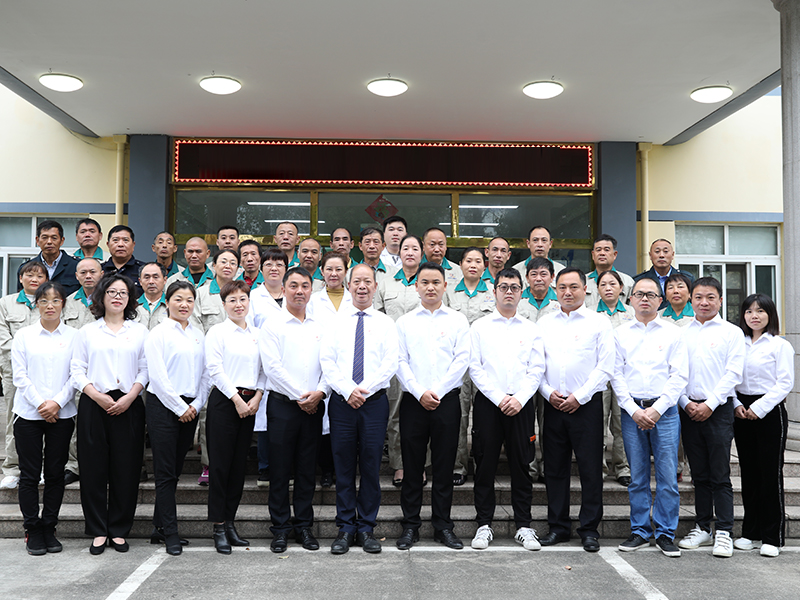
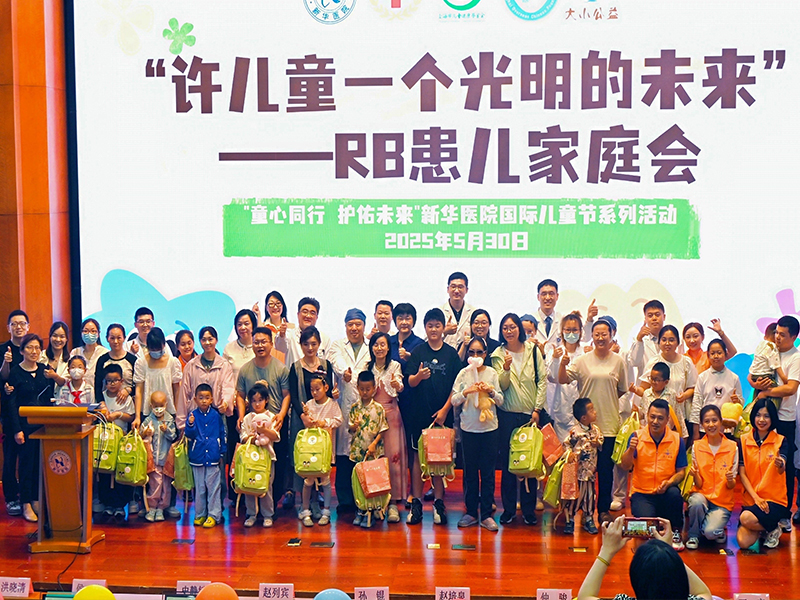
At JOOZEO, chemical manufacturing is intimately coupled with active ecological stewardship. Our guiding motto, "Better air, Better life", forms the foundational baseline of our production and recycling protocols. Synthetic zeolites and adsorbents play a pivotal role in limiting industrial pollutant emissions, extracting greenhouse gases, and facilitating clean energy loops.
We implement eco-efficient closed-loop water treatment processes inside our manufacturing hubs, minimizing toxic runoff. Additionally, our specialized carbon capturing adsorbents and high-efficiency VOC-destruction catalysts help refining operations worldwide drastically curb their environmental footprint. By choosing JOOZEO as your OEM manufacturer, you invest in cleaner, environmentally friendly technologies built around standard-compliant, sustainable practices.
Under the hood of synthetic zeolite structures: Pore-size dynamics, mass transfer zones, and kinetic selectivity.
Our molecular sieves are synthetic crystalline aluminosilicates characterized by uniform cavity systems. The pore aperture determines the kinetic diameter threshold: 3A (potassium aluminosilicate, ~3 Å pore window) selectively excludes molecules like hydrocarbons while admitting water (2.6 Å), preventing co-adsorption. 4A (sodium form) and 5A (calcium form) scale up the selectivity threshold for standard gas separation, whereas 13X (Type X, ~10 Å) handles larger molecular fractions, including mercaptans and CO₂.
Temperature Swing Adsorption operates on the differential capacity of molecular sieves under thermal gradients. Under high pressure and ambient temperature, the bed reaches saturation. Introducing regeneration gas (typically dry methane or nitrogen) at temperatures between 200°C and 320°C breaks the electrostatic bonds between the adsorbate molecules and the zeolite cage, restoring the system for the next cycle.
Proper bed geometry relies on predicting the Mass Transfer Zone (MTZ) length. Our high-performance beads and extrudates minimize the active MTZ length, permitting a larger equilibrium section in the adsorption column. This prevents premature water breakthrough, keeping outlet dew points below -100°C (-148°F) throughout the service cycle.
Understanding how molecular sieve dehydration adapts to distinct geographical conditions, environmental laws, and regional infrastructure needs.
Different industrial centers require tailored adsorption technologies:
Exporting adsorbents globally requires meeting strict international compliance frameworks. JOOZEO products meet REACH, RoHS, and heavy metal limit directives, certifying safe disposal and handling. As global markets transition toward carbon neutrality, we continuously optimize the physical properties of our molecular sieves. Lowering the thermal energy required for regeneration helps plants significantly decrease their fuel gas consumption and carbon emissions.
Addressing the key technical issues, design parameters, and procurement queries raised by engineering leads and procurement managers.
Explore our wider range of catalysts, synthetic zeolites, and high-performance adsorbents developed for global markets.