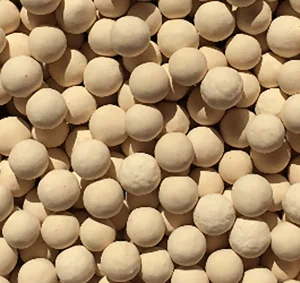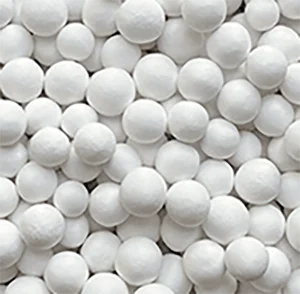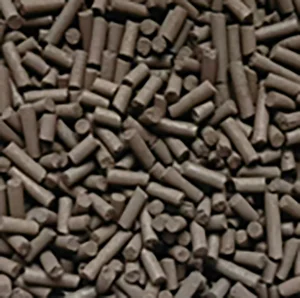
Explore our foundational range of premium synthetic zeolites, activated aluminas, and molecular carbon sieves engineered for critical process streams.
Shanghai Jiuzhou Chemicals Co., Ltd. is strategically head-quartered in Shanghai, the premier financial and industrial node of China. Guided by our structural core principles of "Quality Control & Innovation", we have committed decades of capital and scientific resources to the development, synthesis, and dynamic testing of elite crystalline aluminosilicates, activated alumina structures, and specialized adsorbents.
Our comprehensive production matrix encompasses molecular sieve powders, active formulations, activated alumina catalysts, high-performance packing media, ceramic bed supports, and complex silicates. Every single product manufactured in our automated facilities is certified under ISO9001:2008 and validated by international testing houses TUV and SGS.
Equipped with a world-class R&D cohort and a specialized central dynamic evaluation laboratory, Jiuzhou ensures that all manufactured units align with global engineering standards, delivering energy-saving, hydrothermally robust, and highly optimized dry-process configurations to partners globally.
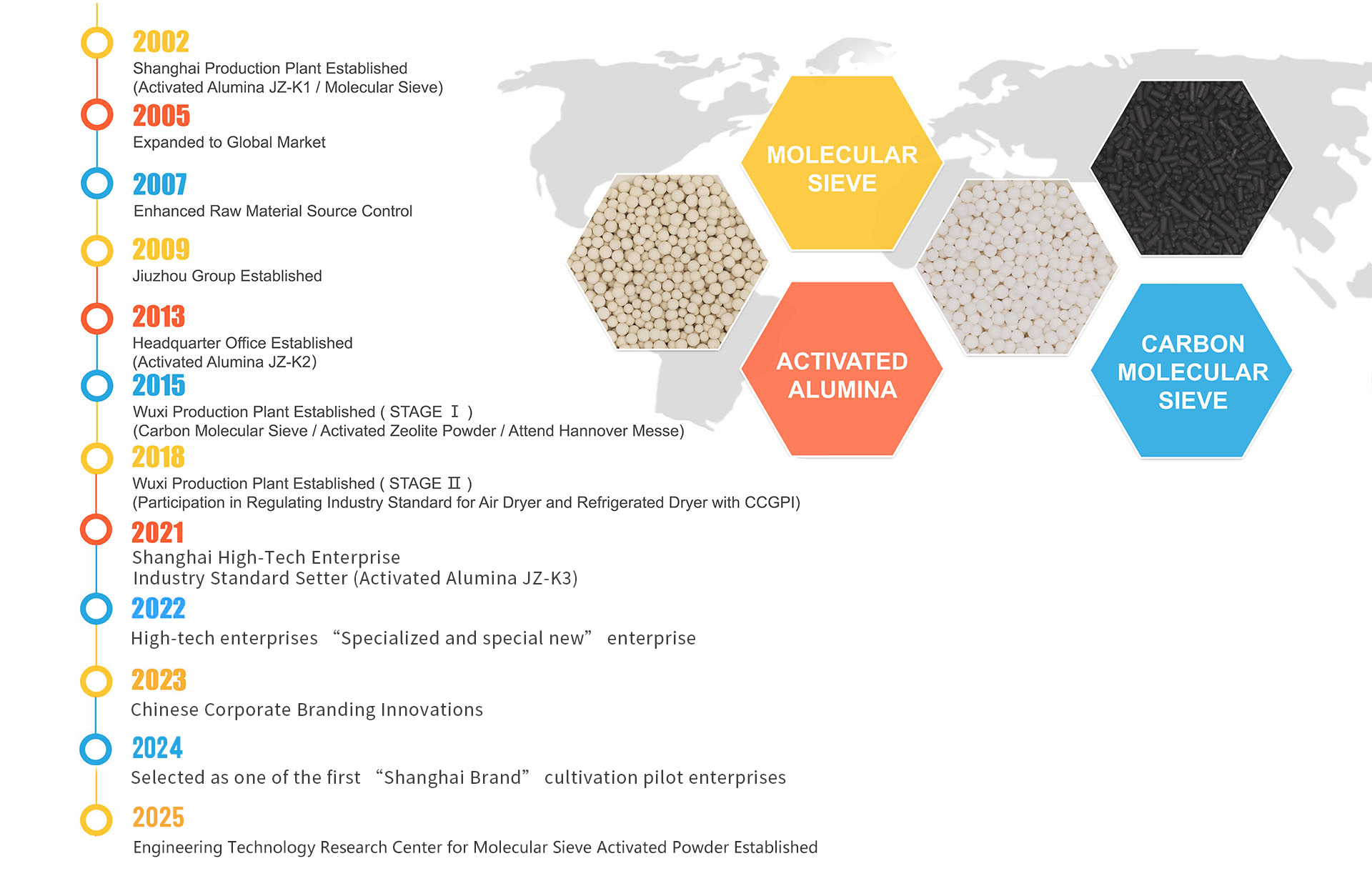
Our dual-factory manufacturing architecture splits tasks efficiently to maximize output consistency and logistic dispatch:
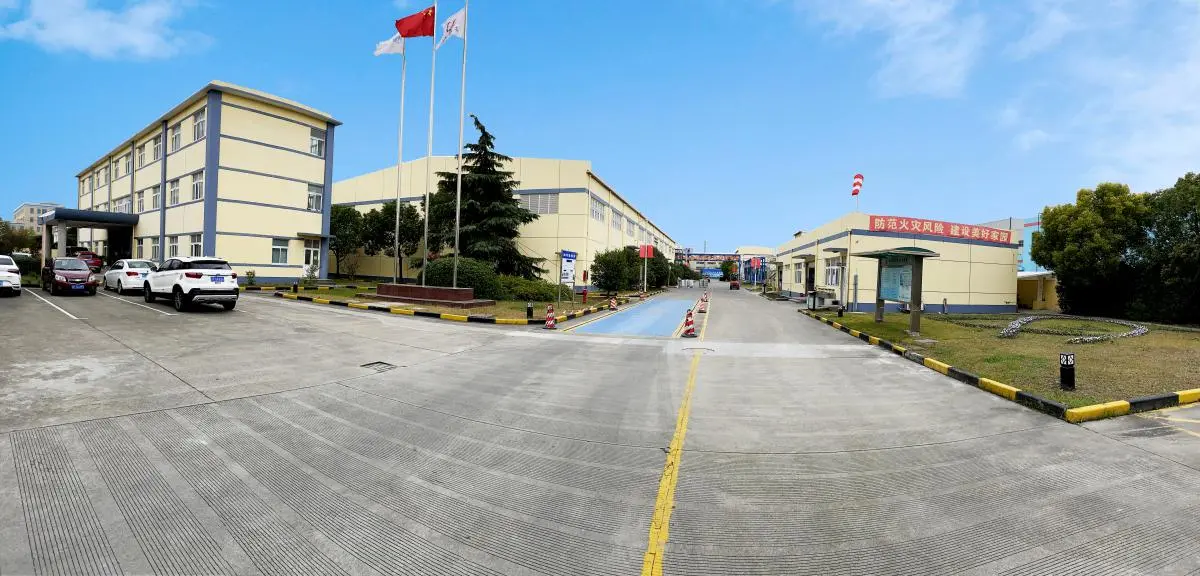
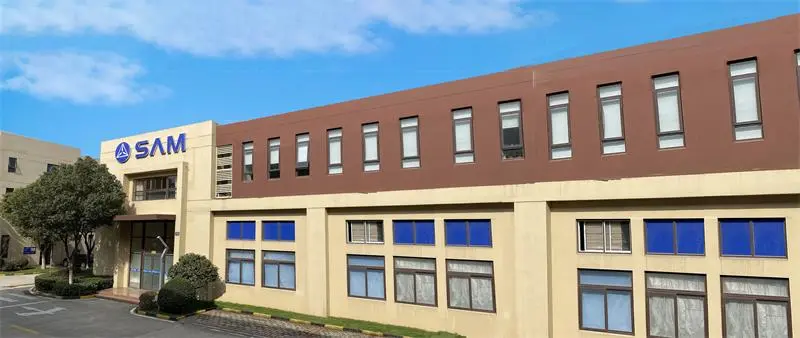
At the center of Jiuzhou’s operations is our state-of-the-art dynamic laboratory. We operate pilot-scale column systems to model gas dehydration processes under various pressures and velocities. Rather than relying solely on static equilibrium indices, we quantify critical variables under realistic operation parameters:
Understanding the physics, structural attributes, and kinetic properties of synthetic zeolites in industrial water removal.
Molecular sieves are crystalline, synthetic aluminosilicates characterized by highly organized three-dimensional framework structures of SiO4 and AlO4 tetrahedra. Electronegative charge balances are sustained by cationic metal ions (primarily sodium, potassium, or calcium). The basic structure consists of repeating cage structures (sodalite cages) connected to form larger voids (Alpha cages or supercages).
Water removal functions via a highly selective, dual-mechanism process: size exclusion and polar affinity. The kinetic diameter of water is 2.65 Å. By utilizing a 3A molecular sieve (pore diameter approx. 3 Å), water molecules easily penetrate the crystalline cages, while larger compounds like ethanol (kinetic diameter 4.3 Å) or cracked gas compounds (ethylene, propylene) are excluded, preventing co-adsorption and potential side reactions.
Synthetic zeolites possess a powerful electrostatic field within their pore chambers, created by the cation concentration. Since water is a highly polar molecule with a strong dipole moment, it forms coordinate bonds with these framework cations. This electrostatic draw is significantly stronger than the physical condensation forces found in silica gel or activated alumina. Consequently, molecular sieves achieve extremely low water dew points (down to -70°C and below), even when processing gas streams with very low relative humidity.
Strict controls during the ionic exchange phase guarantee that pore structures are accurate within tenths of an Angstrom, preventing hydrocarbon co-adsorption.
Our proprietary formulation yields high hydrothermal stability, ensuring the molecular structure resists degradation over thousands of high-temperature thermal regeneration sweeps.
Optimized mass transfer coefficients allow rapid adsorption rates, enabling shorter bed lengths, smaller vessels, and reduced pressure drops.
How our molecular sieves deliver process optimization across major industrial sectors worldwide.
In cryogenic Natural Gas Liquefaction (LNG) facilities, water content must be reduced to less than 0.1 ppmv to prevent freezing in heat exchangers operating at temperatures down to -160°C. OEM Molecular Sieve formulations from Jiuzhou are optimized for gas dehydration beds, offering excellent resistance to liquid water carryover, high capacity, and clean regeneration cycles that keep LNG terminals operating without unplanned shutdowns.
In ethylene and propylene recovery loops, the trace presence of water can poison polymerization catalysts. Ethylene cracked gas drying requires a reliable 3A molecular sieve that excludes olefins from entering the pore structures. Jiuzhou’s proprietary binder and pore control technology minimizes the polymerization of co-adsorbed olefins (green oil formation), extending overall bed service life and reducing energy use during regeneration.
Producing fuel-grade ethanol requires breaking the water-ethanol azeotrope. Jiuzhou designs custom 3A zeolites with high selectivity to water and excellent mechanical strength, allowing ethanol purification systems to achieve 99.9% anhydrous ethanol while maintaining structural integrity under high pressure swings.
Jiuzhou provides high-capacity, low-dust desiccants for insulated glass spacers to maintain long-term dew points inside window assemblies. Similarly, in high-pressure air drying units (PSA and TSA), our molecular sieves ensure long-lasting moisture control, protecting downstream equipment from corrosion.
Localized dehydration solutions tailored to specific climates, operational conditions, and process requirements.
In shale regions like the Permian and Appalachian basins, natural gas streams often contain high concentrations of liquid hydrocarbons and heavy natural gas liquids (NGLs). For these operations, we provide dual-bed designs that pair an upper guard layer of highly robust silica gel or activated alumina with a main bed of 4A or 3A molecular sieve. This protective configuration guards the primary zeolite bed against liquid hydrocarbon fouling and hydrothermal degradation, maintaining low dew points even during feedstock composition swings.
High ambient temperatures (exceeding 45°C) and hot feed gas streams present a challenge for traditional dehydration systems. Since adsorption capacity naturally decreases as temperature rises, we formulate custom high-density zeolites with optimized cation distributions to maintain high working capacities at elevated feed temperatures. This helps operators in hot climates maintain low dew points without having to upsize their pressure vessels.
With Europe’s focus on the energy transition, biogas upgrading and hydrogen purification require precise contaminant removal. Our molecular sieves are optimized to selectively remove water vapor, CO2, and trace H2S from biomethane and hydrogen streams, ensuring compliance with grid injection and fuel cell standards while minimizing methane slip.
In high-humidity coastal regions, compressed air systems face heavy moisture loads. We provide optimized activated alumina and molecular sieve combinations designed to handle liquid water saturation, ensuring consistent air drying for electronic, automotive, and pharmaceutical manufacturing facilities.
A look at the advanced materials and processes shaping the future of industrial dehydration.
Standard molecular sieves use 15-20% clay binder to shape the raw crystalline powder into beads or pellets. While necessary for mechanical strength, these binders are inert and do not contribute to adsorption. Jiuzhou’s R&D team is refining binderless zeolite synthesis methods, converting the binder phase into active crystalline structures. This increases mass adsorption capacity by up to 20%, allowing for smaller vessel footprints and longer cycle times.
Regenerating molecular sieves typically requires heating the bed to 200°C–320°C, which accounts for a significant portion of an industrial plant's energy consumption. We are developing modified surface chemistry profiles that lower the required thermal desorption energy without compromising adsorption capacity, helping operators reduce carbon emissions and overall energy use.
High-velocity gas streams can cause beads to rub together, leading to dust formation, increased pressure drop, and eventual gas flow restriction. Our research focuses on reinforcing the outer shell of molecular sieve beads with ultra-fine, highly cohesive inorganic structural binders. This increases attrition resistance by up to 35% without blocking access to the internal pore network.
How Jiuzhou Chemicals combines raw material integration, automated production, and strategic logistics to secure your supply chain.
Jiuzhou Chemicals secures its raw materials through integrated domestic supply chains, insulating production from global commodity market price swings. By manufacturing our own precursors—including sodium silicates, aluminum hydroxides, and specialized zeolite powders—we maintain total quality control from initial synthesis to the finished product, while keeping production costs stable and predictable.
Our plants in Shanghai and Wuxi utilize fully automated, continuous rotary kilns with precise temperature zoning. This advanced equipment prevents the overheating or under-calcining of zeolite beads, ensuring uniform pore activation, consistent crush strength, and stable bulk density from batch to batch.
Located near the Port of Shanghai—one of the busiest shipping hubs in the world—Jiuzhou offers fast, reliable logistics and shipping to any destination globally. Our distribution network spans North and South America, Europe, the Middle East, and Southeast Asia. We maintain strategic safety stocks of common formulations (3A, 4A, 5A, 13X) to quickly meet unexpected demand from our international partners.
We offer customizable OEM options, including tailored bead sizes, custom binder chemistry, and bulk packaging options such as super sacks, steel drums, and moisture-barrier bags to ensure product integrity during long-distance shipping and storage.
Jiuzhou is actively involved in drafting and setting industrial standards for desiccants, catalysts, and compressed air drying systems.
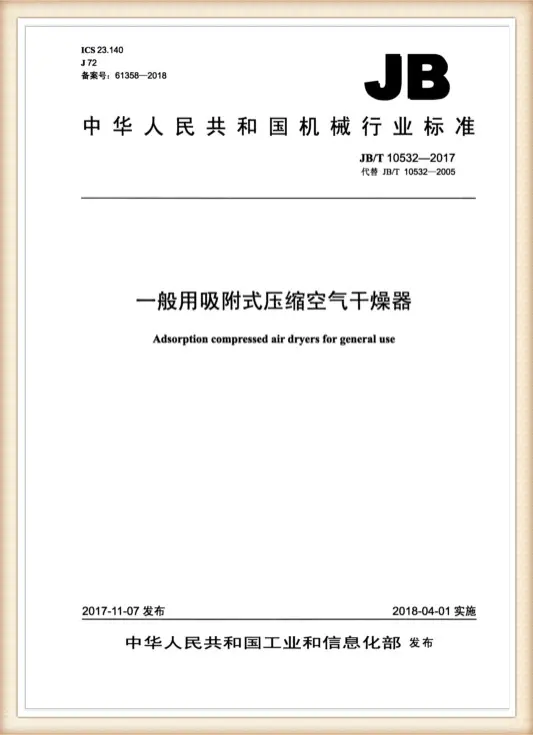
Adsorption compressed air dryers for general industrial use
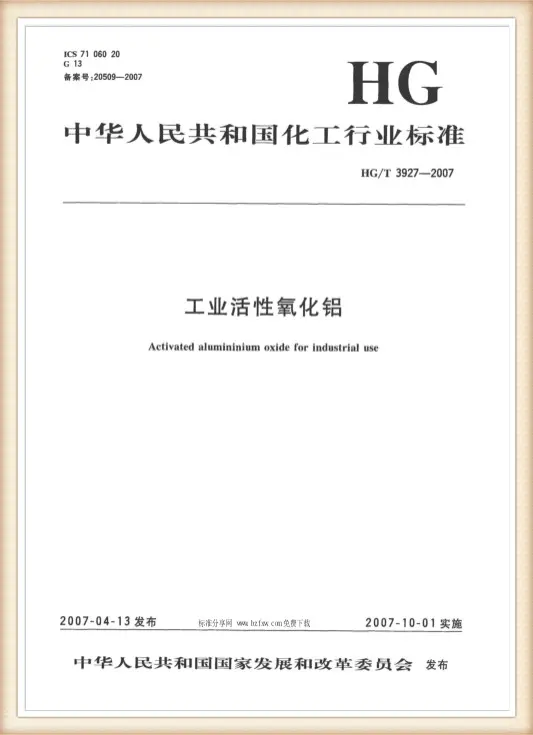
Activated aluminum oxide for industrial use standards
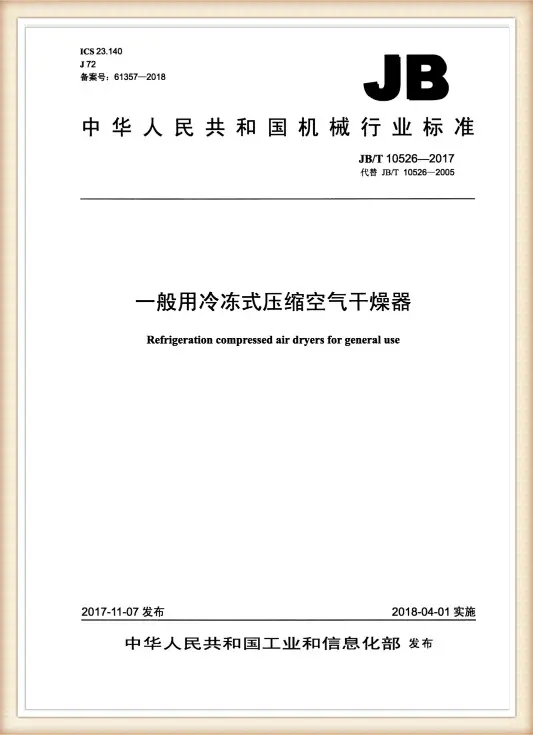
Refrigeration compressed air dryers for general industrial use
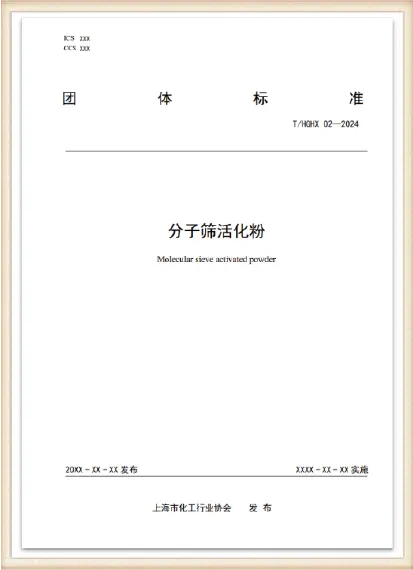
Association specifications for compressed gas drying machinery
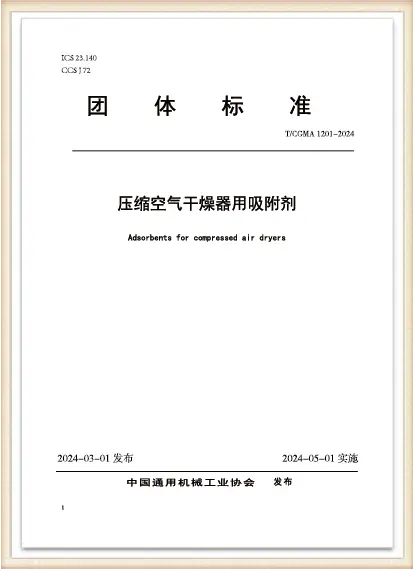
Chemical Association standard for high-performance zeolites
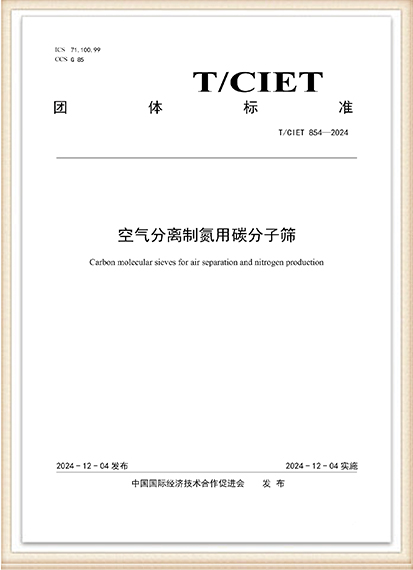
Green production and low carbon guidelines for chemical plants
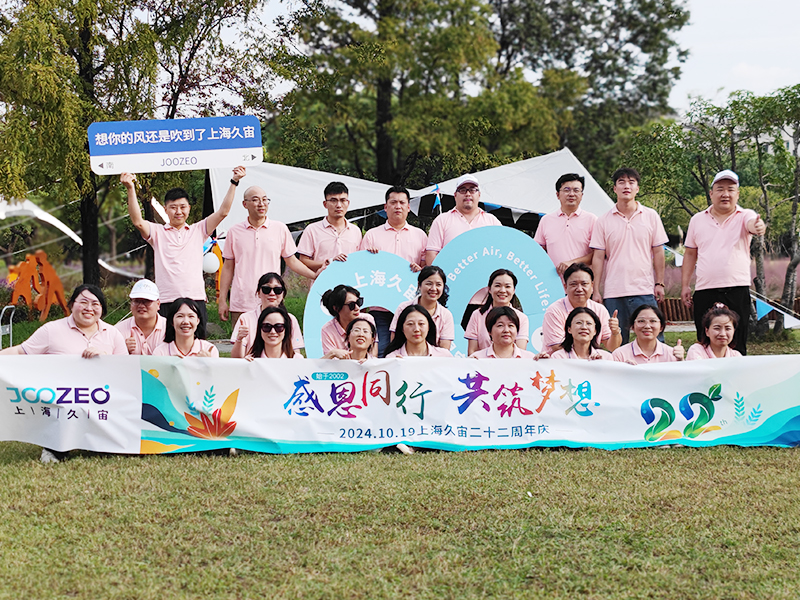
"Better air, Better life" — Jiuzhou is committed to green chemistry, carbon-neutral manufacturing, and clean operations.
In-depth answers to common questions about molecular sieve selection, operation, and maintenance.
Explore our wider range of industrial desiccants, silica gels, and specialty support balls for refining and chemical processing.
Our engineering team responds to all technical and commercial inquiries within 24 hours. Let's optimize your drying system together.
Send Request