Discover our leading selection of engineered industrial adsorbents, desiccants, and inert ceramic balls designed to optimize fluid dynamics and processing efficiency.
Critical assessments of market demands, petrochemical expansions, and processing optimizations.
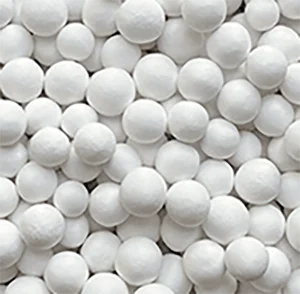
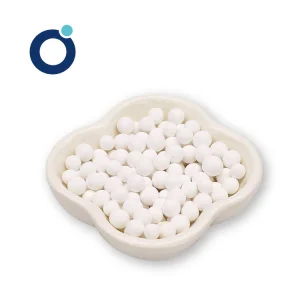
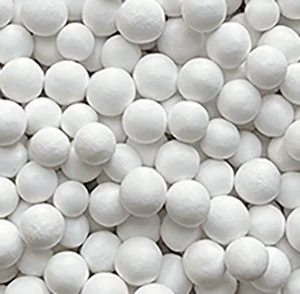
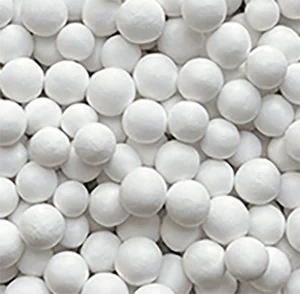
Modern catalytic reactors demand support media with zero chemical reactivity and high physical integrity. Alumina ceramic balls function as bed support and distribution media, preventing catalyst loss and structural shifting under severe temperature, pressure, and chemical conditions. The rising demand for clean fuel alternatives like Ultra-Low Sulfur Diesel (ULSD) accelerates catalyst bed installation globally.
Inferior support media fail when exposed to high-temperature thermal cycling or acid attacks, leading to bed channeling, pressure drop spikes, and downstream contamination. Leading refineries choose high-purity alpha alumina ceramic balls to guarantee stability against harsh conditions like steam stripping and hot acidic vapors.
A pioneer in mass-producing high-grade chemical adsorbents and ceramic tower packings since 1994.
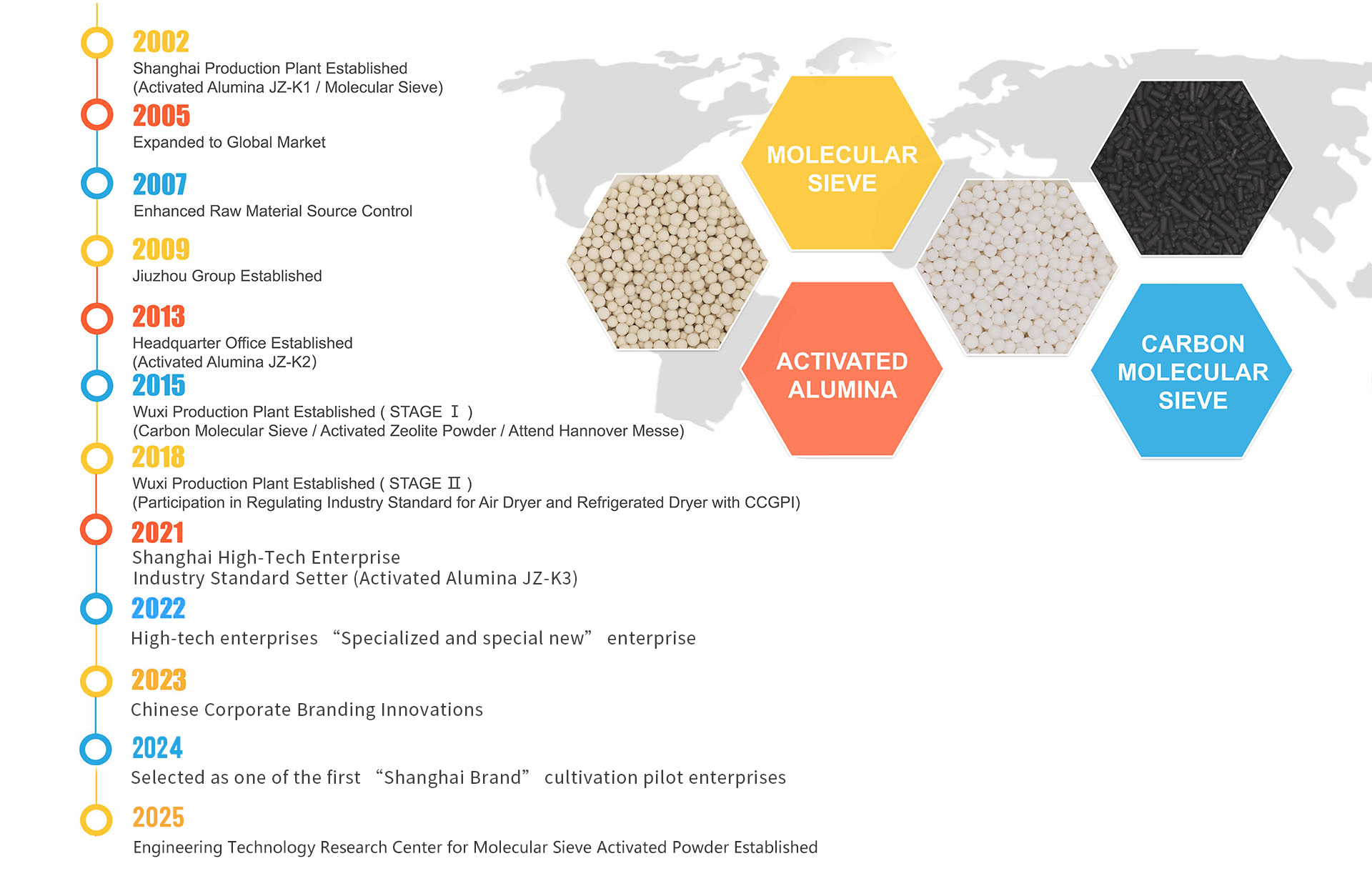
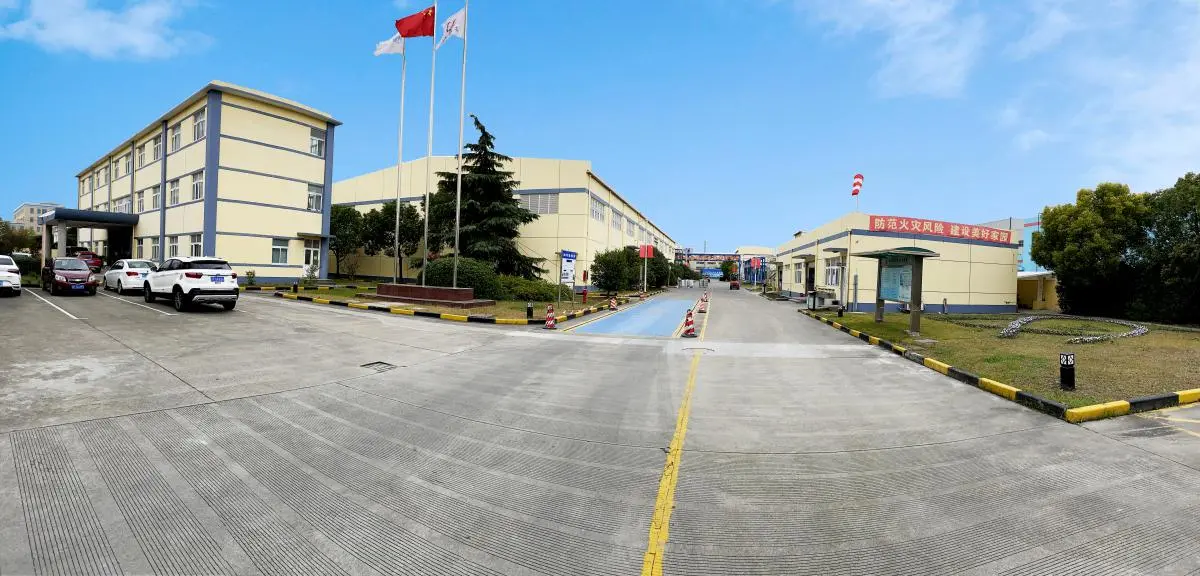
Shanghai Jiuzhou Chemicals Co., Ltd. is located in Shanghai, the largest economic development city in China. Over the years, Jiuzhou has always adhered to the “quality control, innovation” principles, and remains committed to the development, research, and manufacturing of high-quality innovative chemical products. Our core catalog includes various molecular sieve powders, molecular sieves, activated powder, activated alumina, aluminum oxide catalysts, different types of alumina packing and ceramic balls, sodium silicates, aluminum hydroxide, zeolite 4A, sodium carbonates, SLES, and more. All products are manufactured in compliance with ISO9001:2008 quality management systems, as well as TUV and SGS certifications.
Our advanced facilities feature a professional, world-class research team alongside experts in chemical resources. By leveraging state-of-the-art international production technologies and automated multi-functional workshops, we perform rigorous tests inside our central laboratory using large-scale monitoring and analytical instruments. We ensure our materials meet and exceed international specifications.
As a leading supplier of desiccants, adsorbents, and tower packings, we maintain strategic distribution networks in the United States, Southeast Asia, Japan, Europe, North and South America, the Middle East, and beyond. We are dedicated to providing our global partners with high-quality products, tailored services, and environmentally responsible adsorption solutions.
Our production system integrates strict incoming raw material checks, inline process verification, and final product audits to achieve zero defects.
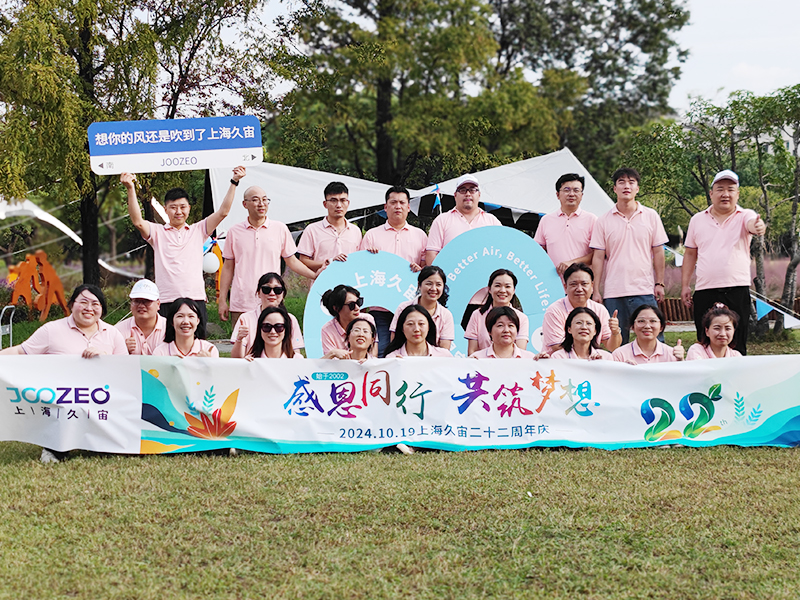
"Better air, Better life"
We focus on developing environmentally friendly, energy-saving adsorption materials to help industries worldwide reduce emissions and limit carbon footprints.

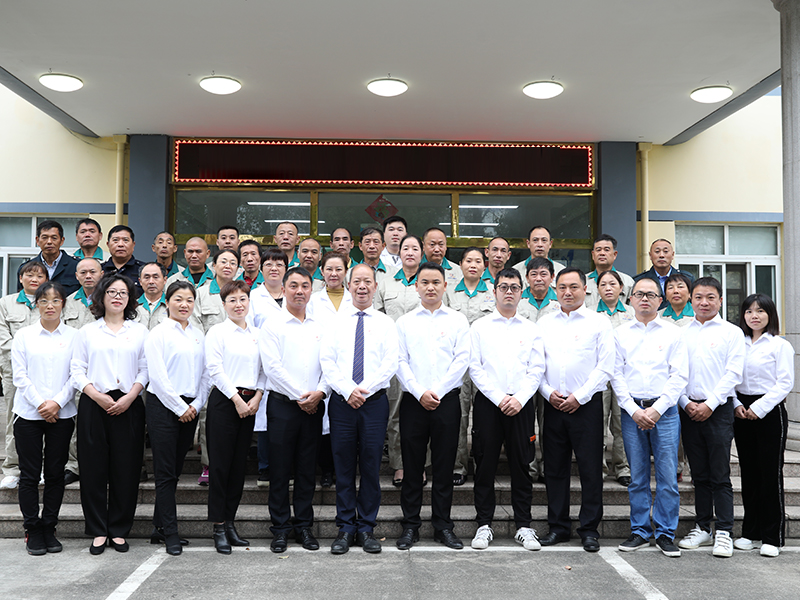
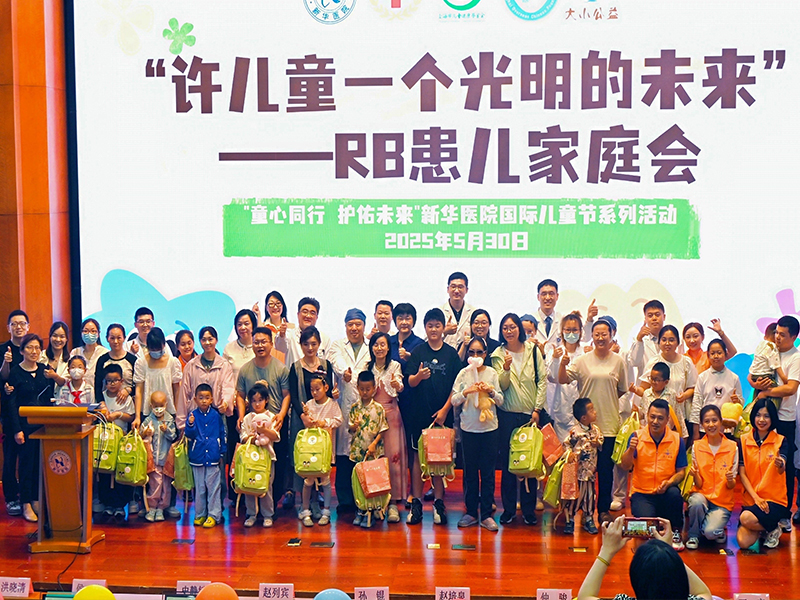
Jiuzhou Chemicals is an industry standard drafting body, ensuring all products comply with strict national and global specifications.
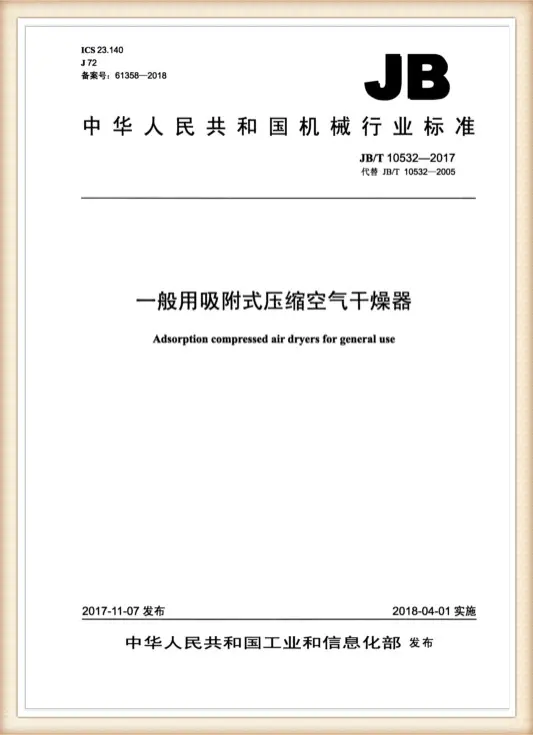
Adsorption compressed air dryers for general use
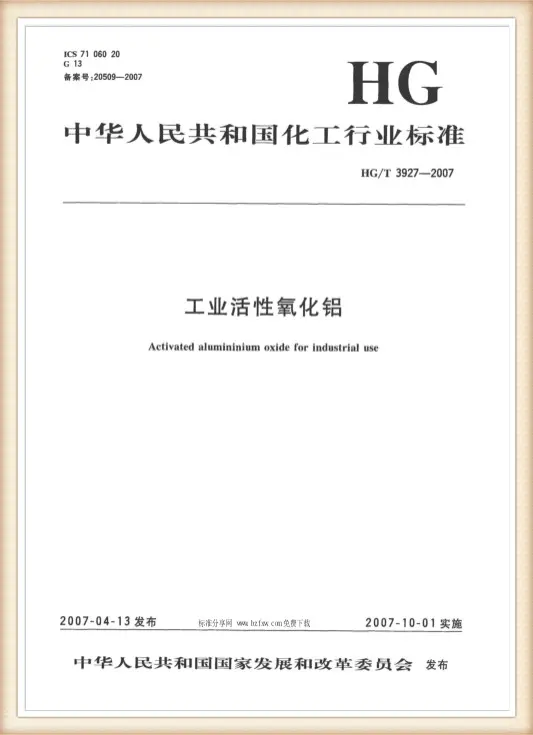
Activated alumina for industrial use
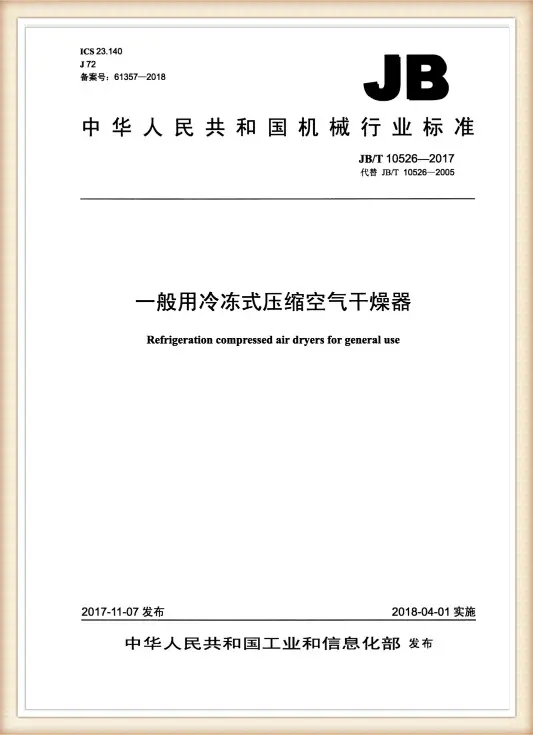
Refrigeration compressed air dryers for general use
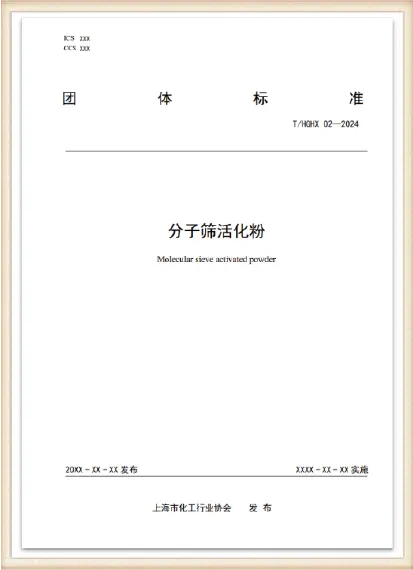
Industrial compressed gas purification standards
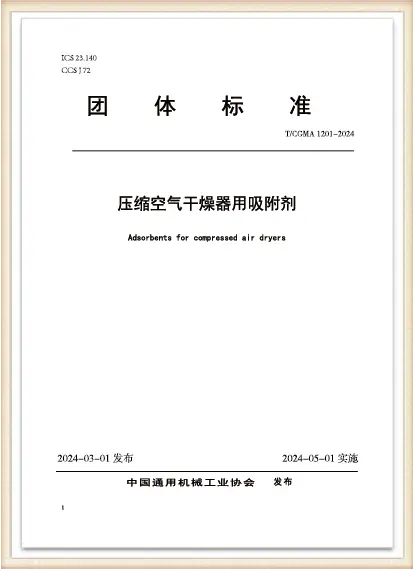
Fine chemical standards for adsorbents
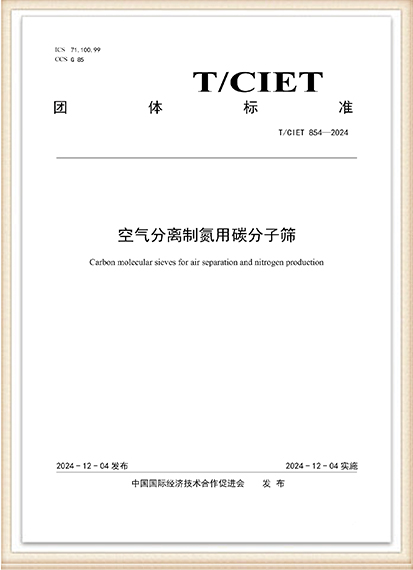
Green manufacturing & chemical processing guidelines
Pioneering clean energy transitions, carbon capture, and high-efficiency material science from 2025 to 2030.
Ongoing research targets grain size minimization in alpha-alumina to increase flexural and crush strength. Small grains prevent micro-fractures under extreme pressure variations, protecting downstream reactors from dust and fragment carryover.
In high-temperature hydrocracking, traces of silica can leach out and poison valuable noble metal catalysts. Our silica-free ceramic balls (SiO₂ < 0.1%) prevent catalyst poisoning and prolong reactor lifespans.
We design custom molecular sieves and zeolites with targeted pore size distributions. These materials select and capture carbon dioxide from industrial flue gases under varying pressures and temperatures.
As green hydrogen production scales up, specialized drying and adsorption systems are needed to remove moisture and trace oxygen. Our molecular sieves reach low dew points down to -70°C, meeting strict fuel-cell purity standards.
Proven support solutions for major chemical processes and refining units.
| Industrial Unit | Process Application | Recommended Support Media | Key Performance Parameter |
|---|---|---|---|
| Hydrotreating / Hydrocracking | Catalytic conversion of gas oil under high hydrogen partial pressures. | 99% High Alumina Ceramic Balls | SiO₂ content < 0.1% to prevent silica migration and downstream catalyst poisoning. |
| Ammonia Synthesis | H₂ and N₂ conversion at high pressure and temperature. | Inert Alumina Support Balls (92% - 99%) | Exceptional crush strength (> 1000 N/ball for 20mm diameter) to support heavy catalyst loads. |
| Air Separation Units (ASU) | Pre-purification of intake air, removing H₂O and CO₂. | Molecular Sieve JZ-ZMS9 / Activated Alumina | High dynamic CO₂ and water adsorption capacity, ensuring stable dew points. |
| Compressed Air Dryers | Removing moisture from instrument and process air lines. | Activated Alumina JZ-K2 / JooSorb DS-121 | Low attrition loss (< 0.1 wt%) preventing dust generation and downstream filter clogging. |
| Ethylene Dehydration | Removal of trace water from ethylene feed stream before polymerization. | 3A Molecular Sieve (JZ-512H / JooSorb AST-02) | Exclusion of ethylene molecules from co-adsorption, ensuring maximum dehydration efficiency. |
Technical answers to critical questions about catalyst bed design and selection.
At high reactor operating temperatures and in the presence of steam, silica (SiO₂) from inert ceramic support balls can react and leach into the system. This volatilized silica migrates into the catalyst bed, coating active metal sites (like CoMo or NiMo) and irreversibly poisoning the catalyst. To prevent this, refineries specify high-purity alumina support balls (99%+ Al₂O₃, containing less than 0.1% SiO₂), ensuring the protection of high-cost catalysts.
During startup, shutdown, and normal thermal cycling, catalyst bed support media experience significant mechanical stress. If ceramic support balls have insufficient crushing strength, they will fracture. This leads to broken fragments that fill voids within the bed, increasing pressure drop. Rising pressure drops limit reactor throughput, increase compressor energy demand, and can cause bed channeling, which requires costly early shutdowns.
Inert ceramic balls (typically composed of silicate or alpha-alumina phases) serve as support and flow distribution media, with minimal surface area and chemical activity. Active ceramic balls, such as activated alumina, have high surface areas (often exceeding 300 m²/g) and high porosity. They are used as adsorbents or desiccants to remove impurities like water, fluorine, or chlorine from process streams.
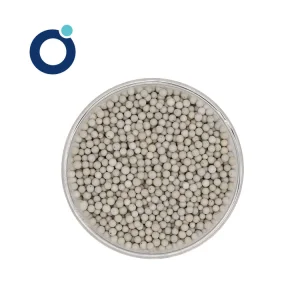
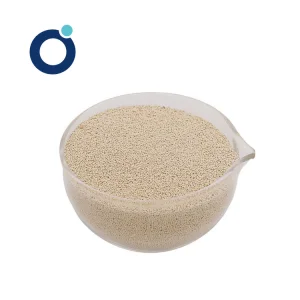
Molecular sieves utilize precise, uniform pore openings (e.g., 3Å, 4Å, 5Å, or 10Å) to separate molecules based on size. In dehydration processes, a 3A molecular sieve allows water molecules (~2.8Å) to enter and be adsorbed while excluding larger hydrocarbons like ethylene or propylene. This size-exclusion property prevents chemical co-adsorption and polymerization within the adsorbent bed.
Performance degradation is typically caused by hydrothermal aging, structural attrition, or chemical fouling. High-temperature steam breaks down the active transition-alumina structure, converting it to boehmite or alpha phases, which lowers the surface area. Operating within suggested thermal limits and selecting activated alumina with high mechanical crush strength helps extend the lifetime of adsorbent beds.
Select from our certified active molecular sieves and high-surface-area catalysts.
Need assistance selecting the correct ceramic ball size, alumina content, or active adsorbent? Our application engineers are ready to support your process optimization.
Send Request