Best Molecular Sieve Regeneration Manufacturer & Supplier

High-Performance Adsorption Systems & Industrial Gas Purification Catalysts Since 1994

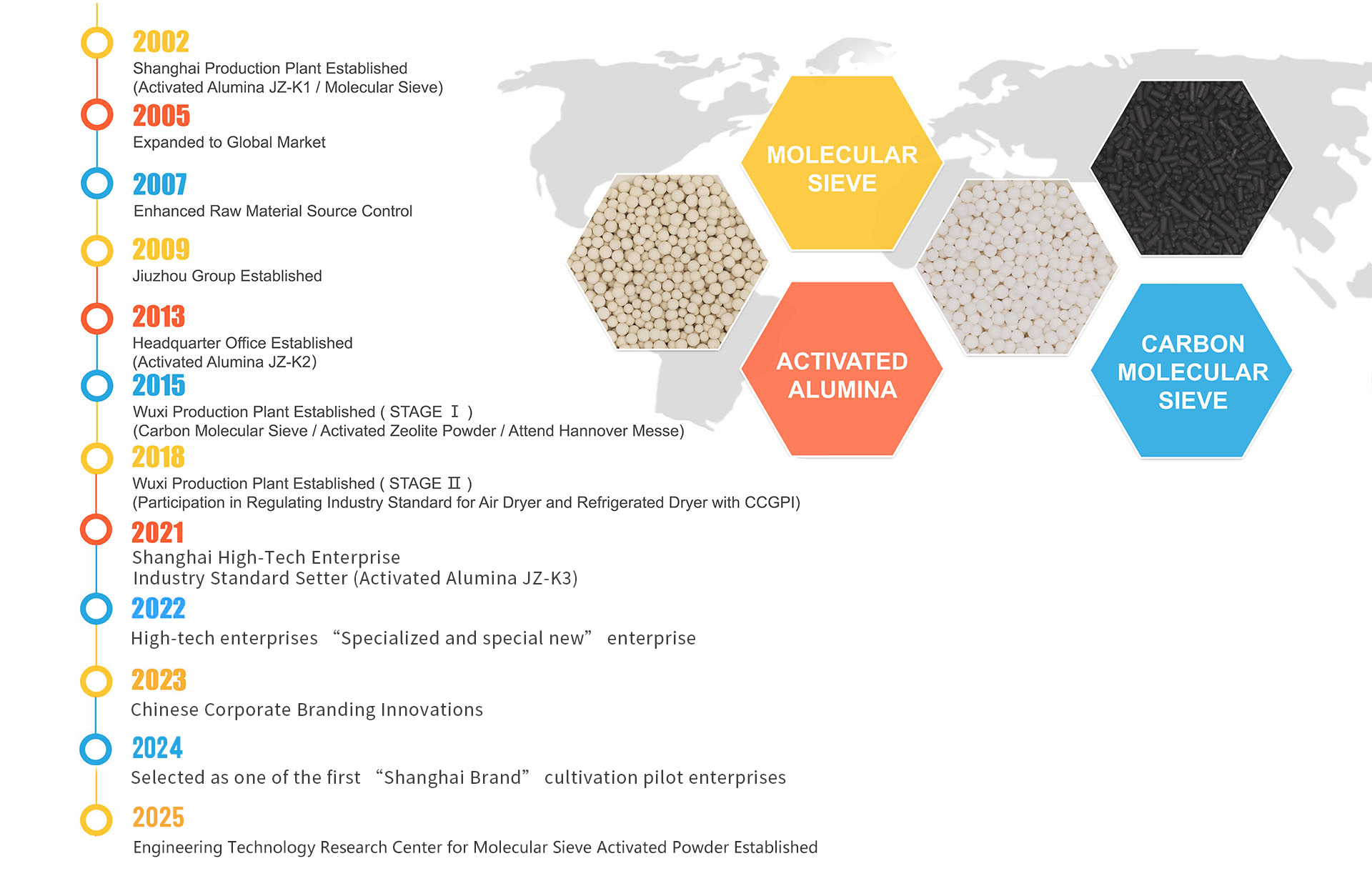
1994
Time of Establishment
80+
Countries with Trade Relations
25,000
Company Area (Square Meters)

Featured Catalysts & Adsorbents Portfolio

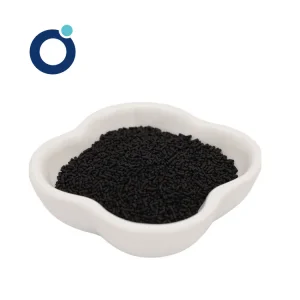
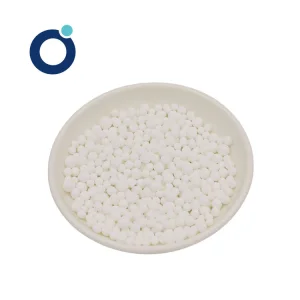
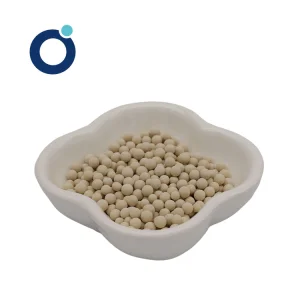
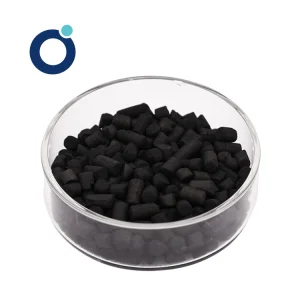
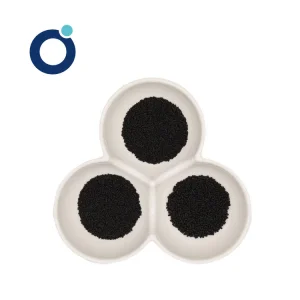
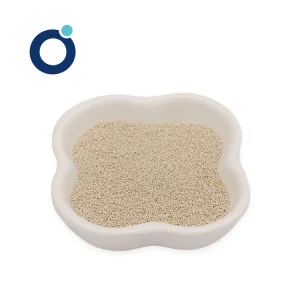
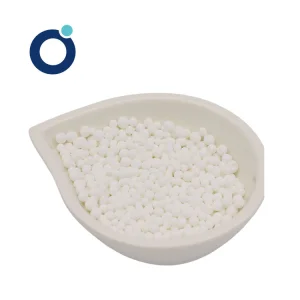
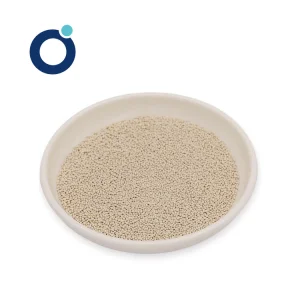
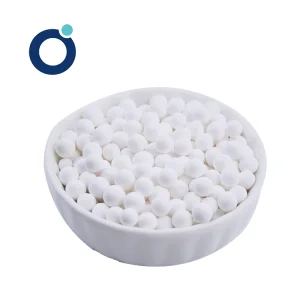
Premium grade molecular sieves, silicates, and activated alumina solutions engineered for strict global industrial specifications.
30+ Years of Chemical Engineering Excellence

Optimizing Molecular Sieve Regeneration for Global Operations

Molecular sieves are the backbone of modern petrochemical refining, natural gas processing, air separation, and pharmaceutical packaging. However, the efficiency of any adsorption system depends heavily on its regeneration cycle. Proper molecular sieve regeneration ensures consistent performance, minimizes energy expenditure, and prevents premature structural degradation of the crystalline zeolite framework.

As a global leader in molecular sieve manufacturing, Shanghai Jiuzhou Chemicals Co., Ltd. (Joozeo) delivers advanced zeolitic materials and system design protocols. By precisely controlling parameters such as thermal swing adsorption (TSA) heat distribution, purging velocities, and pressure swing adsorption (PSA) cycles, we enable industrial operators to maximize desiccant lifespans, achieve dew points below -70°C, and reduce total cost of ownership (TCO).

"Adherence to strict thermodynamic modeling during the heat and cool cycles prevents hydrothermal aging, preserving the microporous crystalline matrix for thousands of cycles."
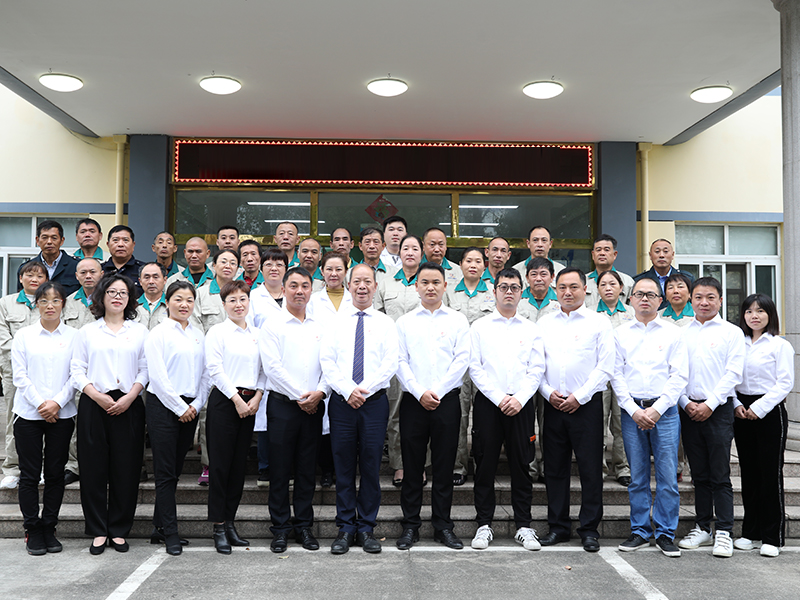
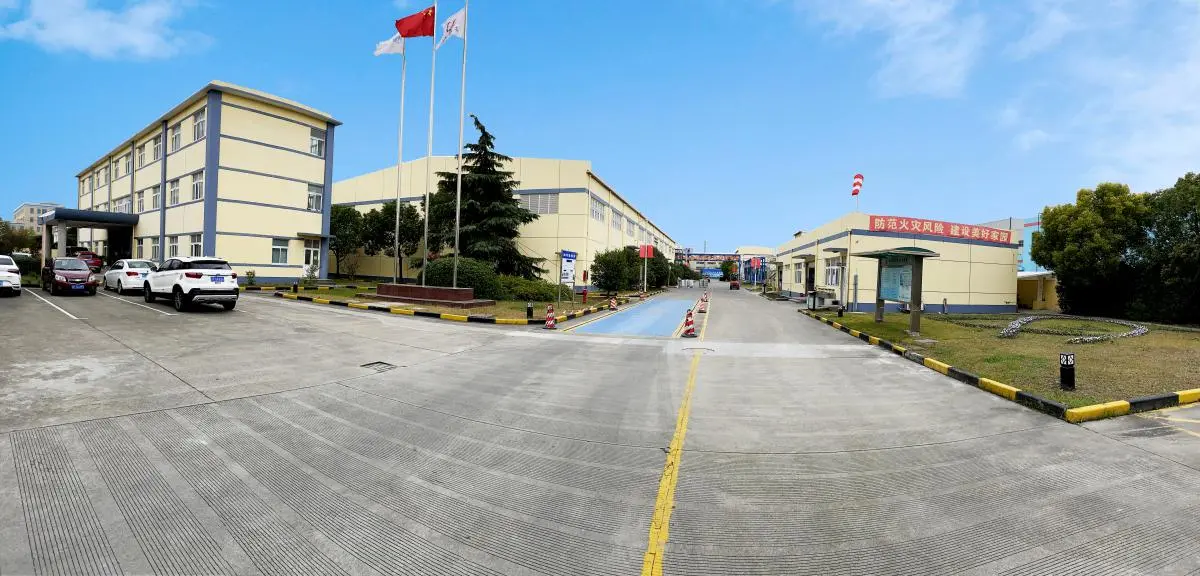
Shanghai Jiuzhou Chemicals Headquarters

The Thermodynamics of Zeolite Regeneration: TSA vs. PSA

Molecular sieves adsorb water molecules, hydrocarbons, and acid gases within their crystalline pore apertures via physical adsorption (physisorption) governed by electrostatic fields and van der Waals forces. To desorb these trapped molecules and return the sieve to its active state, the thermodynamic balance must be altered.

Thermal Swing Adsorption (TSA)

Utilizes thermal energy to break the dipole-dipole bonds between water molecules and the cationic sites within the zeolite framework. Temperatures typically range from 200°C to 350°C, carried by a dry purge gas.

Pressure Swing Adsorption (PSA)

Operates at near-ambient temperatures. Regeneration is achieved by reducing the partial pressure of the adsorbate. This method features rapid cycles, making it ideal for hydrogen purification and air dryers.

Hydrothermal Aging Mitigation

Our formulations use specialized binders to prevent hydrothermal structural collapse (loss of crystallinity) caused by steam during the initial heating phase of wet molecular sieves.

Optimizing the Heating & Cooling Curves

The critical phase of TSA regeneration occurs when the heat front travels through the bed. If the bed is heated too rapidly while saturated with water, localized high-pressure steam forms, initiating dealumination of the zeolite framework. This permanently collapses the pore structures. Joozeo's advanced technical support team provides clients with dynamic heat-up models:

  • Step-Up Heating: A gradual ramp-up to slowly release bulk water before reaching peak activation temperatures.
  • Purge Gas Dryness: The regeneration gas must have a dew point significantly lower than the target outlet dew point of the process.
  • Controlled Cooling: Utilizing dry process gas to return the bed to operating temperatures without re-adsorbing humidity from the surroundings.

Meeting Global Enterprise Procurement Demands

Industrial procurement departments at major EPC (Engineering, Procurement, and Construction) firms, oil refineries, and chemical production complexes demand more than just competitive pricing. They require comprehensive risk mitigation, proven operational reliability, and compliance with stringent environmental standards.

When sourcing molecular sieves, global procurement managers prioritize several key performance indicators (KPIs):

  • Bulk Crushing Strength: High mechanical integrity prevents bead crushing under high bed weights and gas velocities, avoiding pressure drops.
  • Attrition Rate: Minimal dust formation protects downstream valves, compressors, and instrumentation from abrasive wear.
  • Mass Transfer Zone (MTZ) Minimization: Optimized pore size distribution leads to a narrow MTZ, maximizing usable capacity per bed cycle.
  • Supply Chain Transparency: Secure raw material sourcing and scale production facilities to guarantee on-time delivery for scheduled plant turnarounds.

Macro Industry Solutions & Adsorption Engineering

Joozeo's adsorbents and engineered systems target a wide range of industrial challenges, optimizing process efficiency, purity, and environmental compliance.

Natural Gas Dehydration & Sweetening

Removing trace water and hydrogen sulfide (H2S) prior to cryogenic liquefaction (LNG) prevents freeze-ups and pipeline corrosion.

Air Separation Units (ASU)

Pre-purifying intake air by adsorbing carbon dioxide (CO2), moisture, and light hydrocarbons to guarantee safety in cryogenic columns.

Petrochemical & Ethylene Drying

Ensuring deep cracked gas dehydration down to <1 ppmv water content to prevent catalyst poisoning in downstream polymerization reactors.

Advanced Manufacturing Facilities

Equipped with state-of-the-art automated production workshops, dynamic laboratories, and rigorous quality inspection units.
Joozeo Shanghai Production Base

Shanghai Factory

Our main automated manufacturing center, coordinating high-volume production of molecular sieve powders, active formulations, and custom catalyst carriers.

Joozeo Wuxi Production Facility

Wuxi Factory

Focuses on advanced synthetic zeolites, specialty silica gels, and high-purity activated alumina lines, supporting customized industrial applications.

National Standards Setter & Industry Leadership

Joozeo actively drafts national and industrial standards, proving our authority and dedication to technical progress in the chemical separation sector.
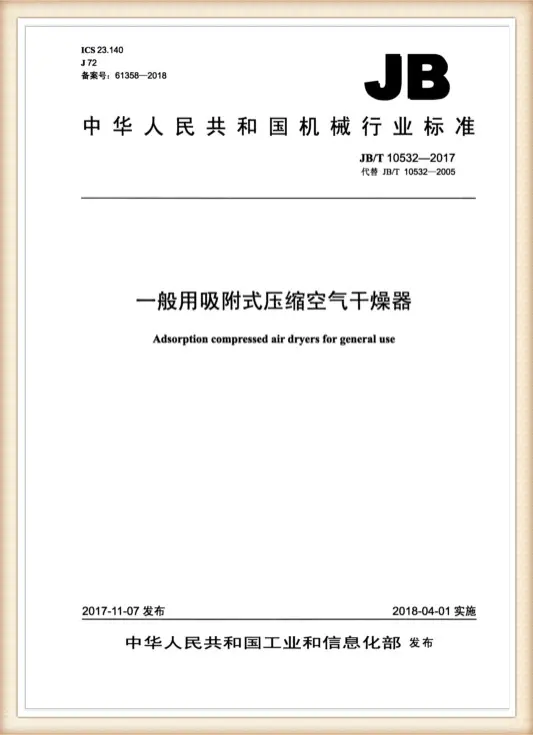
JB/T 10532-2017 Certificate

JB / T 10532-2017

Adsorption compressed air dryers for general use
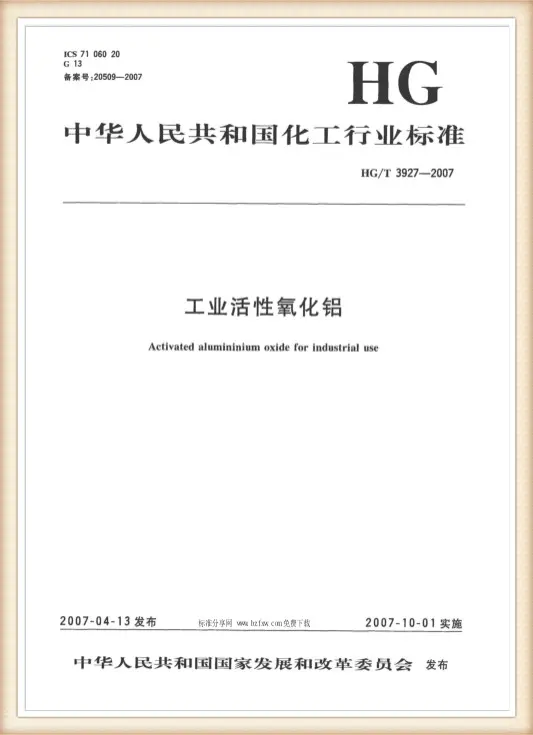
HG/T 3927-2007 Certificate

HG / T 3927-2007

Activated aluminum oxide for industrial use
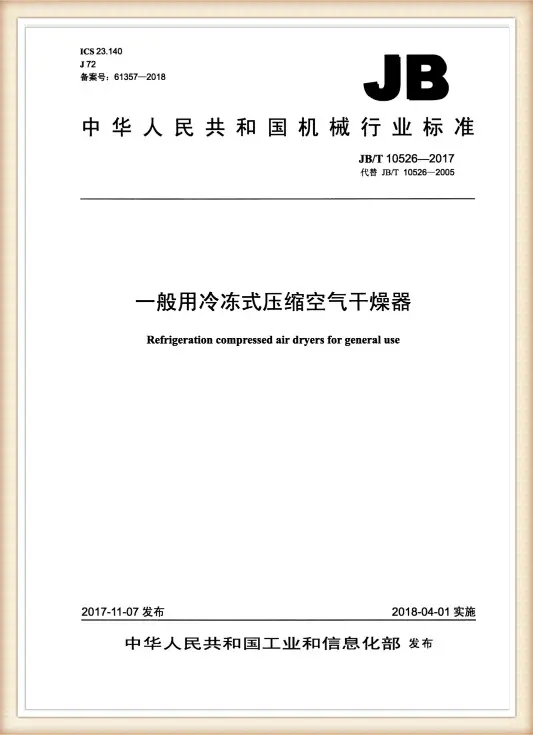
JB/T 10526-2017 Certificate

JB / T 10526-2017

Refrigeration compressed air dryers for general use
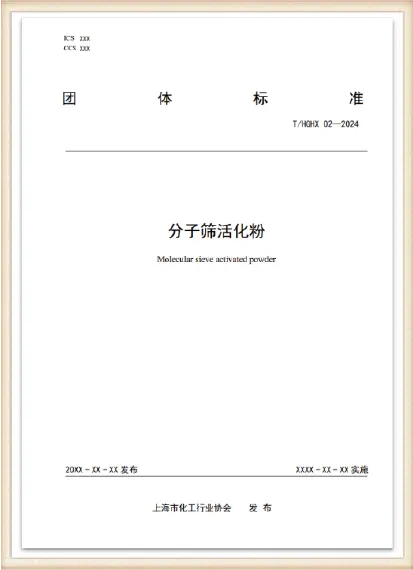
T/CGMA1201-2024 Certificate

T/CGMA1201-2024

General Machinery Industry Association Standard
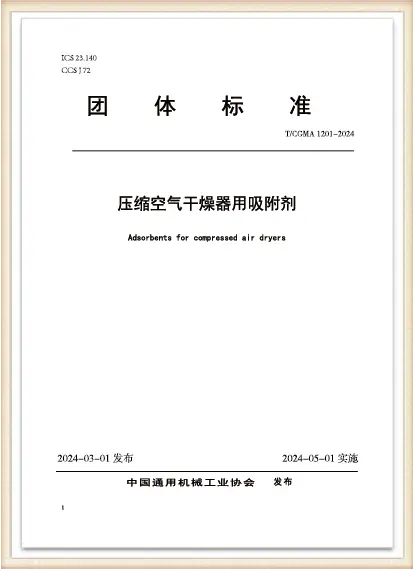
T/HGHX 02-2024 Certificate

T/HGHX 02—2024

Chemical Industry Engineering Specification
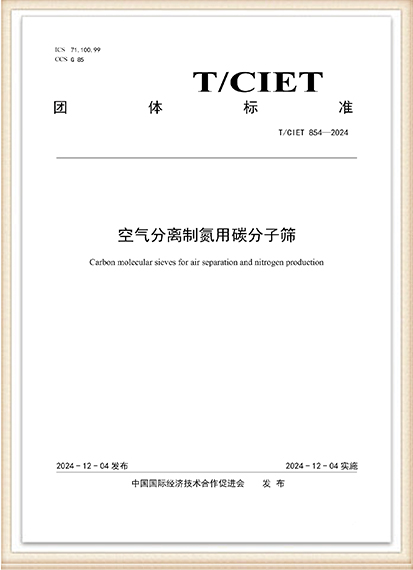
T/CIET 854-2024 Certificate

T/CIET 854-2024

Technical Assessment Standard for Green Chemicals

Technical Roadmap & Future Outlook (2025–2030)

The global focus on carbon neutrality and energy efficiency is driving the next generation of adsorption technologies. Heating molecular sieve beds to 300°C requires significant energy. Joozeo's R&D department is focused on three primary areas:

  • Low-Energy Desorption Zeolites: Synthesizing framework structures with modified counter-cations that lower the activation energy barrier for water desorption, potentially reducing regeneration temperatures by up to 50°C.
  • Binderless Molecular Sieves: Eliminating inert clay binders to increase active zeolite content per unit volume by 20-30%, resulting in higher working capacities and lower purge gas requirements.
  • Hybrid Adsorption Matrices: Combining zeolites with metal-organic frameworks (MOFs) to selectively capture carbon dioxide while resisting moisture co-adsorption.

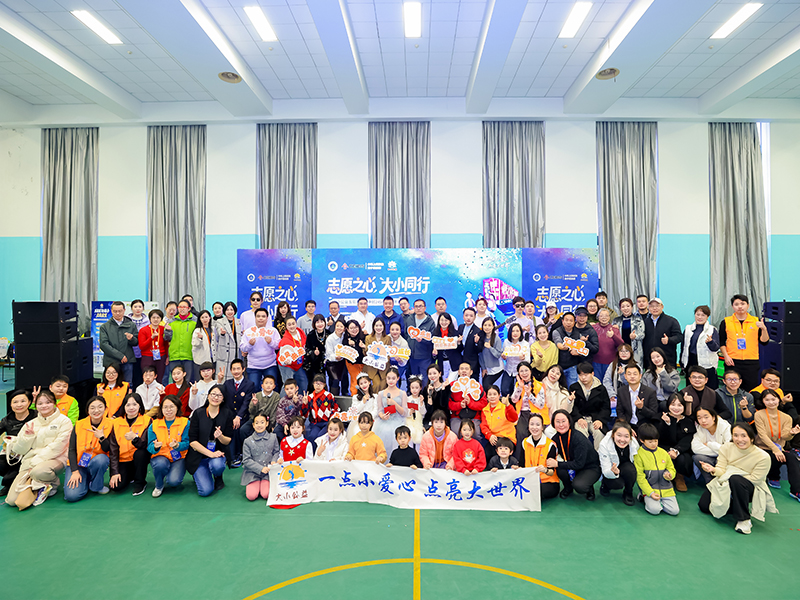
Social Responsibility: Better Air, Better Life

We are dedicated to sustainable manufacturing processes, minimizing carbon footprints, and supporting environmental protection initiatives globally.

Environmental Protection Practice
Sustainable Manufacturing Process
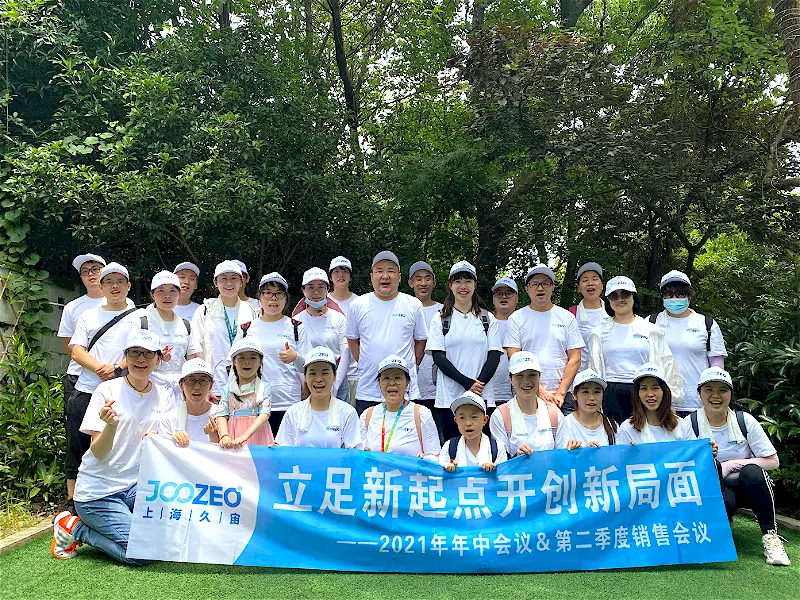
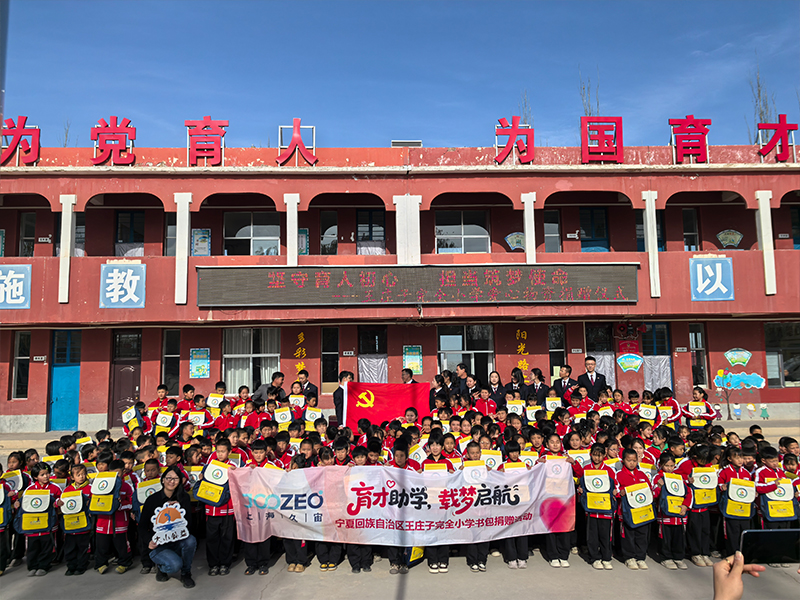
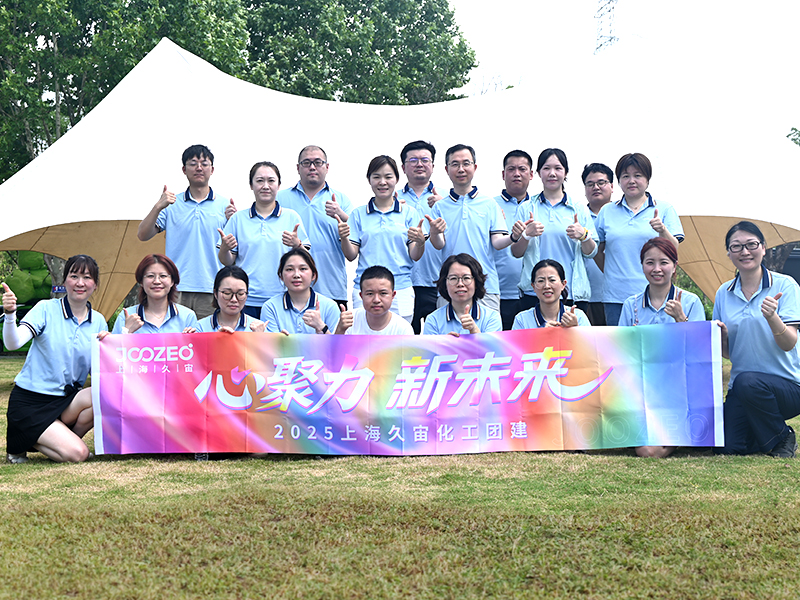
Safety and Community Welfare
Employee Healthcare & Training
Green Energy Integration in Plants
Eco-friendly Chemical Shipping Packaging
R&D Lab Emissions Filtration
ISO Environmental Compliance Audits

Technical FAQs: Molecular Sieve Regeneration

Expert answers to critical operational, design, and troubleshooting queries regarding zeolitic adsorbent regeneration.

1. What is the typical regeneration temperature range for Type 3A, 4A, 5A, and 13X molecular sieves?
For Thermal Swing Adsorption (TSA), the standard bed regeneration temperatures range from 200°C to 320°C (392°F to 608°F). Specifically, Type 3A (used for ethanol or ethylene dehydration) is regenerated between 200°C and 250°C to limit thermal degradation of the binder, while Type 13X requires 250°C to 320°C to properly desorb heavier co-adsorbed hydrocarbons and carbon dioxide.
2. How does hydrothermal aging happen, and how can we prevent it?
Hydrothermal aging is the structural degradation of the zeolite crystal lattice caused by contact with steam at high temperatures. To prevent this, operators should implement a dual-stage heating protocol. The first stage uses a low-temperature flow to gently purge bulk free water, followed by a second stage at higher temperatures to remove remaining structurally bound water.
3. Can nitrogen or carbon dioxide be used as a regeneration purge gas?
Yes, dry nitrogen (N2) is an excellent inert purge gas because it does not react with the sieve or residue hydrocarbons. Carbon dioxide (CO2) can also be used, but its high adsorption affinity requires higher temperatures to prevent it from remaining adsorbed and occupying pore space during the subsequent adsorption cycle.
4. What causes a rapid pressure drop across the molecular sieve bed during regeneration?
A rapid pressure drop usually points to adsorbent attrition (dusting) or bead crushing. This is caused by high-velocity gas flows fluidizing the bed, or thermal shock from rapid heating/cooling cycles. Choosing high mechanical crush strength sieves and using gradual flow ramping can prevent this issue.
5. How do we determine when a molecular sieve bed is completely regenerated?
Complete regeneration is confirmed when the outlet purge gas temperature matches the inlet heating temperature (creating a thermal breakthrough plateau) and the outlet gas dew point stabilizes at the target level, indicating no moisture is leaving the bed.

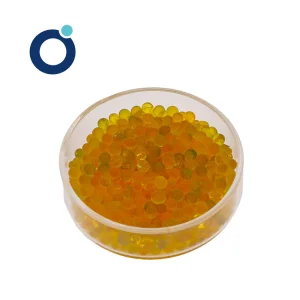
Extended Chemical & Desiccant Formulations

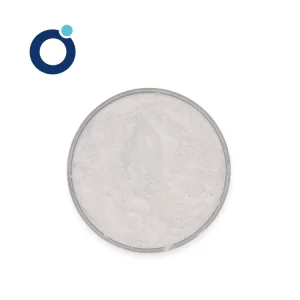
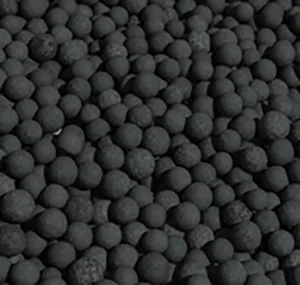
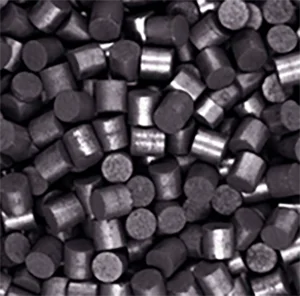
High-efficiency silica gels, molecular sieve powders, and carbon-based specialty adsorbents.
Get Technical Consultation & Quotes Within 24 Hours

Connect with Joozeo's applications engineering team. We assist in sizing beds, choosing the right zeolites, and optimizing your regeneration cycles.

Send Enquiries / Request Quote