Engineered for extreme performance, hydrothermal stability, and selective kinetic separation.
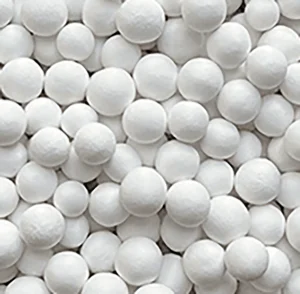
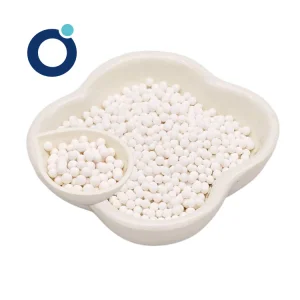
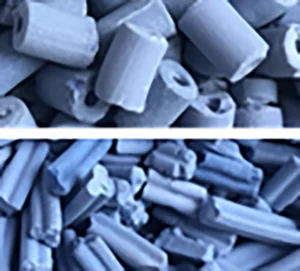
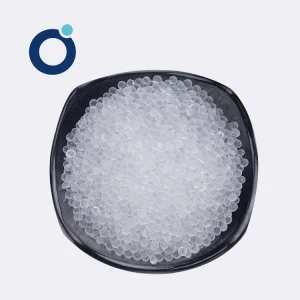
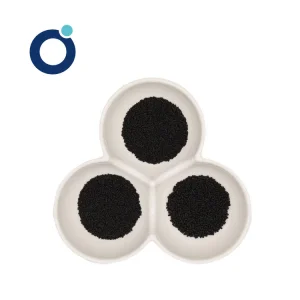
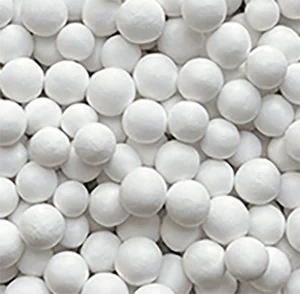
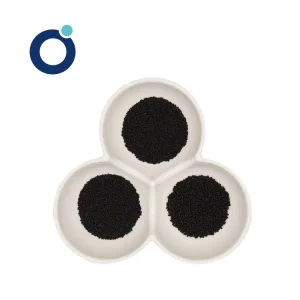
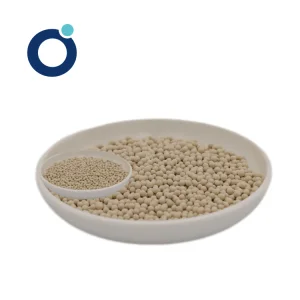
A 3A molecular sieve is a potassium-promoted A-type aluminosilicate crystalline zeolite. The critical parameter defining this material is its nominal pore opening diameter of approximately 3 Angstroms (0.3 nm). This precise microscopic structure acts as a thermodynamic and kinetic separator, allowing molecules with a kinetic diameter smaller than 3Å to be adsorbed inside the crystalline cavity, while excluding larger molecular structures.
Most notably, water molecules, with a kinetic diameter of roughly 2.65Å, are selectively captured within the crystalline framework. Meanwhile, hydrocarbons like ethylene (3.9Å), propylene (4.5Å), and ethanol (4.2Å) are excluded. This selective filtration prevents the undesirable co-adsorption and subsequent catalytic decomposition or polymerisation of hydrocarbons, which would otherwise lead to bed coking and irreversible system deactivation.
| Property | Technical Specification (3A Grade) |
|---|---|
| Pore Diameter | ~ 3 Angstroms (0.3 nm) |
| Chemical Formula | 0.4K₂O • 0.6Na₂O • Al₂O₃ • 2.0SiO₂ • xH₂O |
| Bulk Density | ≥ 0.68 g/ml |
| Crushing Strength | ≥ 80 N (Beads ∅3.0-5.0mm) |
| Static Water Adsorption | ≥ 21.0 wt% (@ 25°C, 60% RH) |
| Attrition Rate | ≤ 0.10 wt% |
How JOOZEO 3A molecular sieves solve dynamic engineering challenges across global process sectors.
In petrochemical olefins plants, raw cracked gases contain substantial trace water levels. As gas enters high-pressure cryogenic separation columns, any moisture present forms solid hydrates, freezing control valves and clogging pipelines. JOOZEO 3A Molecular Sieves selectively dehydrate the stream to less than 1 ppmv water concentration, leaving the valuable ethylene and propylene feedstock completely untouched in the gas stream.
Azeotropic distillation processes can only concentrate bio-ethanol up to 95.6% purity. For fuel-grade ethanol applications, water content must be lower than 0.5% weight. High-density JOOZEO 3A molecular sieves are deployed in rapid Pressure Swing Adsorption (PSA) vapor dehydration systems, trapping the water molecules and allowing anhydrous ethanol vapors (purity >99.8%) to pass through continuously.
Dual-pane and triple-pane architectural glass windows rely on keeping the inner air or noble gas space completely dry to prevent internal condensation and frost buildup at low winter temperatures. Extremely low-dusting, high-adsorptive 3A desiccant matrices from JOOZEO keep internal dew points below -60°C throughout the entire operational lifetime of structural facades.
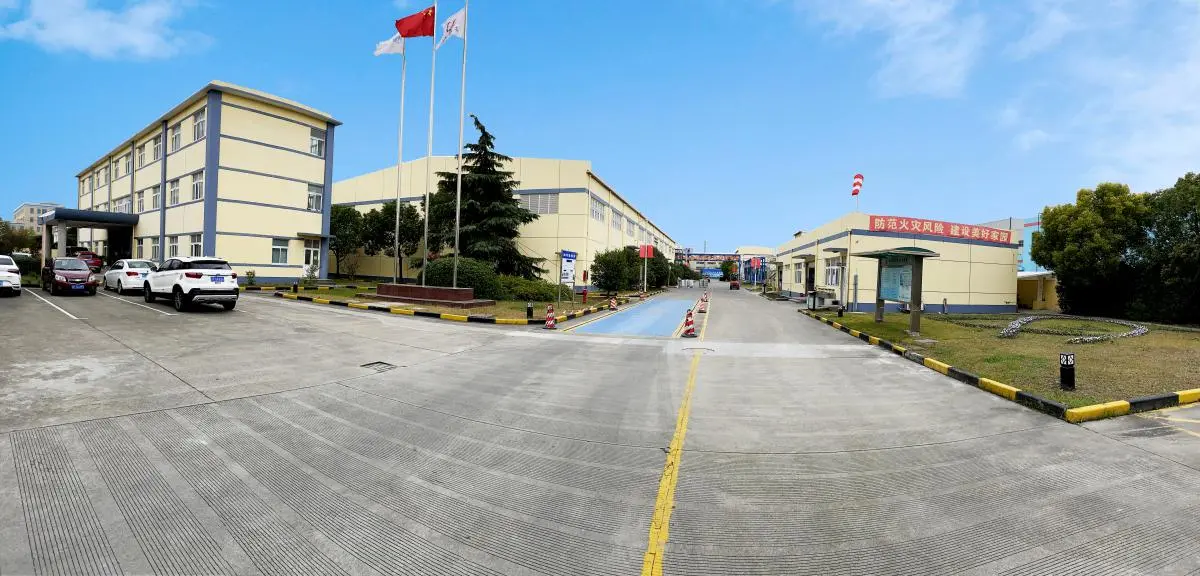
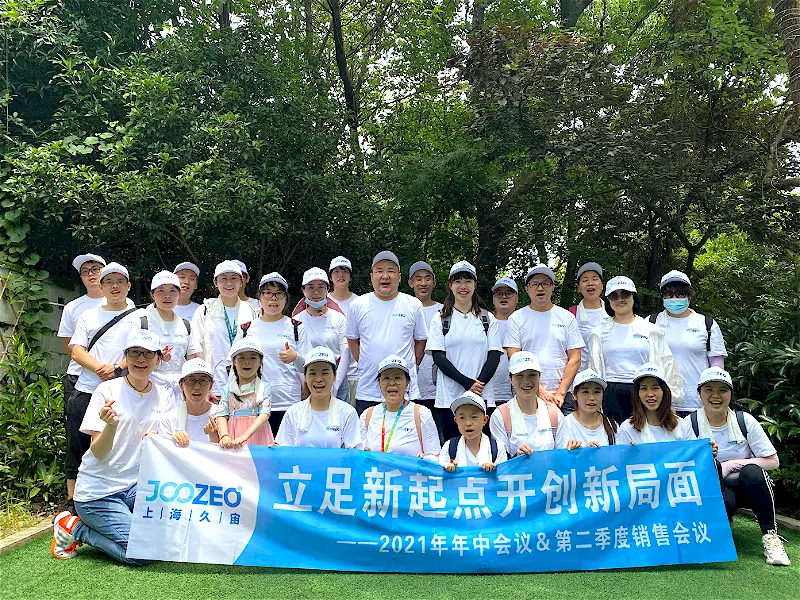
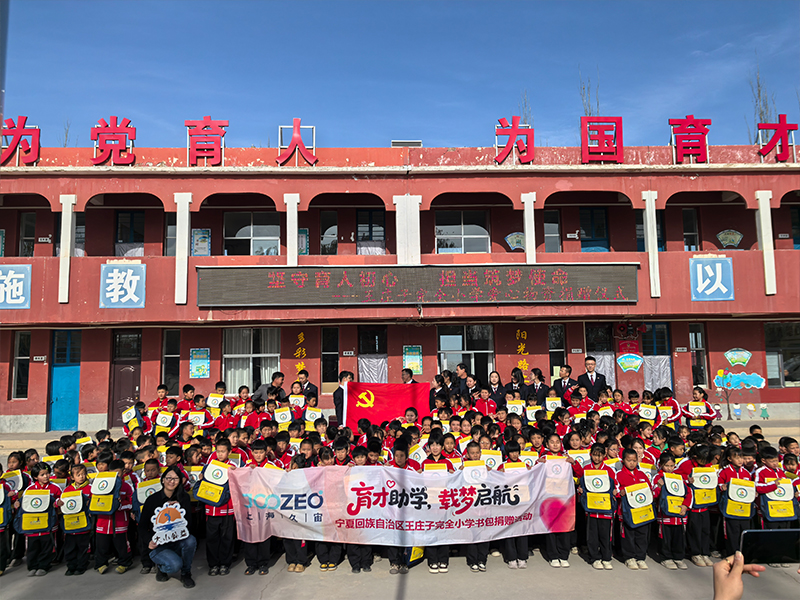
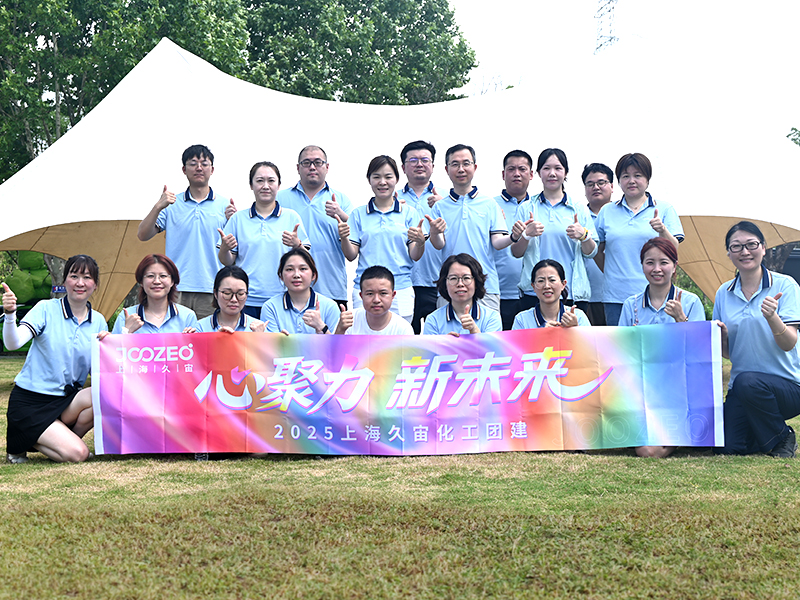
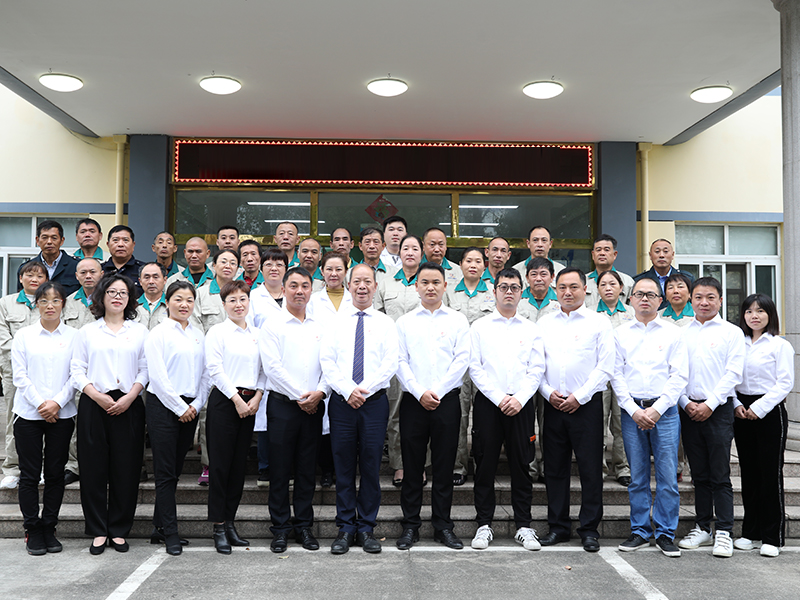
Shanghai Jiuzhou Chemicals Co., Ltd. is located in the largest economic development hub, Shanghai. Over the years, Jiuzhou has always adhered to the core principles of "Quality Control & Innovation", committing to the continuous research, molecular modeling, engineering, and manufacturing of high-quality industrial chemical adsorbents.
Our main products include various molecular sieve powders, synthetic molecular sieves, activated powders, activated alumina, aluminum oxide catalysts, different types of alumina packing and ceramic balls, sodium silicates, aluminum hydroxide, zeolite 4A, sodium carbonates, SLES, and more. All of our products are certified under the ISO9001:2008 Quality Management System, alongside global validations from TUV & SGS.
Jiuzhou’s technical strength and industry reputation lead the desiccants sector. With a world-class research team, senior chemical engineers, automated multi-functional production lines, and a state-of-the-art dynamic laboratory, we deliver highly energy-saving, stable, and environmentally friendly adsorption solutions to clients in the USA, Europe, Japan, the Middle East, Southeast Asia, and beyond.
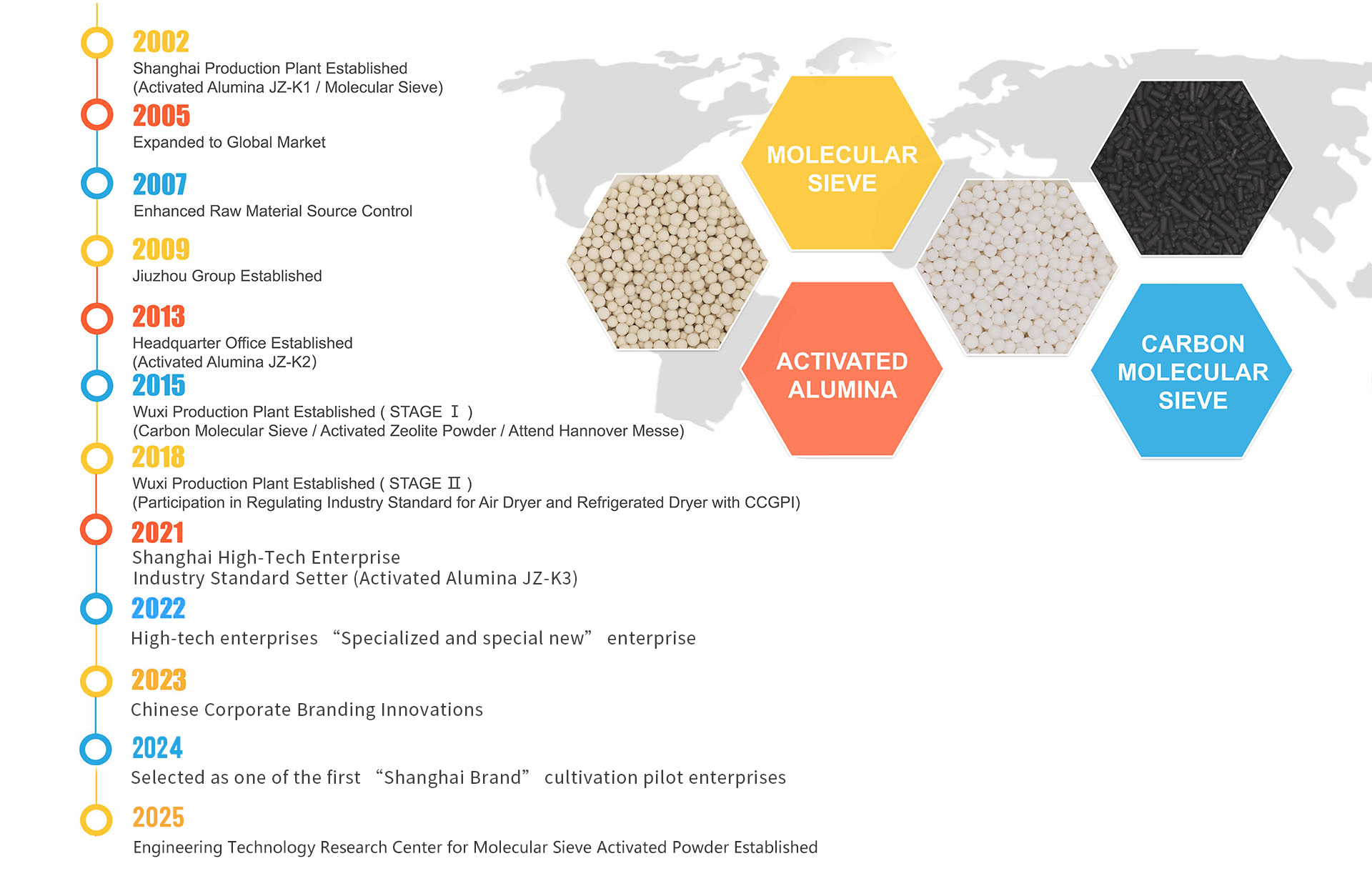
Leveraging vertically integrated logistics, automated production lines, and direct maritime shipping hubs.
Global demand for molecular sieves is increasingly tied to the clean energy transition. Hydrocarbon processing plants are demanding raw materials that lower carbon footprints through reduced thermal regeneration energy requirements. Our R&D division focuses on:
From North American natural gas liquefaction (LNG) facilities to European petrochemical crackers, processors are moving away from traditional, high-maintenance drying agents. Low attrition, high-selectivity 3A molecular sieves prevent the co-adsorption of volatile organic compounds (VOCs). Consequently, downstream process equipment stays clear of toxic residues while catalyst replacement cycles are significantly extended.
JOOZEO actively shapes chemical manufacturing standards in China, proving our technological authority.
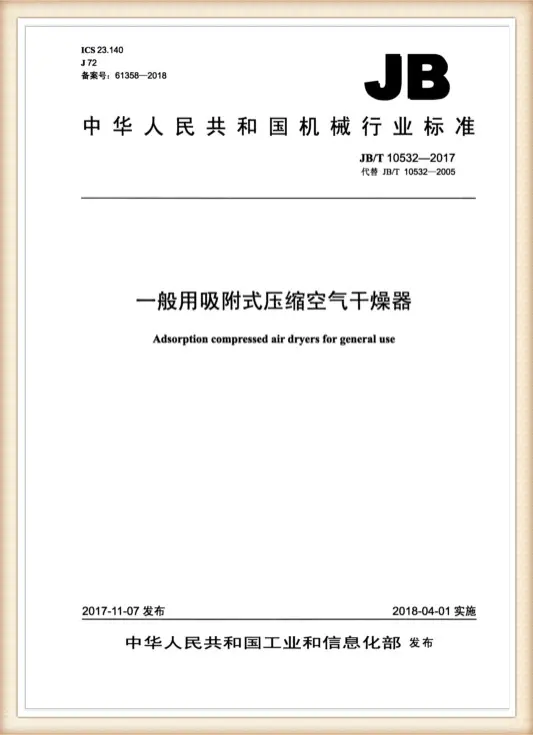
JB / T 10532-2017
Adsorption compressed air dryers for general industrial use.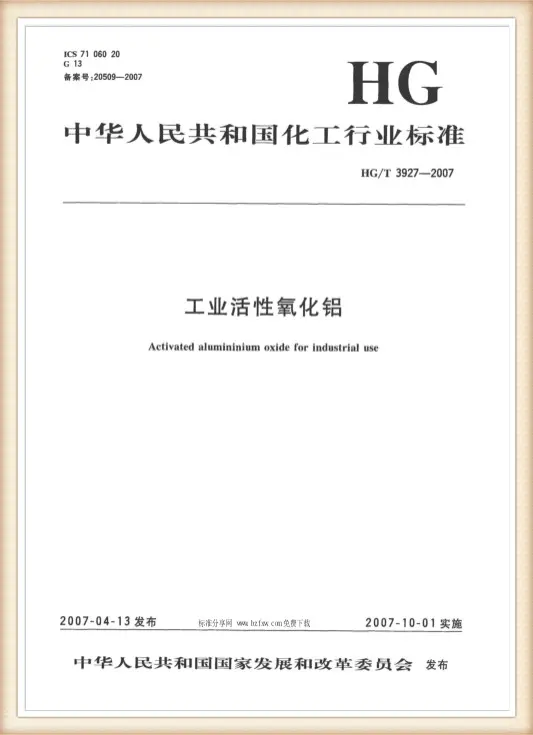
HG / T 3927-2007
Activated aluminium oxide requirements for industrial usage.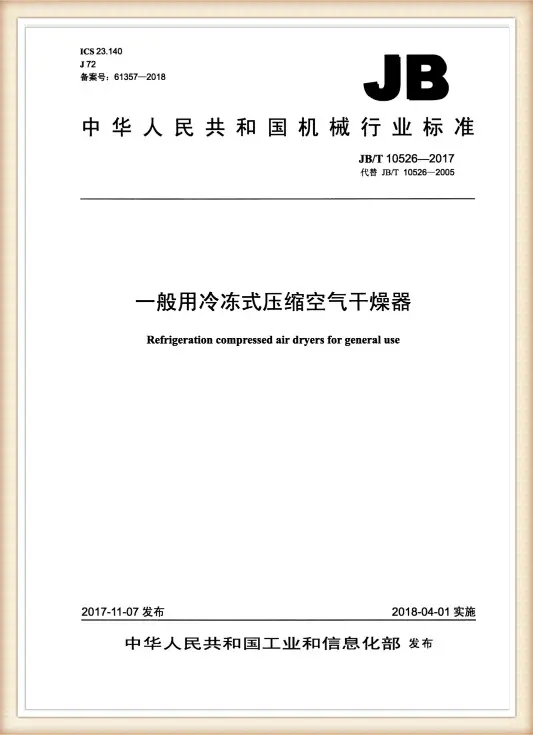
JB / T 10526-2017
Refrigeration compressed air drying standard setting.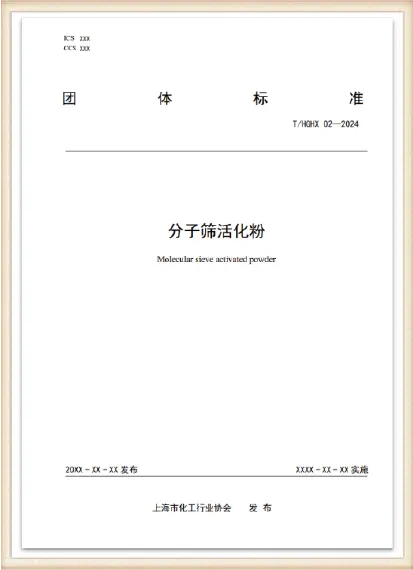
T/CGMA1201-2024
Advanced compression and gas system dryer specification standards.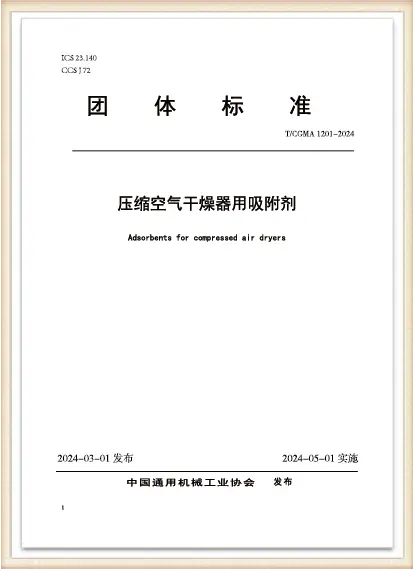
T/HGHX 02—2024
Chemical dry gas system process requirements.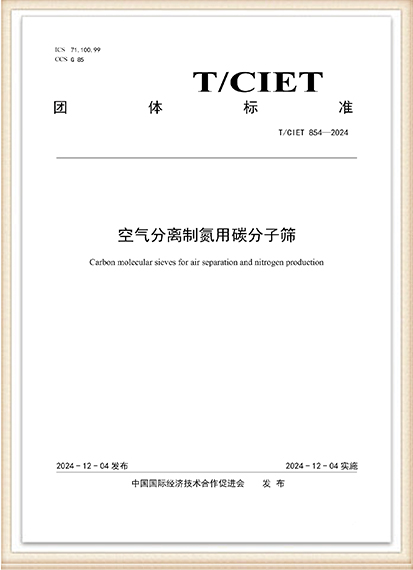
T/CIET 854-2024
Industrial adsorption safety protocols.Striving for clean air, zero emission targets, and sustainable chemical processing globally.




Get answers to critical chemical, application, and process engineering parameters.
The fundamental difference lies in the cation exchange structure of the zeolite lattice. The base structure of type A zeolites is sodium-based (having 4Å pore opening). Exchanging sodium ions with larger potassium ions reduces the pore opening to 3Å (3A Molecular Sieve). Exchanging sodium with calcium ions expands the pore opening to 5Å (5A Molecular Sieve). The choice depends entirely on the molecular kinetic diameters of the molecules being separated.
If 4A molecular sieves were deployed, ethylene (with a kinetic diameter of 3.9Å) could partially enter the 4Å pore cavities, leading to co-adsorption. The high internal electrostatic fields within the zeolite cage would catalyze polymerization and carbon deposition (coking). The smaller 3Å pores strictly exclude these olefins, only adsorbing the moisture, thereby preventing catalyst decay and safeguarding process safety.
Thermal regeneration in Temperature Swing Adsorption (TSA) systems typically requires heating a dry purge gas (nitrogen or methane) to temperatures between 200°C and 320°C. High temperatures drive water molecules out of the pore network. After the heating phase, a cooling purge of dry gas lowers the bed back to process temperatures before returning it online.
Our plants in Shanghai and Wuxi maintain rigorous batch testing protocols. Starting from clay and sodium silicate raw material selection to final kiln calcination, we monitor mechanical strength, particle size uniformity, static water adsorption capacity, and attrition resistance. These tests are tracked within our certified ISO 9001:2008 management protocols, verified by third-party testing laboratories like SGS and TUV.
Explore our expanded line of structural packing, active drying clays, and high-purity catalysts.
Have a technical inquiry, pressure drop design concern, or need a competitive quote? Our chemical engineers will respond within 24 hours.
Send Request