Explore our flagship industrial-grade molecular sieves, adsorbents, and chemical compounds engineered for high performance, stability, and selectivity.
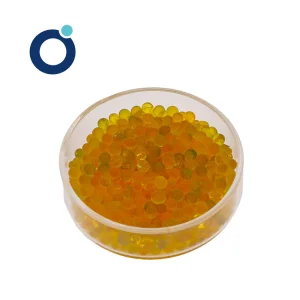
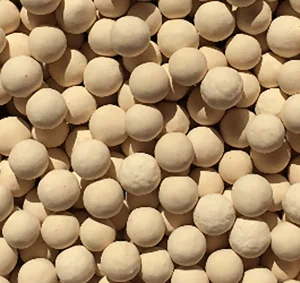
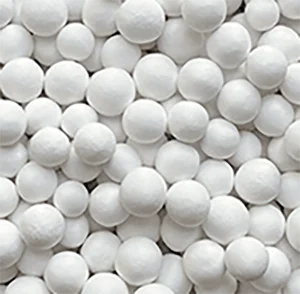
A Global Standard-Setting Leader in Technical Adsorbents, Catalysts, and Desiccant Materials
Shanghai Jiuzhou Chemicals Co., Ltd. is strategically located in Shanghai, the largest economic development and chemical innovation hub in China. Over the years, Jiuzhou has strictly adhered to the core operational principles of "Quality Control & Continuous Innovation". We are fully committed to the development, pioneering research, and precise manufacturing of high-quality, innovative chemical materials and adsorption solutions.
Our comprehensive portfolio features industry-leading molecular sieve powders, synthetic molecular sieves, activated powders, activated alumina, aluminum oxide catalysts, various alumina packing materials, structured ceramic balls, liquid/solid sodium silicates, aluminum hydroxide, zeolite 4A, sodium carbonates, and SLES. Every product in our catalog has successfully cleared the rigorous ISO9001:2008 quality management system certification, alongside international third-party testing verifications by TUV and SGS.
With an automated, multi-functional manufacturing base and a world-class R&D team composed of chemical engineers and industrial process experts, JOOZEO bridges the gap between state-of-the-art laboratory research and large-scale industrial deployment. We operate standard-compliant laboratories equipped with advanced dynamic simulation devices and gas chromatographs to monitor dynamic water-adsorption isotherms and mass transfer coefficients in real time.
A Comprehensive Engineering Guide to Azeotropic Dehydration, Zeolite Dynamics, and Adsorption Process Optimization
Ethanol and water form a minimum-boiling azeotrope containing approximately 95.6% ethanol and 4.4% water by weight at atmospheric pressure. Because the liquid and vapor phases share the same composition at this limit, traditional fractional distillation cannot yield absolute (99.5%+) or fuel-grade ethanol. Historically, chemical processors bypassed this via azeotropic distillation using entrainers like benzene, cyclohexane, or heptane. However, these entrainers are highly toxic, energy-intensive, and carry substantial environmental and operational safety risks.
Drying ethanol with synthetic 3A molecular sieves (a potassium-modified Type A crystalline aluminosilicate) provides a thermodynamically elegant, chemical-free alternative. Operating on the principle of size exclusion, the 3A zeolite structure features a nominal pore aperture of 3 Ångströms (0.3 nm). The kinetic diameter of a water molecule is approximately 2.65 Å, while that of an ethanol molecule is 4.3 Å. Consequently, water molecules freely penetrate the internal crystalline cavities and bind to the active cationic sites, whereas the larger ethanol molecules are completely excluded, ensuring a highly selective separation process.
Did you know? Co-adsorption of ethanol on a poorly configured 4A molecular sieve not only reduces water-adsorption capacity but also triggers thermal runaway (coking) during regeneration cycles. This highlights the absolute necessity of utilizing premium-grade, potassium-exchanged 3A molecular sieves with a precisely controlled pore diameter.
In industrial dry ethanol production, the process typically employs a Pressure Swing Adsorption (PSA) or Temperature Swing Adsorption (TSA) configuration utilizing dual or multi-bed systems. As wet ethanol vapor passes down or up through the molecular sieve bed (the adsorption stroke), a Mass Transfer Zone (MTZ) is established. The water content is captured sequentially, reducing the moisture from 4-5% down to less than 0.5% (and down to 10-50 ppm for high-purity pharmaceutical or electronic grades).
To maximize operational lifetime and processing efficiency, the molecular sieve must exhibit high bulk density, minimal dust formation (low attrition rate), and a sharp, well-defined mass transfer zone. Our 3A molecular sieves are manufactured with high hydrothermal stability, preserving their crystalline frame over thousands of thermal desorption cycles (usually operating at temperatures between 200°C and 320°C).
When selecting a molecular sieve manufacturer for ethanol dehydration plants, critical physical-chemical attributes must be evaluated:
Combining raw material integration, high-tech manufacturing, and global logistical efficiency
Operating out of Shanghai and Wuxi, JOOZEO leverages China’s highly integrated chemical manufacturing ecosystems to offer unprecedented advantages to global buyers:
Take a virtual tour of our modern manufacturing plants, where automation meets high-precision chemical engineering
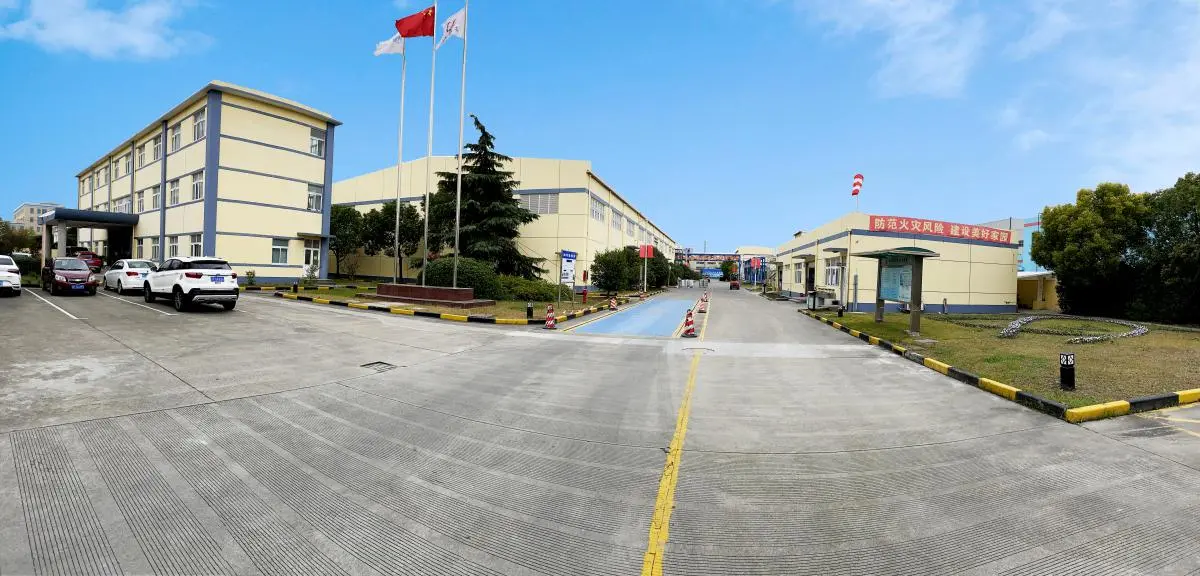
Our primary facility specialized in advanced molecular sieve powders, synthetic zeolite crystallization, and dynamic adsorption simulation research. Spans across a highly controlled industrial environment to meet ISO9001:2008 standards.

Focused on large-scale forming, high-temperature calcination, classification, and moisture-proof heavy-duty packaging. Houses automated packaging lines to ensure zero moisture intrusion prior to shipment.
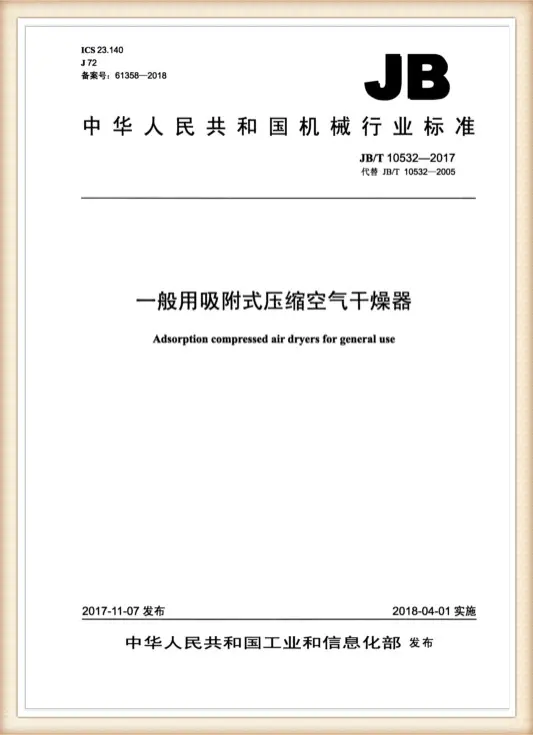
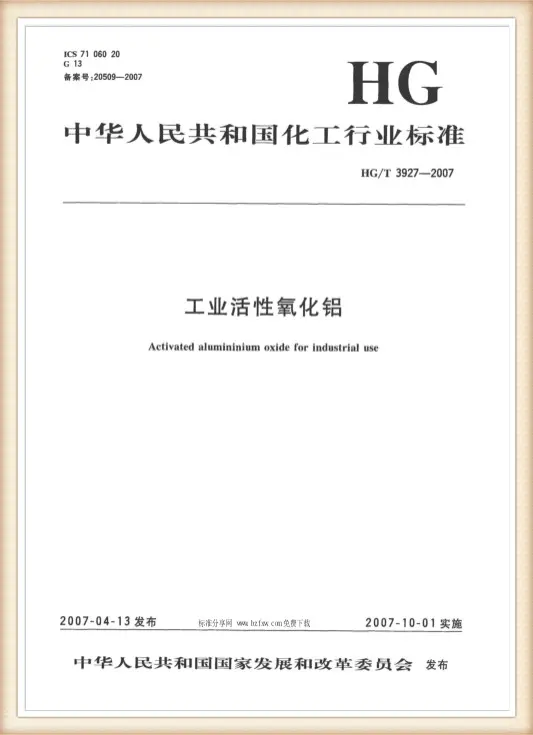
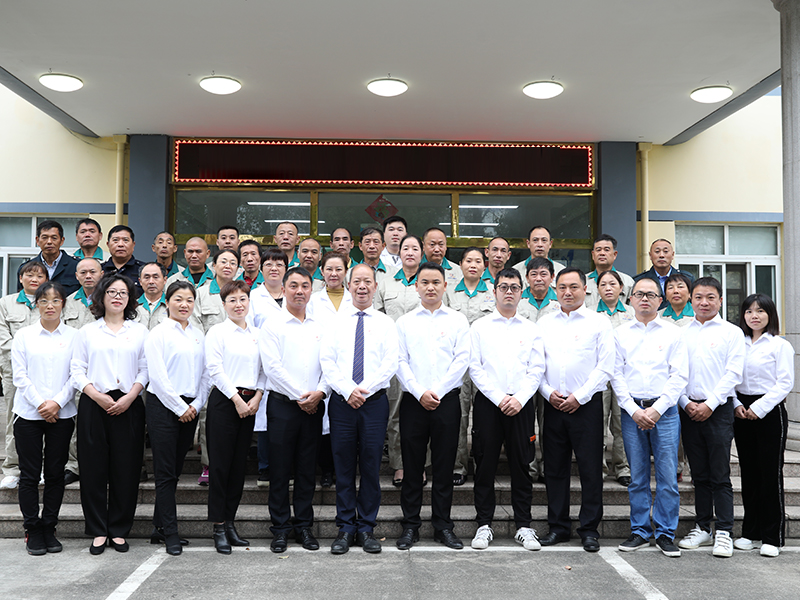
JOOZEO actively participates in defining national and industrial standards for desiccants, dryers, and chemical packing
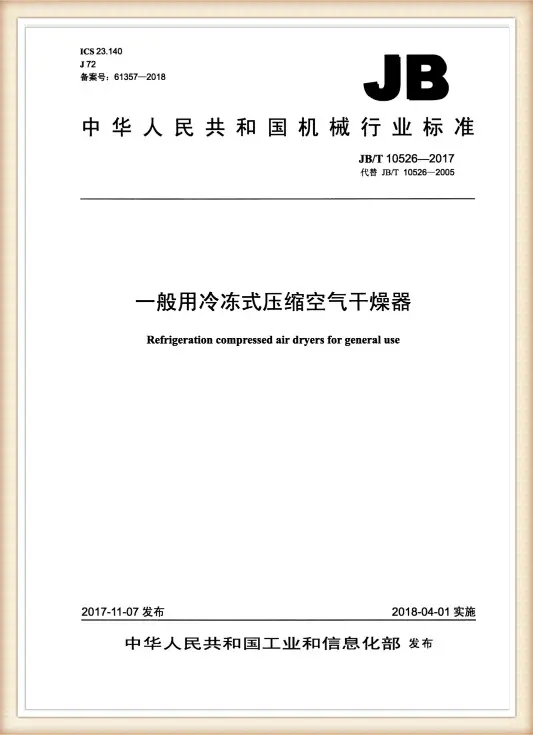
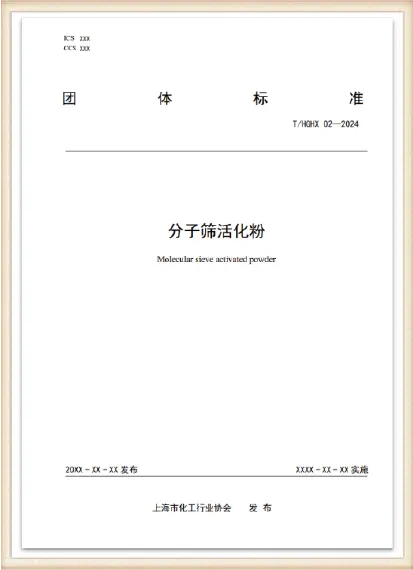
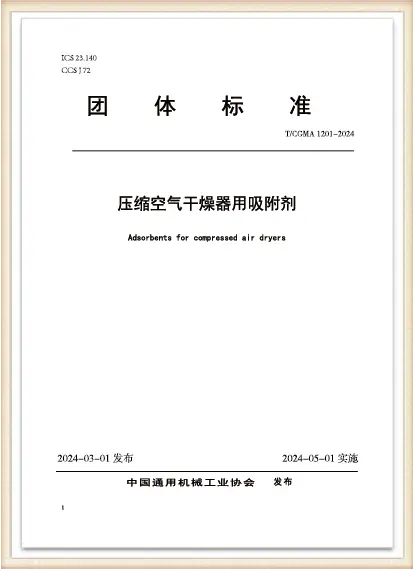
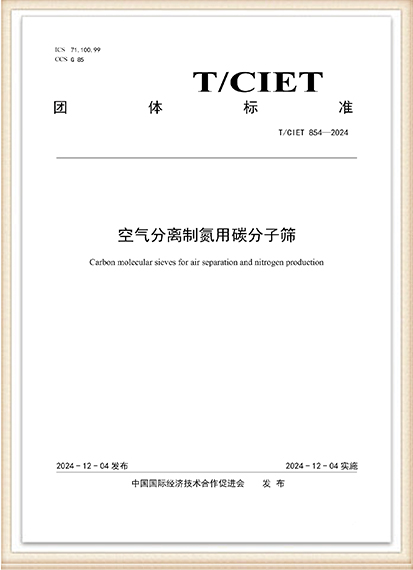
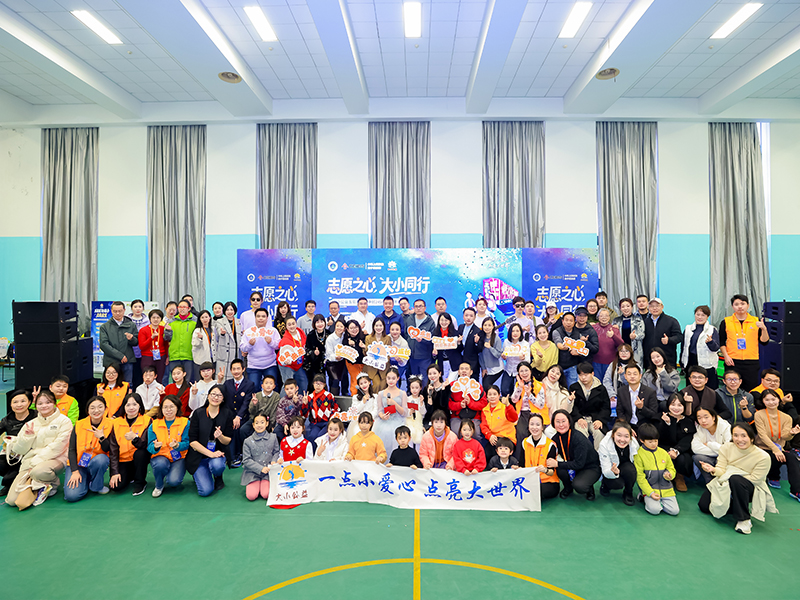
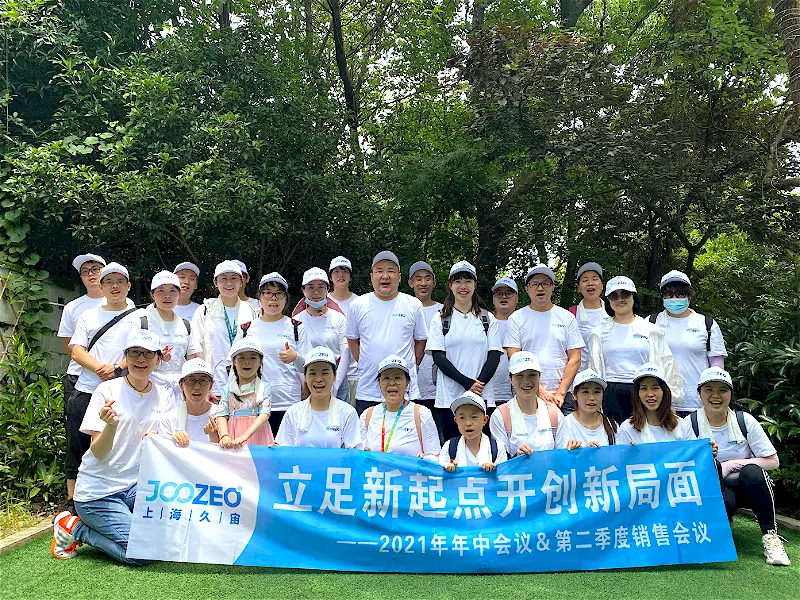
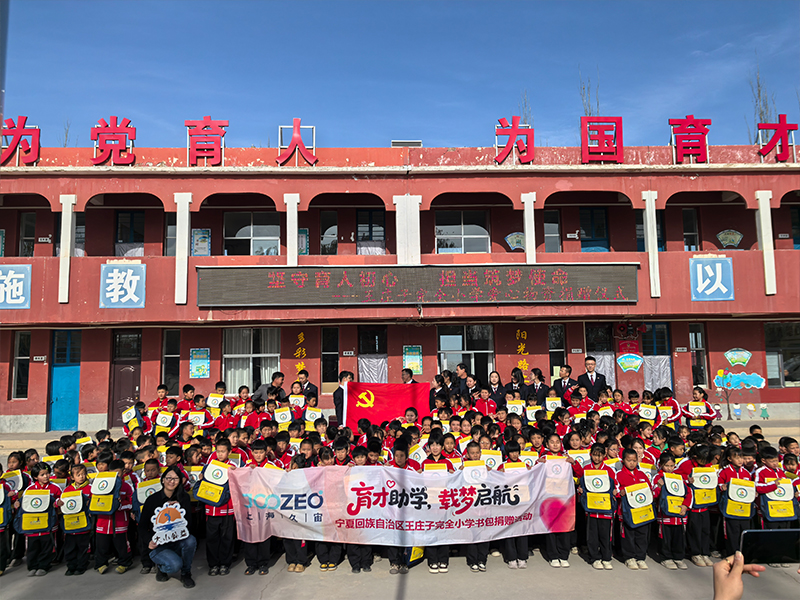
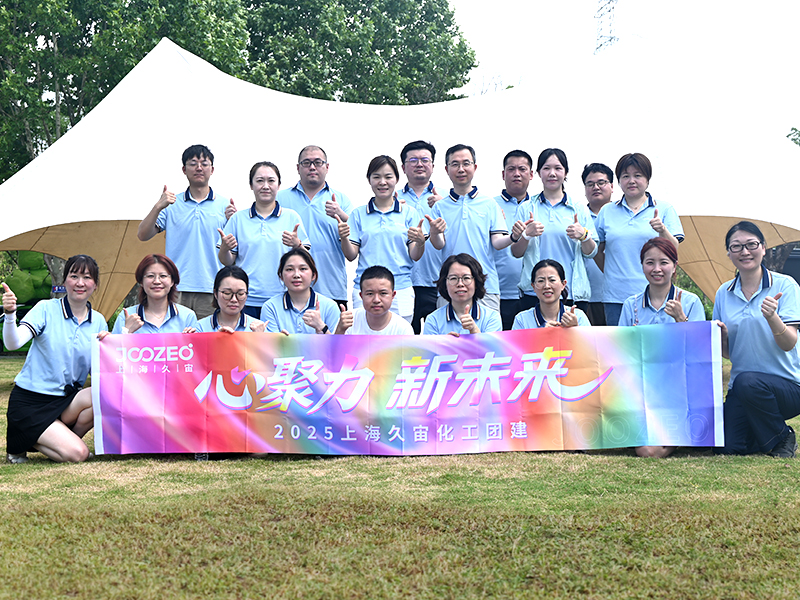
"Better air, Better life" — Committed to green chemistry, carbon footprint reduction, and community development


How we address technical specifications, commercial packaging, and global logistics for large-scale operations
Industrial bio-ethanol refineries, chemical plants, and pharmaceutical formulation facilities operate on continuous, high-throughput schedules. A premature failure of the molecular sieve bed leads to massive economic losses due to plant downtime, out-of-spec product streams, and high regeneration energy consumption. When purchasing molecular sieves, we recommend evaluating the following factors:
Because molecular sieves are highly hygroscopic, they begin adsorbing atmospheric moisture immediately upon contact with air. JOOZEO addresses this by utilizing vacuum-sealed steel drums, heavy-duty super sacks with integrated aluminum barrier liners, or moisture-impermeable plastic drums. This guarantees that the product arrives at your facility in its pre-activated state, with a Loss on Ignition (LOI) of less than 1.5% at 575°C.
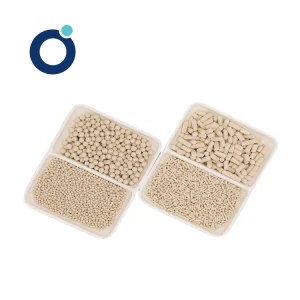
We supply molecular sieves in various forms, including spherical beads (typically 4x8 mesh or 8x12 mesh) and cylindrical extrudates (1.6mm and 3.2mm diameters). While smaller beads (8x12 mesh) offer a shorter mass transfer zone and faster adsorption kinetics, they also lead to higher pressure drops across the vessel. Our engineering support team helps you calculate the optimal balance of pressure drop vs. mass transfer efficiency to suit your specific column dimensions.
Under repeated Temperature Swing Adsorption (TSA) cycles, the structural framework of the zeolite undergoes significant thermal stress. Lower-quality molecular sieves suffer from structural collapse and loss of crystallinity, leading to a drop in water capacity and a dramatic increase in energy consumption. JOOZEO’s molecular sieves are formulated with advanced clay binders that retain up to 85% of their original adsorption capacity after 1,000 thermal cycles.
Direct answers from our senior chemical engineers regarding ethanol drying using molecular sieves
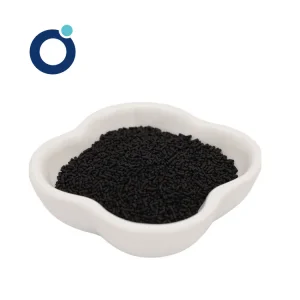
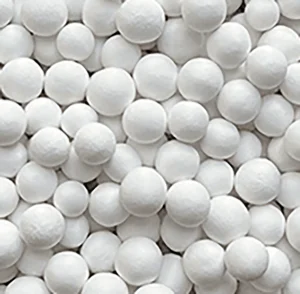
Explore the rest of our technical line including premium zeolites, carbon molecular sieves, and activated alumina formulas