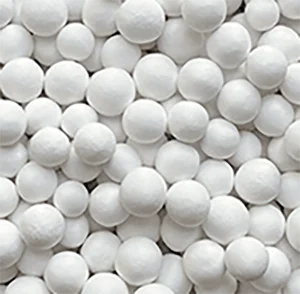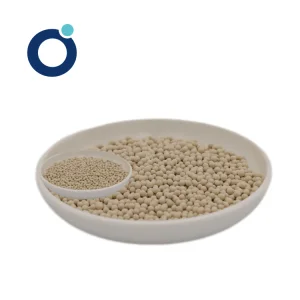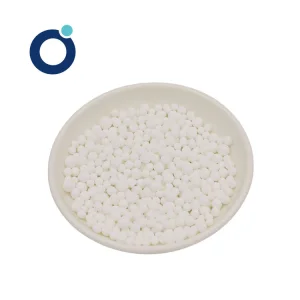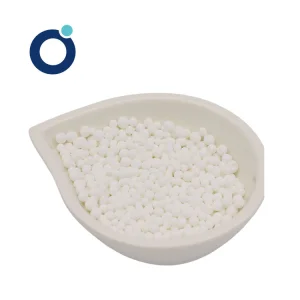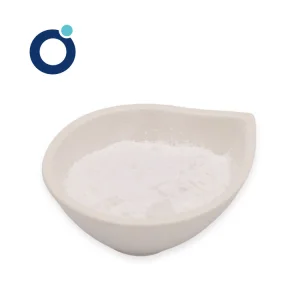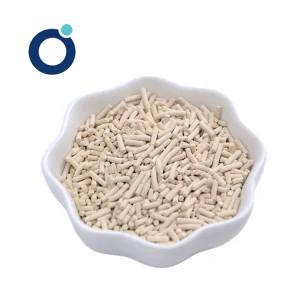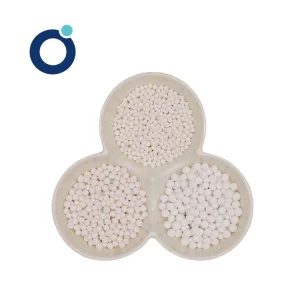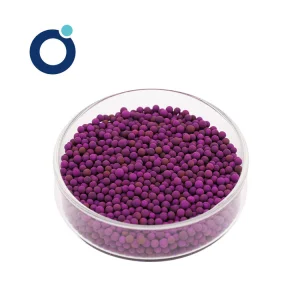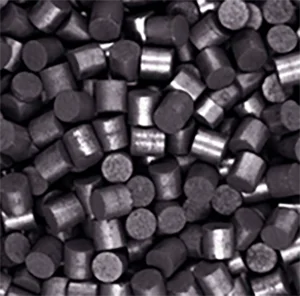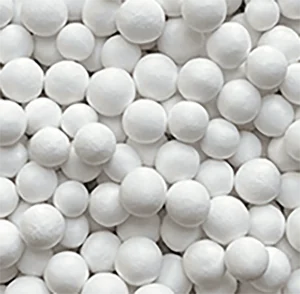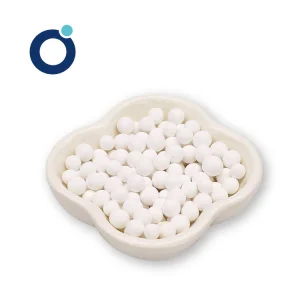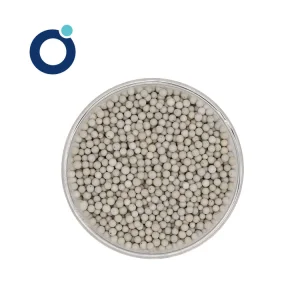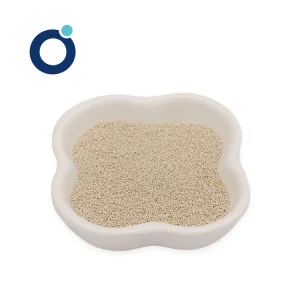
Engineered for precise pore size distribution, excellent mechanical strength, and maximum mass transfer rates.
The global transition towards zero-emission energy infrastructure, ultra-pure industrial gases, and highly integrated chemical production lines has catalyzed a paradigm shift in adsorption sciences. Within this landscape, molecular sieve absorbents stand as critical technical enablers. Through precise engineering of crystalline aluminosilicates (zeolites), industrial processes can selectively separate compounds at the molecular scale based on size, affinity, and polarity. This paper explores the global market mechanics, technological breakthroughs, localized application matrices, and the robust manufacturing paradigms spearheaded by leading industrial standard-setters like Shanghai Jiuzhou Chemicals.
"The selectivity and dynamics of gas separation systems depend heavily on the crystalline integrity and macro-porous architecture of the molecular sieve matrix. Optimizing this matrix unlocks unprecedented energy efficiencies in pressure and temperature swing adsorption configurations."
Industrial adsorption plays a crucial role in modern process engineering. Zeolite-based desiccants are no longer regarded as simple consumables; instead, they are treated as highly specialized, structured catalysts for processing efficiency. The rapid expansion of liquefied natural gas (LNG) export terminals, clean-hydrogen extraction from steam methane reforming (SMR), and VOC capture systems drives the demand for specialized adsorbents with high thermal and chemical stability.
Today's supply chain requires manufacturers to offer high crush strength, minimal attrition rates, and fast kinetics. The global market is shifting toward synthetic crystalline zeolites like 3A, 4A, 5A, and 13X, which can be custom-modified via ion exchange (e.g., sodium, calcium, lithium, or potassium) to refine pore dimensions down to fractions of a nanometer. This degree of control enables the separation of trace contaminants in feedstreams, preventing catalyst poisoning in downstream processes and reducing energy consumption in thermal regeneration cycles.
The operational performance of a molecular sieve is highly dependent on localized ambient and process conditions. Applying uniform solutions to varied global climates often results in premature bed aging, fluidization, or hydrocarbon co-adsorption. Below, we examine targeted application profiles engineered for key global regions:
In the United States and Canada, high-capacity dry-bed dehydrators operate upstream of cryogenic hydrocarbon recovery plants. Liquid carryover and trace acid gases represent significant operational risks. Using specialized 4A molecular sieves alongside robust silica gel buffers protects downstream units against liquid surges while keeping water dew points below -100°C (-148°F).
With Europe's strict RePowerEU mandates, upgrading biogas to biomethane requires efficient CO2 and H2S removal. 13X-based adsorbents and advanced carbon molecular sieves are deployed in rapid-cycle PSA systems. These materials offer high selectivity for CO2 over methane, helping processors meet strict injection specifications for utility pipelines while minimizing methane slip.
Processing plants in Saudi Arabia, the UAE, and Qatar operate under high ambient temperatures and handle sour feedstocks containing high levels of H2S, CO2, and organic mercaptans. Standard zeolites can suffer from structural degradation due to acid formation. Utilizing specialized, acid-resistant molecular sieves, optimized with protective activated alumina layers, preserves the system's structural integrity and dynamic adsorption capacity over extended cycles.
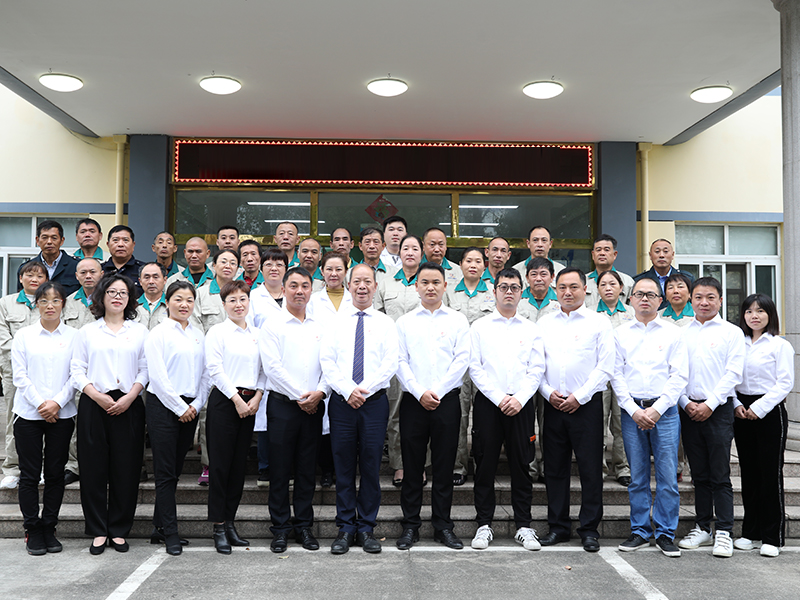
Shanghai Jiuzhou Chemicals Co., Ltd. is located in Shanghai, a key global economic and logistics hub. The company has focused on manufacturing premium chemical adsorbents, functional desiccants, and catalytic carriers since 1994. Across its 25,000 square meter facility and dual manufacturing bases in Shanghai and Wuxi, Jiuzhou has established a highly integrated supply chain that supports trade partners in more than 80 countries.
Jiuzhou's operations are built on two core principles: Quality Control (100%) and Innovation (100%). Our manufacturing plants utilize advanced automation in synthesis, extrusion, spherical forming, and calcination. This automated setup ensures consistent pore structures, particle size distribution, and crush strength across production runs. In-house central laboratories conduct real-time dynamic testing under simulated site conditions (including pressure, temperature, and space velocity) to verify that all outgoing batches meet international standards.
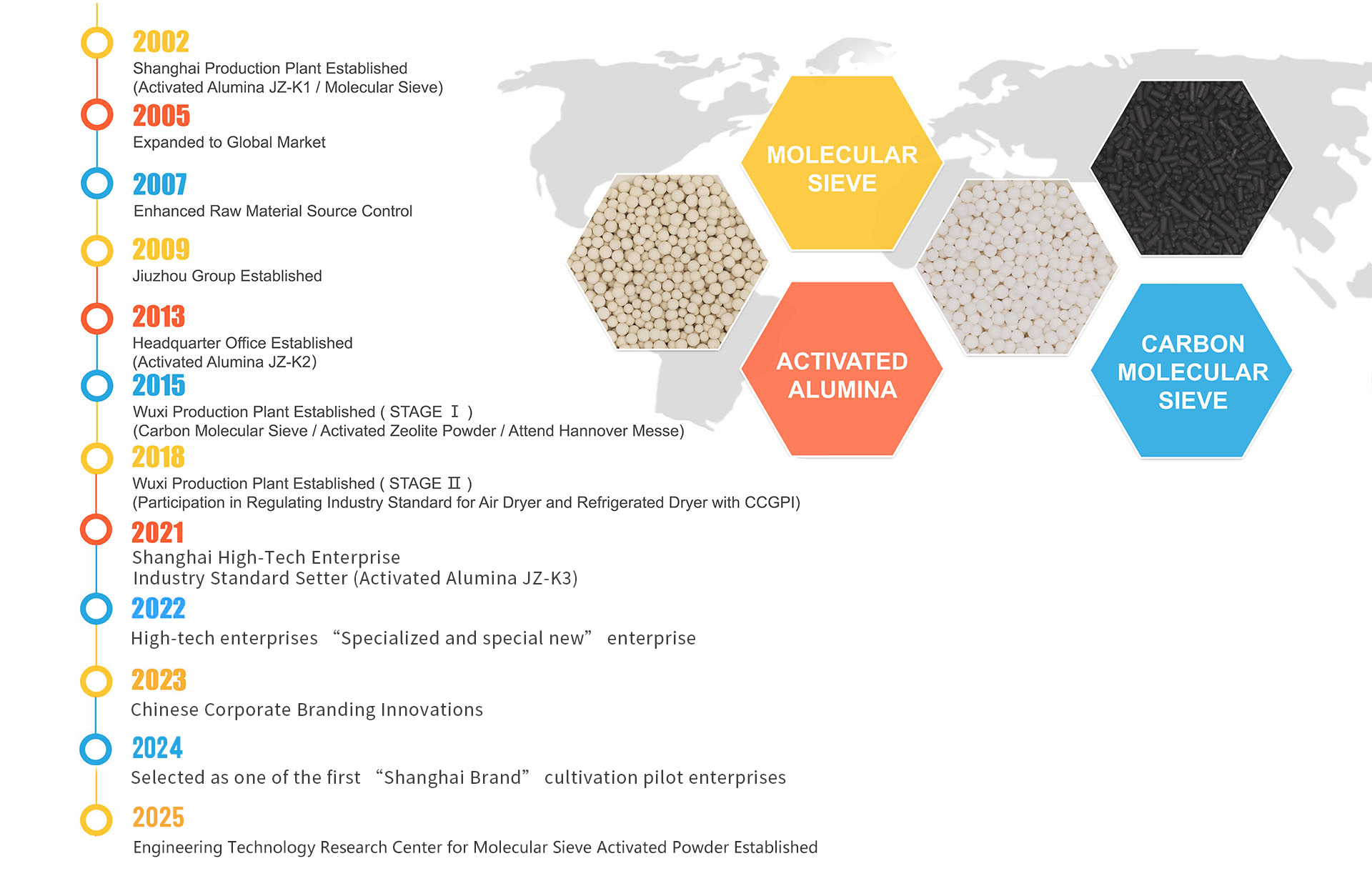
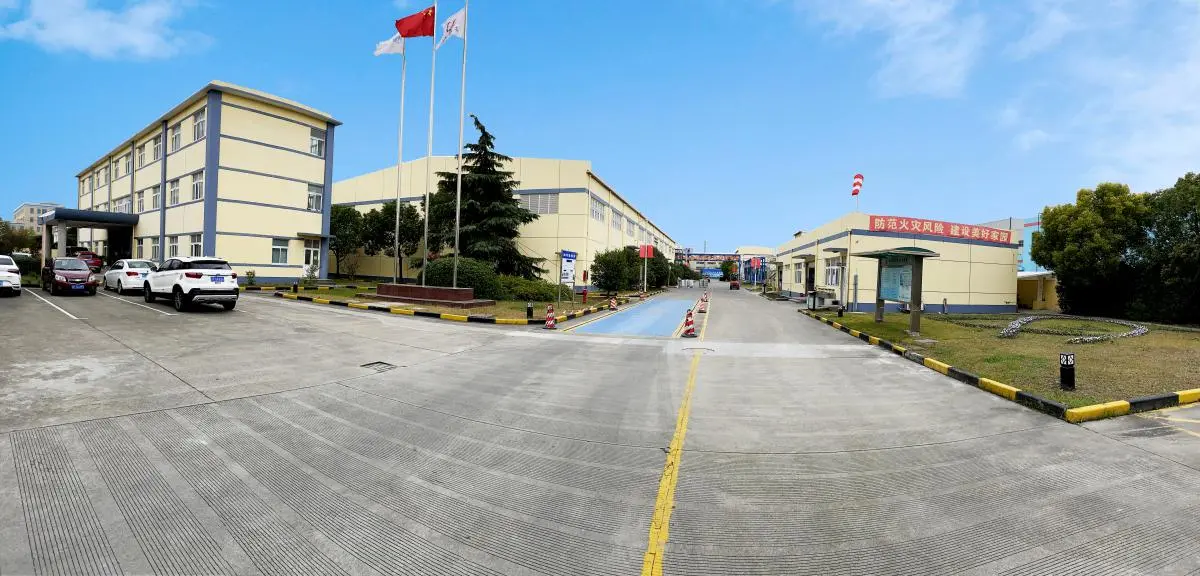

Jiuzhou Chemicals is an active participant in drafting national and industrial standards in China. Setting these standards ensures that our analytical methods, physical property criteria, and quality metrics align with international expectations. We hold certifications under ISO 9001:2008, TUV, and SGS, confirming our commitment to reliable manufacturing practices.
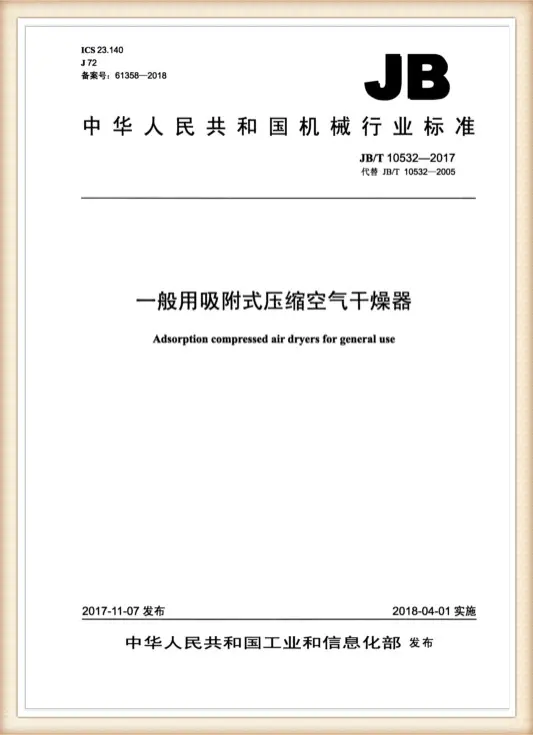
Standard for adsorption compressed air dryers in general industrial use.
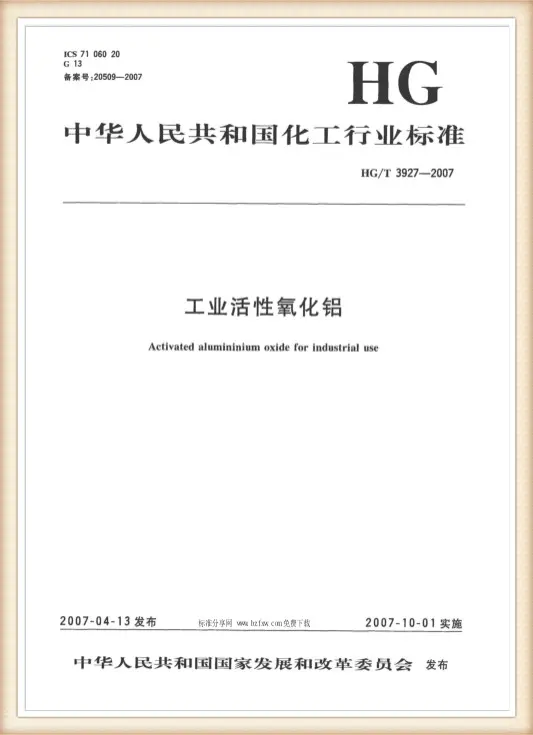
Specification for activated aluminum oxide in industrial dehydration applications.
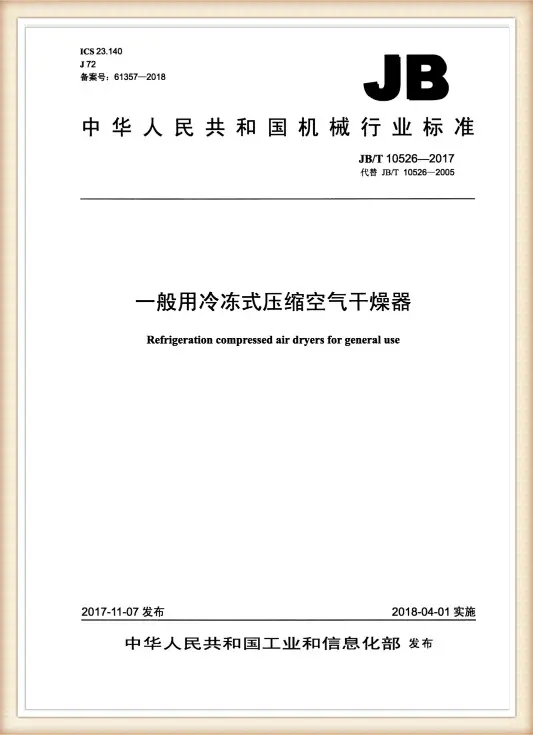
Performance standard for refrigeration compressed air drying equipment.
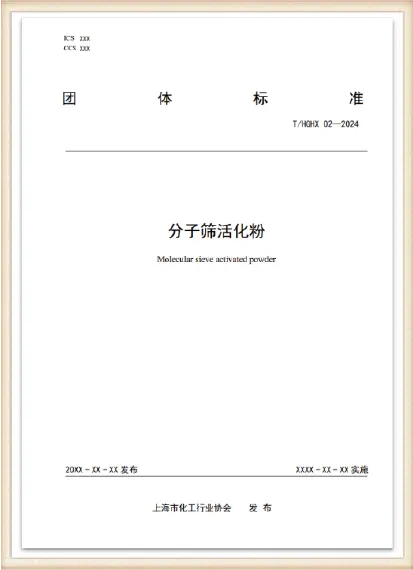
New criteria covering low-carbon gas purification and energy-efficient operations.
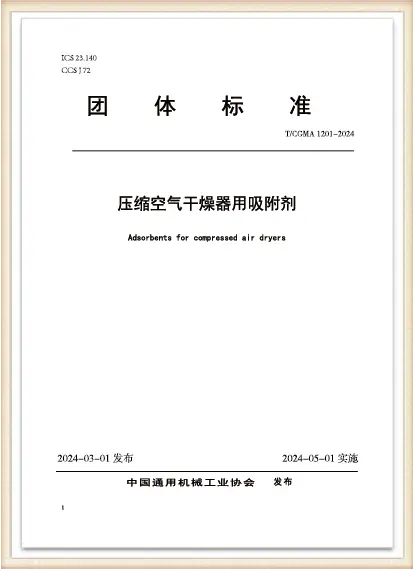
Refining requirements for testing the physical and chemical safety of synthetic zeolites.
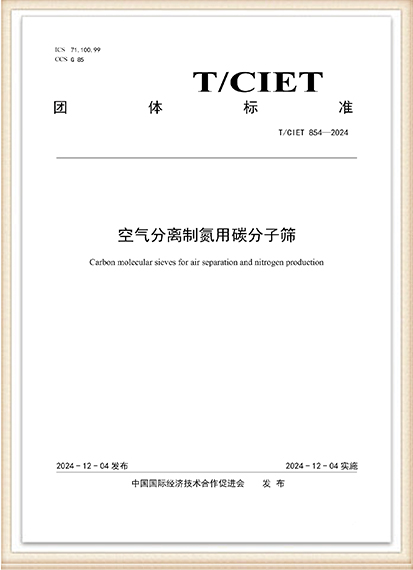
Green chemistry standard guiding energy reduction in chemical material processing.
Looking ahead, the development of molecular sieve technology focuses on two key goals: increasing dynamic adsorption capacity and lowering regeneration energy. Standard molecular sieves rely on clay binders to hold the crystalline zeolite structures together. However, these inert binders do not contribute to adsorption and can impede mass transfer.
Jiuzhou is currently developing binderless molecular sieve technologies. By converting these structural binders into active zeolite phases, we can increase the effective working capacity by 20% to 30% per unit volume. This increase allows for smaller desiccant beds and reduced capital expenditure (CAPEX) for industrial projects. Furthermore, our R&D team is working on surface modifications using organosilanes and selective metal ion exchanges. These developments aim to improve moisture resistance and acid stability, extending the lifespan of our adsorbents in challenging industrial environments.
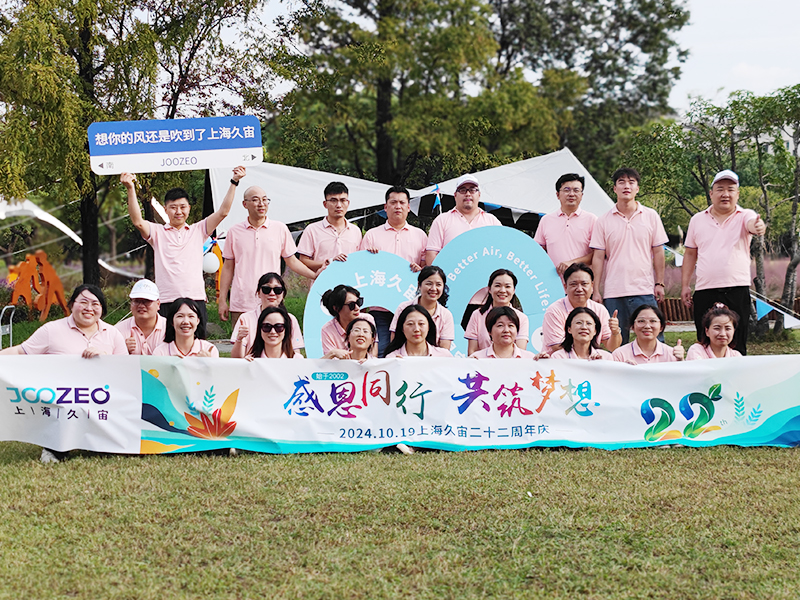
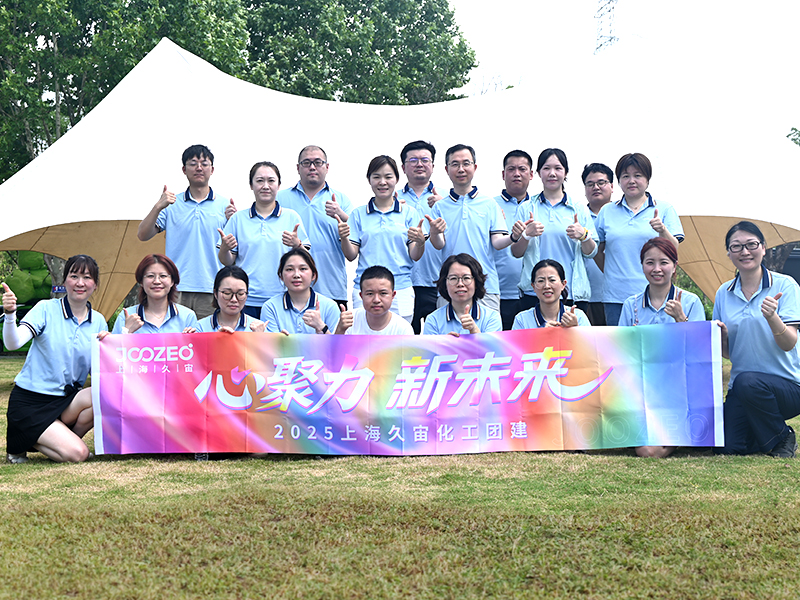
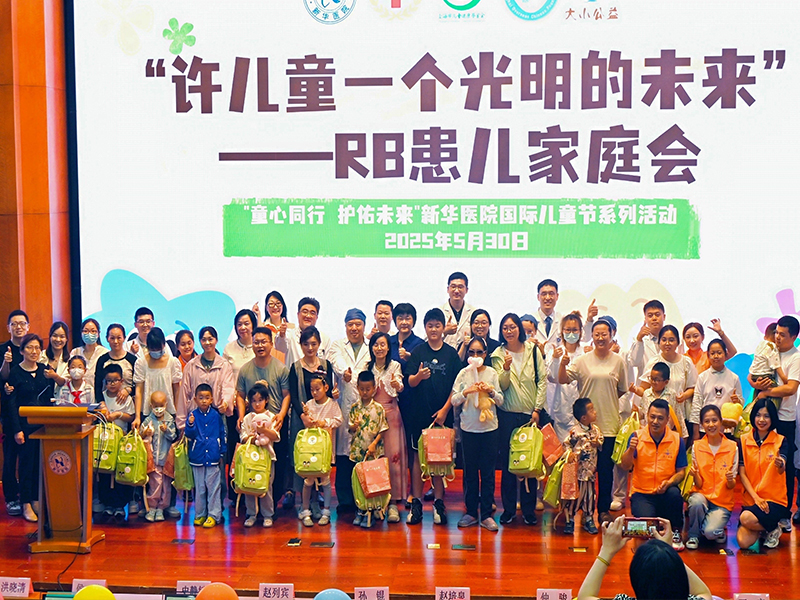
Beyond technical performance, Jiuzhou Chemicals is committed to sustainable manufacturing practices. We actively monitor and reduce the carbon footprint of our operations by recycling waste heat from calcination kilns and using eco-friendly raw material pathways. Our corporate philosophy, "Better air, Better life," drives our efforts to develop products that help clean the environment, capture harmful emissions, and support global green energy projects.
Advanced catalyst carriers, protective barrier layers, and specialized adsorbents for industrial systems.
Have technical questions regarding desiccant selection, bed design, or standard compliance? Our engineering team responds within 24 hours.
Send Request