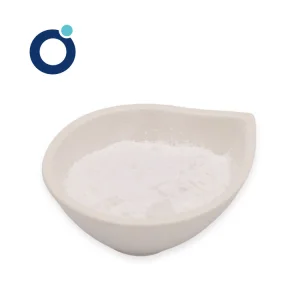
Explore our certified, high-performance molecular sieves, activated aluminas, and specialty catalyst solutions tailored for heavy industrial dehydrations.
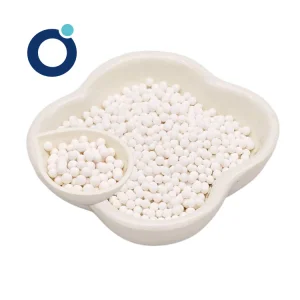
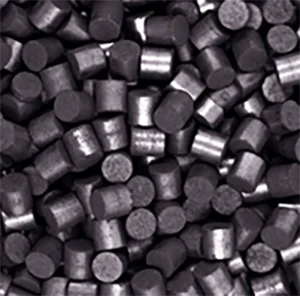
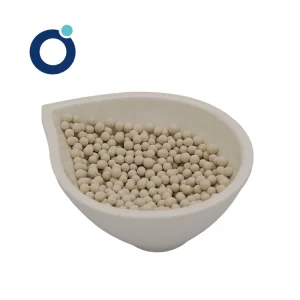
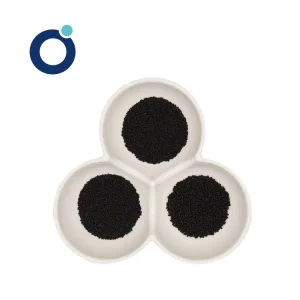
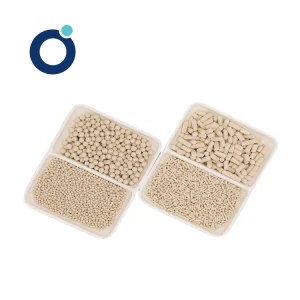
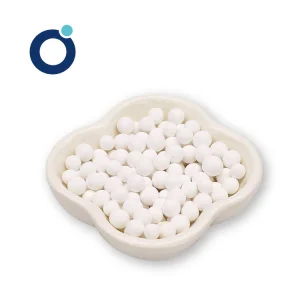
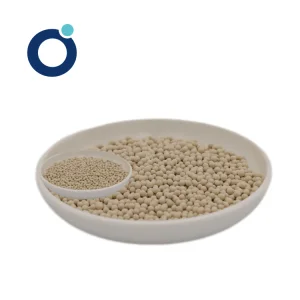
Molecular Sieve Type 4A (an alkali metal aluminosilicate) is the sodium form of the Type A crystal structure. It possesses an effective pore opening of approximately 4 Ångströms (0.4 nm). Any molecule with a kinetic diameter of less than 4 Å can readily penetrate the cavities where adsorption takes place, while larger molecular species are geometrically excluded. This precise spatial discrimination makes Zeolite 4A the industry benchmark for removing trace contaminants from gaseous and liquid hydrocarbon feeds.
At the atomic scale, the crystalline skeleton of 4A molecular sieves is constructed from silica (SiO4) and alumina (AlO4) tetrahedra, yielding an overall negatively charged framework that is charge-balanced by sodium cations. This highly polar internal matrix acts as a strong driver for electrostatic interaction, giving Type 4A an exceptionally high affinity for polar molecules (primarily water, carbon dioxide, and hydrogen sulfide) over non-polar components like methane, ethane, or propane.
Typical chemical formulas represent the dry framework as: 1.0 Na2O • 1.0 Al2O3 • 2.0 SiO2 • x H2O. Under systematic activation processes (calcinations between 300°C and 550°C), this structural water is removed without altering the crystalline cage, resulting in high internal surface areas (often exceeding 700-800 m²/g) ready to execute rapid, high-capacity adsorption.
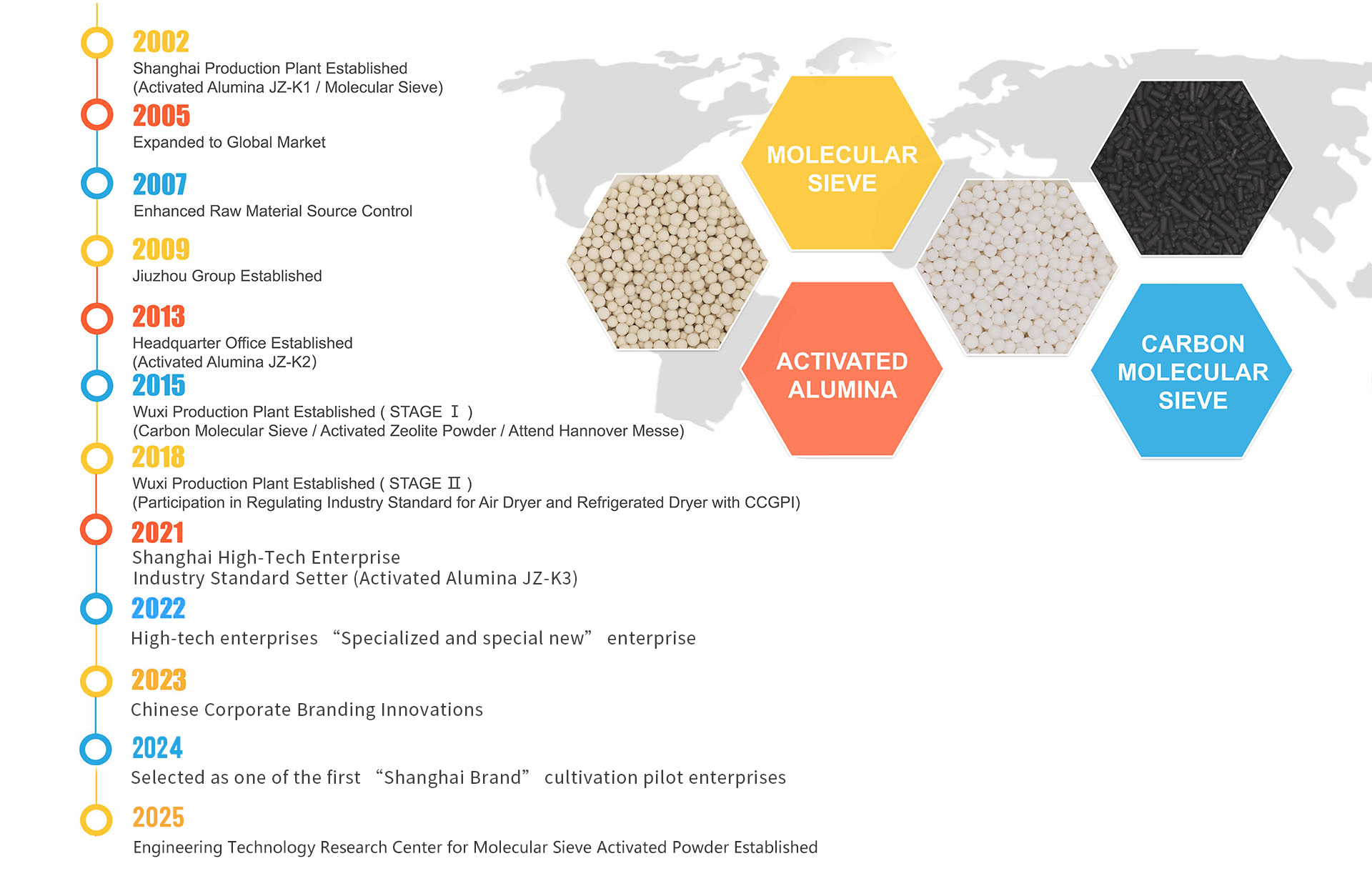
Committed to providing premium desiccants, customized catalytic supports, and environmental solutions to global markets.
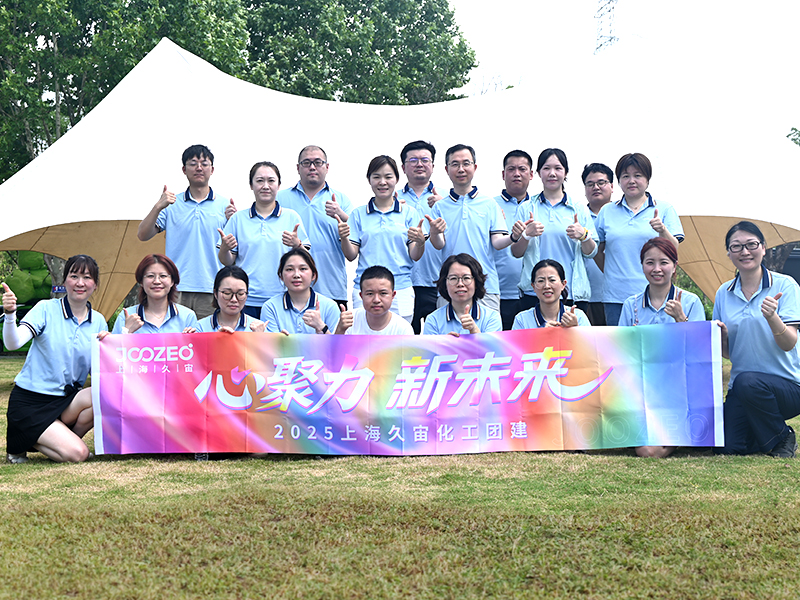
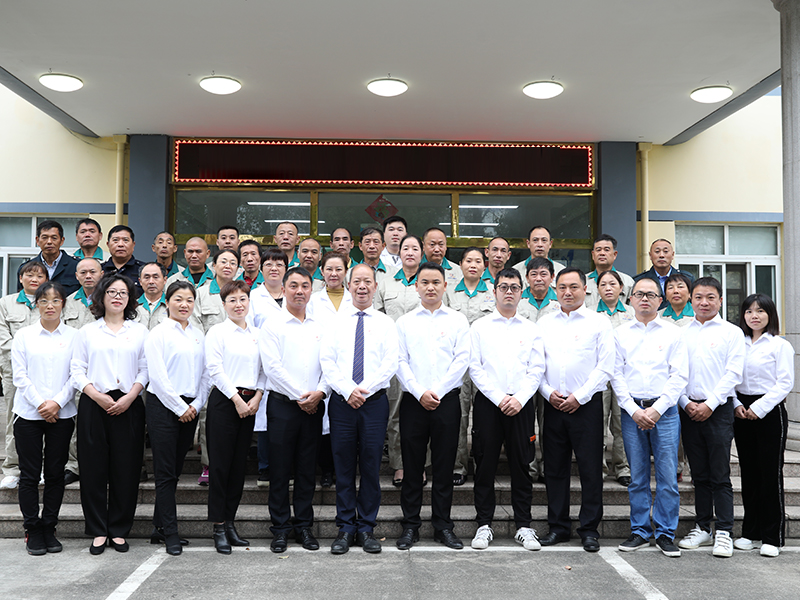
Located in the major economic center of Shanghai, Jiuzhou has consistently integrated quality control and technical innovation. Over the decades, we have focused on developing, manufacturing, and supplying high-purity molecular sieve powders, finished sieves, activated powders, activated alumina, catalysts, sodium silicates, and related zeolites. All our processes are certified under the ISO 9001:2008 Quality Management System, alongside TUV and SGS authentications, ensuring strict compliance with global technical specifications.
Our technical support and market footprint are backed by seasoned experts and automated production workshops. A centralized testing laboratory equipped with dynamic gas adsorption columns and high-precision monitoring instruments enables us to deliver tailored, energy-saving purification solutions worldwide.
To support global energy transitions, Jiuzhou has established supply chain routes and partner networks throughout North America, Southeast Asia, Japan, Western Europe, South America, and the Middle East. Through these channels, we supply critical components that optimize operation runtimes in downstream processing plants.
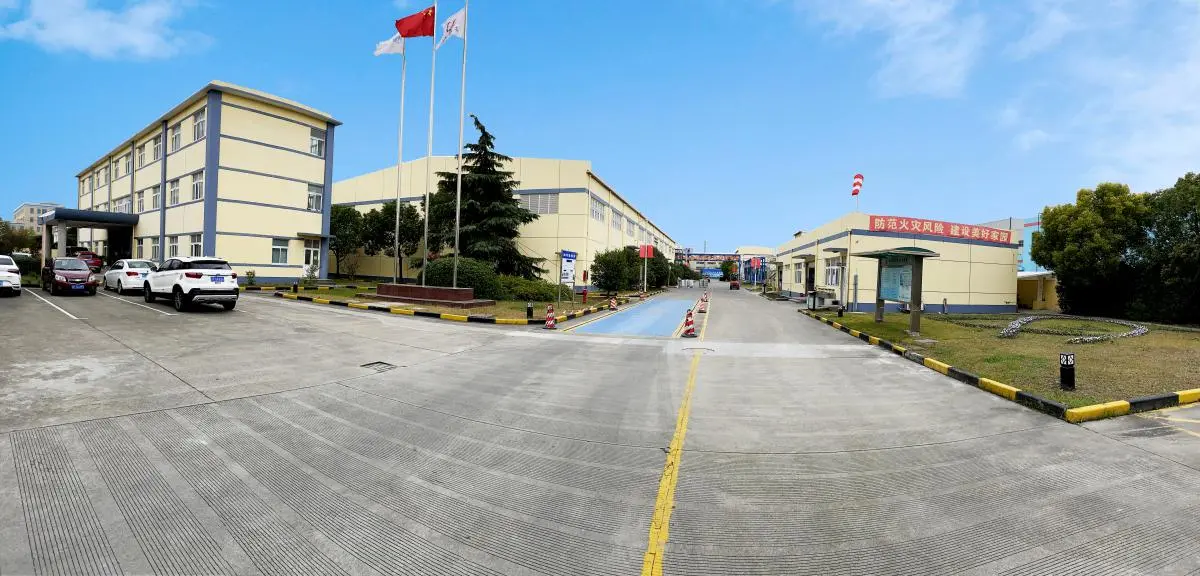
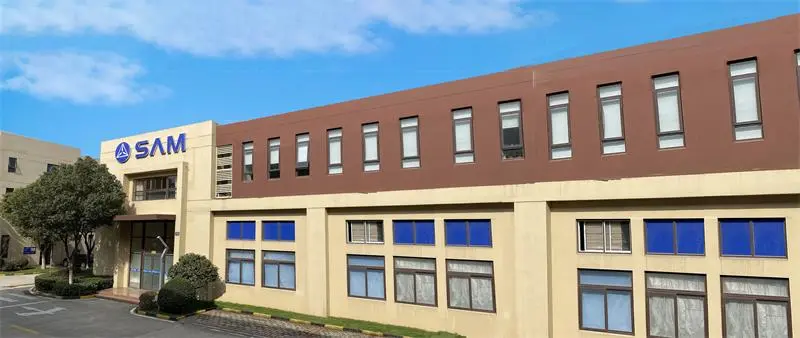
Combining integrated raw material supply chains with advanced automation systems to deliver consistent high-performance adsorbents.
By producing our own sodium silicate (including options like JZ-DSS-P) and sourcing high-purity aluminum oxides, we minimize price volatility and maintain steady structural properties from the synthesis phase onwards.
Our production facilities utilize modern rotary kilns with multi-zone temperature controls. This ensures uniform bead calcination, consistent crush strength, and minimal dust levels during bulk pneumatic transfers.
Each batch undergoes rigorous quality testing. We verify key properties including equilibrium water capacity, attrition rate, bulk density, and package integrity to ensure materials arrive in optimal condition.
Engineered to operate reliably under extreme conditions in critical industrial systems.
Widely used in twin-tower heatless or heat-reactivated dryer systems. By reducing water vapor levels below dew points of -40°C to -70°C, 4A molecular sieves protect downstream equipment from freezing and corrosion. This performance is vital in heavy industrial and automotive braking systems.
Used in gas processing plants to remove trace water vapor, hydrogen sulfide (H2S), and carbon dioxide. Eliminating these impurities helps prevent the formation of gas hydrates and protects natural gas pipelines during cryogenic liquefaction.
Protects commercial and domestic refrigeration cycles from moisture contamination. By capturing trace water, it prevents ice formation in capillary expansion tubes and guards against chemical breakdown in newer, chlorine-free refrigerants.
Acts as a structural desiccant inside the spacer frame of multi-pane window assemblies. Adsorbing trapped moisture from the sealed air space prevents condensation and frost formation, extending the thermal insulation lifespan of commercial and residential glazing systems.
Ensures dry environments inside optical instruments, aerospace components, and sensitive electrical enclosures. Protecting these spaces from humidity prevents dielectric breakdown and biological degradation.
Used in moisture-sensitive paints, adhesives, and sealant formulations. Removing trace water from polyol feeds prevents CO2 gas bubble formation, helping to maintain structural integrity and surface finish.
Shanghai Jiuzhou Chemicals (Joozeo) actively contributes to establishing and refining national and industrial standards for the adsorption industry.
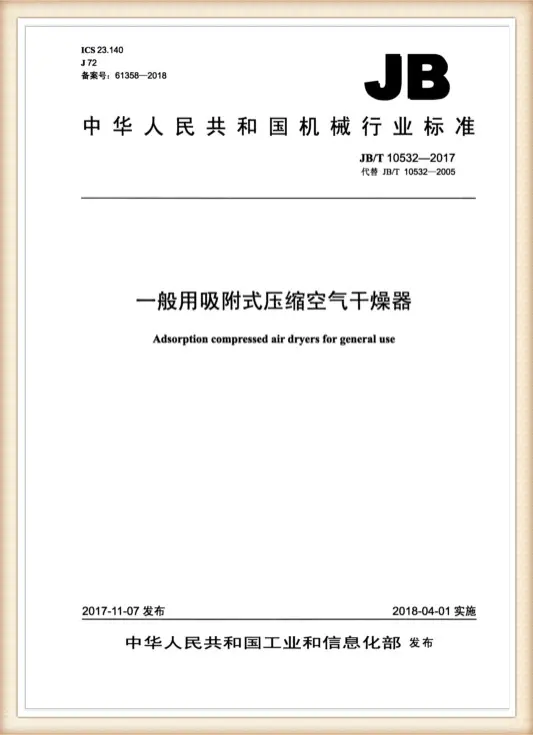
Adsorption compressed air dryers for general industrial use
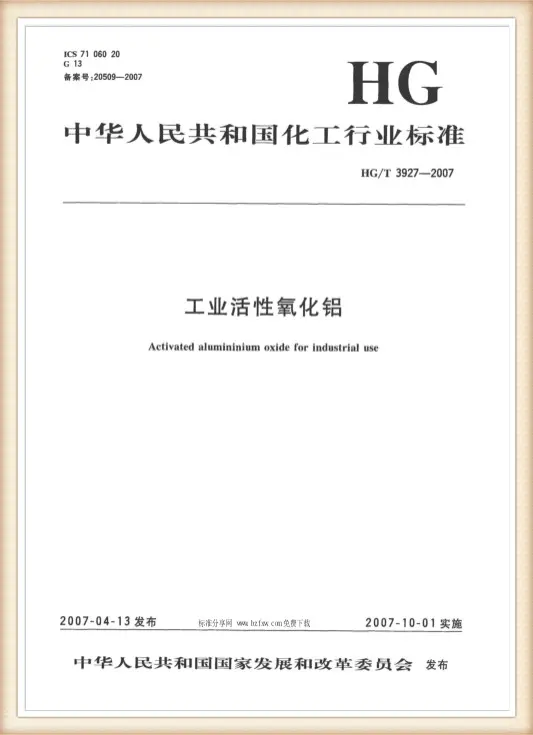
Activated aluminum oxide for industrial use and desiccant standards
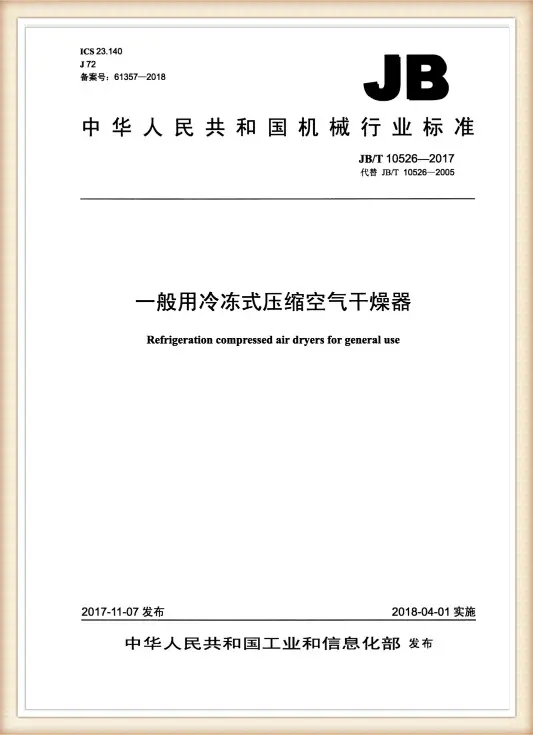
Refrigeration compressed air dryers for general use
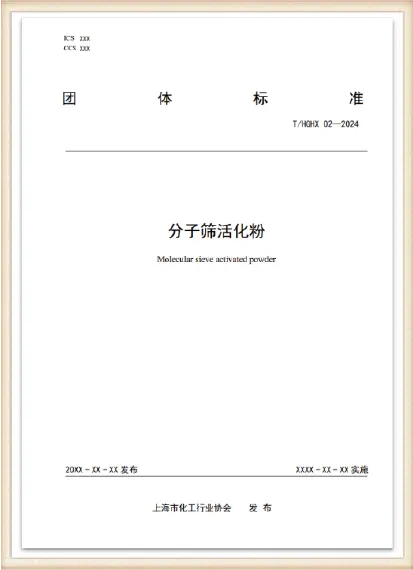
Industrial Compressed Machinery & Gas Purification Standard
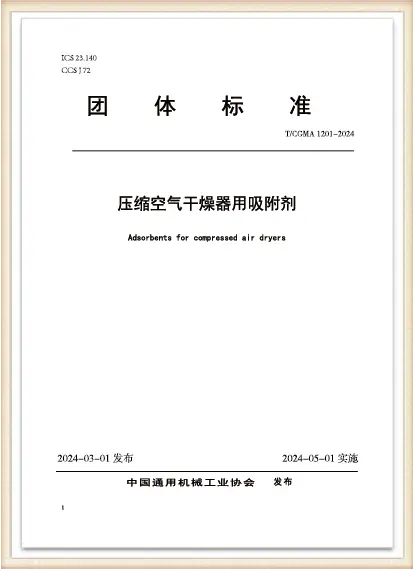
Advanced Zeolite Chemical Testing Frameworks
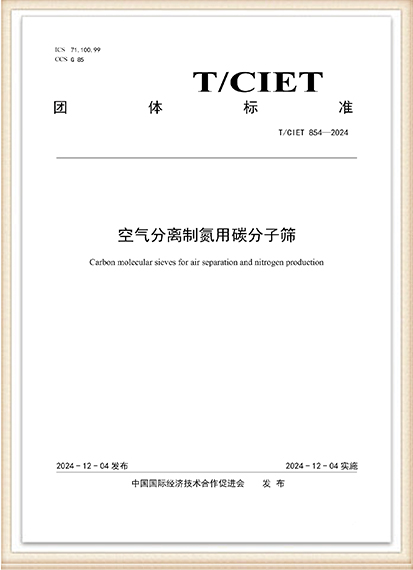
Eco-friendly Chemical Process & Green Adsorbent Guidelines
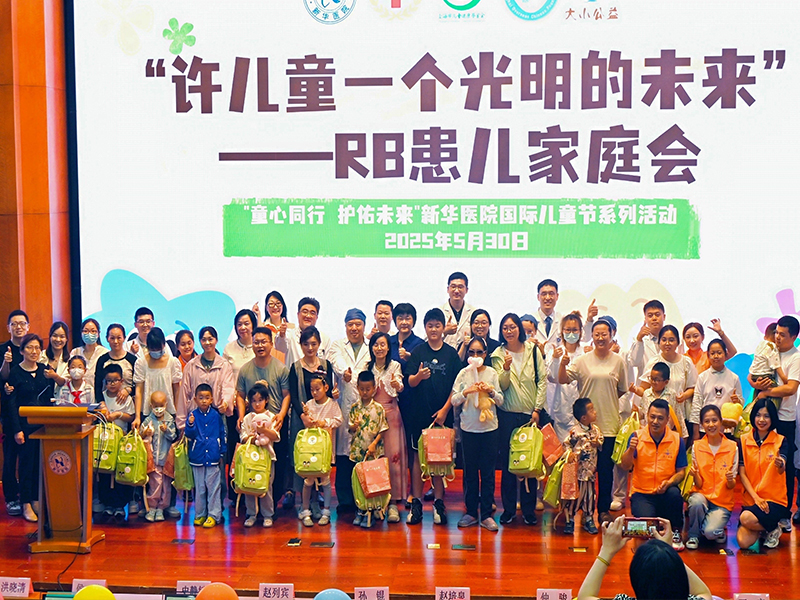
At Shanghai Jiuzhou, our corporate mission extends beyond industrial manufacturing. Through our focus on advanced desiccant technology, we develop materials that reduce energy use in air drying, natural gas sweetening, and industrial gas purification.
We adhere to strict environmental standards throughout our production facilities, using waste energy recovery and closed-loop water treatment processes. By manufacturing durable, long-life molecular sieves, we help global industries reduce their carbon footprint and emissions.

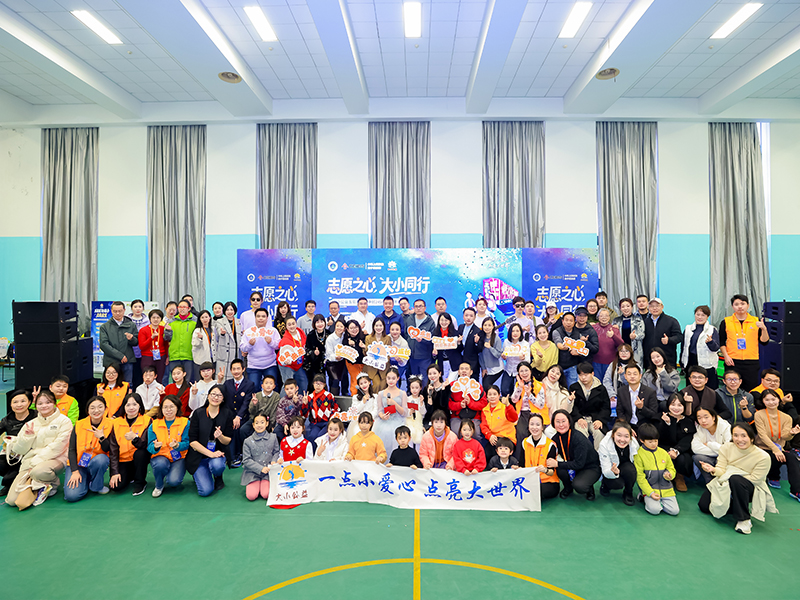
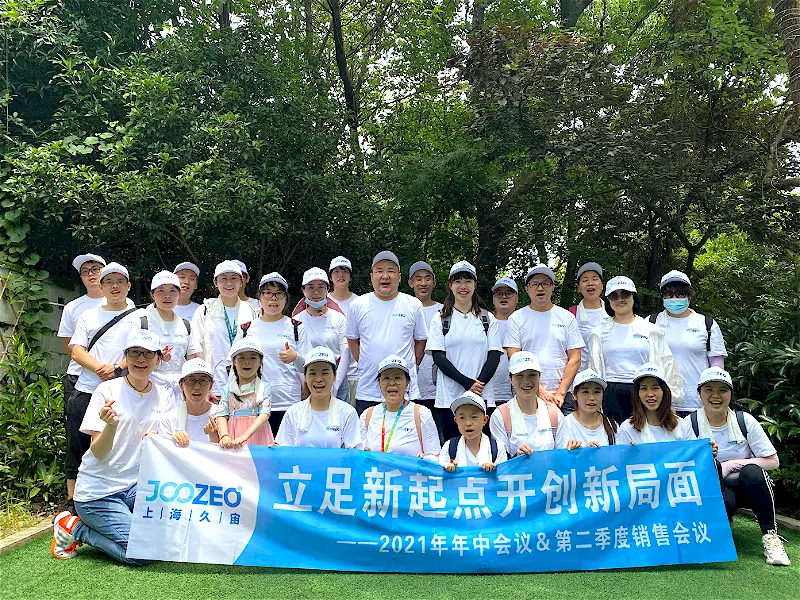
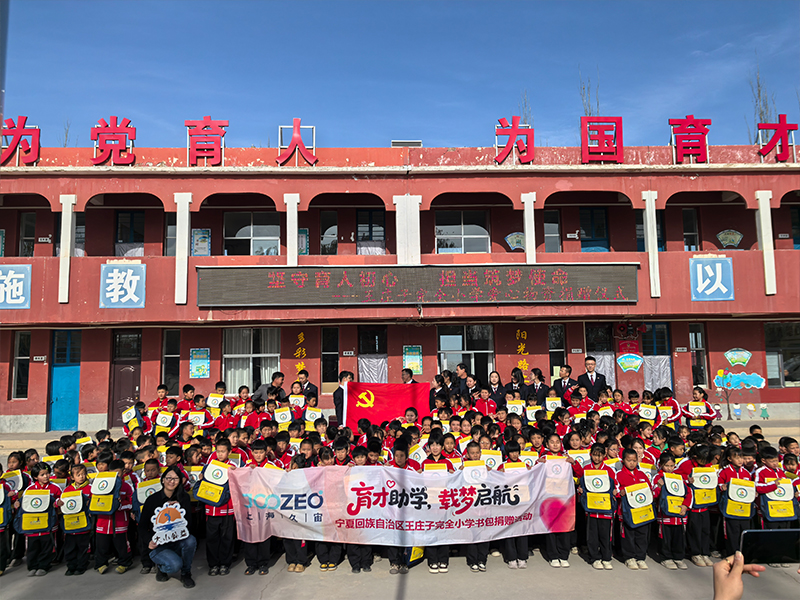
Aligning with modern industrial trends: efficiency, lifetime predictability, and carbon-neutral raw materials.
Global buyers focus on performance-driven metrics rather than price alone. Key evaluation parameters for Type 4A molecular sieves include:
The industrial adsorbent sector is shifting toward optimized, longer-lasting products:
Expert answers to common engineering questions regarding the application, operation, and regeneration of Type 4A molecular sieves.
For thermal regeneration (TSA), the gas temperature during the heating cycle should be maintained between 200°C and 350°C. To ensure effective moisture removal, the bed temperature should reach at least 180°C. Exceeding 450°C can degrade the crystal structure over time.
Type 4A molecular sieves perform well at low relative humidity, adsorbing up to 18-20% of their weight in water at just 10% RH. This capacity reaches approximately 22-24% at higher relative humidity, outperforming typical silica gels in dry, low-humidity environments.
Yes. With a kinetic diameter of 3.3 Å, CO2 can enter the 4 Å pore openings. However, because water is more polar, it will displace co-adsorbed CO2. For systems targeting carbon dioxide removal, the feed gas must be pre-dried, or the bed designed to account for competitive adsorption.
Pure zeolite powder cannot be easily handled in bulk process towers. We use high-purity clay binders (typically 15-20%) to bind the powder into stable beads or extrudates. Optimizing binder quality is critical to maintaining high mechanical crush strength while minimizing loss of active surface area.
Deactivation is primarily caused by hydrothermal degradation (prolonged heating in the presence of high-pressure steam), crystalline structure collapse from excessive temperatures, or pore blocking due to heavy hydrocarbon cracking (coking). Proper pre-treatment helps extend the sieve's operating lifetime.
Any technical questions or procurement requirements? Contact our R&D support engineers. We will respond within 24 hours.
Send Request / Get QuotesBrowse our complete line of industrial molecular sieves, silica gels, and specialty catalysts to support your process plant operations.