High-Quality Molsiv Absorbentes Quotes & Products

Unlocking Advanced Adsorption Chemistry & Molecular Sieve Engineering for High-Efficiency Dehydration, Purification, and Process Stream Optimization.

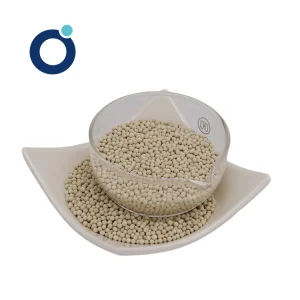
Premium Molsiv Adsorbent Collection - Batch I

Engineered to deliver high physical strength, rapid kinetic uptake, and superior thermal stability across critical gaseous and liquid purification streams.
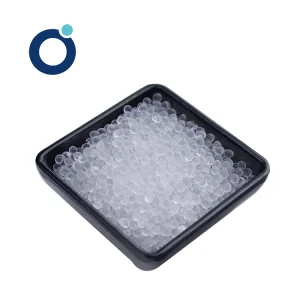
OEM Silica Gel JZ-BSG Factory, Quotes
Get Quotes
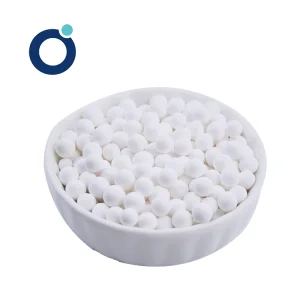
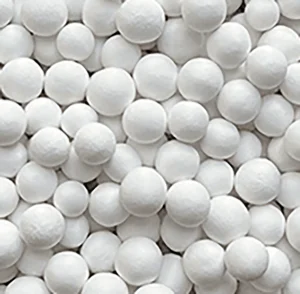
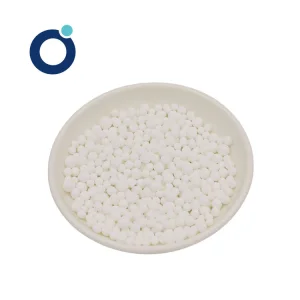
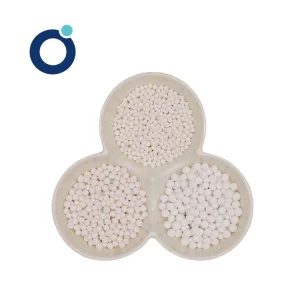
Famous Activated Alumina JZ-K1 Pricelist, Quotes
Get Quotes
Famous Activated Alumina JZ-E Quotes, Products
Explore Product
High-Quality JooSorb AC-12 Manufacturer, Factories
Explore Product
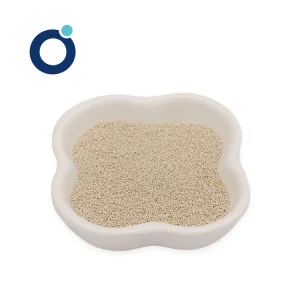
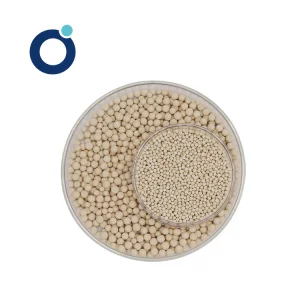
Best Oxygen Molecular Sieve JZ-OM Suppliers, Exporters
Get Quotes
Famous Duralyst DO-17T Pricelist, Product
Explore Product
Famous Molecular Sieve JZ-ZMS3 Manufacturers, Products
Explore Product
OEM JooSorb DS-120 Factory, Factories
Get Quotes
Technical Whitepaper

Advanced Kinetics of Molsiv Absorbentes in Cryogenic & Catalytic Environments

Molsiv absorbentes, commonly designated as synthesized molecular sieves, represent structured crystalline aluminosilicates with precise uniform pore architectures. These porous frameworks exhibit a three-dimensional interconnecting pore system constructed from silicon-oxygen (SiO4) and aluminum-oxygen (AlO4) tetrahedra. This micro-porous structure acts as a definitive sieve at the molecular scale, enabling highly selective gas separation and deep dehydration profiles. By tuning the framework's native cations (such as Sodium, Potassium, or Calcium), engineers can accurately adjust the nominal pore aperture size from 3Å to 10Å.

The efficiency of thermodynamic adsorption on molecular sieves relies heavily on localized electrostatic fields generated within the unit cell. Molecules containing polar bonds or high polarizability, such as water vapor ($H_2O$), carbon dioxide ($CO_2$), or hydrogen sulfide ($H_2S$), are attracted and strongly bound inside the crystalline cages. Consequently, Molsiv products deliver exceptionally low dew points down to -100°C (-148°F) in compressed air, natural gas streams, and hydrocarbon fractions, establishing a standard that traditional desiccant alternatives cannot reach.
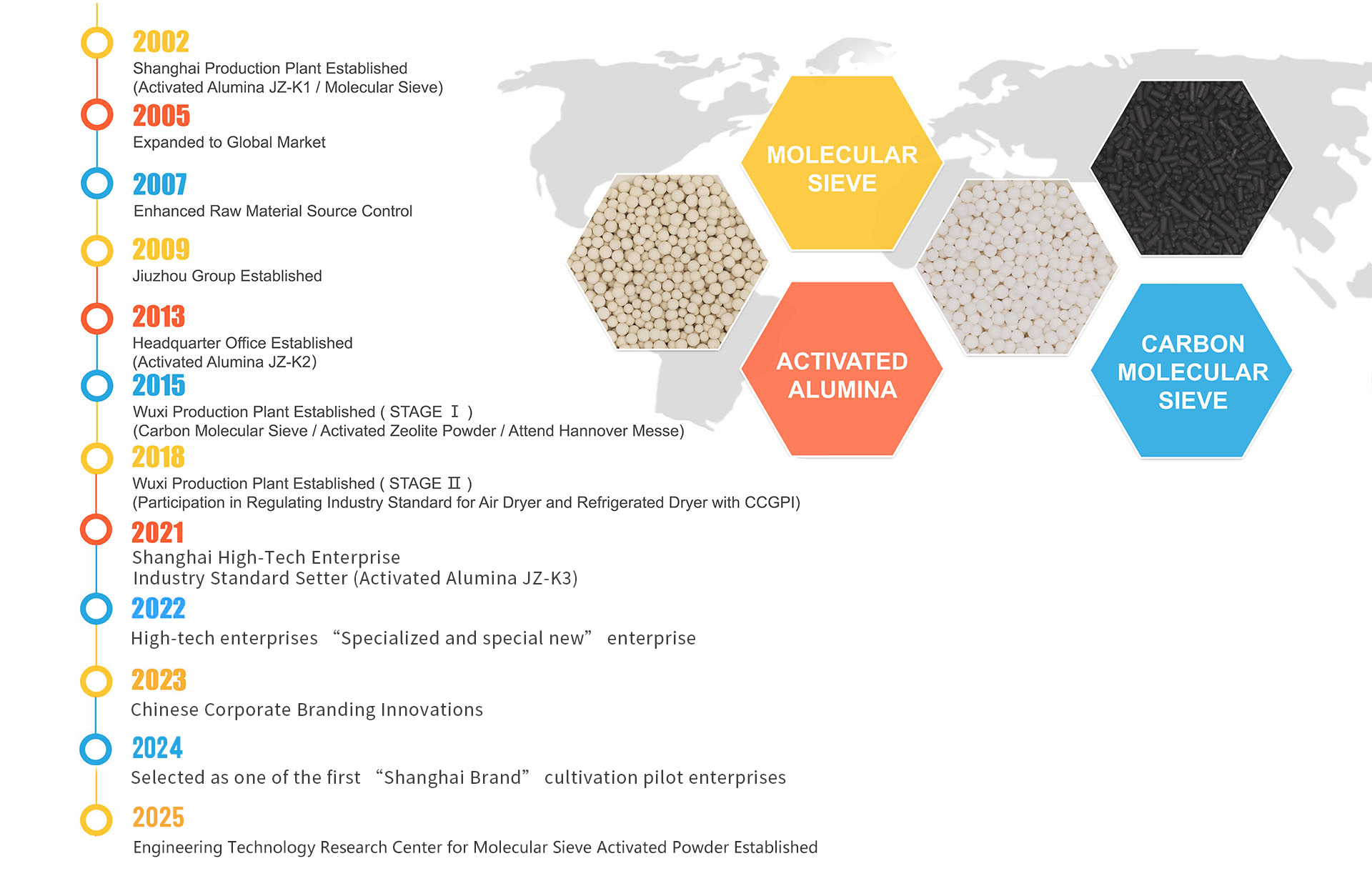
JOOZEO Molecular Sieve Production and Technical Lab Profile
About JOOZEO & Shanghai Jiuzhou

A Global Leader in Molecular Sieve Synthesis & Adsorption Chemistry

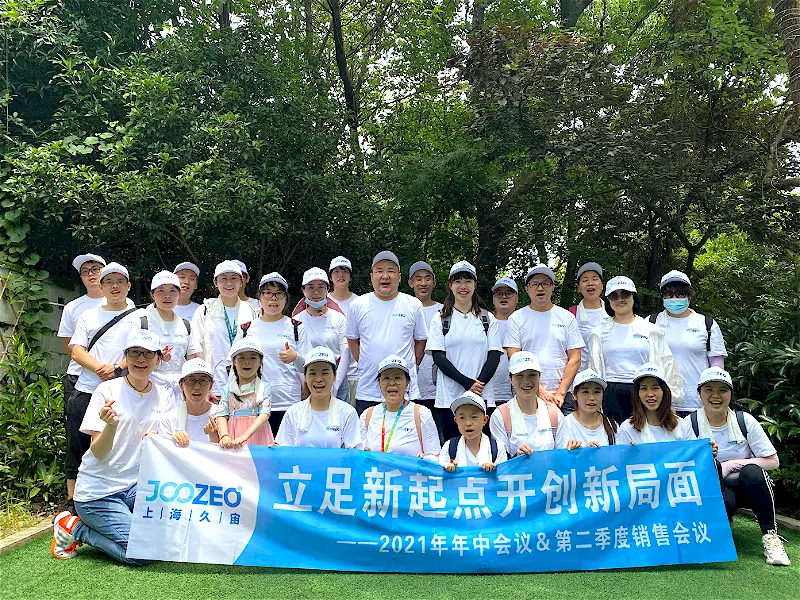
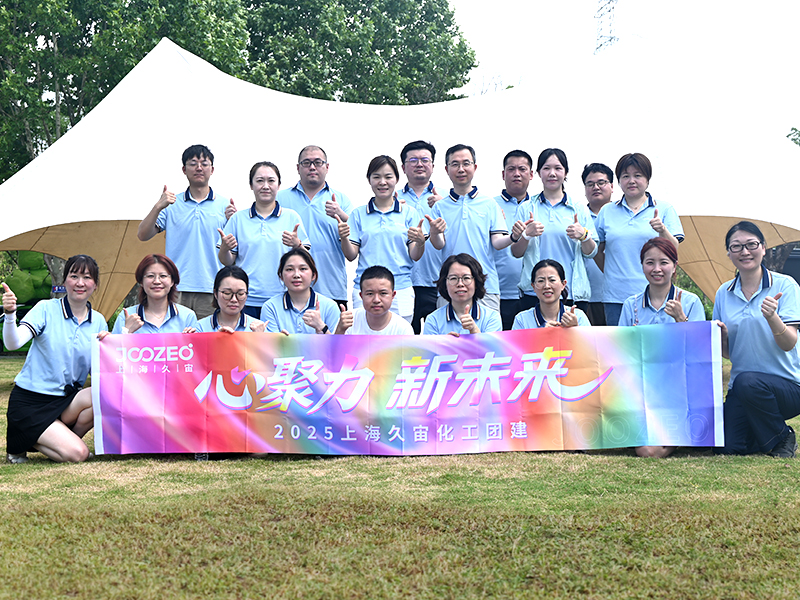
Shanghai Jiuzhou Chemicals Co., Ltd. is located in the largest economic development city, Shanghai. Over the years, Jiuzhou has always adhered to the "quality control, innovation" principles, committed to the development, research, and manufacturing of high-quality innovative chemical products.

Our main products include various molecular sieve powders, molecular sieves, activated powder, activated alumina, aluminum oxide catalysts, different types of alumina packing and ceramic balls, sodium silicates, aluminum hydroxide, zeolite 4A, sodium carbonates, SLES, etc. All of our products have passed the ISO9001: 2008 quality management system certification and TUV & SGS certification, verifying our compliance with international operational criteria.

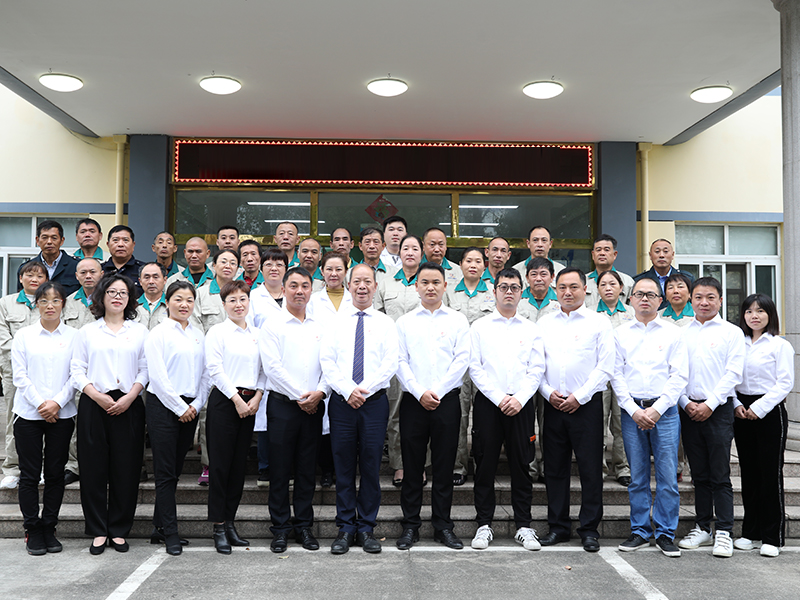
Jiuzhou's technical strength and industry reputation are leading the industry in the field of desiccants, with senior experts and technical reserves, automated multi-functional production workshops, and a central laboratory and dynamic laboratory composed of large-scale monitoring and analysis instruments. In terms of quality control and supporting services, a set of scientific and complete operating systems has been established. Joozeo products are exported to all parts of the world, and we have established a distribution network in the United States, Southeast Asia, Japan, Europe, North and South America, the Middle East, and other places to provide partners with high-quality products, customized services, and more energy-saving and environmentally friendly adsorption solutions.

1,994
Established Year
80+
Countries Served
25,000
Facility Area (sqm)

Uncompromising Engineering Excellence & Quality Thresholds

Jiuzhou utilizes state-of-the-art international production technologies to maintain complete synthesis uniformity and mechanical integrity.

Quality Control Strategy 100%

Our Quality Management architecture implements complete analytical testing starting from incoming raw silicates, aluminates, and binders. Using modern instrumentation, our central lab measures bulk density, particle sizing, crushing strength, and static water adsorption capacity before release. This rigorous approach prevents channeling issues and structural degradation under extreme cyclic gas flow conditions.

R&D & Engineering Innovation 100%

By operating multi-functional dynamic simulation systems, our research team can simulate high-pressure, corrosive feedstocks. We constantly optimize zeolite binder configurations and pore channels to minimize flow resistance, lower activation temperatures, and improve co-adsorption selectivity in petrochemical processing plants.

Dual Production Hubs: Scaling Global Supply Chains

Deploying advanced manufacturing infrastructure in key industrial zones to guarantee prompt global shipment and consistent volume supply.
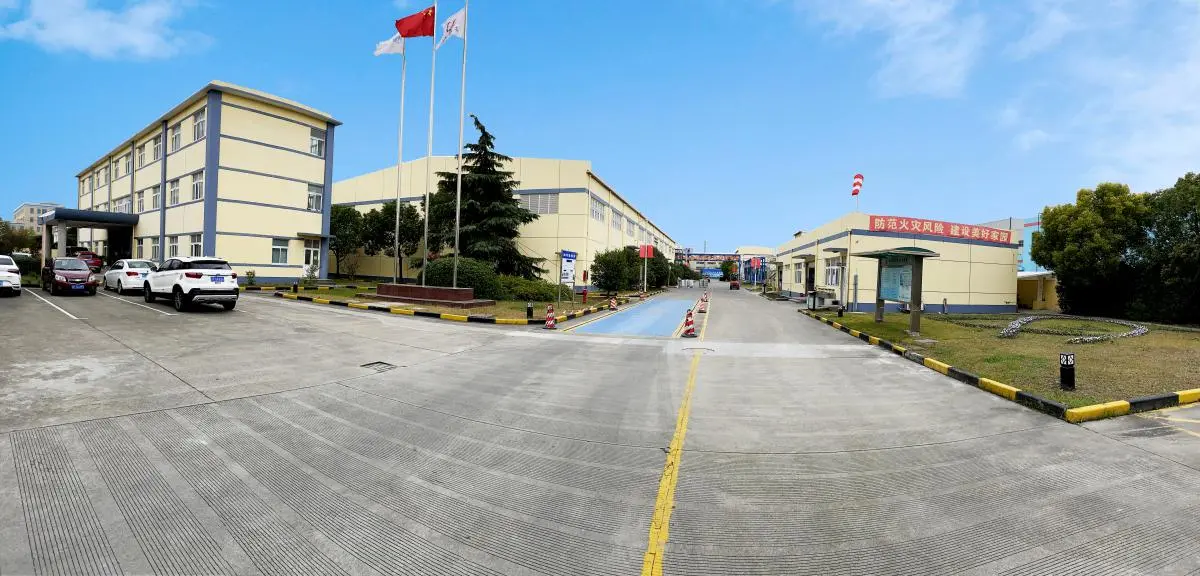

JOOZEO Shanghai Advanced Zeolite Production Facility
SHANGHAI FACTORY
JOOZEO Wuxi Automated Desiccant and Alumina Production Line
WUXI FACTORY

High-Intent Industrial Solutions & System Designs

Addressing complex chemical engineering demands with tailor-made Molsiv installations and specific catalyst setups.

Cryogenic Gas Separation

In oxygen, nitrogen, and argon production facilities, air must be free of moisture and carbon dioxide to prevent ice blockages in heat exchangers. Our JZ-OM oxygen-specific sieves and standard 13X series provide highly reliable pre-purification, preserving downstream system components.

Refinery & Olefin Drying

Cracked gas, ethylene, propylene, and butadiene drying processes demand highly selective water removal. JZ-3ZAS molecular sieves specifically exclude heavier hydrocarbons from entering their pore matrices, preventing unwanted co-adsorption and subsequent coking during thermal regeneration.

Decarbonization & Clean Hydrogen

Using Carbon Molecular Sieves (JZ-CMS2N) in Pressure Swing Adsorption (PSA) systems is essential for generating fuel-cell-grade hydrogen. The precise kinetic separation mechanism effectively strips methane, carbon monoxide, and nitrogen from hydrogen-rich synthesis feeds.

Industry Standard Drafting & Regulatory Certifications

Shanghai Jiuzhou Chemicals actively shapes national technical specifications, reflecting our technical authority and leadership.
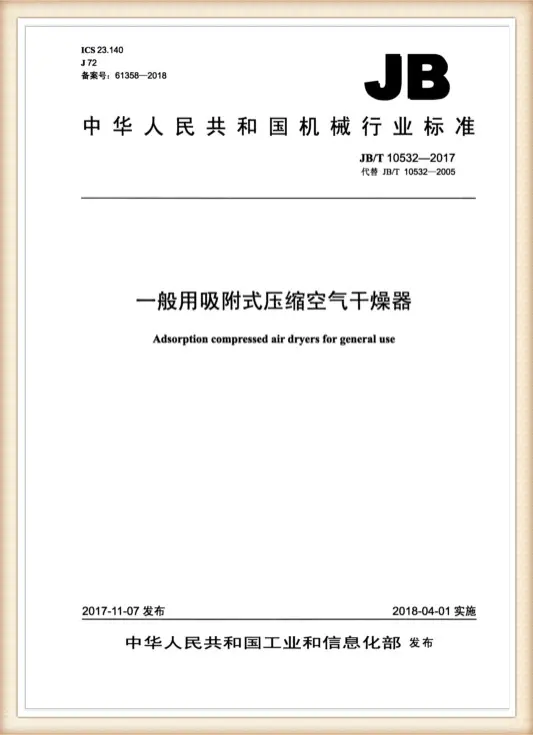
JB / T 10532-2017 Standard
JB / T 10532-2017

Adsorption compressed air dryers for general use
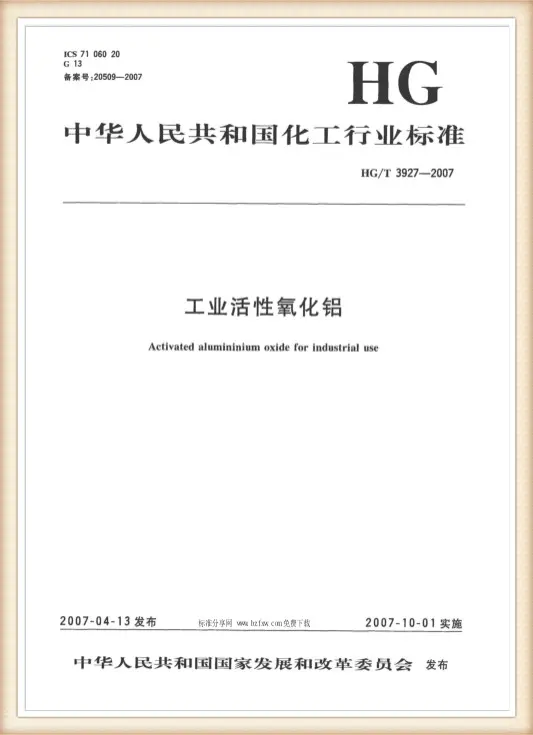
HG / T 3927-2007 Standard
HG / T 3927-2007

Activated aluminum oxide for industrial use
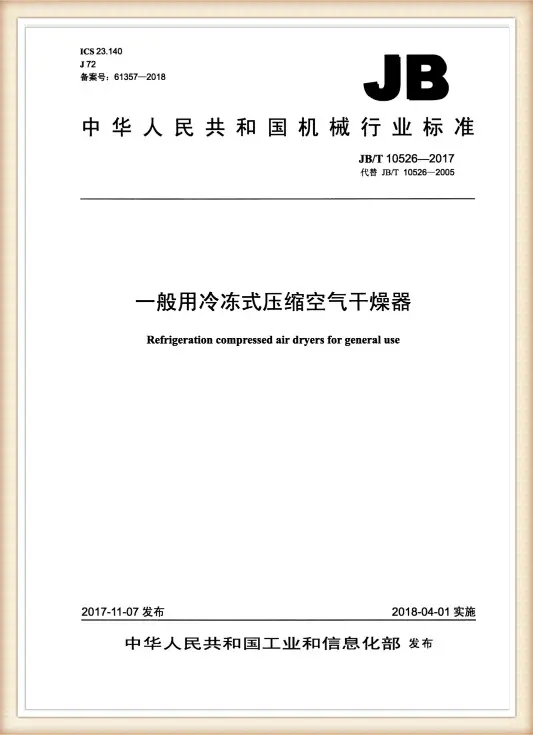
JB / T 10526-2017 Standard
JB / T 10526-2017

Refrigeration compressed air dryers for general use
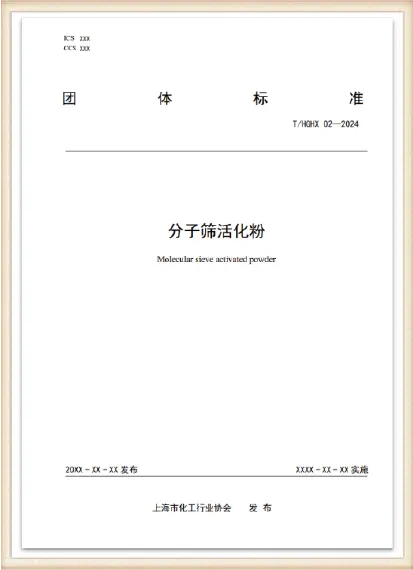
T/CGMA1201-2024 Standard
T/CGMA1201-2024

Compressed air treatment equipment efficiency guidelines
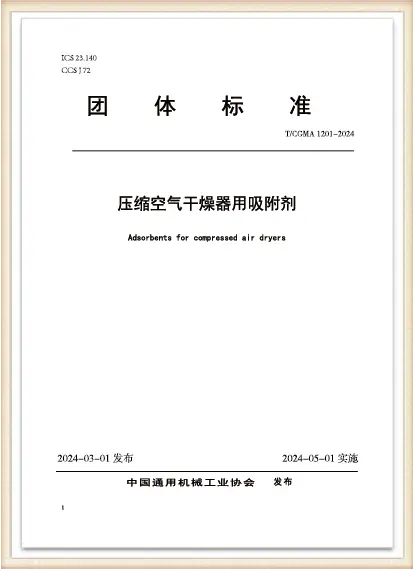
T/HGHX 02-2024 Standard
T/HGHX 02—2024

Technical quality specs for chemical adsorption materials
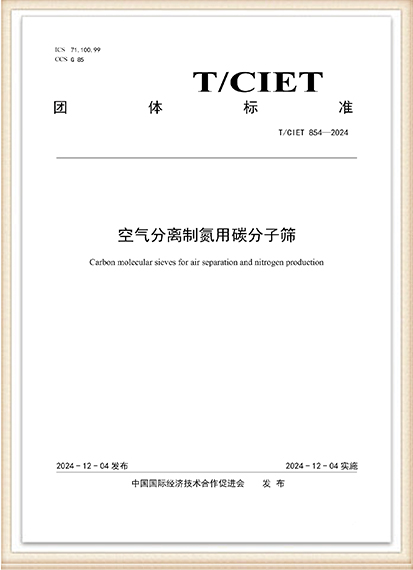
T/CIET 854-2024 Standard
T/CIET 854-2024

Green chemical product manufacturing & ESG compliance standards

Environmental Stewardship

Better Air, Better Life: Driving Clean Technologies

Our operations focus closely on environmental conservation, energy saving, and lowering carbon emissions. We design energy-saving desorption cycles that reduce the energy consumption of thermal-swing adsorption (TSA) regeneration processes.

By engineering high-efficiency molecular sieves, we help reduce the waste heat requirements at customer facilities, playing a key role in global industrial decarbonization efforts.

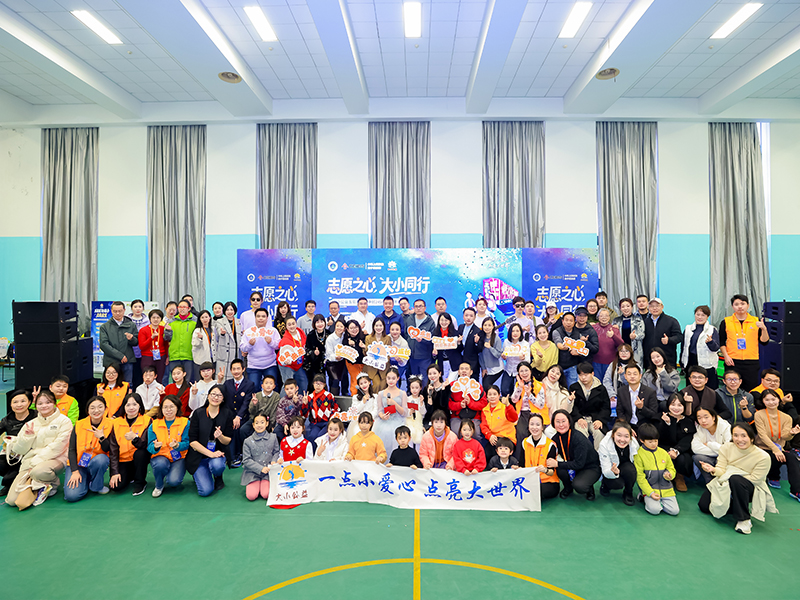
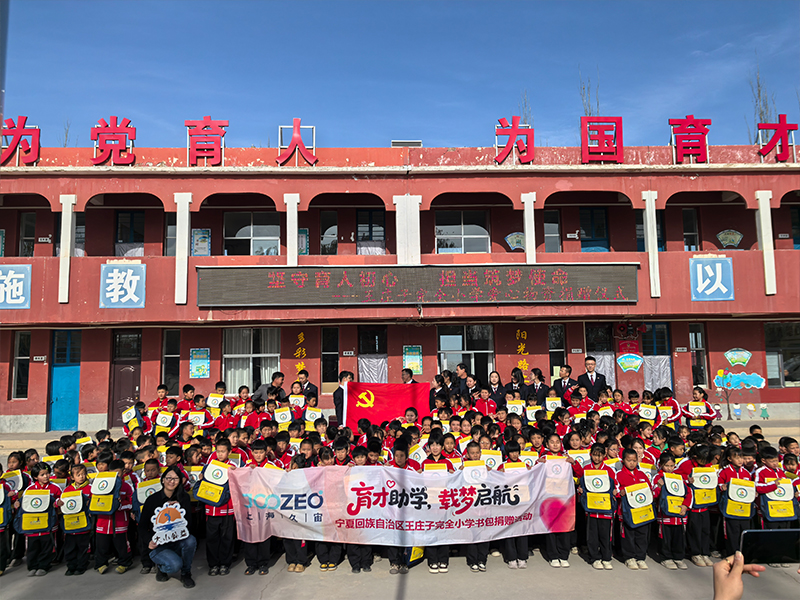
"Adhering to our core motto 'Better air, Better life', Jiuzhou strives to pioneer the carbon-neutral manufacturing of high-grade zeolites."
Production Process Sustainability Stage 1
Production Process Sustainability Stage 2
Production Process Sustainability Stage 3
Production Process Sustainability Stage 4
Production Process Sustainability Stage 5
Production Process Sustainability Stage 6
Production Process Sustainability Stage 7
Production Process Sustainability Stage 8

Technology Roadmap & Next-Generation Adsorption Targets

Adapting to the requirements of the global energy transition with focused materials science research.

Binderless Zeolite Technologies

Traditional molecular sieves utilize clay binders to form beads. Our roadmap targets binderless zeolites that replace inert structural materials with active crystalline mass, enhancing volumetric adsorption capacity by up to 20-30%.

Direct Air Capture (DAC) Formulations

Developing molecular sieve surfaces tailored for the capture of dilute CO2 directly from atmosphere. This R&D focus is designed to lower energy consumption for regeneration during vacuum steam cycles.

Acid-Resistant Zeolites

Developing molecular sieves with adjusted Si/Al ratios to withstand environments containing high levels of acid gas ($H_2S$, $SO_x$, $NO_x$), helping avoid premature crystal structure breakdown.

Expert Q&A: Troubleshooting Molecular Sieve Installations

Get answers to common operational issues related to adsorbent degradation, sizing, and regeneration cycles.

Q1: What are the main causes of molecular sieve degradation and short lifetime in gas processing systems?
Molecular sieve degradation is primarily driven by three mechanisms: thermal hydrothermal damage, chemical contamination, and mechanical attrition. Hydrothermal degradation occurs when the bed is heated during regeneration before water is fully swept out, exposing the fragile zeolite crystals to steam at high temperatures (over 200°C), which de-aluminates the framework. Contaminants like heavy hydrocarbons, amines, glycol, and compressor oils block the pore channels, preventing water from accessing the adsorption cages. Mechanical attrition is typically caused by rapid pressure changes or high gas flow velocities (fluidization), which grind the spherical beads into powder.
Q2: How do you choose between 3A, 4A, 5A, and 13X molecular sieves for gas drying?
The choice depends on the size of the molecules in the feed stream:
  • 3A (3 Å pore size): Used primarily for drying highly unsaturated hydrocarbons (like ethylene or propylene) because it excludes molecules larger than 3Å, preventing polymerization and coking within the pores.
  • 4A (4 Å pore size): The standard choice for static and dynamic drying of natural gas, LPG, and polar liquids. It adsorbs water, ethanol, and hydrogen sulfide.
  • 5A (5 Å pore size): Suitable for separating straight-chain hydrocarbons (n-paraffins) from branched ones, and for hydrogen purification via pressure swing adsorption.
  • 13X (10 Å pore size): Used when large molecules like carbon dioxide, hydrogen sulfide, or mercaptans must be co-adsorbed alongside water. It is a common choice for cryogenic air pre-purification.
Q3: What are the optimal regeneration conditions for Shanghai Jiuzhou molecular sieves?
To regenerate molecular sieves, you typically heat them using a dry purge gas (dry air, nitrogen, or slip natural gas) to temperatures between 200°C and 320°C. It is critical to ramp the temperature slowly during the initial phase to sweep away liquid water without causing localized hydrothermal damage. The purge gas flow rate must be high enough to transport water vapor out of the bed and prevent it from re-condensing in cooler zones. After heating, the bed must be cooled to process temperature using dry gas before restarting the adsorption run.
Q4: Why does Shanghai Jiuzhou emphasize its compliance with JB/T 10532-2017 and other standards?
Drafting and complying with industrial standards like JB/T 10532-2017 and HG/T 3927-2007 ensures our molecular sieves and activated aluminas deliver reliable performance in commercial installations. These standards set specific benchmarks for mechanical crush strength, bulk density, static adsorption capacity, and particle size distribution. Meeting these guidelines reduces the risk of dust formation, pressure drops, or premature dew point failure in your gas treatment systems.

Premium Molsiv Adsorbent Collection - Batch II

Continuing our range of high-performance sodium silicates, specialty molecular powders, and carbon-based separation media.
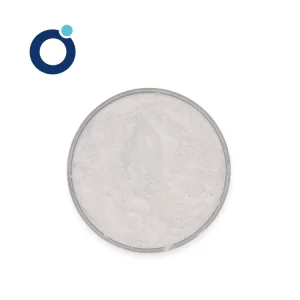
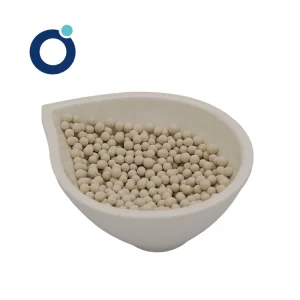
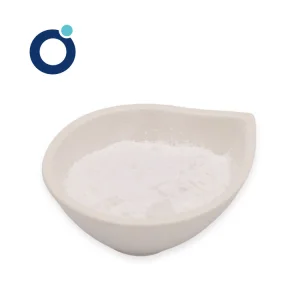
Famous Molecular Sieve Powder JZ-ZT Factory, Products
Explore Product
Famous Molecular Sieve JZ-512H Manufacturer, Products
Explore Product
Best Powdery Instant Sodium silicate JZ-DSS-P Suppliers, Exporter
Get Quotes
Famous Alumina Silica Gel JZ-WSAG Factories, Product
Explore Product
Famous Molecular Sieve JZ-3ZAS Manufacturers, Pricelist
View Pricelist
China DuraChem CAM-20S Manufacturer, Supplier
Explore Product
Famous JooSorb ZC-12 Exporter, Products
Explore Product
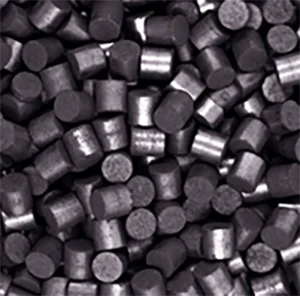
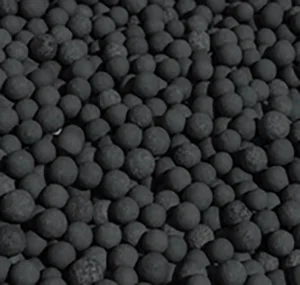
Best Carbon Molecular Sieve JZ-CMS2N Pricelist, Quotes
Get Quotes

Initiate an Enquiries Protocol Now

Any problem or optimization query regarding molecular sieves, activated alumina, or desiccant selection? Please feel free to contact us. Our engineering support desk responds within 24 hours.

Send Request