Engineered to deliver elite performance under critical industrial environments.
The core catalyst driving global industrial moisture control, gas purification, and energy transition.
In the modern industrial paradigm, the demand for advanced adsorption materials—such as silica gels, molecular sieves, and activated alumina—has transitioned from basic packaging desiccation to complex chemical process engineering. As global manufacturing demands higher purity standards for natural gas processing, petroleum refining, pharmaceutical compounding, and electronic semiconductor assembly, advanced gels and molecular sieves serve as critical system enablers. Their high surface area, controlled pore size distribution, and customized affinity kinetics are essential to preventing downstream corrosion, catalyst poisoning, and trace chemical contamination.
Underpinning the growth of the global adsorbent gels market is the surge in petrochemical output across the Middle East, high-end pharmaceutical manufacturing in North America and Western Europe, and localized gas separation installations in the Asia-Pacific region. As environmental compliance standards tighten globally, technologies utilizing carbon molecular sieves (CMS) for green nitrogen generation and customized zeolites for VOC capture are growing at unprecedented rates. Today, the synthesis of premium adsorption materials is no longer just a mass chemical process, but rather a science of precise thermodynamic structures engineered to lower carbon footprints and minimize operation costs.
Over three decades of manufacturing excellence in adsorbent and catalyst technology.
Shanghai Jiuzhou Chemicals Co., Ltd. is strategically situated in Shanghai, China's premier economic development and scientific hub. Since our inception, we have consistently adhered to the dual principles of "Rigorous Quality Control" and "Continuous Technological Innovation." Our corporate framework is designed to facilitate the comprehensive development, testing, manufacturing, and global exportation of top-tier industrial adsorbents.
Our expansive product portfolio features state-of-the-art molecular sieve powders, synthetic molecular sieves, activated powders, activated alumina, specialized aluminum oxide catalysts, diverse inert ceramic support balls, sodium silicates, aluminum hydroxides, and premium zeolites. Every manufacturing step is strictly governed by our ISO9001:2008 Quality Management System, validated and certified by international auditing leaders TUV and SGS.
Equipped with a world-class R&D center, automated multi-functional production lines, and simulated dynamic testing laboratories, we provide customized, environmentally responsible adsorption solutions. Our global logistics network ensures seamless product delivery and dedicated engineering support to partners across North and South America, Europe, the Middle East, and Southeast Asia.
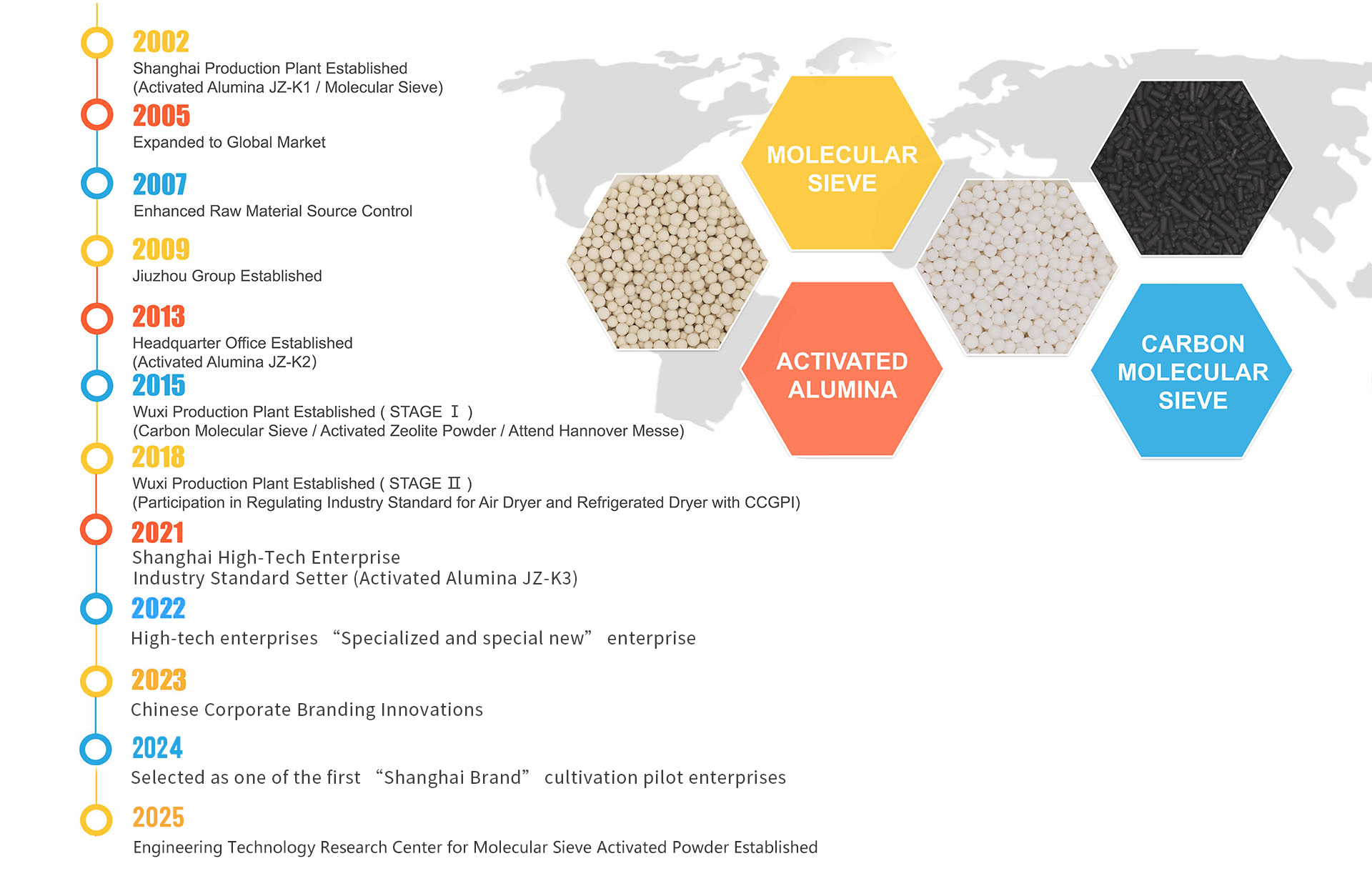
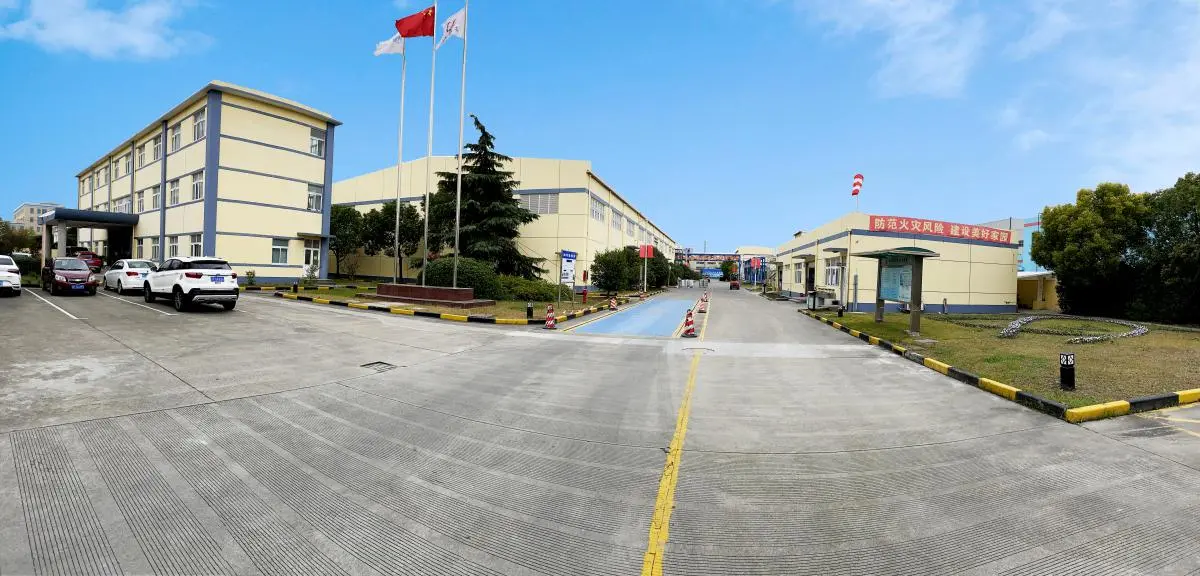
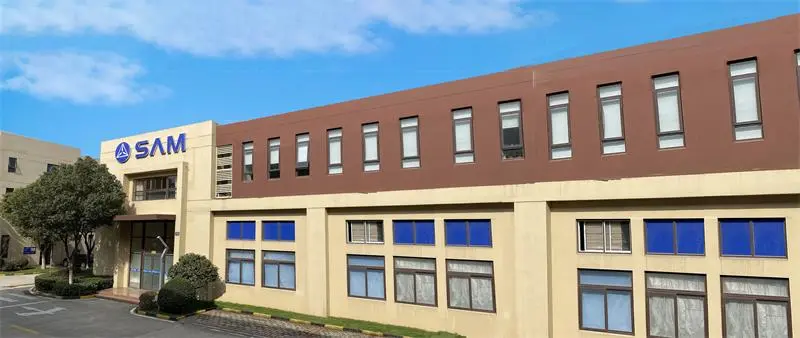
A double-engine production strategy built on dual state-of-the-art manufacturing centers.
We do not just follow standards—we draft them. We are official drafting contributors to key industrial norms.
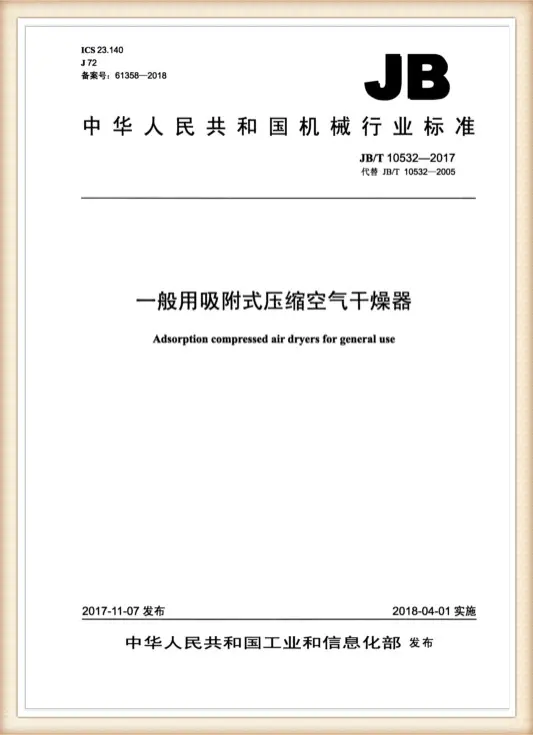
Adsorption compressed air dryers for general industrial applications.
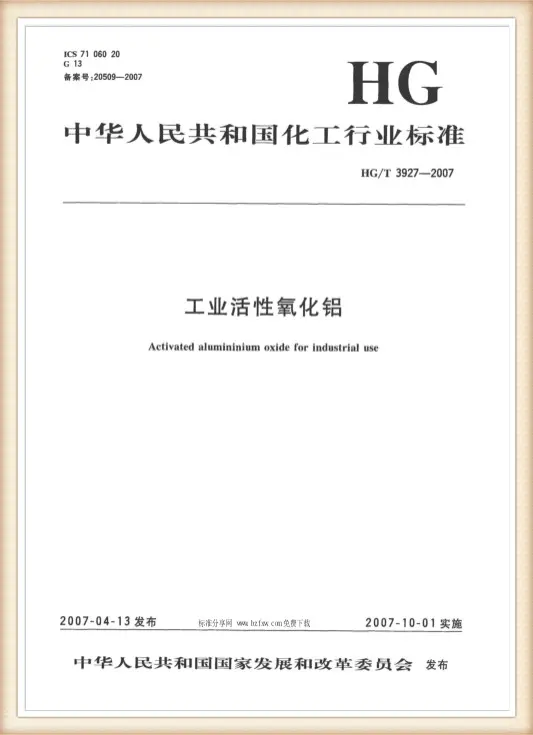
Activated aluminum oxide formulated for professional industrial use.
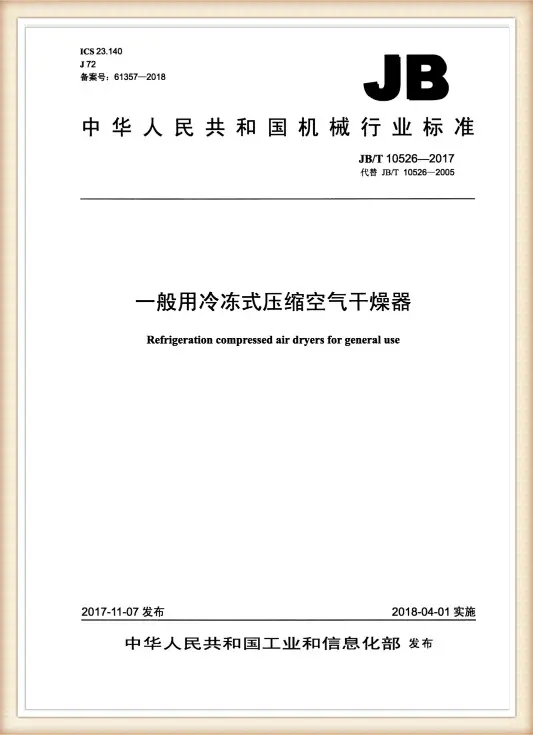
Refrigeration compressed air drying units for general use.
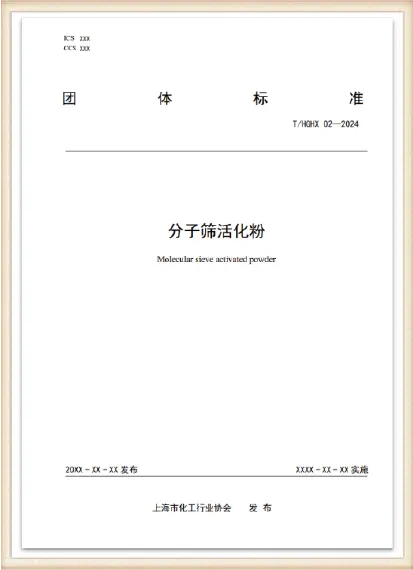
Advanced standard parameters for energy conservation in desiccant technologies.
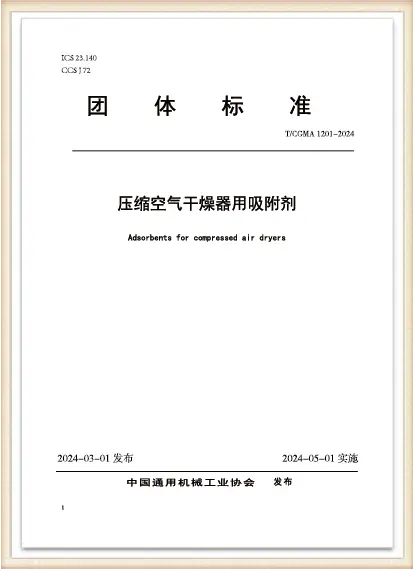
New structural and material specifications for specialized chemical desiccants.
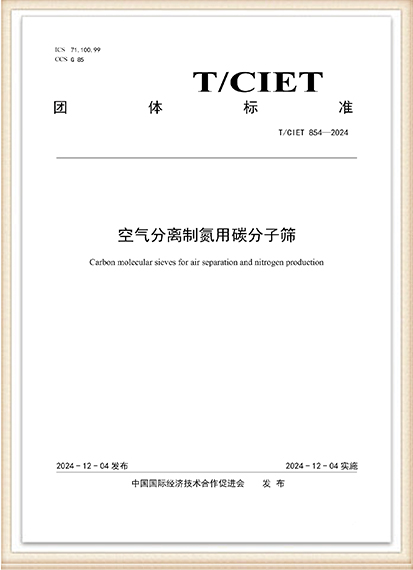
Green manufacturing protocols and low-carbon production for zeolites.
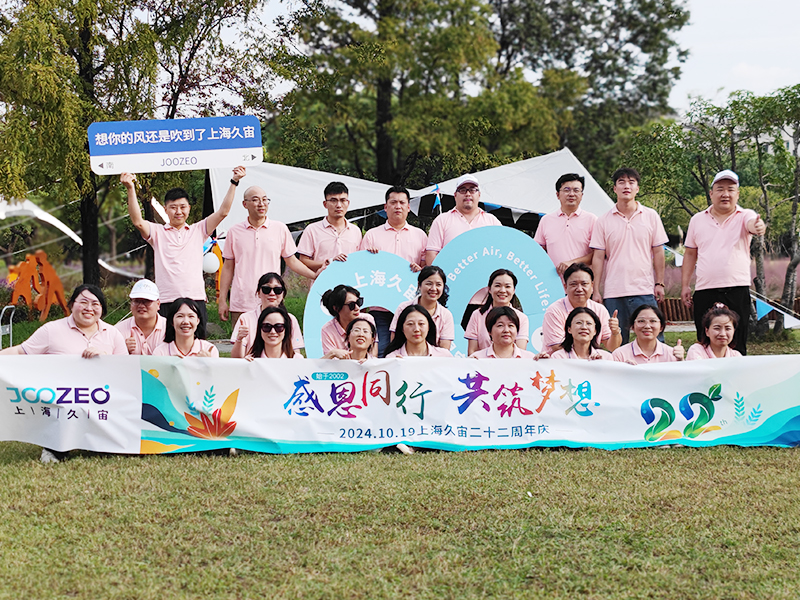
"Better Air, Better Life" — Actively engineering sustainable solutions for a greener planet.

Comprehensive breakdown of specialized structural frameworks and dynamic properties.
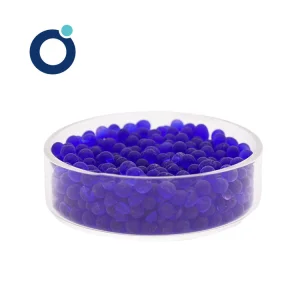
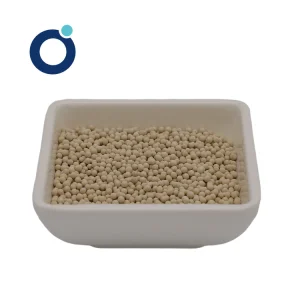
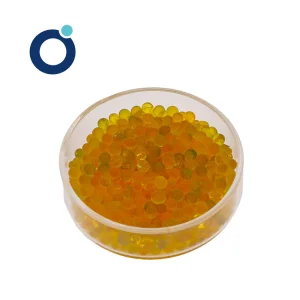
Silica gel is an amorphous form of silicon dioxide (SiO2), featuring a highly porous structure. The primary mechanism of silica gel desiccation relies on physical adsorption, where moisture is trapped within its complex network of sub-nanometer pores via van der Waals forces and capillary condensation. The pore configuration determines its classification: Fine-Pore (A-type), Medium-Pore (B-type), and Wide-Pore (C-type).
For applications where liquid water droplets are directly present, standard fine-pore silica gel is susceptible to thermal cracking and structure degradation due to sudden localized heat released during rapid hydration. To solve this critical industry issue, JOOZEO manufactures JZ-WSG Water-Resistant Silica Gel. Modified with structural stabilizers, JZ-WSG maintains mechanical integrity even when completely submerged in water, preventing pulverization and extending the lifecycle of desiccant beds in high-humidity compressed air systems.
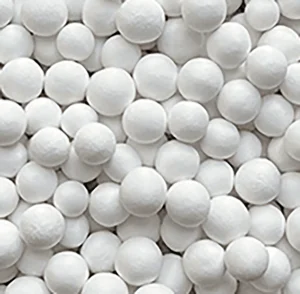
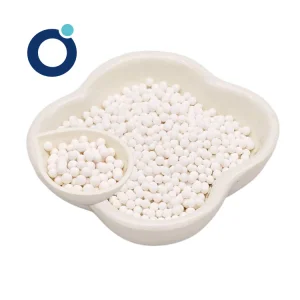
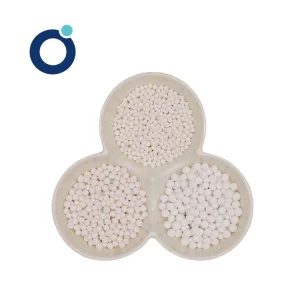
Zeolite Molecular Sieves are crystalline, highly ordered aluminosilicates with uniform pore sizes. They work on a strict size-exclusion principle: they adsorb molecules smaller than their pore size while completely rejecting larger molecules. Additionally, zeolites display intense electrostatic affinity for polar molecules (like water and hydrogen sulfide) due to the presence of extra-framework cations (sodium, potassium, calcium) within their lattice structures.
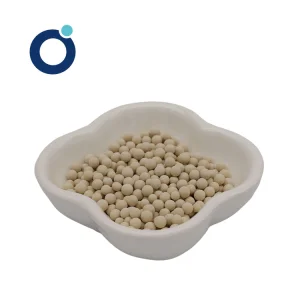
Key variants in our catalog include JZ-404B and JZ-2ZAS. The 3A molecular sieve (pore diameter ~3Å) is optimized for dehydration of unsaturated hydrocarbons (like ethylene and propylene) without co-adsorbing the gas itself. The 4A molecular sieve (pore diameter ~4Å) serves as a industry standard for static drying in closed systems, while the 5A molecular sieve (~5Å) allows separation of straight-chain (normal) alkanes from branched isomers. The 13X zeolite, featuring a larger pore size (~10Å), is widely utilized for industrial air separation processes to remove carbon dioxide and moisture concurrently, preventing cold box freeze-ups.
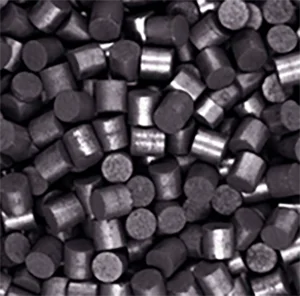
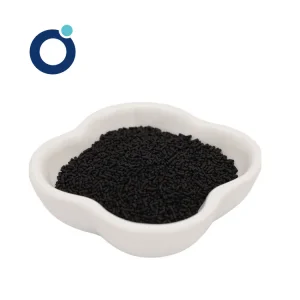
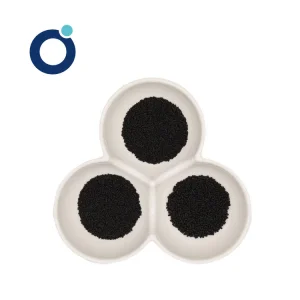
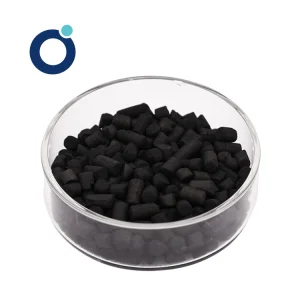
Unlike zeolites, Carbon Molecular Sieves (CMS) utilize kinetic separation rather than absolute thermodynamic sizing. JOOZEO's JZ-CMS and JZ-CMS6N are premium carbon-based materials containing fine micropores with diameters matching oxygen and nitrogen molecules. Because oxygen molecules are slightly smaller in kinetic diameter (0.346 nm) than nitrogen molecules (0.364 nm), oxygen diffuses into the carbon micropores at a rate several orders of magnitude faster than nitrogen.
This differential diffusion speed is the cornerstone of Pressure Swing Adsorption (PSA) nitrogen systems. In a typical cycle, compressed air passes through a vessel packed with JZ-CMS. Oxygen is selectively captured within the pores while high-purity nitrogen passes through as product gas. Upon pressure equalization and venting, the oxygen is desorbed, regenerating the CMS bed for the subsequent cycle. JOOZEO's advanced manufacturing processes optimize the micropore distribution of JZ-CMS6N to achieve peak nitrogen recovery rates and lower energy footprints per cubic meter of nitrogen produced.
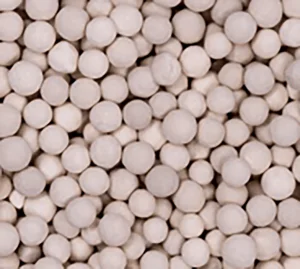
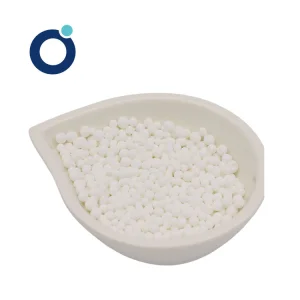
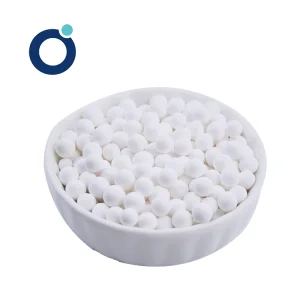
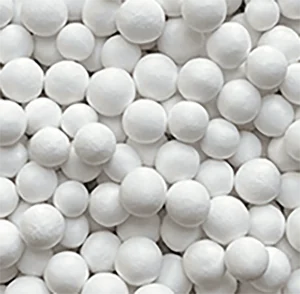
Activated Alumina is a highly porous form of aluminum oxide (Al2O3) boasting high surface area and chemical stability. It is produced by calcining aluminum hydroxide at controlled temperatures, driving off water and creating a vast network of macro, meso, and micropores. The surface of activated alumina is populated by highly polar hydroxyl groups, making it an excellent desiccant for polar molecules, particularly water vapor.
Under standards like HG/T 3927-2007, JOOZEO manufactures JZ-E and JZ-K3/JZ-K1 series. These formulations offer high mechanical crush strength, high resistance to thermal shock, and zero swelling or dissolution when exposed to water. They are extensively used in heated and heatless regenerative air dryers, achieving stable pressure dew points down to -70°C. Additionally, activated alumina acts as a defluoridation agent for drinking water treatment and a catalyst carrier in various petrochemical processes, including Claus sulfur recovery units.
Providing custom, energy-efficient engineering solutions for mission-critical industries.
1. Industrial Air Separation & High-Purity Gas Drying: In large-scale industrial setups, wet compressed air causes corrosion in pipelines and freezes in cryogenic air separation cold boxes. Our solution involves a dual-bed system using a combination of activated alumina (for bulk water removal) and 13X molecular sieves (to capture trace moisture, CO2, and light hydrocarbons). This hybrid approach optimizes capital costs, protects high-end downstream machinery, and guarantees stable operations.
2. Petrochemical & Ethylene Refining: Ethylene cracking plants operate at extremely low temperatures, where trace water content can result in hydrate formation and equipment blockages. Using specialized molecular sieve beds, such as 3A zeolites, plants can remove water down to less than 1 ppm without co-adsorbing light olefins. This selective drying prevents side-reactions and maintains plant safety.
3. PSA Nitrogen & Hydrogen Systems: For electronics and metal treatment manufacturing, clean localized nitrogen is crucial. Our JZ-CMS series provides dynamic kinetic oxygen separation, allowing users to generate high-purity nitrogen on-site. In hydrogen purification, our molecular sieves and activated alumina remove CO, CO2, and methane, yielding ultra-pure hydrogen (99.999%) for clean fuel-cell applications.
4. HVAC and Commercial Refrigeration: Refrigerant loops are vulnerable to trace moisture, which reacts with lubricants to form corrosive acids. By incorporating compact molecular sieve desiccant cores, manufacturers protect thermal expansion valves and compressors, prolonging system lifespan and reducing repair overheads.
Detailed chemical engineering explanations addressing search intent and operational questions.
Traditional silica gel has a high concentration of active hydroxyl groups on its pore surfaces. When it comes into contact with liquid water, the heat of hydration causes rapid thermal stress inside the pores, resulting in the gel cracking or crumbling into dust. JZ-WSG is synthesized with a specialized structural stabilizer that modifies the silica matrix, allowing it to withstand liquid water immersion without losing mechanical strength or fracturing. This makes it ideal for protective barrier layers in desiccant beds.
The choice depends on the required dew point and feed gas composition. Activated alumina is best suited for bulk water adsorption due to its high capacity for water at high relative humidity and lower regeneration energy costs (yielding typical dew points between -40°C to -50°C). Molecular sieves have a lower total capacity but maintain high water adsorption efficiency even at very low relative humidity and elevated temperatures, enabling dew points down to -70°C. For optimum cost-efficiency, modern plants use a hybrid bed: activated alumina at the bottom for bulk moisture removal, followed by a molecular sieve on top to achieve deep dehydration.
Regeneration of molecular sieves is typically achieved via Thermal Swing Adsorption (TSA) or Pressure Swing Adsorption (PSA). In a TSA cycle, the molecular sieve is heated using a dry purge gas to temperatures between 200°C and 320°C. The heat breaks the polar bonds between the zeolite cations and water molecules, allowing the moisture to be carried away by the purge stream. The bed is then cooled back to operating temperatures using dry gas. In PSA systems, regeneration is driven by depressurizing the vessel and purging it with a fraction of dry product gas at ambient temperature.
Nitrogen yield in CMS systems is determined by the selectivity and pore volume distribution. JZ-CMS6N undergoes a precise chemical vapor deposition process that refines the carbon pore throat sizes. This ensures a narrow pore distribution centered around 0.35 nm, maximizing the diffusion rate difference between oxygen and nitrogen. The resulting increase in adsorption capacity for O2 reduces the volume of air needed per unit of nitrogen generated, enhancing energy efficiency and reducing compressor power consumption.
Compliance is maintained through our ISO9001:2008 certified quality control system. Our facilities test every batch of raw materials and finished products using automated analysis equipment. Our central testing laboratory verifies critical parameters—including crush strength, bulk density, static and dynamic water adsorption capacity, wear rate, and pore volume—ensuring they meet or exceed national and international standards before shipping.
Under optimal conditions, activated alumina lasts between 3 to 5 years. Degradation is primarily caused by two factors: oil contamination (carryover from the compressor coats the alumina pores, reducing active surface area) and liquid water flooding (without a protective water-resistant barrier, high moisture loads degrade mechanical strength). Proper pre-filtration and bed packing designs are crucial to maximizing desiccant lifespan.
Explore our complete catalog of industrial zeolites, activated carbons, and specialty alumina catalysts.
Reach out to our engineering experts today for customized adsorption solutions, MSDS data sheets, and competitive pricing quotes. All inquiries are answered within 24 hours.
Send Request / Inquiry