
Optimized Solutions for Petrochemical Processing, Air Separation Units, and Gas Dehydration Systems across Jubail, Yanbu, and Riyadh.
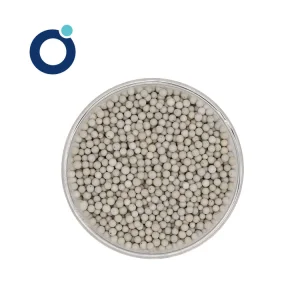
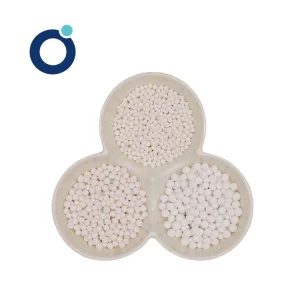
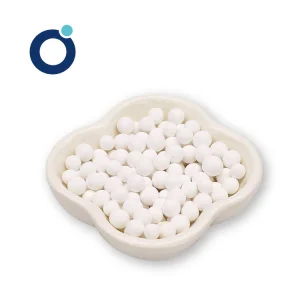
Saudi Arabia’s chemical and petrochemical processing industry stands at the global forefront of downstream innovation, propelled by the historic mandates of Saudi Vision 2030. The Kingdom’s mega-complexes in Jubail, Yanbu, and the developing Jazan Industrial City operate under extreme climatic variables and strict technical guidelines. The dehydration of natural gas, purification of polymer feeds, and maintenance of instrument air quality are crucial to preventing plant downtime. The efficiency of these molecular-level separation processes hinges directly on the structural reliability and adsorption kinetics of advanced materials, primarily Activated Alumina (Al₂O₃).
As downstream processing shifts toward high-value chemical production, the tolerance for moisture and trace impurities has reached near-zero thresholds. In olefins plants, trace moisture in monomer feeds (such as ethylene and propylene) can permanently poison downstream polymerization catalysts, leading to multi-million-dollar reactor purges. The requirement for premium Activated Alumina is no longer just about buying desiccant; it is an engineering decision directly linked to plant safety, operational uptime, and environmental footprint.
Operating adsorption drying beds in the Arabian Peninsula presents challenges that standard engineering calculations often overlook. The primary thermodynamic obstacle is the high ambient inlet air temperature. Standard ratings for molecular sieves and activated alumina are calculated at 25°C. However, in Saudi refineries, feed gas temperatures entering the adsorption column can easily surpass 45°C. At these elevated temperatures, the physical adsorption capacity of standard alumina drops significantly.
To overcome this capacity loss, JOOZEO has designed activated alumina with a optimized active surface area, exceeding 340 m²/g. This ensures a stable mass transfer zone (MTZ) even when the thermal profile of the bed shifts. Additionally, coastal facilities in Jubail and Yanbu must handle high absolute humidity combined with saline ambient air. This setup requires desiccants that resist chloride-induced stress corrosion and minimize dust formation, which can block downstream filters and control valves.
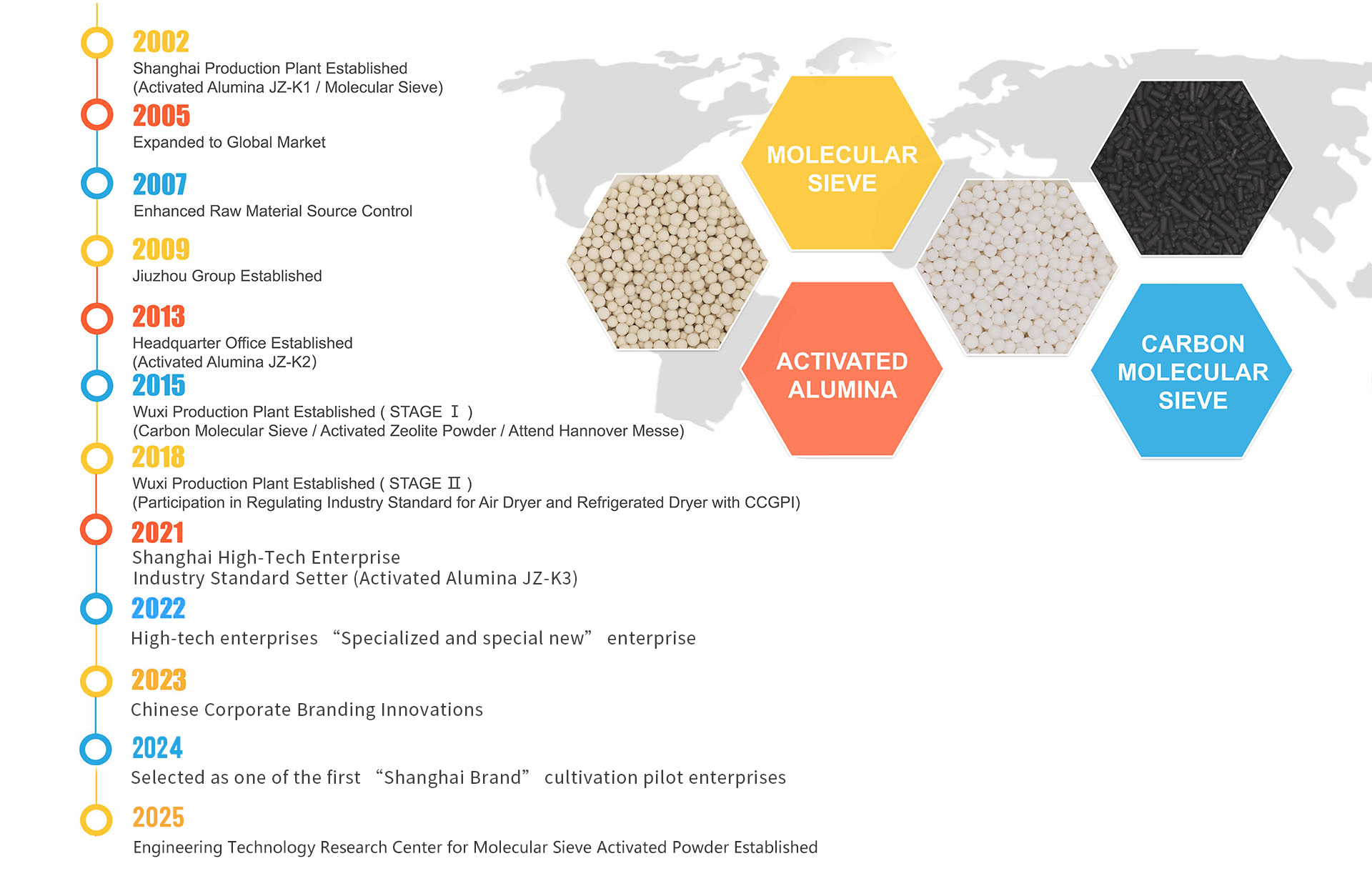
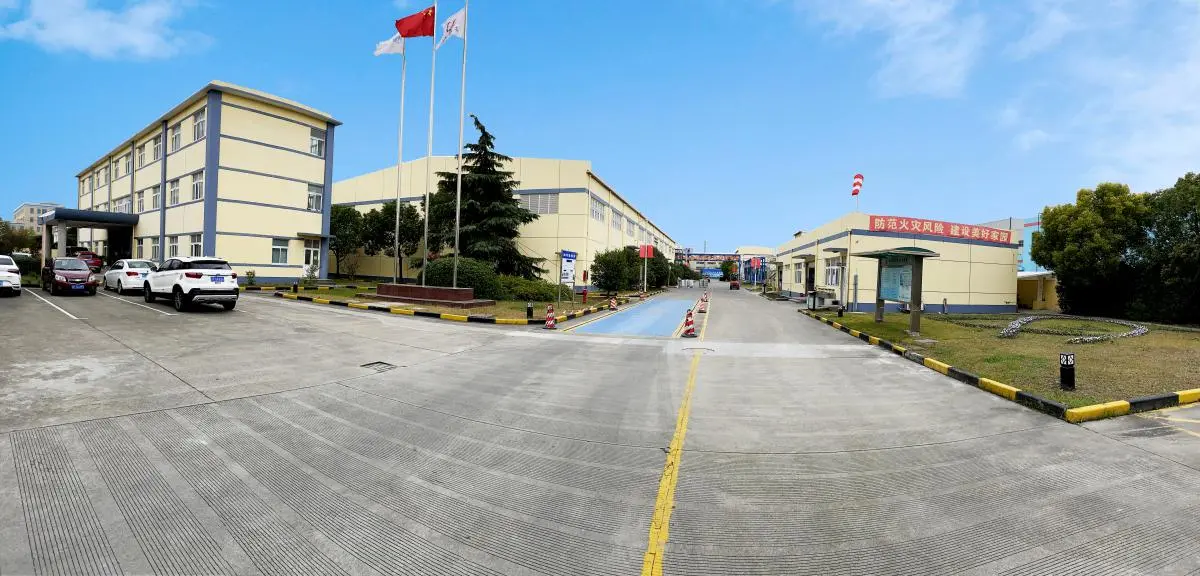
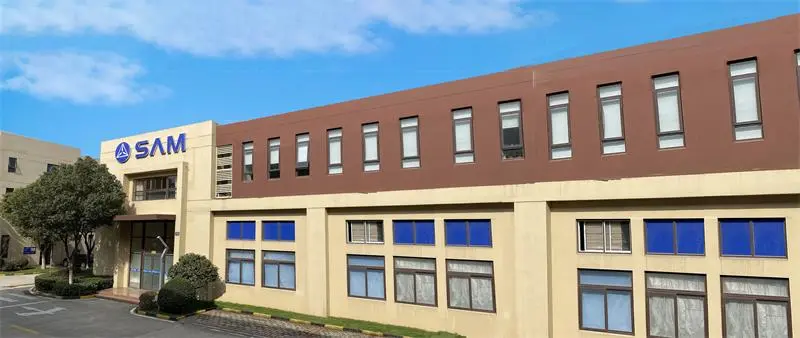
Located in Shanghai, Shanghai Jiuzhou Chemicals Co., Ltd. (JOOZEO) has spent decades focusing on quality control and chemical engineering innovation. We specialize in developing, researching, and manufacturing high-quality chemical products for the oil, gas, and water treatment sectors.
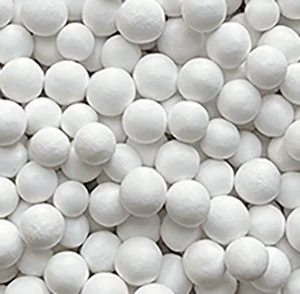
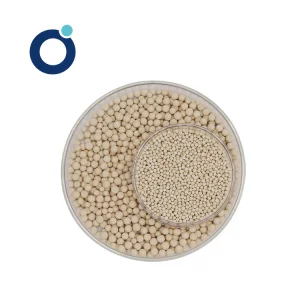
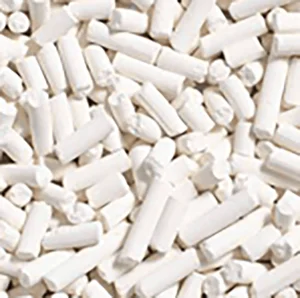
Our product line includes various molecular sieve powders, molecular sieves, activated powder, activated alumina, aluminum oxide catalysts, and high-performance ceramic support balls. All operations are certified under the ISO9001:2008 Quality Management System, as well as TUV and SGS standards. We support global supply chains by exporting to over 80 countries, providing customized solutions that lower energy use and reduce environmental impact.
JOOZEO actively shapes the industry by contributing to and setting standards for adsorption and drying technologies worldwide.
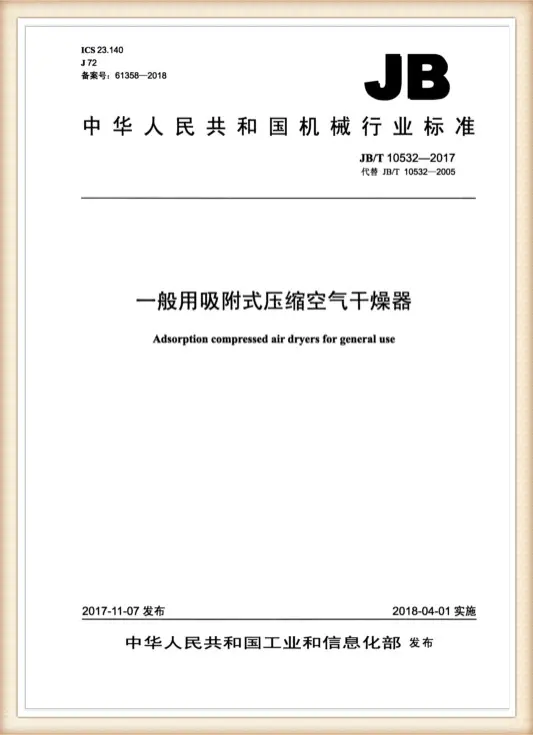
JB / T 10532-2017
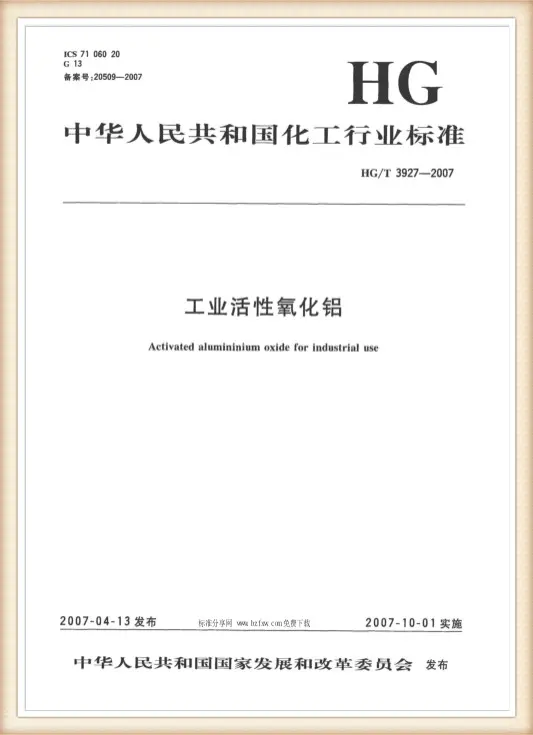
HG / T 3927-2007
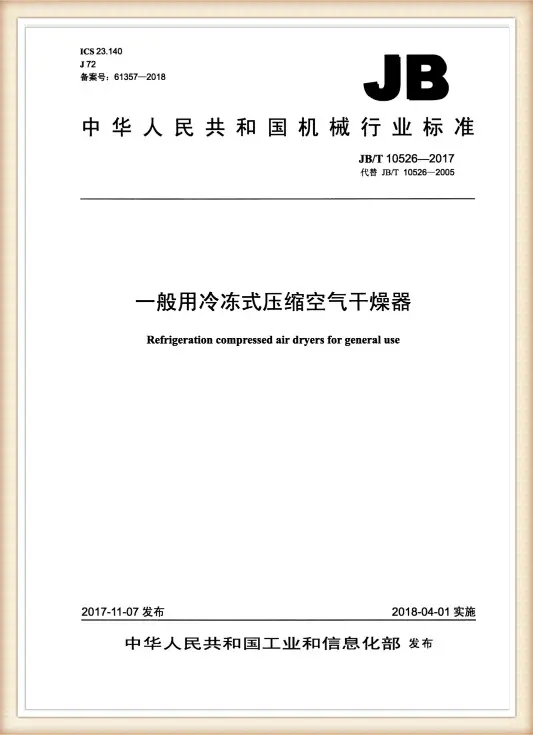
JB / T 10526-2017
T/CGMA1201-2024
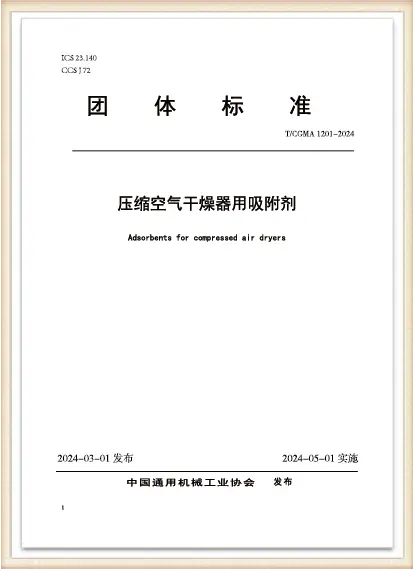
T/HGHX 02—2024
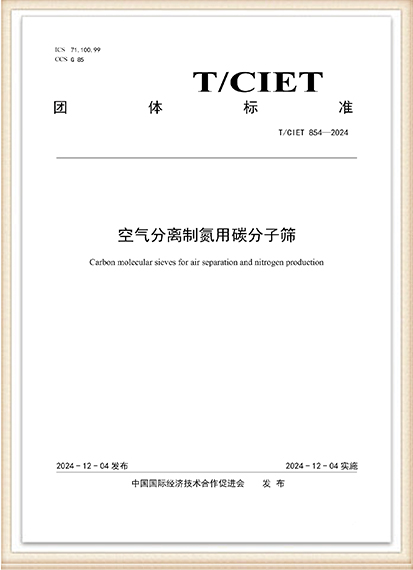
T/CIET 854-2024
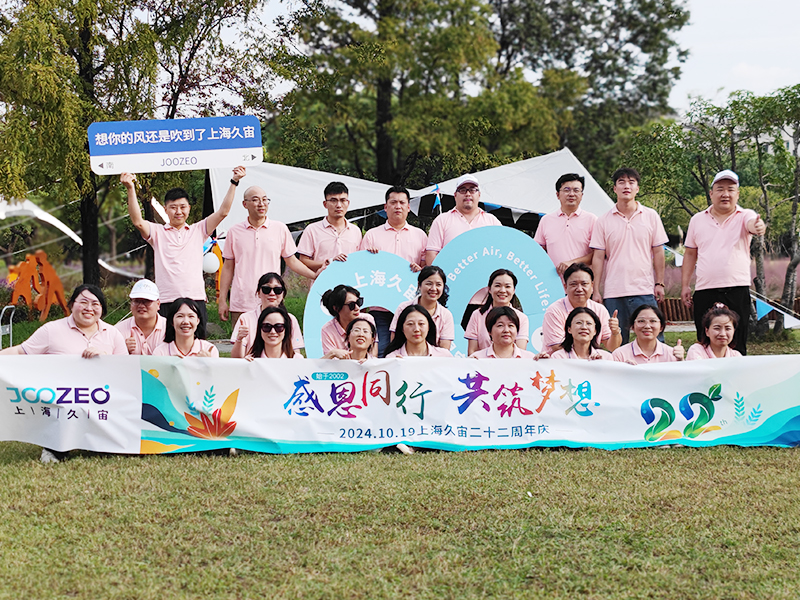
"Better air, Better life"
At JOOZEO, environmental responsibility goes beyond standard compliance. Our research focuses on minimizing energy consumption during desiccant regeneration cycles. This enables plants to operate with lower carbon emissions, supporting the sustainable development goals of modern industrial facilities.
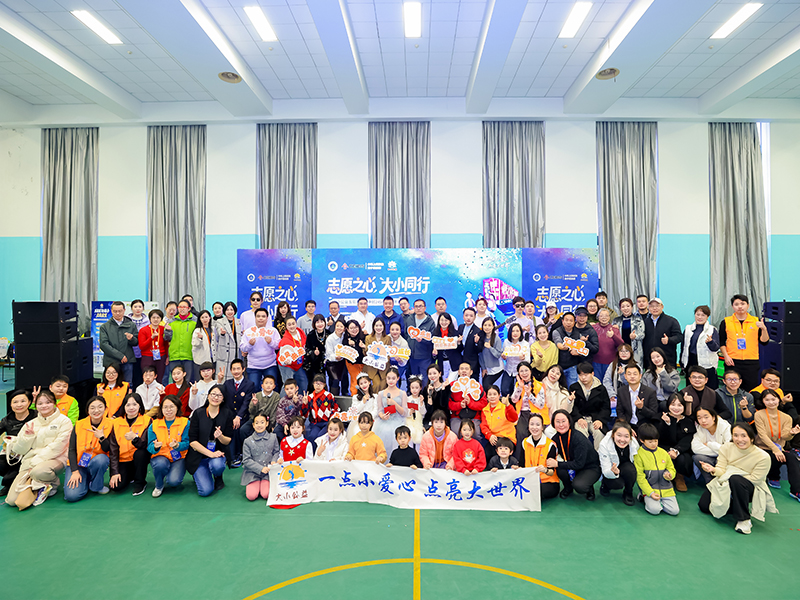
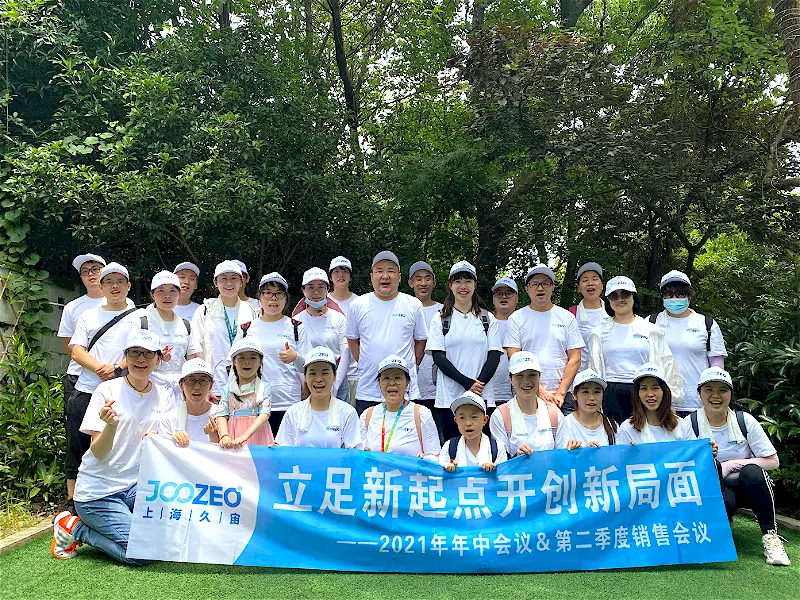
In natural gas processing, removing moisture is critical to preventing hydrate formation, control valve freezing, and internal pipeline corrosion. Standard dehydration processes employ molecular sieves for deep water extraction, but these beds require protection from liquid water and heavy hydrocarbon liquid carryovers. Activated Alumina serves as a sacrificial guard bed at the top of dehydration columns. It absorbs liquid water surges without losing structural integrity, ensuring the main molecular sieve bed is protected from hydrothermal collapse.
Saudi refineries process high-sulfur sour crude oils, requiring massive Sulfur Recovery Units (SRUs) to convert H₂S into elemental sulfur. The Claus process relies on activated alumina catalyst beds to drive the conversion of sulfur compounds. JOOZEO offers titanium-doped and high-purity alumina catalyst carriers. These carriers provide high hydrothermal stability and optimized macro-porosity, which helps reduce carbon deposition and catalyst poisoning from heavy hydrocarbon components in the gas stream.
Groundwater sources in several provinces of Saudi Arabia exhibit high natural fluoride concentrations. Excess fluoride poses health risks, making water treatment plants essential for municipal supply lines. Activated Alumina is one of the most effective technologies for selective fluoride removal (defluoridation). With its high density of active surface hydroxyl groups, JOOZEO's activated alumina offers reliable adsorption capacities across a wide pH range, helping municipal water projects meet drinking water standards.
Purchasing industrial adsorbents for projects in Saudi Arabia requires navigating complex logistics and certification processes. As a verified international supplier, JOOZEO ensures compliance at every stage of the supply chain:
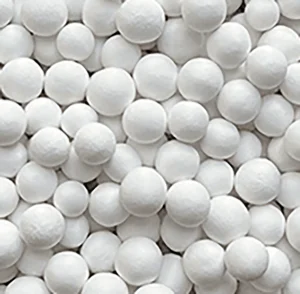
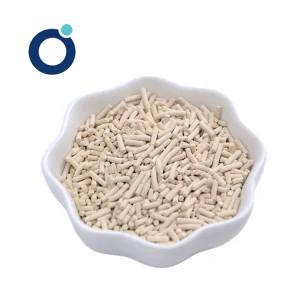
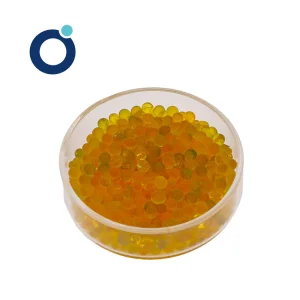
Explore our complete catalog of molecular sieves, alumina desiccants, and catalytic support media.
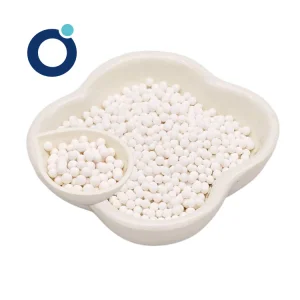
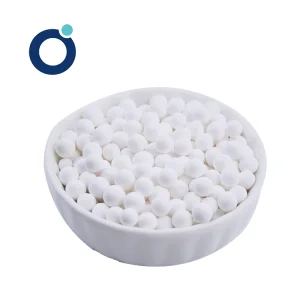
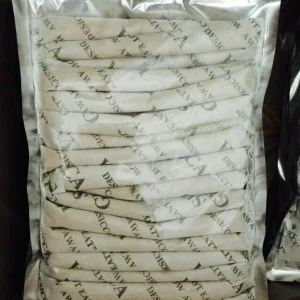
Answers to common engineering questions regarding the application, operation, and selection of adsorbents in harsh environments.
Contact our technical team for custom configurations, project design assistance, and commercial quotes for Saudi industrial installations.
Send Inquiry Now