
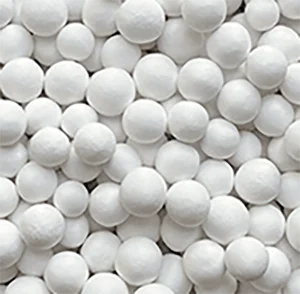
Engineered for high selectivity, low attrition loss, and reliable thermal stability under severe process conditions.
Romania hosts one of the oldest and most vital hydrocarbon refining architectures in the European Union. Centered heavily around historical refining hubs like Ploiești, Constanța (Petromidia), and Petrobrazi, the region's petrochemical operators are undergoing a massive transition. The drive is twofold: adhering to strict European Union emission regulations (such as Euro 6 standards and decarbonization targets for 2030) and optimizing operational efficiencies to offset fluctuating feedstocks.
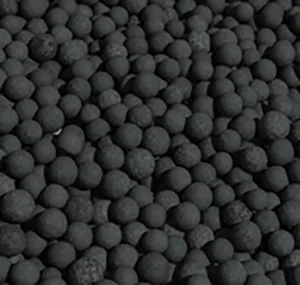
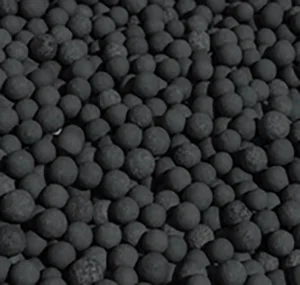
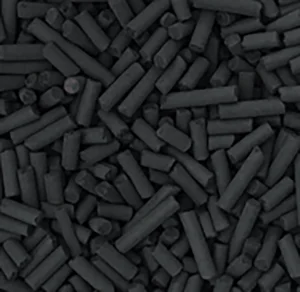
As refineries optimize their desulfurization, hydrocracking, and catalytic reforming setups, the demand for highly resilient catalysts and molecular sieves has reached unprecedented levels. Catalysts like Activated Alumina, Claus Process Catalysts, and Zeolite Molecular Sieves form the silent backbone of this infrastructure, ensuring clean fuel production, industrial gas separation, and minimal environmental trace signatures.
With tightening EU regulations on sulfur emissions, Romanian plants require highly active Claus catalysts and desulfurization sorbents to process sour crude and heavy natural gases efficiently.
Maximizing conversion rates and selectivity reduces carbon tax exposures. Our catalyst systems are optimized to function at lower reaction temperatures, reducing total energy usage.
High mechanical strength and thermal shock resistance prevent catalyst pulverization, avoiding pressure drops and premature maintenance shutdowns in modern fixed-bed reactors.
Industrial adsorption processes rely heavily on the thermodynamic affinities and kinetic selectivities of synthetic zeolites and active transition aluminas. To understand why modern installations are moving towards custom-formulated catalysts, we must evaluate their crystalline properties:
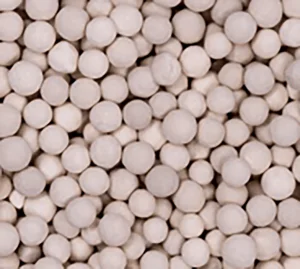
Zeolite molecular sieves utilize precise pore apertures to isolate target molecules. For instance, in gas drying loops within chemical installations in Romania, water molecules (diameter ~2.65 Å) are isolated using a 3A molecular sieve (pore size 3 Å), excluding larger compounds like methane, ethane, or propane (which would co-adsorb and reduce drying efficiency).
Our manufacturing process tightly controls the crystalline structure of sodium aluminosilicate grids during hydrothermal synthesis. This ensures that the deviation in pore size remains under 0.2 Å across bulk production lots.
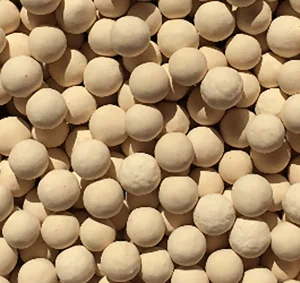
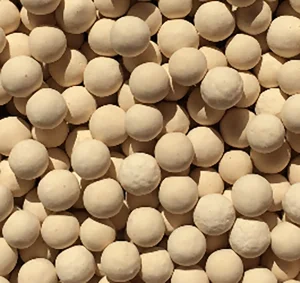
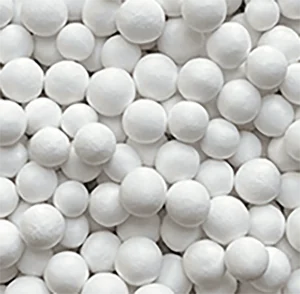
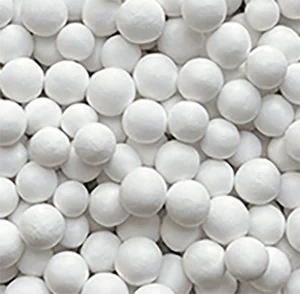
Activated Alumina (Al2O3) functions as a catalyst and an adsorbent because of its complex pore network and surface chemistry. The thermal dehydration of aluminum hydroxide results in a highly porous transition alumina characterized by basic and acidic sites. These active sites act as catalyst centers in industrial Claus sulfur recovery plants, facilitating the reaction between H2S and SO2 to produce elemental sulfur.
Year of Establishment
Countries Served Worldwide
SQM Factory Footprint
ISO, TUV & SGS Certified
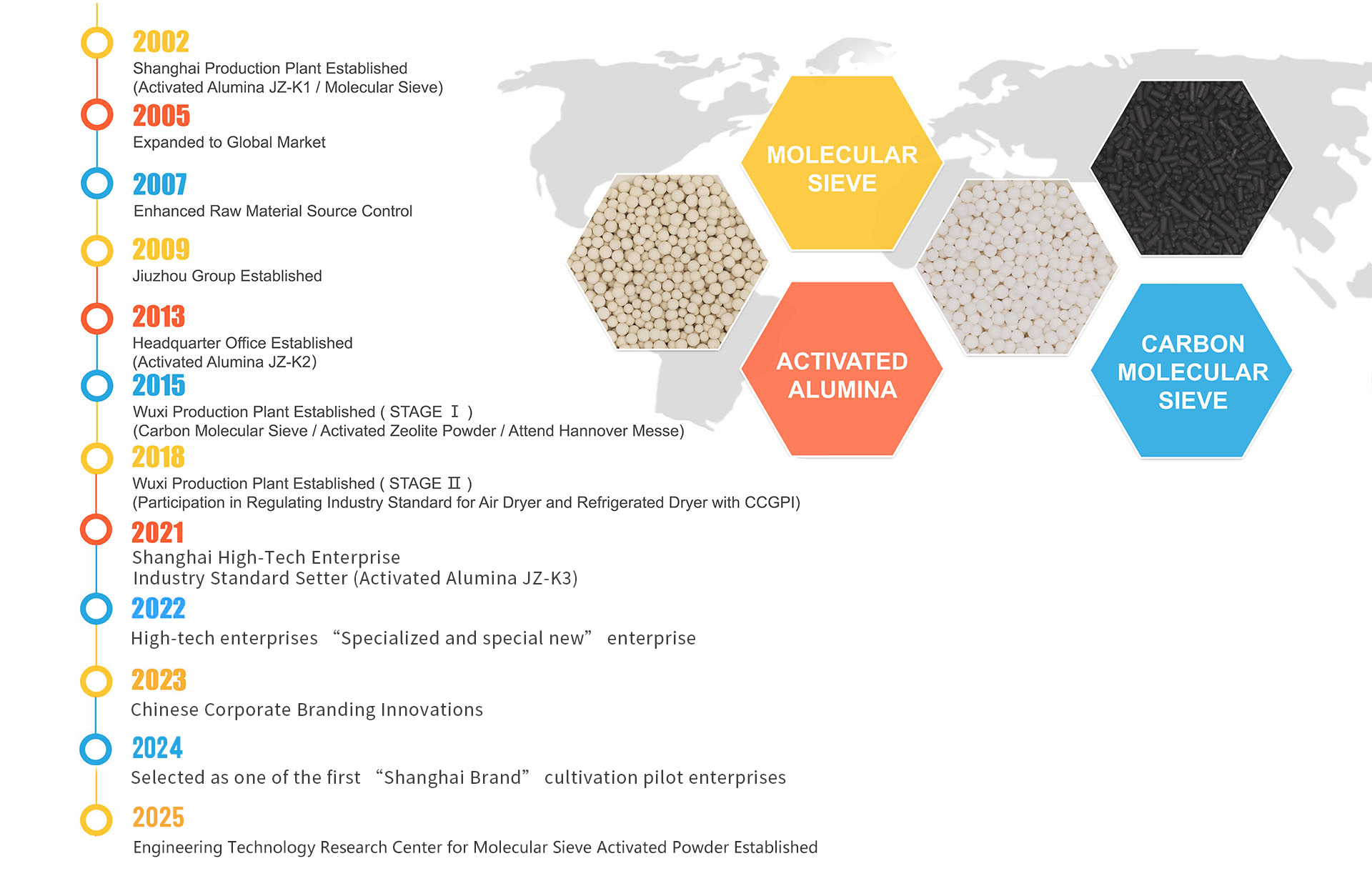
Shanghai Jiuzhou Chemicals Co., Ltd., based in the economic hub of Shanghai, is dedicated to the development, manufacturing, and shipping of innovative chemical catalysts and adsorbents. Operating state-of-the-art facilities in Wuxi and Shanghai, we offer robust production capacity that safeguards our international partners against supply chain shocks.
With an automated production workshop, centralized dynamic testing laboratories, and a global distribution network stretching across Europe, the Middle East, and North America, Jiuzhou ensures that clients in Romania receive uninterrupted deliveries. Our integration of raw material sourcing and automated calcination processes results in product batches that are both chemically uniform and highly cost-competitive.
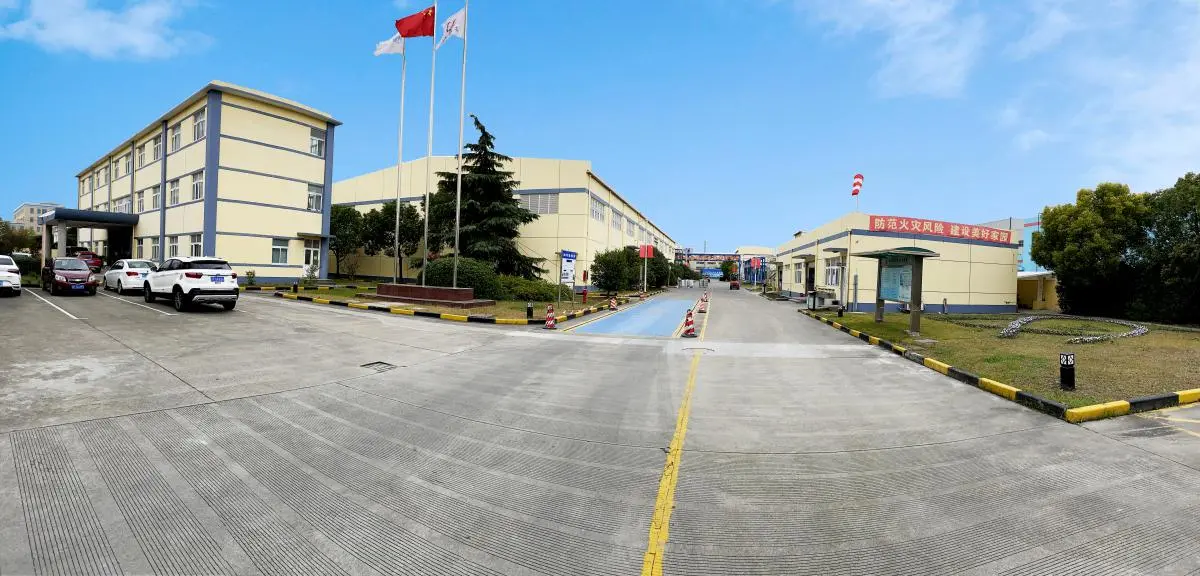
Shanghai Factory Complex
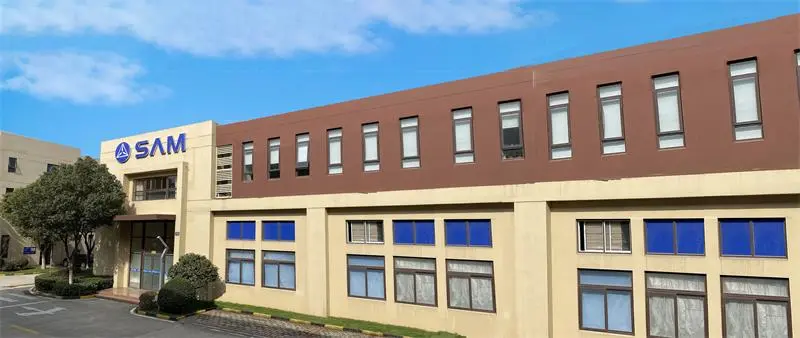
Wuxi Plant Site
How we are preparing petrochemical infrastructure for transition technologies towards 2030 and beyond.
Deploying advanced active titania and alumina formulations to enhance Claus reactions under fluctuating sulfur feed profiles, preventing catalyst deactivation caused by carbon buildup.
Customizing synthetic zeolite lattices to separate carbon dioxide and sulfur impurities from biomethane streams, facilitating integration into Romania’s national gas grids.
Pioneering amine-functionalized molecular sieve technologies configured for high-efficiency direct air capture (DAC) and post-combustion carbon capture systems.
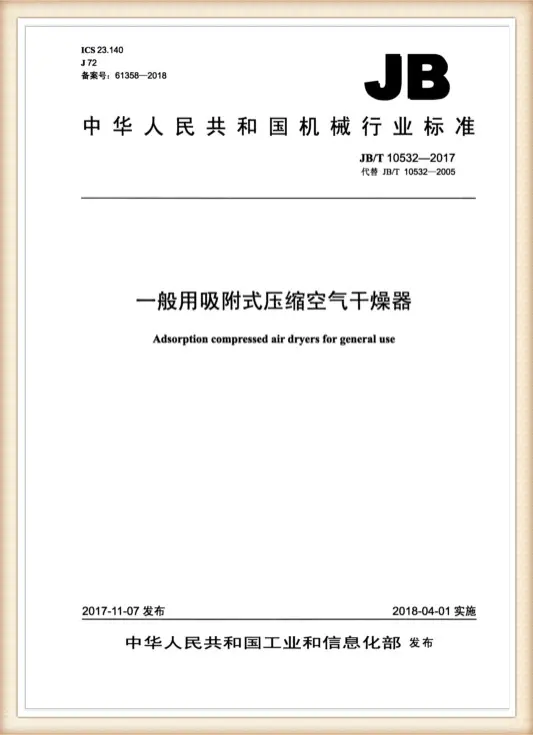
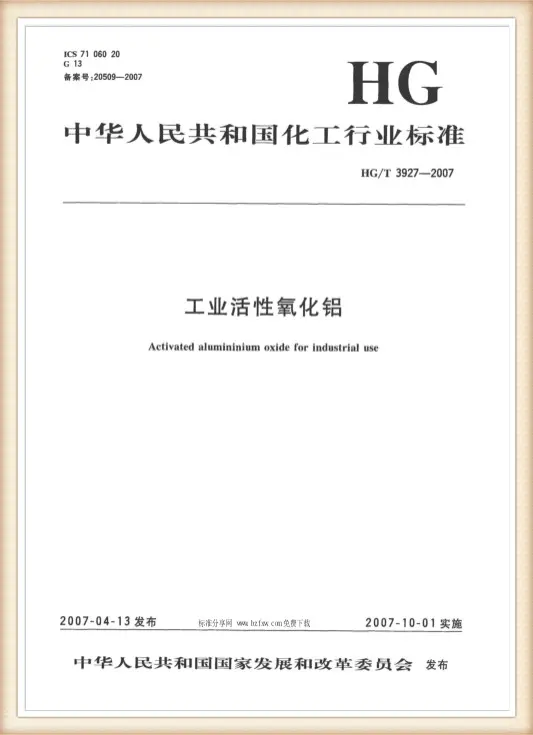
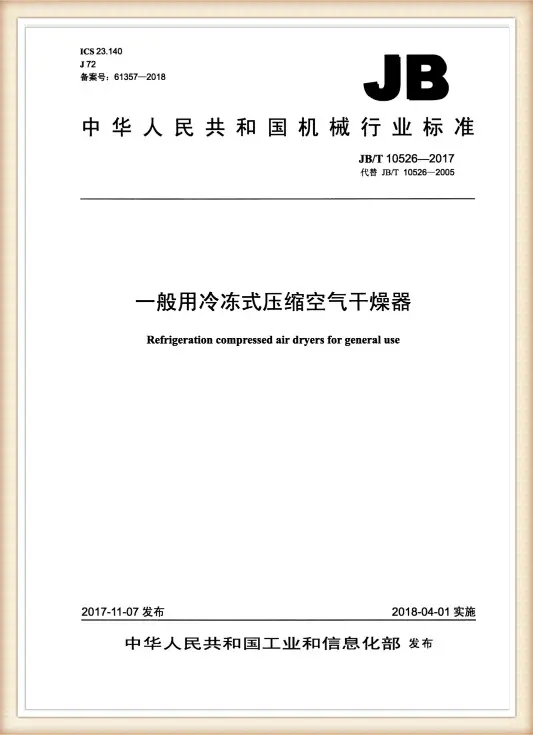
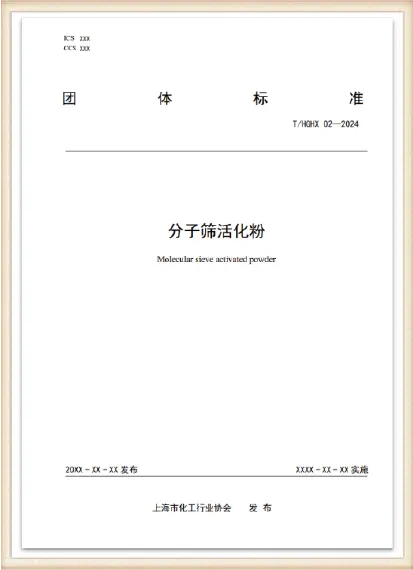
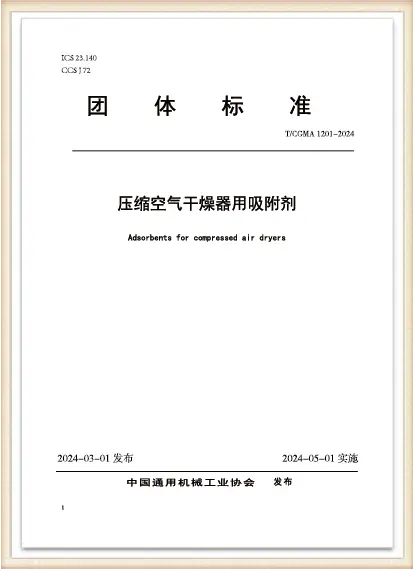
We actively participate in formulating major industrial standards, reflecting our position at the vanguard of the adsorbent industry.
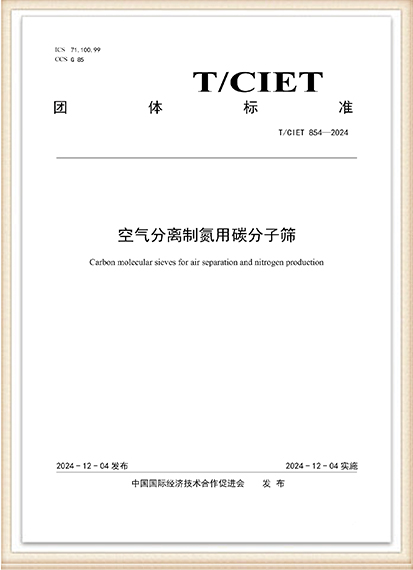
Our commitment extends beyond engineering excellence; we focus on carbon reductions and zero-emission catalyst production processes.
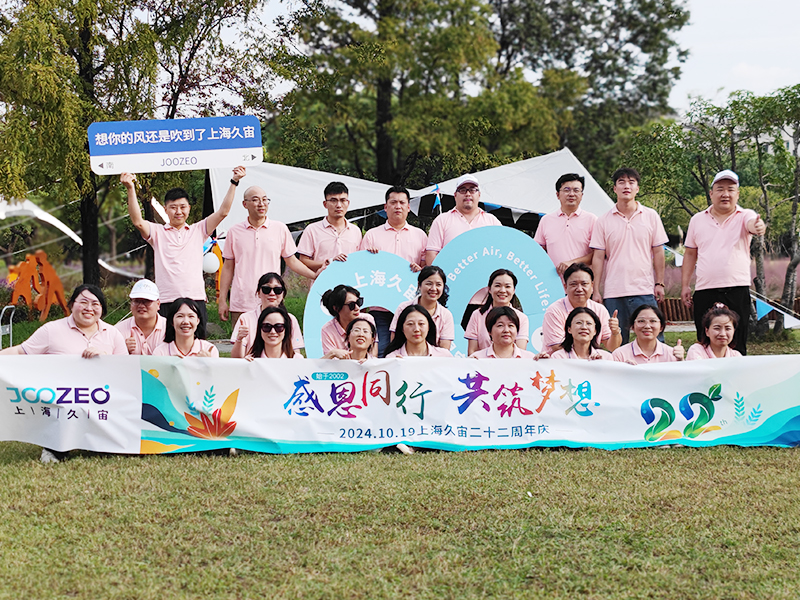
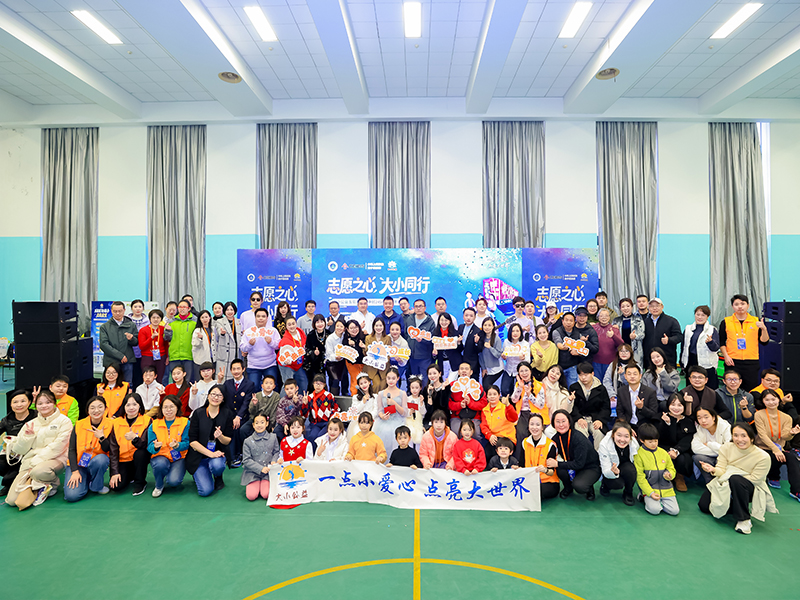
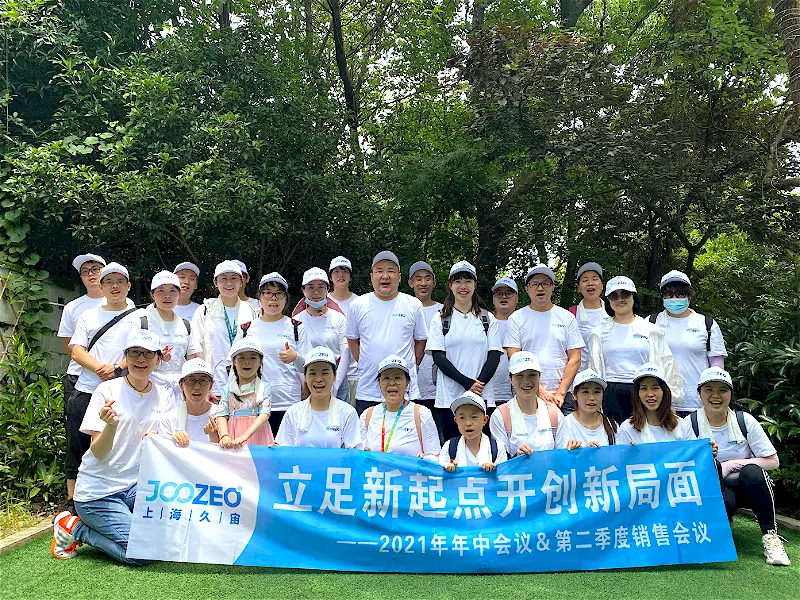
Explore our complete product lineup serving gas separation, desulfurization, and petrochemical synthesis.
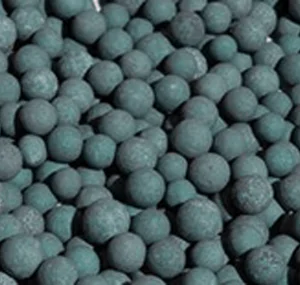
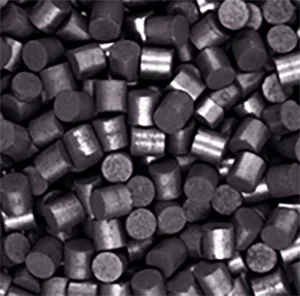
Addressing core mechanical, chemical, and logistics concerns for European procurement directors.
Our technical engineering team responds with thermodynamic calculations, sizing software estimations, and quote frameworks within 24 hours.
Send Inquiry Now