
High-performance catalysts and molecular sieves configured for demanding processes across Serbia's primary industrial zones, including Belgrade, Pančevo, and Vojvodina.
An in-depth analysis of processing needs, gas treatment requirements, and environmental catalysts in the Balkan region.
Serbia's heavy industry and chemical sector are undergoing a major transition. As a hub for petrochemical refining, natural gas distribution, and metallurgy in Southeastern Europe, the demand for high-grade chemical catalysts and desiccants has scaled rapidly. Industrial centers, such as the NIS Gazprom Neft refinery in Pančevo, the metallurgical complexes in Smederevo, and the mining operations at RTB Bor, require advanced chemical solutions to improve process efficiency, satisfy environmental standards, and optimize feedstock processing.
"For modern refining and gas transmission networks, performance is dictated by adsorption kinetics and chemical stability. Our molecular sieve powders and activated alumina variants deliver superior mechanical strength and low moisture load tolerances to keep processing plants operational."
Industrial processing relies heavily on selective adsorption and chemical catalysis. To understand how molecular sieves and activated alumina are integrated, we categorize them into three main sectors:
Industrial designers must evaluate physical and chemical properties when sourcing chemical adsorbents. Below is the technical performance comparison chart of Shanghai Jiuzhou (Joozeo) chemical adsorbents targeted for Balkan operations:
| Adsorbent Grade | Bulk Density (g/ml) | Static Water Adsorption (wt%) | Crush Strength (N) | Principal Applications |
|---|---|---|---|---|
| DuraChem CAM-10S | 0.72 - 0.78 | ≥ 21.5% | ≥ 85 | Petrochemical stream purification, olefin drying |
| DuraChem CAM-20S | 0.70 - 0.76 | ≥ 22.0% | ≥ 90 | Pančevo refining processes, cracked gas dehydration |
| DuraChem CSM-12 | 0.68 - 0.74 | ≥ 20.8% | ≥ 80 | Smederevo ASU systems, CO2 and moisture scrubbing |
| DuraChem AM-4S | 0.74 - 0.80 | ≥ 23.0% | ≥ 95 | Pipeline natural gas dehydration, dew point reduction |
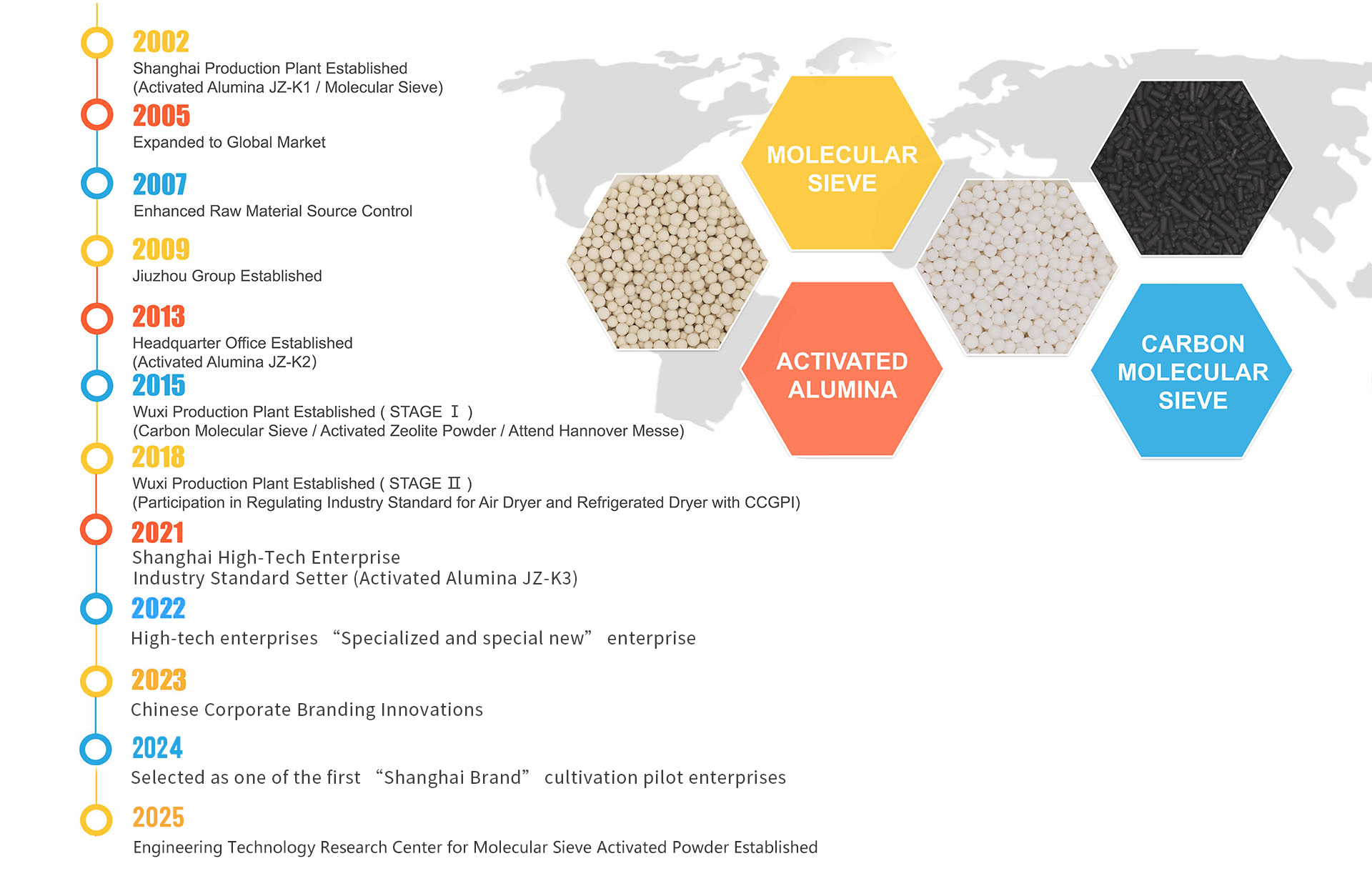
Leading manufacturer of molecular sieves and activated alumina catalysts since 1994.
Located in the primary economic hub of Shanghai, Jiuzhou Chemicals has adhered to the strict principles of "Quality Control & Continuous Innovation." We develop, manufacture, and export high-performance adsorbents, activated powders, activated alumina, aluminum oxide catalysts, and synthetic zeolites. All products are verified under ISO 9001:2008, TUV, and SGS certifications, ensuring compliance with global and European supply standards.
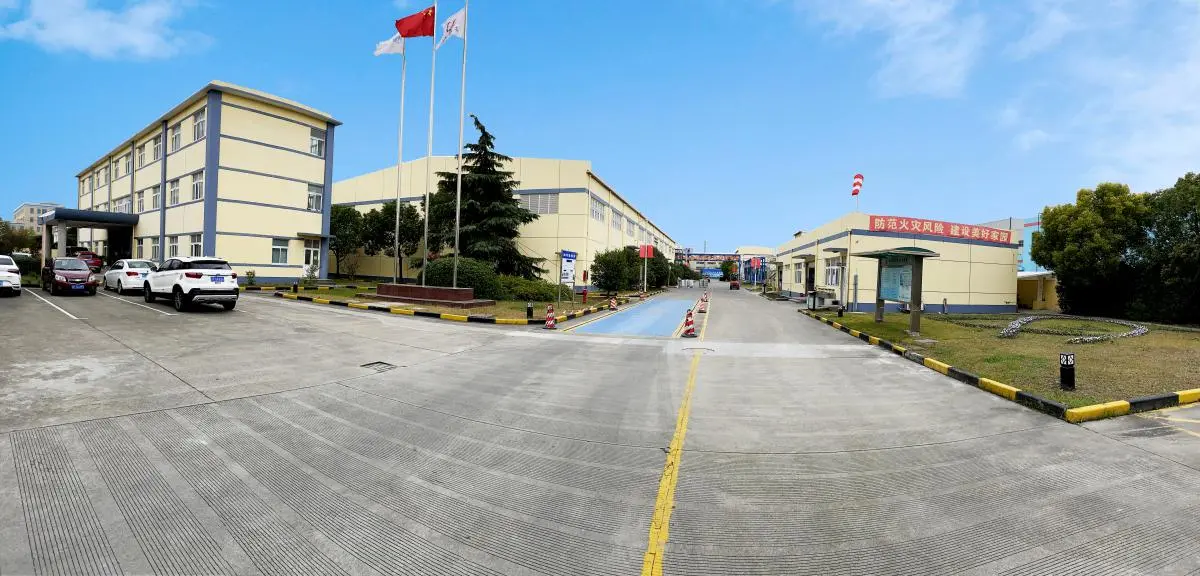
Shanghai Automated Facility

Wuxi Advanced Adsorbent Line
Our engineering experts draft and govern chemical standards globally, assuring product compliance and durability.
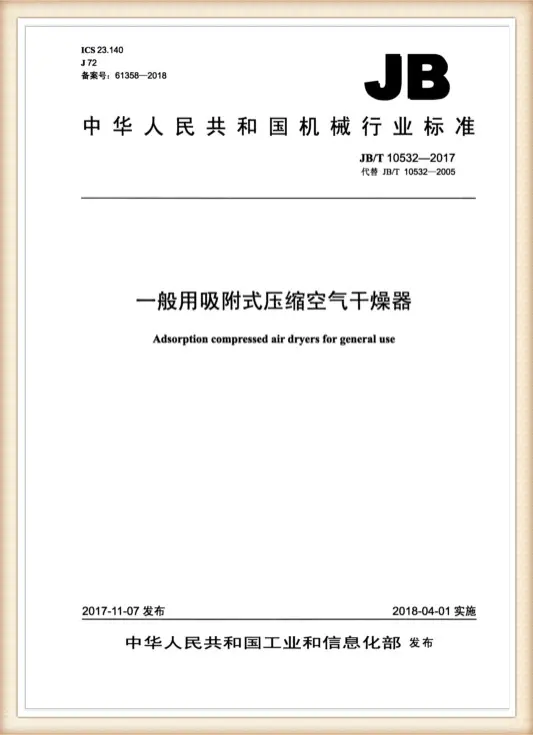
JB / T 10532-2017
Adsorption compressed air dryers for general use
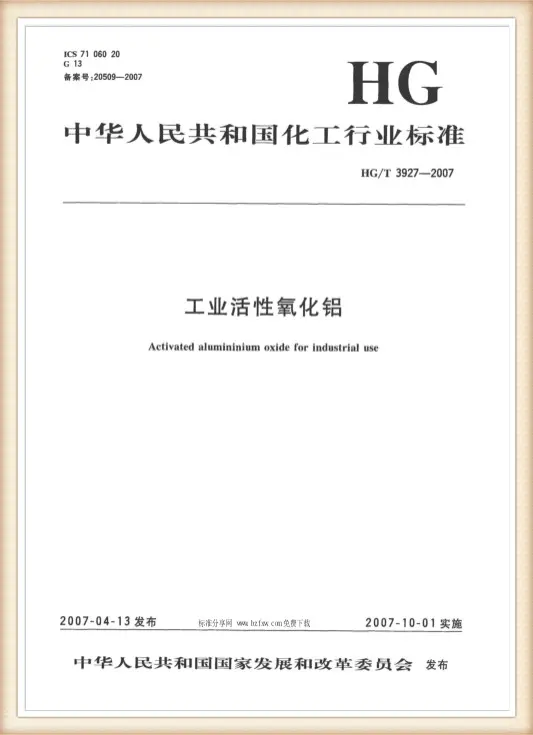
HG / T 3927-2007
Activated aluminum oxide for industrial use
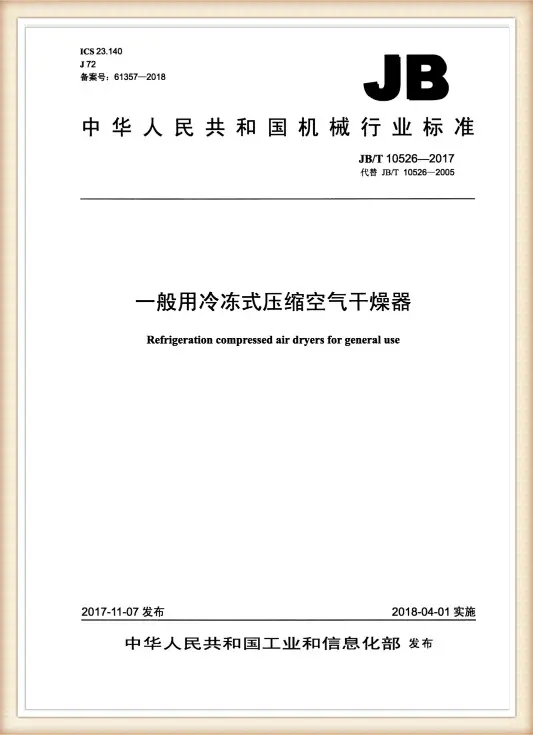
JB / T 10526-2017
Refrigeration compressed air dryers for general use
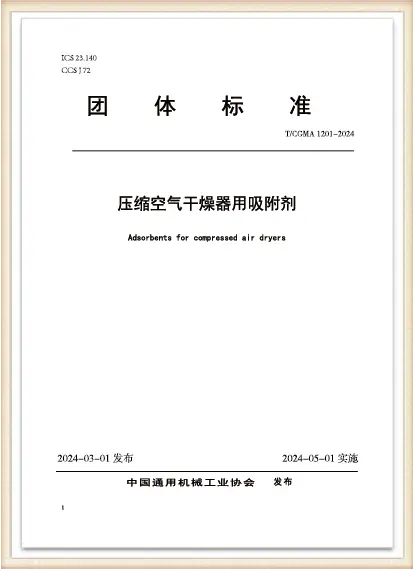
T/CGMA1201-2024
Industrial adsorption air treatment standards
T/HGHX 02-2024
Adsorption technology specifications
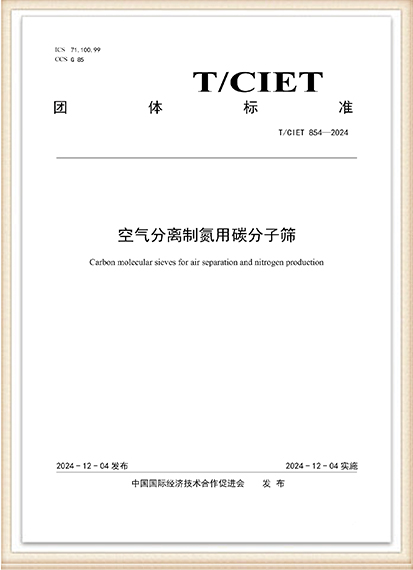
T/CIET 854-2024
Eco-friendly chemical processing standards
Specially formulated solutions targeting complex purification, environmental control, and separation processes.
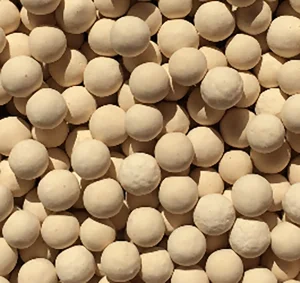
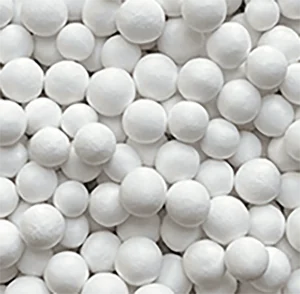
As Serbia aligns its industrial sectors with the European Green Deal and regional climate parameters, plants must prioritize carbon footprint reduction and gas processing efficiency. Transitioning to modern desulfurization, trace gas purification, and energy-saving dehydration loops directly cuts emissions and utility costs.
Typical gas processing lines operate under high pressures (40-80 bar) and temperatures down to -40°C. In these conditions, even trace moisture forms gas hydrates, causing line blockages. Implementing high-pore-volume molecular sieves ensures that moisture content remains below 0.1 ppm, preventing system failure.
With Serbia investigating pilot green-hydrogen projects, purification technologies must keep pace. Synthetic zeolites separate hydrogen from trace carbon monoxide, nitrogen, and hydrocarbons. Our next-generation molecular sieves are optimized for Pressure Swing Adsorption (PSA) loops, ensuring 99.999% hydrogen purity.
Shanghai Jiuzhou operates under the guiding mission "Better air, Better life". We manufacture molecular sieve systems that capture VOCs, sulfur complexes, and nitrogen oxides. Our factories prioritize eco-friendly production methods, helping partners lower greenhouse emissions.
Ensuring fast transit, customs clearance, and adherence to EU and local Serbian environmental regulations.
All chemicals exported to Serbia are compliant with EU REACH, facilitating smooth regulatory approval.
Available in super sacks, steel drums, or moisture-tight boxes to preserve product integrity during ocean and overland shipping.
We coordinate delivery through major transport corridors, serving industrial zones in Niš, Novi Sad, Belgrade, and Pančevo.
Our engineering team provides configuration, loading supervision, and startup assistance for industrial towers.
Explore our full range of molecular sieves and activated alumina products for Serbian industries.
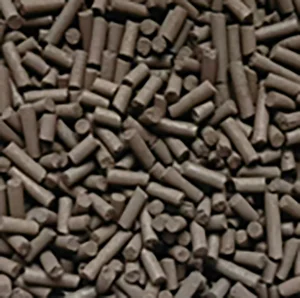
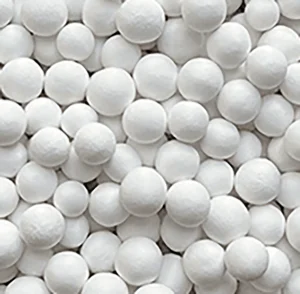
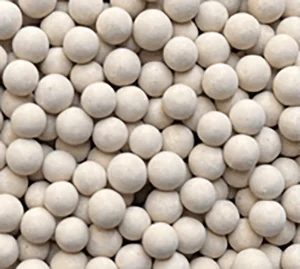
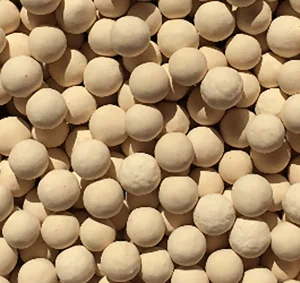
Detailed technical advice on molecular sieves, alumina catalysts, and systems regeneration.
Typically, a 4A molecular sieve is standard for pipeline gas dehydration. It rejects hydrocarbons with kinetic diameters larger than 4 Å (such as propane and butane) while actively absorbing water molecules (2.6 Å). For systems with high levels of sulfur compounds, a 5A or 13X guard bed may be recommended to capture hydrogen sulfide (H2S) and mercaptans.
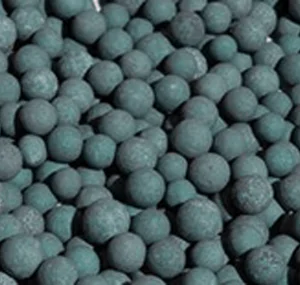
High gas velocities can cause fluidization and bead abrasion, leading to dust formation and pressure drops. Our DuraChem series (e.g., AM-4S, CSM-12) features a proprietary binder formulation that yields high crush strength (≥ 85 N for typical spheres). This prevents attrition during bed regeneration cycles.
Regeneration is conducted using dry purge gas at elevated temperatures. For Type A (3A, 4A) and Type X (13X) sieves, the heating gas temperature at the inlet should be between 200°C and 320°C. Maintaining a low dew point in the purge gas optimizes energy consumption and prevents thermal degradation of the crystal matrix.
Yes. Our central laboratory operates dynamic adsorption testing columns. We assist Serbian and international clients with cycle design, gas flow dynamic simulations, sizing recommendations, and service life estimates based on stream parameters.