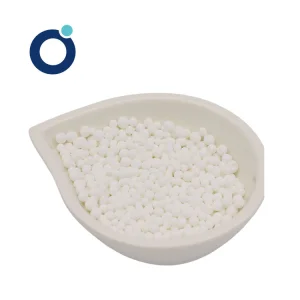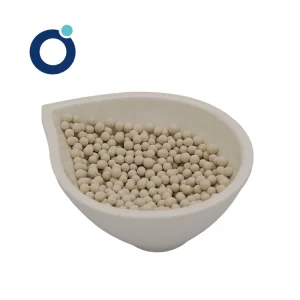
Explore our premium range of molecular sieves, silica gels, and custom adsorption media manufactured under strict ISO guidelines.
Within compressed air and industrial vehicle safety architectures, brake drying stands as an irreplaceable process. Modern air brake systems rely on pneumatic force to halt heavy commercial trucks, transit vehicles, and passenger rail systems. If moisture remains in the compressed air lines, it compromises components through oxidation, accelerates pneumatic valve seal degradation, and poses a catastrophic risk of freezing during winter operation.
To mitigate this risk, specialized air dryer cartridges loaded with high-density molecular sieves or engineered silica gel are installed directly in the pneumatic circuit. As air is compressed by the engine and pumped into reservoirs, it passes through the dryer cartridge where water molecules are dynamically adsorbed. This guarantees a pressure dew point of down to -40°C or lower, keeping the system free of condensation, corrosion, and ice blockage.
At Shanghai Jiuzhou Chemicals Co., Ltd. (JOOZEO), our core expertise is centered on the precise synthesis of molecular sieves and advanced desiccant matrices that satisfy these demanding dynamic adsorption kinetics.
Key drivers behind the structural shift toward high-efficiency adsorption technology across global supply chains.
The global brake drying desiccant sector is witnessing significant growth, driven by stringent commercial transportation regulations (such as FMVSS in the US and ECE regulations in Europe) requiring higher braking reliability. Modern heavy-duty fleets operate under high-frequency hauling schedules. This elevates temperature peaks within the pneumatic system, rendering traditional adsorption media less efficient.
Furthermore, the growth of Electric Commercial Vehicles (e-trucks and e-buses) demands highly efficient, compact, and low-noise air compressor cycles. Lower duty cycles place a greater demand on the desiccant to rapidly adsorb and desorb (regenerate) moisture during tight purge windows. Consequently, the industry is transitioning from standard silica gel-based desiccant cartridges to engineered molecular sieve configurations (such as 3A and 4A synthetic zeolites) that possess high structural stability, high crush strength, and superior water adsorption capacity at lower relative humidity levels.
Understanding the micro-porous structure and mechanical properties required to withstand high-pressure pulsations.
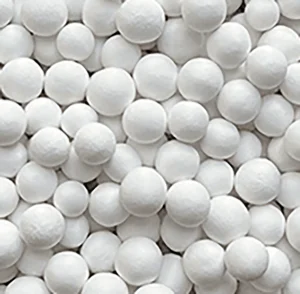
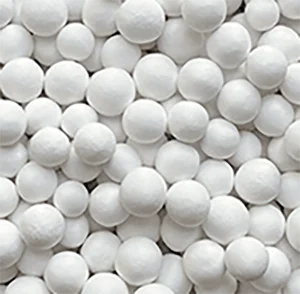
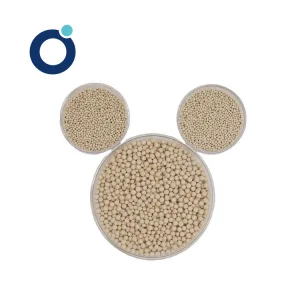
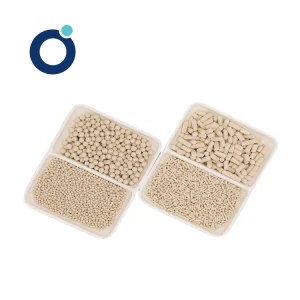
Products like our JZ-AZ, JZ-3ZAS, and JZ-512H molecular sieves use uniform 3Å and 4Å crystal openings to selectively capture water molecules while excluding nitrogen, oxygen, and other hydrocarbons, preventing co-adsorption energy losses.
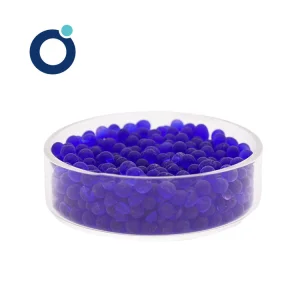
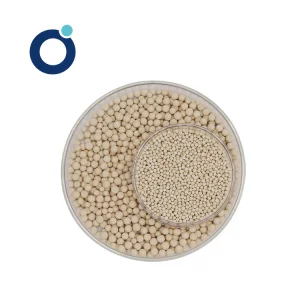
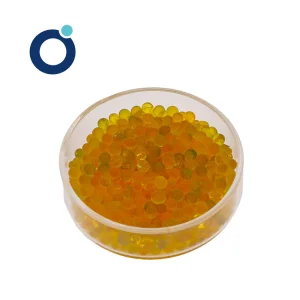
Standard silica gel can shatter upon contact with liquid water. Our specialized JZ-WSG (Water Resistant Silica Gel) maintains its structural integrity under water surge conditions, serving as an optimal guard bed layer.
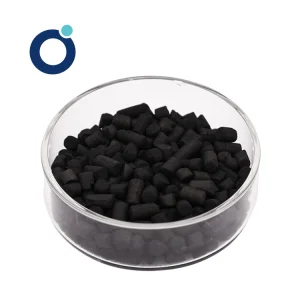
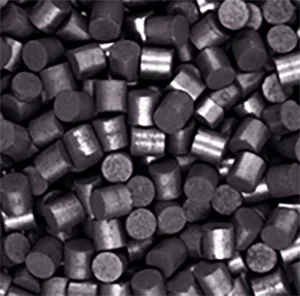
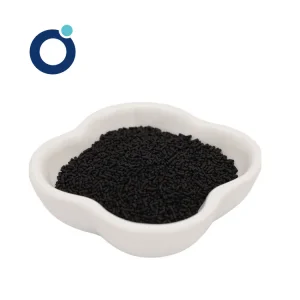
Our proprietary JooSorb AC-12 and DuraChem CAM-20S configurations are engineered to co-adsorb trace oil aerosols alongside moisture, protecting downstream brake valves from sticky carbonaceous deposits.
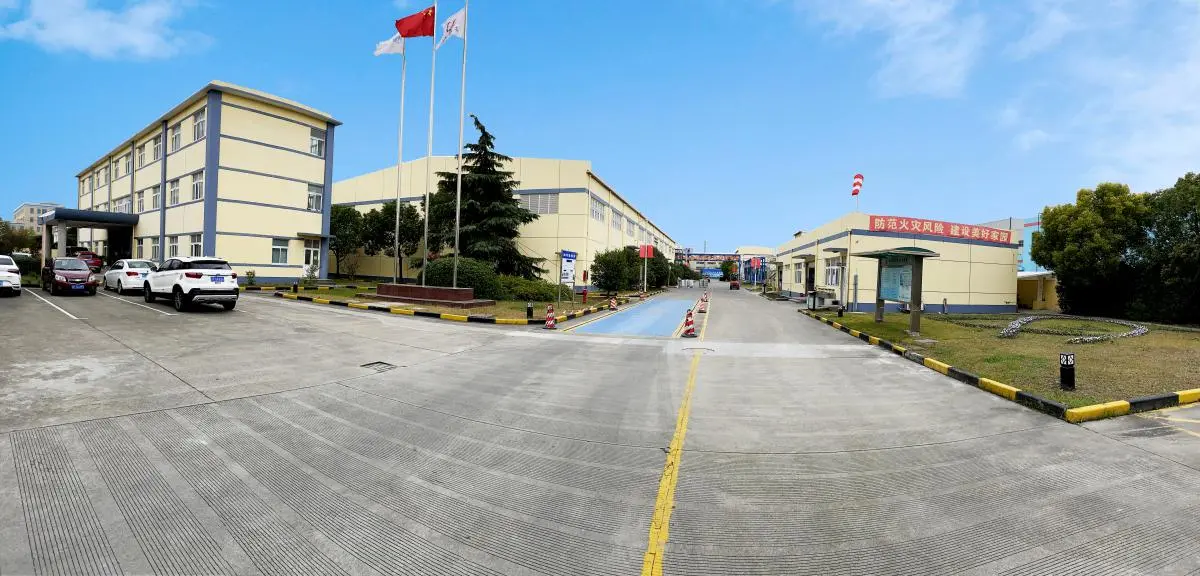
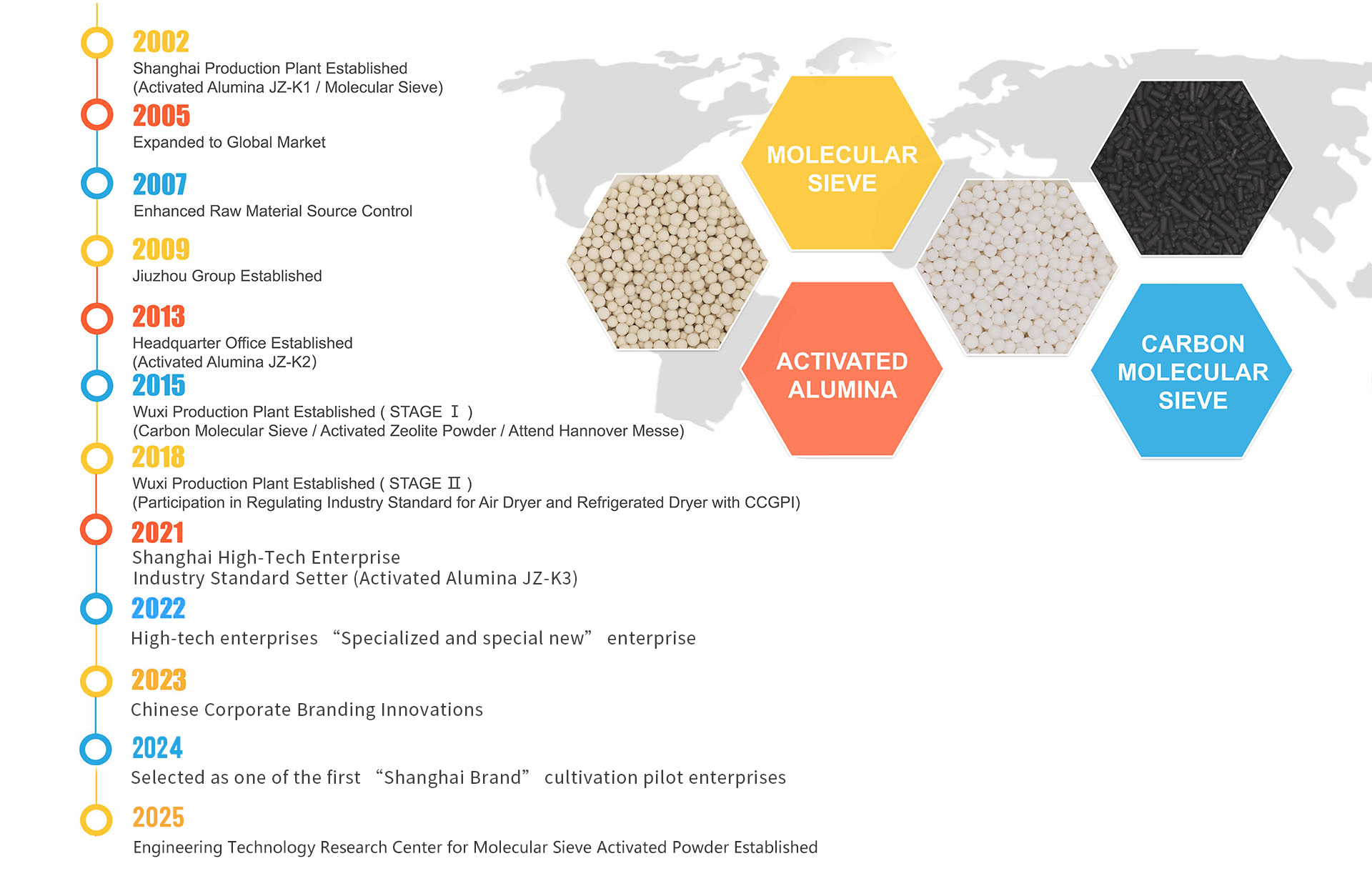
Founded in 1994 and headquartered in the primary economic hub of Shanghai, Jiuzhou Chemicals has adhered to the core operating principles of strict quality control and continuous technical innovation. Spanning a production area of over 25,000 square meters, our facility integrates raw material synthesis, activation, shaping, and activation-kiln roasting steps into a single quality-managed workflow.
We are not just a manufacturer; we are a key industry standard setter. Jiuzhou has contributed to and drafted national and industrial standards, establishing baseline metrics for the entire Chinese desiccants market:
Aligning manufacturing compliance with global automotive supply chain requirements.
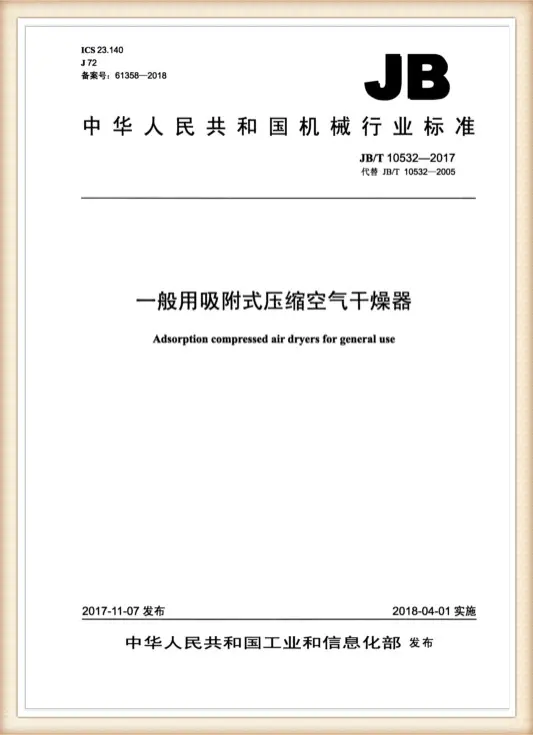
JB/T 10532-2017
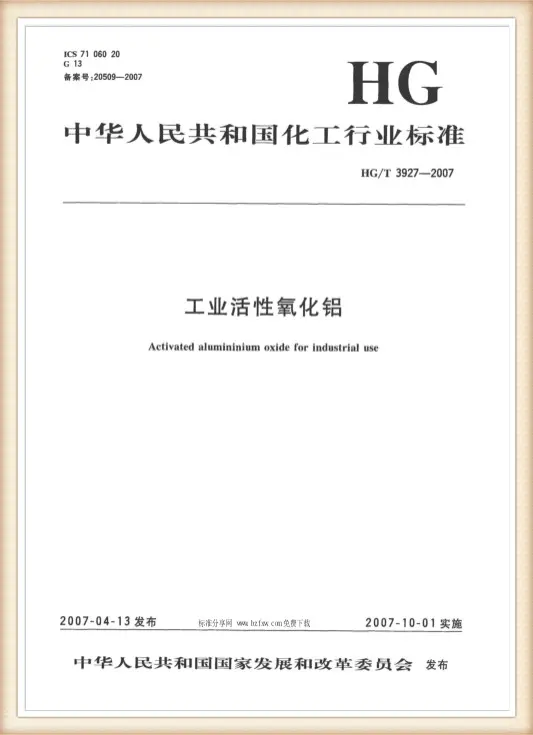
HG/T 3927-2007
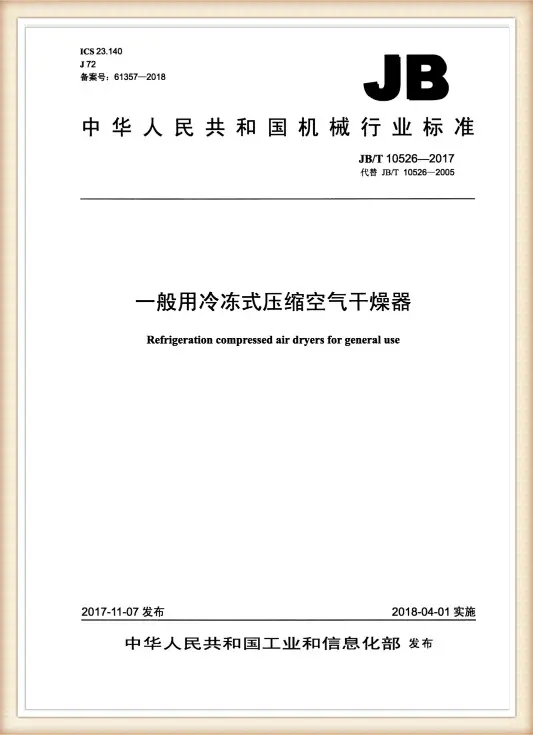
JB/T 10526-2017
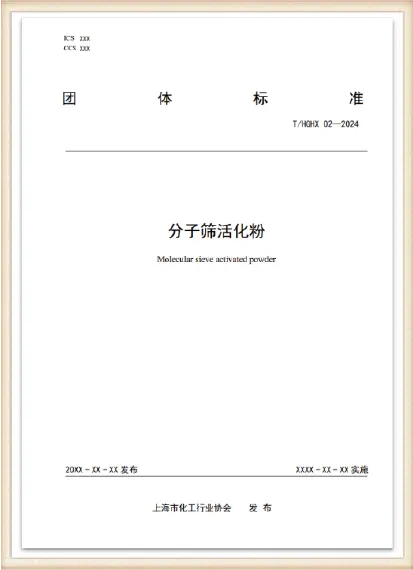
T/CGMA1201-2024
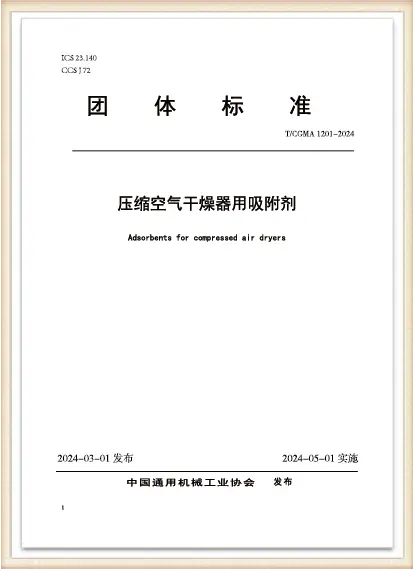
T/HGHX 02-2024
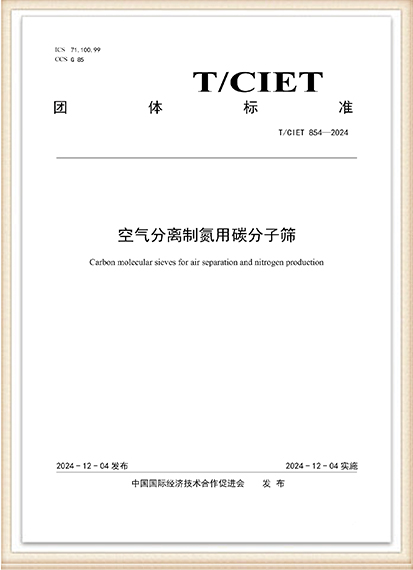
T/CIET 854-2024
How JOOZEO is innovating next-generation adsorption tech for smart brake systems and hydrogen cell fuel lines.
Deploying specialized binder systems that minimize dust formation inside brake air cartridges, eliminating the risk of particulate contamination in precision valves.
Developing molecular sieves with surface-engineered oleophobic layers, allowing water adsorption even when high levels of compressor lubricating oil slip through the filters.
Adapting molecular sieve technologies for fuel cell vehicles (FCEVs). Transitioning heavy-duty platforms from air drying to high-purity hydrogen stream gas conditioning.
Expert answers addressing the physics, maintenance, and material science behind vehicle air drying cartridges.
Air brake compressors generate high-temperature air during pressure compression cycles. Standard silica gel loses its affinity for moisture at elevated temperatures and is susceptible to structural breakdown (shattering) in the presence of liquid water surges. 3A and 4A molecular sieves have a high pore volume and maintain strong adsorption forces at temperatures exceeding 60°C.
The main cause is oil fouling. When piston rings in the vehicle air compressor wear out, lubricating oil slips into the discharge line, coating the desiccant beads and clogging their micro-pores. To solve this, JOOZEO manufactures specialized dual-bed desiccants combining standard molecular sieves with organic-trap activated carbon (JZ-ACN) or DuraChem CZS-12T media.
Dew point depression is the difference between the ambient air temperature and the dew point temperature of the compressed air. In commercial vehicles, dynamic laboratories simulate field operations to verify that the air dryer maintains a dew point at least 15°C below ambient, preventing icing inside the valves.
This standard establishes testing and manufacturing baselines for adsorption compressed air dryers, ensuring consistent performance. As a contributor to this standard, Jiuzhou Chemicals guarantees that all industrial-grade desiccants meet these strict mechanical strength, moisture capacity, and regeneration standards.
At Jiuzhou, our corporate mission extends beyond performance; we strive to minimize environmental impact. By manufacturing highly efficient, long-lasting desiccants, we help reduce material consumption and lower the carbon footprint of transport fleets globally.
Our commitment to sustainability is reflected in our green manufacturing processes, which reuse waste heat from raw material kilns and employ eco-friendly binders, reducing energy consumption during the manufacturing process.

Premium grade carbon molecular sieves, specialized catalysts, and water-resistant matrices for high-performance setups.
Need custom desiccant optimization or a bulk quote for your manufacturing plant? Contact our technical team today. We respond within 24 hours.
Send Request