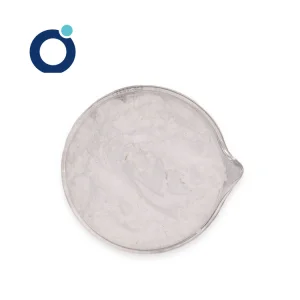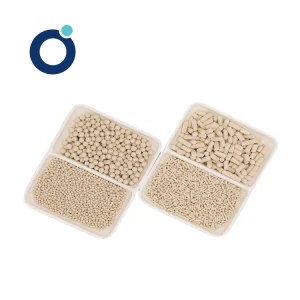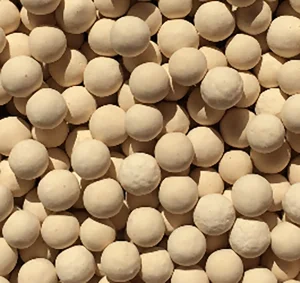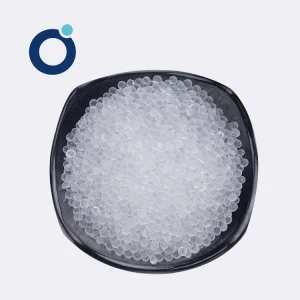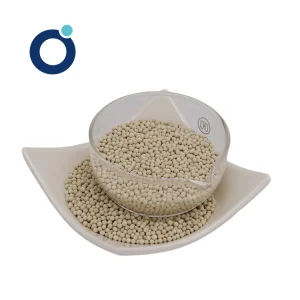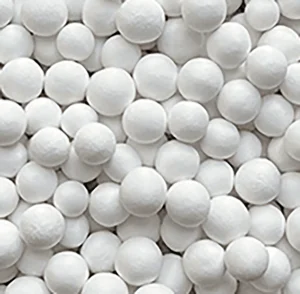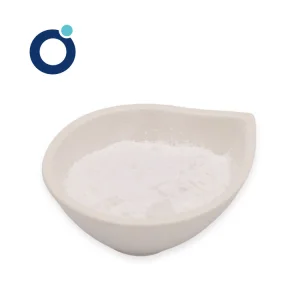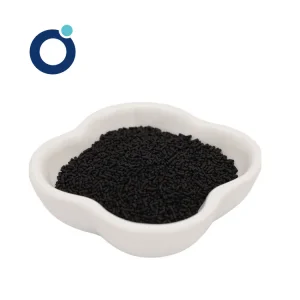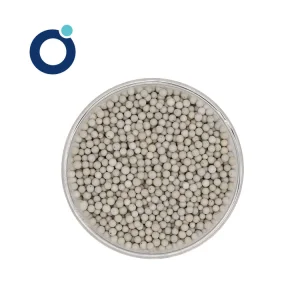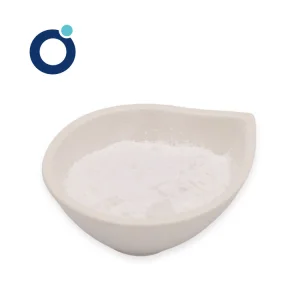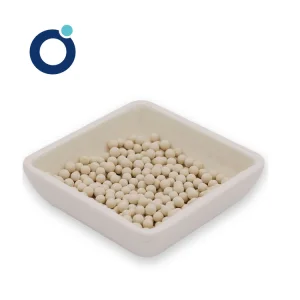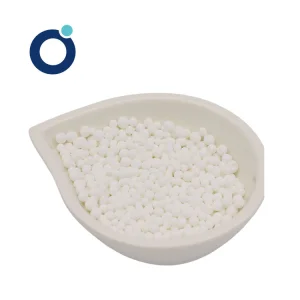
Explore our premium catalyst carrier materials and chemical additives. Engineered with optimized pore volumes, high specific surface area (BET), and superior crushing strength, our products ensure excellent catalytic conversion efficiency across refining, petrochemical, and environmental applications.
In industrial heterogeneous catalysis, the catalyst carrier (also referred to as the catalyst support) acts as the physical backbone for active metal phases. Its primary role is to maximize the active surface area of expensive catalytic agents, such as platinum, palladium, nickel, or cobalt, while providing robust structural integrity under severe operating conditions. Choosing the right catalyst carrier is critical to avoiding thermal degradation, sintering, and catalyst poisoning.
The catalytic performance of a support is highly dependent on its structural morphology. By utilizing advanced synthesis techniques, manufacturers can control parameters such as pore size distribution (micro, meso, and macropores), specific surface area (via Brunauer-Emmett-Teller or BET measurement), and surface acidity. For instance, gamma-alumina (γ-Al₂O₃) offers a high specific surface area (typically 150–350 m²/g), making it ideal for hydroprocessing, whereas alpha-alumina (α-Al₂O₃) is thermally stable and inert, suitable for high-temperature oxidation reactions.
By optimizing these pore structures, we reduce diffusion limitations, ensuring that reactants can seamlessly access the active catalytic sites and products can quickly escape the pore network. This balance between mass transfer efficiency and mechanical durability represents the state of the art in catalyst carrier engineering.
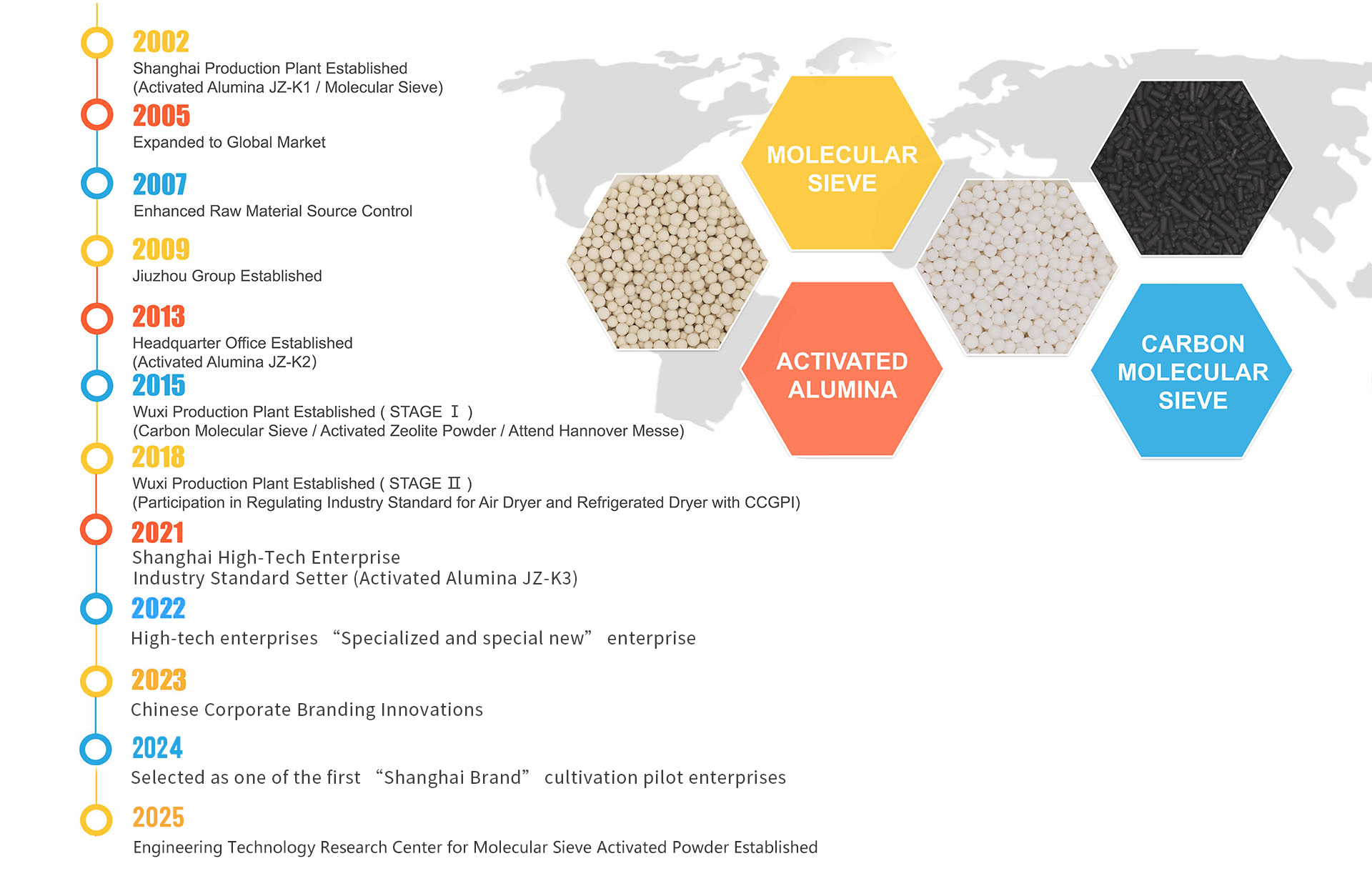
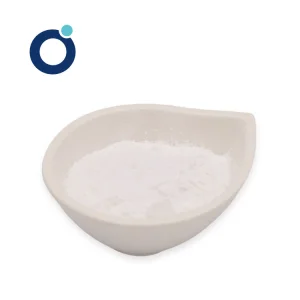
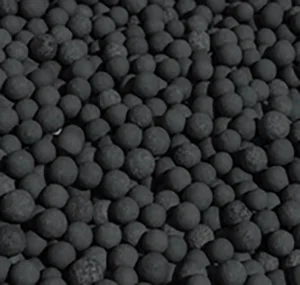
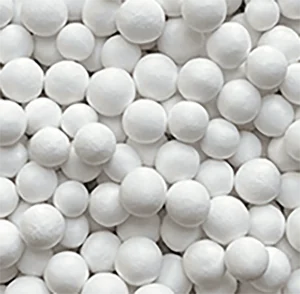
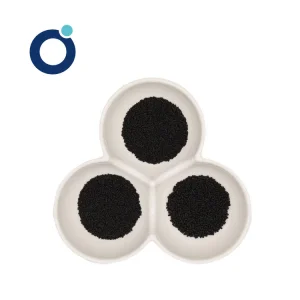
Modern industries utilize a variety of substrate materials based on their thermal, mechanical, and chemical compatibility requirements:
Established in 1994, Shanghai Jiuzhou Chemicals Co., Ltd. has grown to become a global leader in the engineering, synthesis, and distribution of advanced chemical adsorbents, molecular sieves, and premium catalyst carriers. Located in the economic hub of Shanghai, China, Jiuzhou integrates world-class R&D with large-scale automated manufacturing plants in Wuxi and Shanghai.
Our production facilities maintain strict adherence to ISO 9001:2008 standards. Every batch undergoes rigorous quality checks using automated particle size analyzers, nitrogen adsorption porosity meters, and crushing strength testers to guarantee zero-defect shipments.
Our central laboratory collaborates with top domestic universities to engineer customized carriers. We offer targeted adjustments in pore size, particle morphology, and surface chemistry to meet the precise requirements of proprietary catalytic processes.
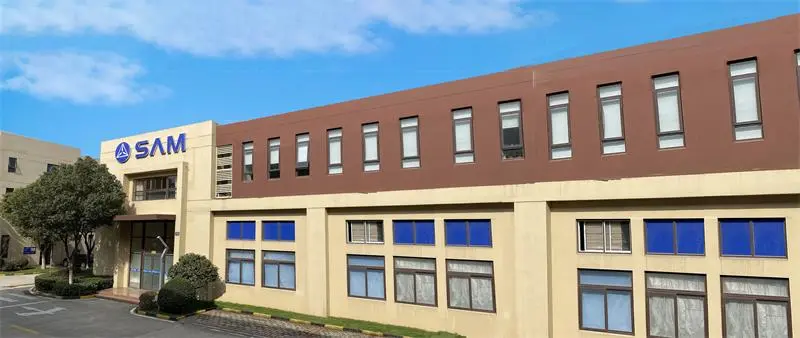
Our manufacturing capabilities are anchored by two state-of-the-art facilities. The Wuxi Factory is equipped with high-capacity calcination kilns and advanced granulation machinery, optimizing bulk carrier production efficiency. Our Shanghai Factory focuses on high-precision formulations, custom zeolites, and post-synthesis treatments. All units operate under strict environmental and occupational health safety guidelines, ensuring sustainable operations.
Shanghai Factory
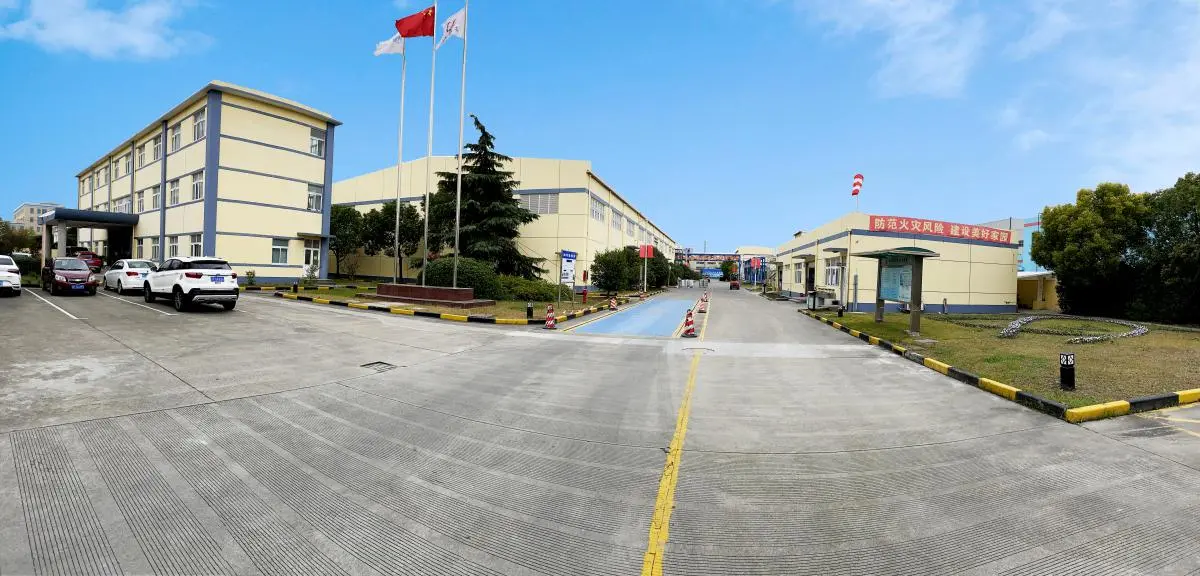
Wuxi Factory
Sourcing catalyst carriers and chemical adsorbents from China offers distinct competitive advantages for global procurement teams. As the world's largest chemical producer, the industrial integration within China provides unparalleled cost efficiencies and technical agility.
China hosts complete domestic supply chains for raw materials like high-purity bauxite, synthetic silicates, and organic binders. This close proximity to primary feedstocks shields manufacturers from volatile international shipping disruptions and lowers raw material acquisition costs, which are directly passed on to our clients in our competitive pricing structure.
At Jiuzhou Chemicals, our factories run high-throughput rotary calciners and automated spray dryers. This infrastructure allows us to process large-volume orders while maintaining consistent mechanical properties across batches. This process efficiency helps mitigate batch-to-batch variation, a common point of failure for smaller-scale manufacturers in other regions.
We actively participate in shaping industrial regulations. As a certified leader, Shanghai Jiuzhou Chemicals is a key contributor and standard-setter for multiple national and industry-level protocols. Our products conform to global regulations, ensuring seamless integration into European and American processing plants.
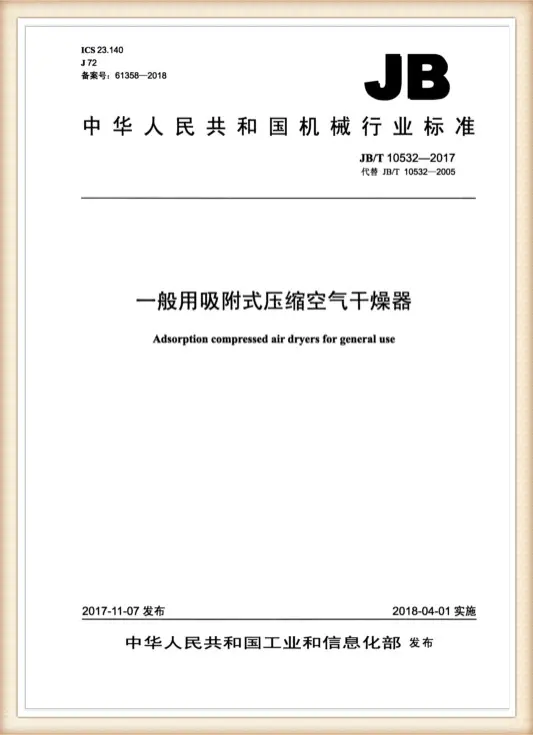
JB / T 10532-2017
Adsorption compressed air dryers for general use
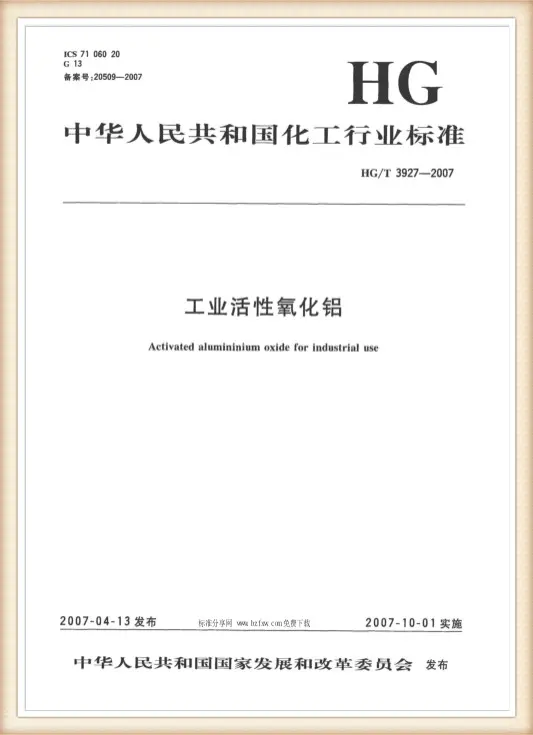
HG / T 3927-2007
Activated aluminium oxide for industrial use
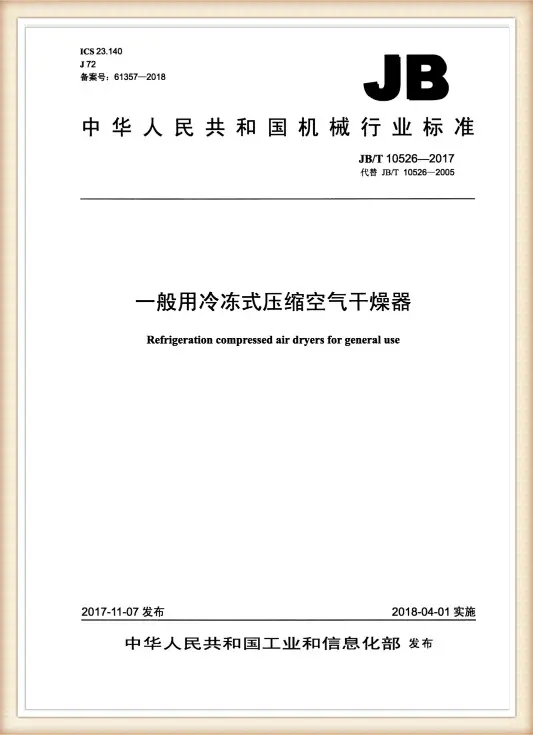
JB / T 10526-2017
Refrigeration compressed air dryers for general use
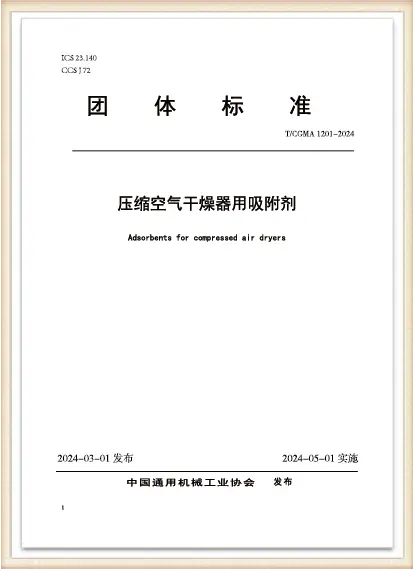
T/CGMA1201-2024
Industrial gas drying systems certification
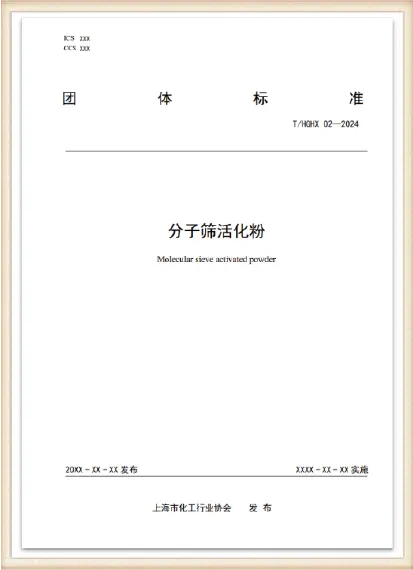
T/HGHX 02—2024
Catalytic Carrier Synthesis Regulations
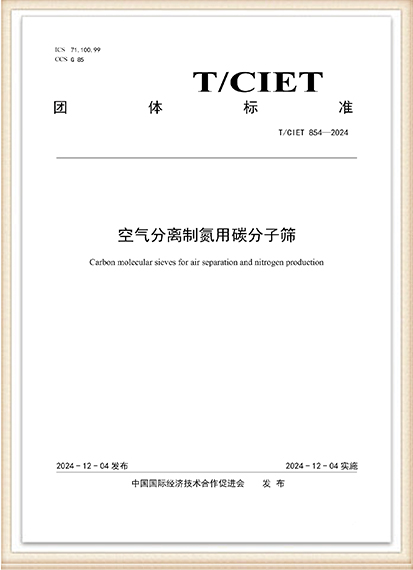
T/CIET 854-2024
Green manufacturing & carbon footprint standard
Different chemical plants present highly variable operating conditions. Our customized catalyst support configurations are engineered to align with specific local plant layouts and operating parameters:
Our gamma-alumina and silica-alumina carriers are tailored for severe hydrotreating and hydrodesulfurization (HDS) units. They are engineered to survive operating pressures up to 150 bar and temperatures above 380°C, providing the required pore volume to manage heavy feedstocks without rapid coke buildup.
For industrial flue gas denitrification, we provide custom carriers for titanium-tungsten-vanadium catalyst configurations. These supports are structured to withstand high sulfur oxide environments while optimizing NOx conversion metrics down to single-digit ppm values.
Our molecular sieves and activated aluminas are optimized for heatless and heat-reactivated desiccant air dryers. Operating under standards such as JB/T 10532-2017, they consistently deliver pressure dew points down to -70°C, protecting downstream processes from moisture contamination.
We provide ultra-pure silica carriers with tailored pore size distributions and low iron and titanium impurity profiles. These parameters are critical for active chromium or metallocene catalysts in ethylene and propylene polymerization, preventing premature catalyst deactivation.
Estimating project budgets requires a clear understanding of carrier cost structures. Factors that directly influence the final FOB/CIF pricing include the raw chemical grade, mechanical requirements, surface area specifications, and the volume of the order. Below is a reference price list for standard and specialty carriers.
| Carrier / Material Class | Common Specifications | Pore Volume Range | Target Applications | Reference Price (USD / MT) |
|---|---|---|---|---|
| Activated Alumina Support | BET: 280–340 m²/g; size: 3–5mm | 0.45 – 0.55 cm³/g | Petrochemical / Air Drying | $1,250 – $1,600 |
| Gamma-Alumina Beads (High Purity) | BET: 180–240 m²/g; size: 1.5–3mm | 0.60 – 0.75 cm³/g | Hydrodesulfurization (HDS) | $2,100 – $2,800 |
| Alpha-Alumina Rings / Spheres | BET: < 5 m²/g; High density | 0.15 – 0.25 cm³/g | Ethylene Oxide Catalysis | $1,900 – $2,500 |
| Zeolite (Y / ZSM-5 Carrier base) | SiO₂/Al₂O₃ Ratio: 30–80 | 0.30 – 0.40 cm³/g | FCC, Isomerization | $3,200 – $4,500 |
| Silica-Alumina Support | Al₂O₃ content: 5–25% | 0.80 – 1.10 cm³/g | Mild Hydrocracking | $2,400 – $3,500 |
| Carbon Molecular Sieve (CMS) | Specific pore size: 3Å – 5Å | 0.28 – 0.35 cm³/g | Nitrogen Generation / PSA | $2,800 – $4,200 |
*Note: The prices listed above are reference ranges for bulk orders (minimum 10 Metric Tons). Custom doping, rare earth modifications, or tailored pore structures will require a customized technical drawing and quote.
As chemical plants work to reduce carbon emissions and optimize processing efficiency, several technological shifts are redefining catalyst support development:
Traditional catalyst systems are being re-engineered to process bio-derived oils and plastics. These organic feedstocks contain higher concentrations of oxygen, water, and trace minerals. Carriers must be optimized with higher hydrothermal stability and modified surface acidity to process these feeds without structural breakdown.
Using computational fluid dynamics (CFD) and molecular modeling, researchers can simulate the path of molecules through a carrier's pore network. This allows manufacturers to design hierarchical pore structures that combine large transport pores with smaller active reaction pores, significantly boosting catalytic throughput.
Meeting sustainability targets requires reducing the energy footprint of carrier manufacturing, particularly during high-temperature calcination. Jiuzhou Chemicals is actively incorporating cleaner fuels and heat-recovery systems, aligning our processes with green manufacturing guidelines like T/CIET 854-2024.
To balance surface area availability and pressure drop constraints, carriers are increasingly shaped into advanced geometries, such as multi-lobed extrudates or raschig rings. These configurations help minimize pressure drops across fixed-bed reactors while maintaining high mechanical strength.
Environmental stewardship is a core value at Jiuzhou. We prioritize carbon reduction and waste minimization throughout our manufacturing processes, ensuring that our catalytic carrier solutions support a cleaner, more sustainable future.
Q1: How does carrier porosity influence catalyst deactivation rates?
A1: Porosity determines the rate of mass transfer within the catalyst. If the average pore diameter is too narrow, reactants will diffuse slowly, causing localized concentration imbalances and leading to side reactions, carbon deposition (coking), or accelerated catalyst deactivation. Sizing the pore volume properly helps maintain a steady flow of reactants and prolongs active catalyst lifetime.
Q2: What parameters distinguish alpha-alumina from gamma-alumina carriers?
A2: Gamma-alumina (γ-Al₂O₃) is a transitional, metastable alumina phase that provides a high surface area (150–350 m²/g) and surface acidity, making it ideal for low-to-medium temperature reactions. Alpha-alumina (α-Al₂O₃) is a thermodynamically stable phase formed at calcination temperatures above 1100°C. It features a low surface area (<10 m²/g), high mechanical strength, and chemical inertness, making it suited for high-temperature oxidation processes where side reactions must be minimized.
Q3: How does Jiuzhou Chemicals ensure batch-to-batch consistency for custom carrier structures?
A3: We operate automated calcining and mixing units equipped with real-time feedback loops. Each batch undergoes testing for specific surface area (BET), pore volume, particle size distribution, and crush strength. We track all process data in our ERP system to ensure traceability and reproducibility for long-term customer contracts.
Q4: Can you engineer silica-alumina carriers with customized acidity profiles?
A4: Yes. By adjusting the silicon-to-aluminum atomic ratio and controlling the calcination parameters, we can customize the ratio of Lewis acid sites to Brønsted acid sites on the carrier surface. This customization is critical for acid-catalyzed processes like isomerization, alkylation, and cracking.
Q5: What test standards are used to measure the crush strength of catalyst spheres?
A5: We follow ASTM and HG/T industry test standards (such as HG/T 3927-2007). Radial and vertical crushing loads are measured using digital force gauges on a representative sample of spheres. The resulting average crush strength is reported in Newtons (N) or kilograms-force (kgf) per particle.
Q6: What is the typical lead time for custom catalyst carrier synthesis?
A6: For standard formulations, lead times are typically 2 to 3 weeks. For custom geometries, specific pore size distributions, or chemical doping, the complete cycle—including laboratory trial verification, scaling, and production—ranges from 6 to 8 weeks depending on the order volume.
Q7: How are the carriers packaged to prevent moisture adsorption during sea transit?
A7: Since many catalyst carriers are highly hygroscopic, we package them in hermetically sealed plastic liner bags inside steel drums, heavy-duty cardboard drums, or moisture-barrier super sacks. This protection prevents humidity exposure and maintains material activity during long-distance shipping.
Browse our expanded portfolio of ceramic balls, zeolites, and molecular sieves. These materials are engineered for high thermal stability, reliable acid resistance, and high mechanical performance in harsh chemical processing environments.