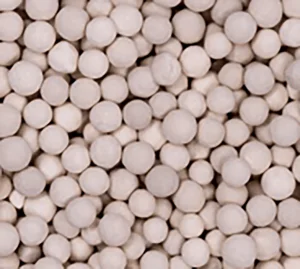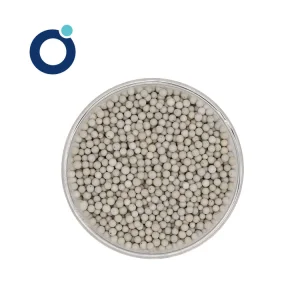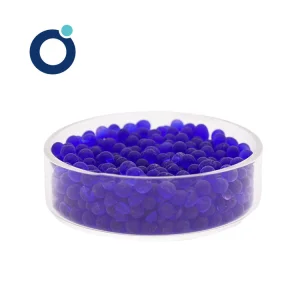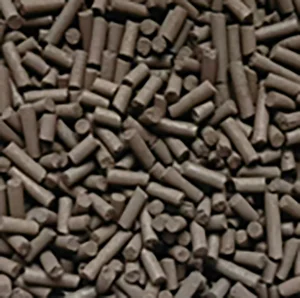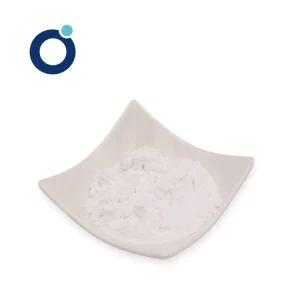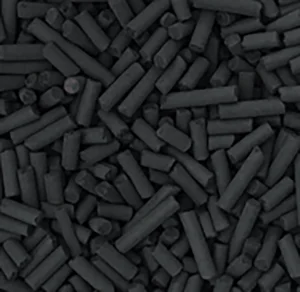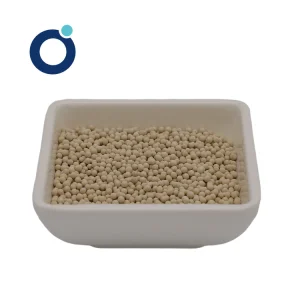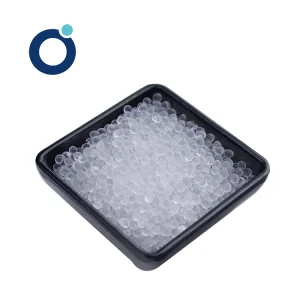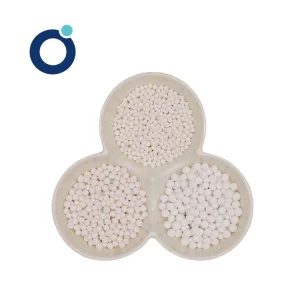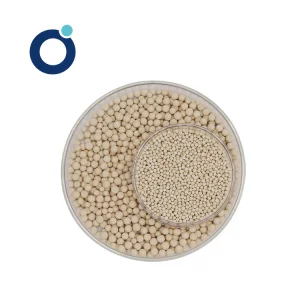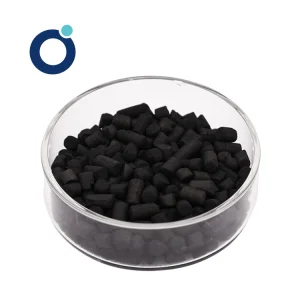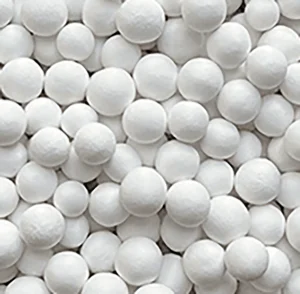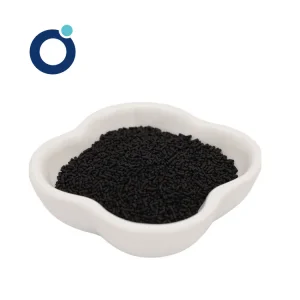
Explore our premier line of molecular sieves, alumina ceramic balls, and industrial-grade silica gels engineered for deep dehydration and purification.
Molecular sieves represent the pinnacle of selective chemical separation technology. Characterized by uniform pores of sub-nanometer dimensions, these synthetic zeolites act as the core filtration mechanism for water, carbon dioxide, hydrocarbons, and polar compounds. As industries move toward decarbonization, strict emission limits, and ultra-high purity requirements, the demand for engineered molecular sieve adsorbents has reached unprecedented heights.
The focus is shifting from simple drying agents to highly customized materials designed for specific kinetic diameters. This includes advanced 3A zeolites optimized for bio-ethanol dehydration, 4A and 5A synthetic structures for industrial gas purification, and 13X matrices engineered for large-scale carbon capture systems (CCS) and high-volume cryogenic air separation.
Industrial chemical procurement requires balancing unit price, operational lifespan, and efficiency metrics. Below is an overview of standard molecular sieve specifications.
| Adsorbent Type | Nominal Pore Diameter | Primary Industrial Utility | Static Water Adsorption (RH=75%) | Key Bulk Properties & Geometry |
|---|---|---|---|---|
| Zeolite 3A | ~3 Å (0.3 nm) | Ethylene, Propylene, Bio-Ethanol dehydration without co-adsorption of hydrocarbons. | ≥ 21.5% | Spherical (1.6-2.5mm, 3.0-5.0mm) / Extrudates |
| Zeolite 4A | ~4 Å (0.4 nm) | Closed-loop pneumatic systems, PU coatings, refrigerant dehydration. | ≥ 22.0% | High mechanical strength, low attrition rates. |
| Zeolite 5A | ~5 Å (0.5 nm) | Pressure Swing Adsorption (PSA) Hydrogen production, normal-isoparaffin separation. | ≥ 22.0% | Superior thermal stability during cyclic regeneration. |
| Zeolite 13X | ~10 Å (1.0 nm) | Commercial air separation units (cryogenic pretreatment), mercaptan removal. | ≥ 26.0% | Optimized mass transfer zone, maximum dynamic capacity. |
Shorter mass transfer zones (MTZ) allow for smaller adsorption vessels, reducing initial capital expenditures (CAPEX) for industrial projects.
Highly crystalline frameworks and binders resist hydrothermal aging, ensuring reliable performance through thousands of regeneration cycles.
Our molecular sieves are formulated to withstand high physical stress in tall adsorption columns without crushing or generating dust.
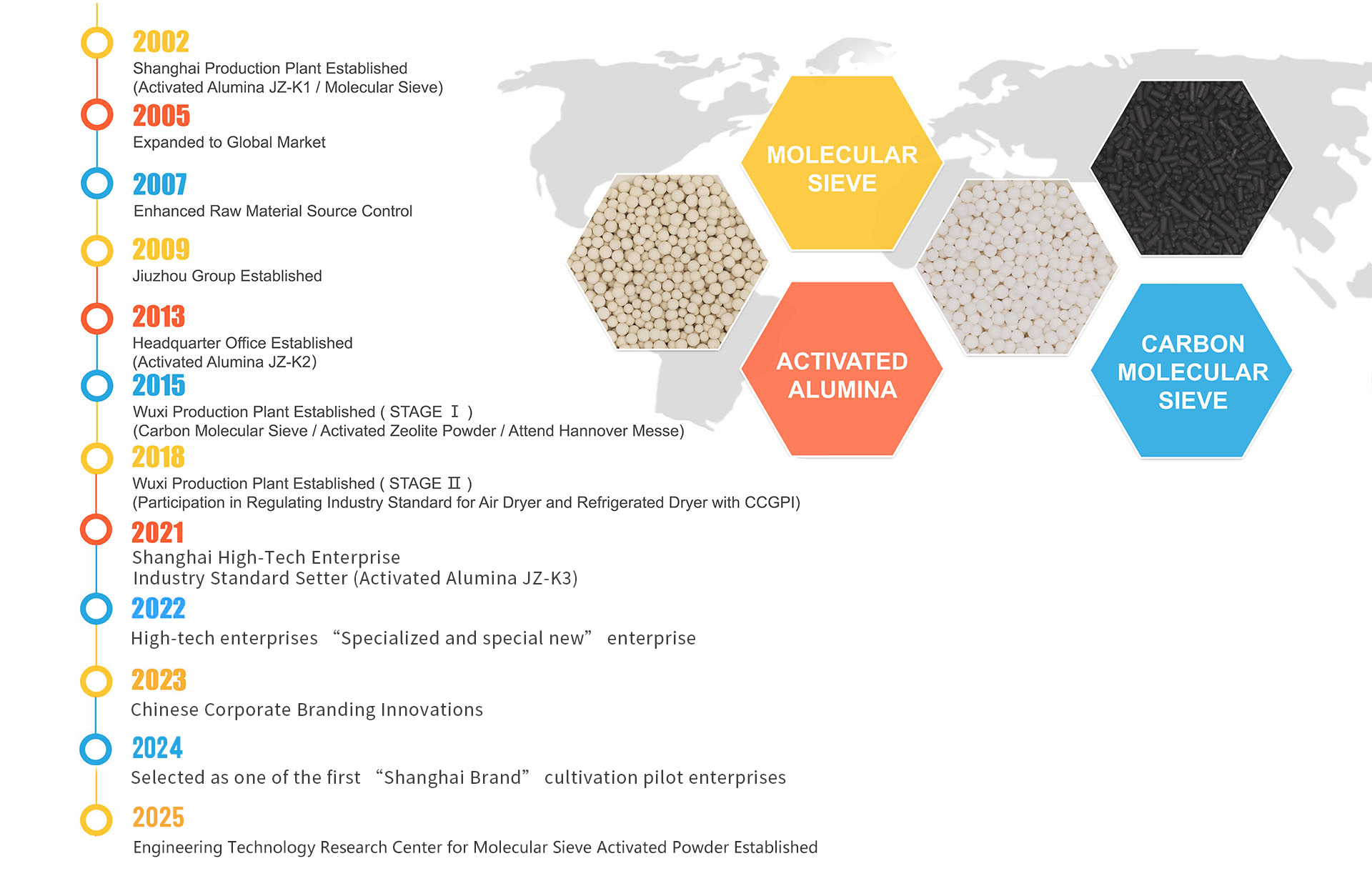
Global logistics and supply chain disruptions require a reliable manufacturing partner. Shanghai Jiuzhou Chemicals Co., Ltd. coordinates production across its smart manufacturing hubs in Shanghai and Wuxi, ensuring consistent output and supply chain stability for projects worldwide.
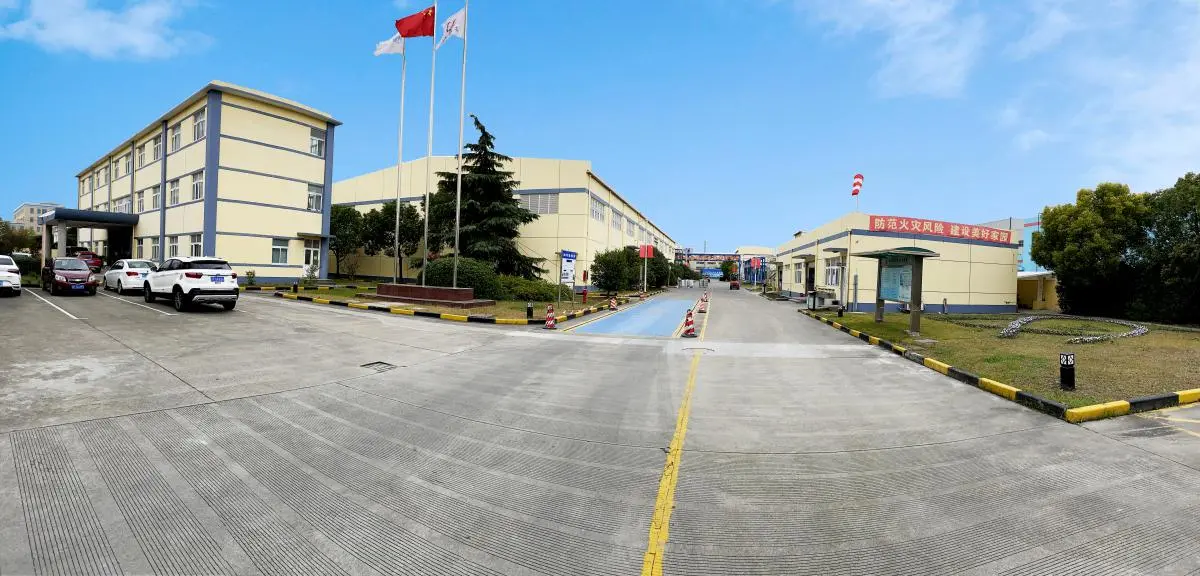
Our Shanghai facility focuses on advanced automated synthesis and quality control. With integrated labs and proximity to major ports, it handles high-volume international shipping and custom chemical synthesis.
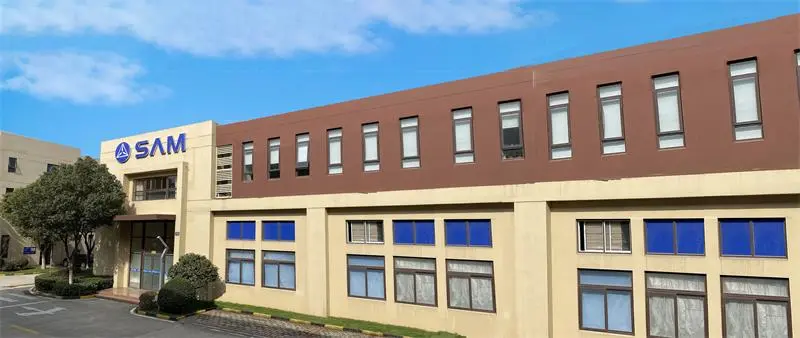
The Wuxi facility uses automated rotary kilns and smart packaging lines to maintain low loss-on-ignition (LOI) values and precise particle sizing across large production batches.
We run automated, closed-loop production lines to ensure uniform heat distribution during calcination. Our QA/QC laboratory uses advanced dynamic testing equipment to evaluate each batch's adsorption capacity, crush strength, and attrition rates under simulated industrial conditions before shipment.
As an established manufacturer, Shanghai Jiuzhou Chemicals contributes to drafting national industry standards, demonstrating our technical expertise and role in the field.
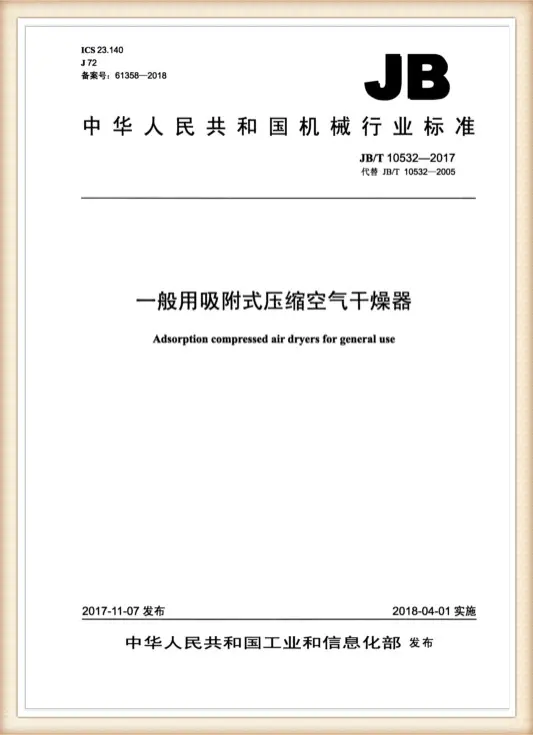
JB / T 10532-2017
Adsorption compressed air dryers for general use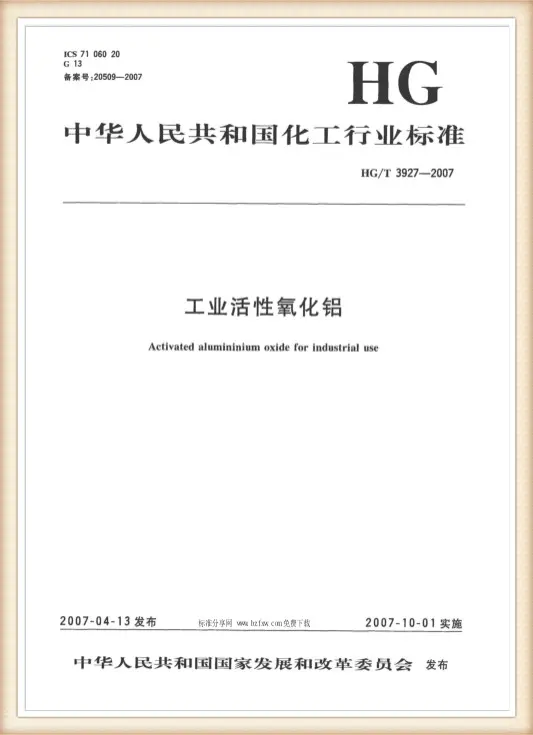
HG / T 3927-2007
Activated aluminium oxide for industrial use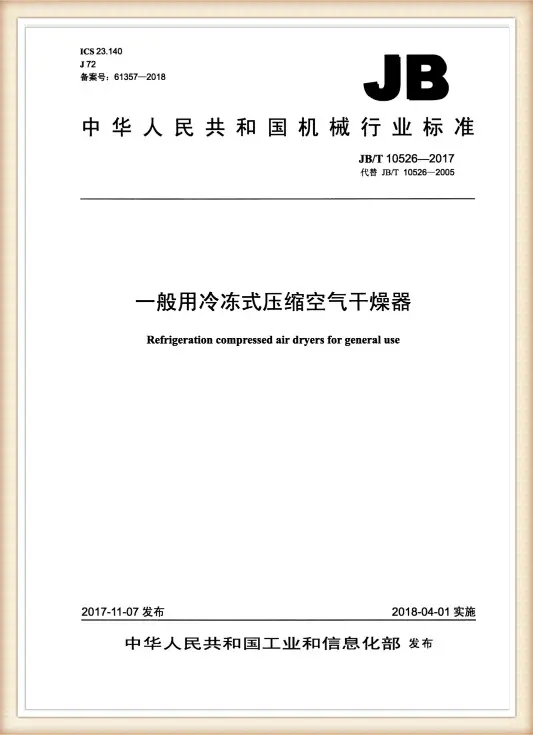
JB / T 10526-2017
Refrigeration compressed air dryers for general use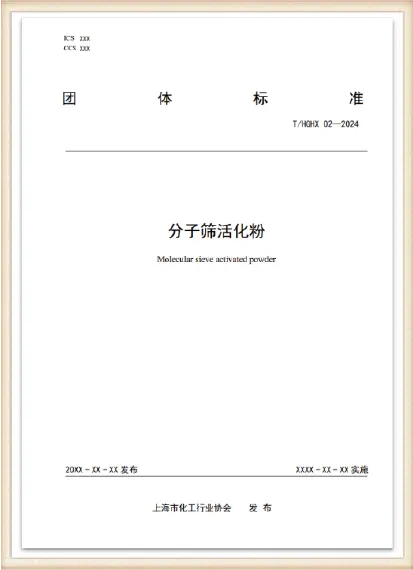
T/CGMA1201-2024
Group Standard for Air Purification Systems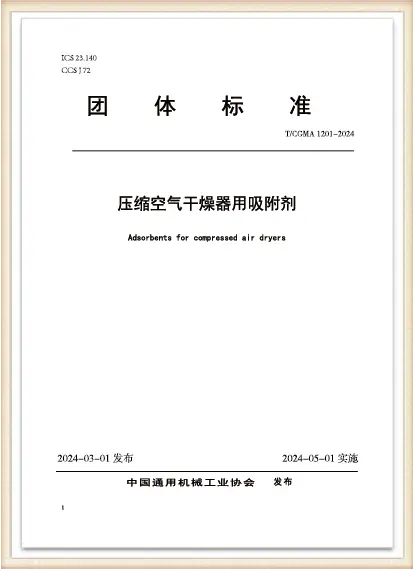
T/HGHX 02—2024
Hebei Chemical Adsorbent Industry Specifications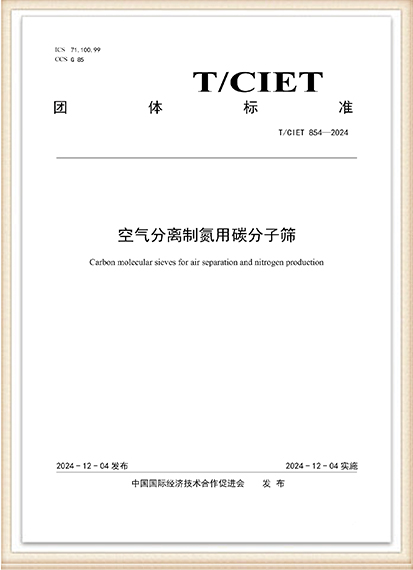
T/CIET 854-2024
Green Chemistry & Adsorption Engineering StandardWe maintain rigorous quality standards. Our manufacturing facilities are certified under the ISO 9001:2008 Quality Management System, and our products carry independent TUV and SGS certifications. This ensures our materials meet standard chemical specifications for global industrial applications.
From raw material sourcing (including high-grade sodium silicates and pure aluminum hydroxides) to finished product testing, each step is logged and traceable. This quality control provides our customers with predictable performance, minimizing unexpected pressure drops and premature degradation in adsorption systems.
Molecular sieves are utilized across a wide range of demanding industrial applications:
13X molecular sieves remove trace CO2, moisture, and hydrocarbons from incoming air stream prior to cooling. This prevents blockage in heat exchangers and guarantees high-purity nitrogen and oxygen outputs.
Using 3A zeolites, cracked gas, ethylene, and propylene streams are dehydrated to under 1 ppm water content. This selective drying prevents polymerization catalyst poisoning without co-adsorbing light hydrocarbons.
Prior to liquefaction (LNG), natural gas streams must be dried to under 0.1 ppm to prevent hydrate formation at cryogenic temperatures. Modern systems use durable 4A and 5A sieves for high pressure and temperature cyclings.
"Better Air, Better Life" - We design cleaner, energy-efficient adsorption systems that lower carbon emissions during desiccant regeneration cycles.

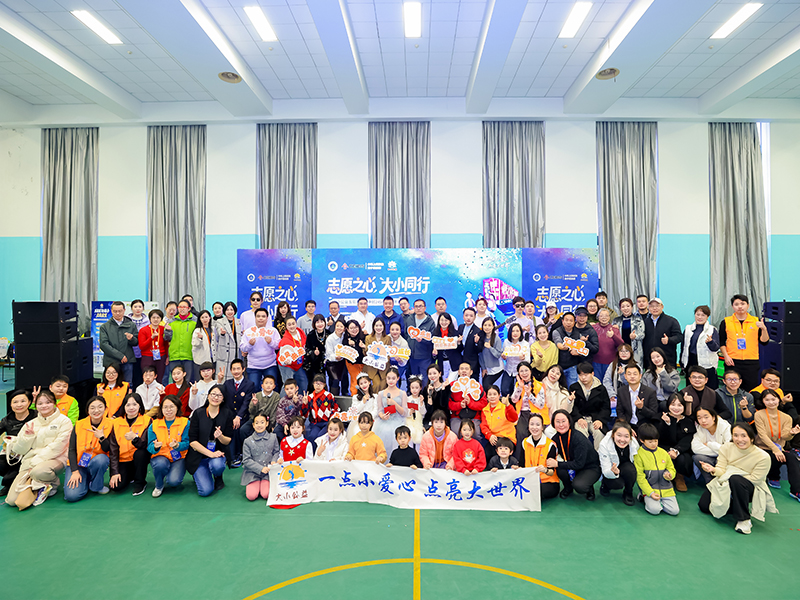
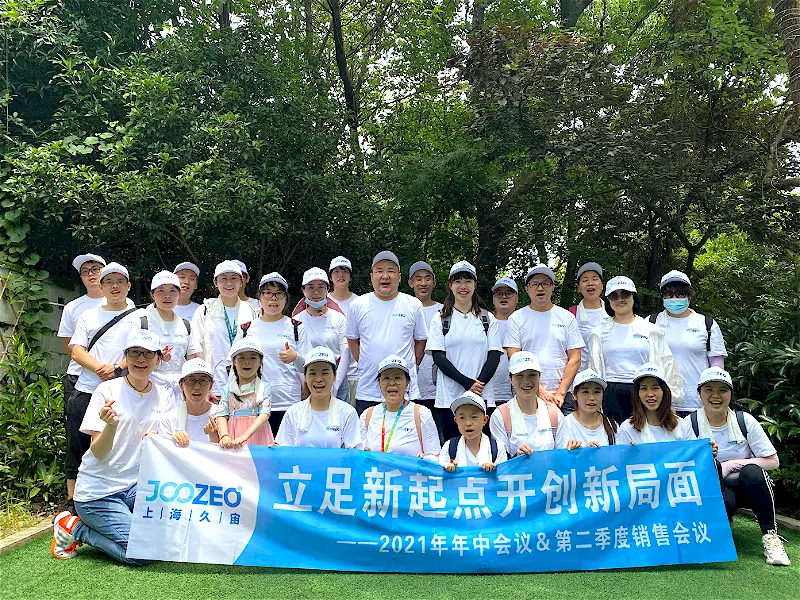
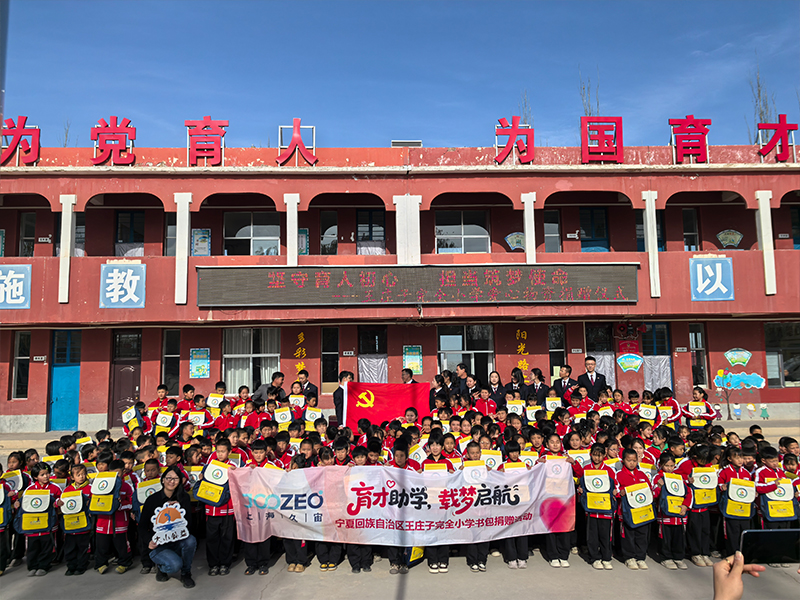
Clear technical insights to help engineers and procurement managers select the right adsorbents.
Select from our range of specialty silica gels, activated carbon, and customized molecular sieves for targeted gas and liquid separation processes.
Connect with our technical sales engineers to request detailed product datasheets, bulk pricing, or support with dynamic system calculations.
Send Inquiry Request