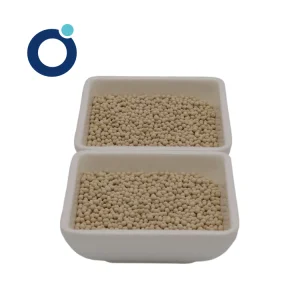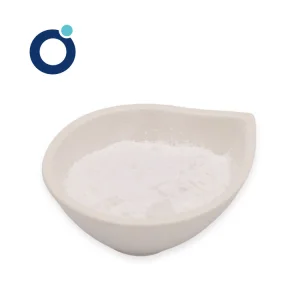
Explore our high-performance molecular sieves and custom catalyst substrates engineered for optimal kinetic selectivity and moisture control.
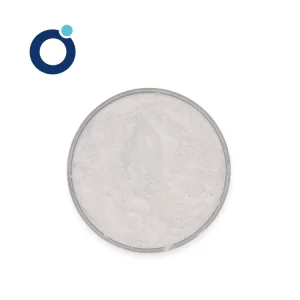
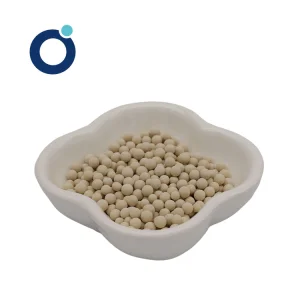
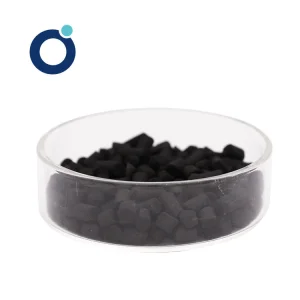
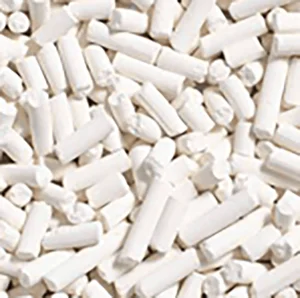
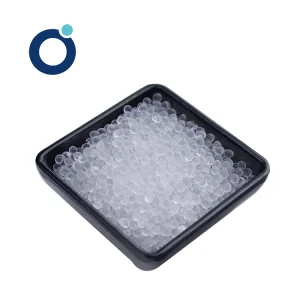
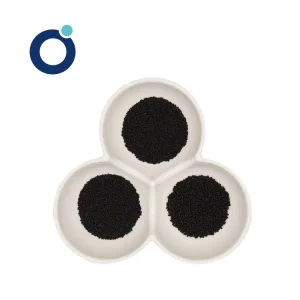
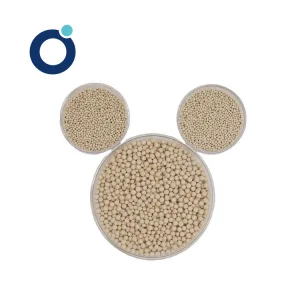
Molecular sieve catalysts represent a pinnacle of precision chemical synthesis. Characterized by uniform crystalline structures with highly defined pore sizes, these aluminosilicates function on the molecular level as selective filters. The primary mechanism of molecular sieves involves kinetic diameter selectivity: molecules with a kinetic diameter smaller than the pore opening are adsorbed, while larger molecules are excluded.
Unlike conventional bulk adsorbents, our Molecular Sieve Catalysts leverage optimized thermal stability, high acid-site density, and customizable binder matrices. This enables rapid catalytic conversions, cracking, isomerisation, and deep dehydration processes even in high-temperature or acidic environments.
The global energy, refining, and industrial gas purification sectors rely on molecular sieves for dehydration. For instance, in cryogenic air separation or liquified natural gas (LNG) processing, even trace amounts of water or carbon dioxide can freeze and cause catastrophic system blocks. By utilizing high-crush-strength zeolites, industrial facilities can maintain continuous operations and achieve dew points below -100°C.
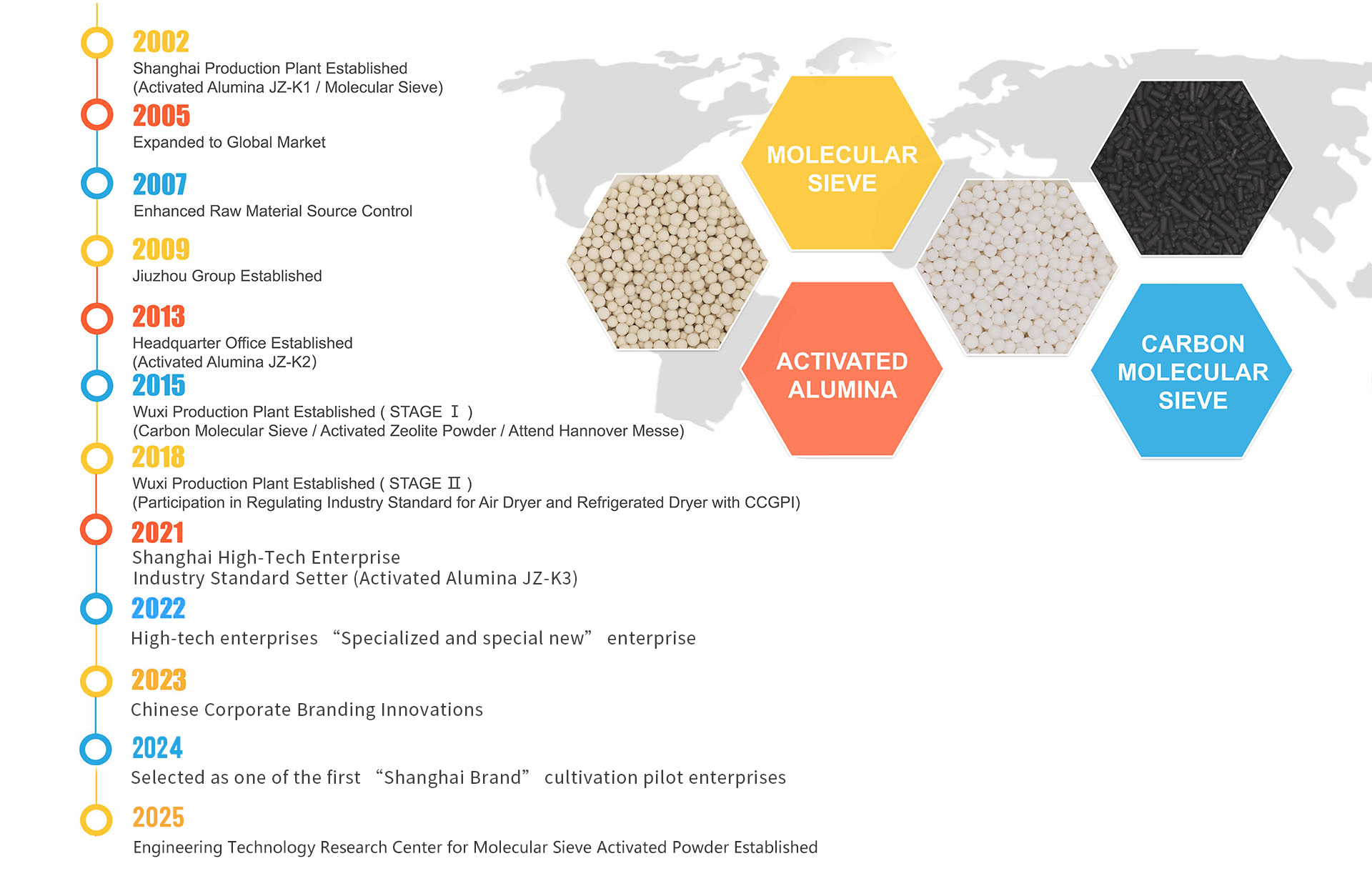
Shanghai Jiuzhou Chemicals Co., Ltd. is located in the largest economic development hub, Shanghai. Over the years, Jiuzhou has consistently adhered to the core philosophy of "Quality Control & Innovation." We are committed to the deep research, product development, and scale manufacturing of high-quality, innovative industrial chemicals and adsorbents.
Our product catalog spans across various molecular sieve powders, finished molecular sieves, activated powder, activated alumina, aluminum oxide catalysts, as well as multiple grades of alumina packing, ceramic balls, sodium silicates, aluminum hydroxide, zeolite 4A, sodium carbonates, and SLES. Every batch produced complies with the rigorous standards of the ISO9001: 2008 Quality Management System, alongside premium certifications from TUV & SGS.
We boast a world-class R&D team comprised of chemical synthesis experts, dynamic process engineers, and catalyst specialists. Armed with global production technologies and multi-functional automated plants, our central laboratory integrates dynamic testing apparatuses to simulate extreme industrial pressure, heat, and corrosive environments.
Quality Control
Innovation Rate
Dual production complexes located in strategic industrial zones to guarantee continuous, uninterruptible supply chains.
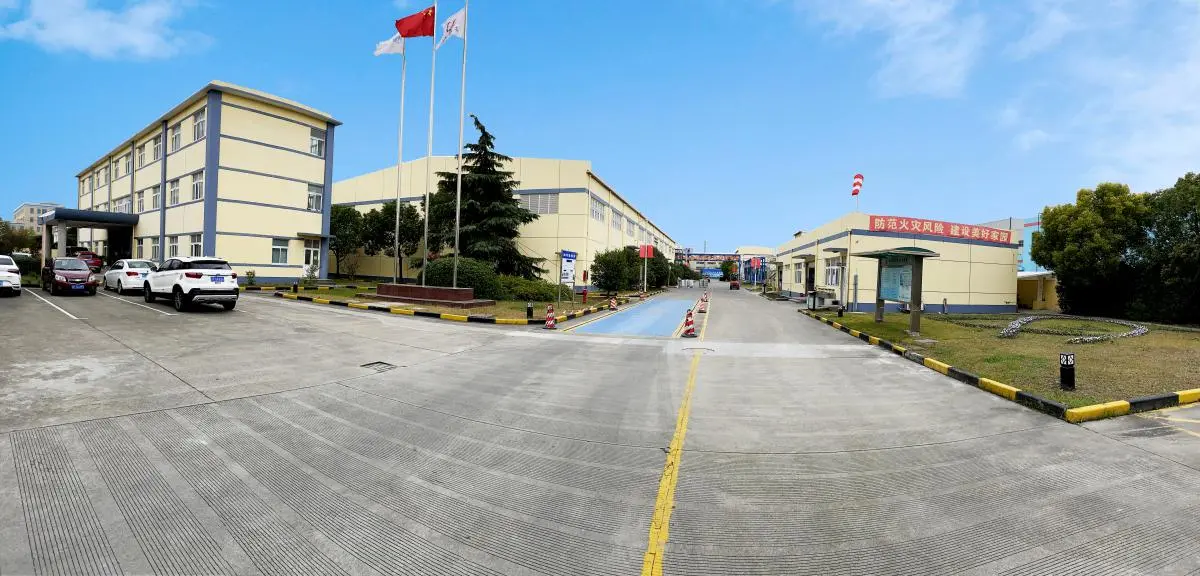
Our main hub in Shanghai focusing on custom synthetic zeolites, automated powder packaging, and advanced analytical research labs.
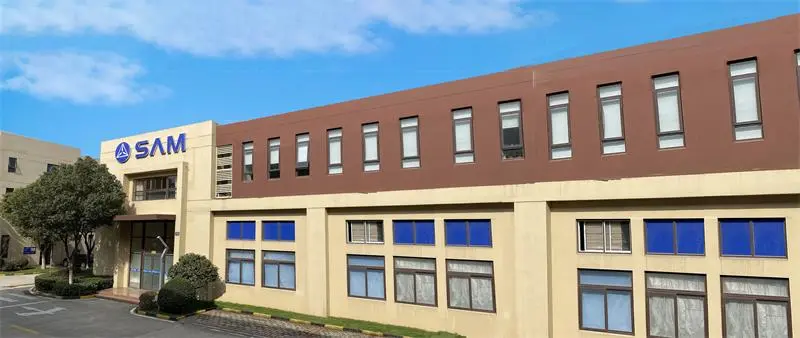
Our secondary plant specializing in mass-volume calcination, high-density bead extrusion, and large-tonnage shipping logistics.
High-integrity chemical profiles showing kinetic diameters, water adsorption capacities, and typical commercial applications.
| Zeolite Type | Pore Diameter | Bulk Density (g/ml) | Crushing Strength (N) | Static Water Adsorption | Primary Industrial Application |
|---|---|---|---|---|---|
| Type 3A (K-Zeolite) | ~3 Å | 0.68 - 0.72 | ≥ 40 (spherical) | ≥ 21.5% | Cracked gas drying, ethylene/propylene dehydration, ethanol dehydration. |
| Type 4A (Na-Zeolite) | ~4 Å | 0.70 - 0.74 | ≥ 45 (spherical) | ≥ 22.0% | Natural gas drying, closed-circuit air separation systems, refrigerant drying. |
| Type 5A (Ca-Zeolite) | ~5 Å | 0.72 - 0.78 | ≥ 65 (spherical) | ≥ 22.0% | PSA nitrogen/oxygen generation, separation of normal and iso-paraffins. |
| Type 13X (NaX-Zeolite) | ~10 Å | 0.64 - 0.70 | ≥ 80 (spherical) | ≥ 26.0% | Cryogenic air separation prep, desulfurization, gas sweetening (H2S removal). |
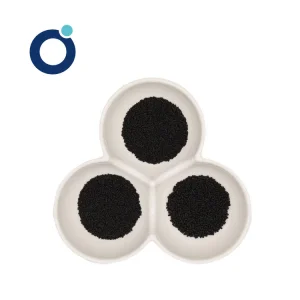
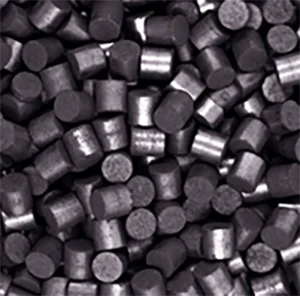
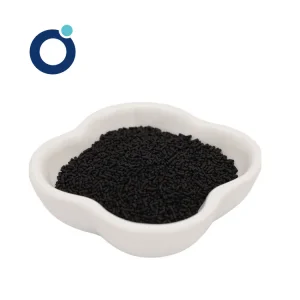
| Carbon Molecular Sieve (CMS) | Variable (Carbon) | 0.65 - 0.68 | ≥ 95 (cylindrical) | N/A (O2/N2 Separation) | High-purity Pressure Swing Adsorption (PSA) nitrogen generator systems. |
Our synthetic zeolites are engineered with Angstrom-level tolerance. This prevents co-adsorption of hydrocarbon feedstocks, maximizing process yields.
Engineered using proprietary binders to secure high crushing strength, reducing dust formation and pressure drops in massive industrial towers.
Withstands hundreds of thermal regeneration cycles (ranging from 200°C to 320°C) without losing crystalline pore volume.
How our Molecular Sieve Catalysts perform under challenging regional conditions and process designs globally.
In sub-zero northern territories, trace moisture freezes inside gas transmission pipes. Our high-affinity 3A and 4A molecular sieves provide deep dehydration to a dew point of -100°C, ensuring safe continuous flow without ice hydrate formation.
Coastal processing units deal with air saturated with humidity and trace marine salts. Standard adsorbents degrade rapidly. Our hydrophobic-enhanced formulations maintain high dynamic water capacity, protecting downstream cryogenic units.
Utilizing our advanced Carbon Molecular Sieve (CMS) products, international nitrogen generator manufacturers can generate 99.999% pure nitrogen from atmospheric air, supporting electronics manufacturing and food packaging facilities.
The industrial catalyst landscape is shifting towards green transitions and high efficiency. Our R&D pipeline focuses on three key areas: Hierarchical Zeolites (integrating mesopores into microporous structures to accelerate diffusion), Sulfate-Resistant Catalysts (preserving structure in high-sulfur feedstocks), and Low-Calcination Binder Chemistry (reducing carbon footprints during production).
Our vertical integration in China provides unmatched supply chain resilience. By manufacturing key precursors in-house (such as sodium silicate and alumina gels), we bypass external market volatility. Located near major logistics ports in East China, we guarantee rapid shipping turnaround and robust price stability relative to global competitors.
"Better air, Better life." We believe in clean manufacturing and strict compliance with local emission limits, reducing waste water and carbon footprints in our factories.


We do not just meet standard requirements; we actively participate in drafting and refining them as an industry benchmark manufacturer.
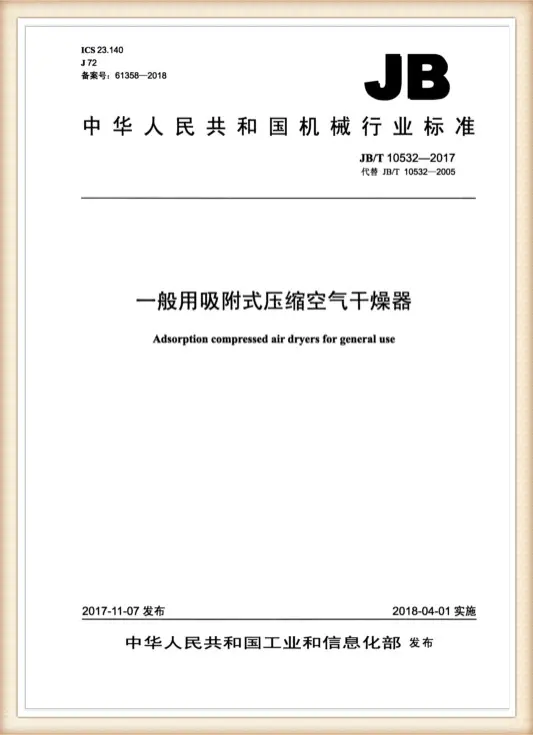
Adsorption compressed air dryers for general industrial use.
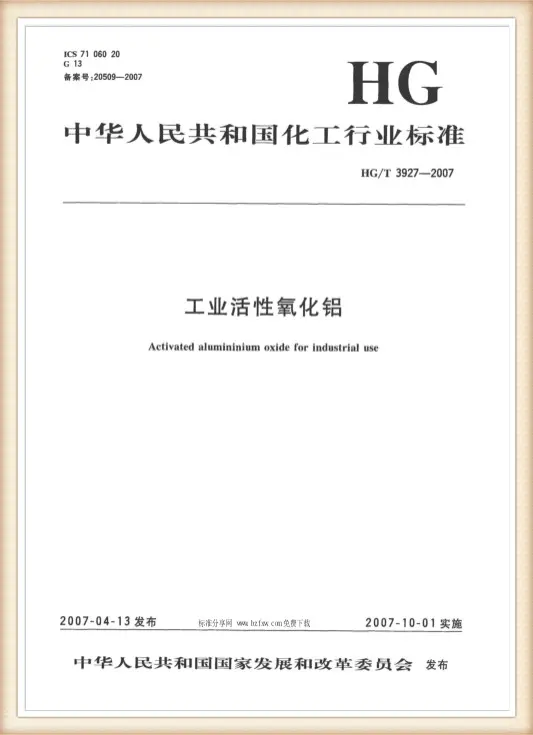
Activated aluminum oxide for industrial desiccant use.
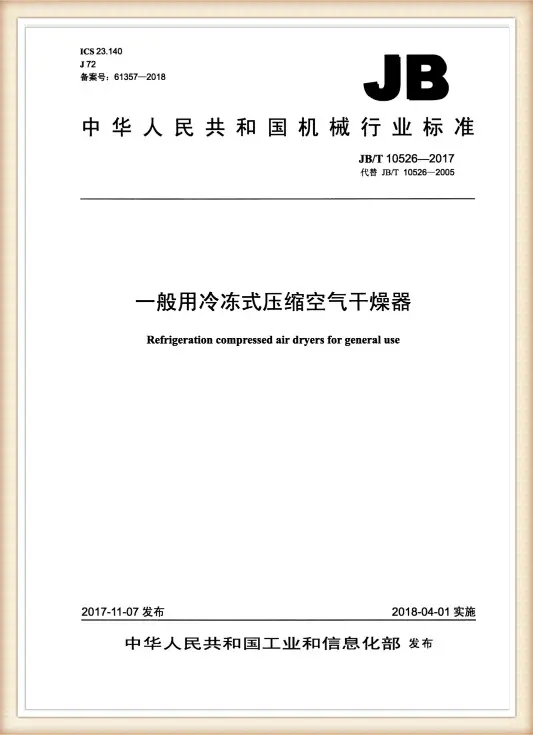
Refrigeration compressed air dryers for general industrial use.
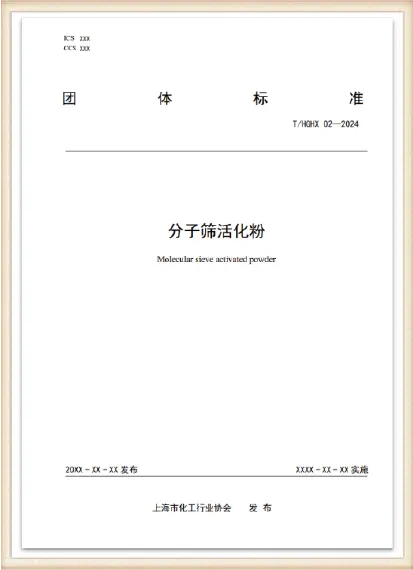
Modern guidelines for compressed air purification components.
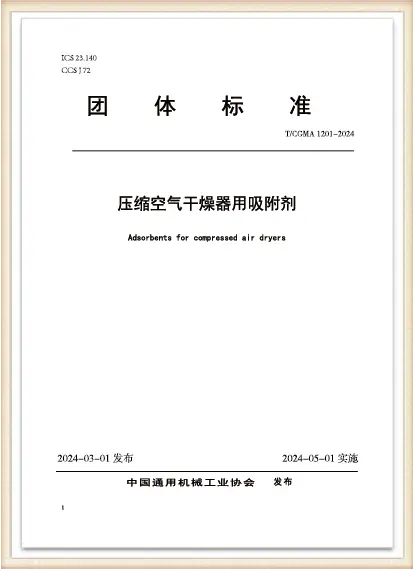
Chemical Association criteria for high-surface area adsorbents.
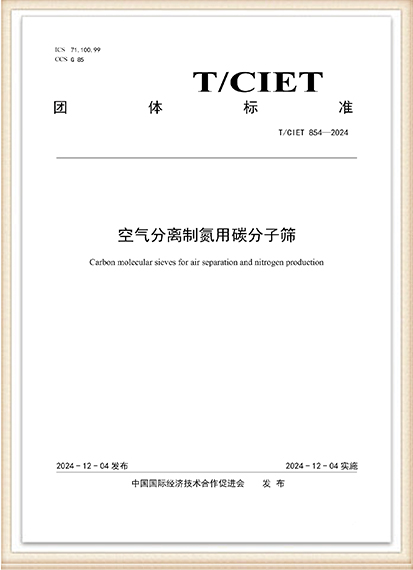
Green chemistry production standard for molecular sieves.
Answers to key technical and commercial questions from process engineers and procurement departments.
Pricing is influenced by: zeolite framework type (e.g., 3A, 4A, 13X, or custom formulations like Duralyst series), binder materials (such as silica sol or specialty clay which impact crush strength), and order volume. Additionally, dynamic shipping logistics, packaging configurations (e.g., steel drums vs. bulk bags), and raw precursor costs affect the final quote.
Selection depends on the kinetic diameter of the molecules you intend to exclude. 3A (3 Å) is ideal for dehydrating highly unsaturated hydrocarbons like ethylene or ethanol, as it excludes molecules larger than 3 Å. 4A (4 Å) is typical for natural gas drying and static air systems. 5A (5 Å) is suitable for separating normal paraffins from branched hydrocarbons and for PSA gas separation processes.
With proper regeneration, our molecular sieves typically last between 2 to 4 years in continuous industrial dehydration towers. The longevity is determined by feed gas composition, contamination (e.g., heavy hydrocarbon fouling or amine carryover), and regeneration temperature profiles.
We implement a comprehensive raw material inspection protocol alongside automated manufacturing systems. Every batch undergoes testing for static water adsorption capacity, bulk density, grain size distribution, and crush strength at our central lab, in alignment with ISO9001:2008 and TUV quality requirements.
For deep water removal, thermal swing regeneration (TSA) typically requires heating the dry gas flow to 200°C – 320°C at the inlet. The bed must be heated, purged, and then cooled with a dry, clean gas stream before returning to adsorption mode.
Complete list of our premium products including custom-engineered catalysts, carbon sieves, and raw sodium silicates.

Have questions regarding specifications, current custom pricing, or sample requests? Our team of chemical engineers will respond within 24 hours.
Send Request