1 / 1

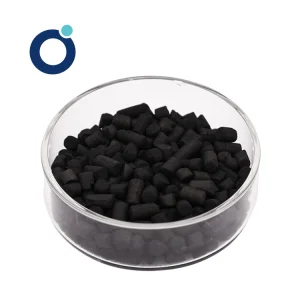
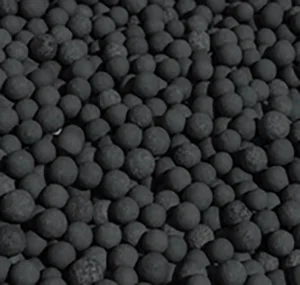
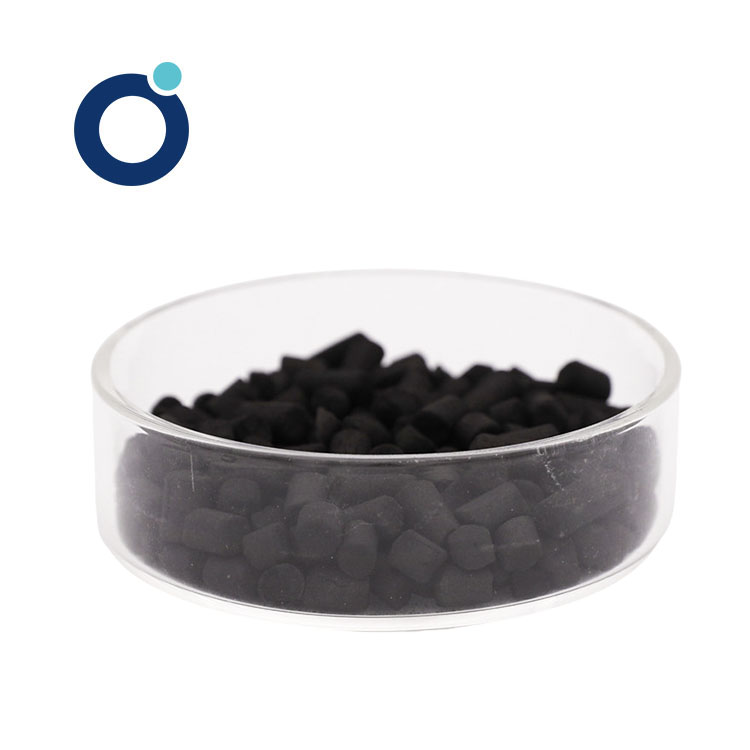
JZ-ACW activated carbon has the characteristics of developed pores, fast adsorption speed, large specific surface area, high strength, anti friction, washing resistance, etc.
Widely used in petrochemical, electric water, drinking water, residual chlorine removal, gas adsorption, flue gas desulfurization, gas separation, impurity removal and odor removal. It is suitable for food brewing, antisepsis, electronic industry, catalyst carrier, oil refinery and gas mask.
| Specification | Unit | JZ-ACW4 | JZ-ACW8 |
|---|---|---|---|
| Diameter | Mesh | 4*8 | 8*20 |
| Iodine adsorption | ≥% | 950 | 950 |
| Surface Area | ≥m2/g | 900 | 900 |
| Crush Strength | ≥% | 95 | 90 |
| Ash Content | ≤% | 5 | 5 |
| Moisture Content | ≤% | 5 | 5 |
| Bulk Density | kg/m³ | 520±30 | 520±30 |
| PH | / | 7-11 | 7-11 |
25 kg/woven bag
The product as desiccant cannot be exposed in the open air and should be stored in dry condition with air-proof package.
In general, activated carbon can be produced from a variety of carbonaceous material. The three most common raw materials for activated carbon are wood, coal and coconut shell.
Activated carbon made from wood is called activated charcoal.
Decolorization of sugar and sweeteners, drinking water treatment, gold recovery, production of pharmaceuticals and fine chemicals, catalytic processes, off gas treatment of waste incinerators, automotive vapor filters, and color/odor correction in wines and fruit juices.
As per IUPAC standards, pores are usually categorized as follows:
• Micropores: referred to pores less than 2 nm;
• Mesopores: referred to pores between 2 and 50 nm;
• Macropores: referred to pores greater than 50 nm.
As a desiccant, it cannot be exposed to the open air. It must be stored in dry conditions within an air-proof package.
The standard packaging for this product is 25 kg per woven bag.