
High-purity molecular sieves (Molsiv), specialized catalysts, and high-performance silica gels custom manufactured to maximize dynamic adsorption capacity and crush strength.
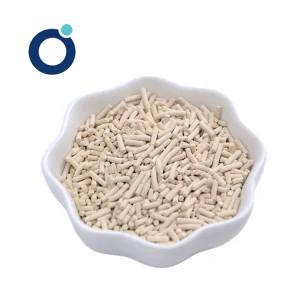
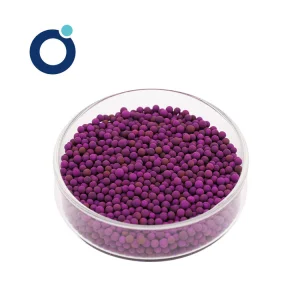
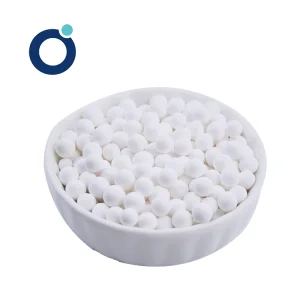
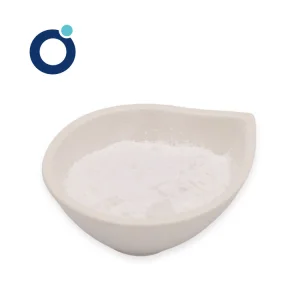
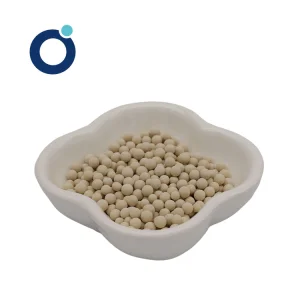
Industrial desiccant and separation processes require precise molecular discrimination. Synthetic zeolites, commonly referred to as Molecular Sieves (Molsiv), represent the pinnacle of porous crystal engineering. These crystalline aluminosilicates boast highly uniform pore networks structured at the angstrom level. Unlike amorphous silica gels or traditional activated alumina, molecular sieves operate via steric exclusion, thermodynamic affinity, and kinetic selectivity.
By tailoring the structural framework (typically LTA-type or FAU-type structures) and coordinating specific alkali metal cations (such as sodium, potassium, or calcium), chemical engineers can dial in the effective pore diameter from 3Å to 10Å. This allows for the target adsorption of specific molecular sizes while completely rejecting larger components in the feed stream. For example, 3A molecular sieves selectively dehydrate unsaturated hydrocarbons without co-adsorbing ethylene or propylene, ensuring thermal stability and preventing catalyst poisoning in downstream processes.
| Zeolite Type | Pore Size | Key Cations | Target Adsorbates | Primary Industrial Applications |
|---|---|---|---|---|
| Type 3A | ~3 Å | Potassium (K⁺) | H₂O (rejects hydrocarbons) | Ethylene/propylene drying, ethanol dehydration, cracked gas drying. |
| Type 4A | ~4 Å | Sodium (Na⁺) | H₂O, CO₂, H₂S, SO₂ | Static air system dehydration, refrigerant drying, closed-circuit loop purification. |
| Type 5A | ~5 Å | Calcium (Ca²⁺) | Normal (straight-chain) paraffins | Pressure Swing Adsorption (PSA) for H₂ purification, n-paraffin separation. |
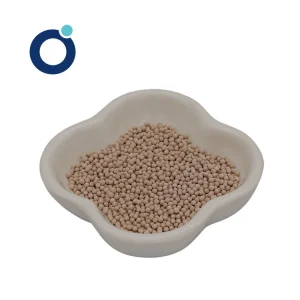
| Type 13X | ~10 Å | Sodium (Na⁺) | H₂O, CO₂, H₂S, mercaptans | Air separation unit (ASU) pre-purification, LPG sweetening, medical oxygen. |
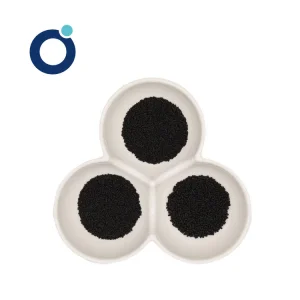
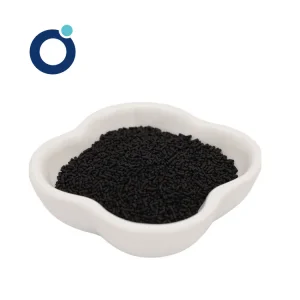
| Carbon Molsiv (CMS) | Pore slit type | Non-crystalline carbon | O₂ (separates from N₂) | High-purity Nitrogen generation via PSA systems. |
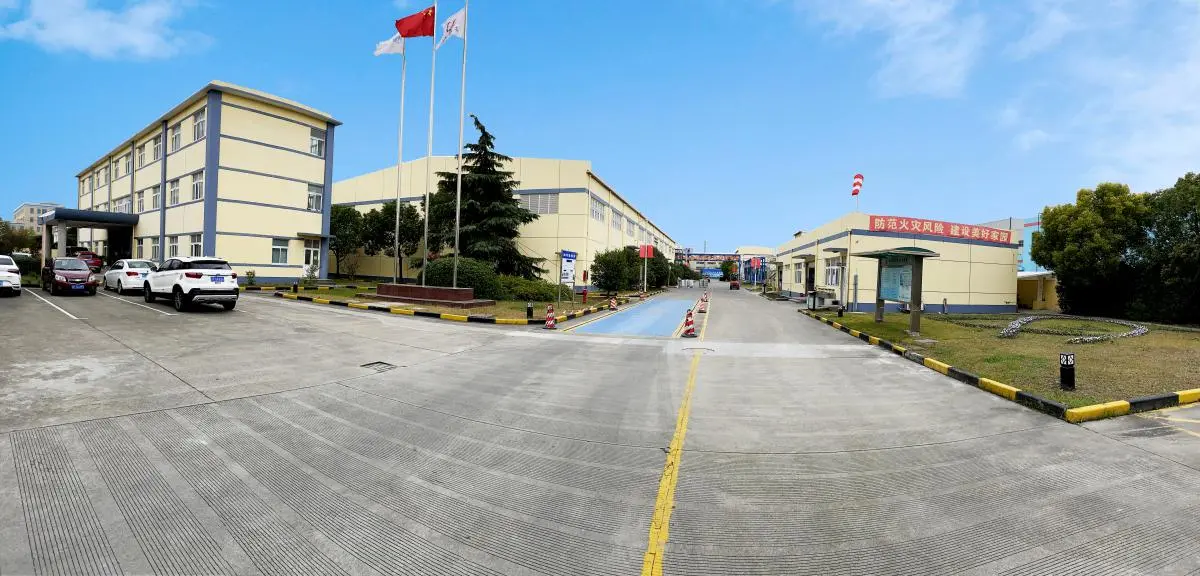
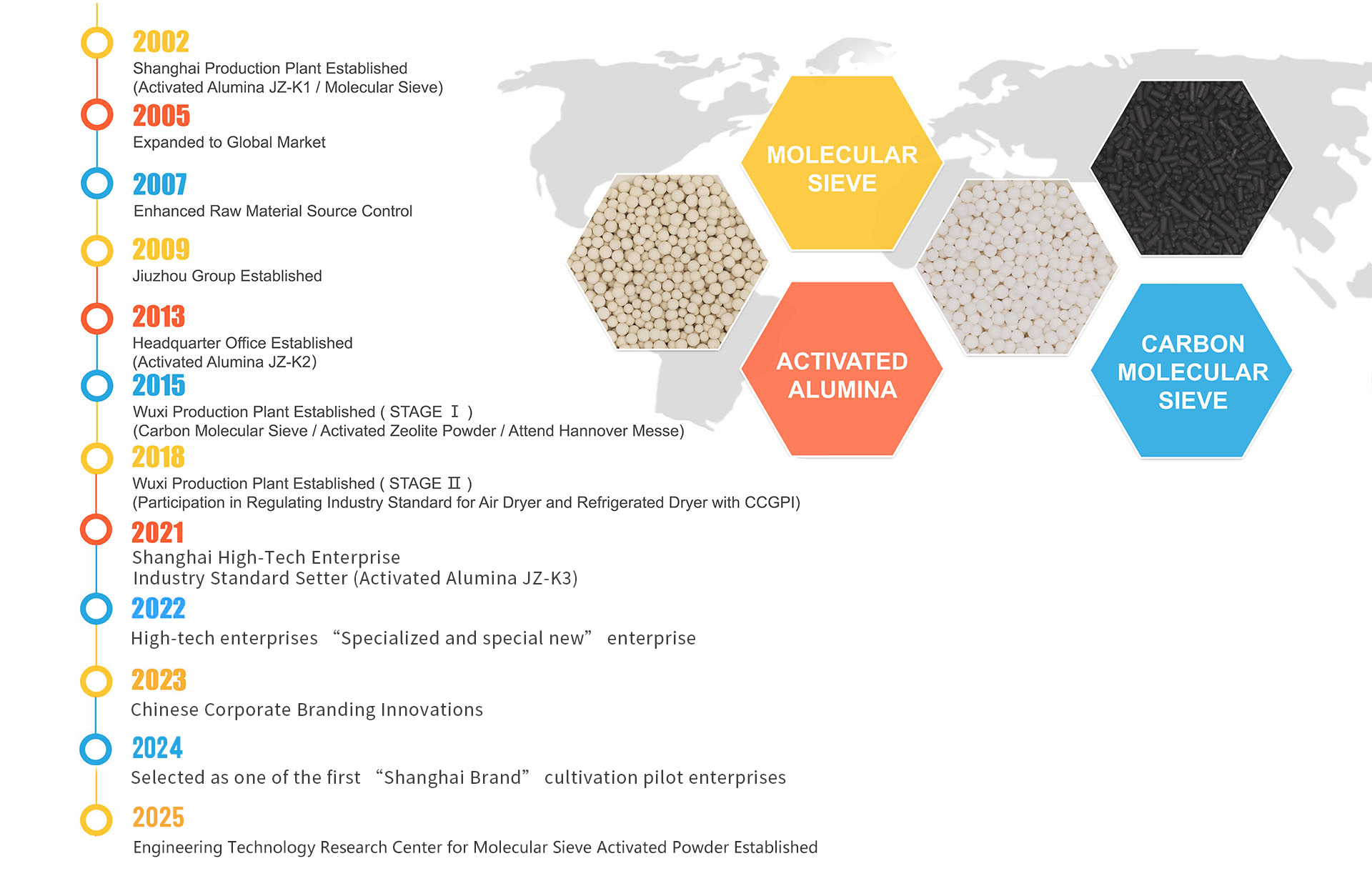
Established in 1994 and located in the economic development hub of Shanghai, Shanghai Jiuzhou Chemicals Co., Ltd. (JOOZEO) has dedicated over three decades to the development, manufacturing, and optimization of premier chemical adsorbents. With a core commitment to "Quality Control & Innovation," we have built an internationally recognized reputation for supplying top-tier molecular sieve powders, activated alumina, synthetic zeolites, and catalysts.
JOOZEO operates dynamic facilities including our high-capacity Shanghai Factory and specialized Wuxi Factory. Powered by a world-class R&D team and equipped with advanced analysis instrumentation, our central laboratory closely monitors all manufacturing phases. This ensures every batch achieves maximum crush strength and dynamic capacity, meeting rigorous ISO 9001:2008, TUV, and SGS standards.
Serving as our central R&D and dynamic testing core, the Shanghai facility utilizes state-of-the-art rotary kilns and spherical shaping towers. This site manages our global supply chain partnerships and oversees bulk exports to over 80 countries.

Equipped with high-volume extrusion and thermal activation lines, the Wuxi plant handles industrial scale-up, mass-production of activated powder, and standard-grade molecular sieve beads.
Through strict adherence to international standards and comprehensive operational control, JOOZEO supplies advanced energy-saving adsorption solutions that significantly lower operational dew points and minimize lifecycle costs.
JOOZEO does not just follow industry standards—we write them. As a primary developer of national and chemical industry codes, we ensure our technical specifications represent the benchmark for performance.
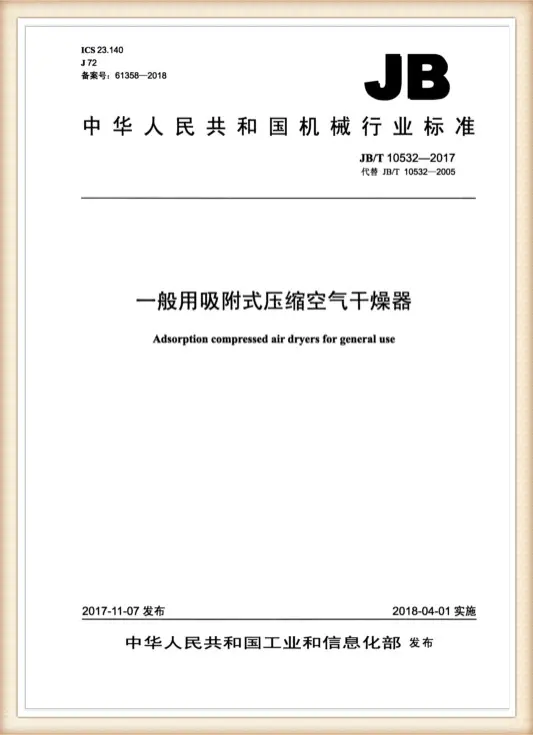
Adsorption compressed air dryers for general use.
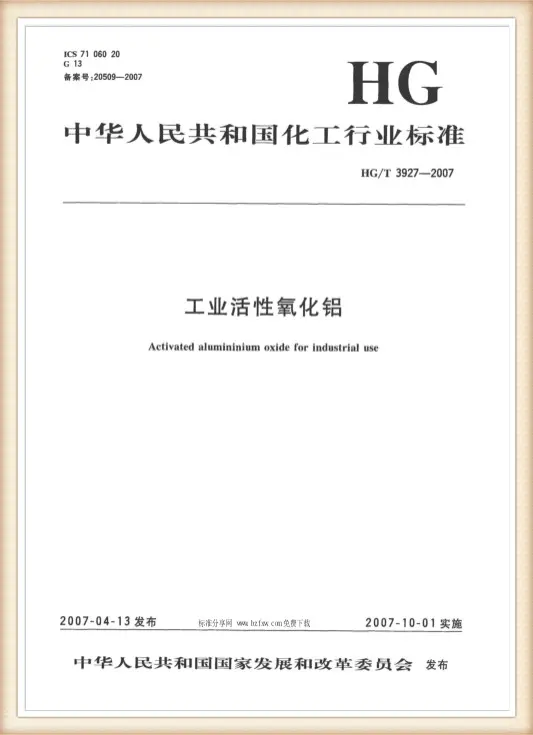
Activated aluminium oxide for industrial use.
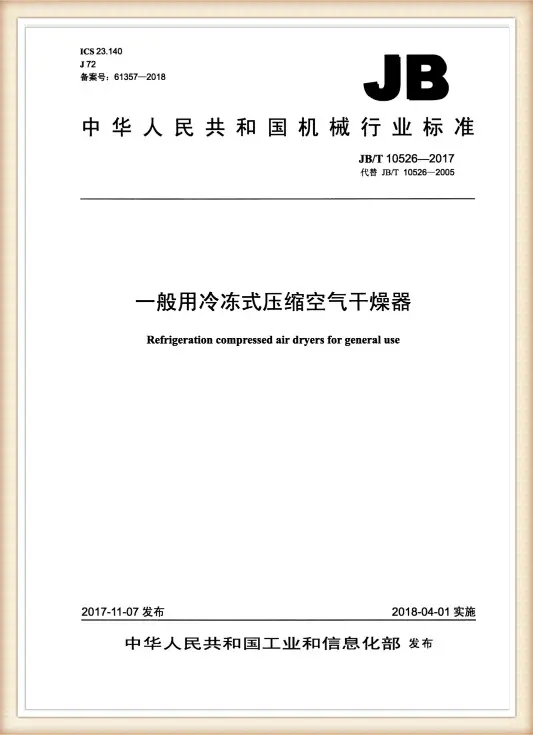
Refrigeration compressed air dryers for general use.
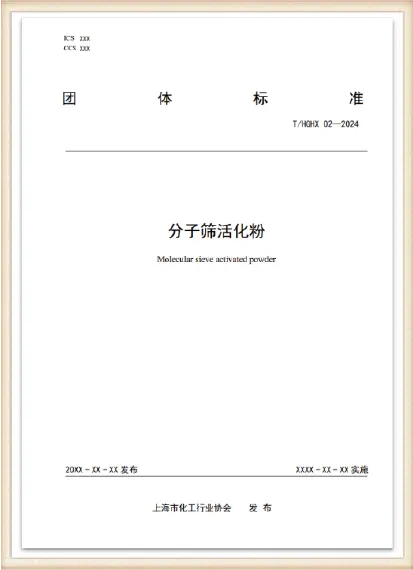
Group specification for advanced machinery and air dryers.
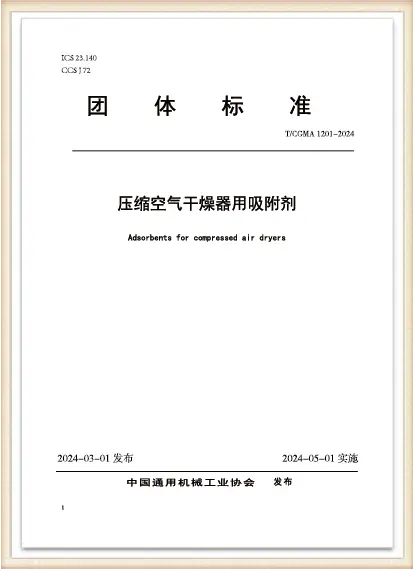
Chemical industry standard for advanced adsorbents.
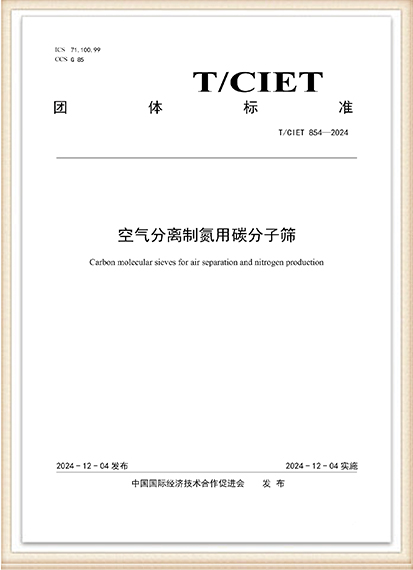
National green manufacturing and low-emission production guidelines.
How our molecular sieve and catalyst formulations integrate into global industrial infrastructures to reduce energy consumption and improve yield.
Reliable moisture control prevents hydrate formation and corrosion in cryogenic separation units. JOOZEO's 3A molecular sieves provide optimized mass-transfer rates during gas sweetening and mercaptan removal phases, avoiding co-adsorption of critical light olefins.
Trace H₂O and CO₂ must be removed from intake air before cooling to prevent blockages. Our high-dynamic-capacity JZ-ZAC and 13X Molecular Sieves operate with long cycles, lowering heat demand during the thermal regeneration (TSA) stage.
Our lithium-exchanged and high-performance sodium molecular sieves (JZ-OM) deliver high separation factors for nitrogen over oxygen, enabling medical and industrial oxygen plants to maximize gas purity (up to 95%) and yield.
Adapting molecular sieve systems to diverse operational conditions—from humid coastal regions to sub-zero industrial environments.
The operational lifetime of a desiccant bed depends on local inlet temperatures, relative humidity, and pressure fluctuations. For instance, offshore gas platforms in humid tropical environments face high moisture loads, requiring a hybrid bed configuration that features protective layers of silica gel (such as our JZ-ASG or JZ-PSG) placed upstream of high-affinity molecular sieves.
Conversely, desiccant dryers operating in cold climates must manage lower desorption kinetics. Our technical engineers design bed profiles that balance pressure drops with thermal efficiency, ensuring complete regeneration even under tight heating windows. With localized support teams across North America, Europe, and Southeast Asia, JOOZEO assists regional engineers with bed design, thermodynamic modeling, and routine product analysis.
Looking ahead, the industrial gas industry faces mounting pressure to lower its carbon footprint and operational emissions. In response, JOOZEO is investing heavily in the development of binder-free molecular sieves. Standard molecular sieves require up to 20% clay binder, which acts as inert mass and reduces adsorption capacity. Removing this binder allows us to increase active zeolite content per unit volume, boosting gas throughput and reducing regeneration energy.
We are also refining our Carbon Molecular Sieve (JZ-CMS) series. By tuning carbon deposition processes, we can narrow pore-mouth openings to improve nitrogen separation efficiency. This helps small-scale industrial operations run PSA systems with reduced energy consumption.
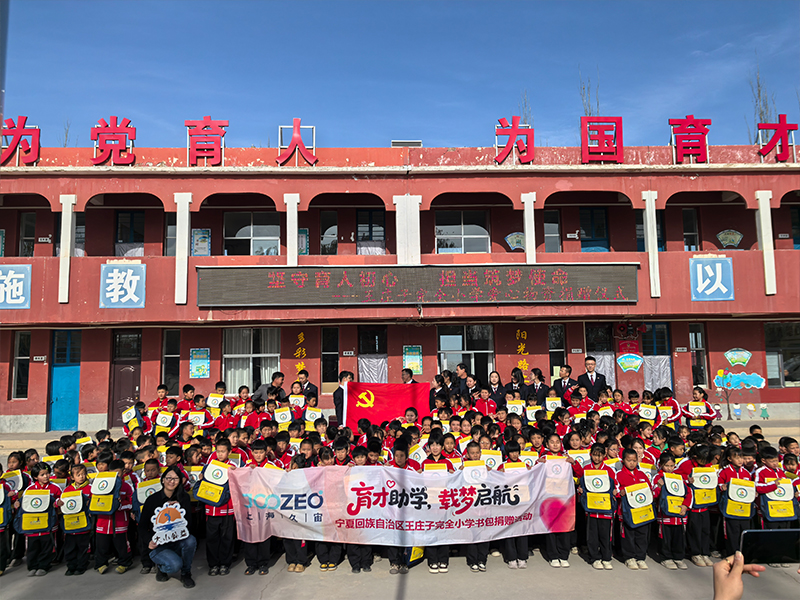
Environmental stewardship is central to our manufacturing process. We strive to develop cleaner, more efficient technologies that support a healthier planet.

Get detailed technical answers to common queries regarding design, lifetime, and optimization of industrial molecular sieve dryers.
Explore our specialized Carbon Molecular Sieves (CMS), oxygen concentration formulations, and industrial-grade activated alumina products.
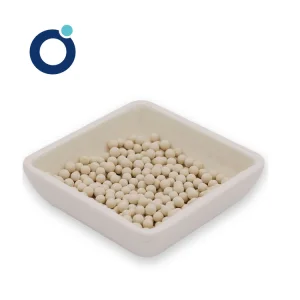
Need help matching standard or custom molecular sieve grades to your system requirements? Submit an inquiry, and our team will respond within 24 hours.
Send Request / RFQ