
Select premium adsorbents engineered under strict thermal calcination phases for maximum specific surface area.
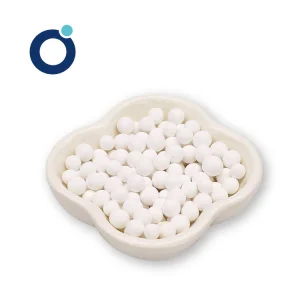
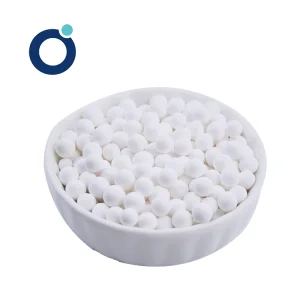
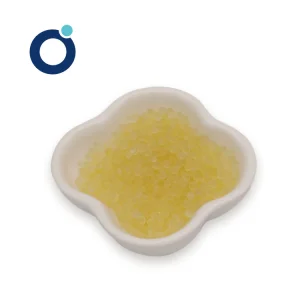
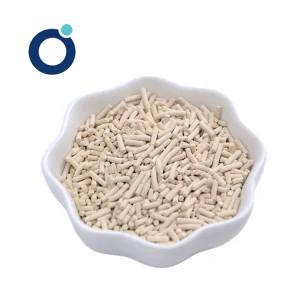
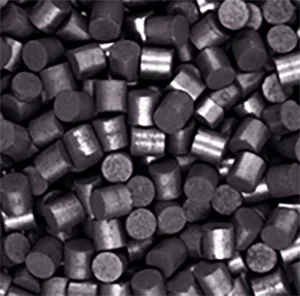
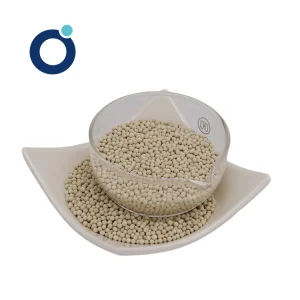
Shanghai Jiuzhou Chemicals Co., Ltd. is strategically situated in Shanghai, China's foremost economic and industrial gateway. For decades, our core operating philosophy has anchored on the twin pillars of strict quality control and perpetual technological innovation. We are fully committed to the advanced development, synthesis research, and large-scale manufacturing of high-performance chemical adsorbents.
Our comprehensive catalog includes premium molecular sieve powders, molecular sieves, activated powder, activated alumina, aluminum oxide catalysts, various alumina tower packings, structured ceramic balls, instant sodium silicates, high-purity aluminum hydroxide, zeolite 4A, and sodium carbonates. To assure international supply chains, our operations are certified under the ISO 9001:2008 Quality Management System, alongside continuous verification by TUV Rheinland and SGS.
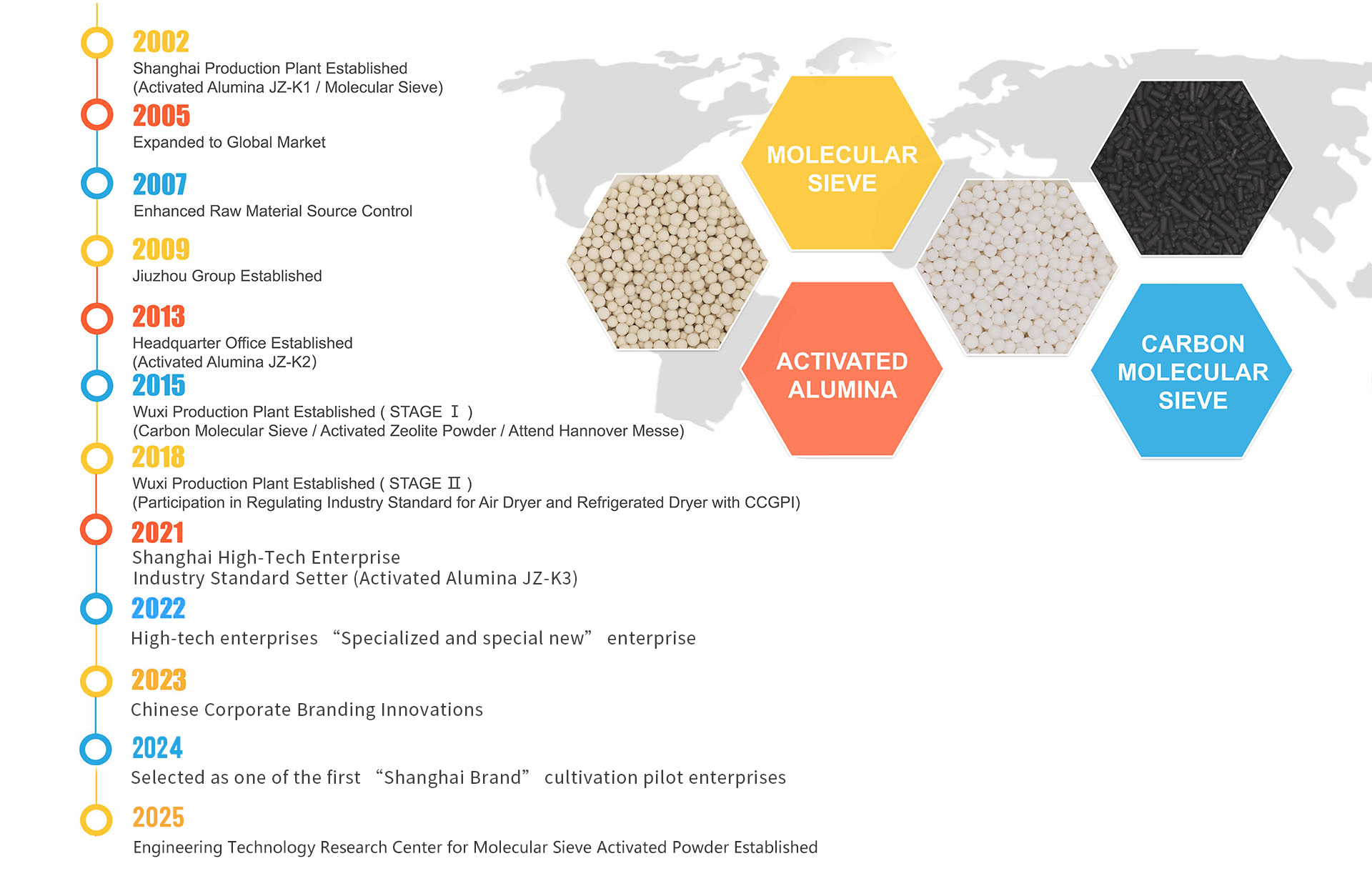
JOOZEO's engineering department houses leading chemical synthesis experts and an elite dynamic simulation laboratory. Equipped with top-tier international processing assets, our plants operate multi-functional automated lines that guarantee chemical consistency. In addition, our centralized analytical center leverages advanced spectroscopic and chromatographic instruments to ensure every batch conforms to precise mechanical and chemical thresholds.
With distribution centers spanning the United States, Europe, Southeast Asia, Japan, North & South America, and the Middle East, we supply cost-effective, custom-engineered carbon-neutral adsorption media designed to lower energy footprints across complex industrial installations.
The manufacturing process of high-performance activated alumina begins with the dehydration of aluminum hydroxide ($\mathrm{Al(OH)_3}$), primarily gibbsite. Rapid calcination (or flash calcination) at thermal limits ranging from $600^\circ\text{C}$ to $800^\circ\text{C}$ converts the trihydroxide precursors into transition phase oxides: $\chi$-Al₂O₃, $\eta$-Al₂O₃, and predominantly $\gamma$-Al₂O₃. Gamma-alumina exhibits a cubic defect spinel structure that dictates its elevated surface area ($300\text{--}360\ \mathrm{m^2/g}$) and high chemical stability.
During calcination, precise controls are configured to prevent transition into $\alpha$-Al₂O₃ (Corundum), a thermodynamically stable phase that lacks inner porosity and capillary properties. The specific transition sequence is closely governed via thermal residence profiles:
By controlling calcination speeds and doping with specialized stabilizers, China factory engineers maximize the distribution of meso- and micro-pores. This optimizes the adsorbent's mass transfer rate, ensuring consistent adsorption performance under fluctuating industrial loads.
In high-pressure adsorptive columns, desiccants face significant shear stress, static loads, and thermal shock during regeneration cycles. Standard activated alumina spheres must possess a high crushing strength (typically $>120\ \mathrm{N}$ for $3\text{--}5\ \mathrm{mm}$ spheres) to prevent bed compaction, attrition, and downstream dusting, which can compromise filter arrays and control valves.
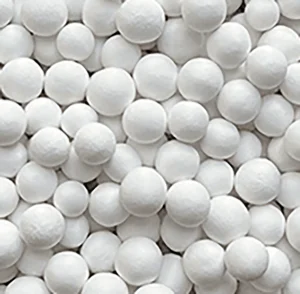
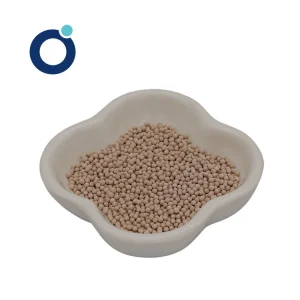
JOOZEO designs its activated alumina beads with high spherical consistency and optimal density. The formulation process controls the gelation and aging of aluminum hydroxide sol-gel matrices to yield high crush resistance without compromising pore volume. Consequently, the beads maintain structural integrity under high superficial velocities in pressure swing adsorption (PSA) and thermal swing adsorption (TSA) configurations.
The surface of activated alumina is populated by hydroxyl groups ($\mathrm{Al\text{-}OH}$) and coordinatively unsaturated aluminum centers ($\mathrm{Al^{3+}}$ Lewis acid sites). These surface sites exhibit selective affinity for highly polar molecules:
Operating modern production units across Shanghai and Wuxi, ensuring consistent output and prompt global delivery.
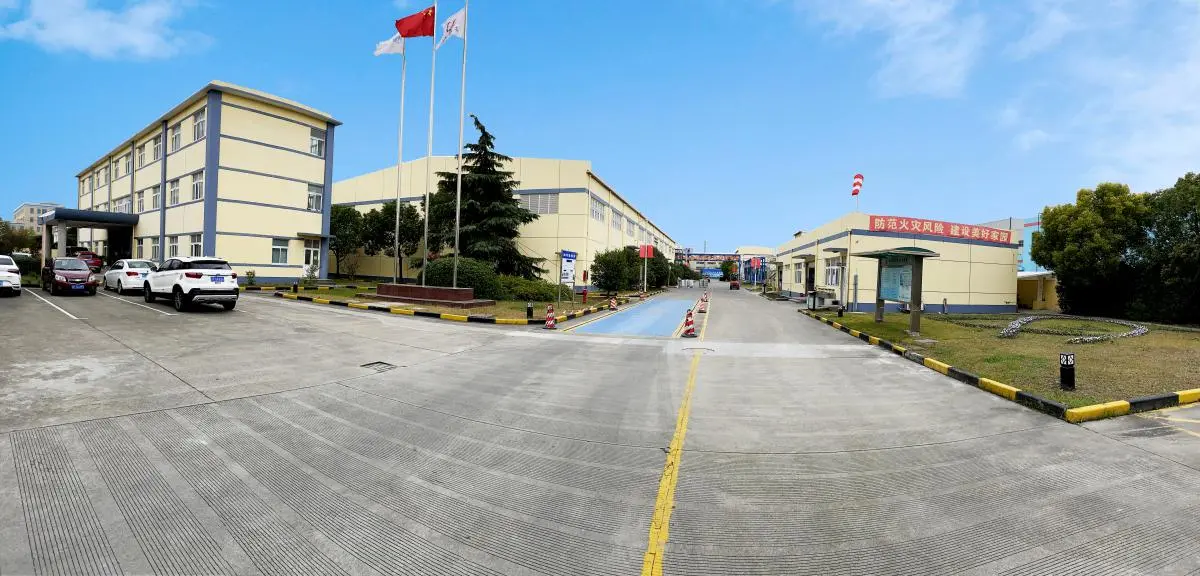
Our Shanghai facility focuses on advanced chemical synthesis, quality control, and international logistics management. It operates automated extrusion and spherical pelletizing systems, supported by our central analytical laboratories. This integration ensures seamless compliance with international trade requirements.
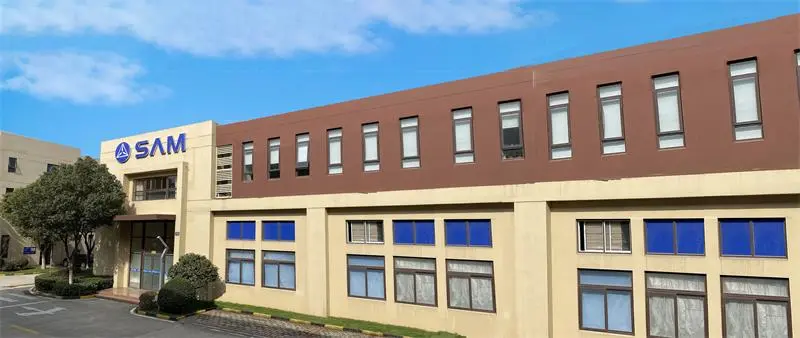
Our Wuxi plant manages high-volume raw material preparation, calcination, and drying processes. Equipped with heavy-duty rotary kilns and classification lines, it produces uniform spherical activated alumina and molecular sieves to meet large-scale industrial orders.
Activated alumina functions as a critical component in chemical processing and environmental control. Its industrial applications vary based on configuration and operating conditions:
In natural gas processing and cracked gas drying, gas streams are saturated with water vapor under high pressures. Upstream of cryogenic fractionation units, moisture must be reduced to $<1\ \mathrm{ppm}$ to prevent ice formation in heat exchangers. Using multi-bed configurations with molecular sieves and activated alumina protects downstream catalysts from liquid water surges and contaminants.
In the anthraquinone auto-oxidation process for hydrogen peroxide ($\mathrm{H_2O_2}$) synthesis, the working solution (consisting of alkylated anthraquinones dissolved in organic solvents) undergoes cyclic hydrogenation and oxidation. Over time, degradation reactions yield inactive derivatives like oxanthrone and anthrone. Passing the solution through activated alumina beds regenerates active quinones, helping to control chemical consumption.
Activated alumina is widely used to remove fluoride from drinking water. When raw water contains fluoride levels above regulatory standards (typically $>1.5\ \mathrm{mg/L}$), filtration columns containing activated alumina reduce these concentrations to safe levels. Spent media can then be regenerated onsite using a dilute sodium hydroxide ($\mathrm{NaOH}$) wash, followed by acid neutralization.
JOOZEO contributes to national and international standards, ensuring all products align with rigorous technical regulations.
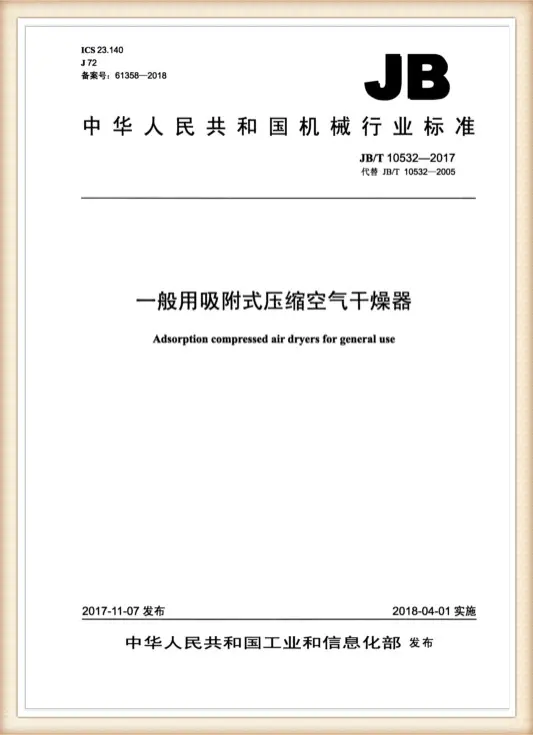
Adsorption compressed air dryers for general industrial use.
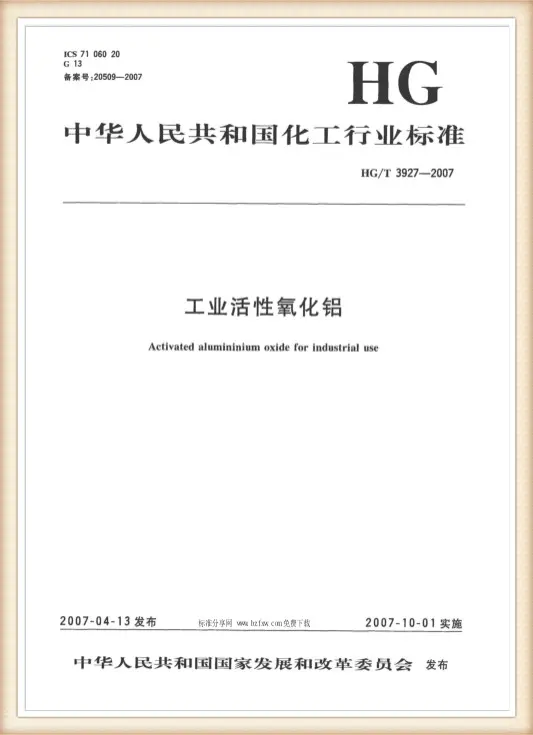
Activated aluminum oxide formulated for chemical applications.
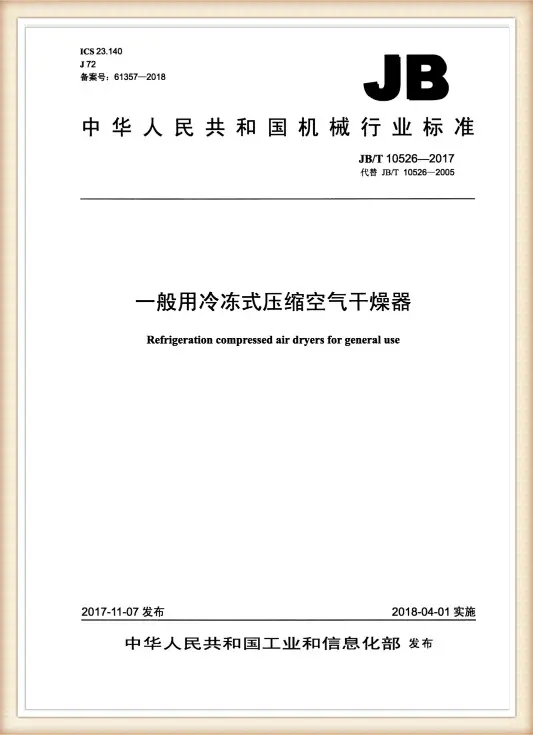
Refrigeration compressed air dryers for general use.
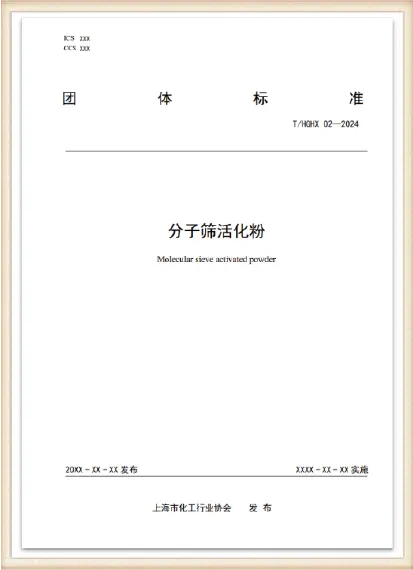
General gas treatment and adsorption equipment standards.
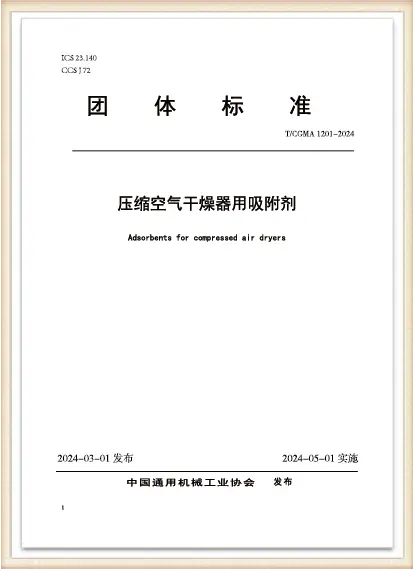
Industrial desiccant properties and laboratory testing protocols.
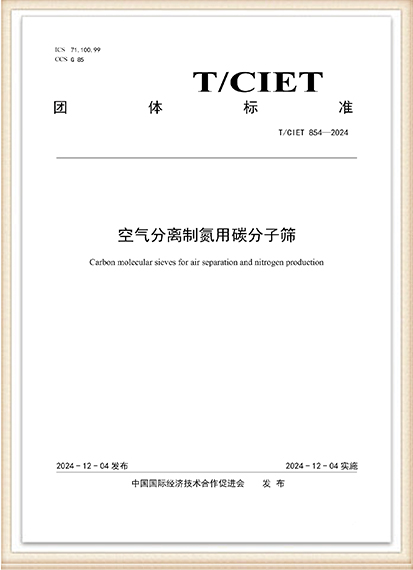
Environmental standards for industrial carbon footprint reductions.
Modern global logistics require consistent supply chain execution, raw material access, and regulatory compliance. Chinese activated alumina manufacturers are positioned to meet these demands through several key operational advantages:
JOOZEO maintains direct relationships with primary aluminum hydroxide producers, securing a stable supply of industrial gibbsite precursor. This vertical integration buffers our production schedules against raw material cost volatility, ensuring reliable pricing and delivery times for our international partners.
Our Shanghai headquarters and nearby manufacturing assets allow quick access to the Port of Shanghai. This enables prompt container loading, customs clearance, and transit dispatch, reducing lead times to destinations in Europe, the Americas, and Southeast Asia.
All batches undergo strict testing for specific surface area (BET method), crushing strength, loss on ignition (LOI), and pore volume. This compliance with ISO 9001:2008 standards helps prevent material failures and ensures reliable performance under severe operating conditions.
Through our dedicated R&D lab, we offer custom formulations tailored to specific industrial environments. This includes adjusting parameters like bead size distribution, pore volumes, and surface chemistry to meet target dew points or cycle times.
JOOZEO prioritizes environmental compliance in its operations. We utilize clean energy, recycle thermal emissions from our calcination kilns, and capture dust to minimize the ecological footprint of our plants. This commitment supports our clients' green initiatives and ensures sustainable manufacturing practices.
Answers to common engineering questions regarding the selection, application, and regeneration of transition alumina desiccants.
Explore our specialized crystalline aluminosilicate and structural silica products for targeted chemical separations.
Have an inquiry or need technical assistance with our products? Contact us today. Our engineering team responds within 24 hours.
Send Request