Explore our premium product line manufactured with sub-angstrom structural precision for global industrial purification projects.
An expert analysis of physical kinetics, pore structure adjustments, and performance factors for PSA processes.
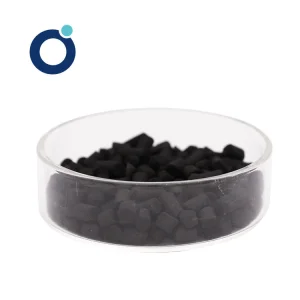
Unlike traditional zeolites that separate gases based on thermodynamic polar affinities, Carbon Molecular Sieve (CMS) separates nitrogen from oxygen in compressed air systems utilizing adsorption rate differences. Oxygen molecules have a kinetic diameter of 3.46 Å, whereas nitrogen molecules measure 3.64 Å. Because of this small difference in molecular dimensions, oxygen diffuses into the ultra-fine micro-pores of the CMS matrix several orders of magnitude faster than nitrogen.
By engineering the micro-pore distribution of the carbon material down to the exact scale of 3.8 to 4.0 Å, the CMS allows oxygen to be selectively captured while leaving highly purified gaseous nitrogen to flow through the adsorbent bed. This dynamic, non-equilibrium separation is the bedrock of Pressure Swing Adsorption (PSA) systems globally.
Analyzing key pain points of global EPC contractors, PSA system integrators, and industrial gas distributors.
Purchasing departments are focusing beyond the initial purchase price to look at energy consumption profiles. A high-efficiency CMS generates more cubic meters of nitrogen per cubic meter of feed air, lowering compressor load and significantly cutting down long-term operational power costs.
System failure due to carbon dusting or physical breakdown is a major operational risk. Buyers seek manufacturers that guarantee superior crush strength and exceptionally low attrition rates, preventing downstream filtration blockage and keeping maintenance cycles long.
With stringent global policies, especially in European and North American markets, sourcing teams mandate certificates like REACH, RoHS, FDA compliance for food-contact packaging, and ISO management systems to guarantee material safety and environmental compliance.
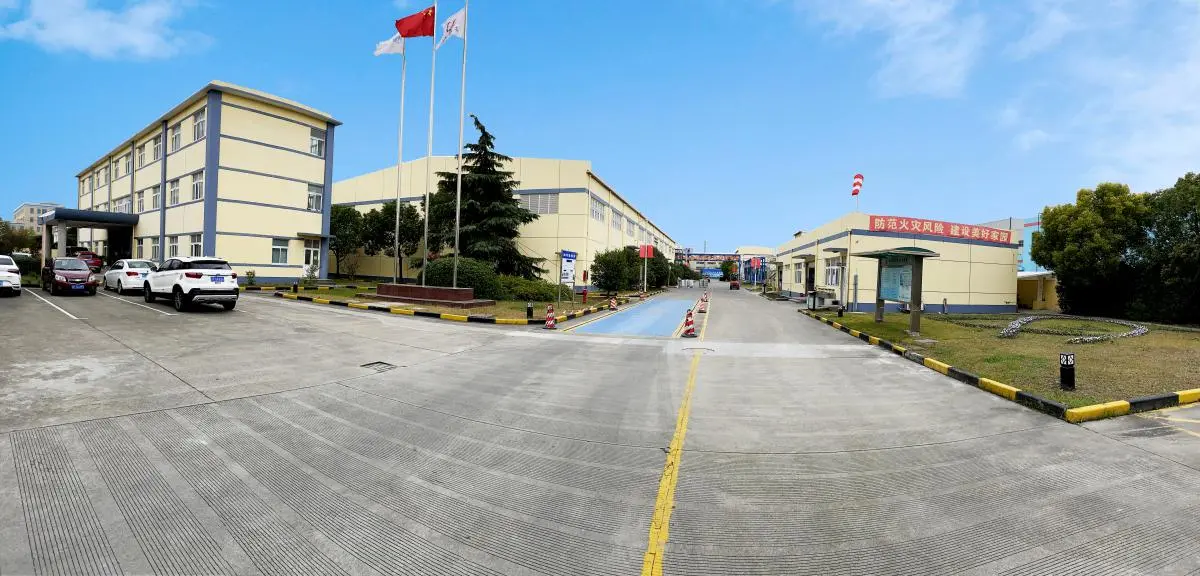
Located in the major economic hub of Shanghai, Shanghai Jiuzhou Chemicals Co., Ltd. (Joozeo) has spent decades building a stellar reputation focused on the principle of "Quality Control & Continuous Innovation". We specialize in the R&D, manufacturing, and global export of advanced molecular sieve powders, molecular sieves, activated powder, activated alumina, aluminum oxide catalysts, various types of alumina packing and ceramic balls, sodium silicates, aluminum hydroxide, zeolite 4A, sodium carbonates, and SLES.
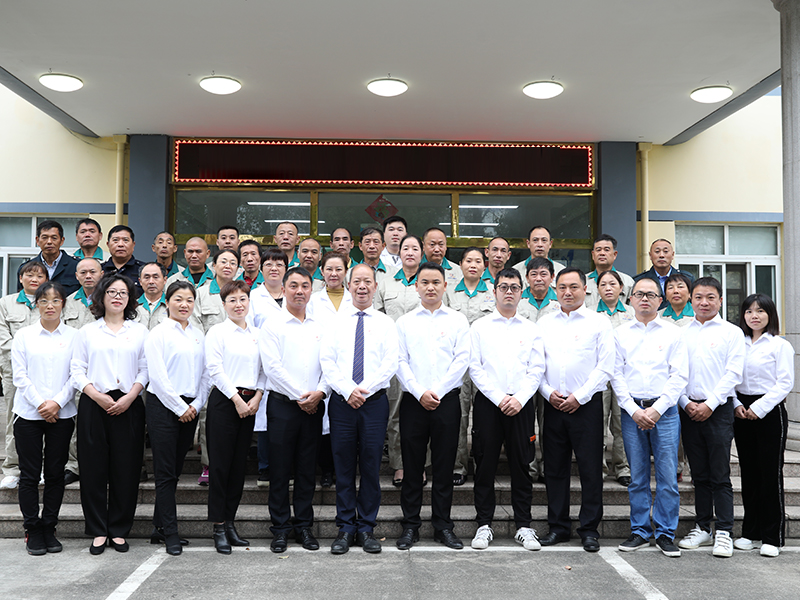
Our technical strength and reputation make us an industry leader in the field of desiccants and adsorbents. We maintain automated multi-functional production workshops, a dedicated central laboratory, and dynamic analytical laboratories equipped with large-scale monitoring and analytical instrumentation. This ensures that every batch meets rigorous international quality standards.
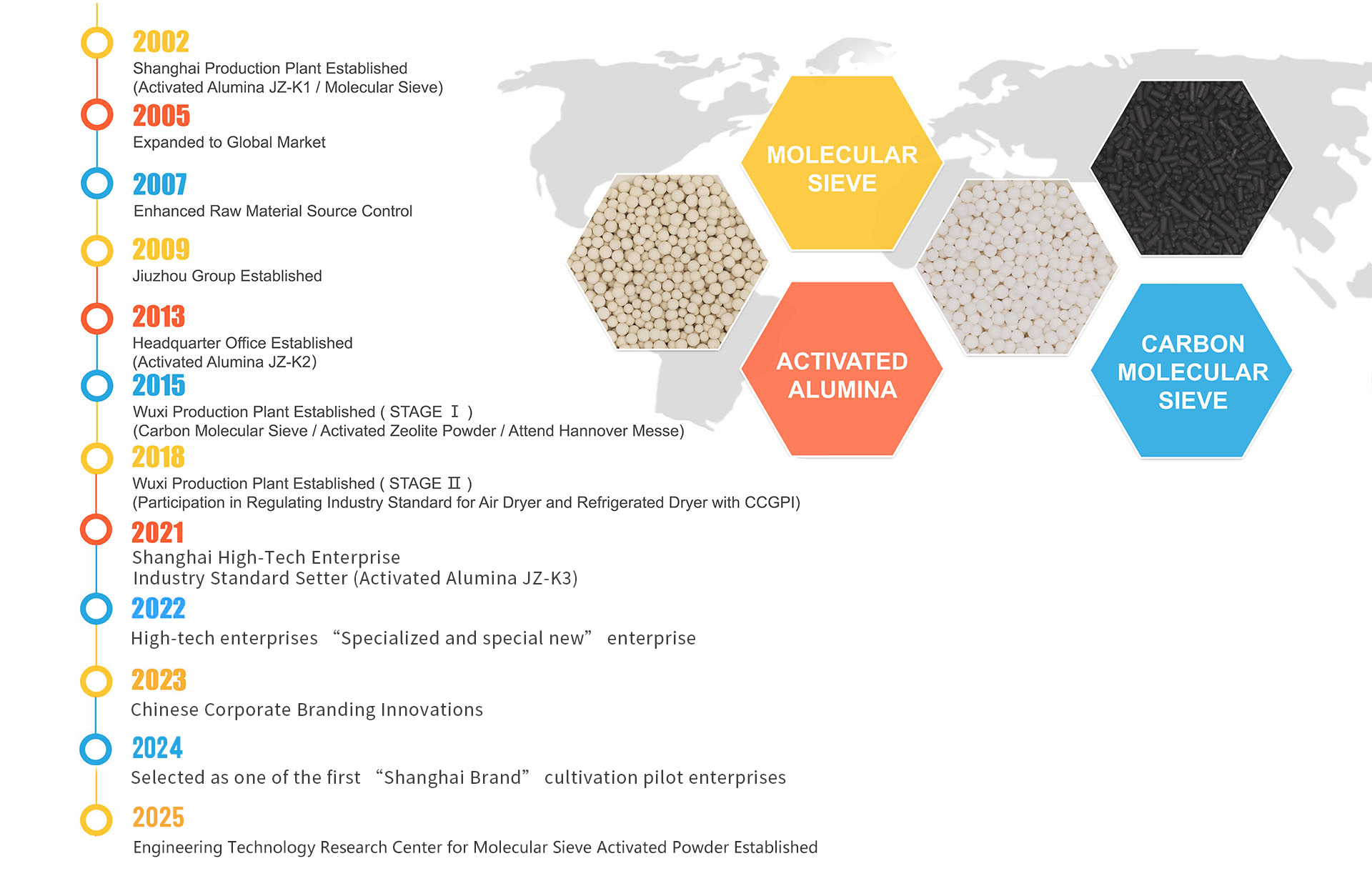
Strategically structured plants utilizing top-tier international production equipment to maintain absolute control over purity and consistency.
JOOZEO active participation in designing, writing, and regulating domestic and international chemical industry standards.
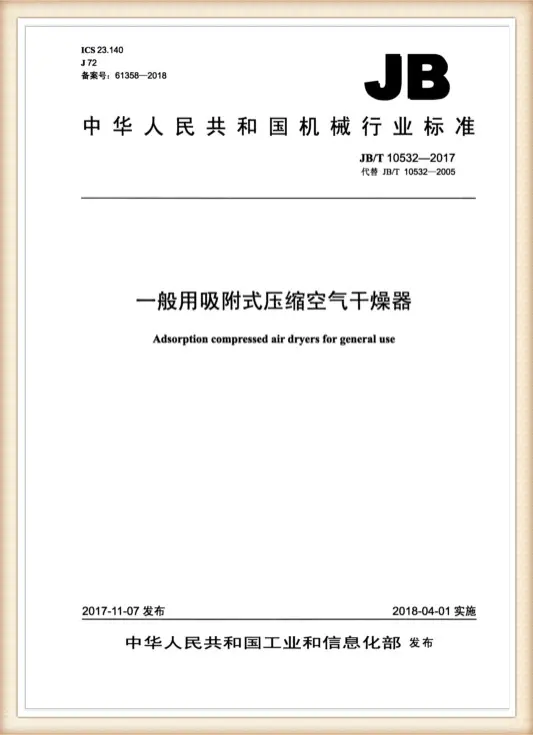
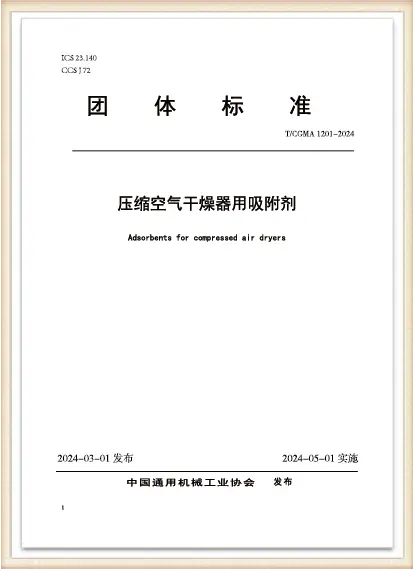
Adsorption compressed air dryers (general use)
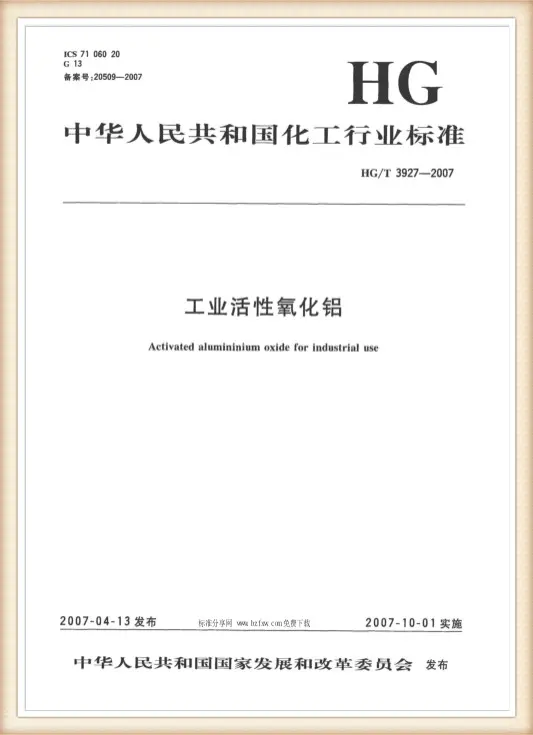
Activated aluminium oxide for industrial use
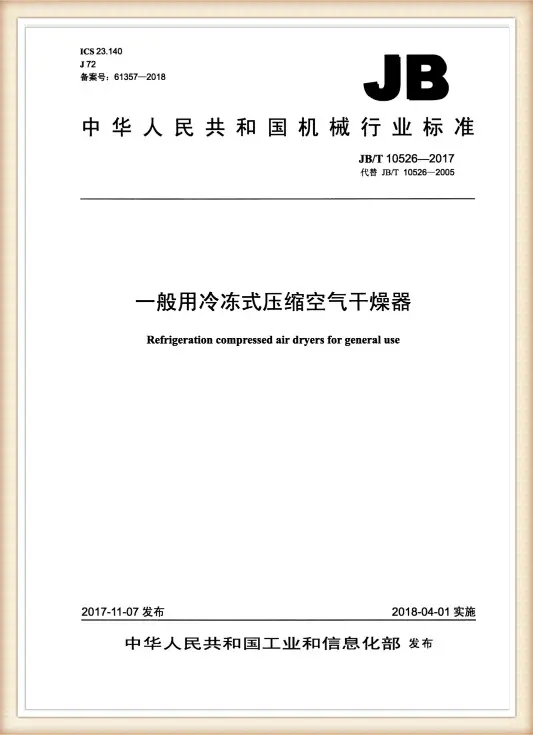
Refrigeration compressed air dryers (general use)
Industrial performance limits
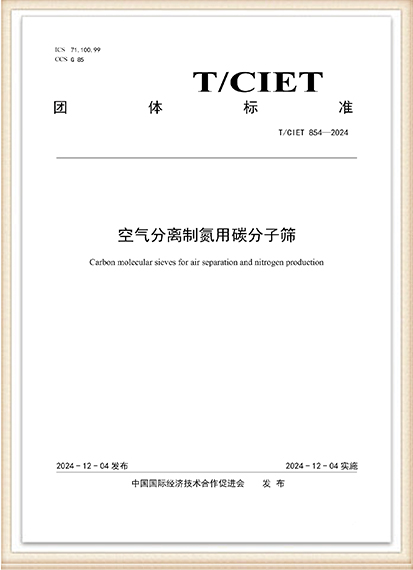
Chemical verification criteria
Eco-friendly manufacturing criteria
Unlocking logistics efficacy, robust upstream sourcing, and manufacturing scale advantages.
Chinese suppliers have direct access to diverse coal-based and coconut shell precursors. This reliable domestic raw material pipeline prevents price spikes and maintains chemical composition consistency across high-volume production runs.
Our advanced facilities utilize state-of-the-art Chemical Vapor Deposition (CVD) methods to customize the pore structures of carbon molecular sieves. We tune the pore openings to match specific gas stream compositions and generator configurations.
Based in Shanghai and near key ports like Ningbo, we ensure minimal transport delay, streamlined customs, and fast international container routes. This keeps transit costs low and shipping schedules highly predictable.
To simplify the supply process for overseas partners, we offer comprehensive compliance solutions and local sales assistance. We support local distribution networks in the United States, Europe, Japan, Southeast Asia, and the Middle East. By maintaining stock in regional warehouses, we shorten lead times and buffer clients against global shipping disruptions.
Our technical engineers provide on-demand virtual consultations to assist with nitrogen generator sizing, CMS loading density calculations, bed packing design, and trouble-shooting. We make sure that switching to our adsorbents is smooth, risk-free, and yields immediate operational savings.
JOOZEO commitment to environmental protection, reducing emissions, and supplying eco-friendly adsorption solutions globally.


How industries leverage carbon molecular sieves to generate protective atmospheres and ensure product quality.
Modified Atmosphere Packaging (MAP) uses nitrogen to displace oxygen in packages, preventing oxidation, rancidity, and bacterial growth. This process preserves the freshness, flavor, and texture of foods without chemical preservatives.
In wave and reflow soldering processes, a continuous blanket of nitrogen prevents oxide formation on delicate circuits, increases joint strength, reduces flux residue, and minimizes maintenance down-time.
Nitrogen is injected into storage tank vapor spaces to prevent volatile organic compounds (VOCs) from catching fire. This dry atmosphere also protects internal steel walls from rust.
Clear, professional answers to help you select, load, and maintain your carbon adsorbents.
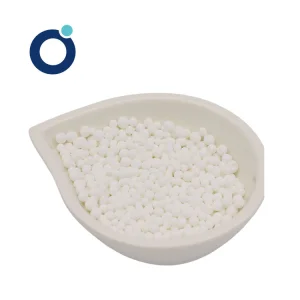
Explore our additional catalyst support materials and specialty desiccants designed to keep industrial gas systems moisture-free.
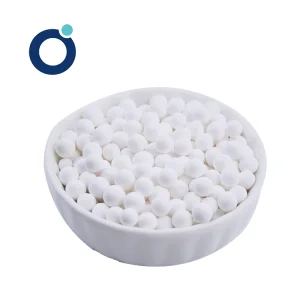
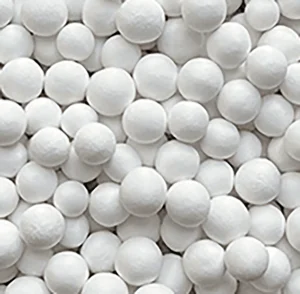
Our sales and technical support teams respond within 24 hours. Contact us for custom bulk quotes, technical parameters, or loading guide assistance.
Send Request