Engineered for extreme moisture removal, gas separation, and catalysis across global energy and petrochemical sectors.
Located in Shanghai, the premier economic and technological development hub of China, Shanghai Jiuzhou Chemicals Co., Ltd. (JOOZEO) has spent decades setting the standard for the research, design, and manufacture of high-end chemical adsorbents. With a relentless focus on quality control and manufacturing innovation, we serve global petrochemical, air separation, and drying equipment industries with state-of-the-art molecular sieves and desiccants.
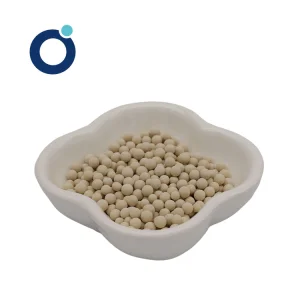
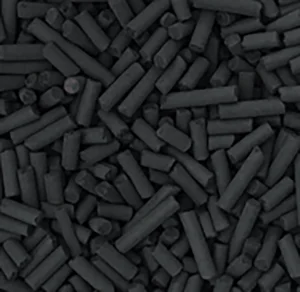
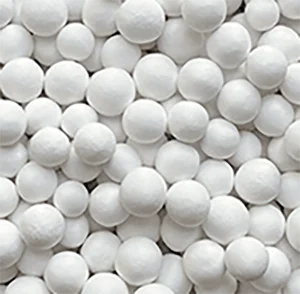
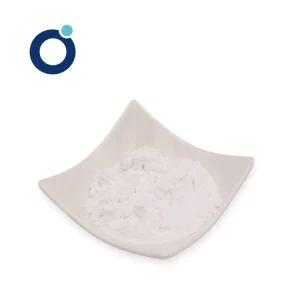
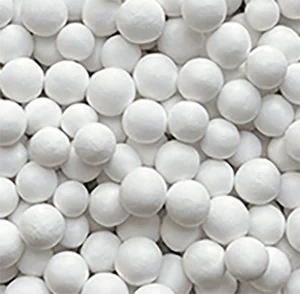
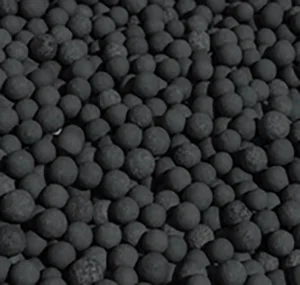
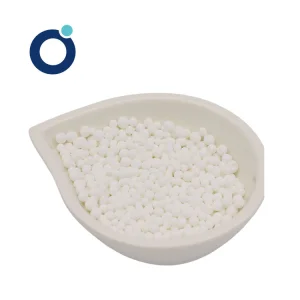
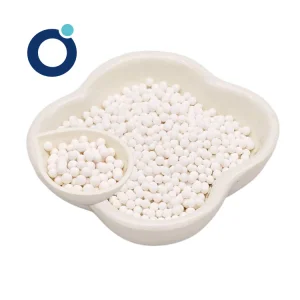
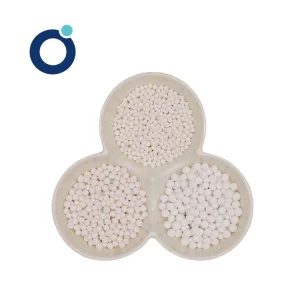
Our diverse catalog includes premium molecular sieve powders, active powders, activated alumina, aluminum oxide catalysts, ceramic ball packings, sodium silicates, and custom adsorbents. Every product conforms strictly to international quality criteria, backed by ISO 9001:2008, TUV, and SGS certifications. By combining advanced manufacturing systems with rigorous laboratory analytics, we deliver unparalleled dynamic water capacity, mechanical crush strength, and hydrothermal stability.
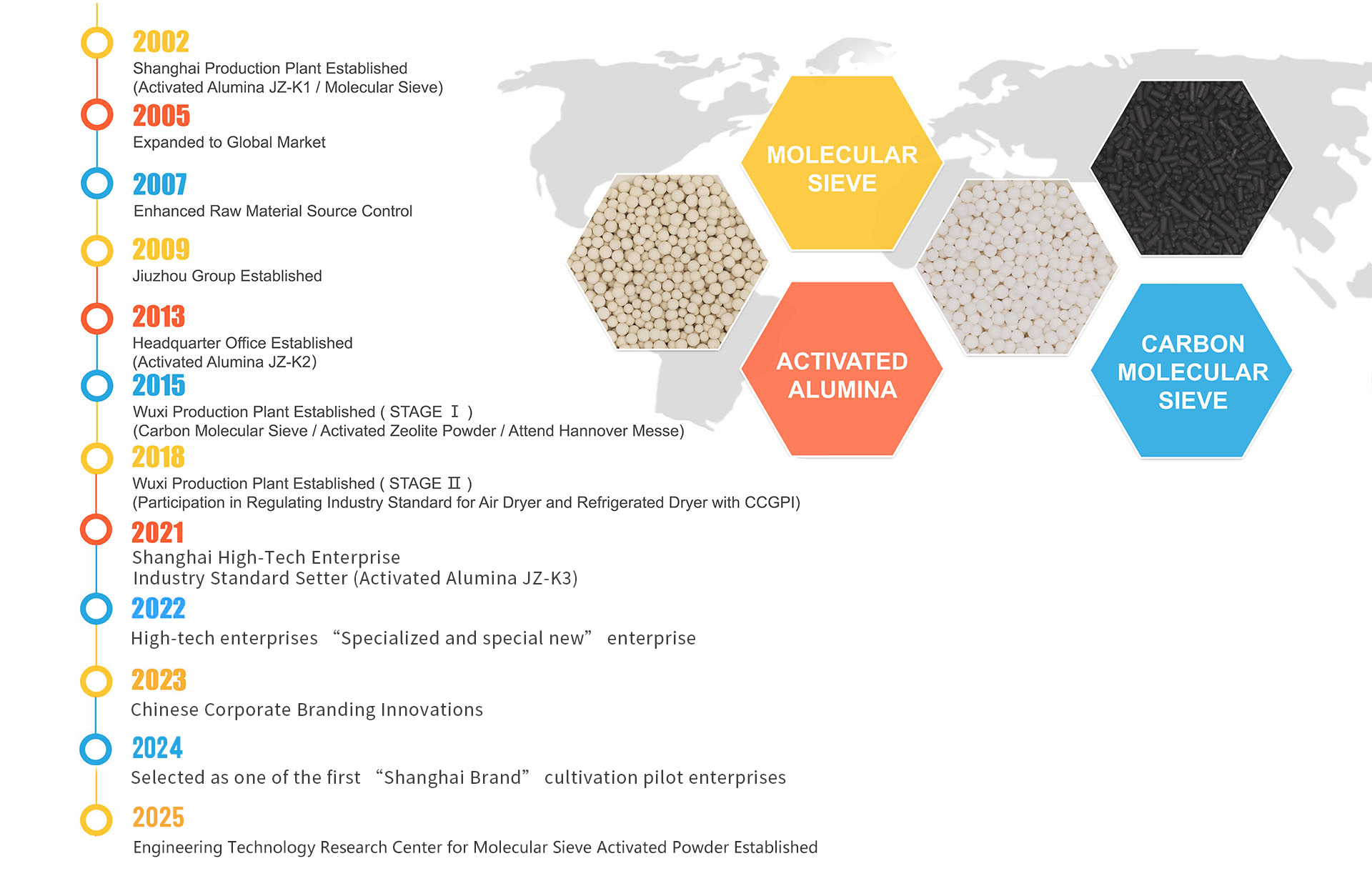
From advanced synthetic processes to raw material security, explore the structural advantages of JOOZEO's manufacturing network.
Unlike regional factories that depend on imported precursors, JOOZEO controls the synthetic process from sodium silicate and alumina hydrates to finalized crystal structures. This direct access stabilizes costs and isolates global partners from raw material market fluctuations.
Our production facilities utilize automated, gas-fired rotary calcination kilns equipped with high-precision multi-zone temperature regulators. This ensures uniform crystal template removal, consistent pore structure initialization, and optimal dynamic adsorption capacity.
Every production batch undergoes dynamic adsorption testing in our central laboratories. We measure exact water dew point suppression, mass transfer zone velocity, and hydrocarbon co-adsorption ratios, assuring performance matching or exceeding Western standards.
Integrated manufacturing capabilities optimized for rapid logistical dispatch and advanced material science formulations.
Specializing in high-purity molecular sieve crystallization, customized powder formulations, and premium catalyst carriers.
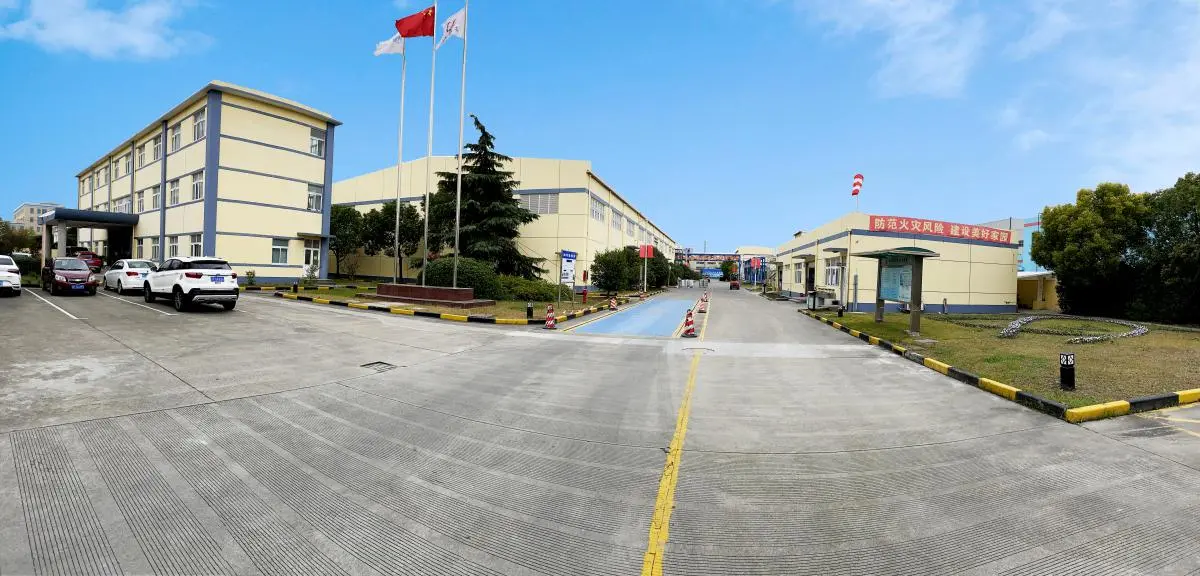
Focused on high-capacity industrial activated alumina, silica-alumina gel beads, and bulk chemical storage media.

The molecular sieve dryer industry is shifting toward energy efficiency and green chemistry. Here are the core technical drivers.
Traditional thermal swing adsorption (TSA) requires heating to 250°C-320°C. Modern modified zeolites target regeneration temperatures below 180°C, lowering process heating energy costs by up to 30% without sacrificing working capacity.
Hydrothermal degradation remains a primary cause of molecular sieve decay. Advanced crystallization methodologies incorporate rare-earth modifiers and silica-doping to protect the internal aluminosilicate matrix against high-pressure steam breakdown.
In natural gas drying, co-adsorption of heavy hydrocarbons, methanol, and sulfur species can reduce drying efficiency. Tailored pore-opening diameters (e.g., precise 3.2Å tolerances) prevent larger molecules from entering the zeolite structure, optimizing desiccant service life.
How our molecular sieves and desiccants solve complex purification challenges across global process industries.
Olefin purification, cracked gas drying, and ethylene feed purification demand minimal chemical reactions inside the desiccant bed. JOOZEO's low-coking molecular sieves prevent polymer buildup, extending active bed lifespans to over 5 years.
To prevent hydrate formation and corrosion in pipelines or cryogenic LNG liquefaction plants, natural gas must be dried to less than 0.1 ppmv water content. Our molecular sieves offer high dynamic capacity and rapid kinetics for reliable gas plant operation.
Removing CO2, H2O, and trace nitrous oxide (N2O) before cryogenic air separation avoids process blockages and safety hazards. Our composite beds of molecular sieve and activated alumina maximize protection for down-stream cold boxes.
JOOZEO is actively involved in drafting and maintaining national and industrial benchmarks for compressed air dryers and chemical desiccants.
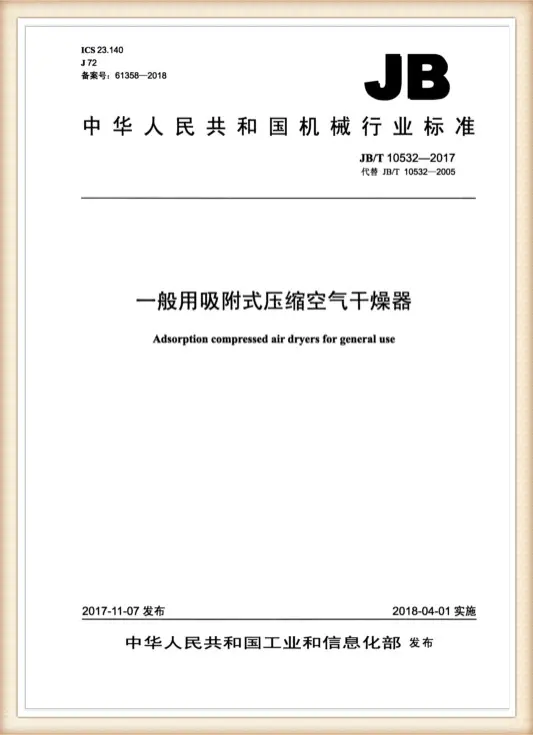
Adsorption compressed air dryers for general industrial use
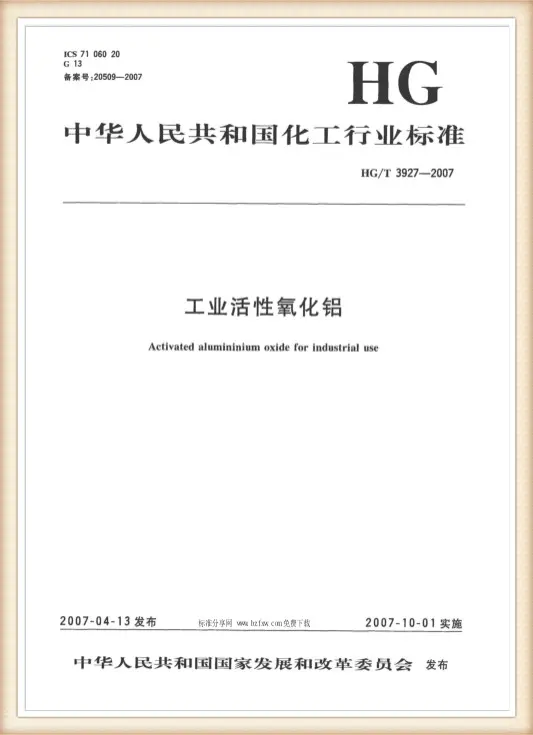
Activated aluminium oxide for industrial chemical use
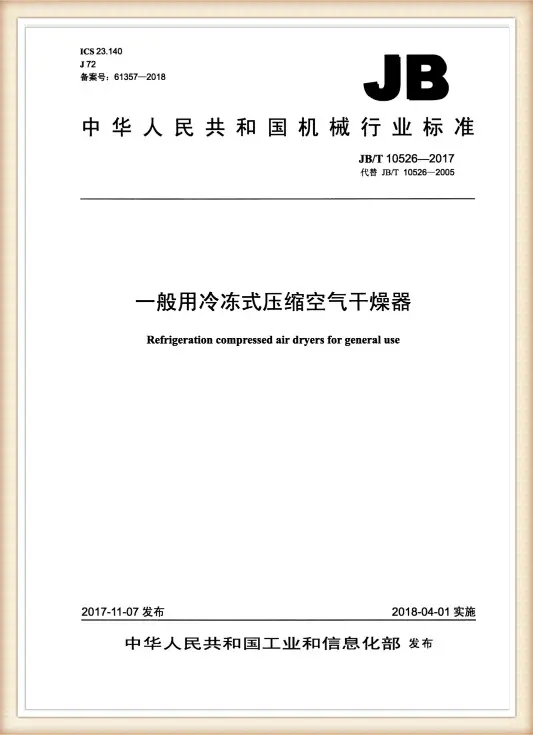
Refrigeration compressed air dryers for general industrial use
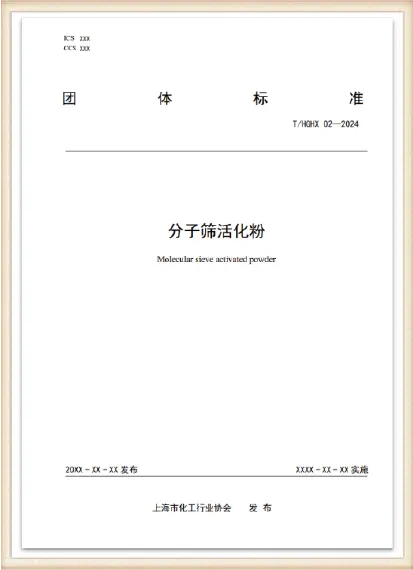
Advanced standard certification for gas equipment
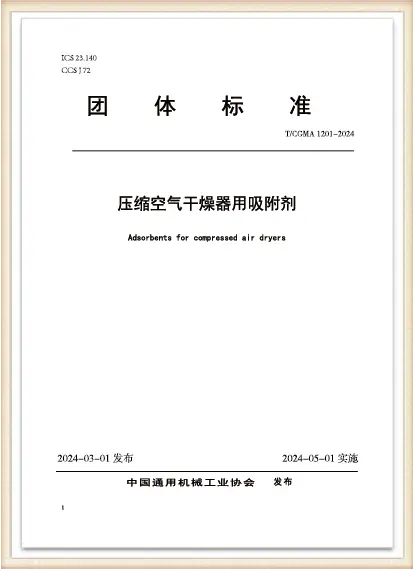
Chemical industry quality and testing standards
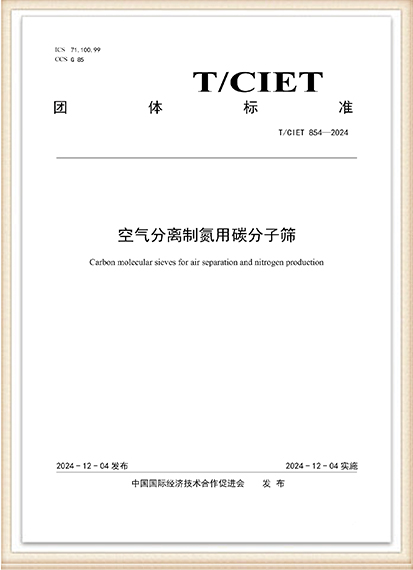
Industrial environmental and energy efficiency standard
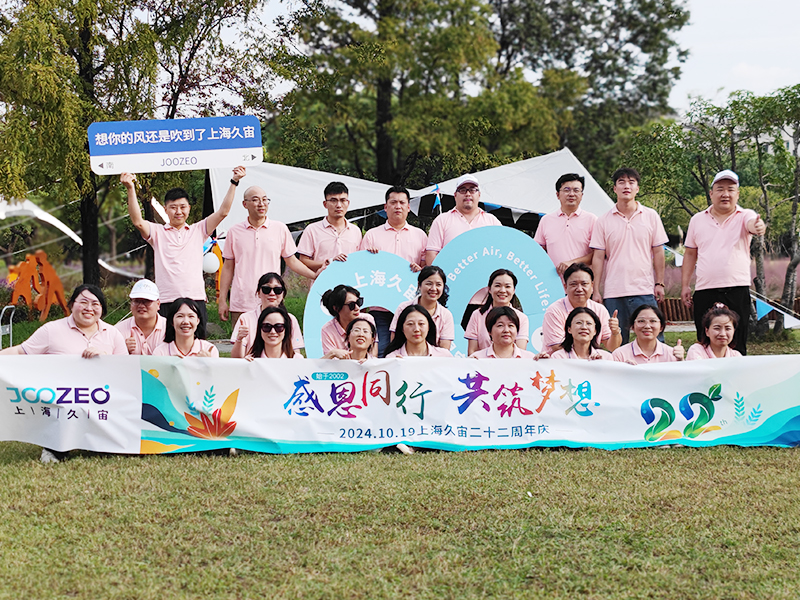
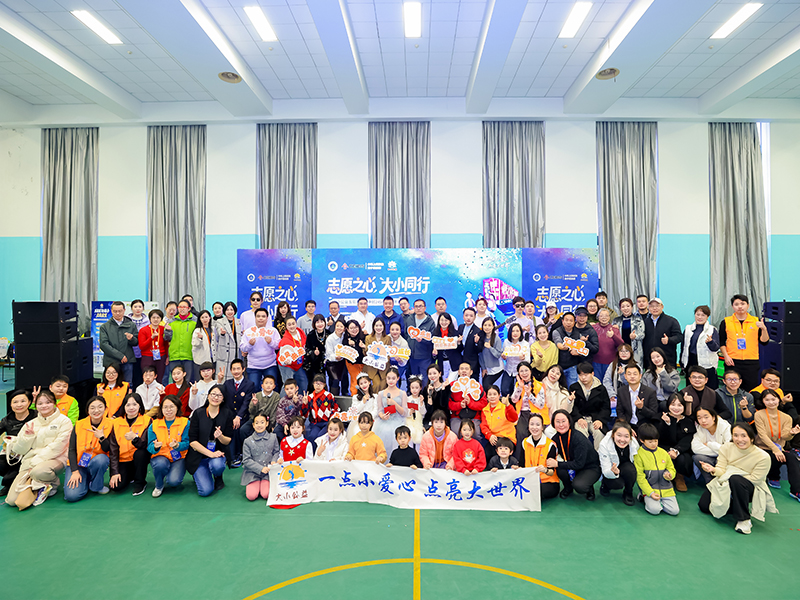
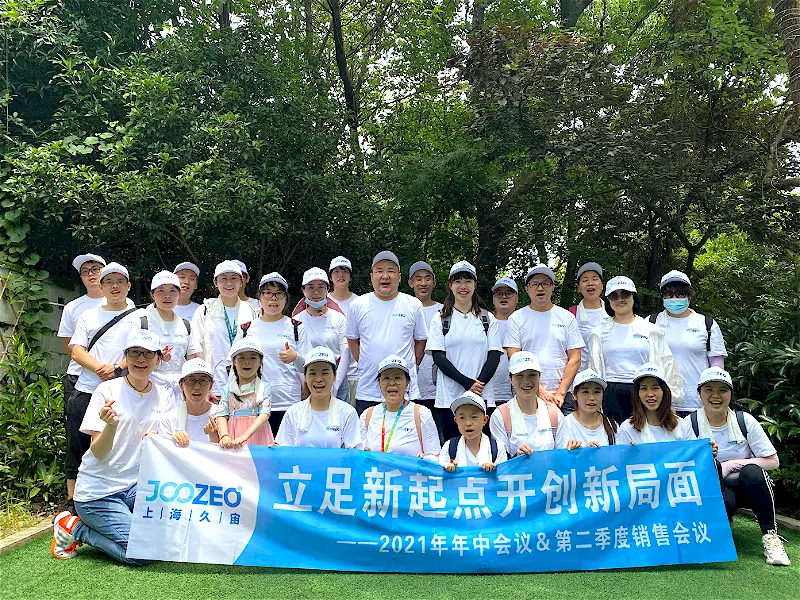
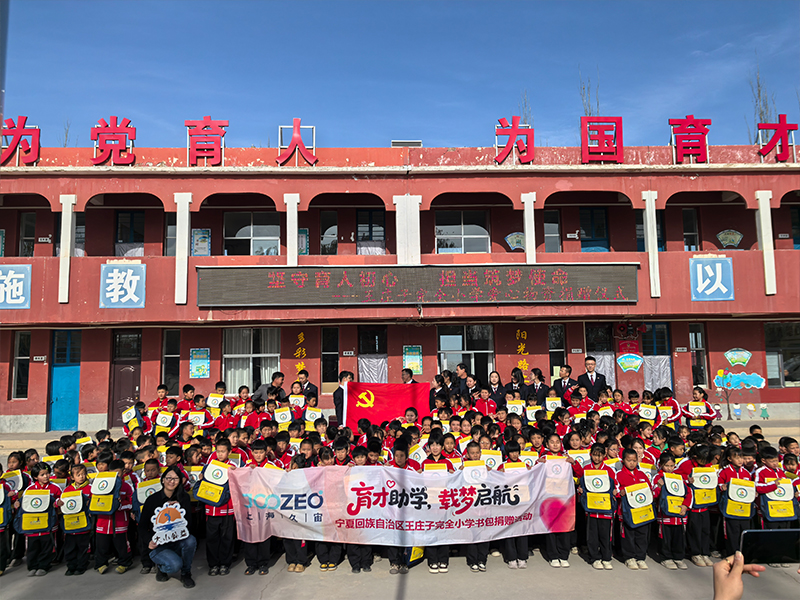
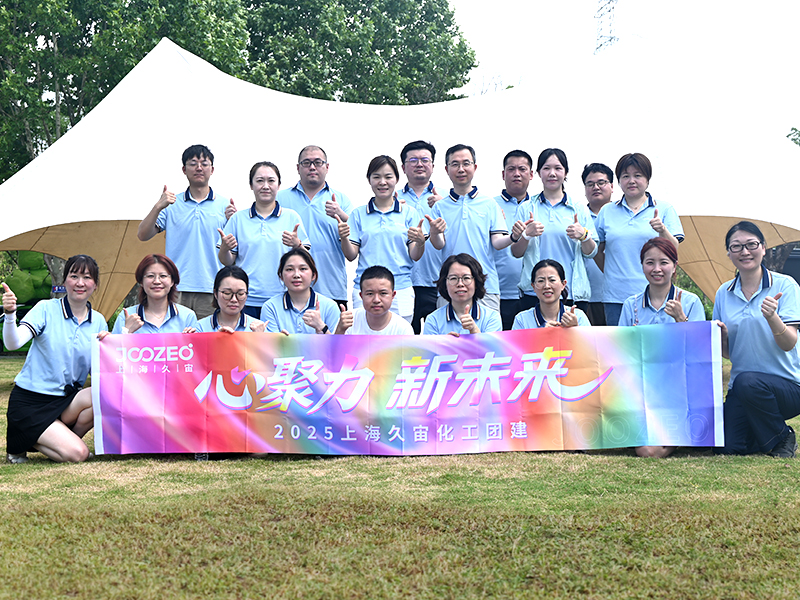
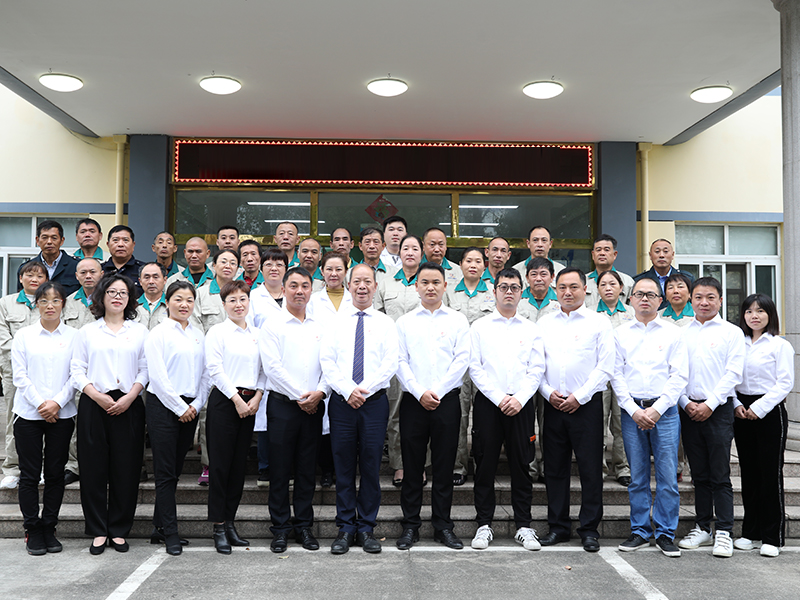
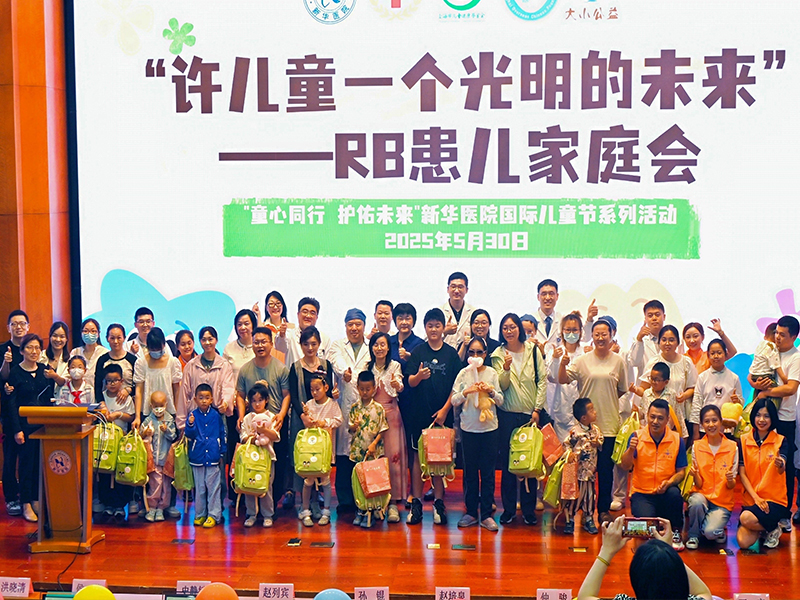
How our sustainable manufacturing practices contribute to resource conservation and cleaner global environments.
Find technical answers to common questions about molecular sieve dryers, regeneration, selection, and system design.
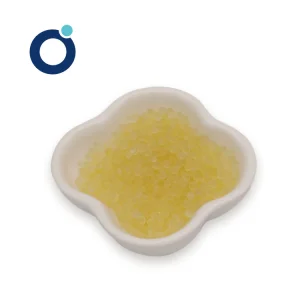
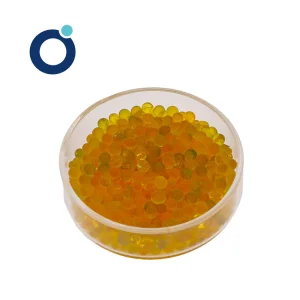
Premium silica gels, active powders, and custom adsorbents for specialized industrial separation processes.
Our engineers are standing by to help customize your desiccant selection, calculate bed lifetimes, and provide competitive volume quotes.
Send Inquiry Now