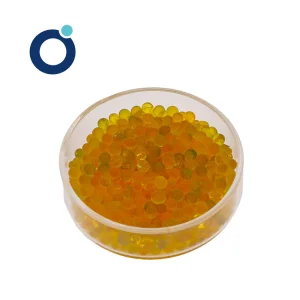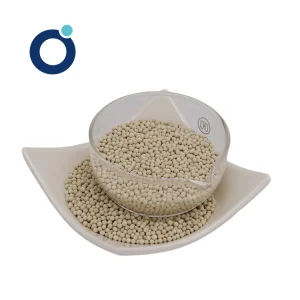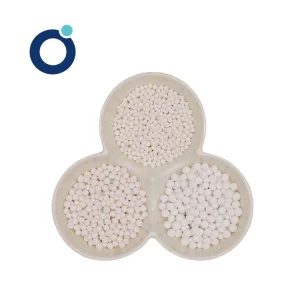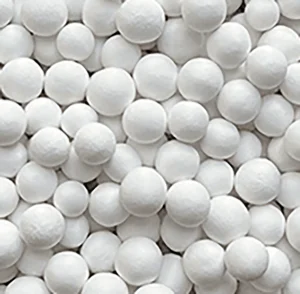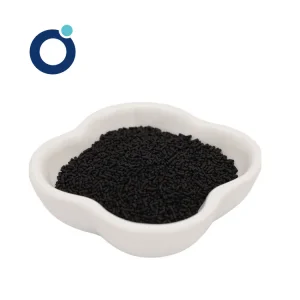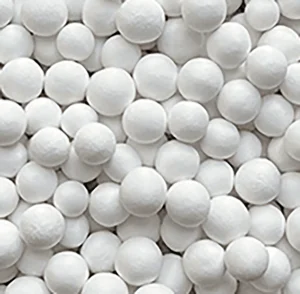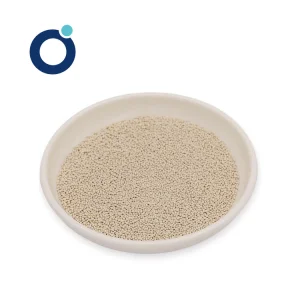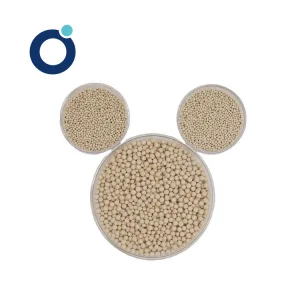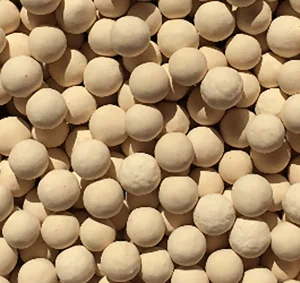
Molecular sieves designed for carbon dioxide (CO2) adsorption play a critical role in clean energy production, industrial gas processing, and environmental management. Unlike basic absorption columns utilizing liquid amines, solid molecular sieves leverage physical adsorption within a highly controlled crystal structure. The separation relies primarily on differences in molecule size, shape, and electrostatic affinity.
Synthesized crystalline aluminosilicates, notably Type 13X and modified Type 4A / 5A zeolites, possess a highly structured network of open channels and cages. The uniform pore diameter of 13X molecular sieves (approximately 10 Ångströms or 1.0 nm) is highly effective for CO2 removal. Since CO2 has a strong quadrupole moment, it interacts powerfully with the positive metal cations (such as sodium or calcium ions) present in the zeolite cages. This electrostatic force allows the zeolite to bind carbon dioxide molecules selectively, even from gas streams with high concentrations of nitrogen, hydrogen, or methane.
In modern industrial systems, CO2 removal is carried out using cyclic processes such as Temperature Swing Adsorption (TSA) or Pressure Swing Adsorption (PSA). The system parameters require careful optimization of kinetics, thermodynamic equilibrium capacity, and mechanical stability to prevent the adsorbent from crumbling under high flow rates.
For global engineering firms, chemical refineries, and natural gas plants, selecting a molecular sieve manufacturer involves evaluating strict performance indicators. Chemical composition alone does not guarantee a successful system installation.
Adsorbent beds are subjected to intense thermal expansion and pressure changes. If the particles have low crush strength, they disintegrate, generating dust that restricts gas flow, increases pressure drop, and lowers overall plant efficiency.
High breakthrough capacity ensures longer run times between regeneration cycles. Fast kinetics allow for shorter cycle times, reducing the footprint of the pressure vessel and the amount of adsorbent needed.
Desorbing CO2 typically requires heating the bed to temperatures between 200°C and 300°C. Modern engineered zeolites are designed to reduce the heat of adsorption, lowering thermal energy consumption during regeneration.
In response to these demands, global buyers look for manufacturers that provide rigorous batch testing reports. This includes surface area analysis (using the BET method), XRD measurements to verify crystallinity, and mercury porosimetry to check pore distribution.
China has become a leading supplier of advanced molecular sieves, driven by domestic raw material security and integrated industrial chemical infrastructure. Localized manufacturing offers distinct advantages in cost structure, scalability, and technical customization.
Founded in 1994, Shanghai Jiuzhou Chemicals Co., Ltd. (Joozeo) operates a modern 25,000 square meter manufacturing facility. Joozeo manages a fully integrated supply chain, sourcing high-purity sodium silicate and aluminum hydroxide, which are key precursors for molecular sieve synthesis. This integration ensures consistent chemical composition across production runs, minimizing performance variations from batch to batch.
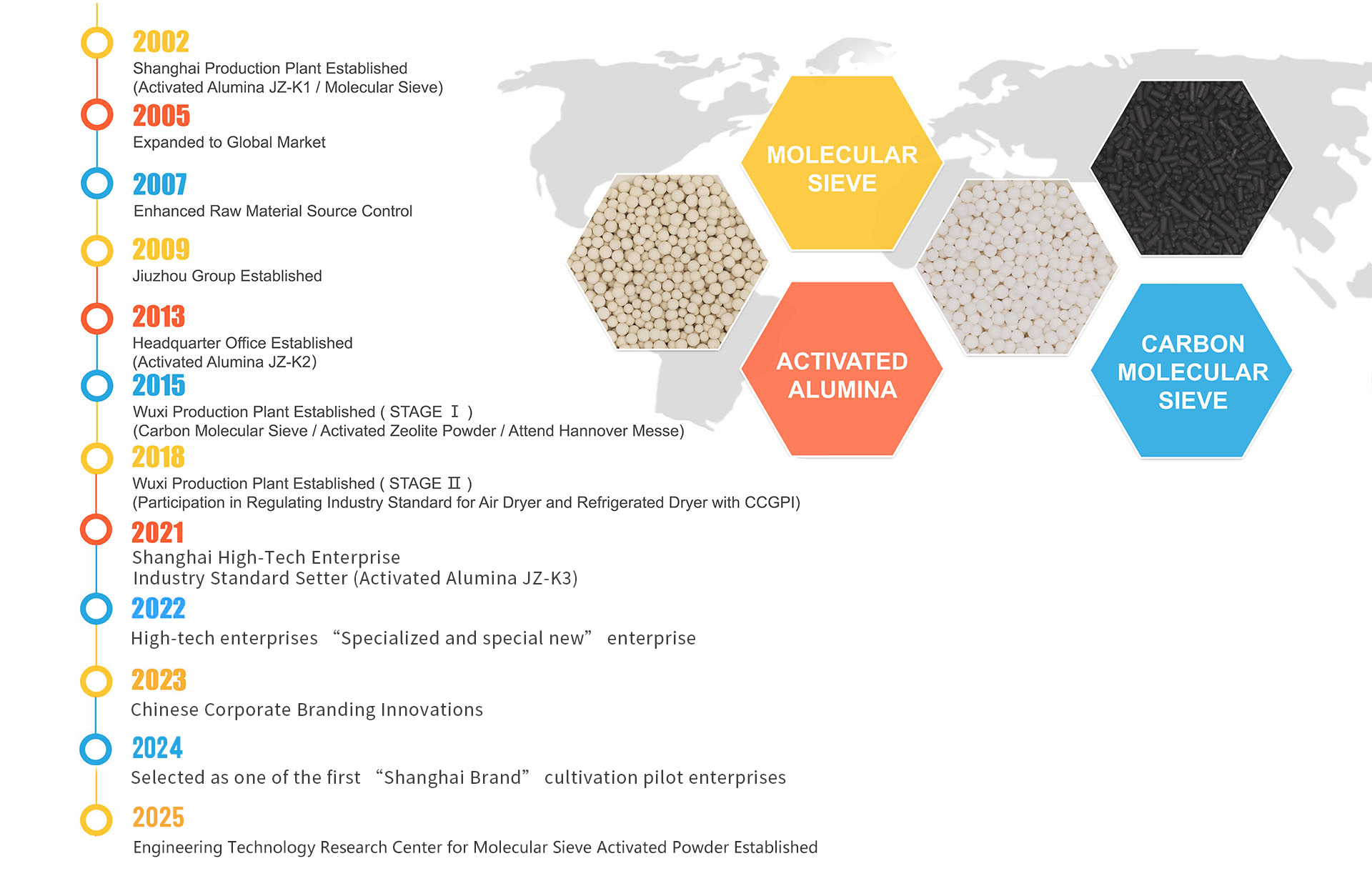
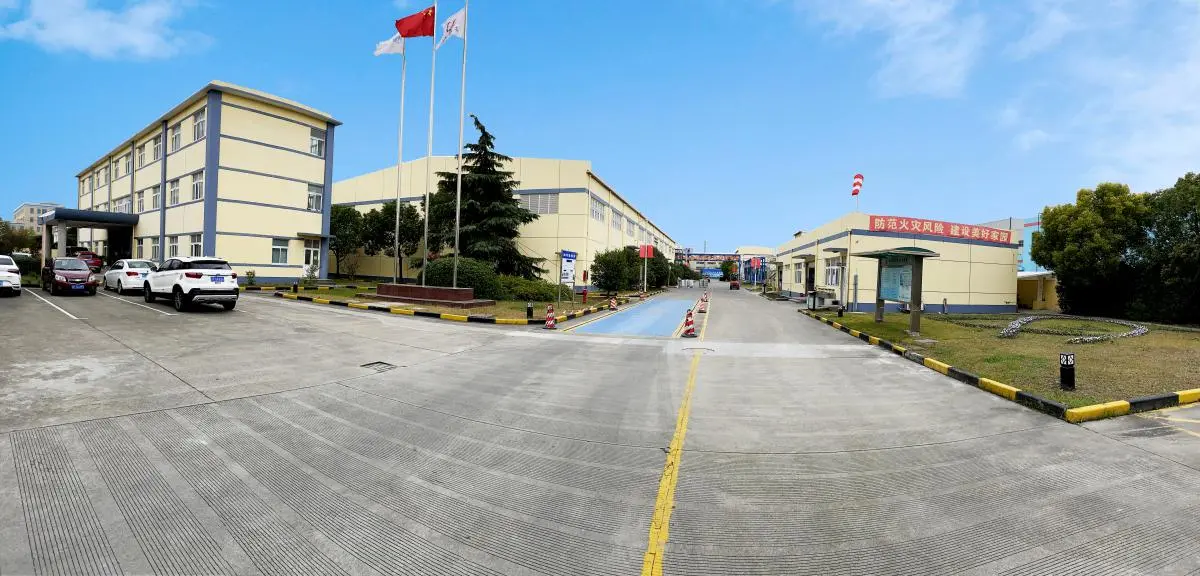
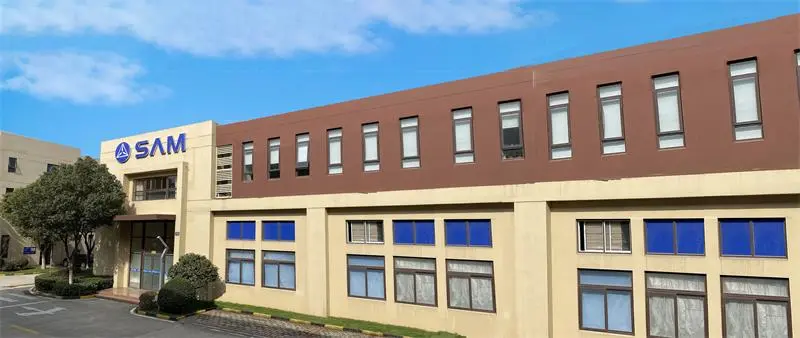
By operating modern, automated rotary kilns and specialized activation systems, Chinese manufacturers can scale production quickly. This allows them to handle large-volume orders for regional gas treatment plants and major petrochemical complexes while maintaining short lead times.
Reliable gas purification systems depend on strict manufacturing standards. Quality assurance at Shanghai Jiuzhou Chemicals is supported by third-party certifications including ISO 9001:2008, TUV, and SGS.
Joozeo's manufacturing processes align with domestic and international industrial standards, ensuring high-performance products for global engineering applications:
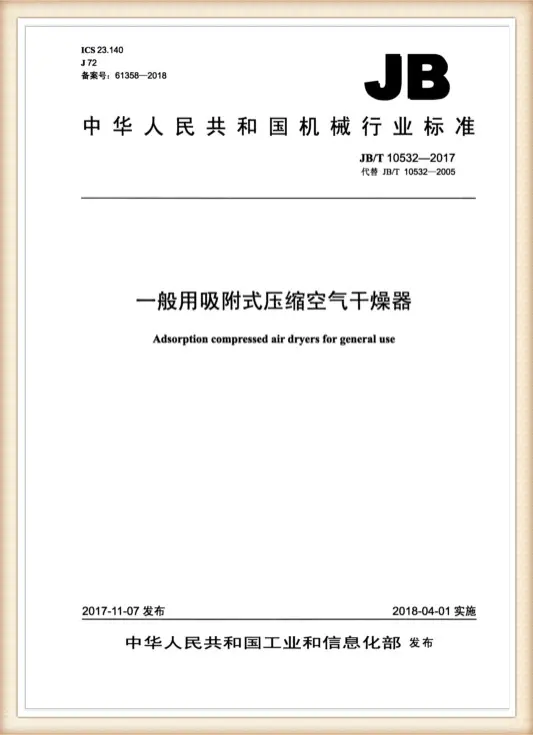
JB / T 10532-2017
Adsorption Compressed Air Dryers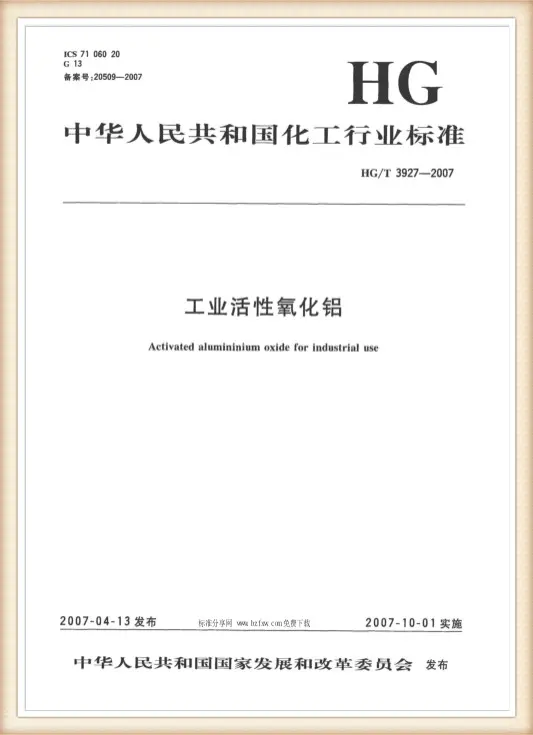
HG / T 3927-2007
Industrial Activated Alumina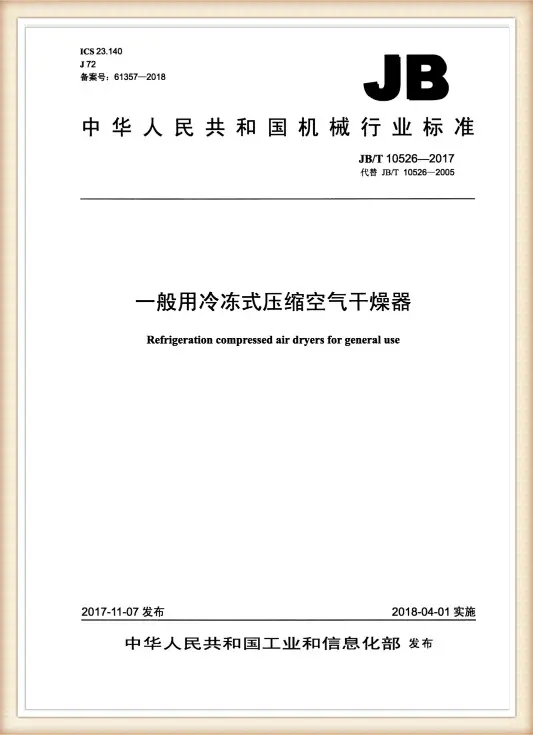
JB / T 10526-2017
Refrigeration Air Dryers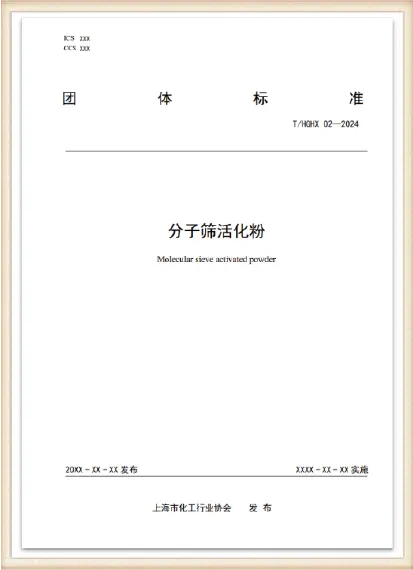
T/CGMA 1201-2024
Group Industrial Standard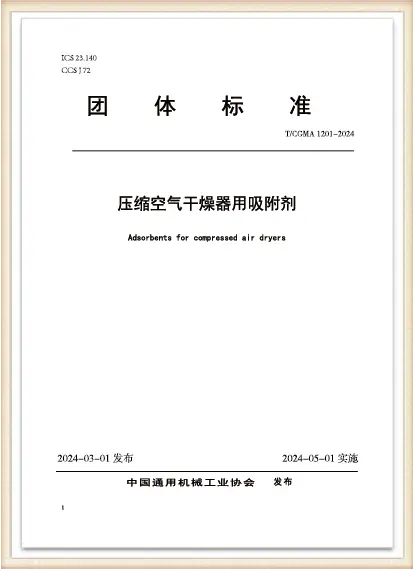
T/HGHX 02—2024
Chemical Adsorption Specification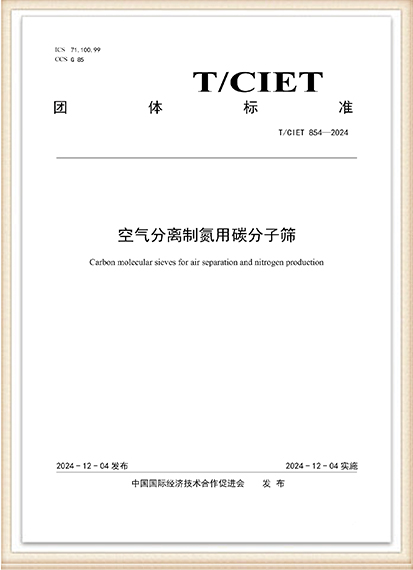
T/CIET 854-2024
Green Chemical InitiativeUsing calibrated dynamic labs and analytical equipment, the factory tests critical physical properties, including bulk density, attrition rates, and residual moisture content, to ensure consistent quality in every shipment.
Molecular sieves for CO2 removal are used across a range of gas-solid separation applications, each with distinct design and operating requirements:
| Application Scenario | Primary Zeolite Type | Target CO2 Concentration | Key Process System |
|---|---|---|---|
| Cryogenic Air Separation (ASU) | Modified 13X Zeolite | < 1 ppm (to prevent freezing) | Thermal Swing Adsorption (TSA) |
| Natural Gas Sweetening | 4A / 5A / 13X APG | Varies (pipeline spec < 2%) | High Pressure TSA / PSA |
| Biogas Upgrading | Carbon Molecular Sieve / 13X | Reduced from ~40% to < 0.5% | Vacuum Swing Adsorption (VSA) |
| Hydrogen Purification (SMR) | 5A / Active Carbon / CMS | Purified down to ppm limits | Multi-Bed PSA Systems |
| Petrochemical Feed Gas Treatment | 13X-APG / Customized Silicalite | Sub-ppm level extraction | Continuous TSA Loop |
In cryogenic air separation units (ASUs), removing trace carbon dioxide and water is essential. If not captured, CO2 freezes inside the main heat exchanger, blocking channels and requiring system shutdown for defrosting. For these systems, manufacturers supply specialized 13X-APG (Air Purification Grade) zeolites, which offer high dynamic CO2 capacity even at low partial pressures.
Guided by the mission "Better air, Better life," Joozeo focuses on minimizing its environmental footprint. The factory uses energy-efficient heat recovery systems in its calcination tunnels, reducing greenhouse gas emissions during production.

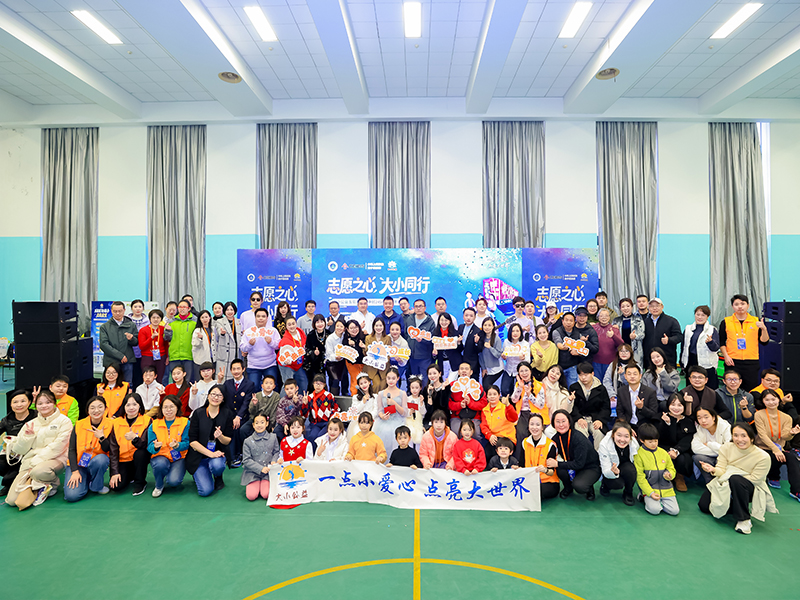
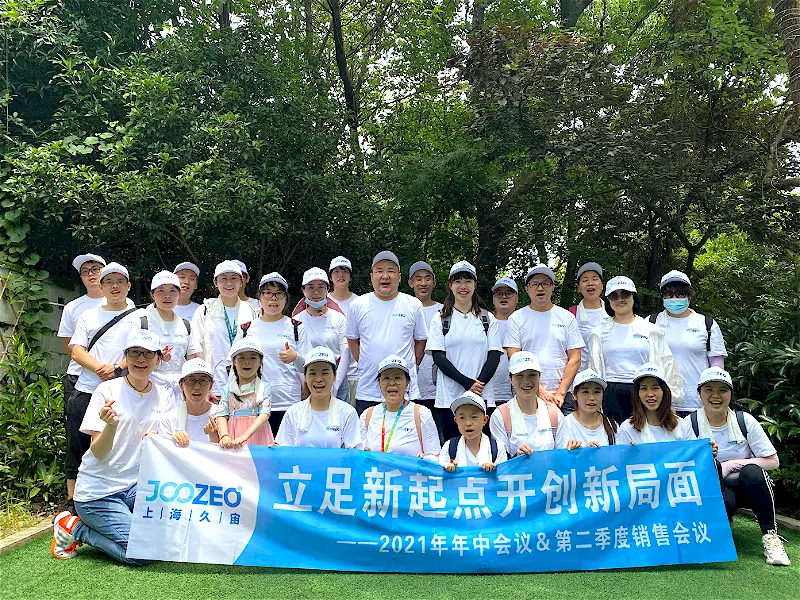
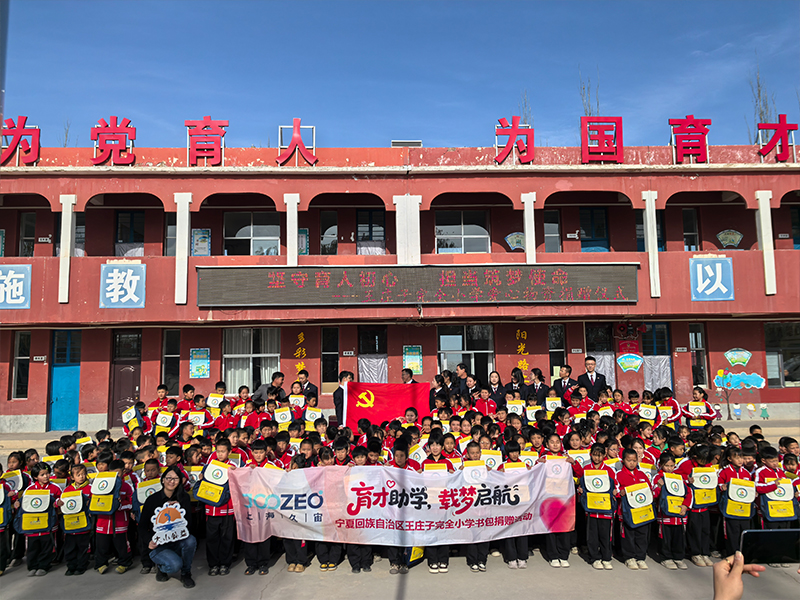

Additionally, Joozeo participates in green manufacturing assessments under international frameworks. The company focuses on developing recyclable adsorbent materials that can be safely repurposed at the end of their operational lifecycle, supporting a circular economy.
In typical industrial operations under standard conditions, high-quality molecular sieves last between 3 to 5 years. The lifespan depends heavily on feed gas purity, fluidization control, regeneration temperatures, and the presence of impurities like heavy hydrocarbons or acid gases, which can poison the adsorbent site.
A 13X molecular sieve has a larger pore opening (approx. 10 Å) and a higher dynamic capacity for CO2 due to its structural cation configuration. A 4A molecular sieve (pore opening approx. 4 Å) is typically used for dehydration. However, it can also co-adsorb CO2 in specific applications where larger molecules must be excluded from entering the inner crystal surface.
For complete regeneration of CO2-loaded zeolites in a TSA system, bed temperatures should reach between 200°C and 350°C. Using dry, CO2-free purge gas is important to assist desorption and carry away the released carbon dioxide.
Yes, molecular sieves can co-adsorb both water and carbon dioxide. However, water is more polar and binds more strongly to the zeolite sites than CO2. In systems containing both compounds, water is adsorbed first, creating a water-adsorption zone that pushes the carbon dioxide adsorption zone further down the bed.
Contact our engineering support team to discuss your CO2 removal requirements. We provide tailored solutions and quotes within 24 hours.
Send Request