Explore our premium industrial-grade desiccants, alumina catalysts, and synthetic molecular sieves developed for demanding process conditions.
A global leader in quality control and process innovation for adsorption engineering since 1994.
Shanghai Jiuzhou Chemicals Co., Ltd. is strategically based in the economic hub of Shanghai. Over three decades of consistent R&D, Jiuzhou has prioritized strict quality control systems and material innovations to supply high-purity chemical auxiliaries worldwide. We operate as a prominent domestic and international supplier of molecular sieve powders, synthetic molecular sieves, activated powders, activated alumina catalysts, high-grade ceramic packing structures, sodium silicates, and environmental zeolite systems.
Every batch of our product is fully certified under the ISO9001:2008 Quality Management System and verified by TUV & SGS. Our manufacturing plants rely on automated synthesis reactors and dynamic adsorption assessment laboratories to ensure that our outputs easily match and exceed ISO, ASTM, and DIN performance benchmarks.
Our products serve key global markets including the United States, Southeast Asia, Japan, Europe, the Americas, and the Middle East, offering customized, energy-efficient solutions for modern chemical plants, gas plants, and process industries.
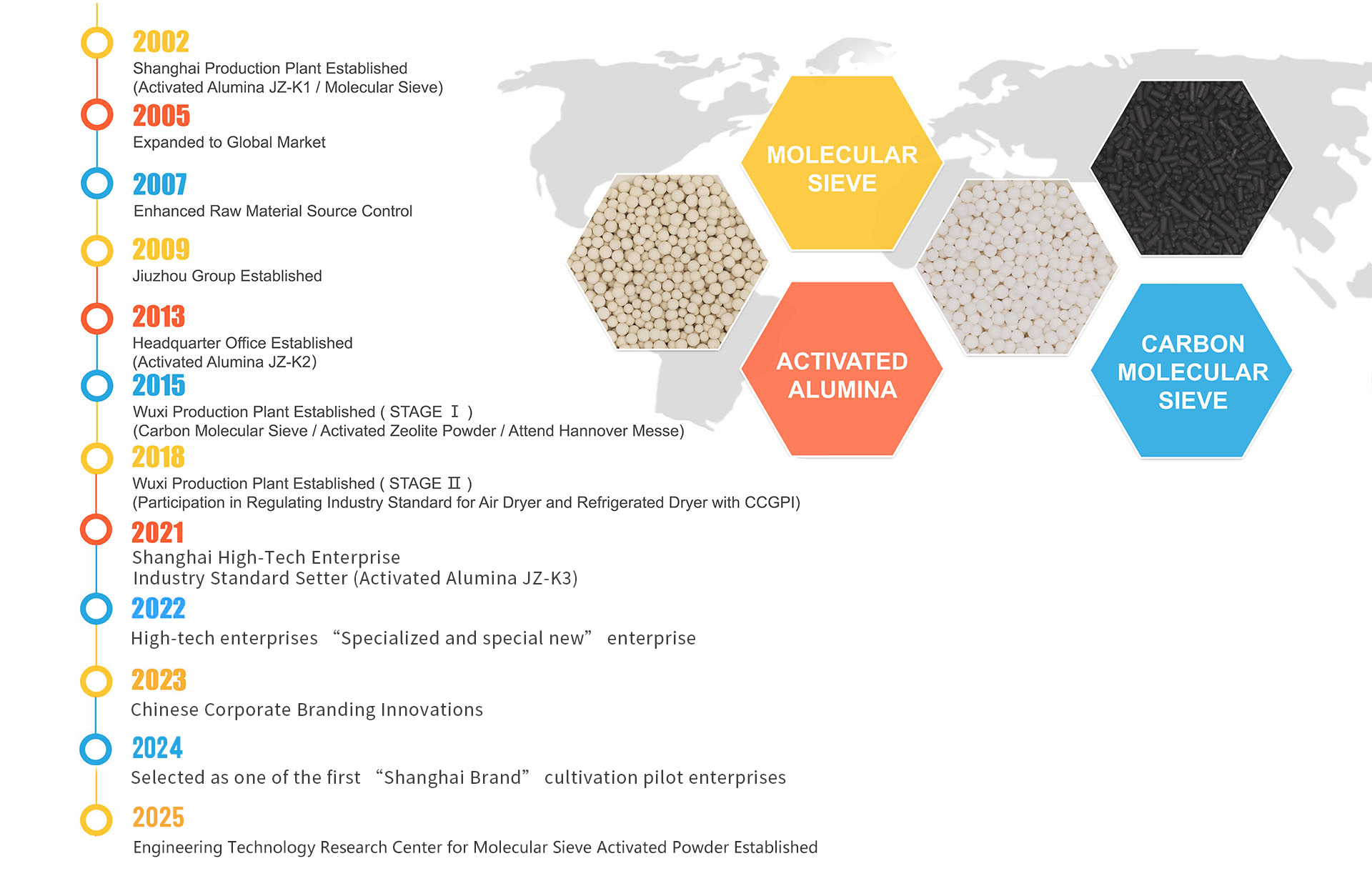
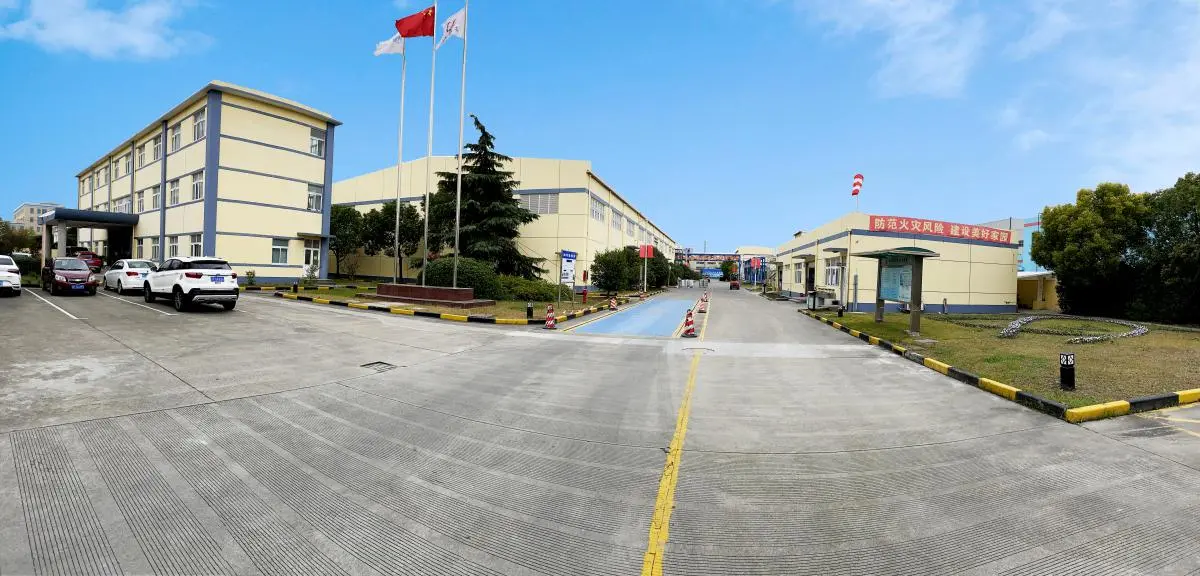
To support global supply lines, Jiuzhou maintains two major production hubs:
Both production sites run fully closed automated packaging systems that prevent moisture ingress during staging and shipment. Our central dynamic laboratory is outfitted with advanced gas chromatographs, mercury porosimeters, and surface area analyzers to verify mechanical crush strength, attrition loss rates, and static/dynamic adsorption capacities prior to batch authorization.

Jiuzhou is proud to co-author and set key national and industrial standards for the Chinese compressed air treatment and industrial desiccant industries.
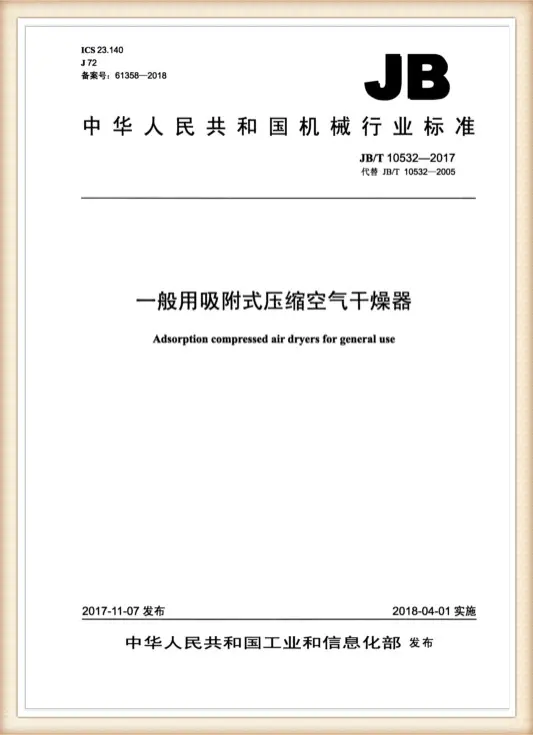
Adsorption compressed air dryers for general industrial use. Defines pressure dew point rules, safety relief parameters, and desiccant life calculations.
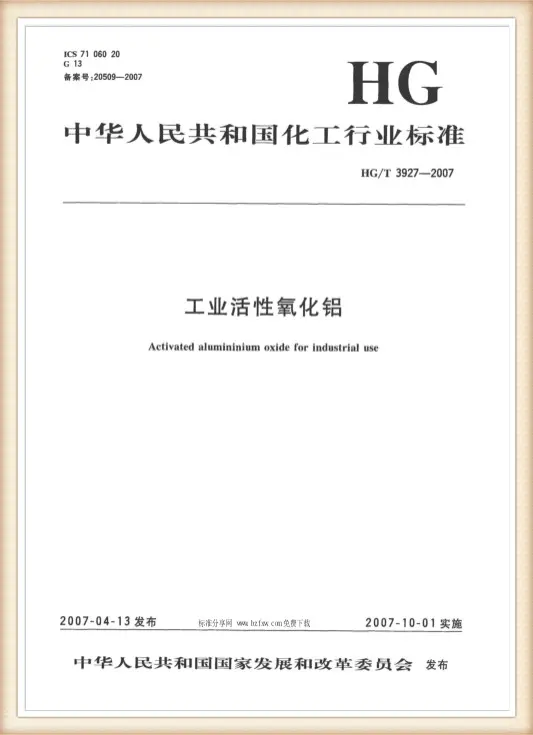
Activated aluminum oxide for industrial use. Specifies physical and chemical characteristics, test methods, packing rules, and transport metrics.
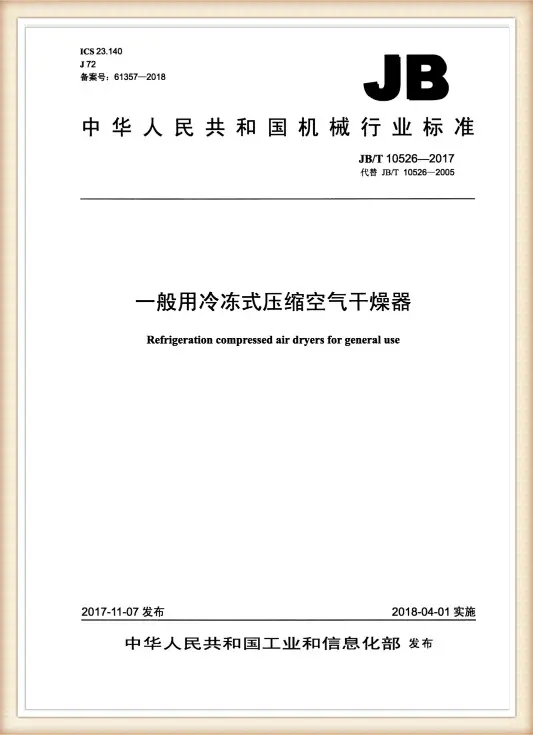
Refrigeration compressed air dryers for general industrial use. Sets strict criteria for heat exchangers and condensation limits.
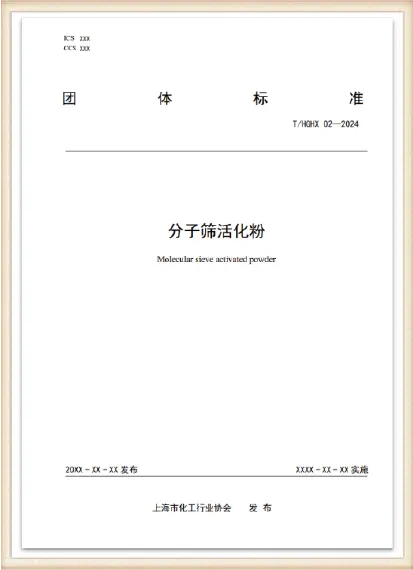
Next-generation association standard for energy-efficient compressed air drying systems and desiccant regeneration metrics.
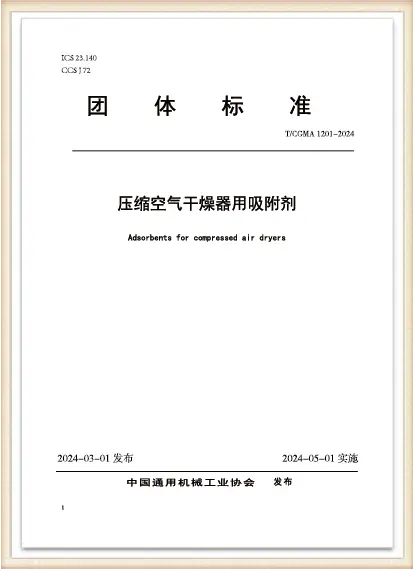
Establishes performance testing methods for industrial synthetic molecular sieves and environmental adsorption agents.
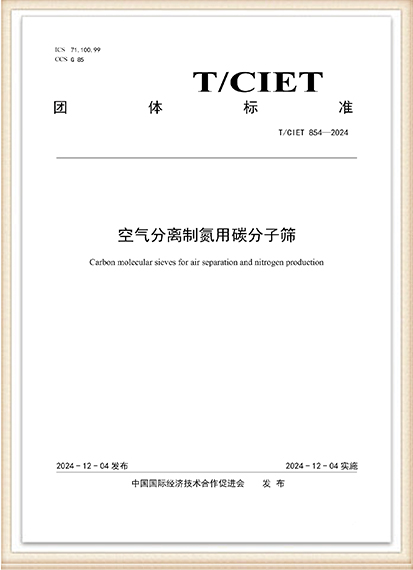
Industrial desiccant lifecycle carbon assessment standard, aligning factory production paths with global green trade policies.
An in-depth chemical engineering review of synthetic silica gels, molecular sieves, and catalytic carriers in modern manufacturing.
In modern process industries, the control of trace moisture, acid gases, and heavy hydrocarbons is critical to system integrity and environmental safety. Synthetic silica gels, activated alumina, and zeolites are no longer considered simple commodities; they are high-performance materials designed with precise pore sizes and specific surface chemistries. Global requirements have shifted toward desiccants that offer higher thermal stability, chemical inertness, and lower attrition rates during thermal swing adsorption (TSA) or pressure swing adsorption (PSA) cycles.
The global demand for high-grade silicone gels and aluminosilicates is driven by the expansion of clean energy networks, LNG processing terminals, and zero-emission manufacturing systems. Traditional desiccants suffer from structural collapse under acidic conditions or high temperatures. To address this, modern chemical processors are turning to specialized formulations like water-resistant silica gel (JZ-WSG) and specialized molecular sieves (JZ-3ZAS, JZ-404B) to safeguard downstream equipment from corrosion, catalyst poisoning, and ice formation.
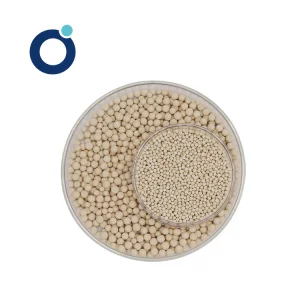
Natural gas contains water vapors that must be reduced below 0.1 ppmv before liquefaction to prevent freezing in cryogenic heat exchangers. Highly structured molecular sieves (such as JZ-512H and JZ-404B) target water molecules with high selectivity while resisting hydrocarbon co-adsorption.
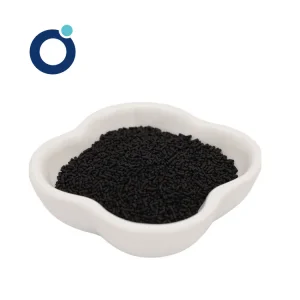
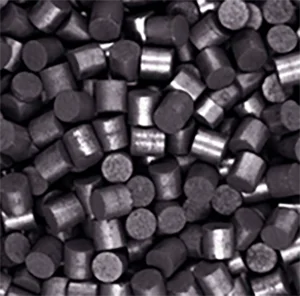
For high-purity nitrogen and oxygen generation, Carbon Molecular Sieves (JZ-CMS and JZ-CMS2N) utilize ultra-fine pore structures to separate oxygen from nitrogen. This provides a cost-effective, continuous on-site gas supply for food packaging, electronics manufacturing, and metallurgical processes.
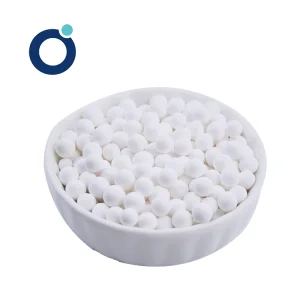
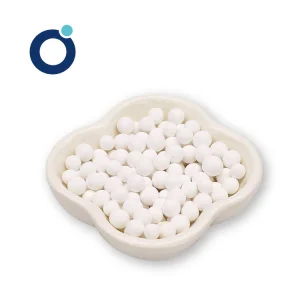
Activated alumina derivatives (JZ-K1, JZ-K2, JZ-K3) function as catalyst carriers or direct Claus catalysts in sulfur recovery plants. Their high thermal stability and customizable surface areas prevent chemical breakdown and preserve operational run times.
Understanding how ambient conditions and regional industrial setups demand specific desiccant configurations.
Industrial adsorption processes must account for localized environmental challenges. Humidity profiles, local air pollution indexes, and water availability significantly influence desiccant longevity. Our application engineers analyze these variables to design optimized system solutions:
| Application Environment | Target Challenge | Recommended Material | Design Consideration |
|---|---|---|---|
| High-Humidity Coastal Zones (e.g., Southeast Asia, Gulf Coast) | Liquid water droplets entering the desiccant bed, causing standard silica gel to fracture. | JZ-WSG (Water Resistant Silica Gel) + JZ-SG-B | Install a protective buffer layer of JZ-WSG (10-20% of bed height) to absorb free water before gas contacts the primary desiccant. |
| Industrial Petrochemical Parks (e.g., Rotterdam, Houston) | Acid gas components (H2S, CO2) causing chemical degradation of basic molecular sieves. | JZ-SAG (Alumina Silica Gel) | Utilize acid-resistant silica gel structures to maintain capacity under chemical stress. |
| Cold & Mountainous Regions (e.g., Northern Europe, Canada) | Low-temperature condensation and trace oil mist contamination in air dryers. | JZ-K1 (Activated Alumina) + JZ-512H | Configure dual-layer desiccant beds to manage moisture removal at varying temperature levels. |
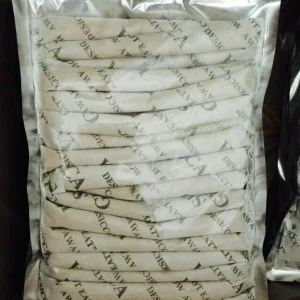
| Enclosed Packaging Systems (e.g., Electronics, Pharmaceuticals) | High packaging speeds, tight space constraints, and strict dust emission limits. | JZ-MSDB (Molecular Sieve Packs) | Pre-packed, dust-free non-woven packaging ensures safe contact with sensitive electronics. |
How Jiuzhou's integrated domestic supply chain provides reliable delivery times and stable pricing structures.
Global supply networks face ongoing challenges from volatile shipping routes and fluctuating raw material costs. Jiuzhou mitigates these risks by maintaining raw material integration. We source high-purity silicates and aluminas from local chemical corridors, ensuring stable operations even during volatile market cycles.
Our dual-factory strategy offers key logistics advantages. Our Shanghai factory is situated near one of the world's busiest deep-water shipping terminals, minimizing overland freight times. The Wuxi facility handles heavy manufacturing with access to inland rail links, providing cost-effective shipping routes across Eurasia.
By using automated manufacturing technologies, we maintain tight control over energy inputs, enabling us to offer competitive, long-term pricing agreements to our international partners.
A look at the next generation of eco-friendly, carbon-neutral adsorption technologies developed by Joozeo.
As chemical manufacturing shifts toward sustainable production processes, the demand for green chemical auxiliaries is growing rapidly. Joozeo's R&D roadmap focuses on three primary developments: reducing the regeneration energy of desiccants, increasing selectivity for green hydrogen synthesis, and phasing out hazardous indicator metals in silica gels.
Traditional molecular sieves require thermal regeneration temperatures between 200°C and 320°C. Our next-generation aluminosilicates aim to reduce this threshold to 120°C–150°C, helping operators lower energy usage in steam and electric gas dehydration systems.
As green hydrogen (H2) and biomethane networks expand globally, new adsorbent compounds are required to separate carbon dioxide and trace sulfur compounds without losing valuable product gas. Our carbon molecular sieve research program is designed to meet these specific needs.
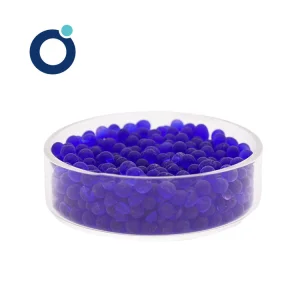
In compliance with modern safety requirements, we are phasing out cobalt chloride indicators in blue silica gel formulations. Our newer silica gels utilize organic indicators, offering clear color changes without environmental risks.
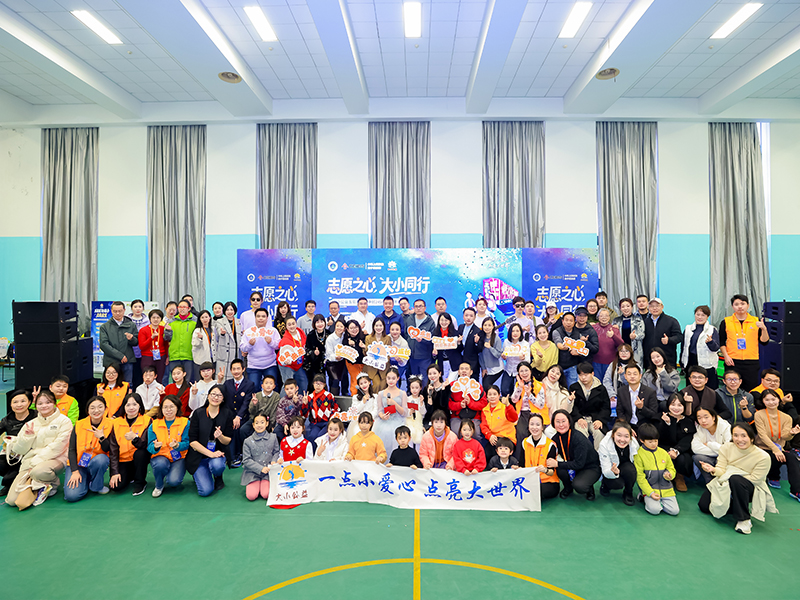
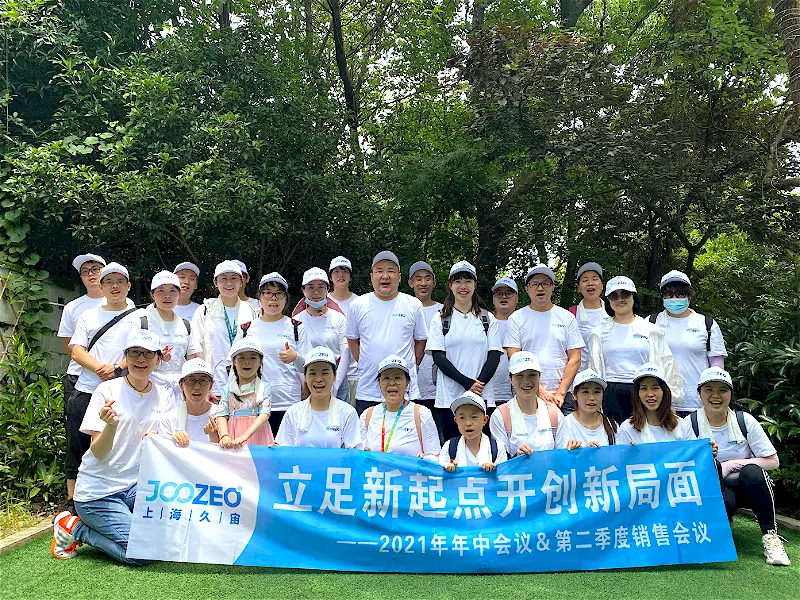
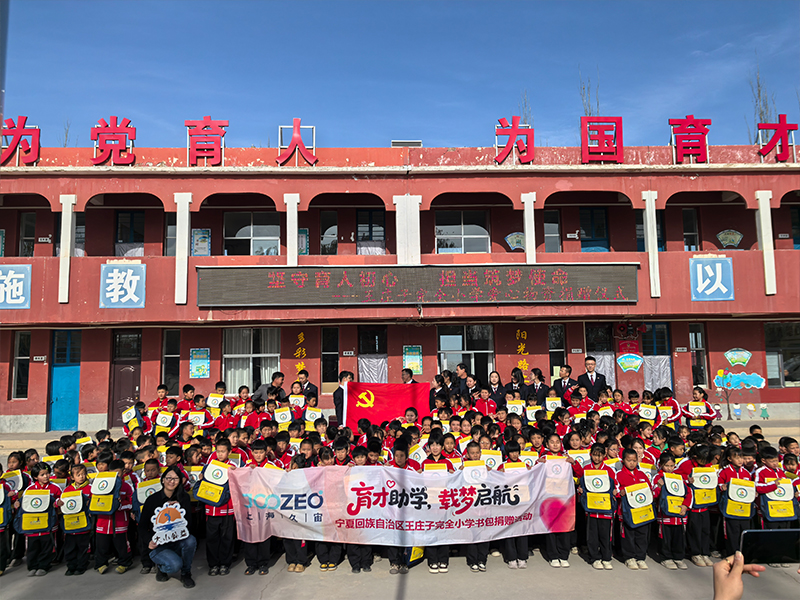
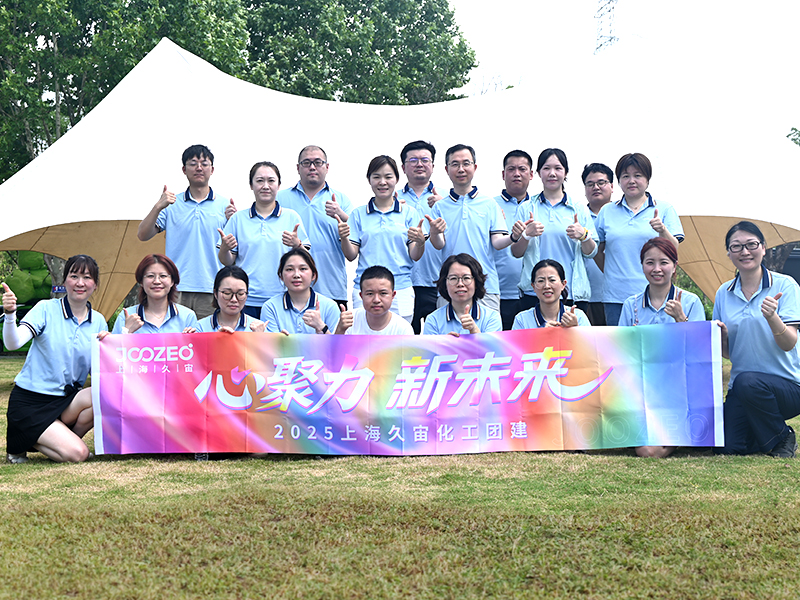
Our commitment to local communities, ecological balance, and reducing emissions in industrial chemical manufacturing.

Ensuring compliance with international chemicals trade standards while providing local engineering and warehouse services.
Shipping chemical products globally requires strict adherence to regional regulatory frameworks. At JOOZEO, we verify that all materials exported to North America, the European Union, the Middle East, and Asia-Pacific meet key chemical safety regulations:
To support our global customers, we partner with regional distribution networks in key markets like the United States, Southeast Asia, and Europe. This localized structure allows us to offer short-lead deliveries for urgent plant maintenance demands and on-site engineering consultations to resolve performance issues directly.
Quick reference answers regarding our industrial desiccants, molecular sieves, and global supply logistics.
Review our specialized molecular sieves, carbon sieves, and catalysts designed for precise separations.
Whether you require customized packaging styles or high-volume industrial shipments, our technical engineering team will respond with a detailed analysis and quote within 24 hours.
Send Request