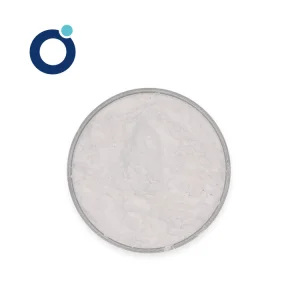
High-Quality Activated Alumina Beads Manufacturers & Pricelist

Decisive Adsorption Technology & Global Industrial Desiccant Standards. Sourced Globally, Certified Locally.

Industrial Molecular Sieves & Special Activated Alumina

Explore our primary manufacturing catalog. Certified high crushing strength, optimize dew point limits down to -70°C, and exceptional dynamic adsorption capacity.
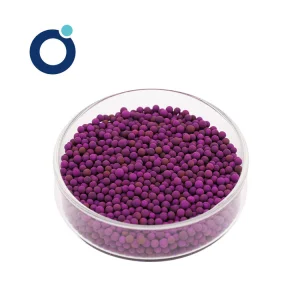
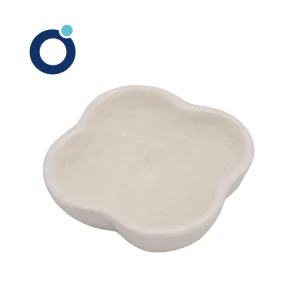
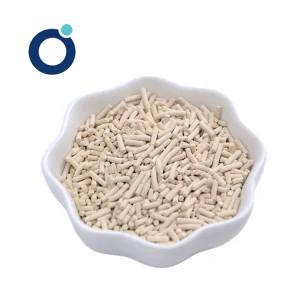
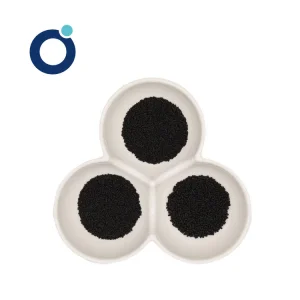
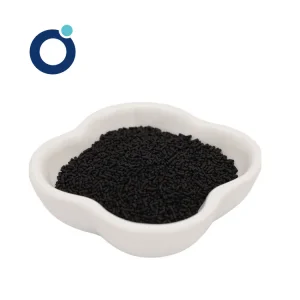
Famous Activated Alumina Carry potassium permanganate JZ-M1
Famous Activated Alumina Carry potassium permanganate JZ-M1 Quotes, Products
Get Pricing & Specs
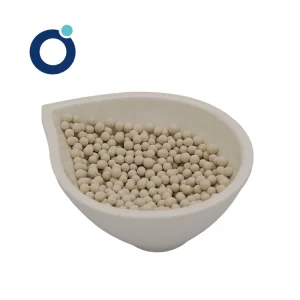
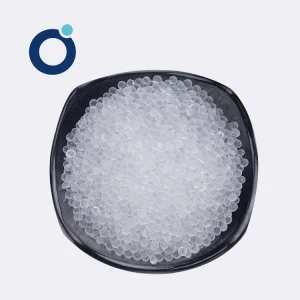
High-Quality Silica Gel JZ-PSG
High-Quality Silica Gel JZ-PSG Factories, Exporters
Get Pricing & Specs
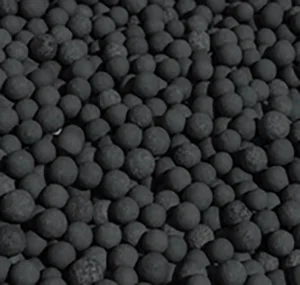
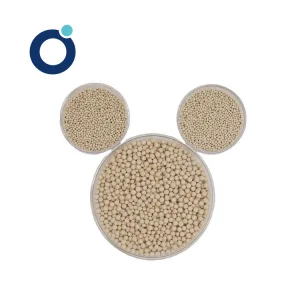
High-Quality Molecular Sieve JZ-ZHS
High-Quality Molecular Sieve JZ-ZHS Suppliers, Factories
Get Pricing & Specs
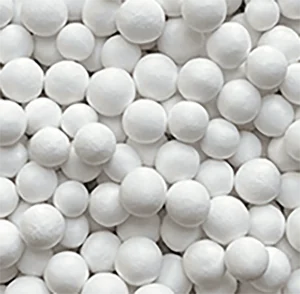
Famous Molecular Sieve JZ-512H
Famous Molecular Sieve JZ-512H Manufacturer, Products
Get Pricing & Specs
China DuraChem CAM-20S
China DuraChem CAM-20S Manufacturer, Supplier
Get Pricing & Specs
Best JooSorb COS
Best JooSorb COS Pricelist, Quotes
Get Pricing & Specs
Best DuraChem AM-4S
Best DuraChem AM-4S Factory, Pricelist
Get Pricing & Specs
Best Soda Ash Dense JZ-DSA-H
Best Soda Ash Dense JZ-DSA-H Supplier, Exporter
Get Pricing & Specs

Activated Alumina Beads: Science, Synthesis & Microstructure

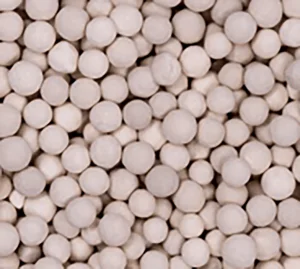
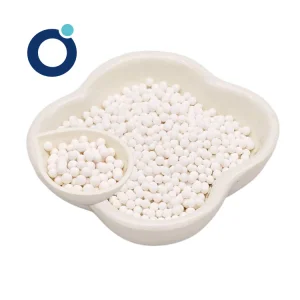
Activated alumina (highly porous aluminum oxide, $\gamma$-$\text{Al}_2\text{O}_3$) is generated via the controlled thermal dehydroxylation of aluminum trihydroxide (gibbsite). This process induces a vast matrix of interconnected capillary networks and sub-nanometer pores. The resulting beads feature a massive specific surface area—frequently exceeding 300 to 360 m²/g—making them one of the most reliable and highly efficient chemical adsorbents globally.

Our advanced formulation utilizes structural modifiers to suppress phase transformation, ensuring that the gamma-phase transition remains stable even during repetitive, high-temperature thermal regeneration cycles. Crucially, the internal geometry of the pore distribution is calibrated to target water vapor, acid radicals, and fluoride ions while maintaining a high mechanical crush strength that minimizes dust generation down to negligible industrial ppm limits.

Key Structural Metric

"The optimized balance between pore volume ($>0.45 \text{ cm}^3/\text{g}$) and bulk density ($0.68-0.74 \text{ g/cm}^3$) yields maximum static adsorption capacity, guaranteeing continuous instrument air drying without pressure drop penalties inside massive desiccant towers."

Global Enterprise Sourcing & Raw Material Pricing Drivers

For global engineering consultants and procurement heads, sourcing activated alumina involves balancing technical criteria against pricing models. The global pricing for activated alumina is closely tied to the cost of raw chemical grade bauxite, aluminum hydroxide reserves, calcination energy tariffs (primarily natural gas and electricity), and specialized additives (e.g., potassium permanganate for air treatment chemistry).

Grade Classification Standard Particle Size Surface Area (m²/g) Bulk Density (g/ml) Crush Strength (N) Indicative Price Range (USD/MT)
JZ-K1 Standard Desiccant 3.0 - 5.0 mm > 320 0.68 - 0.72 > 120 $1,150 - $1,450
JZ-K1W Water Resistance 4.0 - 6.0 mm > 300 0.70 - 0.74 > 140 $1,300 - $1,650
JZ-K3 Fluoride Removal 2.0 - 4.0 mm > 340 0.68 - 0.72 > 110 $1,250 - $1,550
JZ-M1 Permanganate Blend 3.0 - 5.0 mm > 280 0.75 - 0.82 > 90 $1,600 - $2,100

Macro-Scale Industrial Applications

Our activated alumina beads play a critical role in major global industrial sectors:

  • Instrument Air Drying: Standard in zero-loss heated or heatless desiccant purge dryers, consistently delivering low pressure dew points (-40°C to -70°C).
  • Petrochemical & Gas Treatment: Efficient adsorption of acid gases (HF, HCl), sulfur recovery via Claus catalysts, and treatment of feed hydrocarbons.
  • Water Purification: Highly effective adsorption of toxic arsenic and fluoride ions in municipal and industrial wastewater facilities.
  • Monomer Purification: Effectively removes trace inhibitors, moisture, and organic impurities during polyethylene (PE) and polypropylene (PP) polymer production.

Shanghai Jiuzhou Chemicals Co., Ltd.

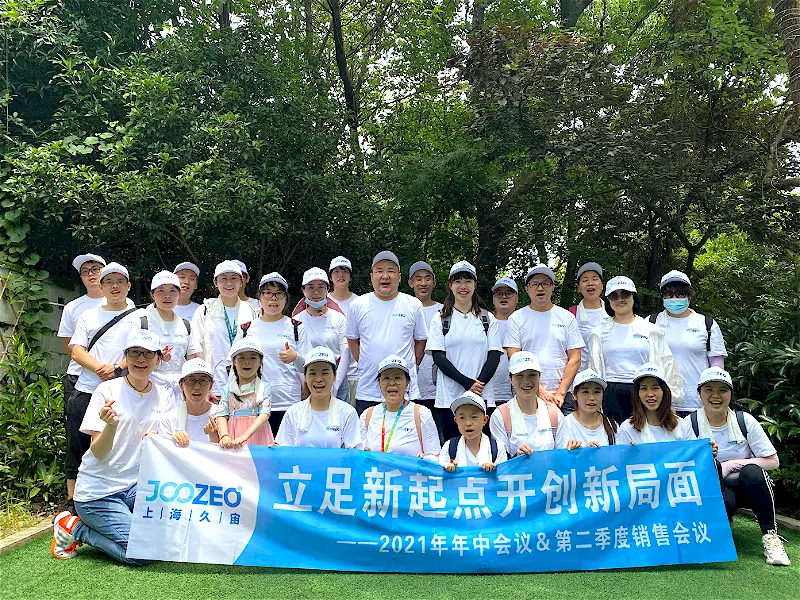
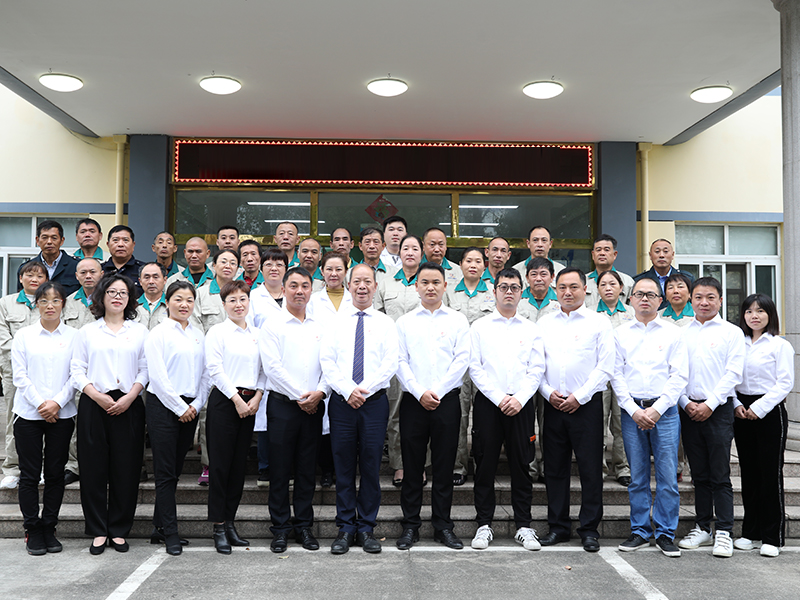
Located in Shanghai, the largest economic development hub in China, Jiuzhou has consistently prioritized "quality control and innovation." For decades, we have focused on the research, manufacturing, and development of premium, innovative chemical adsorbents.

Our comprehensive portfolio includes molecular sieve powders, active alumina beads, catalysts, ceramic support balls, and specialized packing materials. Certified under the ISO9001:2008 Quality Management System, TUV, and SGS, our products meet rigorous international standards.

With advanced, multi-functional automated production lines and a highly equipped central laboratory, Jiuzhou ensures consistent quality control and excellent performance across all distribution channels worldwide.
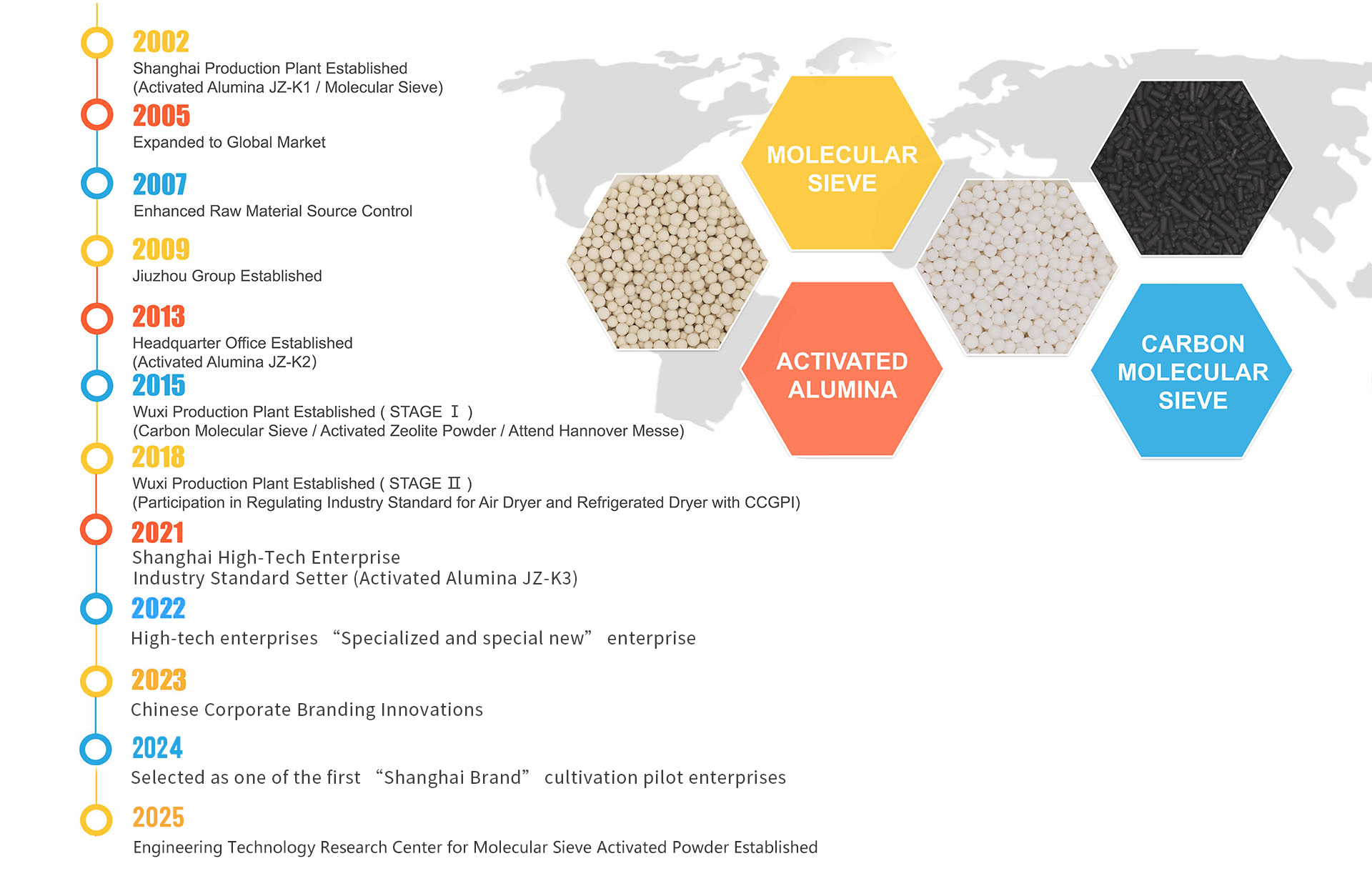
Jiuzhou Headquarters and R&D Center
1994
Year of Establishment
80+
Global Trading Countries
25,000
Facility Area (sqm)

Advanced Industrial Manufacturing Bases

Our two specialized factories in Shanghai and Wuxi feature advanced process controls, ensuring a reliable supply of molecular sieves and active alumina products.
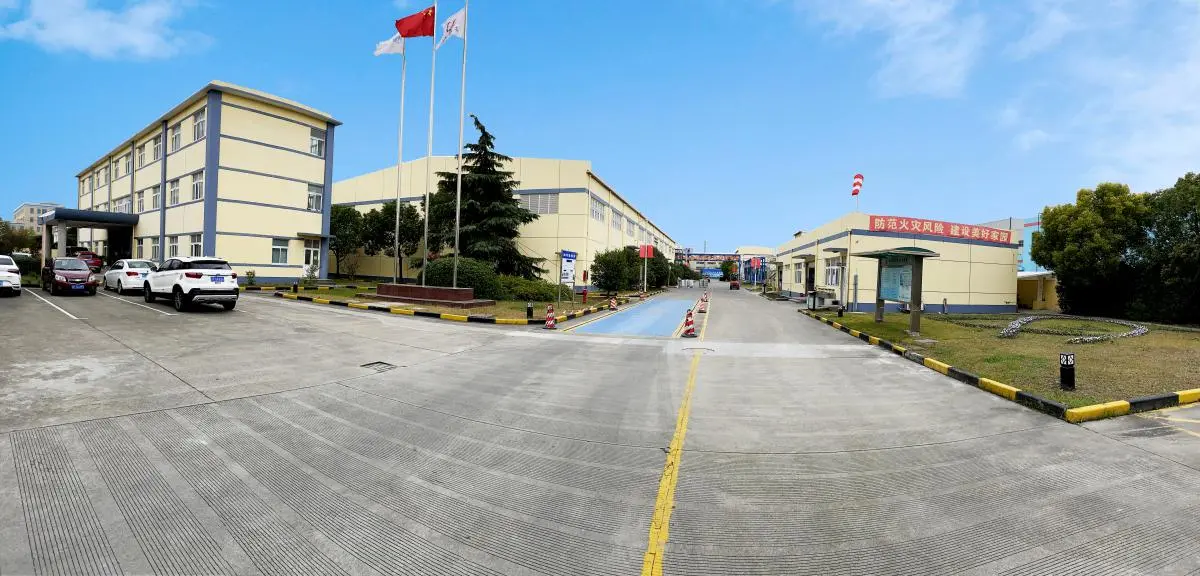
Shanghai Factory Production Base
Shanghai Factory

Focuses on high-capacity chemical synthesis, quality control, and international logistics management.
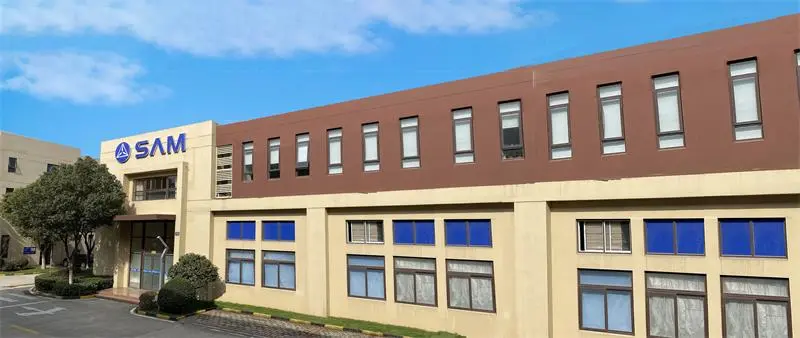
Wuxi Factory Production Base
Wuxi Factory

Features state-of-the-art rotary kilns and calcination systems designed for precise pore-structure engineering.

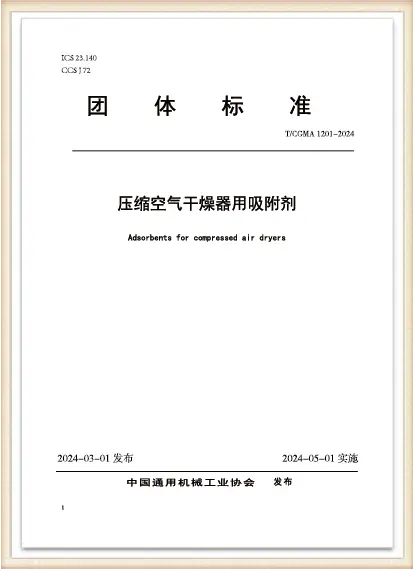
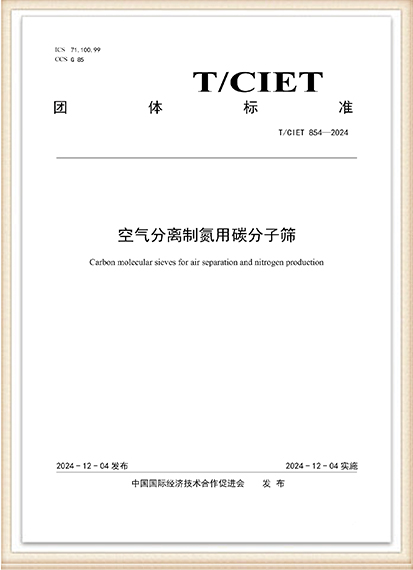
Authorized Standard Setter for Desiccant Technologies

Jiuzhou is actively involved in drafting and defining regional and national industrial standards, helping guide manufacturing requirements across the adsorption industry.
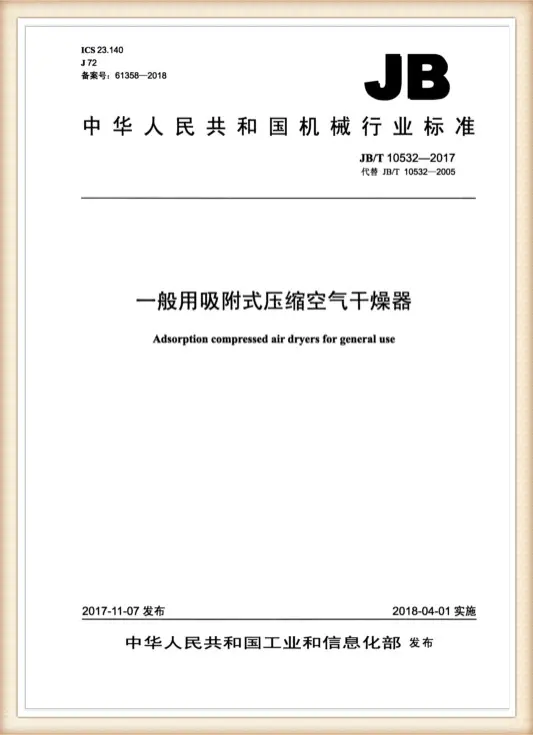
JB/T 10532-2017 Adsorption Dryers Standard
JB / T 10532-2017
Adsorption compressed air dryers for general use
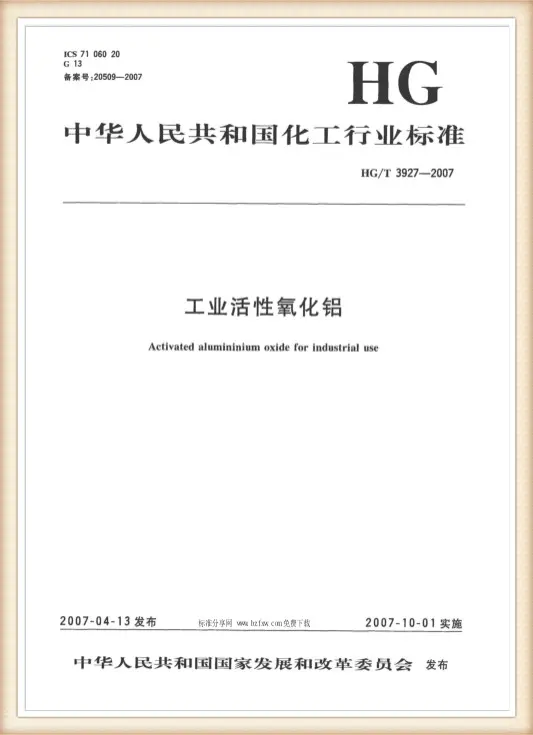
HG/T 3927-2007 Activated Aluminium Oxide Standard
HG / T 3927-2007
Activated aluminium oxide for industrial use
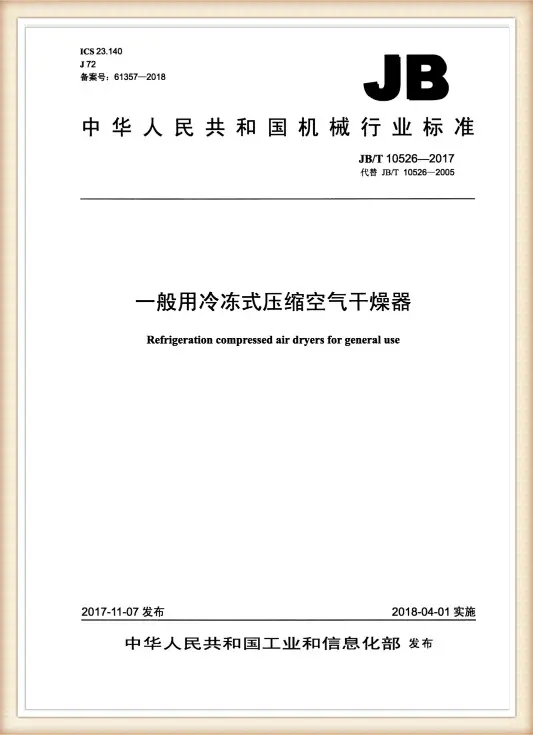
JB/T 10526-2017 Refrigeration Dryers Standard
JB / T 10526-2017
Refrigeration compressed air dryers for general use
T/CGMA1201-2024 Industry Standard Document
T/CGMA 1201-2024
Machinery Industry Association Quality Standard
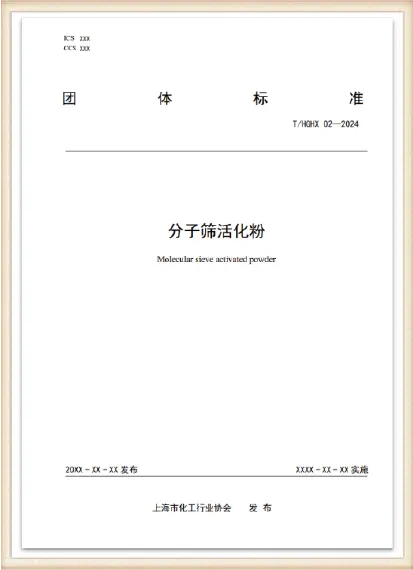
T/HGHX 02-2024 Chemical Industry Specification
T/HGHX 02—2024
Chemical and Desiccant Quality Standard
T/CIET 854-2024 Technical Guidelines
T/CIET 854-2024
Green Processing & Production Management

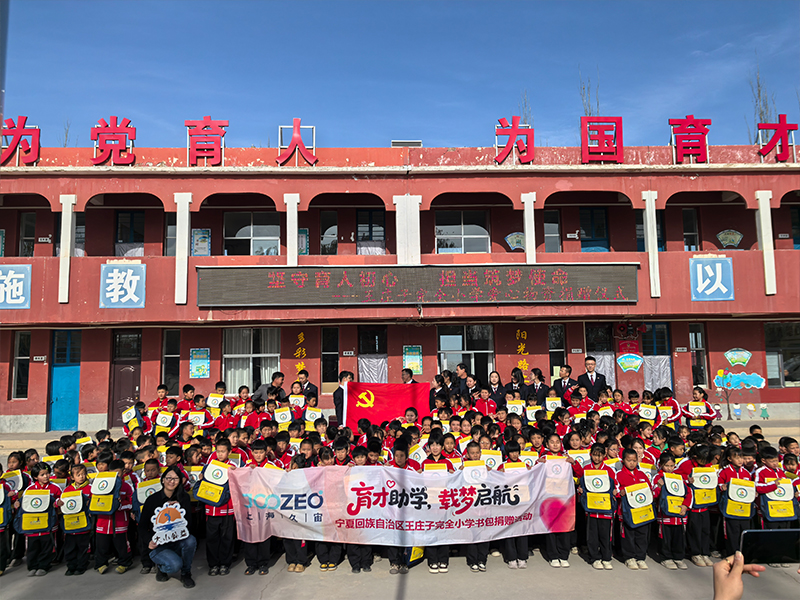
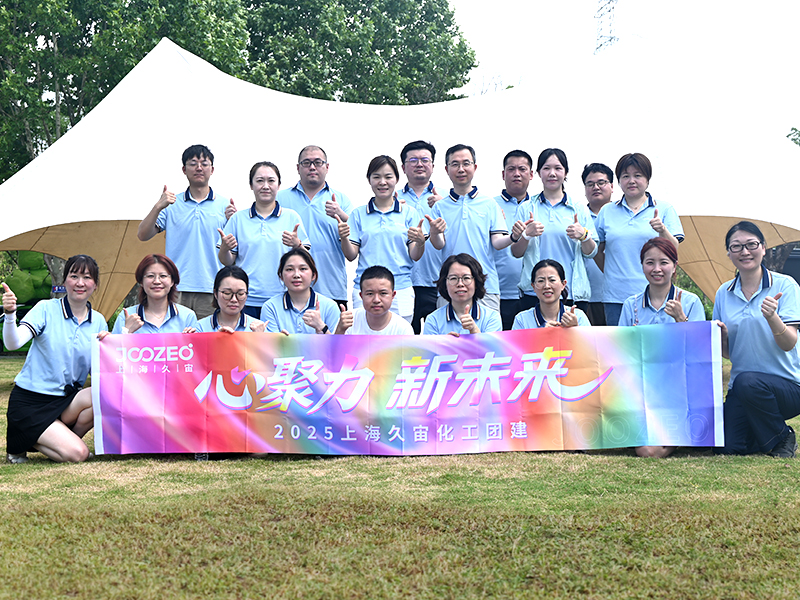
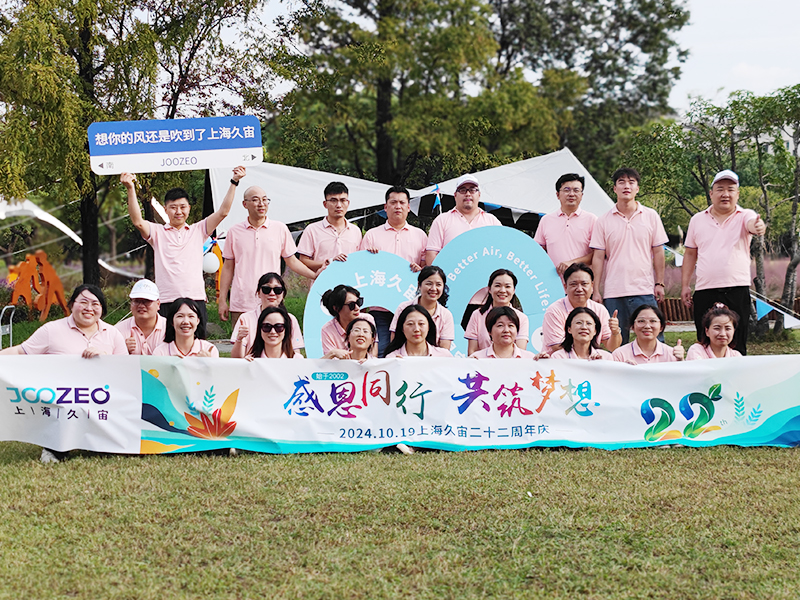
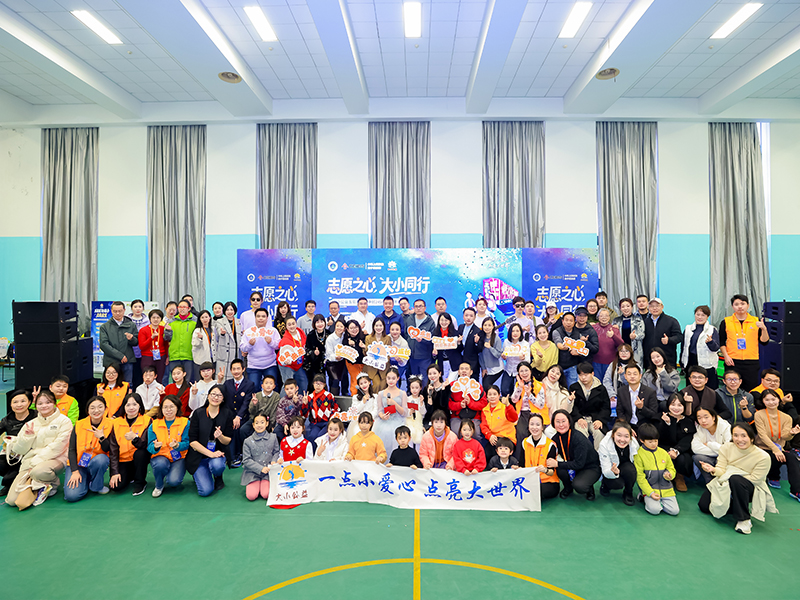
Social Responsibility: Better Air, Better Life

We are committed to cleaner air and low-emission production. Our energy-efficient manufacturing processes align with carbon-reduction goals while delivering reliable industrial solutions.
Eco Plant Area
Carbon Neutral Research
Safety First Protocols
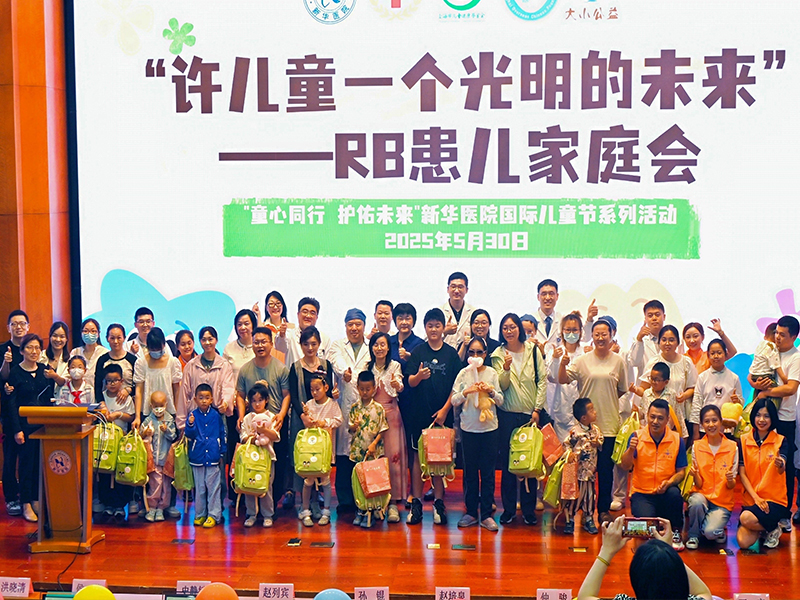
Community Support
Green Energy Supply
Emission Control System
Waste Recycling Process
Eco Auditing Standards

Frequently Asked Technical Questions

Common inquiries from process engineers and procurement specialists regarding specifications, selection, and operations.

1. How do you select the correct bead size (e.g., 1/8", 3/16", 1/4") for air dryers?
Bead size selection depends on the design balance between required adsorption rates and maximum allowable pressure drop. Smaller beads (such as 1/8" or 2-4mm) offer faster adsorption kinetics and higher mass transfer rates, but result in a higher pressure drop. Larger beads (such as 1/4" or 5-8mm) are typically used in the inlet zone to reduce pressure drop, or in systems with high gas velocities.
2. What is the typical service life of your JZ-K1 Activated Alumina Beads?
Under standard operating conditions (working with instrument air, proper pre-filtration to remove oil aerosols, and regeneration within the design temperature limits), our activated alumina beads generally offer a service life of 2 to 5 years. Minimizing carryover of compressor lubricant oil is critical to preventing pore clogging and early performance loss.
3. What is the optimum regeneration temperature for thermal swing dryers?
For thermal swing adsorption (TSA) systems, effective desiccant regeneration typically requires heating the bed to between 160°C and 250°C. High-purity nitrogen or dry purge air should be used to carry away the released moisture. Avoid heating the bed above 350°C to prevent thermal degradation of the gamma crystal phase.
4. How does the JZ-K3 grade selectively adsorb fluoride and arsenic from water?
The JZ-K3 grade is chemically modified to optimize its surface chemistry for ion exchange. In the target pH range of 5.5 to 6.5, the alumina surface becomes positively charged, allowing it to selectively adsorb negatively charged fluoride ions ($F^-$) and arsenite/arsenate complexes from water.

Industrial Adsorbents & Chemical Catalysts

Check the specifications and pricing for our specialized carbon molecular sieves, alumina catalysts, and custom desiccants.
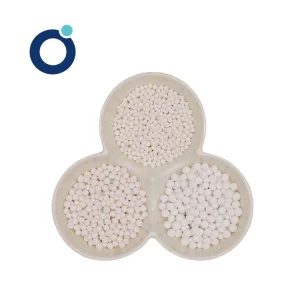
Best Molecular Sieve JZ-ZRF
Best Molecular Sieve JZ-ZRF Suppliers, Product
Get Pricing & Specs
Famous Activated Alumina JZ-K1
Famous Activated Alumina JZ-K1 Pricelist, Quotes
Get Pricing & Specs
Famous Molecular Sieve JZ-ZNG
Famous Molecular Sieve JZ-ZNG Suppliers, Product
Get Pricing & Specs
China Carbon Molecular Sieve JZ-CMS6N
China Carbon Molecular Sieve JZ-CMS6N Supplier, Exporter
Get Pricing & Specs
Best Carbon Molecular Sieve JZ-CMS2N
Best Carbon Molecular Sieve JZ-CMS2N Pricelist, Quotes
Get Pricing & Specs
OEM Activated Alumina JZ-K3
OEM Activated Alumina JZ-K3 Quotes, Exporters
Get Pricing & Specs
China Activated Alumina JZ-K1W
China Activated Alumina JZ-K1W Pricelist, Products
Get Pricing & Specs
Famous Silica Gel JZ-CSG
Famous Silica Gel JZ-CSG Factory, Exporter
Get Pricing & Specs

Submit Your Sourcing Requirements

Connect directly with our engineering team for customized configurations, volume pricing, and shipping timelines. We aim to respond within 24 hours.

Send Pricing Request