
Explore the initial catalog of our high-surface-area molecular sieves, premium silica gels, and custom chemical components engineered for target industrial processes.
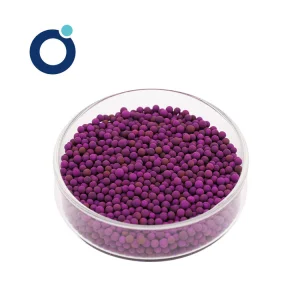
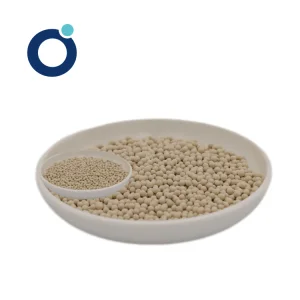
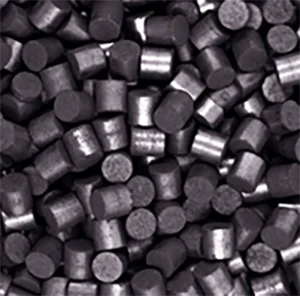
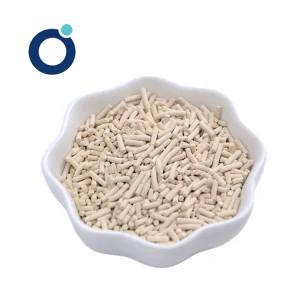
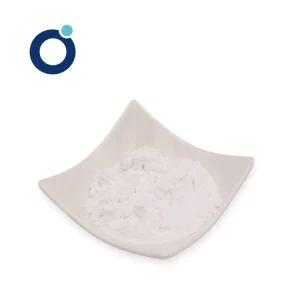
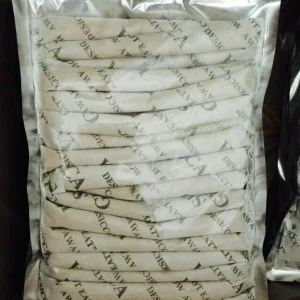
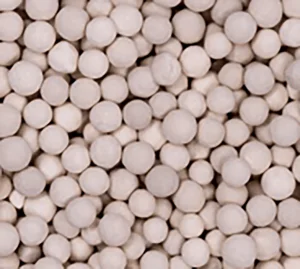
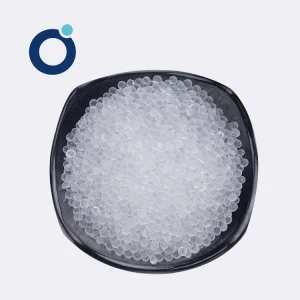
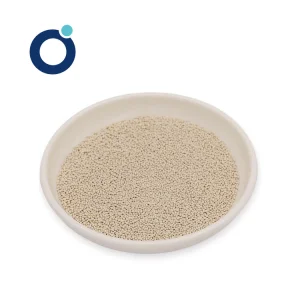
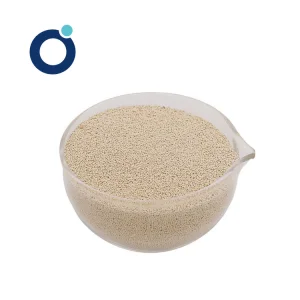
Alumina Silica Gel (also historically classified as aluminosilicate gel) represents a significant evolutionary step beyond traditional amorphous silica desiccants. While typical silica gel operates on a grid-like silicon dioxide matrix ($\text{SiO}_2$), it is highly vulnerable to loss of mechanical integrity, structure breakdown, and pore shrinkage when exposed to liquid moisture. By co-precipitating aluminum oxide ($\text{Al}_2\text{O}_3$) with silica, chemical engineers form a robust hybrid network. This atomic integration results in a composition containing typically 3% to 10% $\text{Al}_2\text{O}_3$, modifying the physical chemistry of the internal pore walls.
The presence of alumina centers increases the negative charge distribution within the tetrahedral matrix, altering the hydrophilic adsorption energy levels. The composite structure provides: (a) Hydrothermal Stability: Prevents structural collapse under cyclic thermal regeneration up to 220°C; (b) Liquid Water Tolerance: Minimizes fractional breakage when droplets hit the hot adsorption bed; (c) Tailored Pore Profiles: Supports precise molecular-sieving capabilities between 2.0 and 5.0 nanometers.
Globally, heavy industries face tightening regulations and operational demands. Industrial gas plants, natural gas networks, and petrochemical manufacturers must reduce dynamic moisture levels to prevent hydrate formation and corrosion in cryo-separation pipelines. Standard silica gels deteriorate quickly in these environments, leading to pressure drops, flow channeling, and frequent plant shutdowns.
Alumina silica gels provide critical stability across high-pressure environments. In natural gas processing, the material dries liquid hydrocarbons and removes trace organic compounds. In high-output air separation units (ASUs), it acts as a buffer layer to protect molecular sieve beds from liquid water carryover, extending overall adsorbent lifetime. By limiting bed wear, facilities minimize dust generation, protecting downstream valves and turboexpanders from abrasive damage.
Moisture separation processes rely heavily on the thermodynamic stability of the adsorbent. As offshore platforms and processing hubs handle wetter gas compositions, dry-bed systems must manage varying levels of liquid water. Our specialized alumina silica gel maintains high adsorption performance even when exposed to raw liquid streams, preventing unexpected shutdowns.
Additionally, the growth of clean fuels and localized hydrogen grids requires high-purity feedstocks. Alumina silica gel serves as an effective adsorbent for heavy hydrocarbon recovery and trace impurity capture, helping operators meet tight quality regulations.
Understanding physical and chemical performance profiles is critical for sizing adsorption towers and calculating cycle run times. The table below outlines key parameters of our alumina silica gel products compared to standard desiccants.
| Property Designation | High-Water-Resistant Alumina Silica Gel | Standard Fine-Pore Silica Gel | Activated Alumina |
|---|---|---|---|
| Al₂O₃ Content (%) | 5.0% - 9.0% | <0.5% | >92% |
| SiO₂ Content (%) | 90.0% - 94.0% | >99% | <0.8% |
| Specific Surface Area (m²/g) | 650 - 780 | 600 - 800 | 280 - 360 |
| Pore Volume (ml/g) | 0.40 - 0.50 | 0.35 - 0.45 | 0.40 - 0.50 |
| Water Adsorption Capacity (RH=20%) | ≥ 10.5% | ≥ 11.0% | ≥ 4.0% |
| Water Adsorption Capacity (RH=80%) | ≥ 70.0% | ≥ 75.0% | ≥ 18.0% |
| Bulk Density (g/ml) | 0.68 - 0.75 | 0.70 - 0.80 | 0.68 - 0.78 |
The performance matrix shows that while standard fine-pore silica gel offers slightly higher initial static adsorption capacities in low humidity, it lacks the hydrothermal stability needed for cyclic thermal desorption. Conversely, activated alumina is highly durable but provides lower capacity at medium-to-high relative humidity levels. Our Alumina Silica Gel combines the high adsorption capacity of silica with the structural stability of alumina, making it ideal for variable gas processing conditions.
Different regions present unique challenges for gas drying systems. Engineering teams must adapt desiccant configurations based on localized climates and feedstocks:
For standard natural gas dehydration processes, we recommend a split-bed design. Use 20% to 30% water-resistant alumina silica gel at the bottom (inlet) of the bed to handle high liquid loads and pre-dry the stream. The remaining 70% to 80% can be filled with standard molecular sieves or high-affinity silica gel to achieve a low dew point down to -70°C.
This layered approach reduces overall costs while protecting the main adsorbent bed from unexpected liquid water or heavy hydrocarbon exposure.
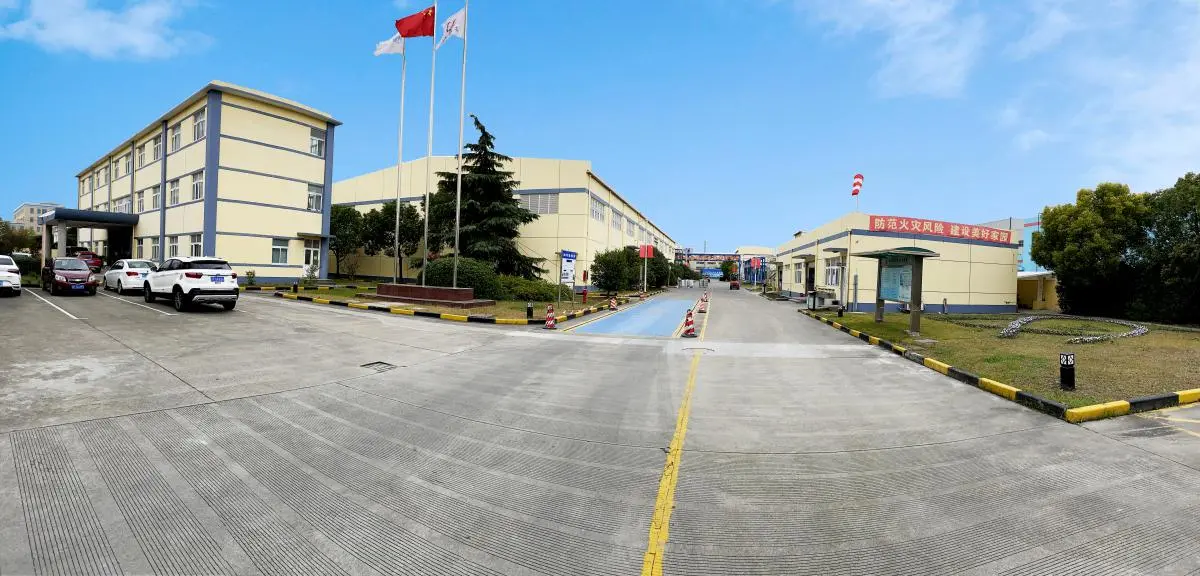
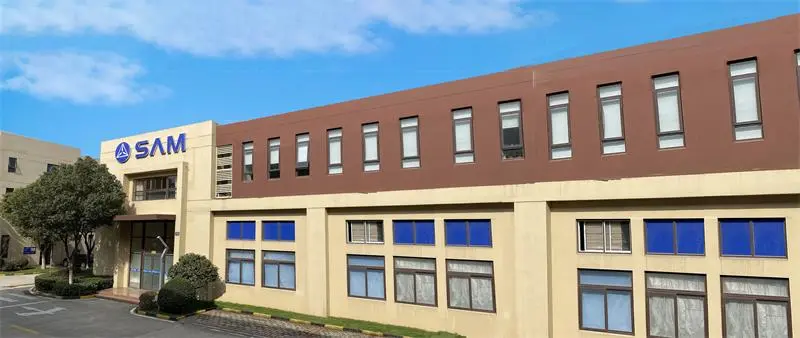
Established in 1994, Shanghai Jiuzhou Chemicals Co., Ltd. operates a 25,000 square meter production footprint, delivering high-performance chemical products to partners in over 80 countries. We prioritize strict quality control and ongoing technological development to ensure consistent product performance.
Our production facilities utilize automated kilns, advanced spherical formatting machinery, and real-time scanning electron microscopes to monitor bead size and pore structure. We maintain complete traceability for every batch, from raw materials to final packaging. Our operations are certified to ISO9001:2008, TUV, and SGS standards.
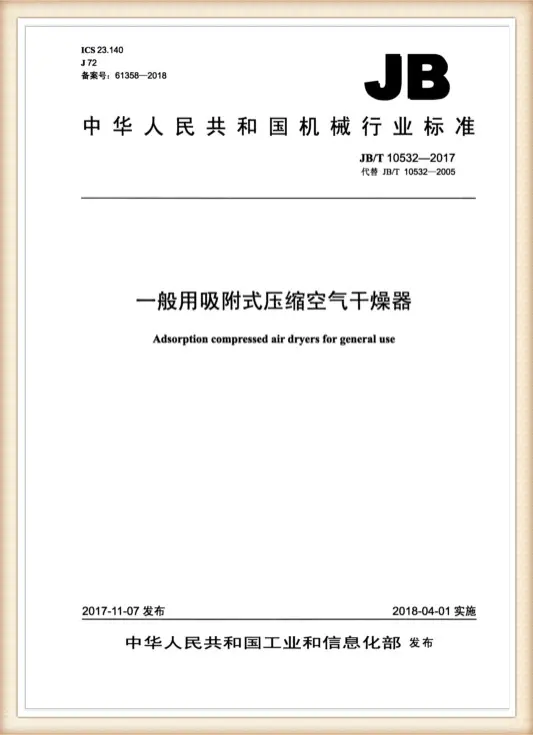
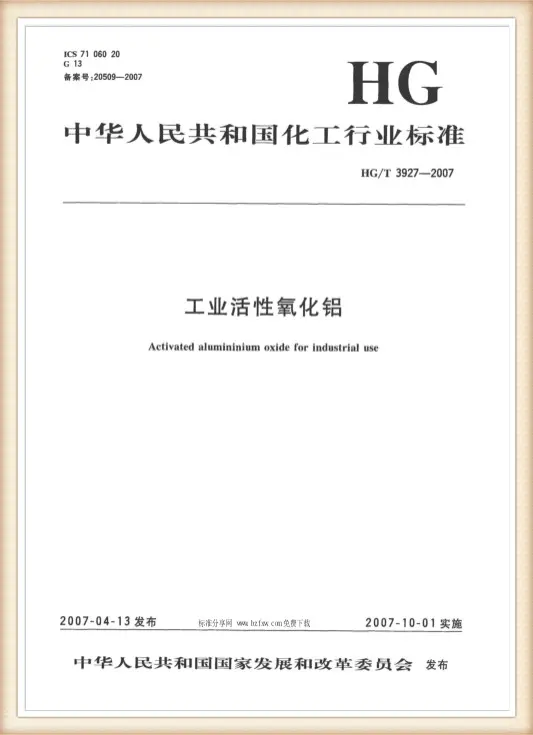
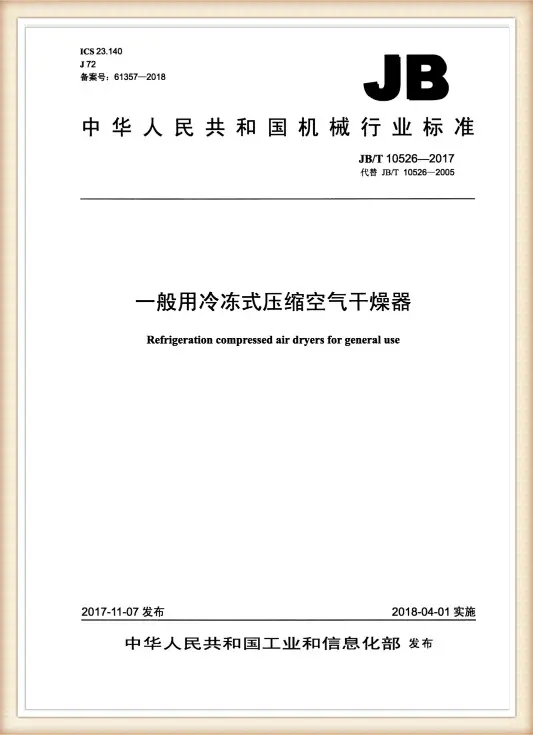
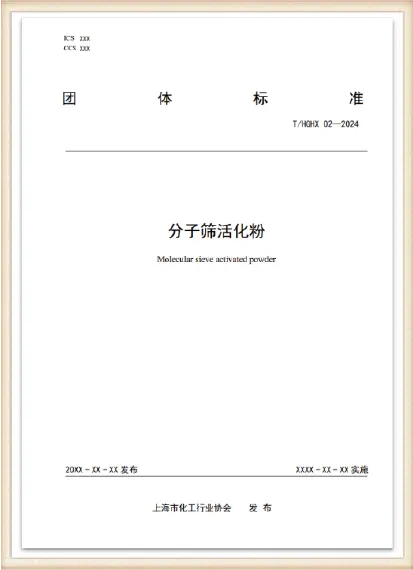
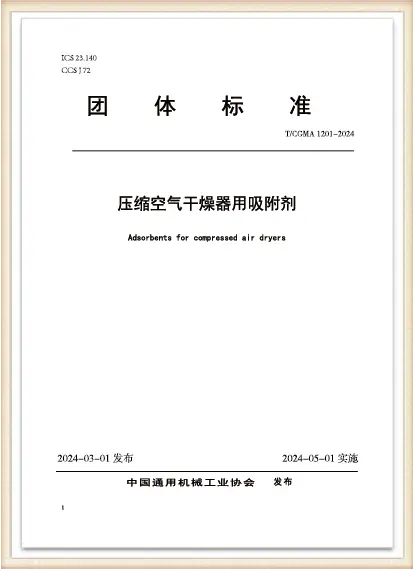
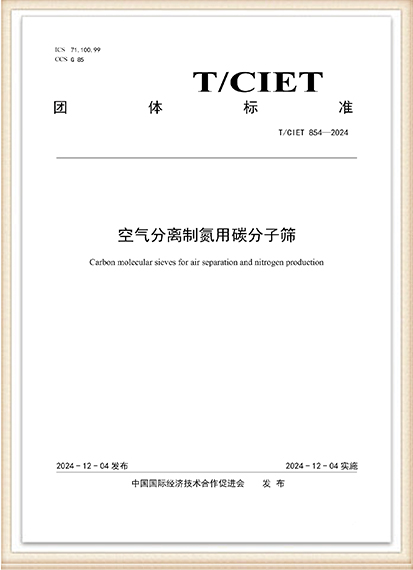
We contribute directly to national and international standard committees, helping define testing methods and performance baselines for compressed air dryers and activated alumina.
Our research and development program focuses on three main objectives to meet changing industrial needs:
1. Low-Temperature Regeneration: We are testing modified pore structures that allow complete moisture desorption at temperatures 30°C to 40°C lower than standard requirements, helping operators reduce energy costs.
2. Structural Durability: We are adjusting the silica-to-alumina ratio to improve crush strength, minimizing dust generation and downstream equipment wear in high-pressure systems.
3. Eco-Friendly Manufacturing: We are updating our production processes to recycle process water and reduce chemical waste, aligning our manufacturing with global ESG targets.
Adsorbent pricing is determined by raw material costs, alumina content, bead size distribution, and order volume. The table below outlines general pricing categories for budget planning.
| Adsorbent Formulation | Al₂O₃ Content (%) | Bead Diameter | Estimated Price Range (USD/Metric Ton) | Typical Industrial Applications |
|---|---|---|---|---|
| Alumina Silica Gel - Grade A | 8.0% - 10.0% | 2.0 - 5.0 mm | $2,200 - $2,800 | Liquid hydrocarbon drying, acid gas processing |
| Alumina Silica Gel - Grade B | 3.0% - 5.0% | 2.0 - 5.0 mm | $1,800 - $2,300 | Buffer layer, air separation units (ASU) |
| Water-Resistant Silica-Alumina | 5.0% - 8.0% | 1.5 - 3.0 mm | $2,000 - $2,500 | Variable pressure swing dryers, instrument air drying |
*Note: Prices are estimates based on standard commercial volumes (FOB Shanghai). Actual quotes may vary depending on custom specifications, packaging options, and shipping terms. Contact our sales department for exact pricing based on your project requirements.
Get professional answers to common questions about silica-alumina desiccants and gas separation processes.
Review the remainder of our technical catalog, featuring oxygen molecular sieves, premium packaging, and industrial chemicals.
Our engineering team provides custom bed design calculations, regeneration cycles, and pricing tailored to your processing volumes. Get in touch with us today.
*Requests are evaluated by our lab experts. A response will be provided within 24 hours.