Engineered to deliver high adsorption capacities, mechanical integrity, and precise selectivity.
Shanghai Jiuzhou Chemicals Co., Ltd. (marketed as JOOZEO) is located in the global economic and shipping hub, Shanghai, China. Over the past three decades, our organization has remained committed to the core operational philosophy of "Quality Control & Continuous Innovation." We focus heavily on the research, chemical synthesis, molecular design, and scaling of high-performance zeolites, activated powders, activated alumina, catalysts, and specialty ceramic packings.
Through deep vertical integration, our state-of-the-art facilities produce advanced crystalline aluminosilicate structures optimized for gas dehydration, petrochemical purification, solvent recovery, and environmental control systems. By employing international-grade manufacturing technologies and leveraging our central dynamic testing laboratory, we ensure that every batch meets the most rigorous international performance standards, maintaining stable mass transfer zones and low attrition rates.
"Our products are certified under the ISO 9001:2008 Quality Management System, TUV, and SGS, serving as the benchmark for petrochemical separation processes globally."
Methanol (CH₃OH) is a critical raw material in chemical syntheses, pharmaceutical processing, fuel cells, and the production of downstream derivatives like formaldehyde, methyl tert-butyl ether (MTBE), and olefins (via MTO processes). However, crude methanol streams inevitably contain water from reaction processes or environmental ingress. Due to the high affinity between water and methanol molecules, separating water down to trace ppm levels via conventional fractional distillation is highly energy-intensive and economically unviable due to thermodynamic limitations.
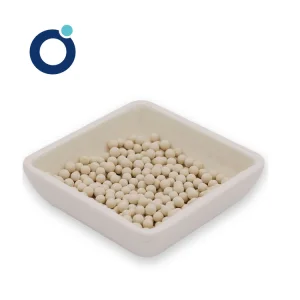
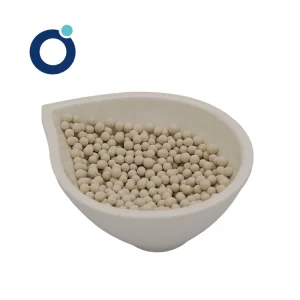
Deep dehydration of methanol relies on synthetic zeolites—specifically Type 3A molecular sieves (potassium-exchanged LTA aluminosilicate structures). The design of these materials utilizes precise control over crystal pore openings:
Unlike gas-phase drying, liquid-phase methanol processing involves higher viscosity, slower diffusion rates, and the risk of localized heat zones. The adsorption of water on zeolites is highly exothermic. If the adsorption rate is too high or heat dissipation is poor, the temperature rise can trigger side reactions, including the formation of dimethyl ether (DME) and subsequent carbon deposition (coking) within the active pore structure.
JOOZEO solves this by controlling the formulation to balance the rate of adsorption with thermal dissipation, adjusting the binder content and pore architecture. Our specialized 3A zeolites feature optimized macro- and mesoporosity, facilitating efficient mass transfer while keeping the active sites accessible. This prevents premature capillary condensation and maximizes the overall working life of the bed.
Precisely controlled <3.0 Å windows prevent methanol co-adsorption, limiting coke formation during high-temperature thermal regeneration.
Reinforced crystal structure maintains crystallinity over hundreds of thermal swing adsorption (TSA) regeneration cycles.
Engineered to withstand high bed pressures, avoiding mechanical degradation, channeling, and downstream filter clogging.
Leveraging state-of-the-art facilities in Shanghai and Wuxi to supply cost-effective separation media globally.
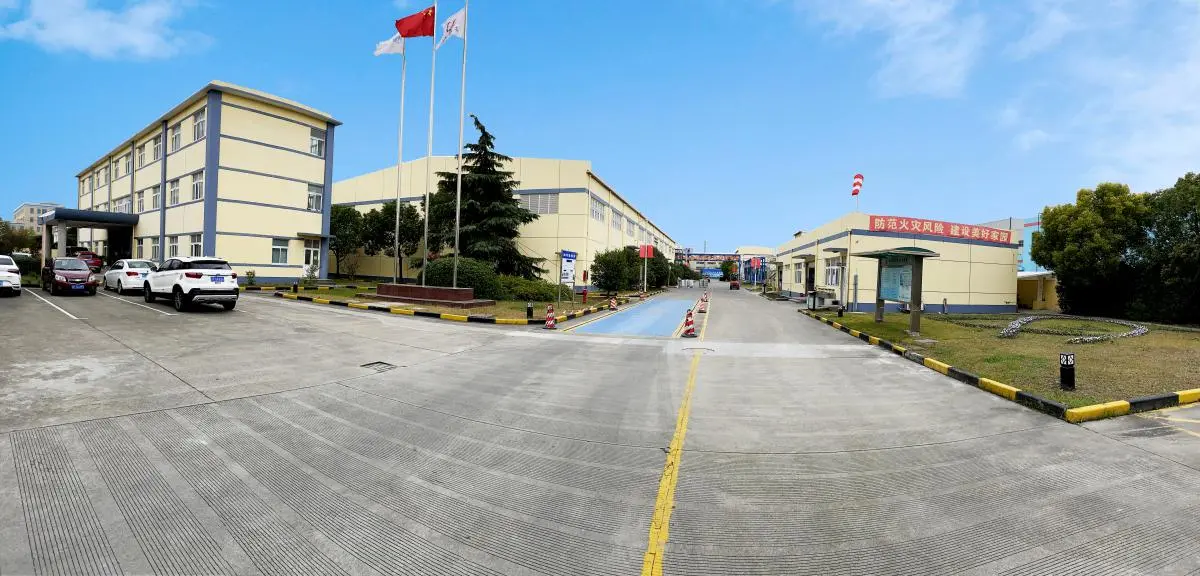
Serving as our center for corporate management and research, this facility focuses on catalyst design, specialty molecular sieve powder synthesis, and high-performance gas phase applications.

Our primary site for high-volume pelletization and spherical extrusion. It is equipped with automated rotary calcination kilns to ensure uniform moisture content and stable physical properties.
China's chemical supply chain provides significant competitive advantages, combining access to raw silicates and aluminates with highly developed manufacturing infrastructure. JOOZEO integrates these resources with rigorous internal quality standards to deliver high-performance adsorption solutions:
JOOZEO actively participates in drafting and establishing national and industrial testing standards in China.
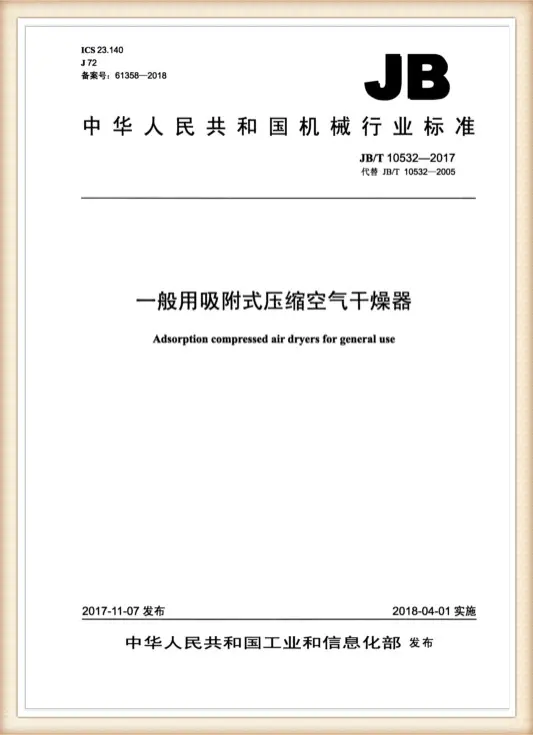
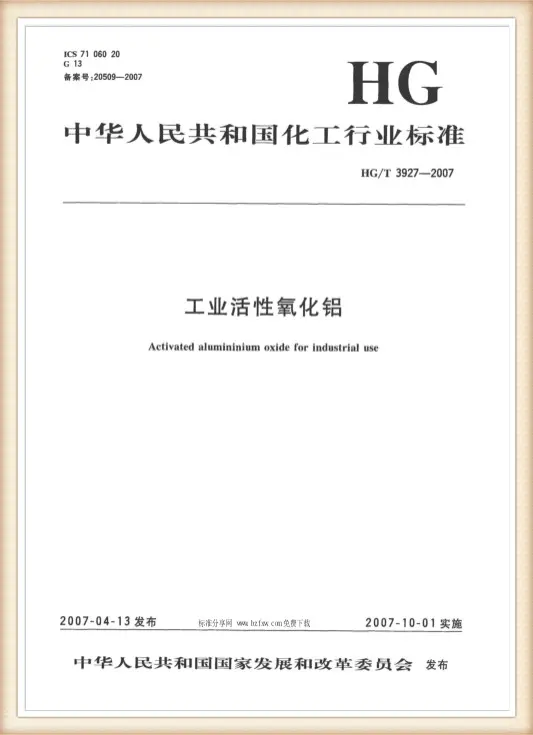
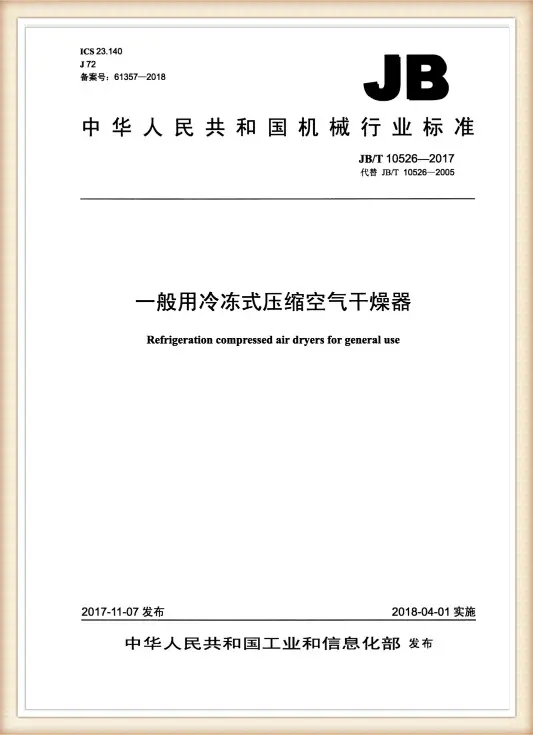
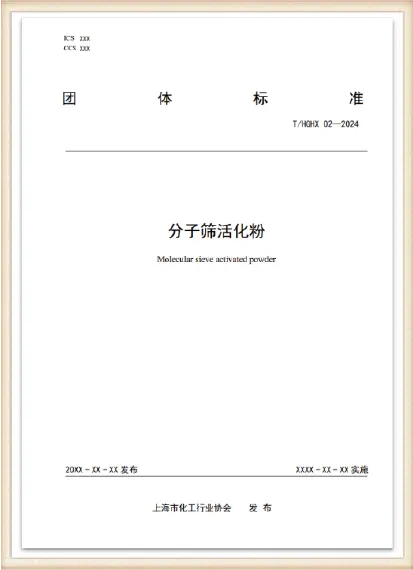
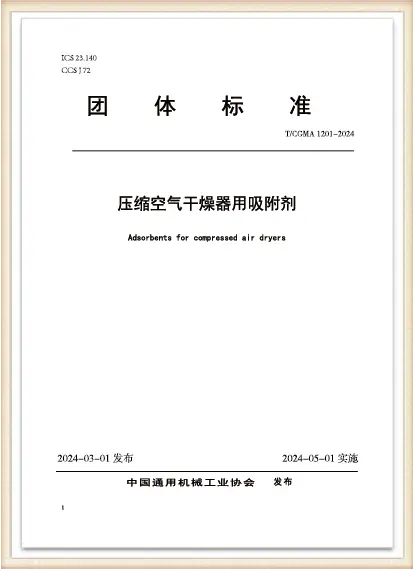
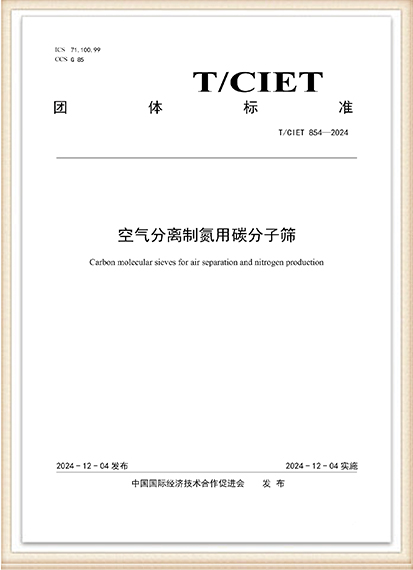
By developing industrial specifications like JB/T 10532 and HG/T 3927, JOOZEO demonstrates its technical authority in adsorption science. Our internal testing procedures align with national guidelines and meet international ISO, ASTM, and DIN standards. This ensures that every delivery is backed by verified chemical data, thermal properties, and mechanical specifications.
Custom engineering solutions designed to meet the operating requirements of industrial processes.
In modern MTO processes, moisture in the methanol feed can poison the SAPO-34 zeolite catalyst, causing structural collapse and reducing ethylene and propylene yields. JOOZEO offers high-performance 3A molecular sieve systems designed to operate under low-cycle times. This maintains feed water levels at <5 ppm, protecting catalyst life and improving process economics.
Methanol is increasingly used as a clean-burning marine fuel and in direct methanol fuel cells (DMFC). These applications require fuel-grade methanol with low moisture content to prevent corrosion and phase separation in storage tanks. JOOZEO's custom dehydration packages allow plants to produce high-purity methanol efficiently, keeping operational costs low.
Pharmaceutical solvent recovery processes require low moisture to prevent side reactions and meet regulatory standards. JOOZEO's 3A molecular sieves remove water from methanol streams without leaching impurities or initiating solvent breakdown, providing clean, reliable purification.
The biodiesel production process relies on a transesterification reaction between oils and methanol. The presence of water in this reaction leads to soap formation (saponification), which consumes the catalyst and lowers yields. By recirculating methanol through a dehydration column containing JOOZEO 3A molecular sieves, manufacturers can recycle wet methanol streams and maintain high reaction yields.
"Better air, Better life" - JOOZEO is committed to sustainable chemical manufacturing and clean energy development.
At JOOZEO, we believe industrial growth should support environmental preservation. We have implemented water recycling, waste heat recovery, and low-emission calcination at our plants to reduce carbon footprint. Our technical team works to design long-life adsorbents, helping global plants lower energy consumption during thermal swings and reduce process emissions.
Engineering recommendations and troubleshooting advice for molecular sieves in methanol service.
A precise 3A pore size is necessary because methanol has a kinetic diameter of approximately 3.8 Å, while water is 2.65 Å. Standard 4A molecular sieves have a pore size of about 4.0 Å, which allows methanol to enter and co-adsorb. This co-adsorption blocks water, causes high heat generation, and leads to coking during thermal regeneration. JOOZEO controls the potassium ion exchange rate in our 3A sieves to keep pore openings below 3.2 Å, allowing water to enter while blocking methanol.
Regeneration typically involves a hot gas purge (using dry nitrogen, natural gas, or hydrogen) at temperatures between 200°C and 250°C. In liquid-phase applications, the bed must be fully drained of liquid methanol before heating to avoid catalytic cracking and coking. The temperature ramp should be controlled to prevent thermal shock and preserve the crystal structure of the zeolites.
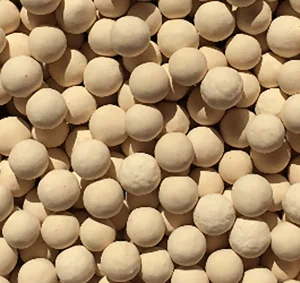
JOOZEO's 3A molecular sieves are manufactured to exceed typical ASTM standards for mechanical strength. For 1/8 inch (3.2mm) spheres, we target a crushing strength exceeding 80 N, and keep attrition loss under 0.1% by weight. This mechanical durability prevents bead degradation and dust formation in high-pressure columns, helping maintain stable pressure drop profiles over time.
Most co-existing organic impurities have larger kinetic diameters than the 3A pore window (DME is ~4.4 Å, Ethanol is ~4.5 Å, Acetone is ~4.7 Å), preventing them from entering the crystal cages. However, they can form a liquid film on the outer surface of the beads, slightly increasing mass transfer resistance. If these molecules contact acidic sites on the binder material under high temperatures during regeneration, they can undergo cracking and form carbon deposits. JOOZEO uses neutral binders to reduce coking risk and maintain adsorption capacity.
Hydrothermal degradation happens when moisture remains in the bed at high temperatures during regeneration. The combination of heat and water can break the silicon-oxygen-aluminum bonds in the zeolite framework, causing loss of crystallinity and capacity. JOOZEO uses a specific aluminosilicate ratio and hydrothermal modification processes to strengthen the framework, improving resistance to structural breakdown under repeated thermal cycles.
With proper operation—including complete draining before heating, maintaining design flow rates, and using clean regeneration gas—the typical service life ranges from 3 to 5 years (roughly 800 to 1,500 adsorption-desorption cycles). JOOZEO's technical services include system reviews to help optimize cycle times, gas velocities, and bed setups for maximum lifetime.
Explore our secondary lineup of high-efficiency drying media and petrochemical purification products.
Get in touch with our engineering team for sizing calculations, pressure drop estimates, and custom zeolite formulations. We respond to all inquiries within 24 hours.
Request Technical Consultation