High-Quality Molecular Sieve Natural Gas Dehydration Factories & Products

Advanced Zeolite Adsorption Solutions & Catalyst Technologies for Global Petrochemical & Energy Operations

Featured Adsorption & Chemical Catalyst Products (Batch 1)

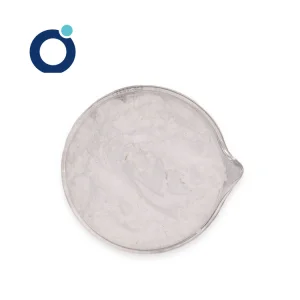
China Soda Ash Light JZ-DSA-L

China Soda Ash Light JZ-DSA-L Manufacturer

Get Pricelist
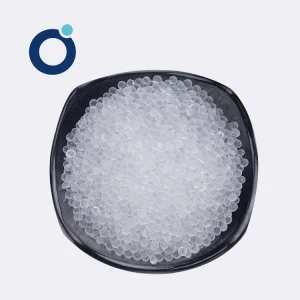
Famous Silica Gel JZ-CSG

Famous Silica Gel JZ-CSG Factory

Explore Exporter
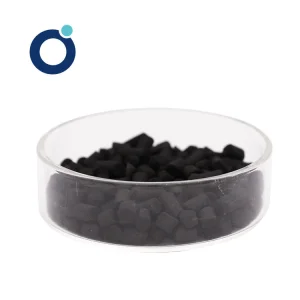
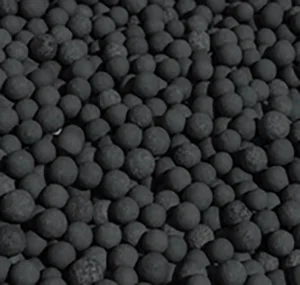
High-Quality Activated Carbon JZ-ACW

High-Quality Activated Carbon JZ-ACW Quotes

Request Quote
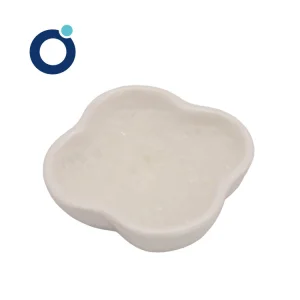
High-Quality Silica Gel JZ-ASG

High-Quality Silica Gel JZ-ASG Suppliers

Get Supplier Quotes
China DuraChem CAM-20S

China DuraChem CAM-20S Manufacturer

View Specifications
OEM Duralyst DO-16T

OEM Duralyst DO-16T Suppliers

Explore Products
Famous Activated Alumina JZ-M1

Famous Activated Alumina JZ-M1 Quotes

View Details
Famous JooSorb ZC-12

Famous JooSorb ZC-12 Exporter

Explore JooSorb

Global Adsorbent & Chemical Engineering Pioneers

1,994
Time of Establishment
80+
Countries with Trade Relations
25,000
Company Area (Square Meters)

Shanghai Jiuzhou Chemicals Co., Ltd. (Joozeo) is situated in Shanghai, China's premiere economic and industrial development hub. Over decades of systematic expansion, Jiuzhou has strictly adhered to the core philosophies of rigorous quality control and technical innovation. We are fully committed to the end-to-end development, research, and manufacturing of high-grade, innovative chemical adsorbents and catalysts.

Our extensive chemical portfolio features high-performance molecular sieve powders, synthetic molecular sieve beads, activated zeolite powders, activated alumina, aluminum oxide catalysts, custom alumina packing, inert ceramic balls, sodium silicates, aluminum hydroxide, zeolite 4A, sodium carbonates, and SLES. All Joozeo manufacturing streams operate under ISO9001:2008 quality management system mandates, backed by global safety and conformance certifications from TUV and SGS.
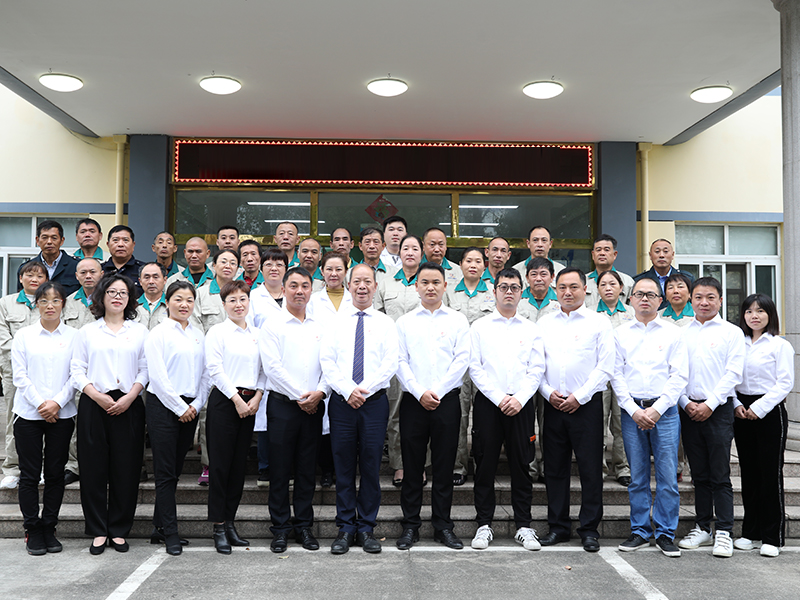
Shanghai Jiuzhou Chemicals Office Building

Deep Dehydration of Natural Gas: The Molecular Adsorption Mechanics

Natural gas dehydration is a critical step in both midstream transportation and downstream processing. Raw natural gas typically contains saturated water vapor, which poses severe operating challenges, including the formation of solid gas hydrates that clog pipelines, and corrosion from acidic gases dissolved in water. To prevent these failures, natural gas streams must undergo rigorous dehydration before processing in cryogenic units (such as liquefaction for LNG, where water dew points must be brought down below -100°C) or delivery to high-pressure transmission networks.

Zeolite Pore Kinetics

Synthesized crystalline aluminosilicates possess uniform microscopic pores. For natural gas processing, Type 3A molecular sieves feature a nominal pore diameter of 3 Ångströms, allowing water molecules (approx. 2.8 Å) to enter the crystalline structure while excluding larger hydrocarbons like methane (3.8 Å) and ethane.

High-Efficiency Thermal Regeneration

Temperature Swing Adsorption (TSA) utilizes thermal cycling to release the captured water vapor. Under elevated temperatures (typically 200°C to 300°C), the partial pressure of water within the zeolite pores is reduced, forcing desorption and restoring the bed to peak capacity.

Unlike chemical absorption units (such as triethylene glycol - TEG systems) which only lower water concentration to 10-50 ppmv, solid desiccant molecular sieve beds regularly reduce moisture to less than 0.1 ppmv. This makes zeolites the industry standard for cryogenic LNG plants where even traces of moisture could freeze out in heat exchangers, causing catastrophic mechanical shutdowns.

Comparison of Zeolites in Natural Gas Sweetening & Dehydration

Choosing the correct crystalline framework is vital to optimizing the Mass Transfer Zone (MTZ) length, minimizing hydrothermal degradation, and eliminating hydrocarbon co-adsorption. The table below illustrates the physical profiles of the primary molecular sieves used in natural gas dehydration plants:

Molecular Sieve Type Nominal Pore Diameter Primary Adsorbate Hydrocarbon Exclusion Industrial Application Target
Zeolite 3A 3 Ångströms (0.3 nm) Water (H₂O) Complete exclusion of CH₄, C₂H₆, and C₃H₈ Dehydration of cracked gases, highly olefinic gas streams, and deep LNG pretreatments.
Zeolite 4A 4 Ångströms (0.4 nm) H₂O, CO₂ Adsorbs CH₄ weakly; excludes C₂H₆ and heavier Standard pipeline gas dehydration; static dehydration in closed air systems.
Zeolite 5A 5 Ångströms (0.5 nm) H₂O, H₂S, CO₂ Adsorbs straight-chain n-paraffins Simultaneous dehydration and sweetening (removal of hydrogen sulfide and light mercaptans).
Zeolite 13X (HP) 10 Ångströms (1.0 nm) Heavy Mercaptans, CO₂ Co-adsorbs heavier hydrocarbons LNG purification pre-treatment for heavy hydrocarbon and sulfur compound trace removal.

Global Procurement Landscapes & Macro Industry Solutions

Procurement managers across major gas processing networks face complex operating constraints. Standard parameters like feed gas composition variability (e.g., liquid water carryover, amine carryover, hydrocarbon condensates) can significantly shorten the design life of molecular sieve beds. Thus, buying strategies must focus on products that offer high chemical integrity and superior physical characteristics.

Joozeo provides tailored macro solutions to address these operational constraints. For instance, in gas networks where upstream separators suffer from carryover, our technical engineers recommend putting a sacrificial protective layer of activated alumina at the top of the bed. This layer traps free water droplets and prevents liquid water from directly striking the molecular sieve beads, eliminating hydrothermal structural collapse.

Key Metrics in Industrial Sieve Procurement:

  • Crushing Strength: High mechanical strength prevents the beads from turning to dust under high gas velocities and heavy static bed loads.
  • Attrition Loss Rate: Lower dust generation safeguards downstream filtration and gas compression units from abrasive solid wear.
  • Dynamic Moisture Capacity: High working capacities yield longer cycle times, reducing thermal swing cycles and extending the bed's lifespan.
  • Bulk Density: Proper density ensures uniform packing density to prevent channeling and uneven gas distribution in the column.

State-of-the-Art Factory Infrastructure & Technical Capacity

Jiuzhou has built a top-tier research team and utilizes advanced manufacturing technologies and dynamic testing laboratories to ensure every batch of molecular sieves meets international performance thresholds.
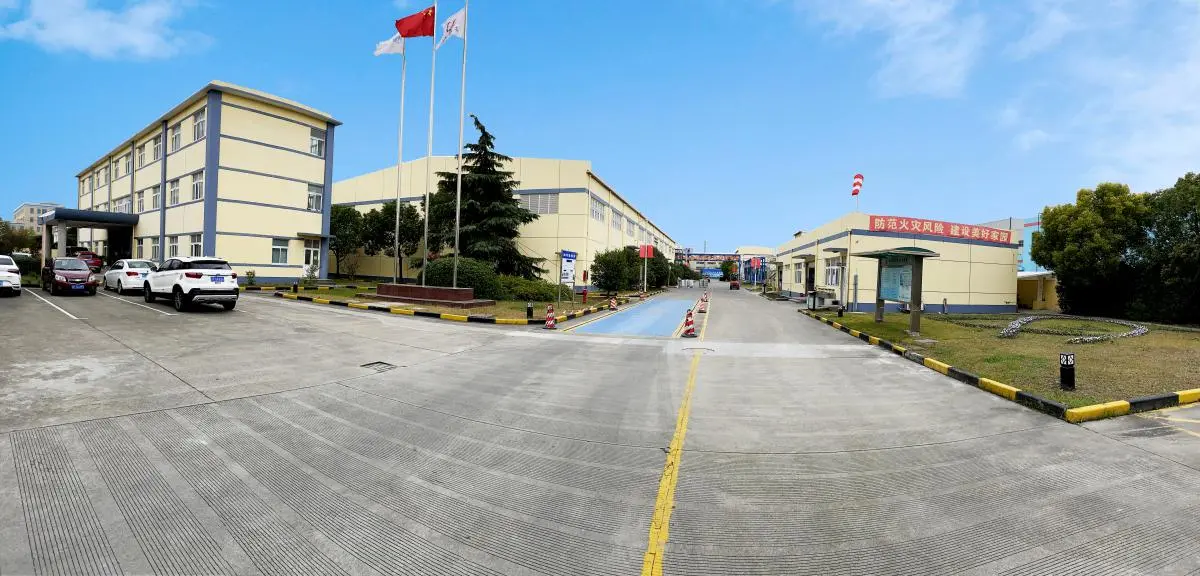
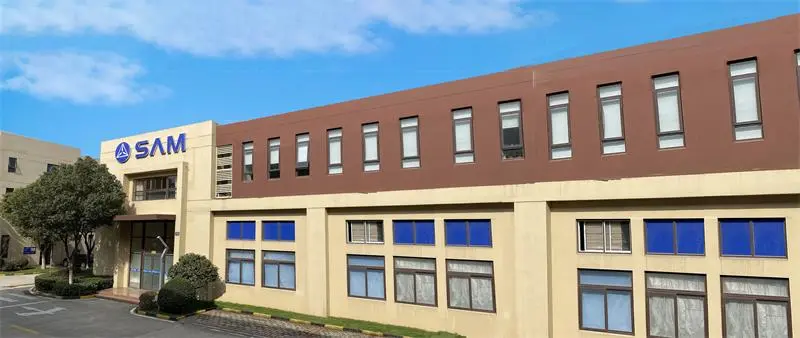
Shanghai Industrial Manufacturing Center

Jiuzhou Shanghai Factory Facilities

Wuxi Advanced Catalyst Synthesis Facility

Jiuzhou Wuxi Factory Facilities

National & International Standardization Architect

Joozeo acts as an industry standard setter, actively contributing to and formulating critical industry, national, and group standards for chemical dryers and adsorbents:
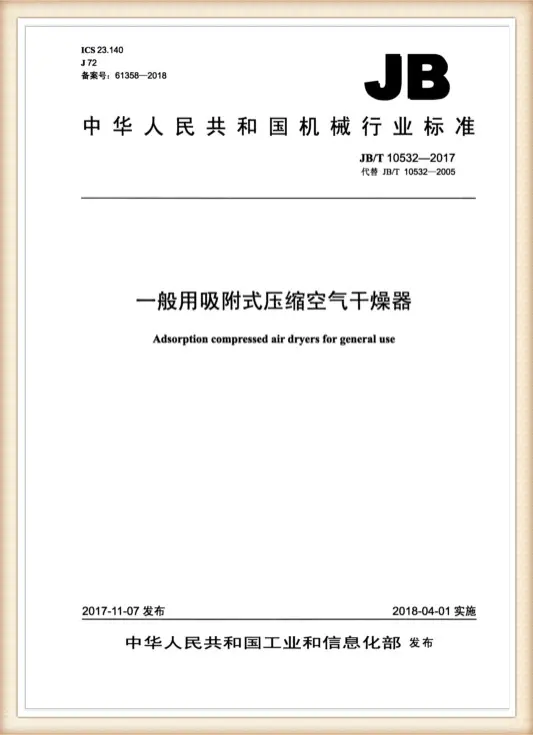
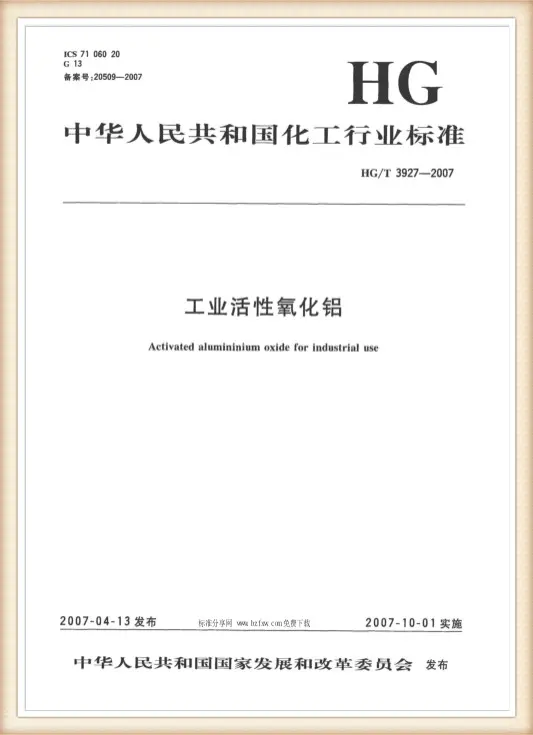
Standard JB/T 10532-2017
JB / T 10532-2017
Adsorption compressed air dryers for general use
Standard HG/T 3927-2007
HG / T 3927-2007
Activated aluminum oxide for industrial use
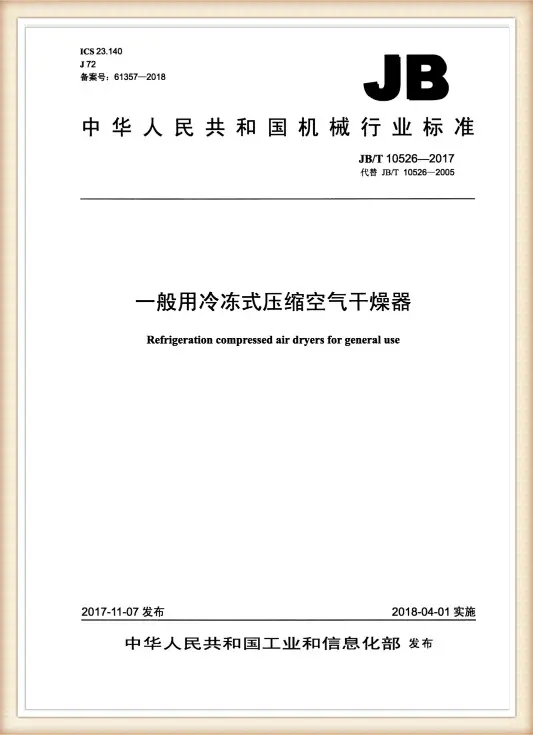
Standard JB/T 10526-2017
JB / T 10526-2017
Refrigeration compressed air dryers for general use
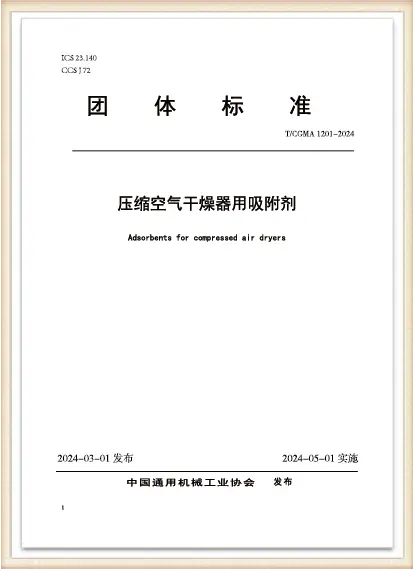
Standard T/CGMA1201-2024
T/CGMA1201-2024
Group Standard for Machinery Industry Association
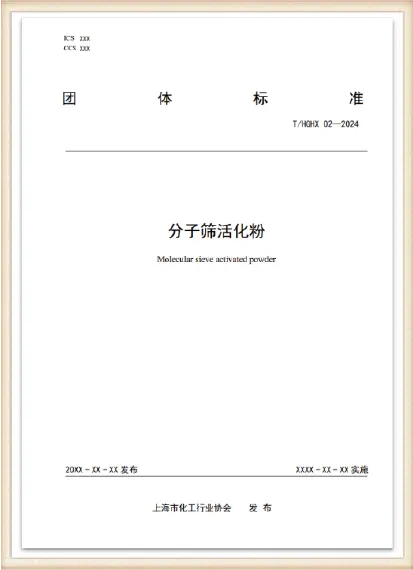
Standard T/HGHX 02-2024
T/HGHX 02—2024
Regional Chemical Adsorbent Specification Standard
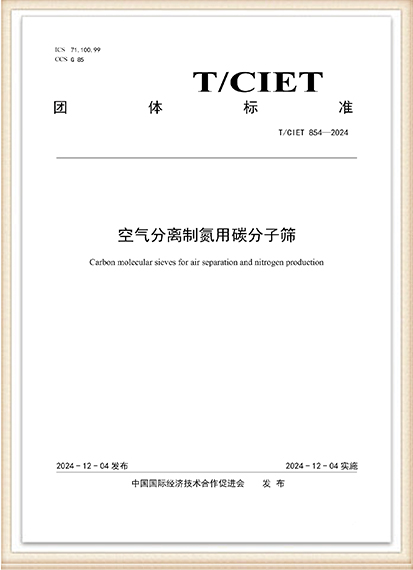
Standard T/CIET 854-2024
T/CIET 854-2024
Green Adsorbent Energy Efficiency Standard

Technological Roadmap: The Next Generation of Dehydration Adsorbents

The global transition toward carbon neutrality and energy efficiency is driving a paradigm shift in adsorption technology. Traditional TSA operations require massive energy inputs to heat regeneration gases to high temperatures. The current technological roadmap for industrial molecular sieves focuses on mitigating this energy footprint through structural modification and process design.

Researchers at Joozeo are developing low-temperature regeneration molecular sieves that operate effectively with regeneration gas streams that are 30°C to 50°C cooler than traditional requirements. This is achieved by controlling the density of active cation sites within the zeolite framework, which reduces the binding energy between water molecules and the pore walls without compromising the dynamic adsorption capacity.

Furthermore, the rising demand for Carbon Capture, Utilization, and Storage (CCUS) has catalyzed the development of advanced carbon molecular sieves (CMS) like the JZ-CMS8N. These materials feature precise pore openings tailored for nitrogen and methane separation, playing a vital role in capturing CO2 and purging impurities from methane streams in biogas upgrading and natural gas pipelines.

Corporate Social Responsibility: Better Air, Better Life

At Jiuzhou, environmental stewardship is embedded in our manufacturing and product lifecycle designs. We believe that clean air and a healthy environment are core values for modern industrial chemical factories.

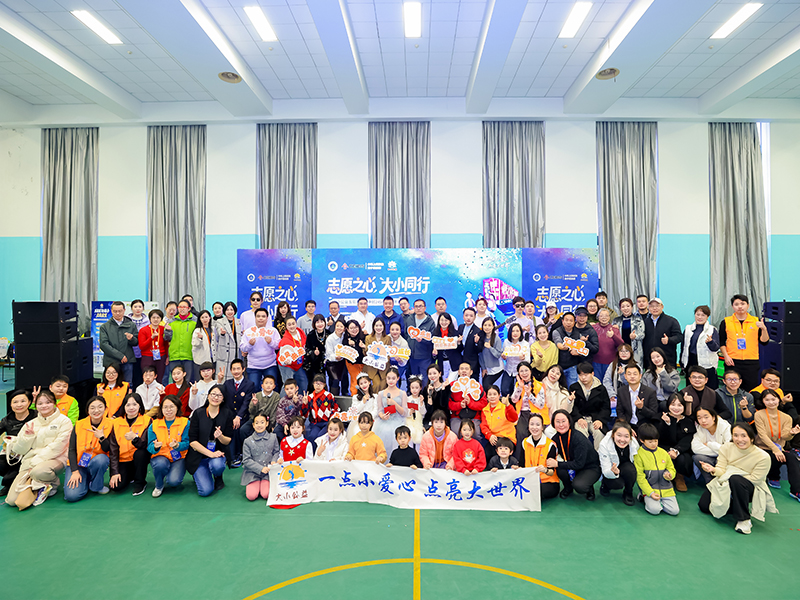
Eco production activities
Emission control technology
Carbon neutral objectives
Chemical safety protocols
Wastewater treatment system
Safe work environment
Plantation around factory
Environmental testing lab

Technical Q&A: Natural Gas Dehydration & Adsorbents FAQ

Why is 3A molecular sieve preferred over 4A for olefinic natural gas streams?
Olefinic streams contain unsaturated hydrocarbons like ethylene or propylene. The pore diameter of 4A molecular sieves (approx 4.0 Å) is large enough to allow these hydrocarbons to enter. During the regeneration phase (at temperatures up to 250°C–300°C), the trapped olefins undergo thermal cracking and polymerization, causing carbon buildup (coking) in the pores. This reduces the adsorption capacity and life of the bed. The 3A molecular sieve (pore size 3 Å) excludes these olefins while still adsorbing water, preventing coking.
How does liquid water carryover damage molecular sieve beds?
Molecular sieves have a high heat of adsorption. When liquid water reaches the hot molecular sieve bed during transition cycles, the localized heat generation is extremely intense. This can cause steam pocketing and localized thermal shock, fracturing the zeolite binder. Additionally, the presence of liquid water during high-temperature regeneration causes hydrothermal aging, which breaks down the crystalline framework of the zeolite and turns the beads to dust, causing pressure drops to spike.
What are the typical symptoms of a failing molecular sieve bed?
Common indicators of bed failure include a premature rise in the dew point of the gas stream (breakthrough), high pressure drops across the vessel (caused by powdering or bed compaction), and a drop in regeneration outlet temperature. If coking occurs, the regeneration gas may carry out cracked hydrocarbons. Regular analysis of pressure drops and dew points helps operators estimate when the molecular sieves need replacing.
What is the standard life expectancy of Joozeo molecular sieves in gas dehydration?
Under normal operating conditions, our molecular sieves typically last between 3 to 5 years (or over 1000 adsorption-regeneration cycles). The actual life of the bed depends on the level of feed gas pre-treatment, the frequency of regeneration cycles, thermal controls during regeneration, and the presence of poisons like amine, heavy hydrocarbons, or compressor oil.
How does dynamic adsorption capacity differ from static water adsorption capacity?
Static water adsorption capacity is measured under laboratory conditions at constant temperature and humidity, reflecting the maximum amount of water a sieve can hold at equilibrium. Dynamic adsorption capacity is measured under flowing conditions, simulating real industrial operations. It factors in gas velocity, contact time, operating pressure, and feed gas composition, and is the key metric for sizing commercial adsorption towers.
Can carbon molecular sieves (JZ-CMS8N) be used for natural gas dehydration?
No, carbon molecular sieves (CMS) are primarily designed for pressure swing adsorption (PSA) separation of gases with similar kinetic diameters, such as nitrogen/oxygen or methane/carbon dioxide separation. Zeolite-based molecular sieves (like 3A, 4A, or 5A) are the standard choice for natural gas dehydration due to their high affinity for polar water molecules.
How does Joozeo ensure consistent quality in bulk manufacturing?
Our quality control process is integrated into every stage of manufacturing, from sourcing raw materials to chemical blending, extrusion, calcination, and final packing. Our facilities operate under ISO 9001:2008 and are audited by TUV and SGS. We test every batch in our dynanic laboratories for crush strength, attrition rate, bulk density, and dynamic water adsorption capacity.
What is the purpose of placing an activated alumina layer above the molecular sieve bed?
An activated alumina layer (such as JZ-M1 or JZ-K1W) acts as a sacrificial guard bed at the inlet of the column. It adsorbs high concentrations of liquid water droplets and acid gas contaminants, protecting the more sensitive molecular sieve layer underneath from thermal cracking and hydrothermal structural breakdown.

Featured Adsorption & Chemical Catalyst Products (Batch 2)

OEM Carbon Molecular Sieve JZ-CMS8N

OEM Carbon Molecular Sieve JZ-CMS8N Suppliers

Contact Exporters
Best Duralyst OS-300

Best Duralyst OS-300 Manufacturer

Contact Factory
Famous Molecular Sieve Packs JZ-MSDB

Famous Molecular Sieve Packs JZ-MSDB Supplier

Get Quotes
China Activated Alumina JZ-K1W

China Activated Alumina JZ-K1W Pricelist

View Pricelist
High-Quality Molecular Sieve JZ-404B

High-Quality Molecular Sieve JZ-404B Manufacturer

Get Quotes
Famous Molecular Sieve JZ-3ZAS

Famous Molecular Sieve JZ-3ZAS Manufacturers

Request Pricelist
Famous DuraChem CAM-10S

Famous DuraChem CAM-10S Quotes

Get Product Details
High-Quality Molecular Sieve JZ-ZHS

High-Quality Molecular Sieve JZ-ZHS Suppliers

Explore Factories

Request Technical Engineering Support & Custom Quotes

Do you need to optimize your natural gas dehydration beds or check prices for bulk molecular sieve shipments? Our engineering experts respond to all inquiries within 24 hours.

Send Adsorption Request