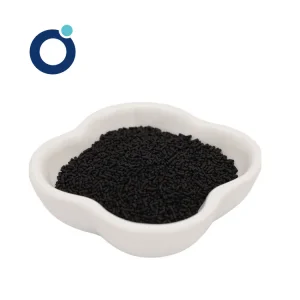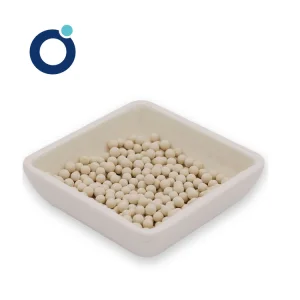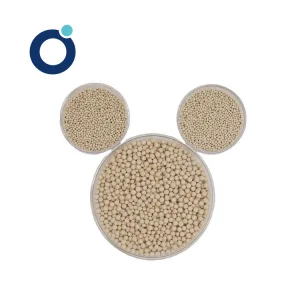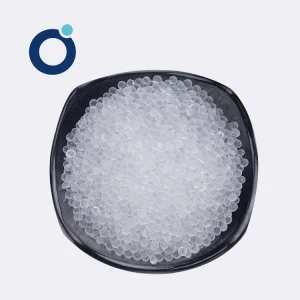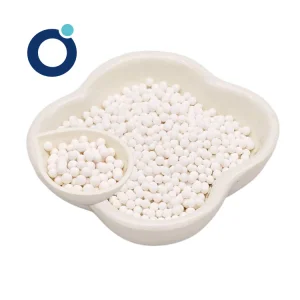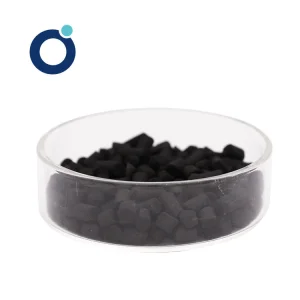
Explore our core molecular sieve formulations and industrial desiccant agents designed for critical separation processes.
The Science of Angstrom-Level Filtration: How Potassium-Exchanged LTA Structures Ensure Zero Hydrocarbon Co-Adsorption
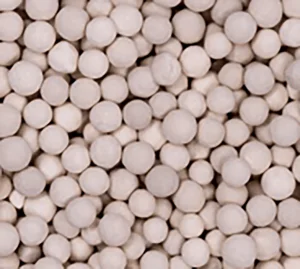
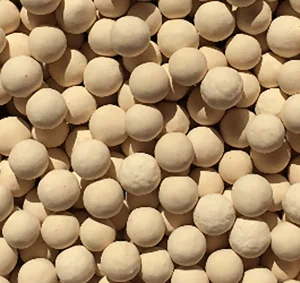
Molecular Sieve 3A, an alkali metal aluminosilicate, is the potassium-exchanged form of the type A crystal structure (LTA). The chemical formula is typically represented as 0.6 K₂O : 0.4 Na₂O : Al₂O₃ : 2.0 SiO₂ : x H₂O. Through a meticulous ion exchange process, sodium ions within the zeolite framework are substituted with larger potassium ions. This substitution restricts the effective pore opening of the crystal matrix to approximately 3 Ångströms (0.3 nm).
In the context of dynamic adsorption kinetics, this narrow pore window allows for the selective diffusion of polar molecules with smaller kinetic diameters, primary among which is water (kinetic diameter of 2.65 Å). Larger compounds, such as ethane (3.9 Å), ethylene (3.9 Å), and ethanol (4.2 Å), are sterically excluded from the crystalline cage. Consequently, this prevents co-adsorption, side reactions (e.g., polymerization of unsaturated hydrocarbons), and premature bed saturation, establishing Zeolite 3A as the standard adsorbent for gas cracking and solvent dehydration.
Exact 3Å diameter prevents co-adsorption of critical process gases, maintaining maximum capacity for moisture targets.
High adsorption rate with minimized mass transfer zones, optimizing bed volume requirements in industrial towers.
Engineered binders withstand high thermal stress during cyclic regeneration, ensuring extended service life.
Engineered selectivity profiles across primary Zeolite modifications
| Zeolite Type | Nominal Pore Diameter (Å) | Typical Chemical Formula | Primary Adsorbate | Key Excluded Species | Critical Applications |
|---|---|---|---|---|---|
| Molecular Sieve 3A | ~3 | 0.6 K₂O : 0.4 Na₂O : Al₂O₃ : 2.0 SiO₂ | Water (H₂O) | Ethylene, Propylene, Ethanol | Cracked Gas drying, Ethanol dehydration, Insulating glass |
| Molecular Sieve 4A | ~4 | Na₂O : Al₂O₃ : 2.0 SiO₂ | H₂O, CO₂, H₂S, SO₂ | Propane, Butane, Hydrocarbons > 4 Å | Air break systems, Closed-loop gas dehydration |
| Molecular Sieve 5A | ~5 | 0.8 CaO : 0.2 Na₂O : Al₂O₃ : 2.0 SiO₂ | n-Paraffins, light mercaptans | Iso-paraffins, cyclic compounds | Pressure Swing Adsorption (PSA) hydrogen purification |
| Molecular Sieve 13X | ~10 | Na₂O : Al₂O₃ : 2.8 SiO₂ | CO₂, H₂S, nitrogen oxides | Molecules > 10 Å | Air separation plants (pre-purification), mercaptan removal |
Adhering to "Quality Control 100%, Innovation 100%" since 1994
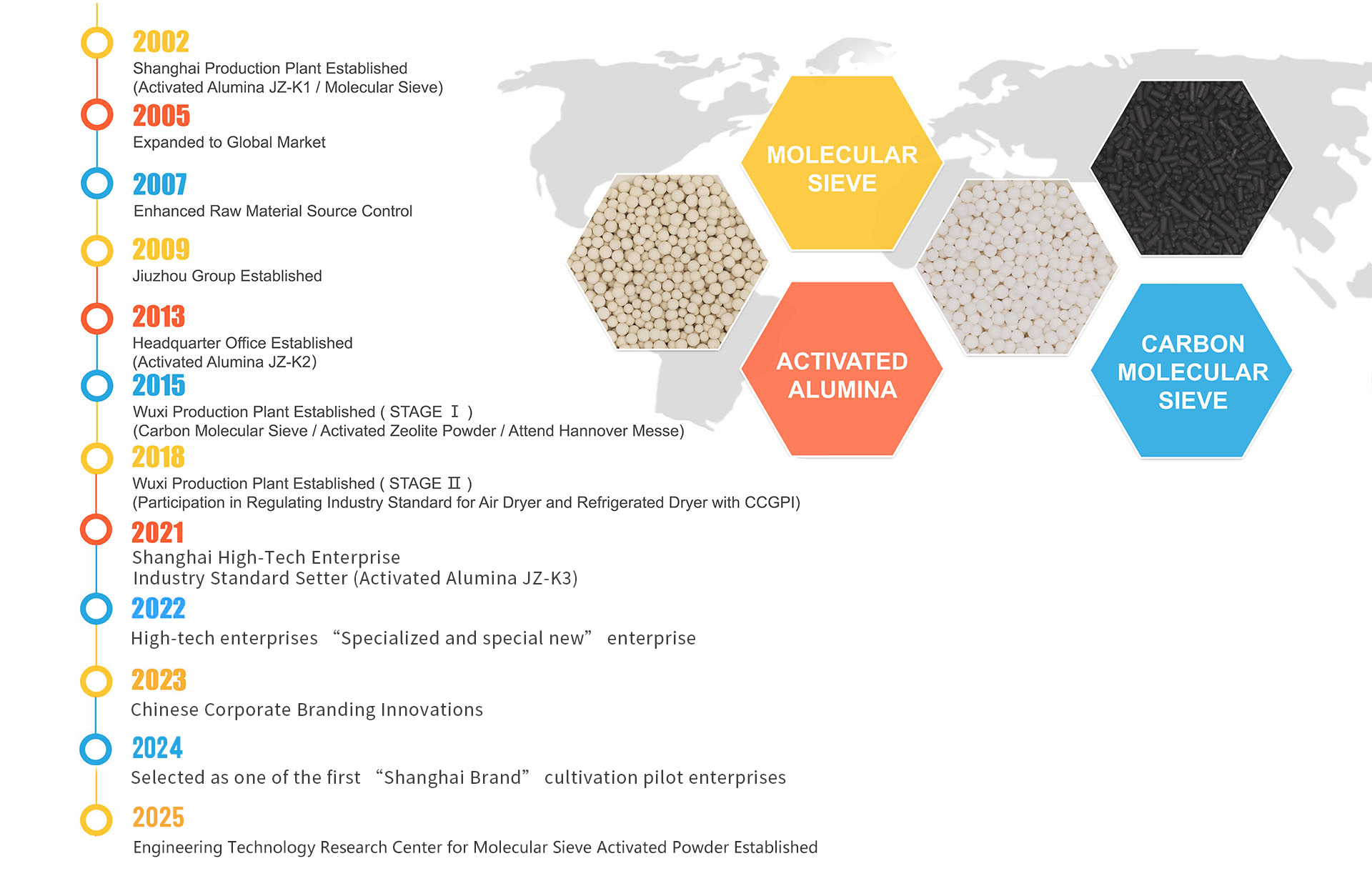
Shanghai Jiuzhou Chemicals Co., Ltd. is located in Shanghai, China's largest economic development city. Over the years, Jiuzhou has always adhered to the "quality control, innovation" principles, committed to the development, research, and manufacturing of high-quality innovative chemical products. Our main products include various molecular sieve powders, molecular sieves, activated powder, activated alumina, aluminum oxide catalysts, different types of alumina packing and ceramic balls, sodium silicates, aluminum hydroxide, zeolite 4A, sodium carbonates, SLES, etc. All of our products have passed the ISO9001:2008 quality management system certification, as well as TUV & SGS Certification.
Jiuzhou factory hosts a professional and world-class research team and chemical product resource experts. We employ state-of-the-art international production technology and professional machinery, designed in line with strict national standards. Monitoring, analysis, and development are conducted within our central laboratory using advanced analytical instrumentation. Every step of quality inspection is strictly controlled to ensure Jiuzhou products meet and exceed international benchmarks.
Our technical strength and reputation make us an industry leader in desiccants. Featuring custom-formulated solutions, automated multi-functional workshops, and dynamic pilot laboratories, we provide our global partners with reliable, energy-saving, and environmentally conscious adsorption solutions across the USA, Southeast Asia, Japan, Europe, the Middle East, and South America.
Scaling Up Efficiency, Vertical Integration, and Global Port Logistics
Procuring molecular sieves from Shanghai Jiuzhou Chemicals enables global enterprises to leverage substantial supply chain efficiencies. The integration of raw material acquisition, advanced process automation, and proximity to major logistics hubs allows us to maintain consistent quality with competitive delivery timelines.
By manufacturing our own sodium silicate precursors and utilizing direct supplies of high-purity aluminates, we isolate our clients from external raw material price swings.
Operating specialized lines across our Shanghai and Wuxi factories ensures production redundancy and guarantees order fulfillment under any circumstances.
Every batch matches international shipping requirements, packaging specifications (steel drums, super sacks), and passes stringent environmental checks.
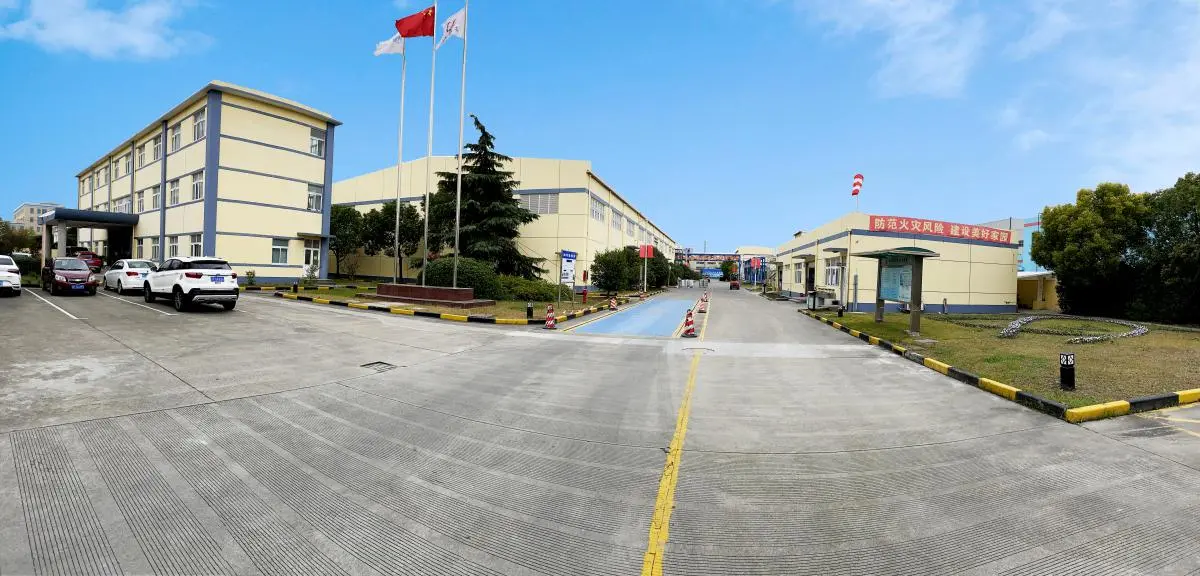
Dedicated to advanced synthesis, pilot testing, and premium export grading. Features integrated automated packing lines and a centralized testing center.

Optimized for high-tonnage production, calcination, and bulk shipping prep. Serves as our primary supply base for domestic and international heavy industries.
Our role as an industry benchmark setter and standards participant
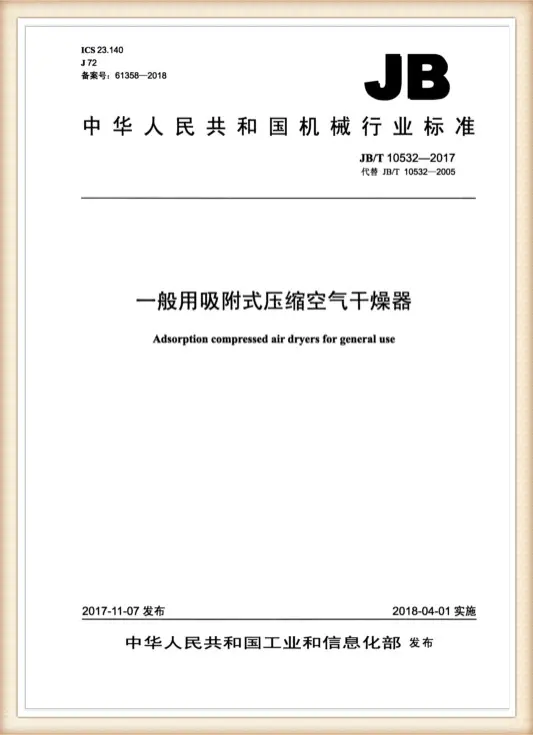
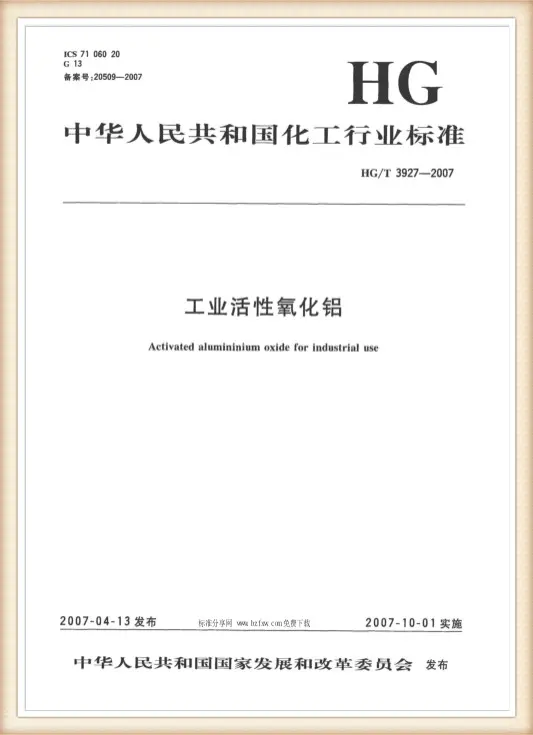
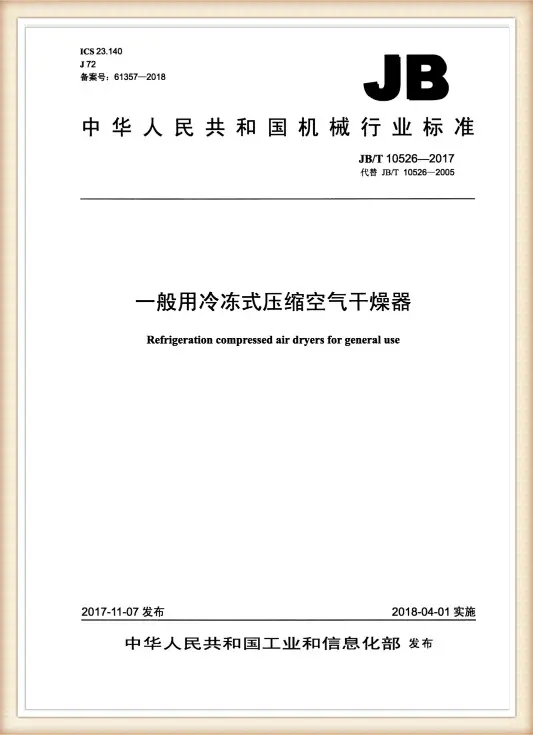
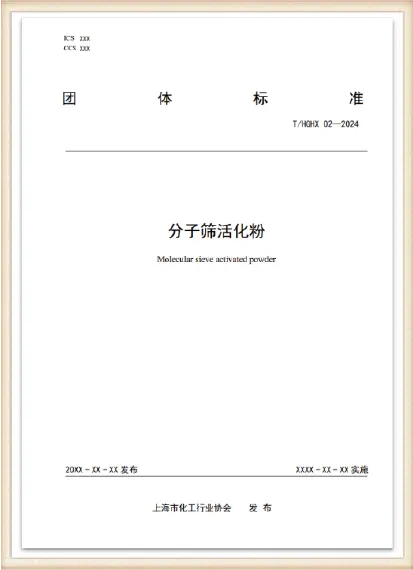
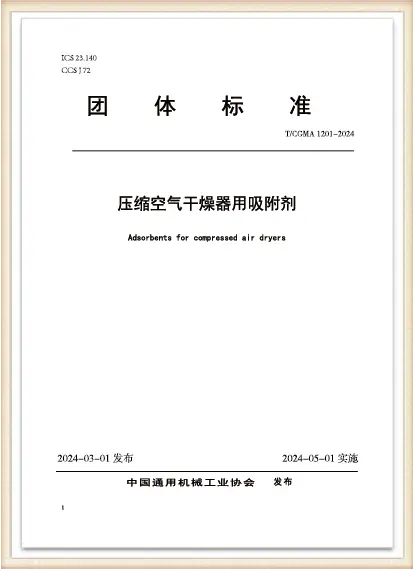
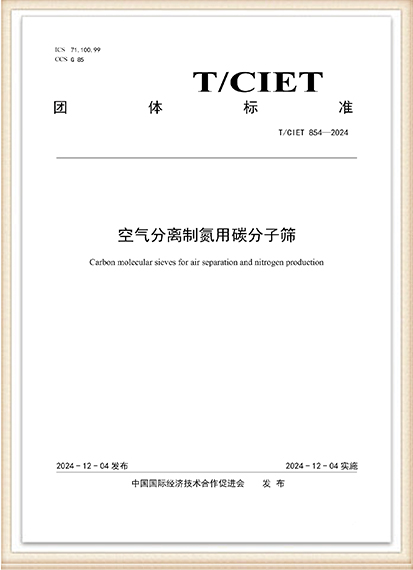
Shanghai Jiuzhou Chemicals does not merely follow industry guidelines; we actively draft and set them. Our team has collaborated with national committees to standardize testing procedures and performance profiles for compressed air dryers and industrial alumina desiccants.
How Molecular Sieve 3A supports key industrial workflows
In fuel ethanol production, wet ethanol (~95% concentration) must be dried to 99.8% purity or higher. Molecular Sieve 3A is the preferred medium because it selectively adsorbs water without adsorbing the ethanol molecule itself, preventing azeotropic distillation limits from locking process efficiency.
To prevent condensation inside double-glazed windows, 3A molecular sieve beads are packed into the spacer profile. Our low dust-emission 3A beads dry the air space without co-adsorbing nitrogen or argon, which would otherwise cause structural stress on the glass pane under cold weather.
Ethylene, propylene, and butadiene separation processes require deep dehydration down to ppm levels. Standard 4A sieves would co-adsorb olefins, causing localized heating and coke formation. Our premium 3A molecular sieve bypasses this risk completely, optimizing reactor runtimes.
Seamless global logistics with regional compliance validation
Deploying chemical adsorbents on an industrial scale requires alignment with global safety, environment, and trade compliance structures. Shanghai Jiuzhou Chemicals maintains a dedicated team to manage registration protocols, safety declarations, and batch testing processes for import markets:
For European buyers, our materials comply fully with REACH registrations, ensuring import clearance across EU member states. We provide detailed Safety Data Sheets (SDS) in native languages and provide access to certified laboratory testing results.
We arrange custom clearance document bundles, packing lists, certificate of analysis (COA) records, and toxic substances declarations for US markets, simplifying port clearance and bulk warehousing transfers.
Our commitment to sustainable production and green chemical solutions
We believe that modern chemical manufacturing should actively support environmental health. We invest in carbon offset programs, water recycle systems within our plants, and clean manufacturing technologies.


Best-practice protocols for Thermal Swing Adsorption (TSA) cycles
Over multiple adsorption cycles, molecular sieves accumulate residual moisture that cannot be fully desorbed under basic process pressures. To restore full adsorption capacities, a thermal regeneration step is required.
For 3A molecular sieves, regeneration gas temperature should be maintained between 200°C and 320°C. Exceeding 350°C can result in structural collapse of the zeolite matrix, reducing effective pore volume.
Using a dry, hydrocarbon-free purge gas (such as nitrogen or clean product gas) is critical. The presence of condensable hydrocarbons during heating can lead to coking, which plugs the active 3Å pores.
Following the heating phase, dry gas must continue flowing through the bed to cool it down to process operating temperatures (typically 30°C to 50°C) before returning the bed to service.
Expert answers regarding selection, operations, and procurement
Explore our selection of carbon molecular sieves, silica gels, and active aluminas
Any Problem, please feel free to contact us. Respond within 24 hours.
Send Request