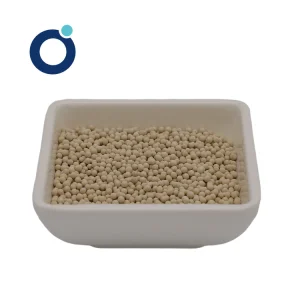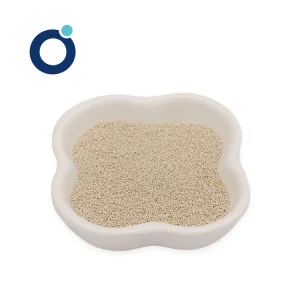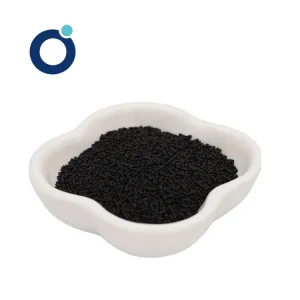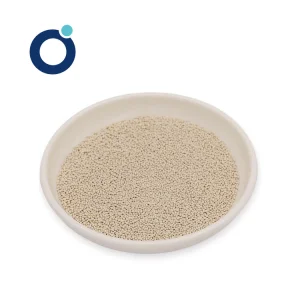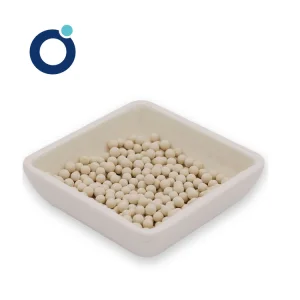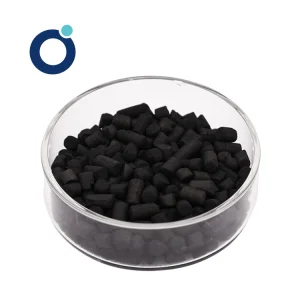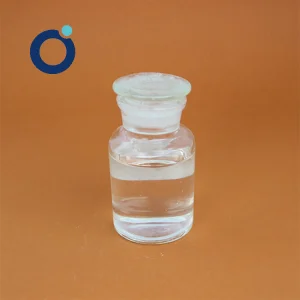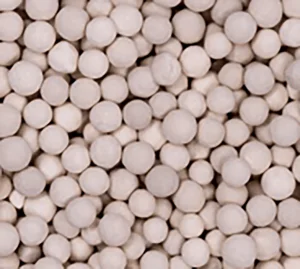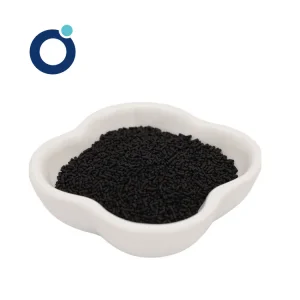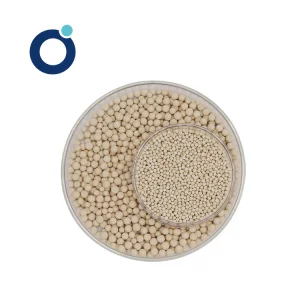
Explore our high-performance molecular sieves, silica gels, and catalysts designed to power efficient industrial solvent dehydration systems globally.
An authoritative analysis of thermodynamic separation, molecular sieve dynamics, and modern process plant optimization.
Solvent dehydration is a pivotal unit operation across the pharmaceutical, petrochemical, lithium-ion battery, and fine chemical manufacturing sectors. Achieving trace levels of moisture—often below 10 ppm (parts per million)—is critical because residual water can poison catalysts, cause battery electrolyte degradation, or alter thermodynamic pathways in polymerization reactions.
Traditional separation methodologies, such as azeotropic or extractive distillation, are notorious for their excessive energy footprint and the introduction of hazardous entrainers (like benzene or cyclohexane). Modern systems rely primarily on Adsorption Dehydration Technology using synthetic crystalline aluminosilicates (molecular sieves). By exploiting the structural pores of specific zeolites, water molecules (kinetic diameter ~2.6 Å) are selectively trapped inside the crystalline cavities while larger solvent molecules, such as ethanol (3.8 Å), isopropanol (4.7 Å), or tetrahydrofuran (THF), pass through unaffected.
This process operates using either Temperature Swing Adsorption (TSA) or Pressure Swing Adsorption (PSA) paradigms. Selecting the correct system manufacturer demands deep expertise in gas/liquid mass transfer, chemical compatibility, hydrothermal stability of the molecular sieves, and energetic optimization of the regeneration phase.
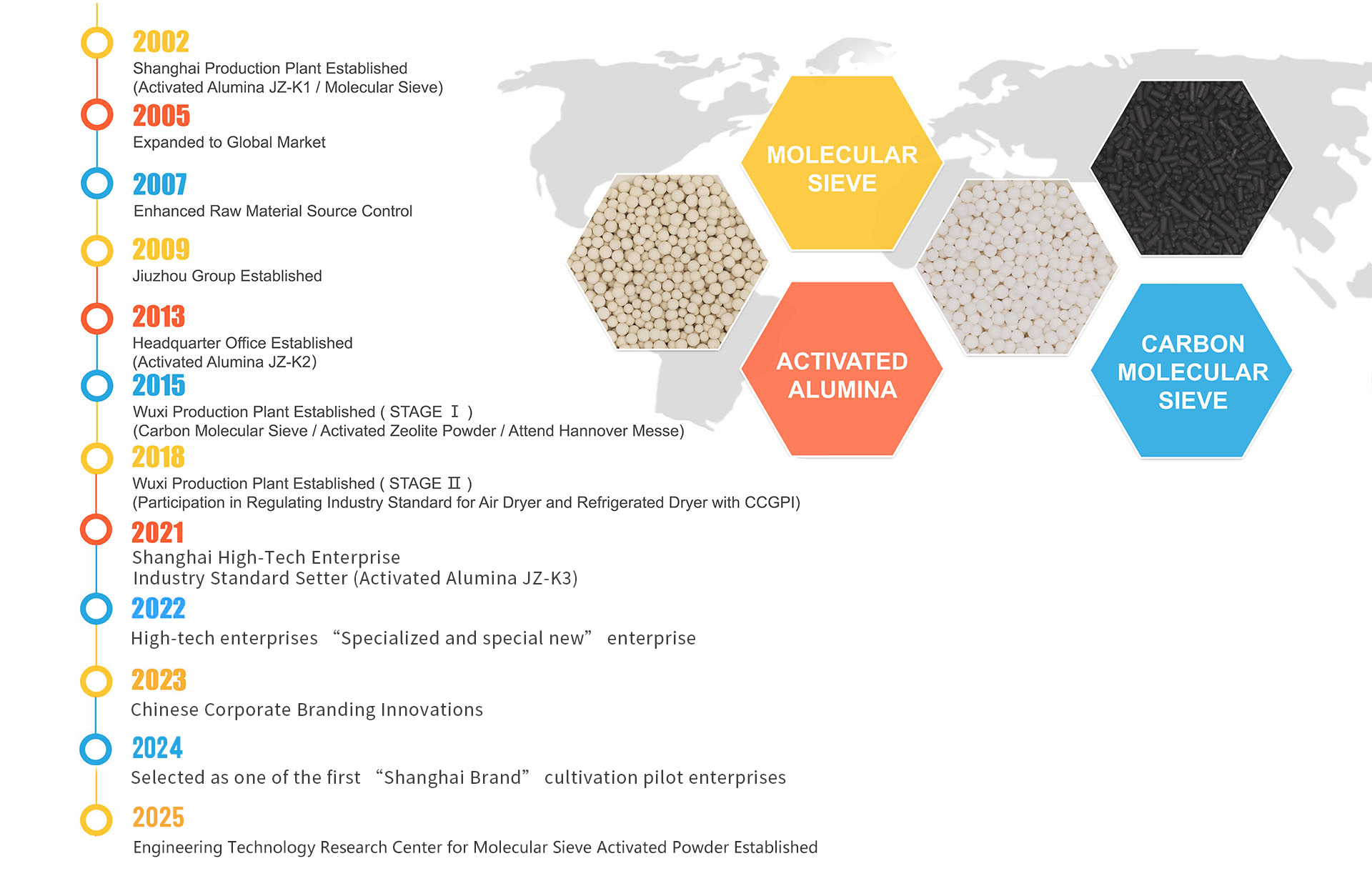
Shanghai Jiuzhou Chemicals Co., Ltd. is a world-class standard setter in chemical desiccants and adsorption catalysts.
Located in China's primary economic and trade center, Shanghai, Shanghai Jiuzhou Chemicals Co., Ltd. (JOOZEO) has spent decades adhering to the dual core principles of "Quality Control & Innovation". We are fully committed to the development, pioneering research, and large-scale manufacturing of high-quality, innovative chemical adsorption products.
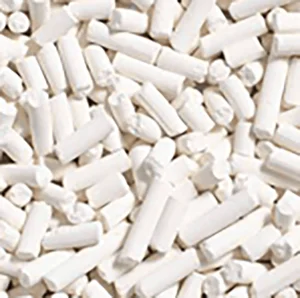
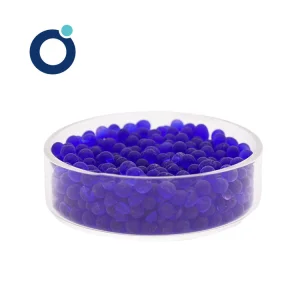
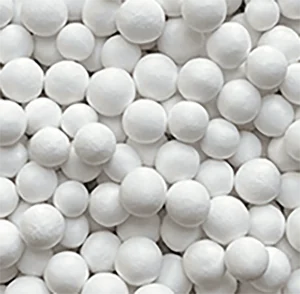
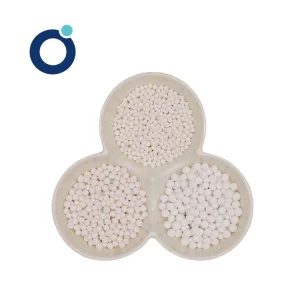
Our expansive product portfolio supports every stage of modern solvent dehydration and air treatment processes. It includes various molecular sieve powders, molecular sieves, activated powder, activated alumina, aluminum oxide catalysts, various types of alumina packing and ceramic balls, sodium silicates, aluminum hydroxide, zeolite 4A, sodium carbonates, and SLES. All manufacturing and management protocols strictly adhere to international standards, backed by ISO9001: 2008 quality management system certification, alongside TUV & SGS certifications.
Rigorous multi-stage analytical testing ensuring absolute batch consistency and structural stability.
In-house dynamic testing labs constantly improving hydrothermal resistance and adsorption kinetics.
Delivering high capacity, precision engineering, and robust supply chains through strategically located factories.
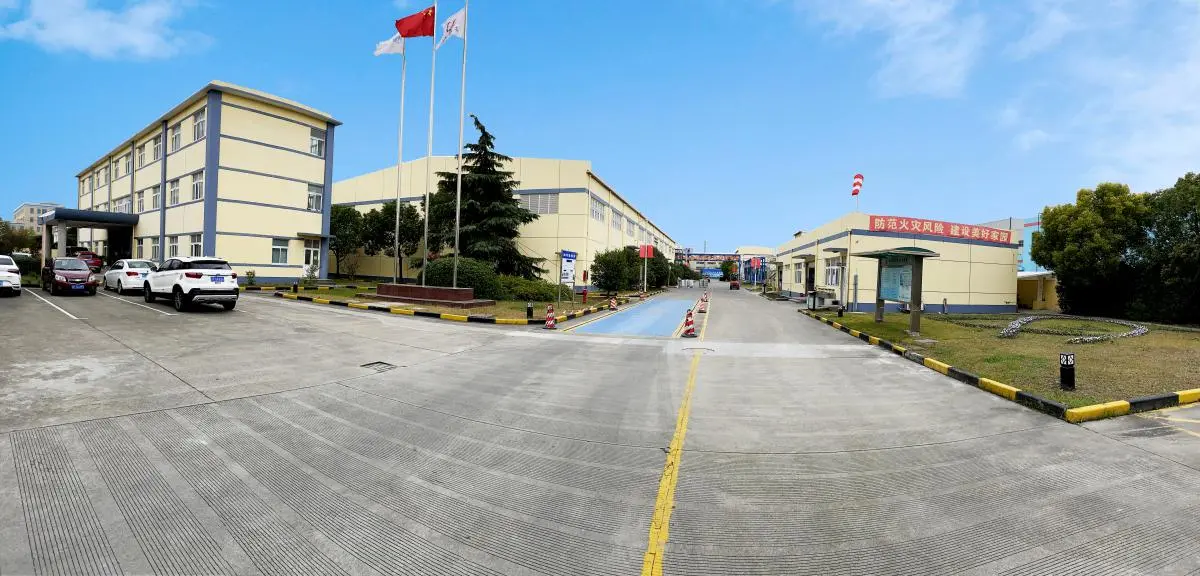

By leveraging two highly automated production hubs in East China, JOOZEO bridges the gap between massive manufacturing scalability and custom scientific formulation. Our facilities feature professional, world-class research teams backed by domestic and international chemical process experts. Each facility houses a central laboratory outfitted with state-of-the-art monitoring and analysis instruments to oversee crystallization, calcination, pelletizing, and activation processes. This setup ensures that every batch of molecular sieve or activated alumina meets or exceeds stringent international standards, preventing dust formation, bed compaction, or premature breakdown during severe swing-adsorption cycles.
JOOZEO does not just follow standards; we actively draft and establish the protocols that govern dry adsorption technologies.
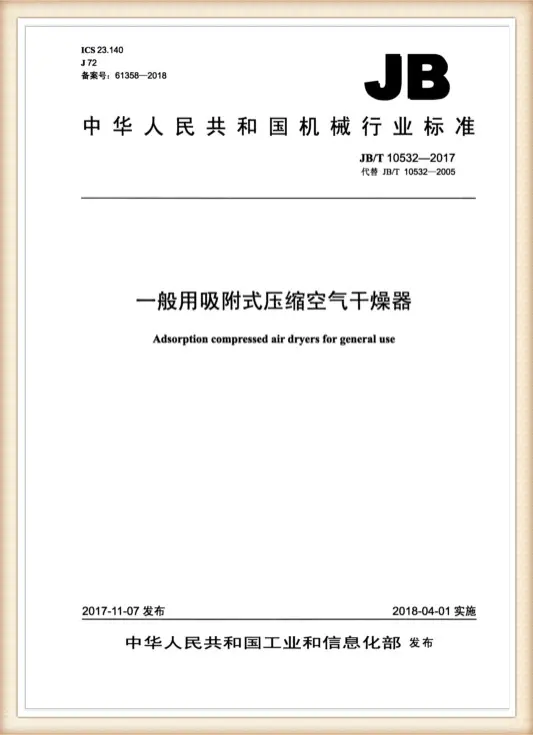
JB / T 10532-2017
Adsorption compressed air dryers for general use
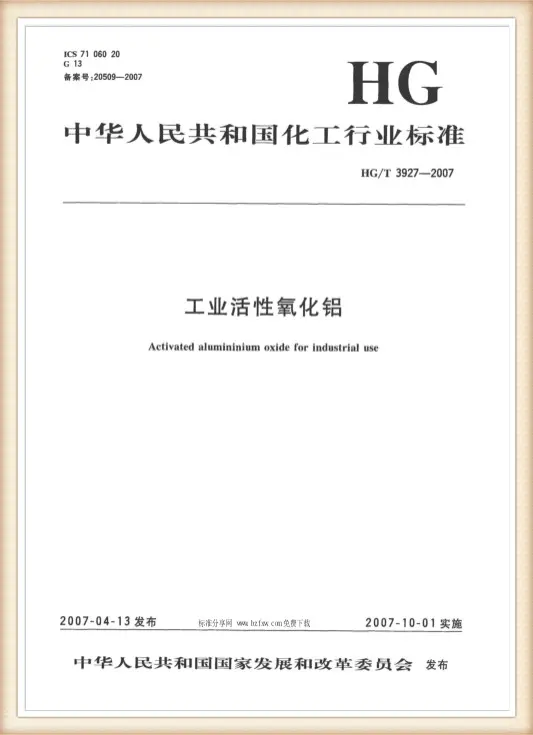
HG / T 3927-2007
Activated aluminium oxide for industrial use
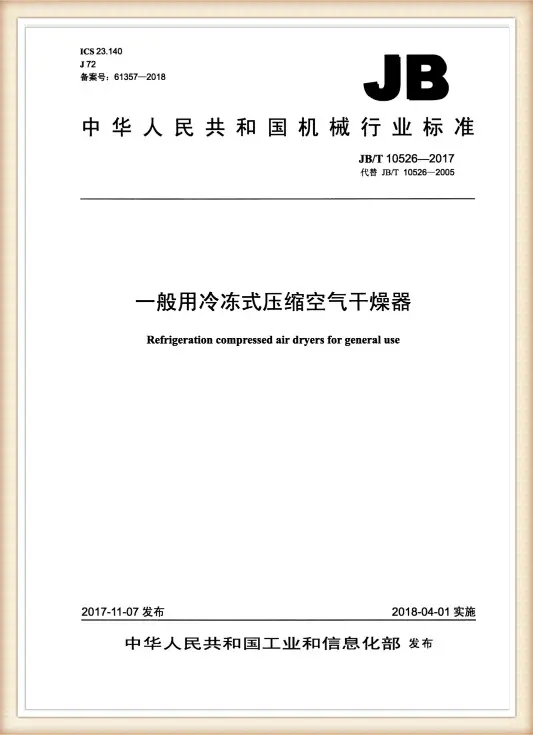
JB / T 10526-2017
Refrigeration compressed air dryers for general use
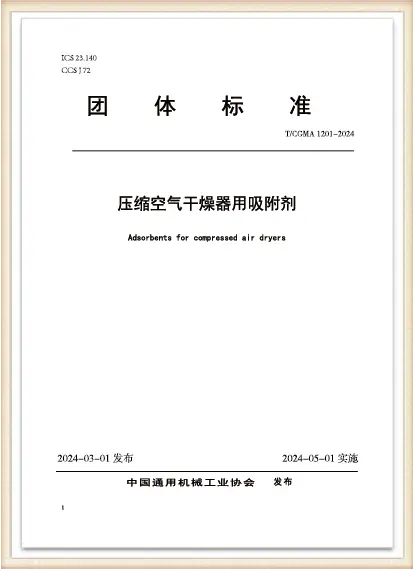
T/CGMA1201-2024
General machinery industrial standards
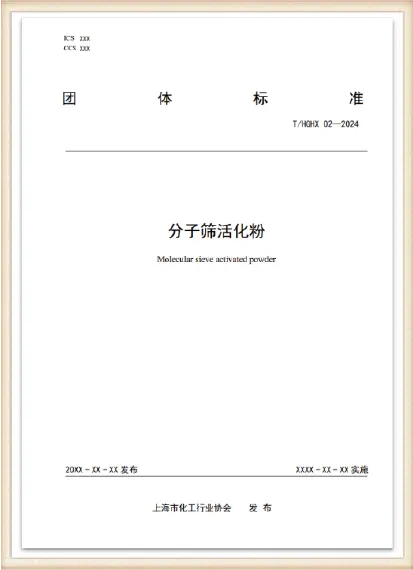
T/HGHX 02—2024
Chemical industry group dehydration specifications
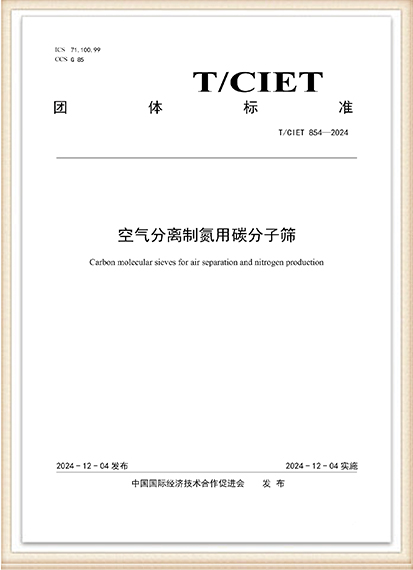
T/CIET 854-2024
Industrial environment protection & energy-saving desiccants
Addressing global sourcing pain points and the shifting paradigm of modern engineering procurement.
Procurement teams require solvent dehydration systems that offer low initial CAPEX alongside optimized lifetime OPEX. The primary objective is to maximize adsorbent lifespans while minimizing the energy required for thermal regeneration. Our customized solutions focus on reducing utility requirements (steam, nitrogen, or electricity) during the regeneration step, ensuring rapid return on investment (ROI).
Operating out of Shanghai and Wuxi, JOOZEO benefits from raw material access, streamlined chemical shipping clusters, and robust localized engineering talent. This integration allows us to offer competitive pricing without sacrificing molecular sieve structural integrity, pore volume, or crush strength, ensuring fast delivery and stable logistics worldwide.
The industry is transitioning toward hybrid distillation-adsorption processes to achieve deep dehydration down to ppm levels. Additionally, stricter global VOC emission limits and carbon footprint reduction goals are pushing operators to adopt highly efficient thermal and pressure swing systems that utilize waste heat for regeneration.
Ensuring systems comply with local laws and excel in specialized regional operating environments.
Operating chemical plants globally requires strict compliance with regional manufacturing codes. Our products and systems conform to ASME Section VIII, CE/PED pressure vessel regulations, and ATEX/IECEx classifications for explosive vapor environments. By utilizing JOOZEO's ISO9001 certified desiccants and catalysts, operators can guarantee process reliability, safeguard personnel, and ensure their systems withstand the rigorous audits of domestic and international environmental protection agencies.
How JOOZEO contributes to sustainability, environmental stewardship, and green industrial technologies.
At JOOZEO, we believe that industrial development must go hand-in-hand with environmental preservation. Through advanced gas filtration, carbon capture, VOC removal, and highly efficient solvent recovery, our products help reduce industrial waste and emissions. We strive for excellence in chemical engineering so that future generations can enjoy cleaner air and a better life.
Frequently asked questions regarding industrial solvent dehydration systems and adsorbent media selection.
Discover our industrial-grade catalysts, silica gels, and high-purity molecular sieves used to optimize multi-bed dehydration units.
Consult with our process engineers for technical specs, material selection advice, or custom quotes. We respond to all enquiries within 24 hours.
Send Request / Get Quotes