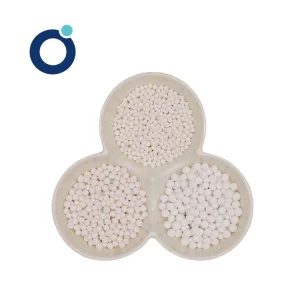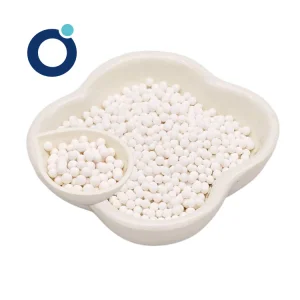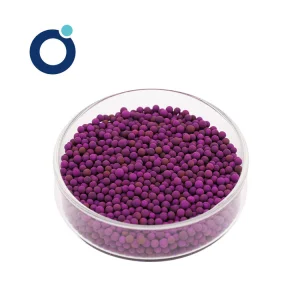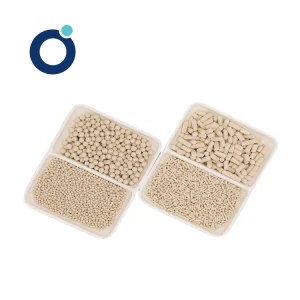
Engineered to withstand extreme industrial processes. Select a product series to view technical sheets and customization options.
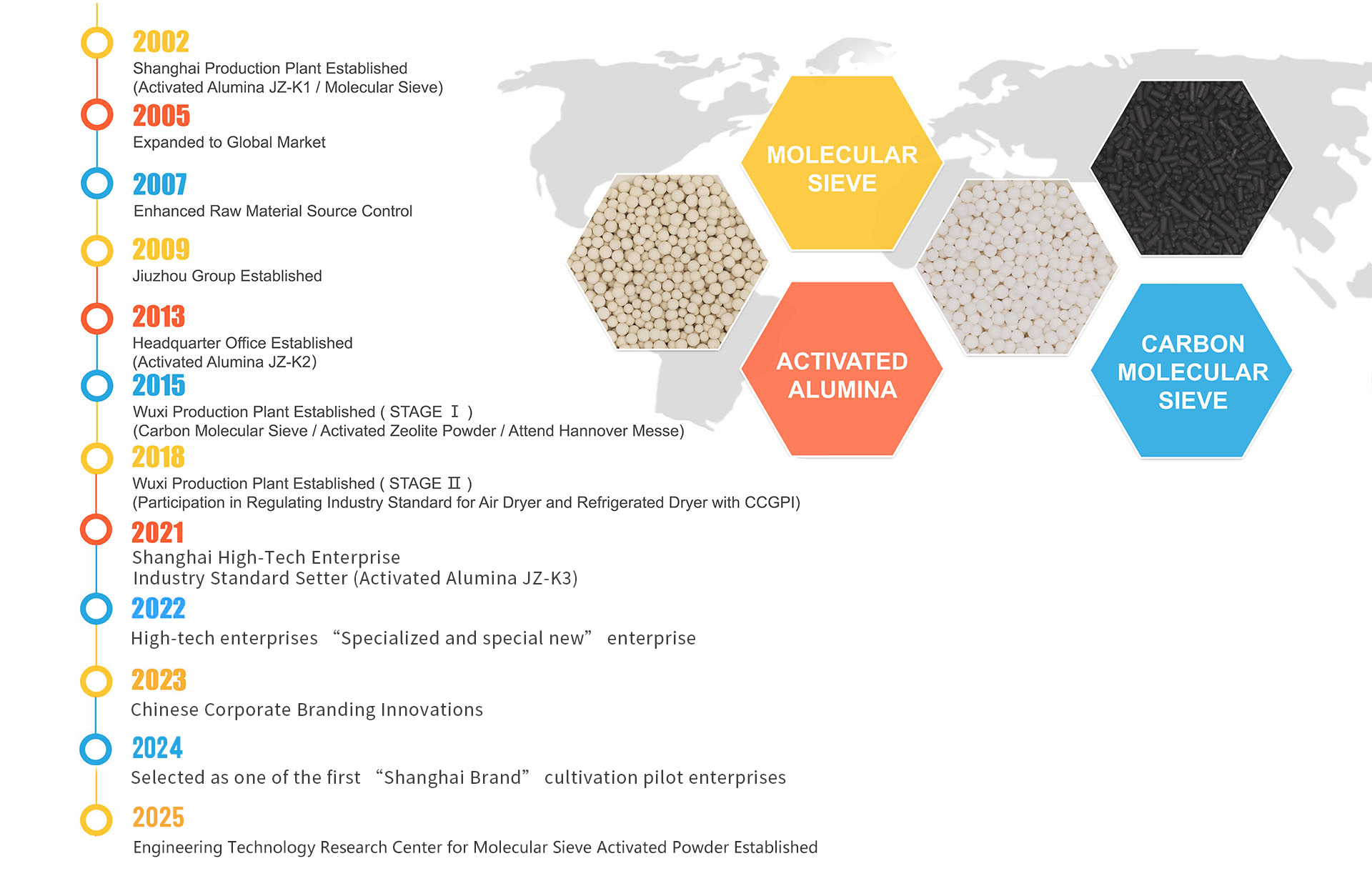
Shanghai Jiuzhou Chemicals Co., Ltd. is located in the global economic development hub of Shanghai. Over the years, Jiuzhou has consistently adhered to the core principles of strict quality control and continuous technical innovation, dedicating its resources to the development, design, and manufacturing of high-purity chemical products and advanced adsorption systems.
Our comprehensive portfolio features molecular sieve powders, high-performance molecular sieves, activated powder, activated alumina, aluminum oxide catalyst supports, alumina packings, structured inert ceramic balls, sodium silicates, aluminum hydroxide, zeolite 4A, sodium carbonates, and SLES. All production operations have passed the rigorous ISO9001:2008 Quality Management System certification, as well as TUV and SGS testing audits, ensuring complete reliability in global process streams.
We pride ourselves on our technical expertise. Our systems are exported worldwide, sustained by a comprehensive logistics and distribution network that spans the United States, Europe, Southeast Asia, Japan, North and South America, and the Middle East. Through this platform, we provide energy-saving, green, and highly customizable catalyst and adsorption solutions to our global refining partners.
Understanding the material science behind industrial-grade OEM Alumina Catalyst Carriers
We design alumina carriers with tailorable pore size distributions (from micropores to macro-channels) to control diffusion rates and internal mass transport. Total pore volume ranges from 0.4 to 1.1 cm³/g to maximize surface activity while preserving core structural integrity.
Alumina supports undergo calcination to configure specific crystalline structures: Gamma (γ) for high surface area (150-350 m²/g), Theta (θ) for balanced structural stability (80-120 m²/g), and Alpha (α) for extreme temperatures and mechanical wear resistance.
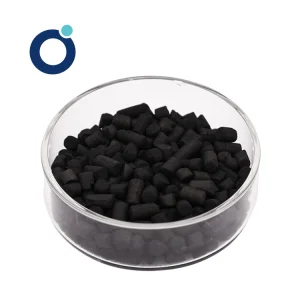
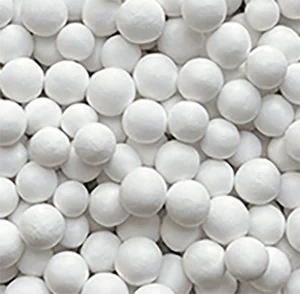
We supply diverse extrudate structures to mitigate backpressure and optimize gas-liquid distribution. Custom geometries include spherical beads, trilobes, quadralobes, hollow rings, and custom honeycomb shapes.
OEM Information Gain Insight: Selecting the correct catalyst carrier is not merely a matter of choosing a high surface area. Reactor performance depends on the balance between pore size distribution, crush strength, and chemical resistance. Our OEM process allows for selective doping of active components (like silica, titanium, or lanthanum) to control surface acidity and prevent sintering in high-temperature hydrotreating operations.
Modern catalytic processes operate under severe chemical conditions. When utilizing an alumina catalyst support, you require a material designed to maintain its porous network despite steam exposure, chemical poisoning, and high pressures. Jiuzhou’s proprietary manufacturing processes ensure:
How our catalyst carriers are deployed in industrial systems worldwide
Our γ-alumina supports are widely used in hydrodesulfurization (HDS), hydrodenitrogenation (HDN), and catalytic reforming units globally. They provide the uniform pore networks necessary for high oil diffusion rates and catalyst performance, extending run times in demanding gasoil treatments.
Applied in Selective Catalytic Reduction (SCR) and Volatile Organic Compound (VOC) abatement systems. In heavy industrial regions, our thermal-shock-resistant catalyst supports are used in municipal waste incinerators and industrial boilers to ensure continuous compliance with strict emissions regulations.
With the shift toward clean hydrogen, our high-temperature alpha-alumina supports are utilized in steam methane reforming (SMR) and water-gas shift (WGS) reactions. Their thermal resistance prevents carrier degradation and keeps systems operating reliably at high temperatures.
Today's chemical industries operate on thin margins, where a 1% increase in catalyst lifetime or selectivity can yield significant operational savings. From major petrochemical plants in the US Gulf Coast to refining hubs in the Middle East and environmental installations in Western Europe, Jiuzhou’s OEM Alumina Catalyst Supports are selected for their reliable properties and consistency across large production batches. Our products provide the stability needed to minimize downtime and optimize performance globally.
Integrating dual-facility production with advanced chemical logistics
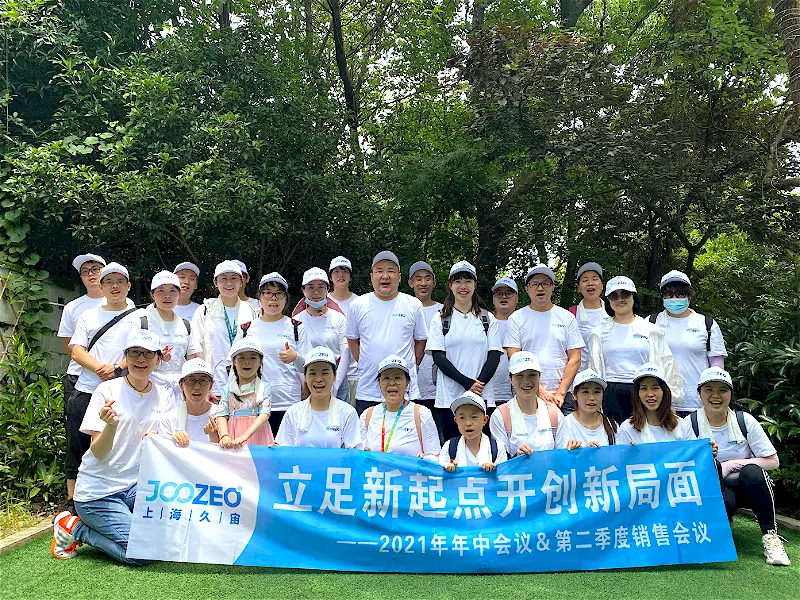
Our dual-factory strategy in Shanghai and Wuxi guarantees supply security. Having production spread across these key logistics hubs ensures that domestic chemical supplies and international exports remain uninterrupted by regional constraints.
This geographic positioning gives us direct access to high-grade raw materials and efficient ocean freight. The resulting cost efficiencies and reliable transit times allow us to offer consistent product quality and stable pricing for bulk industrial projects worldwide.
Integrated Quality Assurance (100% Quality & Innovation): Every production run undergoes automated batch analysis, tracking critical metrics like particle size distribution, BET surface area, and pore volume from raw feedstocks to finished products.
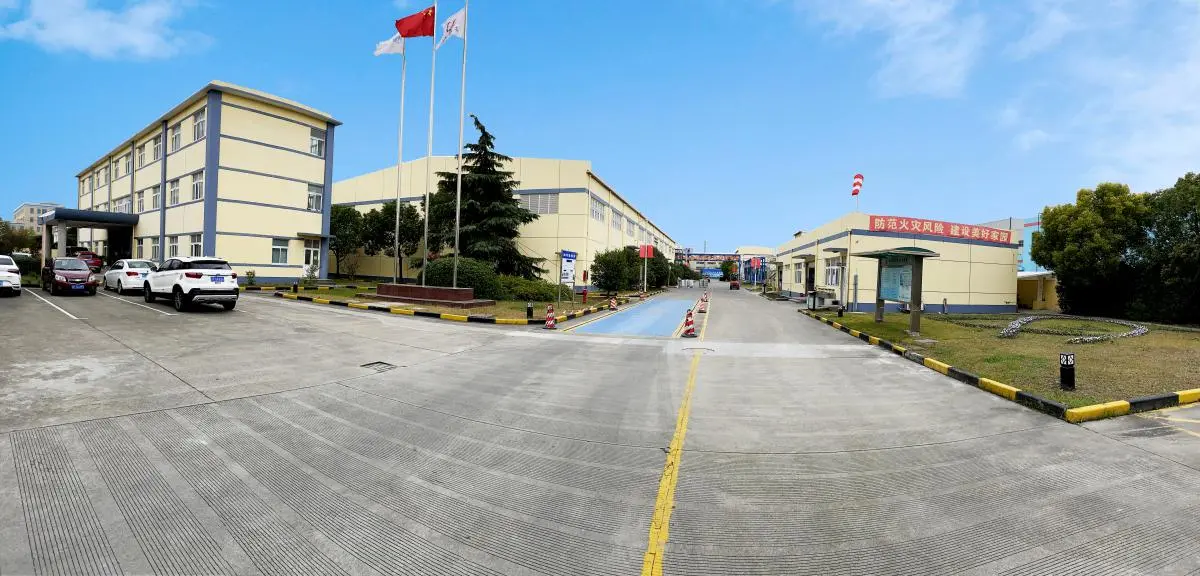
Our primary facility handles high-volume automated production of molecular sieves, activated powders, and advanced catalyst supports. Its proximity to the Port of Shanghai ensures efficient international shipping.

This specialized plant focuses on custom catalyst carrier configurations, extrusion testing, and pilot-scale trials. It houses our dedicated dynamic adsorption research laboratory.
Driving innovation in structural catalyst design
As chemical industries align with net-zero carbon goals, the requirements for catalyst efficiency have evolved. The focus has shifted from standard bulk alumina carriers to specialized, structured supports designed to minimize reactor pressure drops and improve catalyst selectivity.
Our engineering team is focused on developing bimodal and hierarchical pore alumina structures. These materials combine fast macropore diffusion channels with highly active mesoporous surfaces, helping to prevent pore blockage and extend operational lifetimes in biomass processing and plastics recycling.
We are also working to improve the hydrothermal stability of alumina supports used in aqueous phase reforming. This development is crucial for next-generation biofuels and waste-to-energy technologies, where steam-rich environments typically cause standard catalyst carriers to degrade quickly.
Meeting strict international quality standards for chemical manufacturing
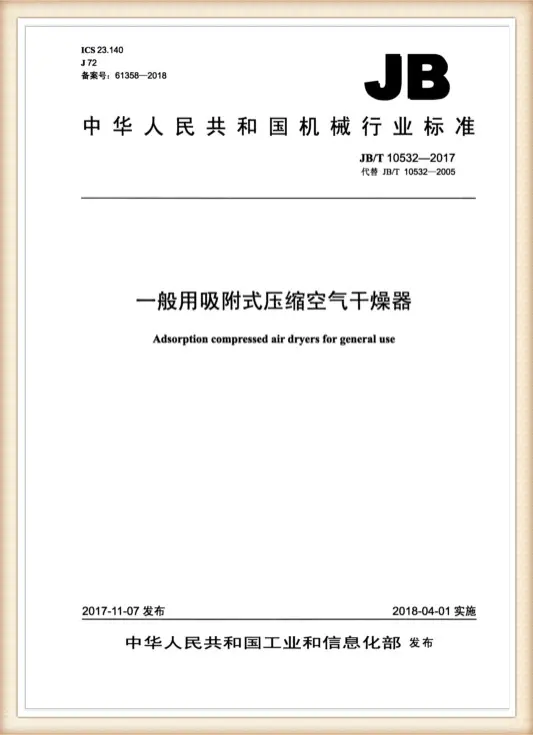
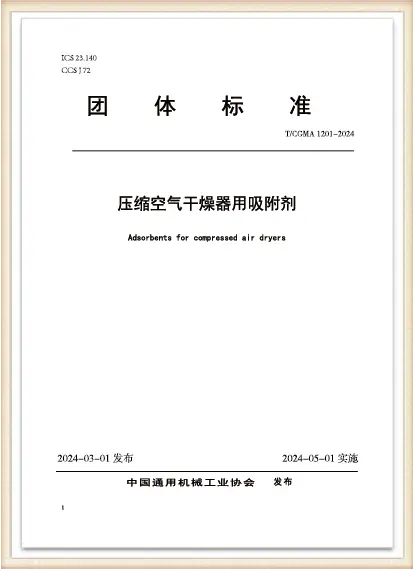
Adsorption compressed air dryers for general use
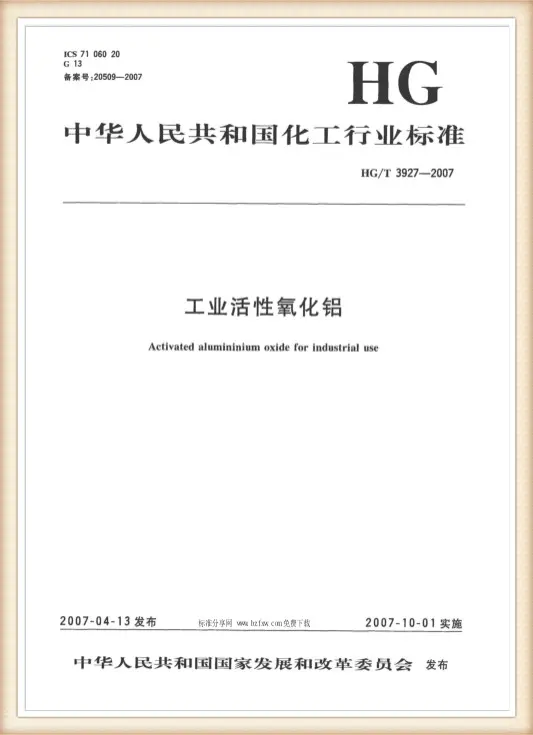
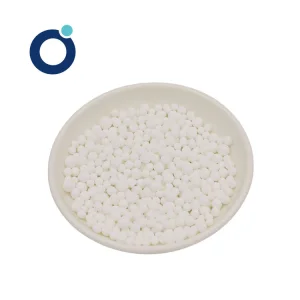
Activated alumina oxide for industrial use
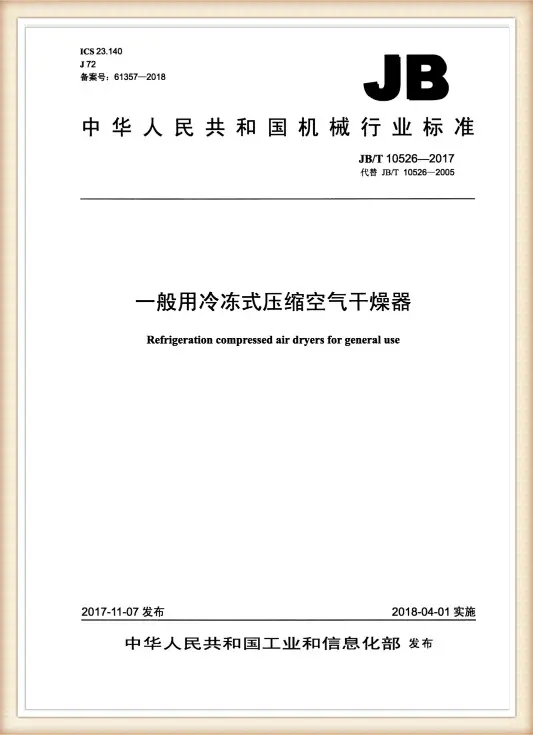
Refrigeration compressed air dryers for general use
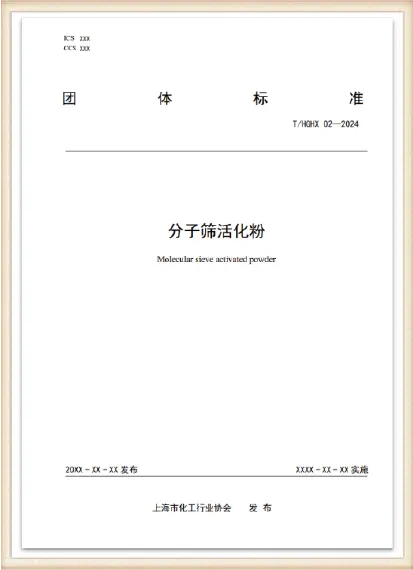
Industry Equipment Standard Certification
Chemical Association Testing Standard
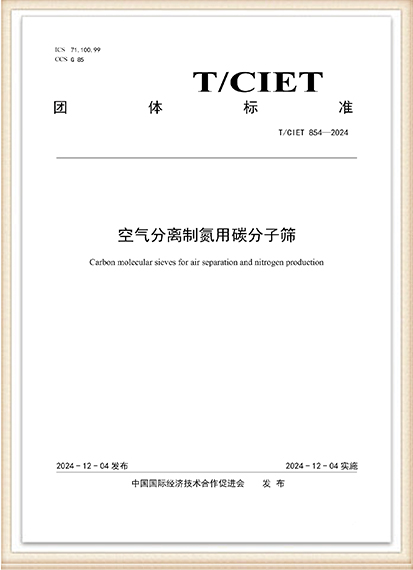
Green Industry and Environmental Safety Standard
Our commitment to sustainable production extends beyond manufacturing catalyst supports. Through eco-friendly processes, low-temperature drying systems, and strict waste recycling protocols, we work to minimize our environmental footprint while developing products that help improve industrial air and gas purity.
Expert answers regarding catalyst supports, carrier phases, and selection criteria
The primary difference is the calcination temperature and the resulting pore structure and density. Gamma alumina (γ-Al₂O₃) is stable up to ~750°C and features high surface area (150-350 m²/g), making it suitable for high-dispersion active metals. Theta alumina (θ-Al₂O₃) is stable up to ~1050°C and offers a balance of surface area and thermal stability. Alpha alumina (α-Al₂O₃) is stable past 1200°C, offering low surface area (<10 m²/g) but high crushing strength and resistance to thermal degradation.
Higher pore volume allows for more loading of active catalyst metals and improves internal mass transport of feedstocks. However, excessive pore volume can reduce the mechanical crush strength of the carrier. We optimize this trade-off to ensure the alumina supports can handle reactor loading and flow pressures without crumbling or producing dust.
Yes, we can customize these levels. For sensitive reactions like dehydrogenation, we use raw materials processed to keep Na₂O below 0.1% and Fe₂O₃ below 0.05%, preventing secondary cracking reactions and catalyst deactivation.
We measure bulk crushing strength and single-particle crush strength using testing standards like ASTM D4179 and ASTM D6175. This ensures the carriers can withstand the mechanical loads of industrial-scale reactors.
We supply spheres, cylinder extrudates, trilobes, quadralobes, and ring shapes. Shaped carriers like trilobes and quadralobes provide higher void fractions inside the reactor, reducing pressure drop while increasing the accessible surface area for catalytic reactions.
Complementary products to optimize your dehydration, purifications, and chemical catalytic reactions.
If you have specific requirements for your process stream, contact us. Our engineering team responds within 24 hours with custom quotes, sample support data, and design suggestions.
Send Request