
Explore our core industrial product range designed for dehydration, chemical purification, and air separation processes.
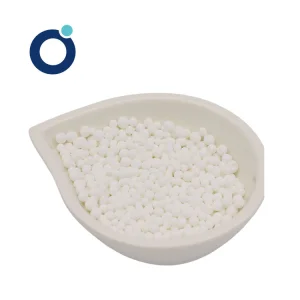
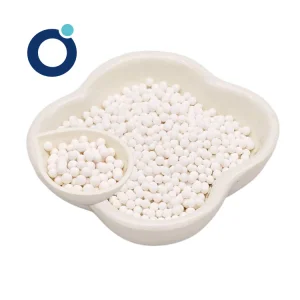
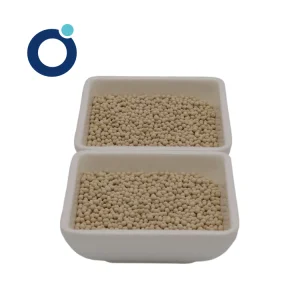
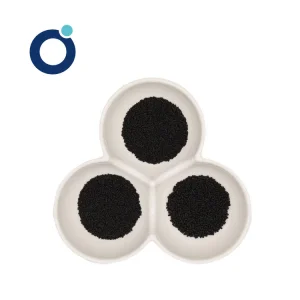
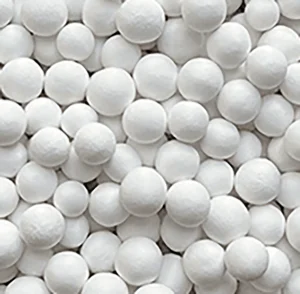
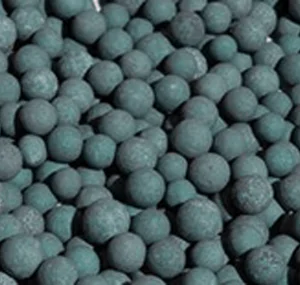
Synthetic zeolites represent the pinnacle of molecular-level separation technology. Chemically described as crystalline aluminosilicates, these frameworks are built from interconnected SiO₄ and AlO₄ tetrahedra. This structured assembly forms three-dimensional microporous systems with incredibly uniform pore sizes, typical variations being 3Å, 4Å, 5Å, and 10Å. By replacing natural crystalline structures with precisely tuned synthetic processes, industries obtain reliable, highly stable materials designed specifically to adsorb targeted molecules based on steric exclusion and molecular polarity.
Precise aperture engineering ensures molecules larger than the target threshold are completely excluded, optimizing separation yield.
Specially calibrated bulk densities and crystalline structures maximize dynamic moisture and gas adsorption capabilities.
Exceptional structural integrity allows high temperature thermal regeneration (up to 250°C - 320°C) without losing crystal integrity.
In synthetic zeolites, the framework carries a net negative charge balanced by exchangeable cations, primarily sodium (Na⁺), potassium (K⁺), or calcium (Ca²⁺). Manipulating these cations is the chemical methodology behind altering the effective pore opening. For instance, swapping sodium ions with potassium ions shifts the pore opening from 4Å to 3Å, establishing the baseline for specialized dehydration sieves. This capability allows manufacturers to optimize mass transfer resistance and selectivity coefficient parameters for petrochemical and industrial gas customers.
Modern process industries rely on zeolites to maintain efficiency across key utility structures:
Leveraging continuous manufacturing technology, dedicated testing labs, and premium supply chain integration.
Shanghai Jiuzhou Chemicals operates at the convergence of raw material accessibility, scale efficiency, and refined process engineering. By utilizing advanced rotary kilns and integrated pelletizing technologies in our primary production plants in Shanghai and Wuxi, we achieve high production consistency while keeping energy consumption low. Our strategically located factories offer rapid access to global shipping lanes, shortening logistics timelines for our international customers.
Our centralized and dynamic laboratory complexes are equipped with modern analysis systems, including X-ray Diffraction (XRD) for crystal structure verification, gas chromatographs, and automated surface area analyzers. This layout ensures we monitor and optimize structural qualities, moisture capacity, attrition rates, and crush strength prior to distribution.
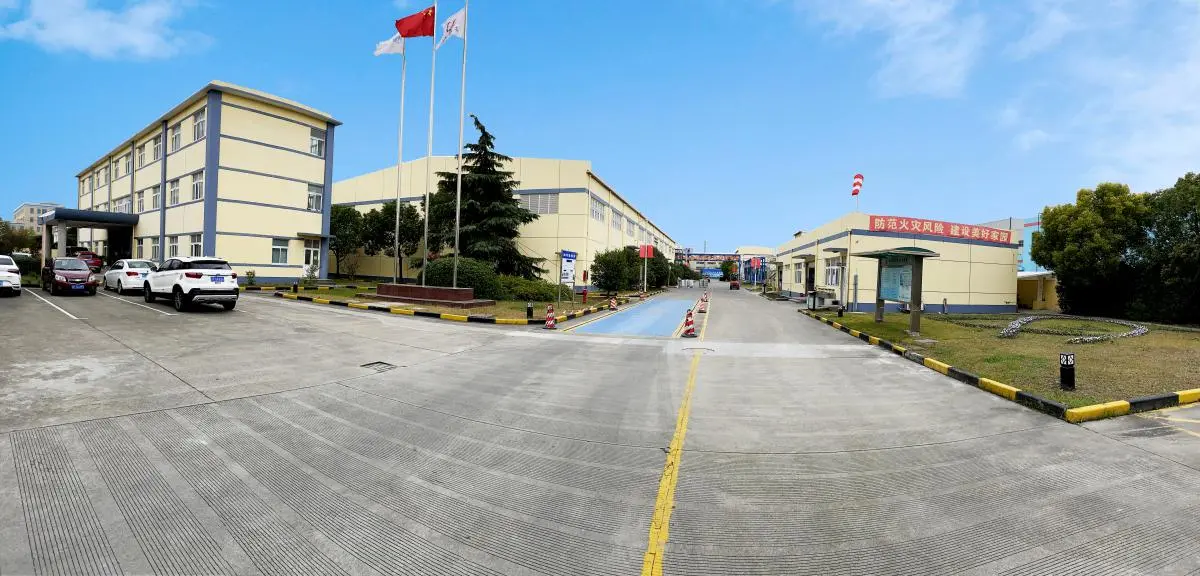
Shanghai Production Facility

Wuxi Production Facility
Our position in the chemical industry is demonstrated by our active involvement in drafting and revising key national and trade standards. Rather than simply matching criteria, Shanghai Jiuzhou Chemicals participates in setting them:
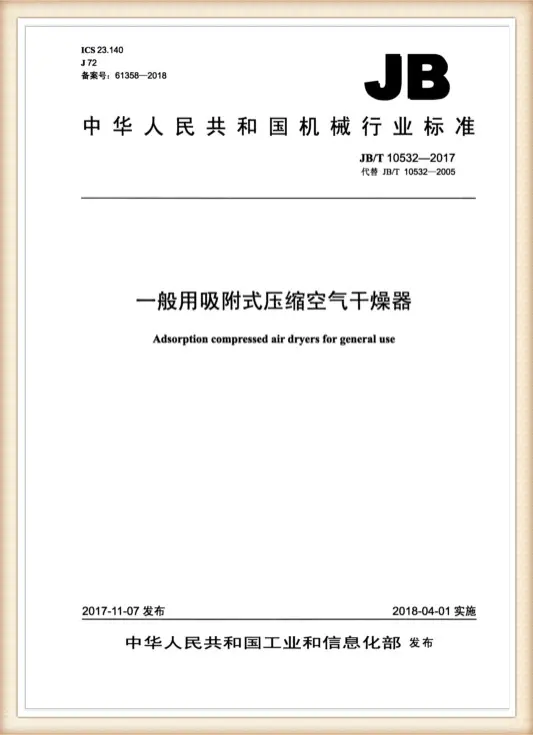
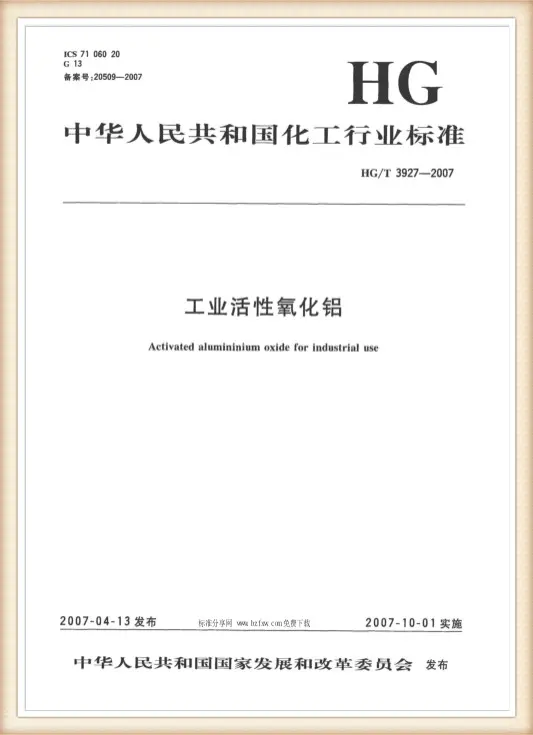
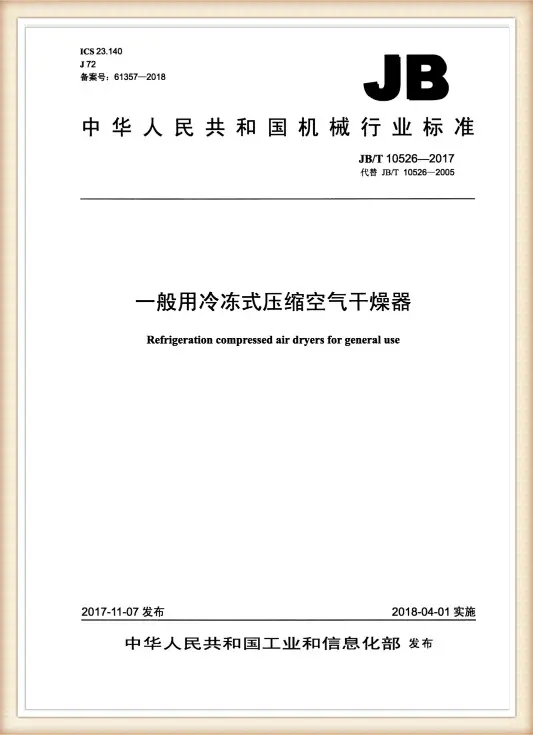
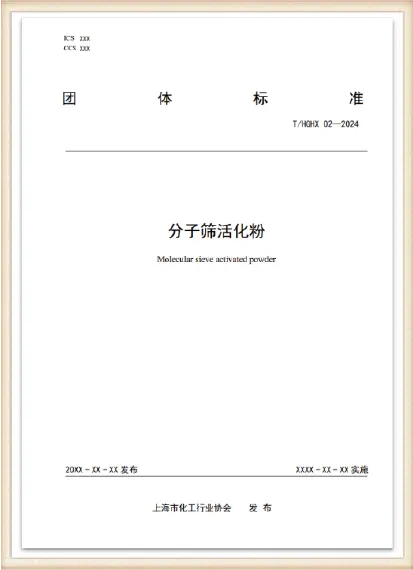
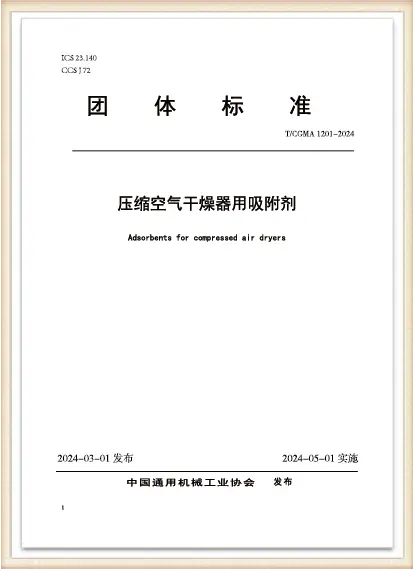
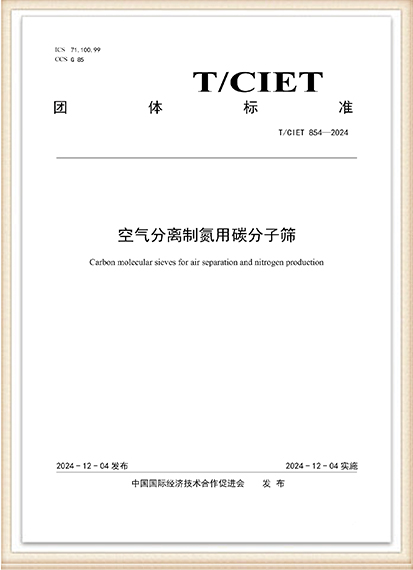
Our manufacturing lines operate under ISO 9001:2008 and hold TUV and SGS certifications. This systematic control ensures that we meet international requirements for material safety, environmental compliance, and consistent product performance.
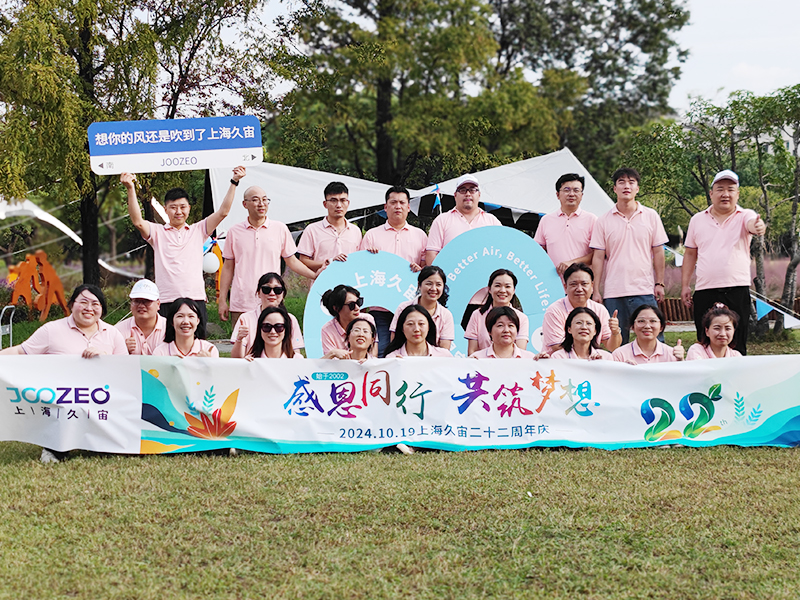
"Better air, Better life" — We are committed to developing energy-efficient adsorption solutions that help global industries reduce their carbon footprint and emissions.
Purchasing technical zeolites requires looking beyond basic unit costs. Industrial buyers must evaluate several technical parameters that directly influence system longevity and operating efficiency:
While low-cost adsorbents might seem appealing, they often exhibit faster aging curves, lower mechanical strength, and higher attrition rates. This leads to frequent replacement cycles and potential dust contamination downstream. High-quality synthetic zeolites preserve their structural integrity through hundreds of thermal regeneration cycles, reducing replacement costs and downtime.
The global transition to carbon neutrality drives new requirements for advanced materials. Carbon Molecular Sieves (CMS) are seeing increased adoption in Carbon Capture, Utilization, and Storage (CCUS) projects, where they separate CO₂ from post-combustion gases. Additionally, there is growing demand for hydrophobic zeolites with high silica-to-alumina ratios to target volatile organic compounds (VOCs) under humid conditions, expanding the potential applications for industrial environmental control.
Common questions from engineering team leads and global procurement managers answered by our technical specialists.
Complete your supply chain with our range of active aluminas, specialty molecular sieves, and liquid sodium silicates.
Connect with our engineering and technical support teams. We provide custom material parameters, particle size distributions, packaging configurations, and detailed cost estimates within 24 hours.
Request Technical Data & Quote