
Direct supply of precision-engineered silica gels optimized for electronics, semiconductor packaging, automotive modules, and food-grade safety standards in Japan.
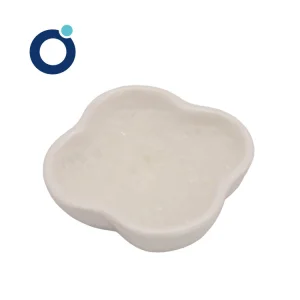
Ultra-low dust, high-density Type A silica gel engineered specifically to meet the strict outgassing and moisture adsorption limits in precision optoelectronic device packaging.
Technical Specs & Quote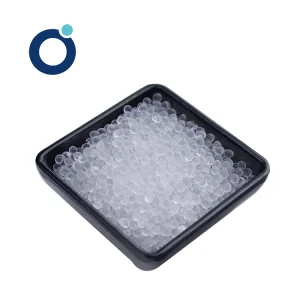
Tailored spherical beads with high mechanical strength. Packaged in customized tear-resistant DuPont Tyvek membranes matching Japanese dry-pack standards.
Request Custom OEM Info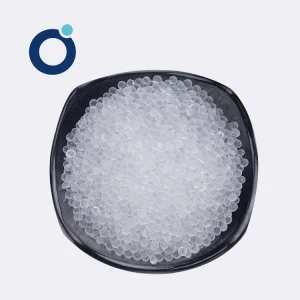
Highly porous, DMF-free crystalline adsorbents offering superior static equilibrium moisture absorption capacity, ideal for critical API and diagnostic kit protection.
Inspect Factory Quality
Heavy-duty blue-to-pink and orange-to-green indicating gels. Designed for power transformer breather units and industrial-scale compressed air systems.
Download Test ReportsJapan stands as a global beacon for high-value manufacturing, where electronic components, precision optical instruments, advanced automotive subsystems, and pharmaceutical formulations demand uncompromising environmental control. In industrial zones stretching from Yokohama and Kawasaki to Kyoto, Nagoya, and Osaka, humidity control is not merely a storage precaution—it is an active variable in quality control protocols.
Under Japanese Industrial Standard JIS Z 0701, silica gel desiccants are tightly regulated according to physical form, chemical purity, and adsorption capacities under varying relative humidity (RH) thresholds. Modern cleanrooms and manufacturing facilities across the Japanese archipelago are replacing generic desiccants with highly specialized, low-dust, and zero-outgassing adsorbents to prevent molecular-level contamination on silicon wafers, lens coatings, and micro-electromechanical systems (MEMS).
"For Japanese electronics and automotive leaders, a microscopic release of dust or volatile chemical compounds from packaging desiccants can trigger critical component failure. High-purity silica gel with elevated crushing strength and strict particle size distribution (PSD) is the benchmark standard."
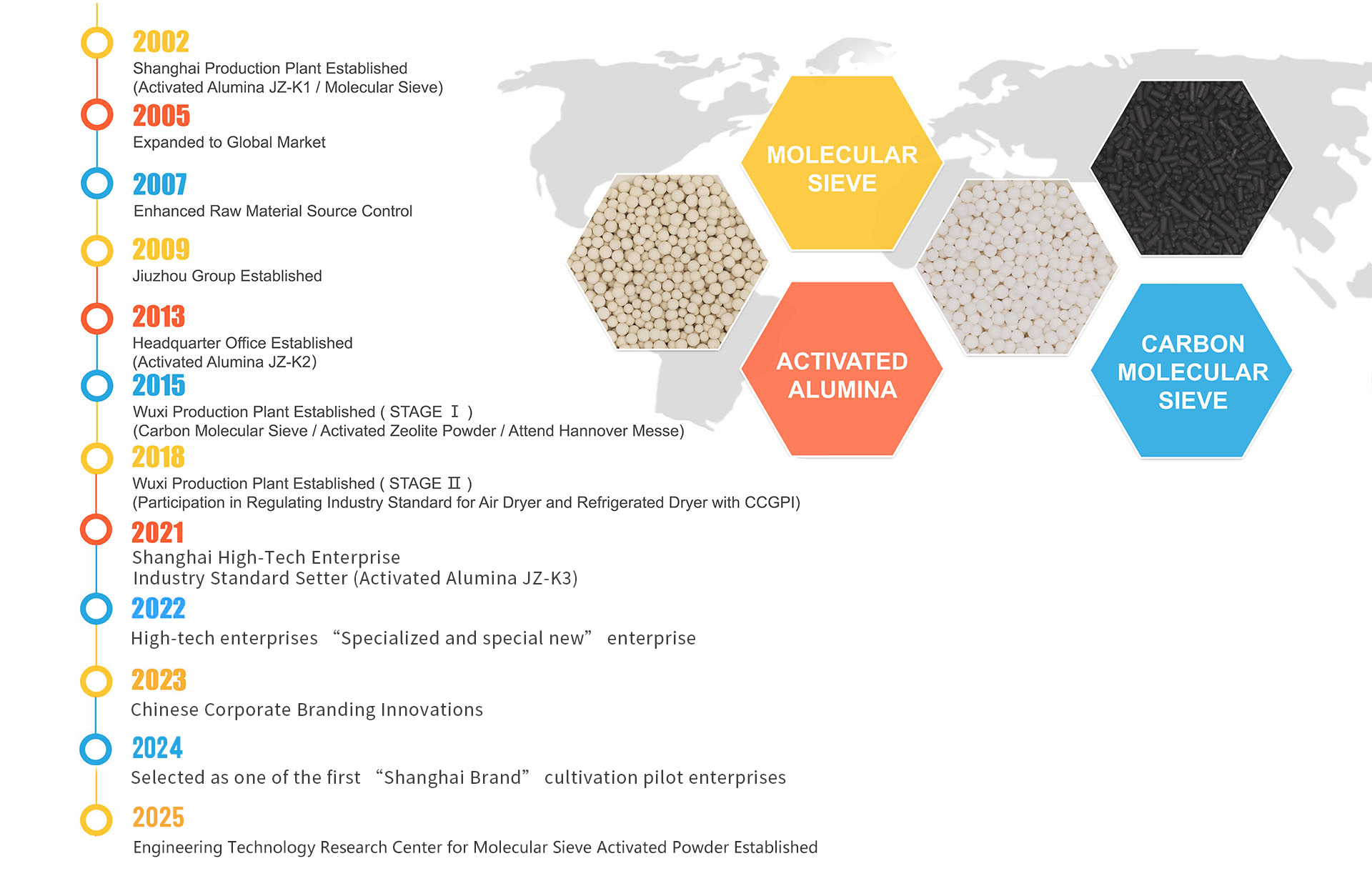
Globally, the market for silica gel and molecular sieves is expanding rapidly. Driven by the expansion of petrochemical refining, gas dehydration in LNG infrastructure, and the massive growth in global green energy storage systems, chemical desiccants have evolved from simple packaging sachets to engineered catalyst supports and dynamic adsorption media.
Currently, the global industrial sector requires adsorbents that offer not only high static water adsorption capacity but also high thermal stability for multi-cycle regenerations. In chemical drying columns, heavy-duty desiccant wheels, and pressure swing adsorption (PSA) gas processing plants, the choice of adsorption media directly affects operational uptime and energy consumption. As companies aim for net-zero carbon operations, they increasingly seek raw materials produced with optimized carbon footprints and high recycling/regeneration efficiency.
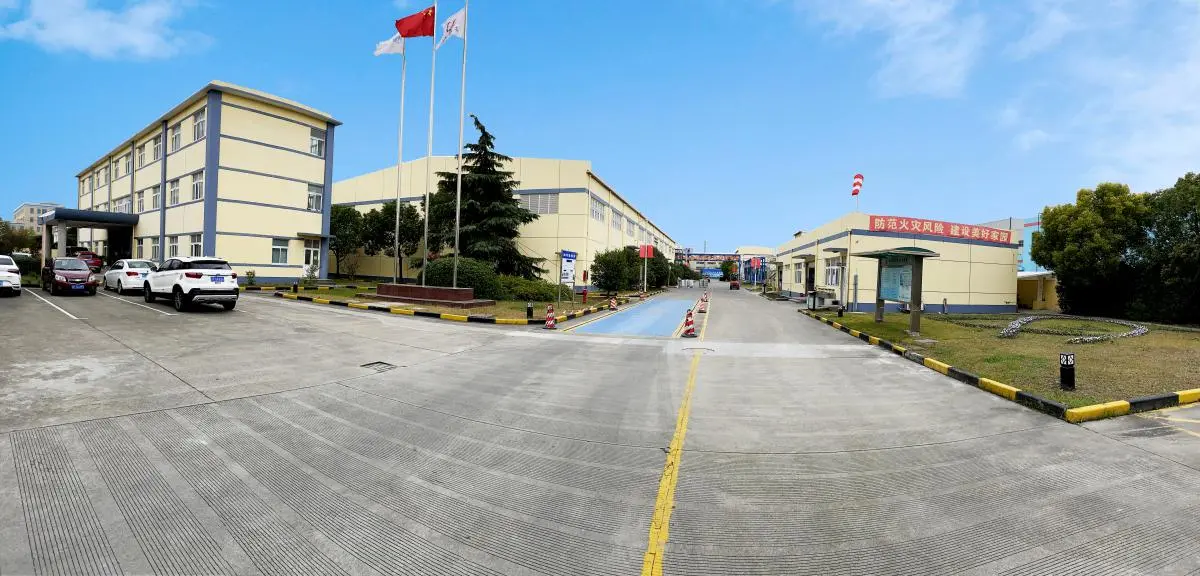
How Shanghai Jiuzhou Chemicals (Joozeo) delivers high-end chemical performance, rapid delivery, and global standard conformity to Japanese trading houses and global buyers.
Operating under ISO 9001:2008 standards certified by TUV & SGS, our laboratory monitors raw sodium silicate feeds, control gelation pH, wash cycles, and final calcination temperatures. This meticulous process ensures minimal chemical impurities, reliable pore structures, and high mechanical stability.
By leveraging Chinese raw material supply chains and employing automated, continuous rotary calcination kilns at our Shanghai and Wuxi factories, we significantly lower thermal processing costs. These savings are passed directly to our Japanese and international procurement partners.
Located in the Economic Development zone of Shanghai, our factory is situated close to major deep-water ports. We offer transit times of just 3-5 days to major Japanese hubs like Tokyo, Osaka, and Kobe, ensuring minimal supply chain disruptions and lower safety stock requirements.
| Silica Gel Grade | Pore Diameter (nm) | Specific Surface Area (m²/g) | Adsorption Capacity (RH 20%) | Adsorption Capacity (RH 90%) | Primary Industrial Application |
|---|---|---|---|---|---|
| Type A (Microporous) | 2.0 - 3.0 | 650 - 800 | ≥ 10.5% | ≥ 35% | Electronic packaging, dry-packing components, laboratory instruments |
| Type B (Mesoporous) | 4.5 - 7.0 | 400 - 550 | ≥ 4.0% | ≥ 70% | Liquid adsorbents, catalyst carriers, humidity-buffering construction materials |
| Type C (Macroporous) | 8.0 - 10.0 | 300 - 400 | ≥ 2.0% | ≥ 80% | Large-volume air dryers, gas separation columns, water purifiers |
| Alumina Silica Gel | 3.0 - 5.0 | 500 - 650 | ≥ 8.0% | ≥ 60% | Petroleum cracking, dynamic process gas drying, LNG pre-treatment |
Year of Establishment
Countries with Trade Relations
Company Area (Square Meters)
Engineered silica gel formulations custom-developed to meet the standards of Japanese high-technology supply chains.
Our ultra-pure silica gel products feature an extremely low chloride content (less than 10 ppm) to prevent potential ionic corrosion on sensitive wafer metal grids. The low dusting characteristics prevent microparticle accumulation in dynamic cleanroom environments during product shipping and handling.
Japanese automakers utilize our high-crushing-strength silica gels in sealed headlamp casings and LiDAR sensor housings. Our products effectively prevent condensation without succumbing to wear and tear caused by high-vibration automotive environments.
Compliant with FDA, DMF, and JIS standards, our silica gels are packaged in non-toxic, food-grade materials. This makes them ideal for inclusion in pharmaceutical bottle caps, clinical diagnostic kits, and premium food packaging across Japan.
Developing eco-friendly, high-performance adsorbents to support a circular economy and meet global industrial requirements.
Traditional blue silica gel contains cobalt chloride, classified as a carcinogen under European and Japanese environmental guidelines. The industry is rapidly shifting toward orange-to-green and orange-to-colorless indicating silica gels, which utilize organic, non-toxic indicators. These smart indicators provide clear color changes when saturated, aligning with eco-conscious standards without compromising efficiency.
Adsorbent regeneration is a key component of sustainable industrial practices. By using Type B or alumina silica gel in combination with low-temperature waste heat, industries can regenerate and reuse adsorbents multiple times. Shanghai Jiuzhou is currently optimizing production processes to minimize carbon emissions, helping global clients meet their ESG targets.

We do not just follow quality standards—we actively help write them. Joozeo is a leading contributor to industrial dryer and adsorbent standards.
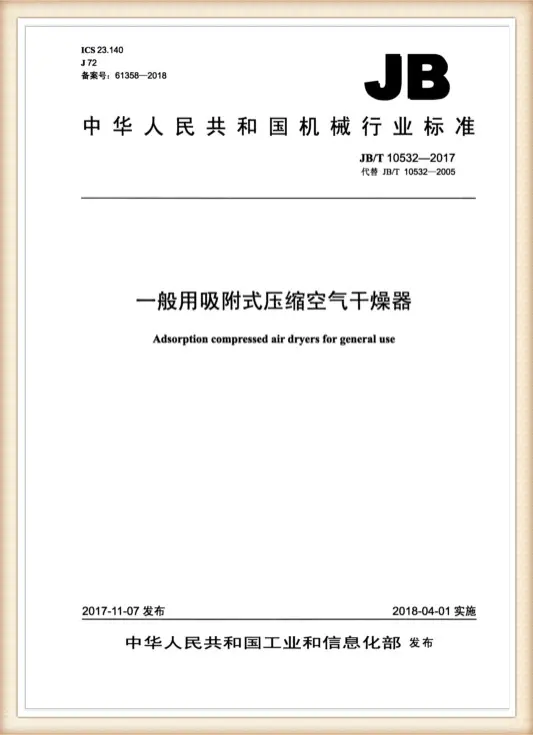
Adsorption compressed air dryers for general use.
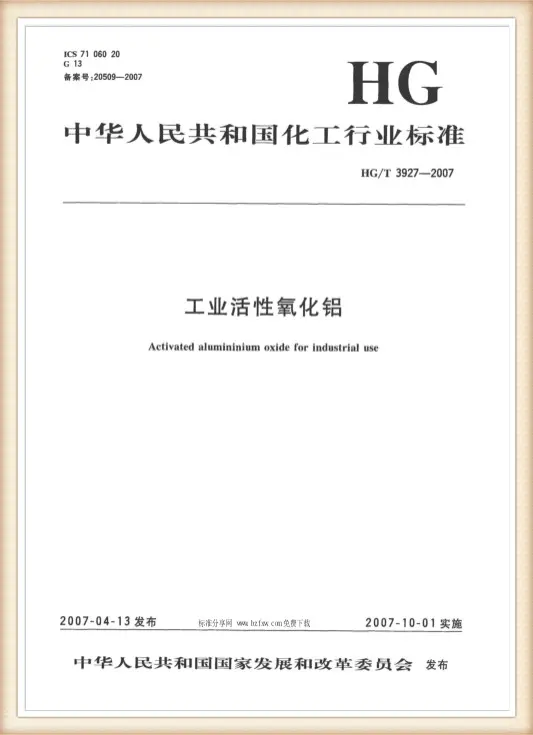
Activated aluminum oxide for industrial use.
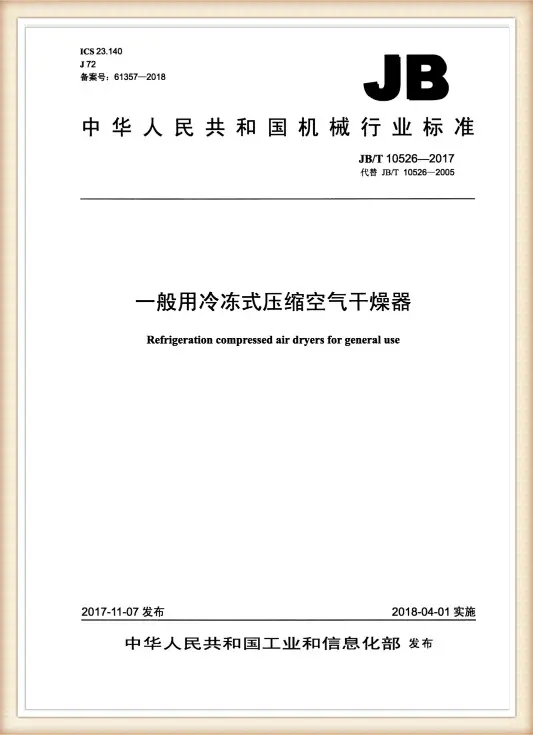
Refrigeration compressed air dryers for general use.
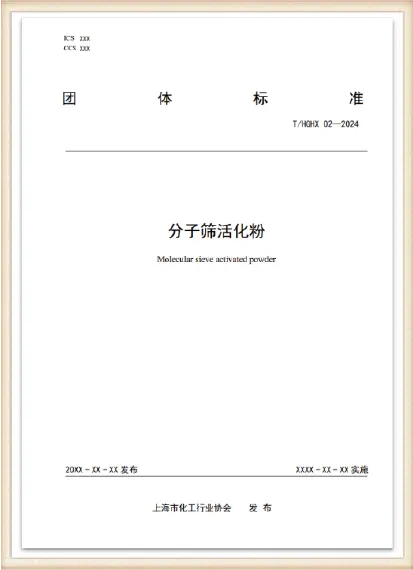
Advanced industrial specifications and safety guidelines.
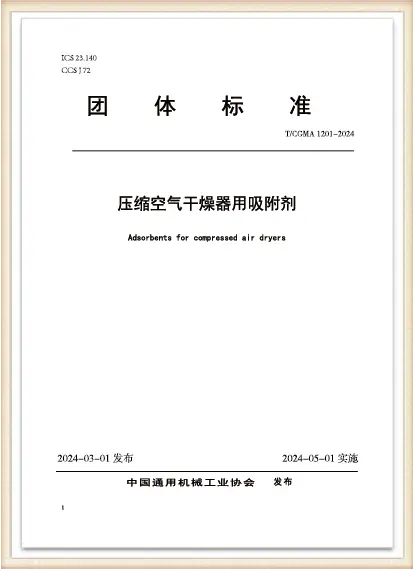
Chemical adsorbent standards for gas drying and purification.
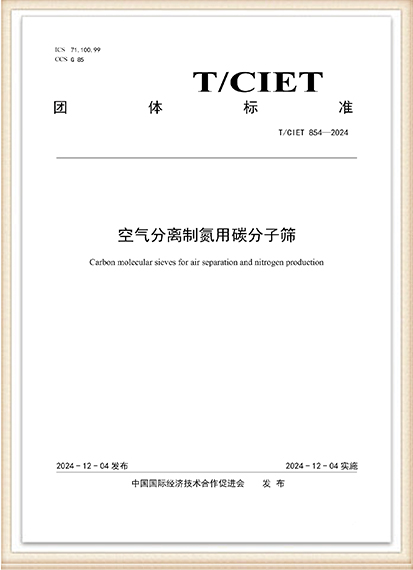
International environmental and green manufacturing standard compliance.
Better air, Better life. Committed to producing eco-friendly chemical adsorbents and optimizing environmental performance.
Explore our complete catalog of industrial-grade silica gels, customized alumina silica gels, and high-efficiency molecular sieves.
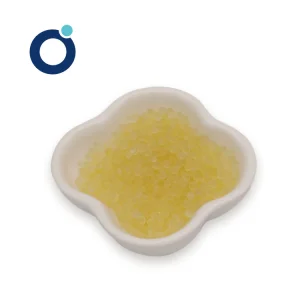
A premium-grade adsorbent featuring high water resistance and a stable pore structure, designed for heavy hydrocarbons, natural gas processing, and liquid drying.
Check Quotes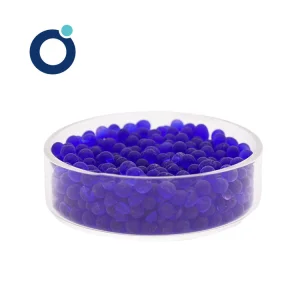
Highly porous, spherical silica gel designed to optimize humidity control systems, industrial air dryers, and localized gas separation chambers.
Technical Data Sheet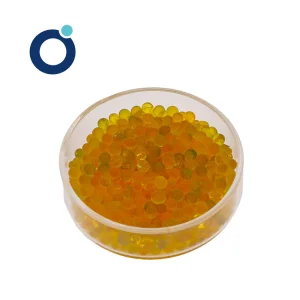
Eco-friendly orange indicator beads that shift color when moisture is absorbed. Free of heavy metals and compliant with global environmental standards.
Get Pricelist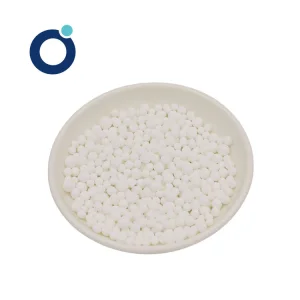
An engineered, non-cracking adsorbent with low thermal degradation, optimized for high pressure swing adsorption (PSA) gas processing cycles.
Request Factory Quote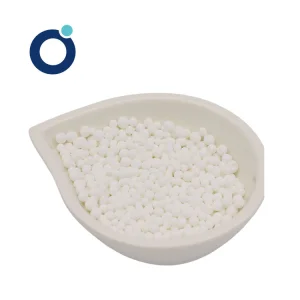
Specially treated to maintain structure and adsorption capacity even when directly exposed to liquid water, minimizing attrition in high-moisture applications.
Compare Solutions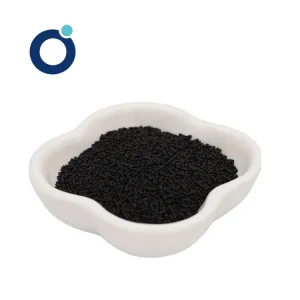
A premium carbon molecular sieve offering high nitrogen yield and recovery rates. Excellent choice for generating high-purity nitrogen gas in electronics manufacturing.
Technical Specifications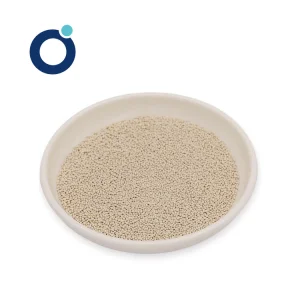
High-purity molecular sieve developed for medical and industrial oxygen concentrators, providing stable gas output and long-term durability.
Inspect Certifications
High-activity catalyst support designed to optimize oxidation processes, reduce operating temperatures, and extend runtimes in refinery applications.
Request Tech ProfileExpert answers to the most common questions raised by chemical engineers, packaging specialists, and procurement heads.
Partner with a trusted standard-setting manufacturer. Get customized desiccant formulations, competitive OEM quotes, and prompt delivery to Japan and global ports.
Send Request & Request Sample