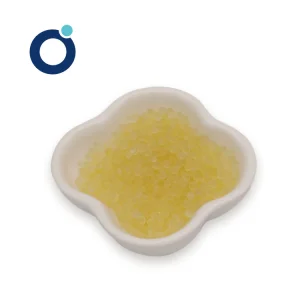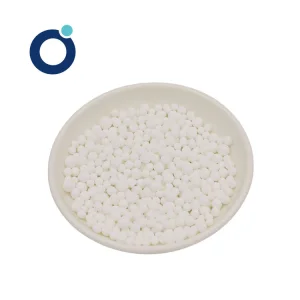
Engineered for absolute structural integrity and outstanding dynamic adsorption capacity
An authoritative analysis of moisture control engineering, applications, and procurement strategies
The Commonwealth of Australia presents a unique geographical and meteorological dichotomy. From the dry, hyper-arid regions of the Western Australian outback to the humid tropical zones of Queensland and the variable temperate maritime environments of Victoria and New South Wales, moisture control is a critical industrial challenge. Industrial operations across the continent encounter significant risks associated with rust, corrosion, chemical degradation, and electrical malfunctions due to uncontrolled relative humidity (RH).
In Australia, the demand for premium synthetic desiccants like silica gel is driven by core sectors: resource mining and mineral processing, pharmaceutical logistics, agricultural exports, and compressed air systems. As local storage, transit networks, and offshore shipping routes cross multiple climate zones, the need for high-performance silica gel with high crushing strength and predictable adsorption isotherms is paramount. For instance, exporting grain from the humid north to overseas markets requires containerized shipping solutions that withstand severe diurnal temperature swings, commonly known as "container rain."
Mining & Heavy Infrastructure: The Pilbara region in Western Australia hosts some of the world's largest iron ore extraction plants. In these locations, dynamic environmental changes threaten electrical control panels and sensitive spectroscopic equipment. High-capacity Silica Gel JZ-ASG provides essential protection, reducing equipment downtime caused by moisture-induced failures.
Pharmaceutical Packaging: Under the Therapeutic Goods Administration (TGA) guidelines, raw medical materials and finished capsules must be protected from hydrolytic degradation. This requires cleanroom-grade, low-dust silica gel packets that comply with strict chemical regulations.
Gas Dehydration & Liquefied Natural Gas (LNG): In Darwin and Gladstone LNG plants, gas streams must be dried to prevent hydrate formation at cryogenic temperatures. Utilizing hybrid silica-alumina gels like Alumina Silica Gel JZ-SAG enables efficient dehydration of hydrocarbon streams under challenging high-temperature parameters.
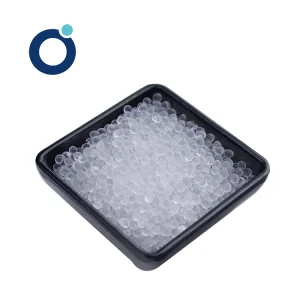
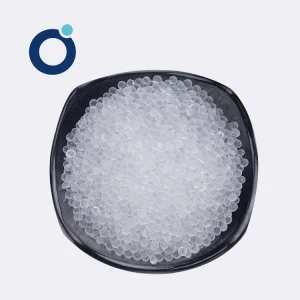
Since Australia relies heavily on imported chemical adsorbents, understanding global manufacturing standards is crucial for quality assurance. The raw materials—sodium silicate and sulfuric acid—must undergo strict polymerization under precise pH, temperature, and concentration controls. Premium manufacturers leverage advanced vertical integration models to produce silica gel with customized pore sizes (ranging from 2.0 to 7.0 nm).
Jiuzhou Chemicals is an industry standard setter, ensuring our adsorbents comply with stringent global test criteria, such as ISO 9001:2008, TUV, and SGS. We maintain rigorous compliance across national and international industry standards:
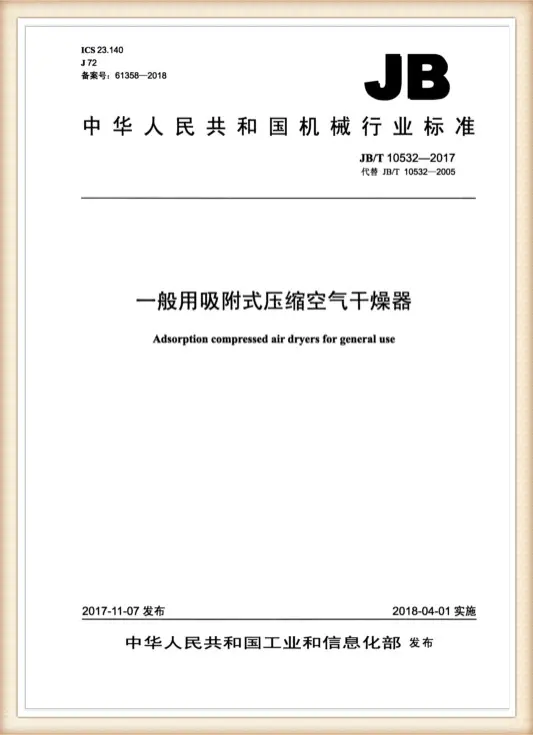
Adsorption compressed air dryers for general industrial use.
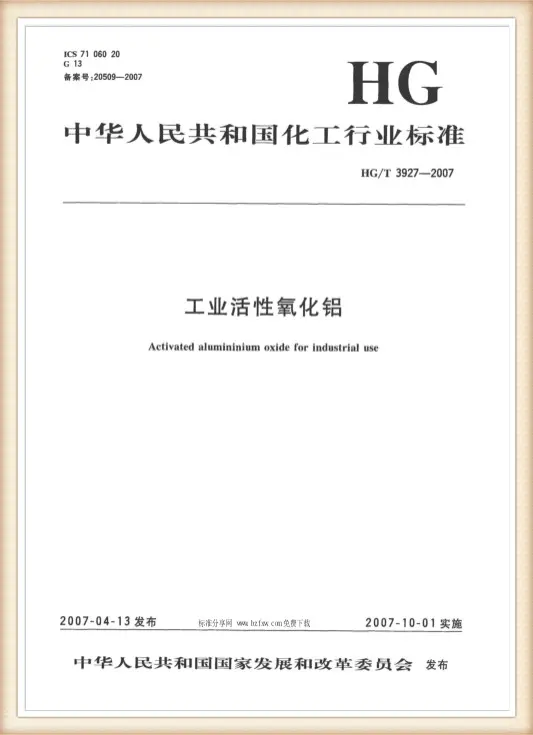
Activated aluminium oxide for industrial use standards.
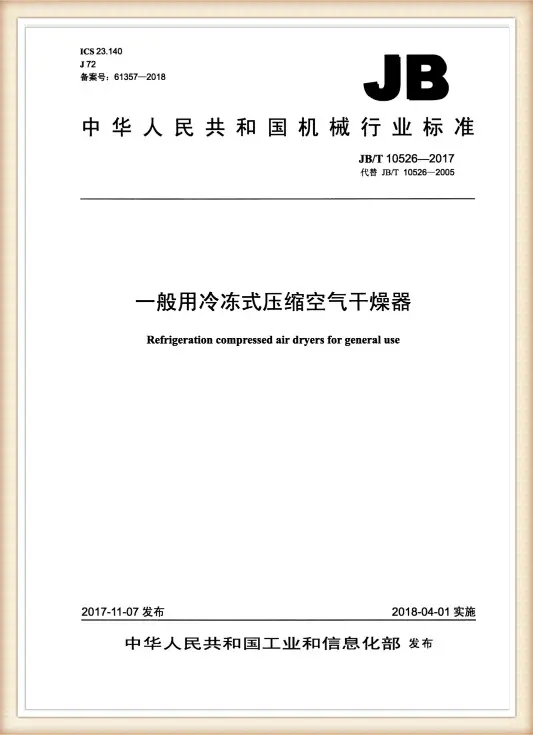
Refrigeration compressed air dryers for general industrial use.
Additionally, our production adheres to the latest standards, including T/CGMA1201-2024, T/HGHX 02—2024, and T/CIET 854-2024. This reflects our ongoing commitment to advancing synthetic chemical adsorbent research and manufacturing.
Providing custom components for clean gas separation and high-purity nitrogen generation
Located in Shanghai, the economic center of China, Shanghai Jiuzhou Chemicals Co., Ltd. has consistently adhered to the core principles of "Quality Control, Constant Innovation". Since our establishment in 1994, our enterprise has grown to operate modern factories in Shanghai and Wuxi, covering a combined production footprint of 25,000 square meters.
Equipped with state-of-the-art multi-functional automated workshops and advanced dynamic laboratories, Jiuzhou specializes in the synthesis and distribution of molecular sieve powders, active alumina, and premium silica gel products. We export across a robust global distribution network, supplying key partners in Australia, the United States, Europe, and Southeast Asia with custom-engineered adsorption solutions.
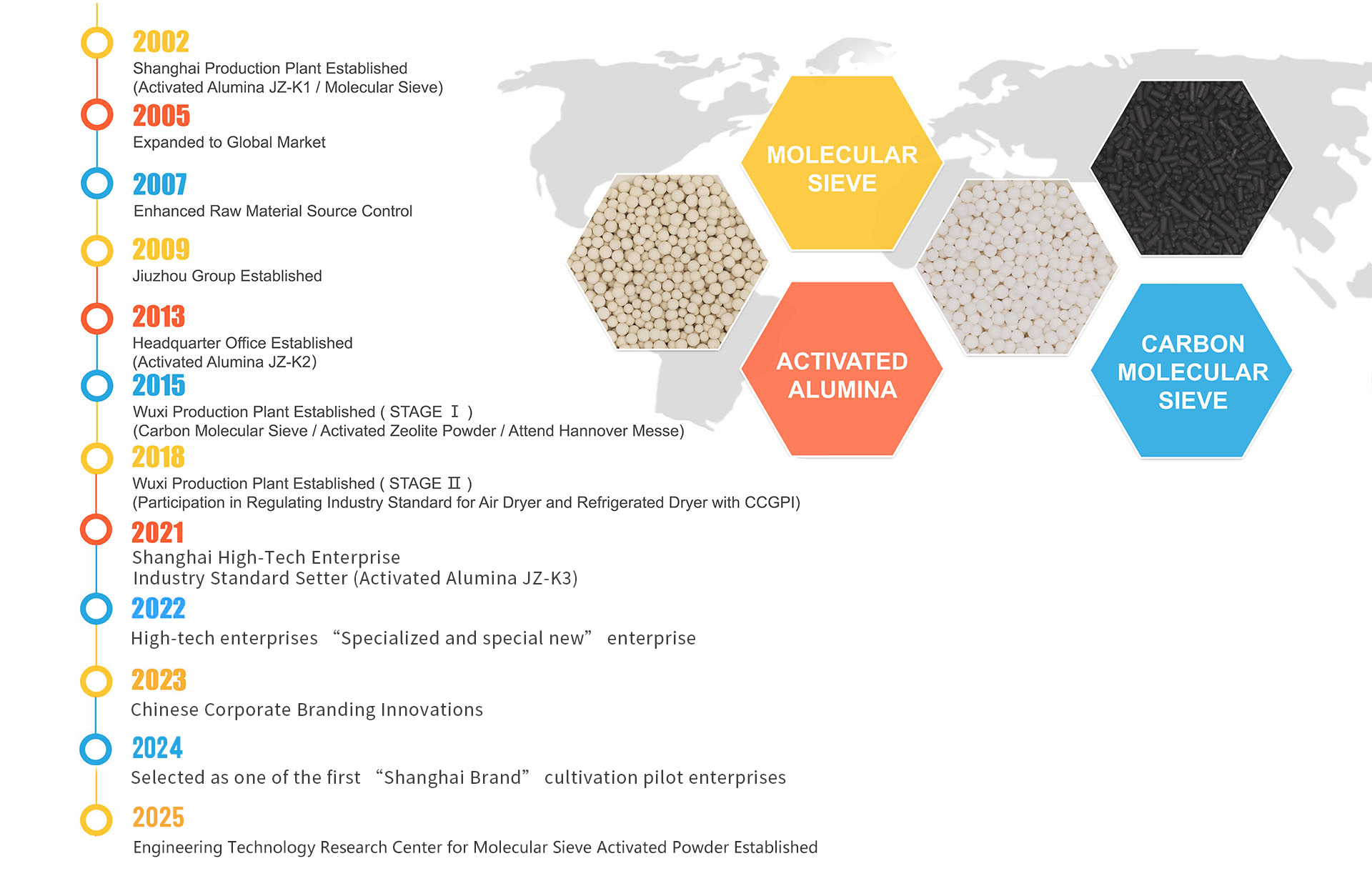
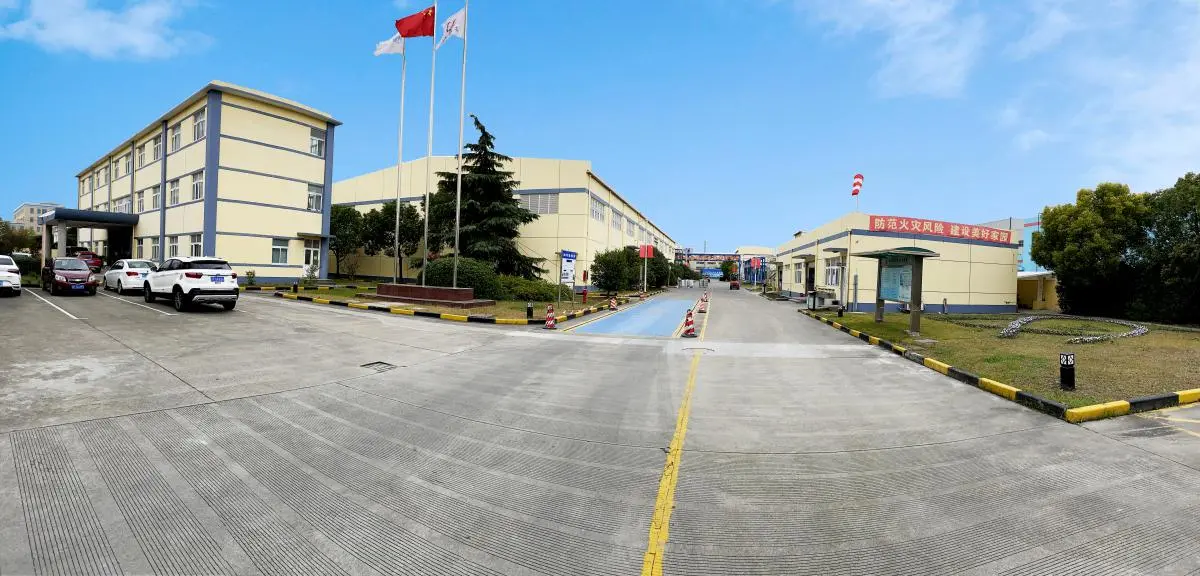
Our factories operate under strict quality management frameworks, fully certified by ISO 9001:2008, TUV, and SGS. With in-house analytical laboratories, we monitor every stage of production—from raw sodium silicate mixing and acid precipitation to washing, drying, and activation.
This continuous monitoring ensures that our silica gel products maintain consistent pore size distributions, low attrition rates, and high equilibrium capacity.
Under our guiding vision of "Better Air, Better Life", Jiuzhou is committed to green chemistry. We minimize waste, run high-efficiency recycling loops for processing wastewater, and focus on developing heavy metal-free indicating silica gels to protect the environment.
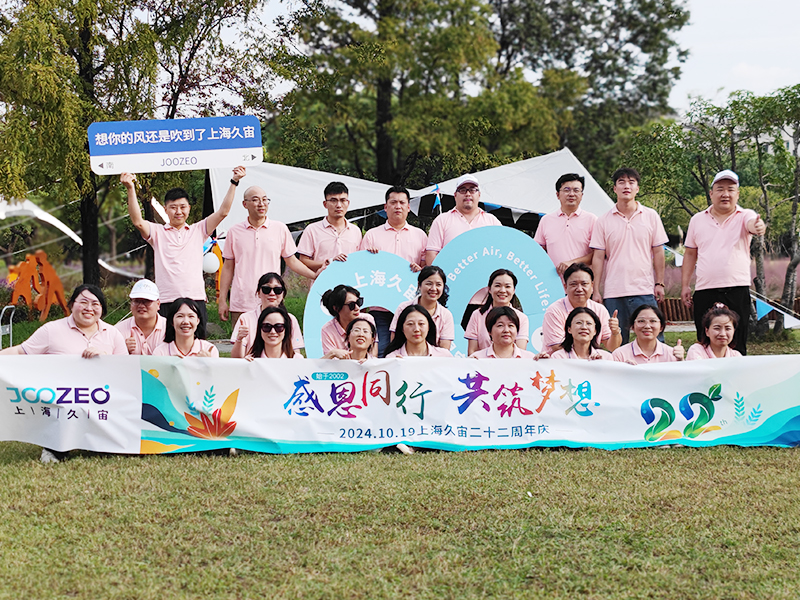
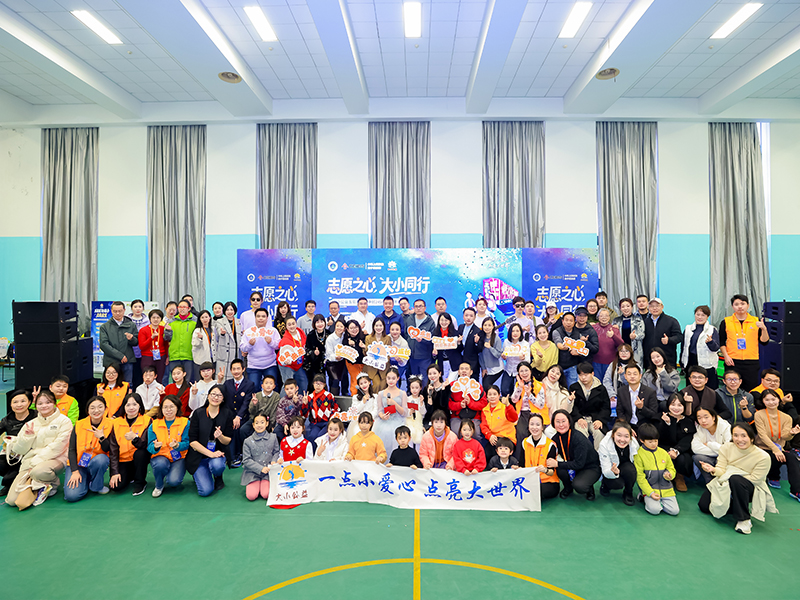
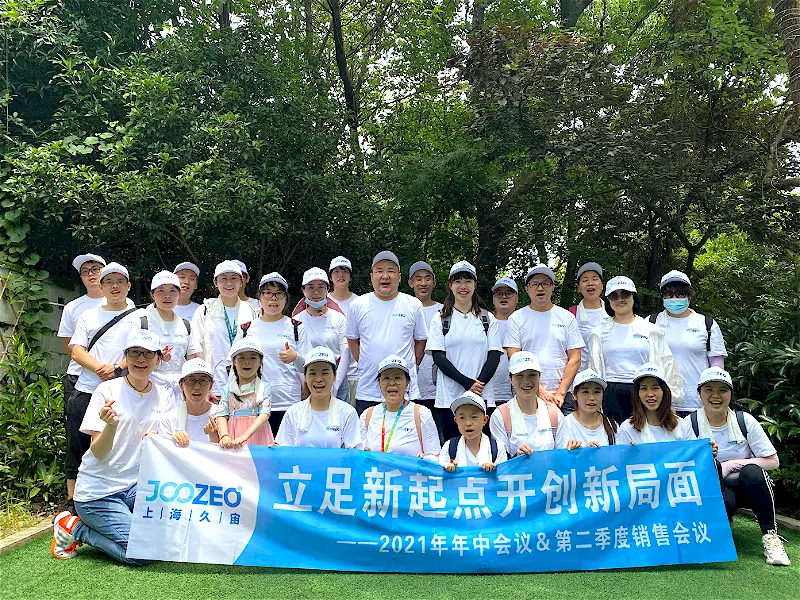
Whether you require customized packaging sizing, specific chemical modifications, or immediate bulk container pricing, our engineering team is ready to assist you.
Send Inquiry NowAnswering common questions from chemical engineers, logistics planners, and procurement leads
A: For bulk cargo shipping, we recommend high-adsorption Narrow-Pore Type A Silica Gels (such as our JZ-ASG or JZ-PSG). These are designed to perform exceptionally well at low to medium humidity levels, making them ideal for container moisture control during long sea transits.
A: Standard silica gel can crack or shatter upon direct contact with liquid water due to rapid localized thermal stresses. For applications involving free liquid phase water, utilizing Best Water Resistant Silica Gel JZ-WSG or JZ-WSAG is essential. These products are chemically stabilized with alumina to protect their structural integrity when exposed to water droplets.
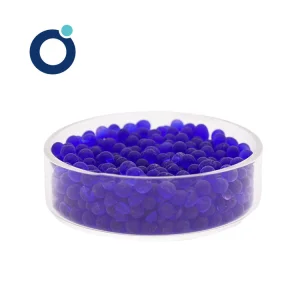
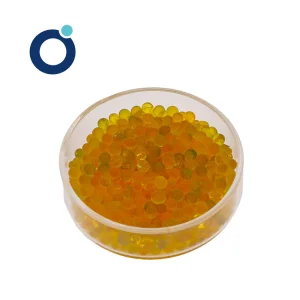
A: Standard blue indicating silica gel contains cobalt chloride, a chemical classified as a carcinogen under European REACH and Australian Worksafe guidelines. At Jiuzhou, we supply eco-friendly orange-to-green indicating silica gels. These use organic indicators, ensuring safe handling while providing clear visual cues for moisture saturation.
A: Silica gel is fully regenerable by heating it to temperatures between 120°C and 150°C. This drives off adsorbed water vapor, restoring the material's capillary action. However, caution must be exercised during the heating process to prevent thermal shock and structural breakdown.
A comprehensive range of industrial-grade synthetic adsorbents and raw chemicals