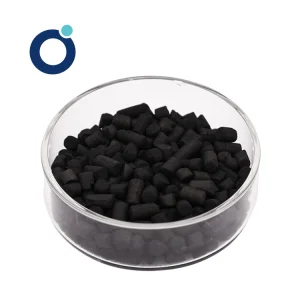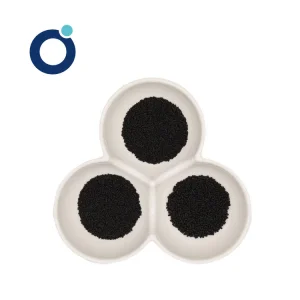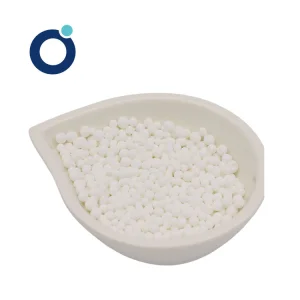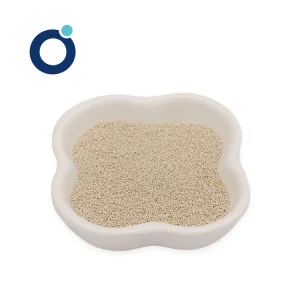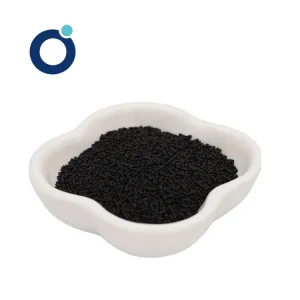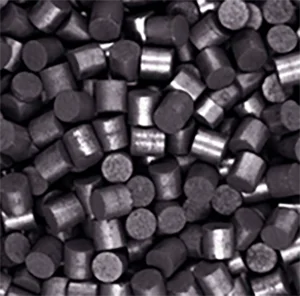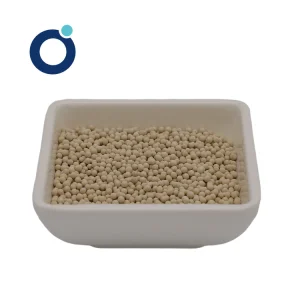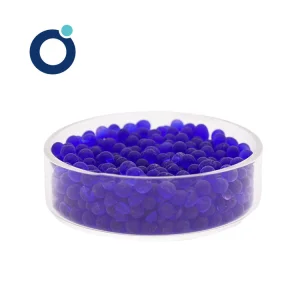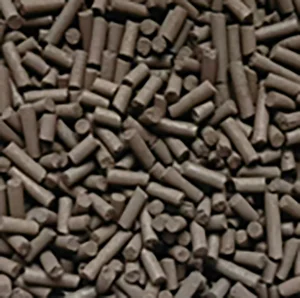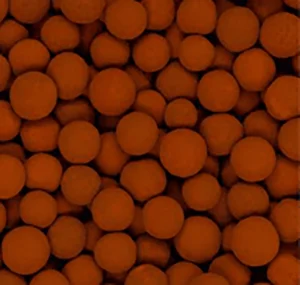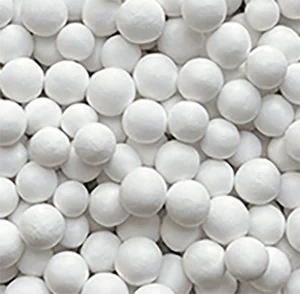
Select from our ISO-certified industrial drying agents, carbon molecular sieves, and custom chemical formulations developed for optimized process systems.
Under the guidelines of E-E-A-T and modern chemical engineering, this white paper evaluates the technical frameworks, manufacturing standards, and chemical performance matrices of sodium aluminosilicates (4A Zeolites).
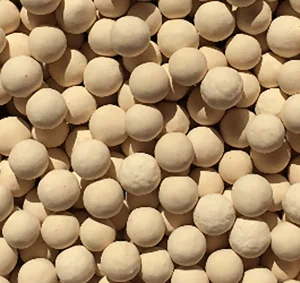
The 4A Molecular Sieve is a synthetic sodium form aluminosilicate crystal belonging to the LTA (Linde Type A) family. With a nominal pore diameter of 4 Ångströms (0.4 nm), it effectively excludes molecules with kinetic diameters larger than 4 Å, such as propane or butane, while preferentially adsorbing water ($H_2O$), methanol, ethanol, hydrogen sulfide, carbon dioxide, and sulfur dioxide.
High-grade 4A zeolites exhibit an equilibrium water capacity exceeding 21.5% to 23.5% at 25°C under relative pressures. Due to its ionic structure, the material displays a deep adsorption isotherm curve, enabling high moisture capture efficiency even at very low dew points (-70°C and lower), making it a cornerstone for instrument air and system dehydration.
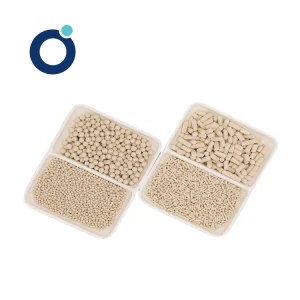
By adjusting manufacturing parameters—including the crystallization time, silicate-to-aluminate ratios, and binders—manufacturers can control point crush strength (up to 80 N/bead for 3-5 mm spheres) and minimize attrition rates (under 0.1% wt). This directly extends service life in PSA (Pressure Swing Adsorption) systems and gas dehydration beds.
A globally recognized market leader in design, production, and verification of synthetic adsorbents and petrochemical catalysts.
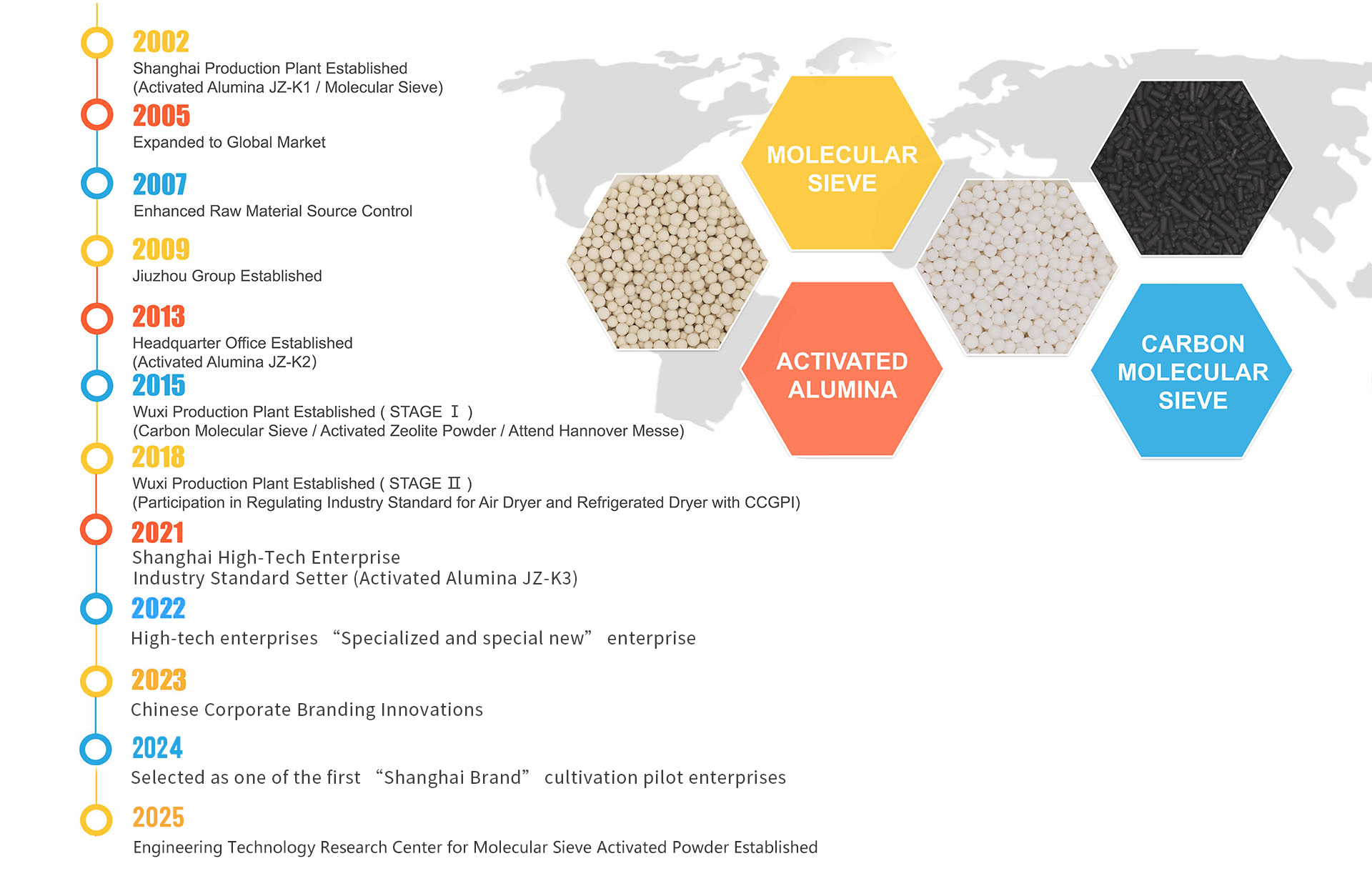
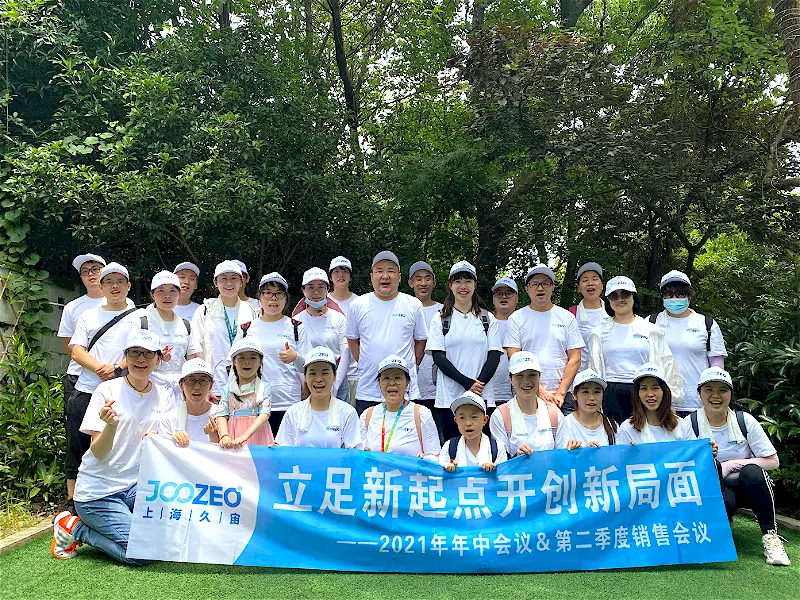
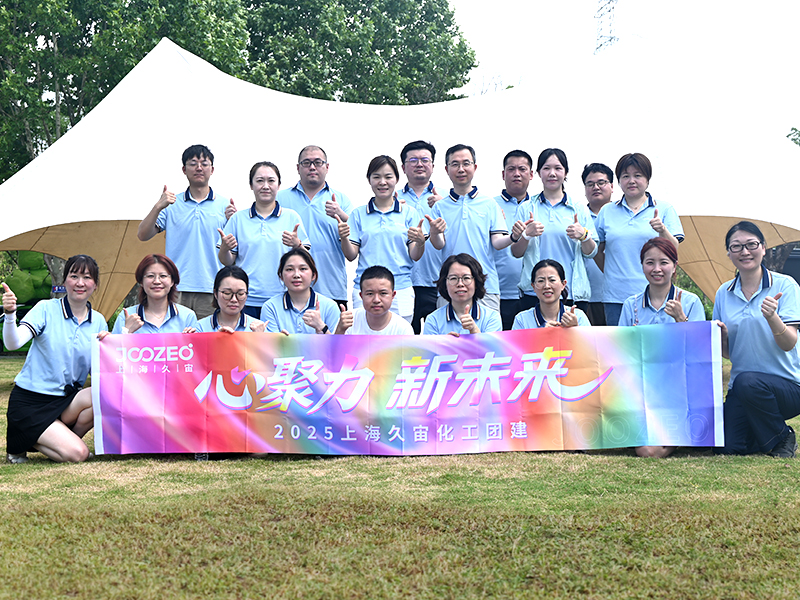
Shanghai Jiuzhou Chemicals Co., Ltd. is strategically situated in Shanghai, China's premier economic and industrial hub. Driven by the philosophy of "Quality Control & Scientific Innovation," our technical team continuously refines production chemistry and structural engineering processes. We maintain a diverse product catalog, including high-purity molecular sieve powders, synthetic molecular sieve spheres and extrudates, activated powders, activated alumina, catalysts, sodium silicates, and related mineral technologies.
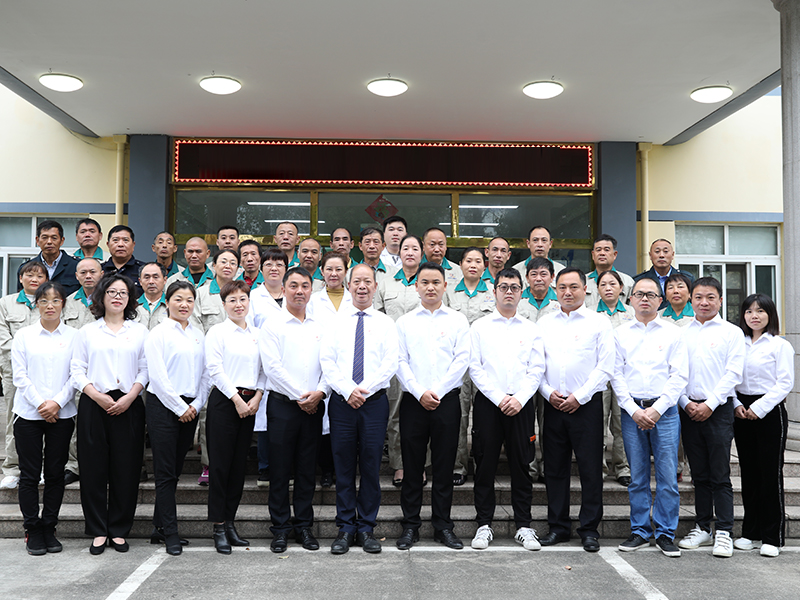
Every batch produced in our facilities complies with strict national and international protocols. Our manufacturing sites are certified under the ISO 9001:2008 quality management system, with additional structural audits validated by world-leading testing bodies such as TUV and SGS.
Furthermore, our dynamic testing laboratories reproduce high-pressure, multi-gas cycles to simulate actual field conditions. This ensures that our products maintain low attrition and consistent adsorption profiles throughout their operational lifetimes.
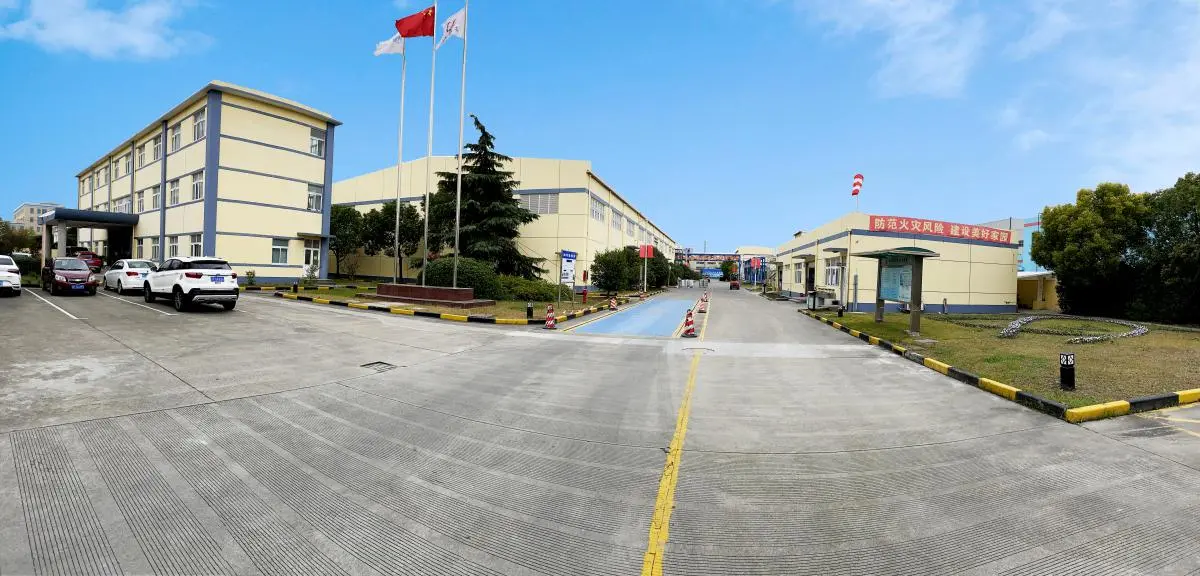
Dedicated to high-tech R&D, chemical synthesis, performance optimization, and international logistics control. Equipped with dynamic evaluation loops and analytical testing labs.
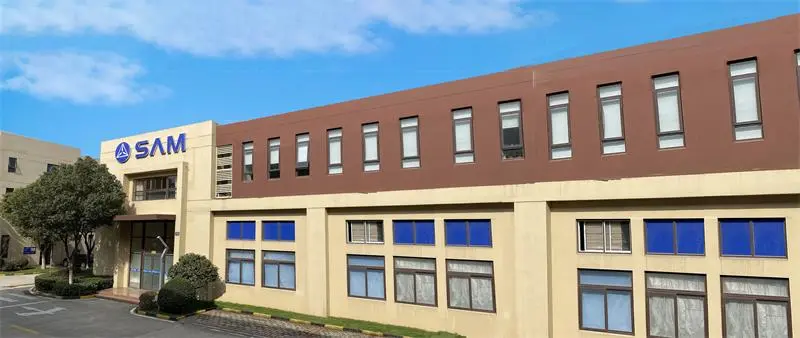
Equipped with automated rotary kilns, specialized activation towers, and particle forming lines designed for large-volume batch uniformity and high mechanical strength output.
Evaluating the raw material logistics, technological advancements, and economic benefits of sourcing 4A molecular sieves from China.
China is home to the world's most complete chemical supply network. High-quality raw inputs, such as premium sodium silicate and industrial aluminum hydroxide, are sourced directly from nearby refineries. This localized supply chain reduces upstream freight costs and insulates buyers from global raw material volatility.
Modern Chinese plants leverage fully digitalized tunnel and rotary calcination kilns. Automatic temperature profiling controls heat curves to within ±1.5°C during activation. This precise thermal treatment guarantees deep crystalline dehydration without damaging the structural integrity of the zeolite cage.
By manufacturing in high-volume, automated production campaigns, Chinese factories achieve significant operational efficiencies. This translates to highly competitive pricing structures for global buyers, without compromising the technical characteristics required for critical industrial processes.
How current market trends, green transitions, and tailored physical parameters shape the deployment of molecular sieves.
The manufacturing sector is increasingly shifting toward carbon neutrality and low-emission chemical processes. Regenerable adsorbents, like the 4A molecular sieve, play a vital role in this transition by minimizing waste compared to single-use desiccants.
Key development trends include:
• Low-Temperature Regeneration: Modifying the crystal matrix allows molecular sieves to release adsorbed water at lower thermal thresholds, saving significant energy during regeneration cycles.
• Binderless Zeolites: Eliminating inert clay binders increases the active zeolite mass per unit volume by up to 25%, boosting overall adsorption capacity and efficiency.
Large-scale facilities demand robust gas treatment solutions that protect downstream processing units and prevent pipeline corrosion.
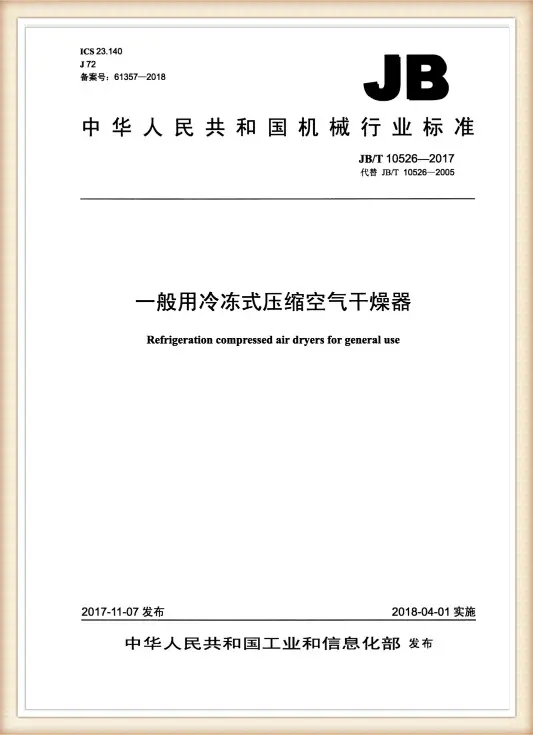
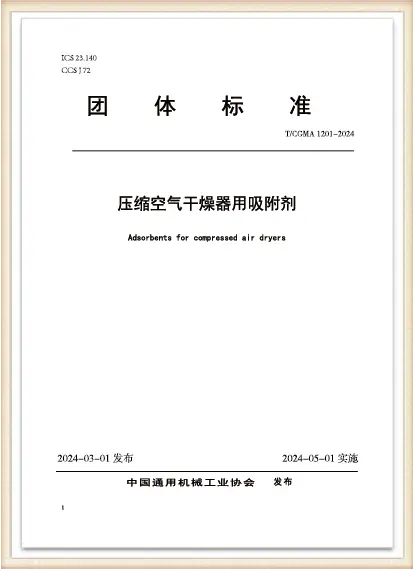
• Compressed Air Treatment: Operating within heavy-duty adsorption air dryers (per standards like JB/T 10532-2017), our 4A sieves consistently deliver deep dew points under varying pressures.
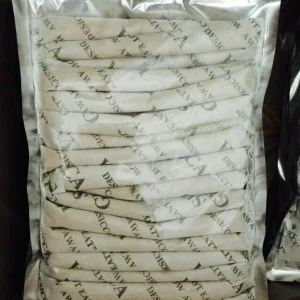
• Insulating Glass Performance: High-density 4A desiccants act as moisture scavengers, preventing condensation inside multi-pane windows and extending their service life.
• Polyurethane Moisture Control: Fine activated zeolite powder removes trace water in polymer formulations, preventing carbon dioxide bubble formation during curing.
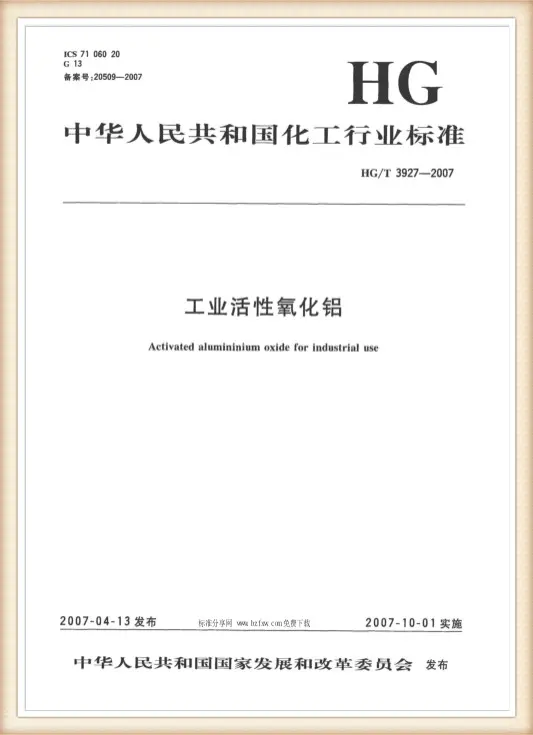
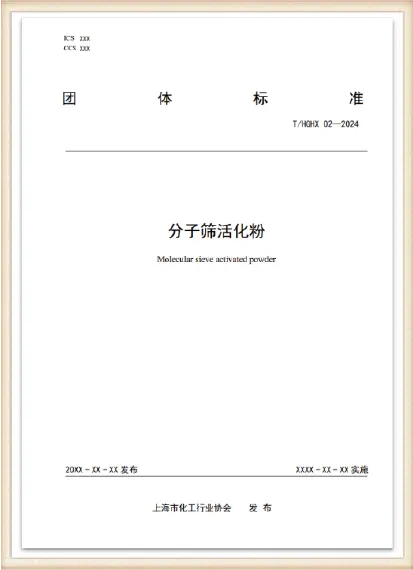
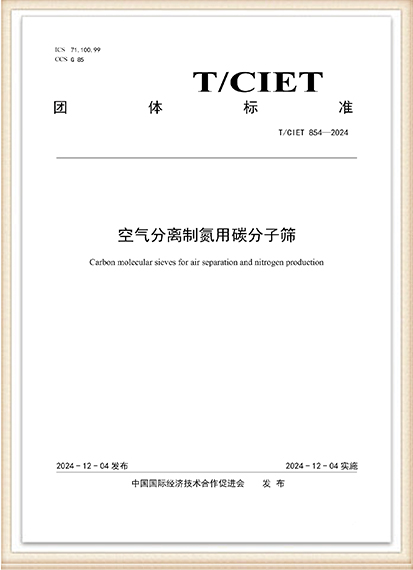
JOOZEO actively participates in and shapes the technical standards for compressed air purification and advanced industrial desiccants.
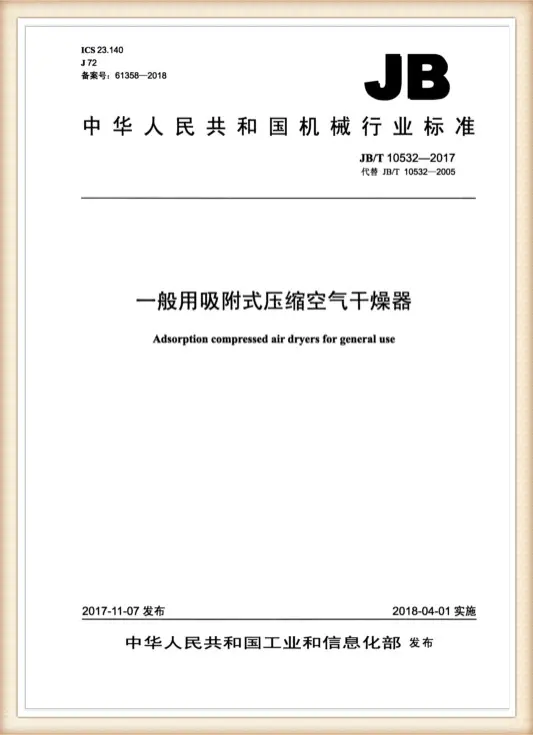
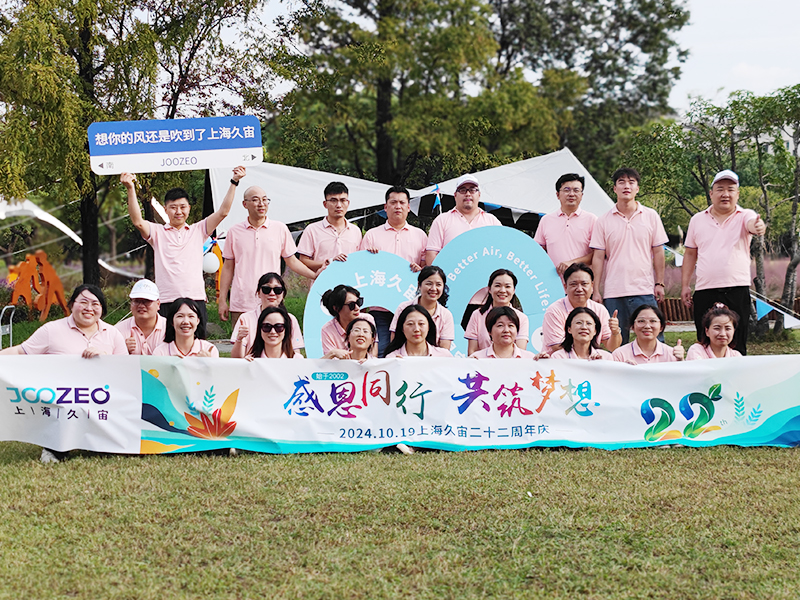
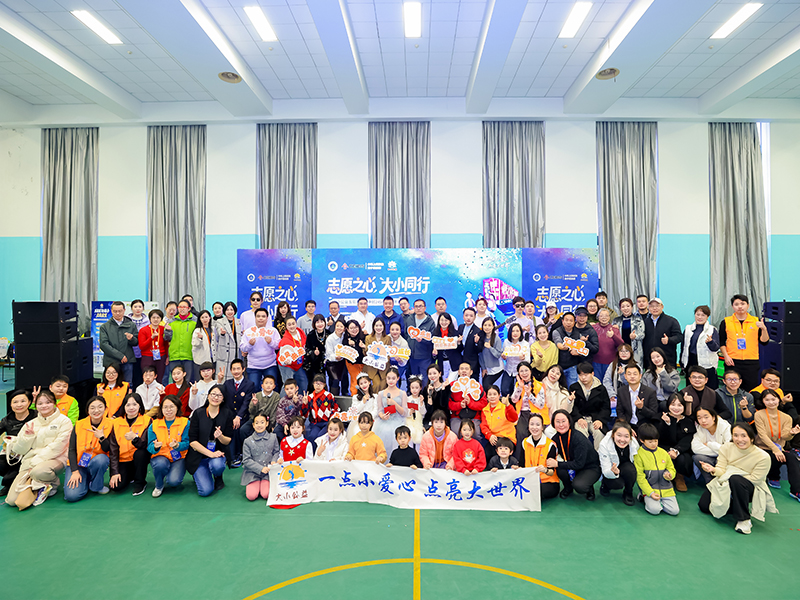
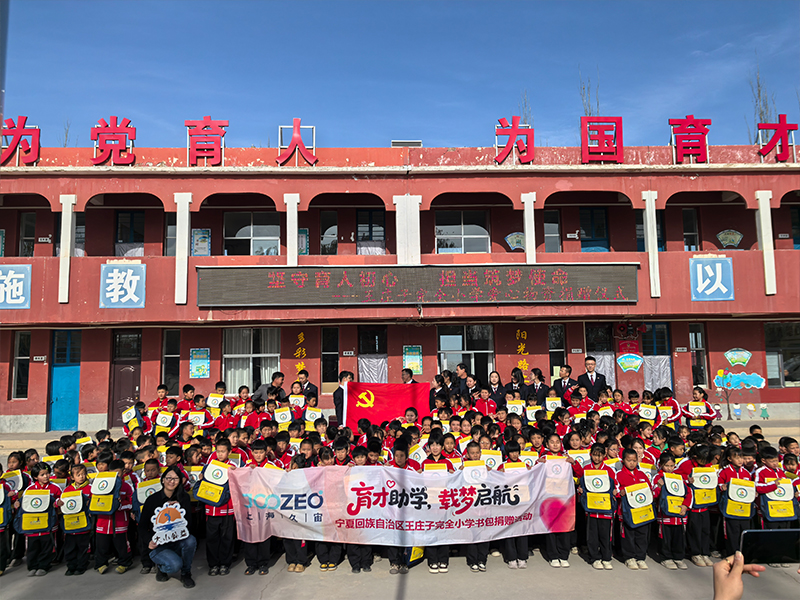
We are committed to sustainable manufacturing processes, cleaner industrial air emissions, and local community environmental care.
Expert technical answers designed to assist procurement specialists and chemical engineers in selecting the right molecular sieves.
Discover specialized catalysts, industrial dry agents, and protective carrier media built for high-performance chemical operations.
Have technical questions or need custom pricing? Our expert engineering team is ready to design a solution tailored to your operational requirements. We respond within 24 hours.
Send Request