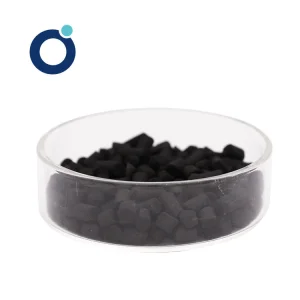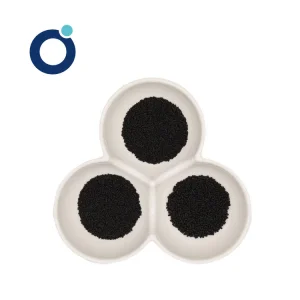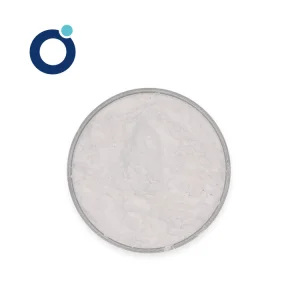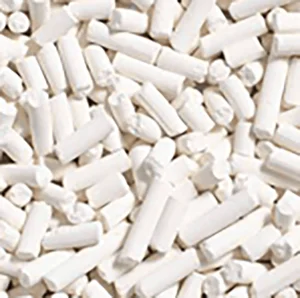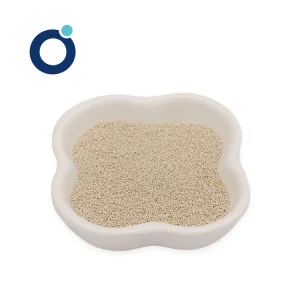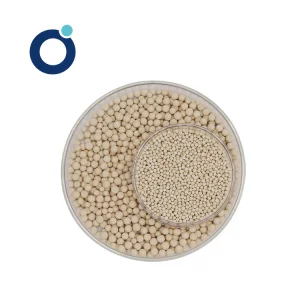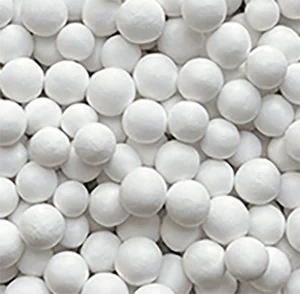
Explore our leading industrial-grade products, engineered for optimal selectivity, high crushing strength, and superior life cycle performance.
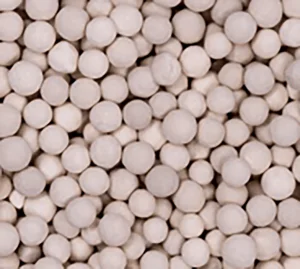
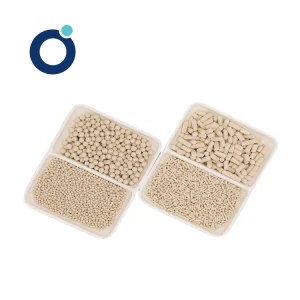
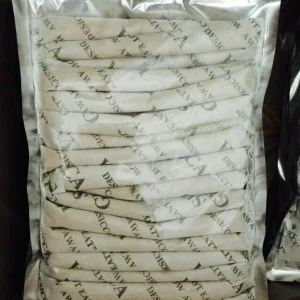
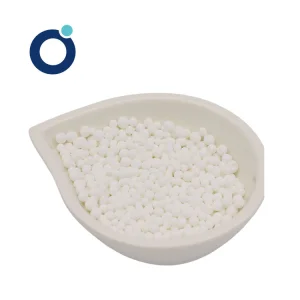
Adhering to strict Quality Control and continuous scientific Innovation since 1994.
Shanghai Jiuzhou Chemicals Co., Ltd. is located in China's largest economic hub, Shanghai. Over several decades of persistent engineering optimization, Jiuzhou has consistently adhered to our core philosophies: "Quality Control & Continuous Innovation." We are globally recognized for our advanced research, development, and manufacturing of premium industrial chemical products.
Our diverse catalog comprises molecular sieve powders, active zeolites, specialized activated alumina, aluminum oxide catalysts, protective ceramic balls, sodium silicates, aluminum hydroxide, zeolite 4A, sodium carbonates, and SLES, among other solutions. In order to guarantee consistent physical-chemical properties, our production sites are audited and verified, holding certifications under ISO 9001:2008, alongside globally trusted TUV & SGS approvals.
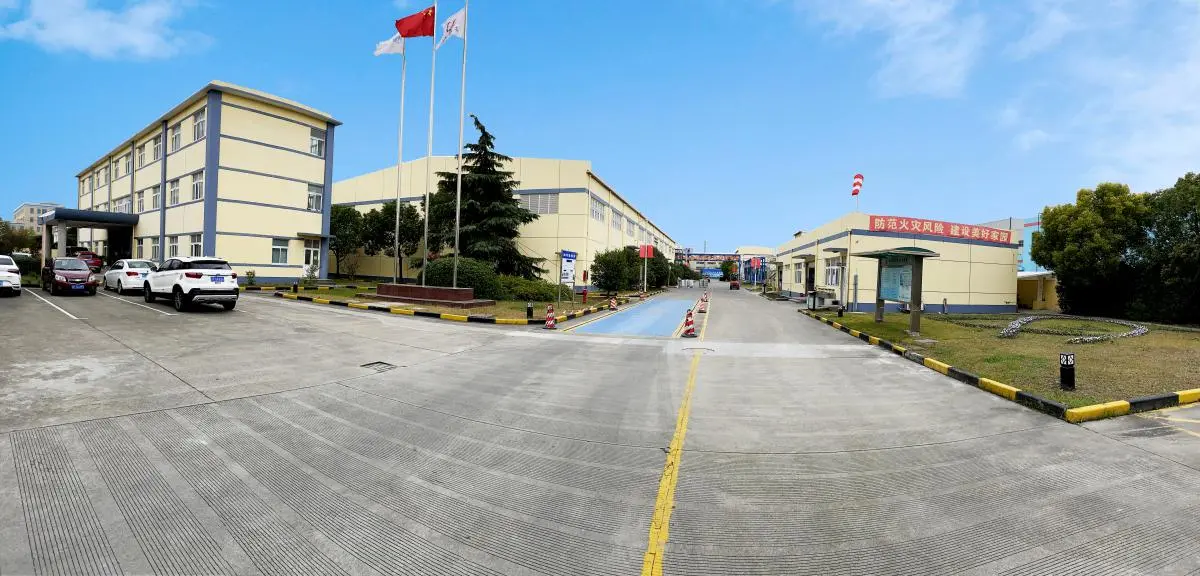
Equipped with high-precision control panels and standard synthesis reactors. Coordinates our core raw material preparation and final purification protocols.

Features automated calcination kilns, spherical forming machines, and massive dynamic adsorption simulation laboratories to support global clients.
Our technical capability and market presence are anchored by a dedicated team of materials science experts, a Dynamic Testing Lab, and automated modern production lines. By optimizing the pore distribution and structural stability of our adsorbents, we develop custom solutions that optimize operational efficiency while minimizing energy loss. We maintain operations in key global markets including the United States, Europe, Japan, the Middle East, Southeast Asia, and across South America to ensure quick localized response cycles.

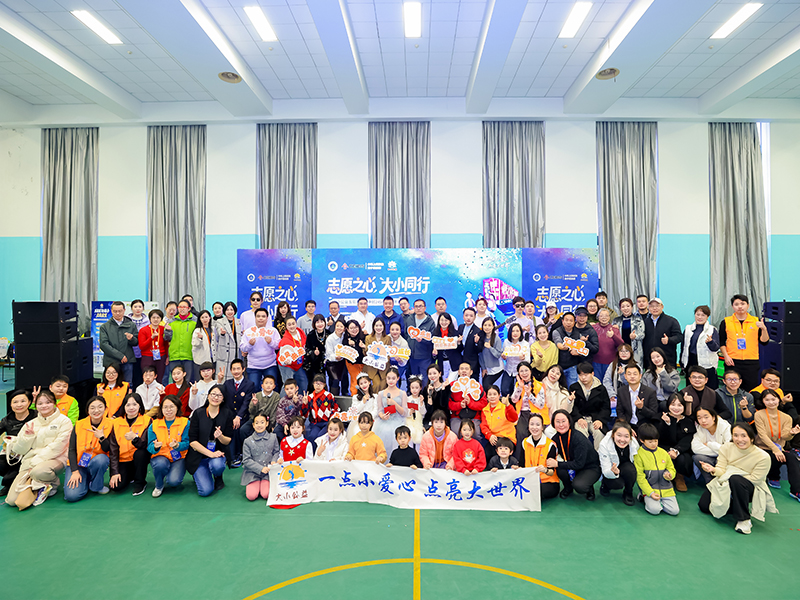
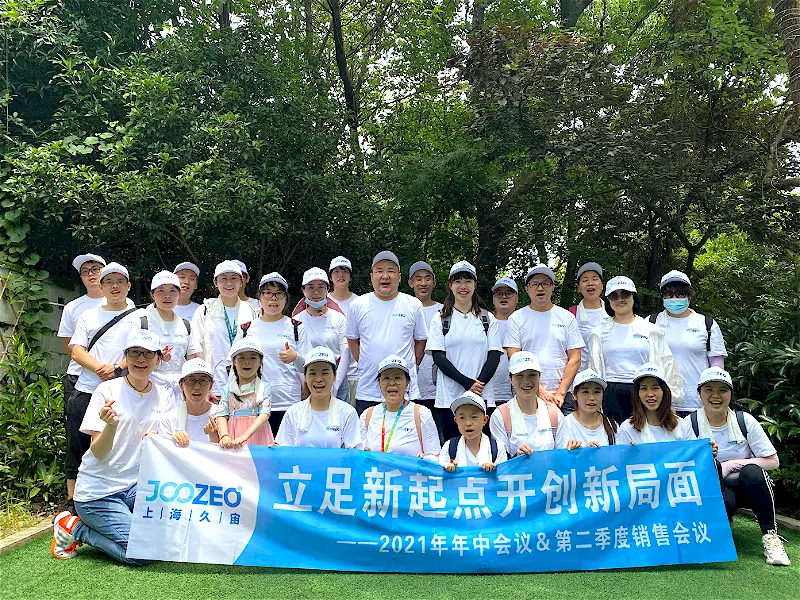
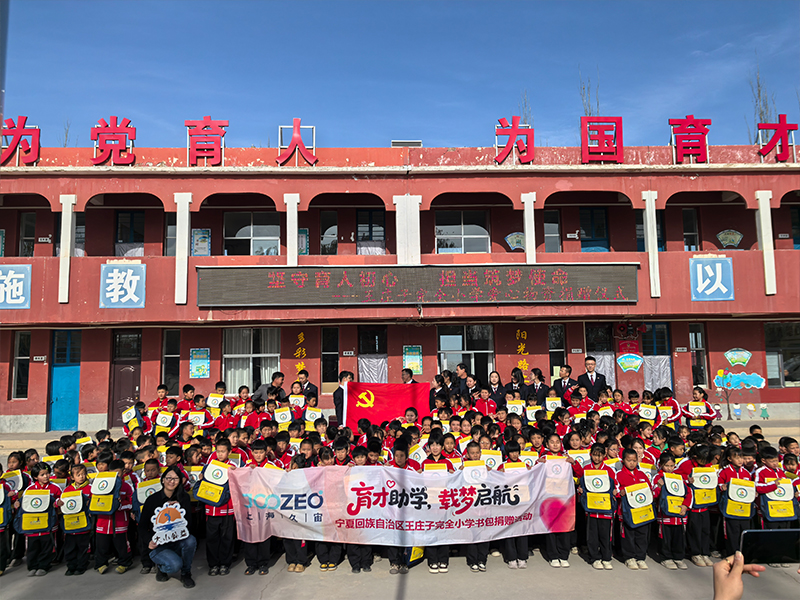
Jiuzhou Chemicals plays a key role in developing and standardizing quality control metrics for adsorption technologies nationwide.
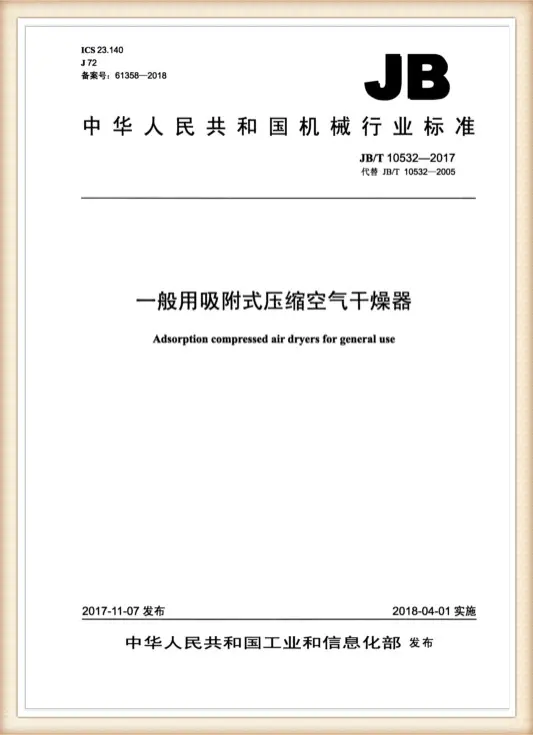
Adsorption compressed air dryers for general use. Formulating rules for dynamic dew point controls and desiccant resistance values.
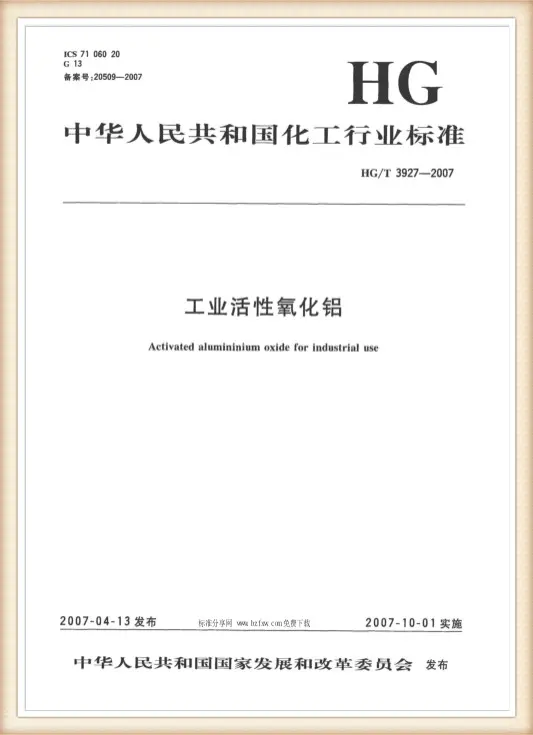
Activated aluminum oxide for industrial use. Sets parameters for pore volume, specific surface area, and chemical purity.
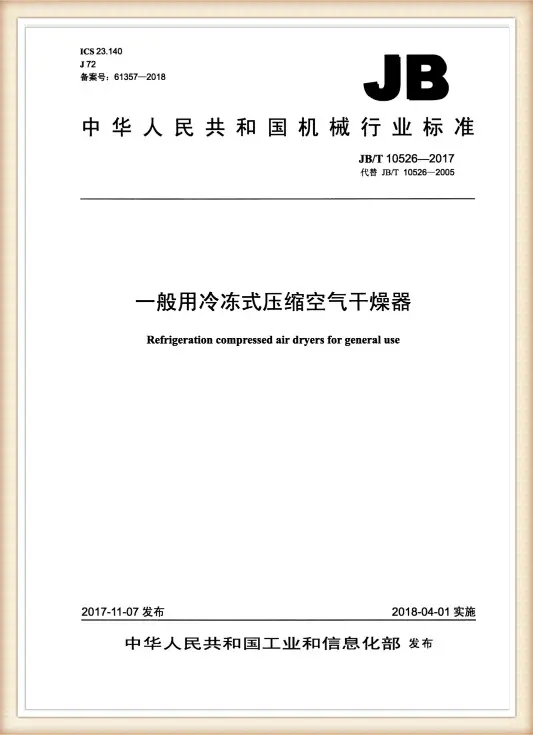
Refrigeration compressed air dryers for general use. Standardizes performance indicators and temperature thresholds.
The latest industrial group specifications governing gas separation units and thermal regeneration metrics.
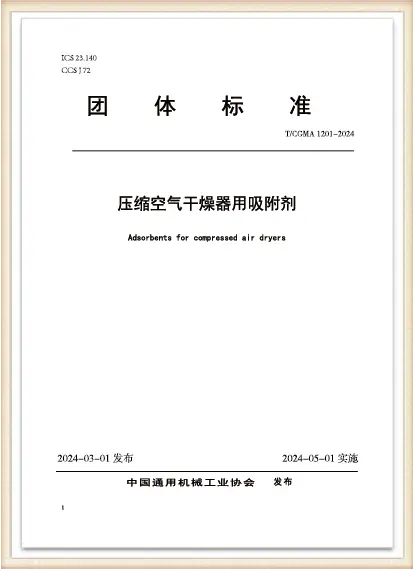
Local chemical association guidelines addressing manufacturing emissions and energy footprint reduction targets.
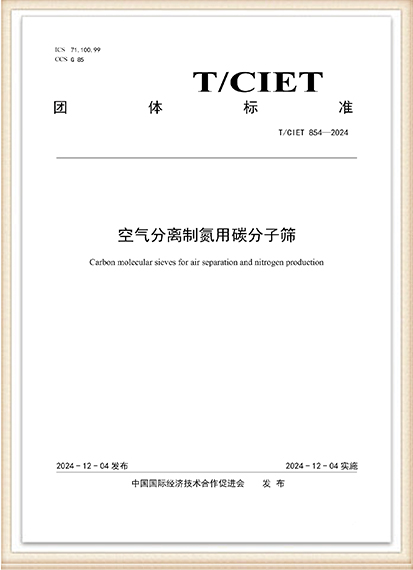
Technological framework standard targeting high-grade zeolite synthesis and industrial calcination quality control.
An in-depth analysis of calcium-exchanged zeolites, gas separation mechanisms, and global procurement criteria.
The 5A molecular sieve is a calcium-exchanged aluminosilicate, a synthetic crystalline zeolite belonging to the Type A family. The structural framework exhibits an effective pore opening size of approximately 5 Angstroms (0.5 nm). During the ion-exchange synthesis process, sodium ions within the 4A zeolite framework are systematically replaced by divalent calcium ions. This substitution alters the electrostatic potential fields and narrows the effective steric pathways, allowing molecules with kinetic diameters smaller than 5 Å to enter the crystalline cavities while larger molecules are excluded.
This molecular-level filtration operates via two primary mechanisms: size exclusion and thermodynamic affinity. Polarized molecules (such as hydrogen sulfide, carbon dioxide, and water vapor) and straight-chain hydrocarbons (like normal paraffins) are strongly adsorbed within the internal crystalline structure. Branched-chain hydrocarbons (isoparaffins) and cyclic structures are sterically excluded because their kinetic diameters exceed the 5 Å threshold. This mechanism is key to processes like paraffin separation in petrochemical refining and pressure swing adsorption (PSA) systems.
"The efficiency of a 5A molecular sieve depends on its calcium exchange rate. Lower exchange rates decrease selectivity and cause premature degradation, whereas Jiuzhou maintains a high ion-exchange threshold for chemical and physical stability."
Procurement teams and plant managers must evaluate molecular sieves based on functional metrics rather than unit cost alone. Key factors determining long-term ROI include crushing strength, attrition loss, static water adsorption, and bulk density. Poorly manufactured zeolites disintegrate under high pressure cycles, generating dust that blocks piping, damages valves, and causes pressure drops.
| Property / Metric | Standard Specification Range | Jiuzhou Quality Assurance (Premium Grade) | Impact on Industrial Performance |
|---|---|---|---|
| Calcium Ion Exchange Level | ≥ 70% | ≥ 82% | Ensures clean separation of normal paraffins from iso-paraffins. |
| Bulk Density | 0.68 - 0.73 g/mL | 0.70 - 0.72 g/mL | Optimizes bed packing, preventing fluidization and channeling. |
| Crushing Strength (Sphere) | ≥ 35 N (for 1.6-2.5mm) | ≥ 45 N - 50 N | Reduces physical breakdown under thermal swing adsorption (TSA) stress. |
| Attrition Rate | ≤ 0.20% wt | ≤ 0.10% wt | Minimizes dust generation, protecting downstream valves and compressors. |
| Static H2O Adsorption | ≥ 20.5% wt | ≥ 22.0% wt | Provides high moisture capacity, keeping gas dew points below -70°C. |
Jiuzhou develops tailored adsorption systems for key industrial sectors, focusing on process safety and operating efficiency.
Natural Gas Dehydration and Sweetening: Modern liquefied natural gas (LNG) cryogenic processes require water content below 0.1 ppm and CO2 below 50 ppm to prevent pipeline freezing. Our 5A molecular sieve simultaneously removes trace H2S, mercaptans, and water vapor, protecting midstream pipelines from acid corrosion.
Pressure Swing Adsorption (PSA) Hydrogen Purification: Steam methane reforming (SMR) gases contain by-products like CO2, CO, CH4, and N2. 5A zeolites selectively remove these impurities at high pressures, delivering pure hydrogen (99.999%+) for hydrotreating, chemical synthesis, and clean energy applications.
Air Separation and Industrial Gas Production: For oxygen and nitrogen generation, 5A molecular sieves remove carbon dioxide and water before cryogenic liquefaction, preventing blockages in heat exchangers and improving recovery rates.
Looking ahead, industrial adsorption research focuses on maximizing energy efficiency and reducing environmental impact. Our research department is working on three core technical goals:
Next-Generation Binderless Molecular Sieves: Conventional molecular sieves contain 15% to 20% inert clay binder, which holds the active zeolite crystals together but does not contribute to adsorption. Jiuzhou is developing binderless 5A zeolites, converting temporary binders into active zeolite structures. This increases adsorption capacity by up to 20%, allowing for smaller vessel designs.
Lowering Thermal Regeneration Temperatures: Desorbing water and hydrocarbons during thermal cycles requires significant energy. We are modifying the surface chemistry of our zeolites to lower regeneration temperatures, helping plant operators reduce energy consumption.
Carbon-Neutral Manufacturing Processes: We are incorporating circular economy principles into our production lines, recovering heat from calcination kilns and utilizing bio-based binders to support environmental sustainability.
Global supply chain management requires reliable regulatory compliance. Jiuzhou’s product portfolio complies with international regulatory frameworks including REACH, RoHS, and regional environmental standards. Every shipment is backed by standardized certificates of analysis (CoA), guaranteeing traceable batch testing.
Our global distribution network provides technical support and logistics coordination in key regions, helping plants minimize downtime. Whether replacing a desiccant bed in Houston, Singapore, Rotterdam, or Wuxi, we assist engineering teams with technical parameters, bed design calculations, and loading supervision.
Expert answers to common queries regarding molecular sieve specifications, chemistry, and operational usage.
Explore our broader product catalog, including molecular sieves, activated carbons, and specialty catalysts.