Best Alumina Ball Suppliers & Product

High-Performance Technical Adsorption, Catalyst Support, & Molecular Sieves for Advanced Industrial Systems

Premium Alumina & Adsorption Products

Engineered high-purity media optimizing desiccant performance, gas processing, and catalyst longevity.
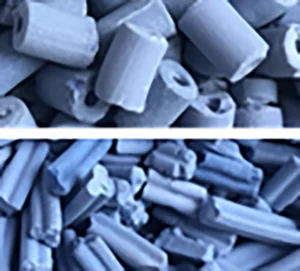
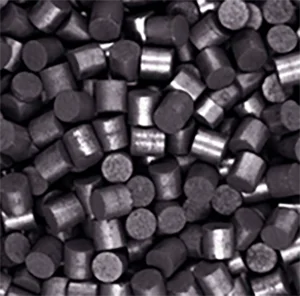
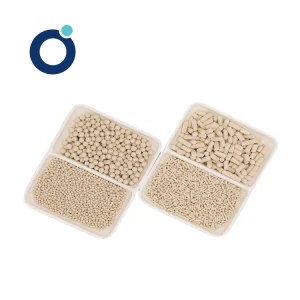
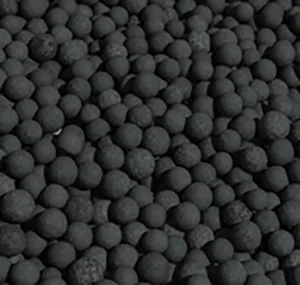
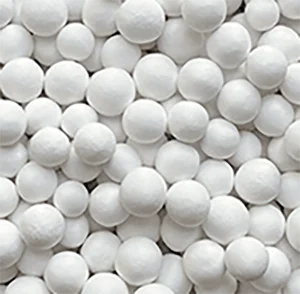
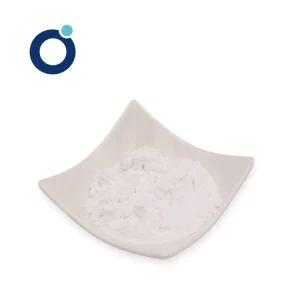
High-Quality Duralyst TH-200

High-Quality Duralyst TH-200

Supplier & Pricelist →
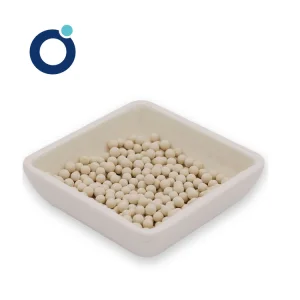
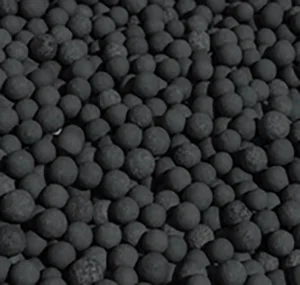
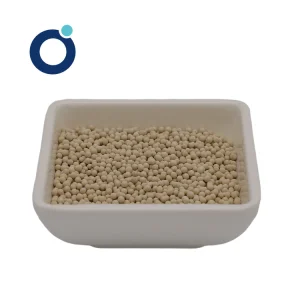
OEM Duralyst DO-16T

OEM Duralyst DO-16T

Suppliers & Products →
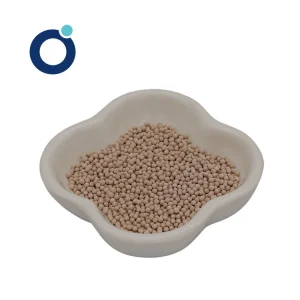
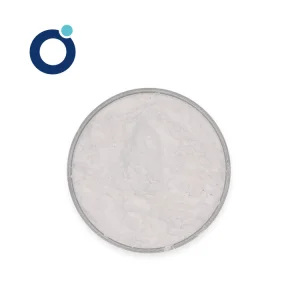
OEM Molecular Sieve JZ-ZMS9

OEM Molecular Sieve JZ-ZMS9

Manufacturers & Supplier →
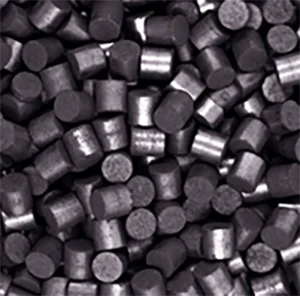
China Molecular Sieve JZ-ZAC

China Molecular Sieve JZ-ZAC

Pricelist & Product →
Best Molecular Sieve JZ-ZRF

Best Molecular Sieve JZ-ZRF

Suppliers & Product →
Famous Duralyst DO-17T

Famous Duralyst DO-17T

Pricelist & Product →
Famous DuraChem CAM-10S

Famous DuraChem CAM-10S

Quotes & Products →
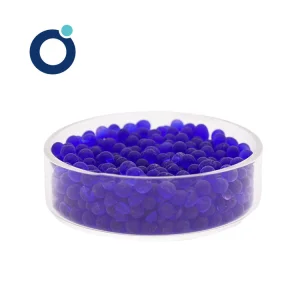
High-Quality Silica Gel JZ-SG-B

High-Quality Silica Gel JZ-SG-B

Manufacturers & Factory →

Industrial Significance of Alumina Media

Alumina balls (activated alumina and inert ceramic spheres) represent the backbone of thermal mass transfer, catalytic reactions, and molecular dehydration across critical global industries. Activated alumina, defined by its high surface-to-volume ratio ($250-380\text{ m}^2/\text{g}$), contains a labyrinth of interconnected macropores and mesopores. This enables selective, thermodynamics-driven chemisorption and physisorption.

In global industrial systems, choosing the correct grade of alumina ball directly influences process downtime, pressure drop control, and energy recovery efficiency. For systems such as Claus sulfur recovery catalysts, high-temperature thermal regenerators, and air purification trains, utilizing precision-calibrated spheres prevents premature mechanical crushing and chemical degradation.

With three decades of manufacturing excellence, Shanghai Jiuzhou Chemicals Co., Ltd. integrates state-of-the-art sol-gel chemistry and sintering technologies to provide solutions that exceed standard industry lifespan metrics by up to 35% under harsh cyclic thermal loads.
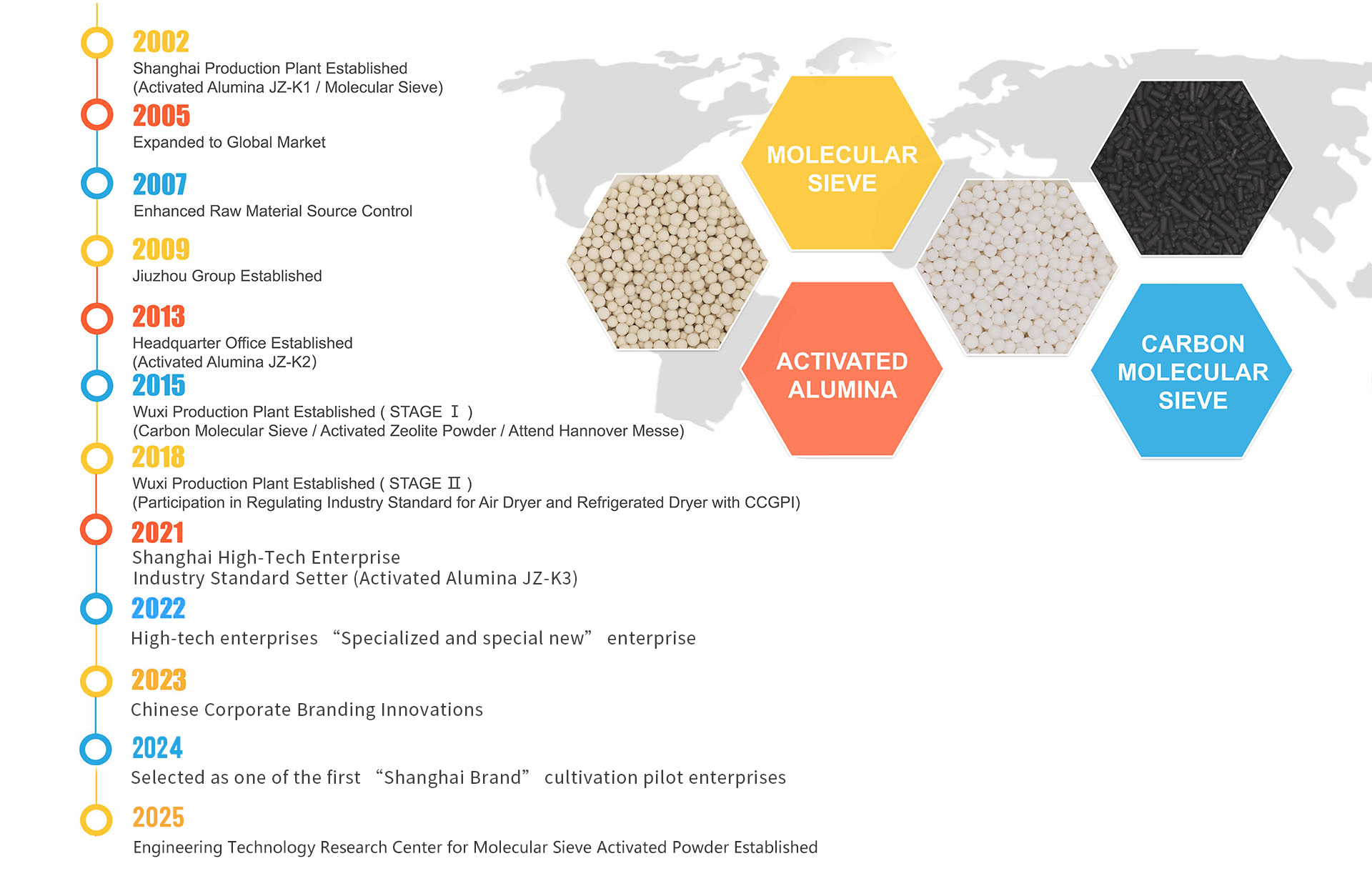
Jiuzhou Production Line Research Center

Global Commercial & Industrial Landscape

A deep macro-economic perspective on the role of alumina adsorbents and catalysts in modern heavy industry.

Petrochemical Processing

The processing of hydrocarbon feedstocks requires highly robust catalyst support and deep desiccant drying. Inert alumina balls act as protective bed supports, neutralizing hydrodynamic turbulence at reactor inlets. Concurrently, active transition alumina grades scavenge heavy metal contaminants (arsenic, lead) and trace fluorides, safeguarding platinum and cobalt catalysts downstream.

Air Separation & Cryogenics

Modern Cryogenic Air Separation Units (ASUs) depend heavily on pre-purification systems to extract moisture, $CO_2$, and nitrous oxides from atmospheric air. Failure to remove these down to sub-ppm levels leads to catastrophic blockages at sub-zero cold boxes. Jiuzhou’s specialized activated alumina maintains exceptional capacity under rapid Temperature Swing Adsorption (TSA) cycles.

Critical Water Remediation

Activated alumina is recognized by the US EPA as the standard technology for municipal and industrial defluoridation and arsenic removal. High electropositive surface charge profiles at optimized pH values permit strong coordination complexes with toxic fluoride ions, making municipal drinking water clean and compliant with stringent global limits.

Industry-Leading Authority & Quality Control

How Shanghai Jiuzhou Chemicals sets the benchmark for engineering compliance and global distribution.

1,994
Time of Establishment
80+
Countries Served
25,000
Company Area (sqm)

Strict Quality Control & Scientific Innovation

Operating a massive 25,000 square meter manufacturing footprint across Shanghai and Wuxi, Jiuzhou operates under a dual mandate: zero-defect quality management and continuous technological breakthrough.

Quality Control System Compliance 100%
Innovation R&D Performance Index 100%

Every single batch of our molecular sieve powders, active aluminas, and chemical catalysts undergoes rigorous analytical validation in our centralized testing facility. Using state-of-the-art Brunauer-Emmett-Teller (BET) surface analyzers, X-ray diffraction (XRD) spectrometers, and mechanical crush testers, we guarantee absolute conformity with international specifications.

Drafting China's National & Industry Standards

As a true industry setter, Jiuzhou does not merely follow standards—we draft them. We have actively participated in establishing and refining several Chinese national and industry standards, proving our deep technical leadership:
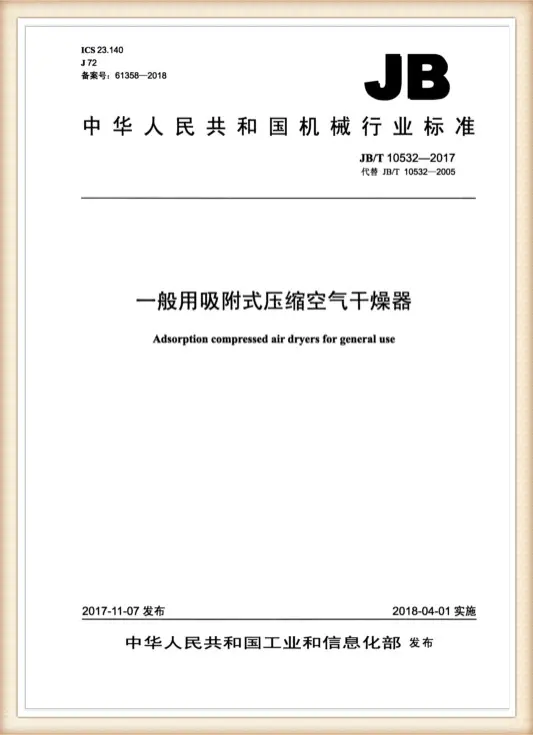
JB/T 10532-2017

JB/T 10532-2017

Adsorption compressed air dryers for general use
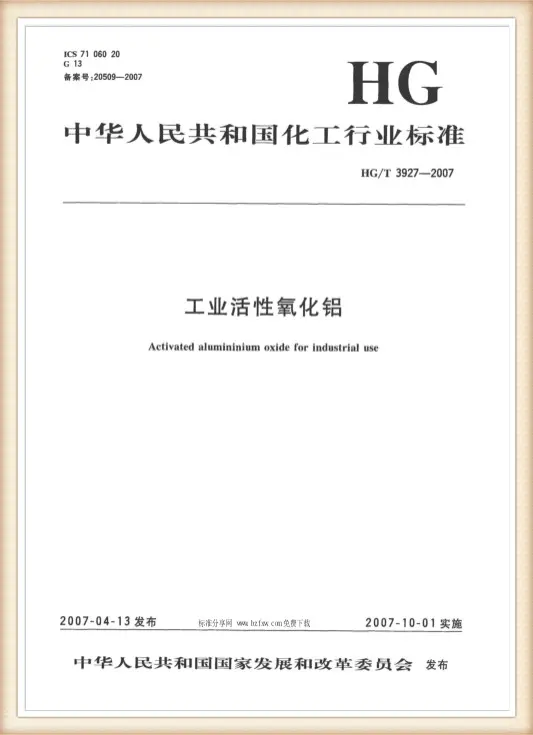
HG/T 3927-2007

HG/T 3927-2007

Activated aluminum oxide for industrial use
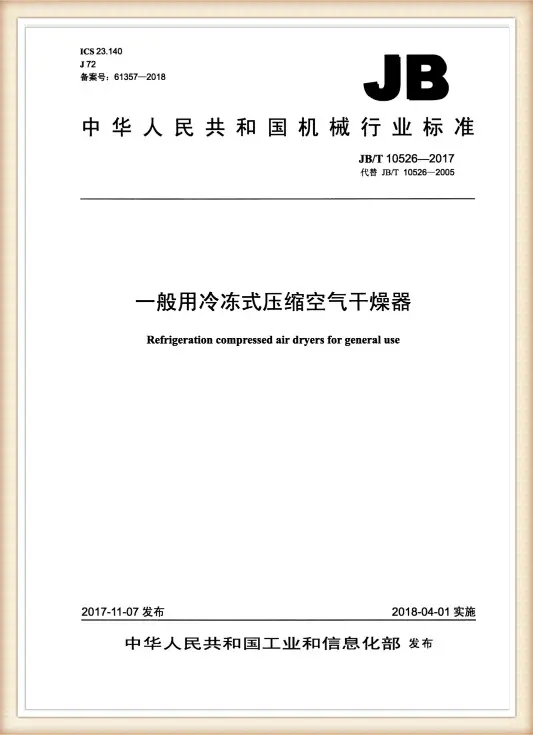
JB/T 10526-2017

JB/T 10526-2017

Refrigeration compressed air dryers for general use
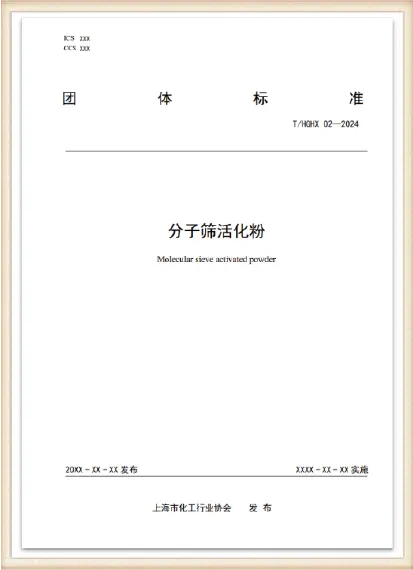
T/CGMA1201-2024

T/CGMA1201-2024

Compressed air systems standards group
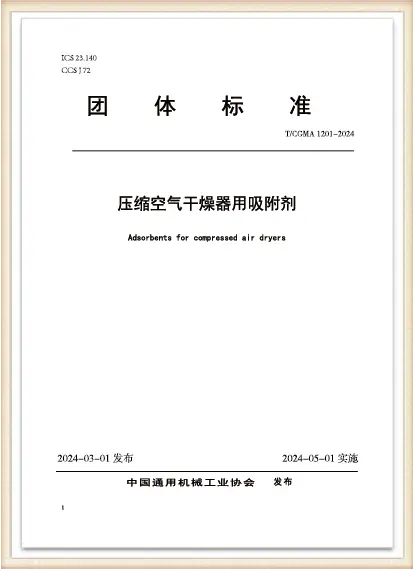
T/HGHX 02-2024

T/HGHX 02-2024

Chemical engineering & purification processes
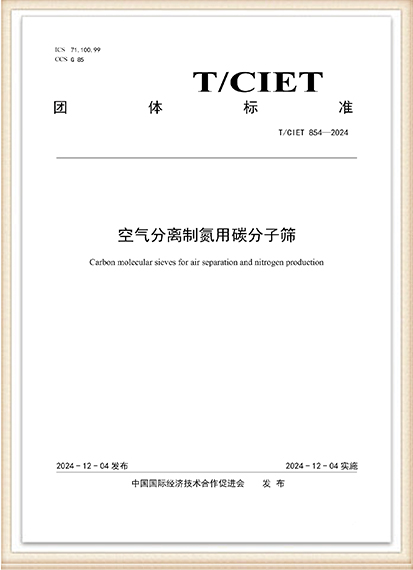
T/CIET 854-2024

T/CIET 854-2024

Industrial adsorbent sustainability standards

Localized Application Scenarios

Optimized alumina performance engineered for region-specific challenges and industrial demands.

North American Gas Processing

In high-capacity shale oil and gas operations across Permian and Appalachian basins, process feed streams frequently exhibit elevated levels of sour gases ($H_2S, CO_2$). Our active alumina balls are deployed as primary guard beds to prevent acid-gas condensation from corroding metallic pipework and fouling high-efficiency gas sweetening solvents.

European Compressed Air

With industrial systems strictly bound to EN ISO 8573-1 standards governing air purity, European manufacturers use Jiuzhou adsorbents in heated and heatless regenerative air dryers. Our materials deliver a steady pressure dew point of $-40^\circ\text{C}$ to $-70^\circ\text{C}$, preventing hydraulic condensation in sensitive robotic assembly lines.

Asia-Pacific Industrial Zones

Rapid industrialization and stringent local water resource protections require high-efficiency wastewater treatment. In high-density industrial parks across Southeast Asia and China, our activated alumina media is utilized to clear out heavy industrial waste, specifically removing toxic fluorides and trace metals from chemical processing runoffs.

Technical Roadmap & Future Outlook

Our strategic vision for next-generation adsorbent chemical structures through 2030.

Phase 1: Nano-Pore Optimization (Current - 2026)

Integrating synthetic template precursors within the sol-gel crystallization step to form highly uniform, narrow pore-size distributions. This mitigates capillary condensation effects and decreases structural mass-transfer resistance under rapid cyclic operations.

Phase 2: Hybrid Transition Metal Doping (2026 - 2028)

Infusing activated alumina structures with rare-earth metal active centers (e.g., lanthanum, cerium). This approach enhances chemisorptive affinity toward complex organo-sulfur compounds and highly toxic gaseous contaminants.

Phase 3: Thermal Recovery & Circular Economy (2028 - 2030)

Developing low-temperature regenerable adsorbents that interface seamlessly with industrial waste heat recovery loops. This development aims to cut energy requirements for gas dehydration systems by up to 30% compared to traditional configurations.

Supply Chain Resilience & Efficiency Advantages

Why global enterprises rely on our integrated production footprints in Shanghai and Wuxi.
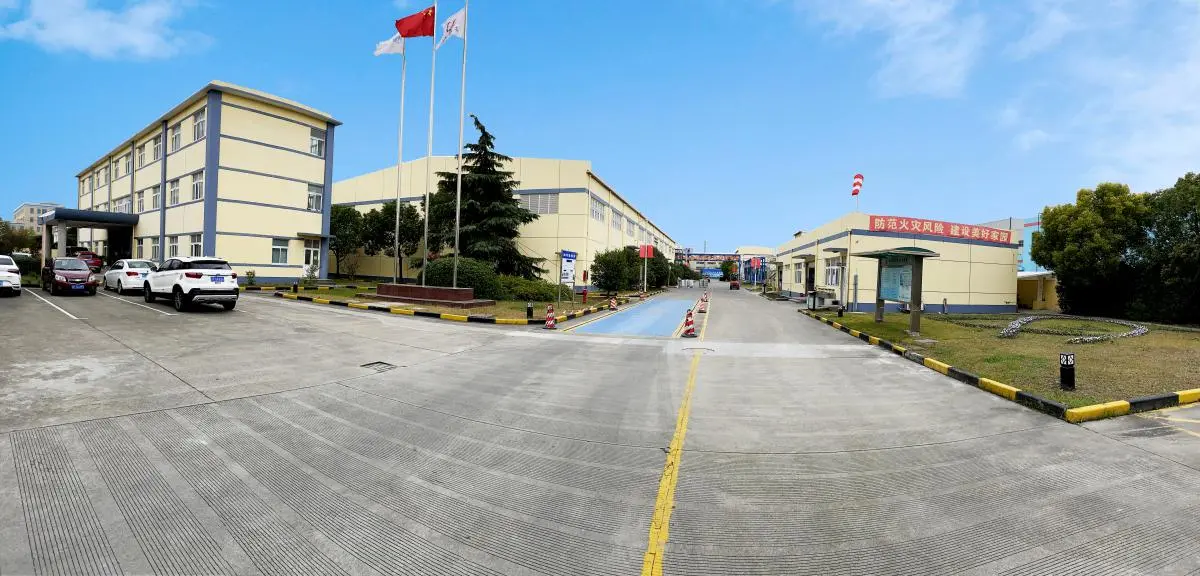
Shanghai Factory Production Hall

Dual-Factory Security & Uninterrupted Export Capacity

By coordinating large-scale manufacturing output across our primary Shanghai Factory and Wuxi Factory, Jiuzhou Chemicals provides robust supply security. In an era marked by volatile freight lanes and raw material supply constraints, our integrated raw material pipelines guarantee structural security for global contracts.

  • Optimized Shipping Terminals: Direct proximity to the Port of Shanghai offers rapid container logistics and minimizes road transport delays.
  • Automated Production Lines: State-of-the-art tunnel kilns and computerized pellet forming machines deliver consistent bulk density, high crush resistance, and minimal dust emission.
  • Raw Material Control: Direct vertical sourcing of primary alumina trihydrate yields tight control over soda ($Na_2O$) content, ensuring high structural purity and low attrition rates.

Social Responsibility & Environmental Commitment

Our guiding operational principle, "Better air, Better life," drives our commitment to eco-friendly production. Beyond delivering high-efficiency clean air and drying technologies to our partners, we continually optimize our own production systems. By installing advanced bag filters, exhaust heat recovery devices, and closed-loop process water recycling, our Shanghai and Wuxi factories comply with the latest global environmental regulations. We aim to balance manufacturing productivity with environmental preservation.

Wuxi Factory Facility

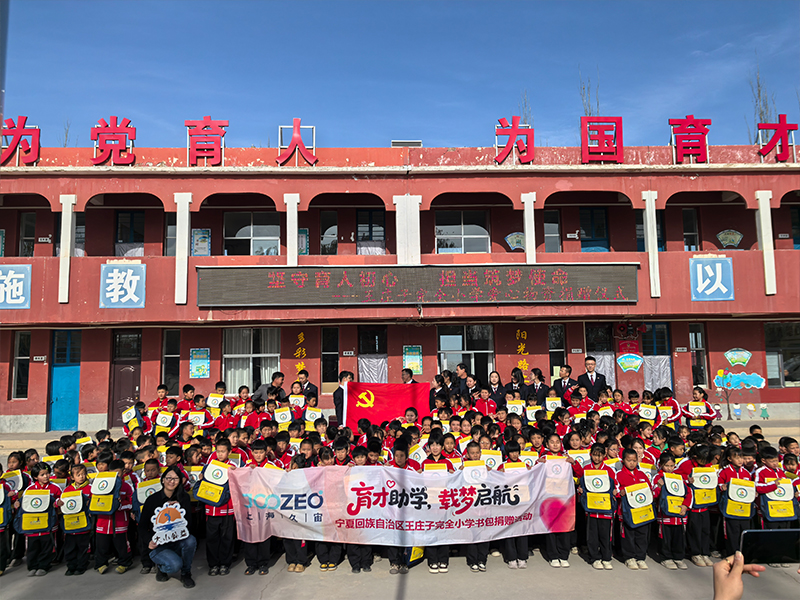
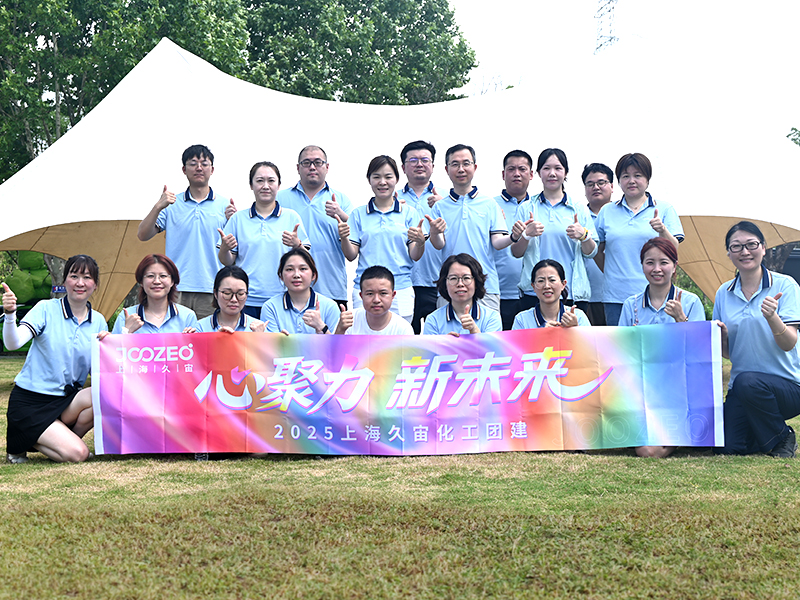
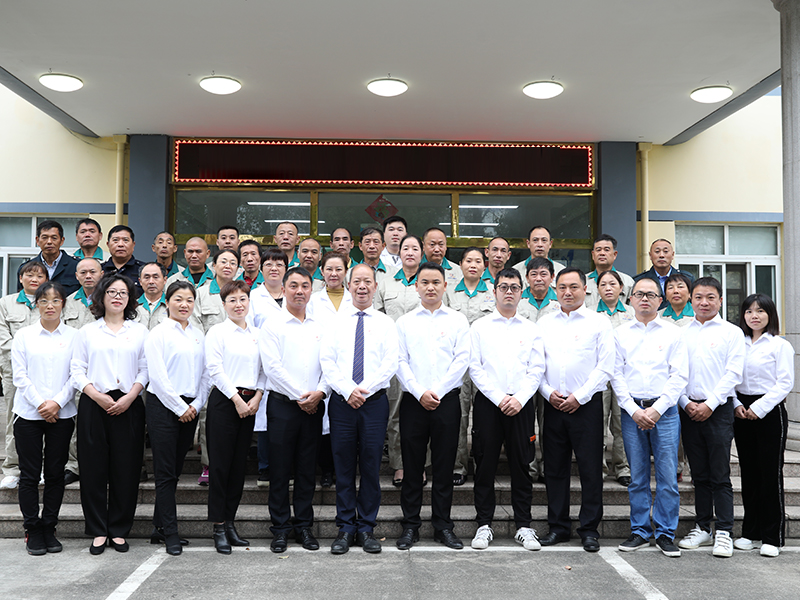
Our Commitment to Society & Eco-Preservation

Capturing our day-to-day efforts toward a clean-energy future and robust chemical operations.
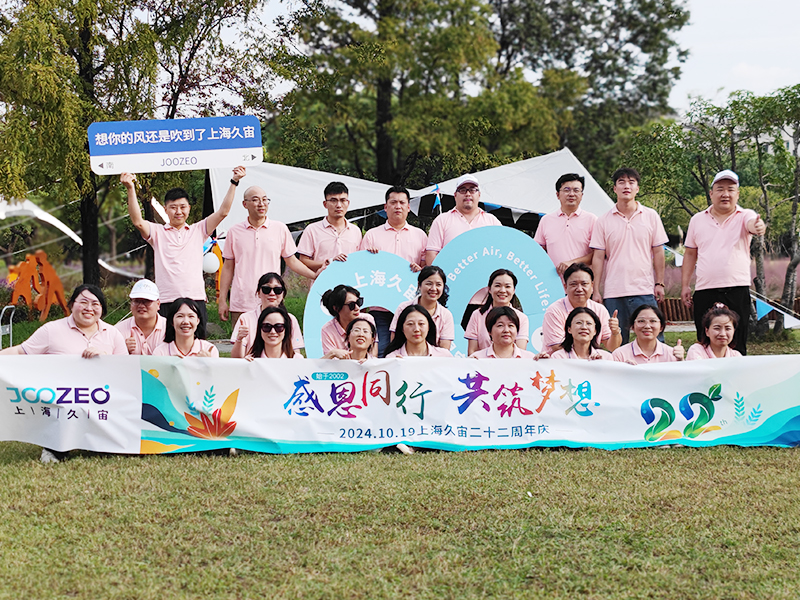
Community Support & Environmental Protection
Sustainable Energy Focus
Clean Air Technology Initiatives
Safe Manufacturing Environment
Eco-Friendly Logistics Solutions
Global Supply Compliance Standards
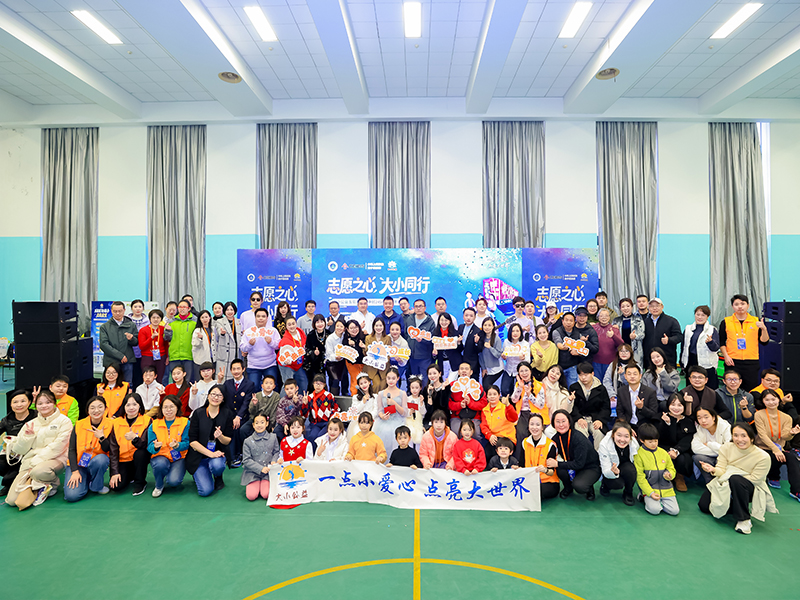
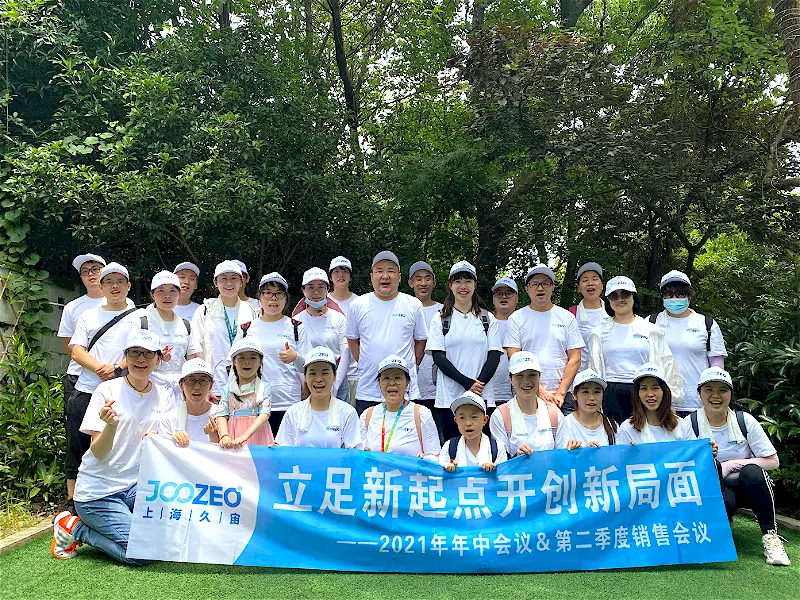
Operational Excellence Meeting
Advanced Environmental Testing Laboratory

Technical & Commercial FAQ

Expert technical insights regarding alumina ball properties, selection, and purchasing.

Q1: What is the primary difference between active alumina balls and inert ceramic support balls?
Active alumina balls are porous transition phases (primarily gamma or theta alumina) with high internal surface areas, engineered specifically for chemical adsorption, defluoridation, and catalytic purposes.

In contrast, inert ceramic balls (primarily alpha alumina or silica-alumina porcelain) feature virtually zero porosity. They serve as structural bed supports and flow distributors, protecting underlying active catalysts from high physical pressures and thermal stress without participating in the chemical reaction.
Q2: How does raw material soda (Na₂O) content affect activated alumina performance?
High residual soda ($Na_2O$) content in raw gibbsite precursors can act as a fluxing agent during activation, collapsing micropore networks and reducing thermal stability. For premium gas drying and petrochemical catalysis, keeping soda content below $0.2-0.3\%$ preserves structural phase stability and maintains high adsorptive capacity over extended cycles.
Q3: Which international certifications validate your manufacturing quality standards?
All Shanghai Jiuzhou Chemicals manufacturing facilities and products are certified under the ISO 9001:2008 Quality Management System. Additionally, our materials undergo independent audits and tests conducted by TUV Rhineland and SGS, confirming structural compliance, mechanical purity, and regulatory adherence.
Q4: What mechanical standards govern compressed air dryer adsorbents in China?
The primary Chinese standards include JB/T 10532-2017 (standards for adsorption compressed air dryers for general industrial applications) and HG/T 3927-2007 (specifications for industrial activated alumina). These standards establish minimum acceptable values for crush strength, static water adsorption capacity, bulk density, and attrition loss.
Q5: How does pore volume influence active adsorbent bed lifespan?
Pore volume directly relates to the capillary condensation capacity of the desiccant. An optimized pore volume (typically $0.4-0.5\text{ cm}^3/\text{g}$) ensures the material can adsorb large quantities of water vapor without physical structure deterioration or capillary fracture under rapid thermal changes.
Q6: Can activated alumina and molecular sieves be used together in a single dryer bed?
Yes, this configuration is standard in many high-capacity systems. Typically, a bottom layer of activated alumina acts as a buffer zone to remove bulk moisture and prevent liquid water from fracturing the more sensitive molecular sieve layer. The molecular sieve is then placed on top to perform deep drying, reducing trace moisture down to sub-ppm levels.
Q7: How do you prevent attrition and dust formation in industrial alumina beds?
We use advanced nodulizing machinery and tight control over sintering profiles to produce spheres with high crush strength (typically exceeding $120\text{ N/sphere}$ for a $3-5\text{ mm}$ ball). This high strength prevents the spheres from breaking and generating dust, which can clog downstream filters and valves.
Q8: How does water chemistry affect municipal defluoridation using alumina balls?
The fluoride removal capacity of activated alumina is highly dependent on pH. Optimal adsorption occurs within a pH range of $5.5$ to $6.5$. Elevated pH levels, as well as high concentrations of competing anions like bicarbonate and silicate, can compete with fluoride for active sites, lowering overall efficiency.

Complete Adsorption & Chemical Catalog

Explore our wider portfolio of specialty molecular sieves, silica gels, and chemical reagents.
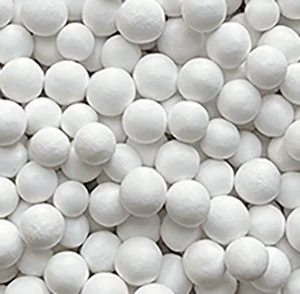
Best JooSorb AST-02

Best JooSorb AST-02

Suppliers & Products →
Famous JooSorb DS-121

Famous JooSorb DS-121

Pricelist & Exporters →
China DuraChem CAM-20S

China DuraChem CAM-20S

Manufacturer & Supplier →
High-Quality Silica Gel JZ-PSG

High-Quality Silica Gel JZ-PSG

Factories & Exporters →
Best Soda Ash Dense JZ-DSA-H

Best Soda Ash Dense JZ-DSA-H

Supplier & Exporter →
Best Molecular Sieve JZ-2ZAS

Best Molecular Sieve JZ-2ZAS

Quotes & Product →
OEM DuraChem CAS-20

OEM DuraChem CAS-20

Supplier & Quotes →
China Activated Alumina JZ-K1W

China Activated Alumina JZ-K1W

Pricelist & Products →
Have Questions or Need an Engineered Consultation?
Our global technical consulting network responds within 24 hours to help optimize your process layout.
Send Request