
Explore our premium product line manufactured under rigorous quality control standards to deliver exceptional adsorption velocity and structural stability.
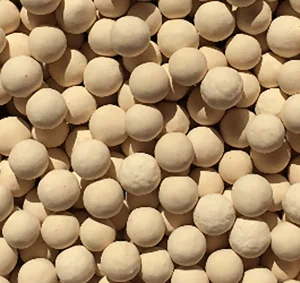
Fluoride concentration control in water streams remains one of the most critical challenges in modern environmental process engineering, municipal utility logistics, and industrial production lines. Excess fluoride compounds pose severe physiological hazards to human populations—leading directly to skeletal and dental fluorosis—and present significant technological challenges when attempting to treat high-volume process flows, such as semiconductor manufacturing effluent or alkylation process streams in petrochemical complexes.
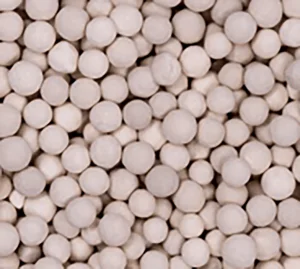
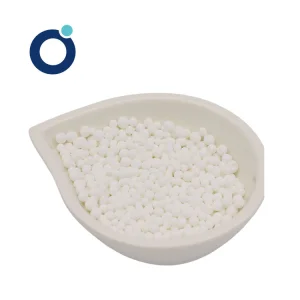
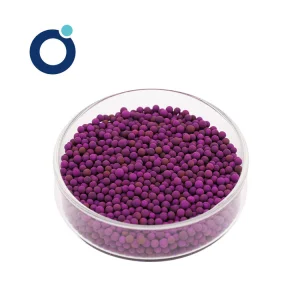
To address this challenge effectively, selection of the correct adsorption medium is paramount. Highly active porous structures like Activated Alumina, specialized molecular sieves, and modified synthetic zeolites offer high pore-volume distribution and high specific surface area. The fundamental dynamics of defluoridation rely heavily on selective ion-exchange mechanisms and pore-diffusion velocity. Factors such as co-existing anions (such as sulfates, carbonates, and chlorides), feed-water pH, and dynamic liquid contact time directly affect adsorption capacity.
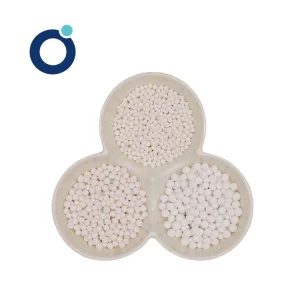
Under specific chemical conditions, particularly at a slightly acidic or neutral pH range of 5.5 to 6.5, the surface chemistry of activated alumina (Al₂O₃) undergoes protonation. This chemical change creates positive surface charges that selectively attract and bind negative fluoride ions. When using specialized media like our Famous Activated Alumina JZ-K1, this mechanism operates at peak efficiency. The high density of active surface hydroxyl groups facilitates a direct ligand exchange process, replacing the hydroxyl ions with fluoride ions in the hydration shell.
Understanding these adsorption kinetics allows engineers to design robust column configurations. Selecting a dynamic contact time of 10 to 20 minutes ensures that fluoride concentrations drop below the WHO guideline value of 1.5 mg/L, and even meet more stringent local municipal limits of less than 0.5 mg/L.
Establishing advanced manufacturing benchmarks since 1994, serving major process industries globally from our world-class chemical synthesis complexes in Shanghai and Wuxi.
Time of Establishment
Countries with Trade Relations
Company Area (Square Meters)
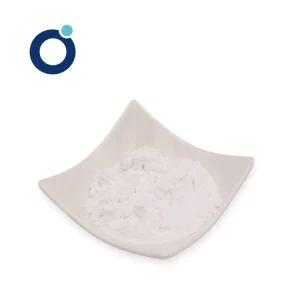
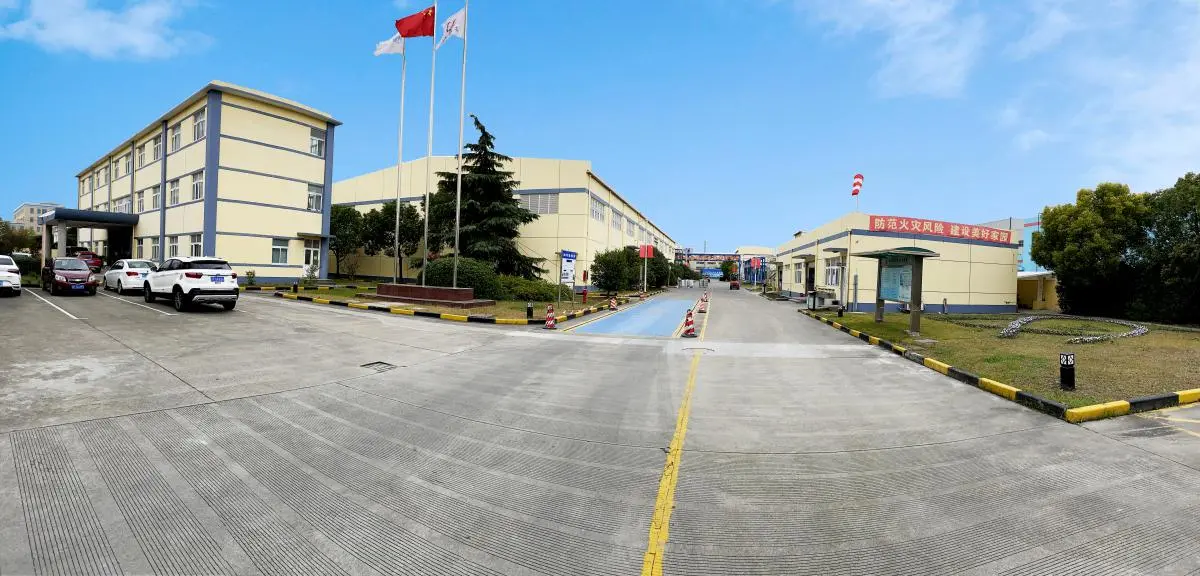
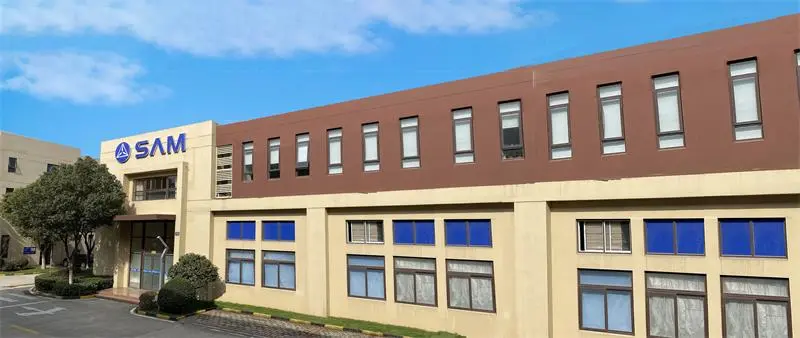
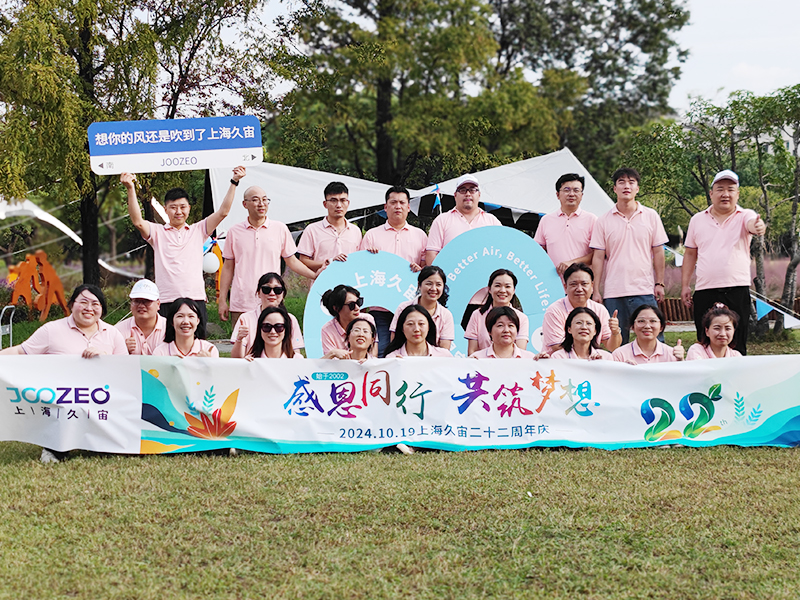
Shanghai Jiuzhou Chemicals Co., Ltd. is located in Shanghai, the largest economic development hub in China. Over the years, Jiuzhou has adhered to the core principles of "Quality Control 100%, Innovation 100%", committing its resources to the development, laboratory research, and scale-up manufacturing of high-performance chemical adsorbents, molecular sieves, and functional catalysts. Our core product portfolio includes diverse molecular sieve powders, synthetic molecular sieves, activated powder, activated alumina, aluminum oxide catalysts, various ceramic packaging balls, sodium silicates, aluminum hydroxide, zeolite 4A, sodium carbonates, and SLES. All of our production processes and materials conform to the ISO9001:2008 quality management system, and carry authoritative TUV and SGS certifications.
The Jiuzhou production infrastructure operates a world-class research department staffed by experienced process engineers and industrial chemical specialists. We utilize leading international production techniques alongside specialized automation machinery. The facility maintains a modern central analytics laboratory equipped with advanced chromatographs, particle size analyzers, and dynamic adsorption simulation columns to ensure that all delivered materials exceed global industrial specifications.
Through decades of refining physical properties such as mechanical crush strength, pore volume distribution, and surface chemistry, Joozeo products have achieved widespread distribution in North America, South America, Europe, Southeast Asia, Japan, and the Middle East. We provide custom-formulated adsorbent sizes, packaging options, and carbon-reduction oriented engineering designs that help partners minimize energy consumption during regeneration phases.
We don't just follow the rules; we help write them. Jiuzhou actively participates in defining national and industrial standards for desiccants and adsorption technologies.
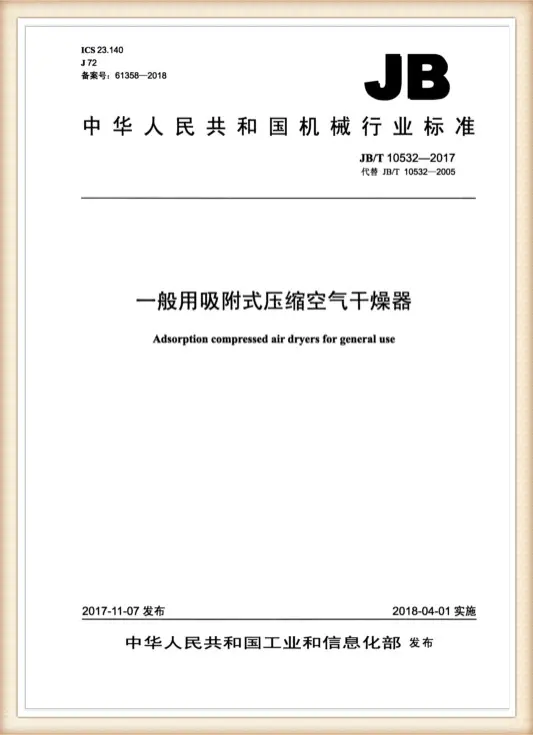
JB / T 10532-2017
Compressed Air Dryers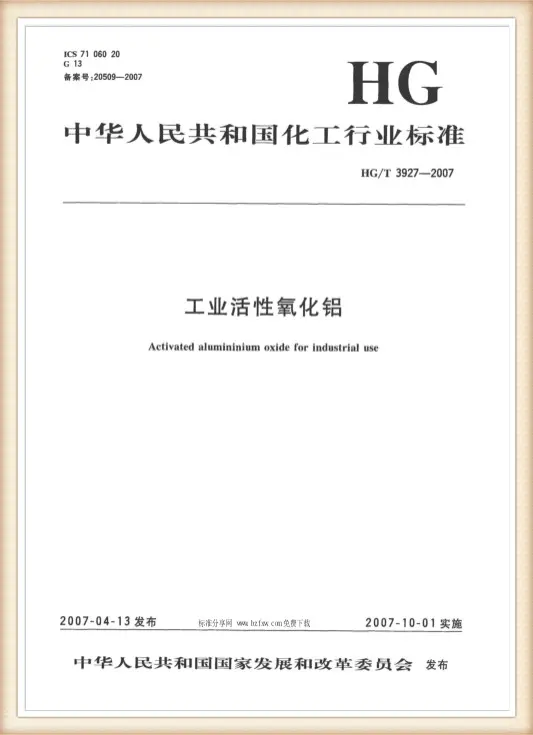
HG / T 3927-2007
Industrial Activated Alumina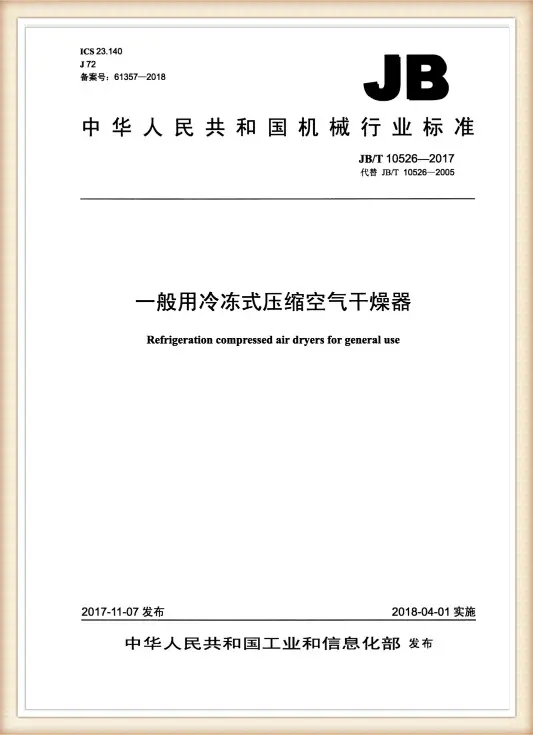
JB / T 10526-2017
Refrigeration Air Dryers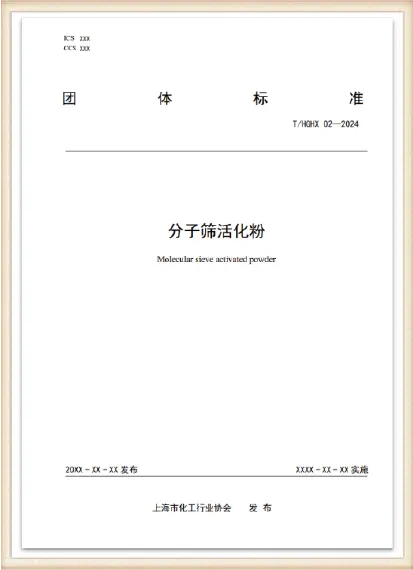
T / CGMA 1201-2024
Machinery Group Standard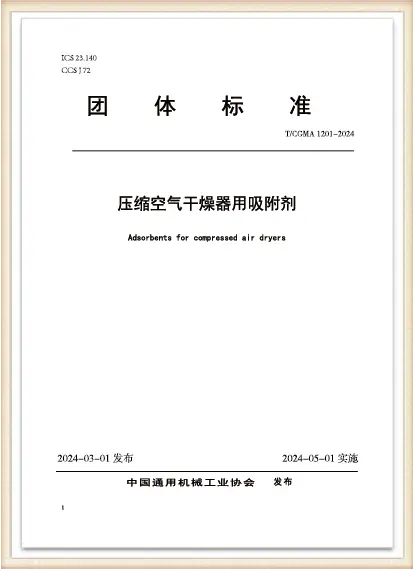
T / HGHX 02-2024
Chemical Association Standard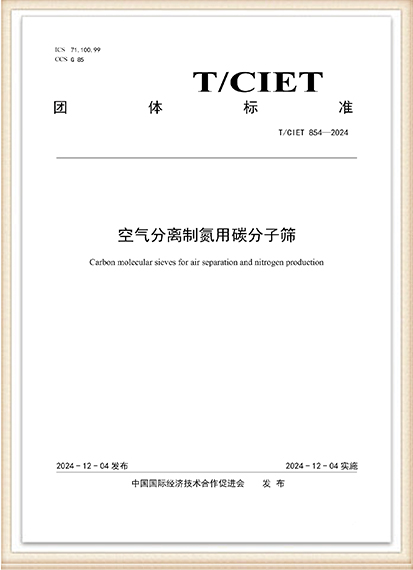
T / CIET 854-2024
Eco-Technology StandardOur commitment to sustainability and eco-friendly production methods ensures that we preserve resource systems for future generations.
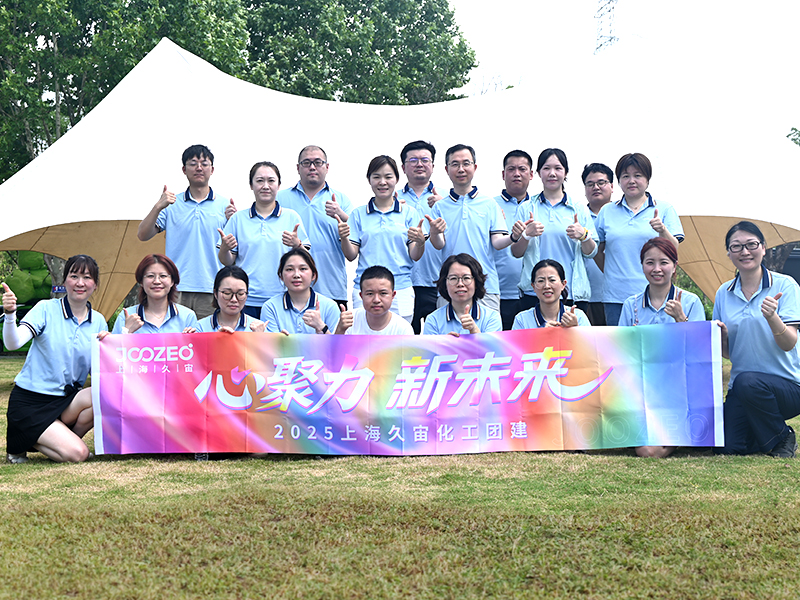
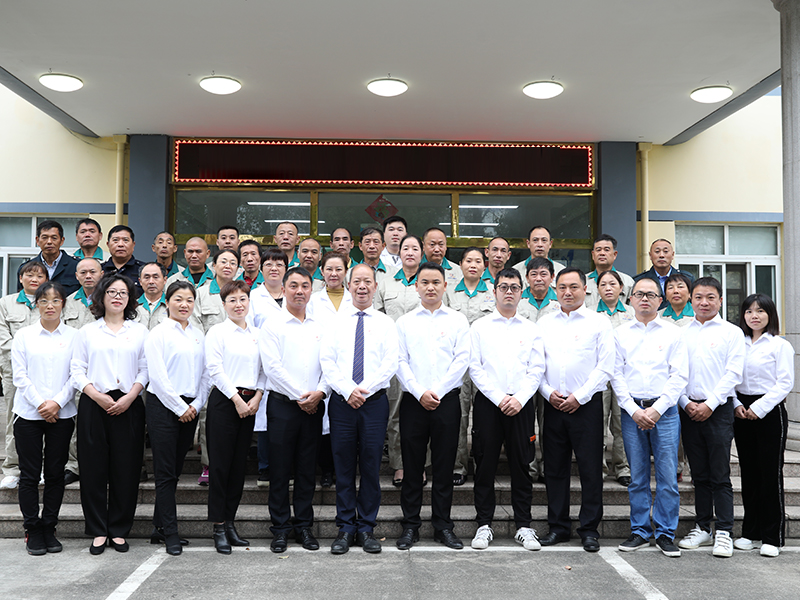
The manufacturing ecosystem in mainland China provides unique structural advantages for the mass synthesis of complex chemical adsorbents. Jiuzhou leverages key regional attributes—such as secure chemical precursor supply chains, localized mineral extraction, advanced gas-fired rotary calcination furnaces, and automated high-speed packaging lines—to offer exceptional cost efficiencies. Operating two dedicated factories in Shanghai and Wuxi allows us to split production requirements: Shanghai serves as our central export node, while Wuxi focuses on high-precision custom synthetic formulations.
Furthermore, our proximity to Shanghai Port significantly reduces global shipping lead times, allowing us to deliver high-tonnage bulk shipments safely and efficiently. By integrating automated packaging technologies that keep moisture levels below 1.5% during transit, we ensure that every batch of activated alumina or molecular sieves arrives at the destination site in peak operational condition.
Implementing defluoridation installations requires deep familiarity with local regulatory mandates. We tailor our product formulas and engineering designs to align with the regulatory frameworks of the destination countries:
| Adsorption Media | Target Anion | Optimal pH Range | Regeneration Chemistry | Key Certifications |
|---|---|---|---|---|
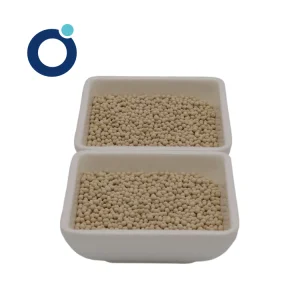
| Activated Alumina (JZ-K1) | Fluoride (F⁻), Arsenic | 5.5 – 6.5 | 1% NaOH / Al₂(SO₄)₃ | ISO9001, SGS, TUV |
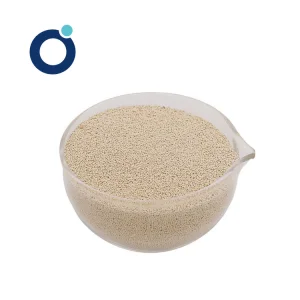
| JooSorb ZC-12 | Heavy Metals, F⁻ | 6.0 – 8.0 | Thermal / Weak Acid | SGS Certified |
| Modified Zeolite | Ammonium, Fluoride | 6.5 – 7.5 | NaCl Brine / Thermal | ISO9001, REACH |
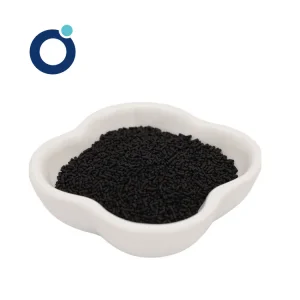
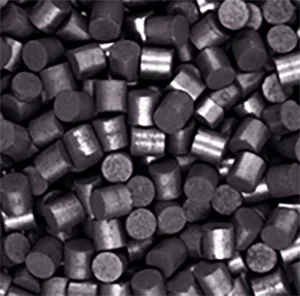
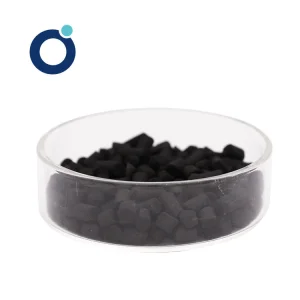
| Carbon Molecular Sieve | O₂/N₂ Separation, Organic F | N/A (Gas Phase) | Pressure Swing (PSA) | TUV, HG/T Standards |
The defluoridation industry is shifting rapidly toward carbon-neutral chemical processing and zero-liquid-discharge (ZLD) configurations. Traditional regeneration protocols generate highly alkaline wastewater streams that require neutralization and handling. Jiuzhou’s engineering team is developing next-generation adsorption media with higher surface density, allowing for longer operational cycle run-times and up to 30% lower rinse-water requirements during regeneration. These efforts contribute to sustainable water preservation globally while lowering operating costs for industrial users.
Expert insights on flow kinetics, regeneration cycles, and sourcing practices for procurement engineers and water treatment operators.
The adsorption of fluoride onto activated alumina is highly pH-dependent. At pH levels below 5.5, aluminum compounds can begin to dissolve, causing structural decay. At pH levels above 7.0, competing hydroxide ions (OH⁻) actively compete for binding sites, significantly reducing fluoride removal. An optimal pH range of 5.5 to 6.5 maintains the surface protonation necessary for rapid adsorption kinetics.
Typically, a dilute sodium hydroxide solution (1% to 2% NaOH) is passed through the column bed to strip the adsorbed fluoride ions, converting the surface back to a sodium aluminate form. This is followed by a clean-water rinse and neutralization with a dilute acid or aluminum sulfate (alum) solution to re-protonate the active surface sites, restoring its adsorption capacity.
Yes, co-existing anions can compete for binding sites. Phosphates (PO₄³⁻) show a strong affinity for activated alumina surfaces and can reduce capacity if present in high concentrations. Sulfates (SO₄²⁻) also compete, though less aggressively than phosphates. Sizing and design considerations must account for these background anions to ensure reliable performance.
Under normal municipal water quality and correct regeneration procedures, high-grade media like our JZ-K1 can undergo dozens of cycles, typically lasting 2 to 4 years before physical breakdown and loss of active sites require a complete replacement.
Every shipment is sampled and tested in our dynamic laboratory before loading. We verify pore-volume indicators, bulk density, crush strength, and dynamic adsorption rates. All products are shipped in moisture-barrier bags to protect the media during transit.
Yes. We offer standard sizes like 1-2mm, 2-3mm, and 3-5mm, and can customize particle size distribution and target pore volumes to meet the needs of specialized municipal or industrial columns.
Select the correct chemical grades and structural specifications for your treatment processes. Contact us for bulk pricing and technical details.
Get in touch with our technical sales division to request material spec sheets, structural analyses, packaging designs, and volume price quotes. Our team responds within 24 hours.
Send Request Email