Engineered to protect critical industrial processes, pharmaceuticals, electronics, and specialty gases from trace moisture contamination.
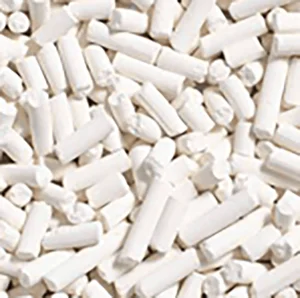
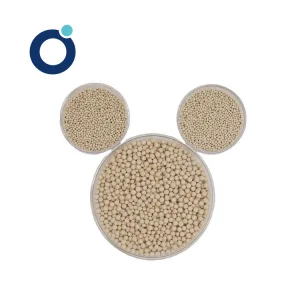
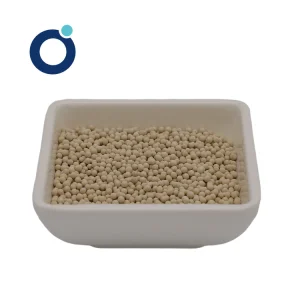
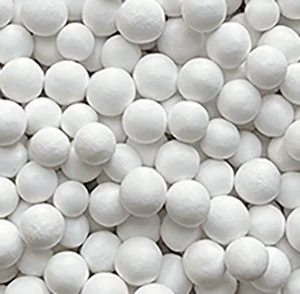
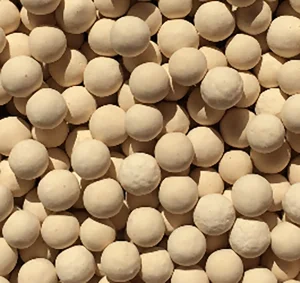
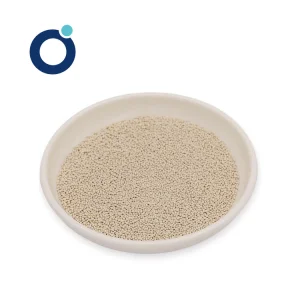
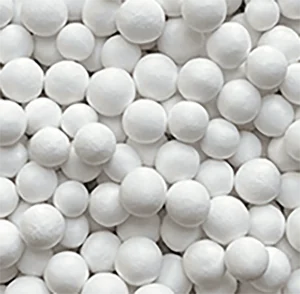
Molecular sieves represent the pinnacle of crystalline adsorption technology. Composed of synthetic crystalline metal aluminosilicates, their framework structures feature a highly uniform networks of micro-pores. These micro-pores have precise, molecular-scale diameters—typically categorized into 3Å (Angstroms), 4Å, 5Å, and 10Å (13X). Unlike amorphous desiccants such as silica gel or activated clay, molecular sieves operate via steric exclusion and electrostatic field polarization. Molecules smaller than the nominal pore diameter are selectively trapped inside the crystalline cavities, while larger compounds are completely barred from entry.
“In low-humidity environments (RH < 20%) or at elevated process temperatures (above 80°C), molecular sieves retain up to 5 times the moisture capacity of silica gel. This makes them the critical industry choice for high-precision components, aerospace optics, and food/drug containment.”
When formatted into molecular sieve packets, the structural integrity of the outer encapsulation is as critical as the crystalline active phase inside. At JOOZEO, we construct packets using premium breathable barrier layers, such as DuPont Tyvek®, customized medical-grade non-woven films, and ultra-clean dust-free papers. This prevents particulate migration (linting) while allowing maximum water vapor transport rates. For semiconductors, optical instruments, and lithium-battery packaging, zero-linting and high-speed absorption dynamics are absolute pre-requisites to prevent micro-contamination of highly sensitive substrates.
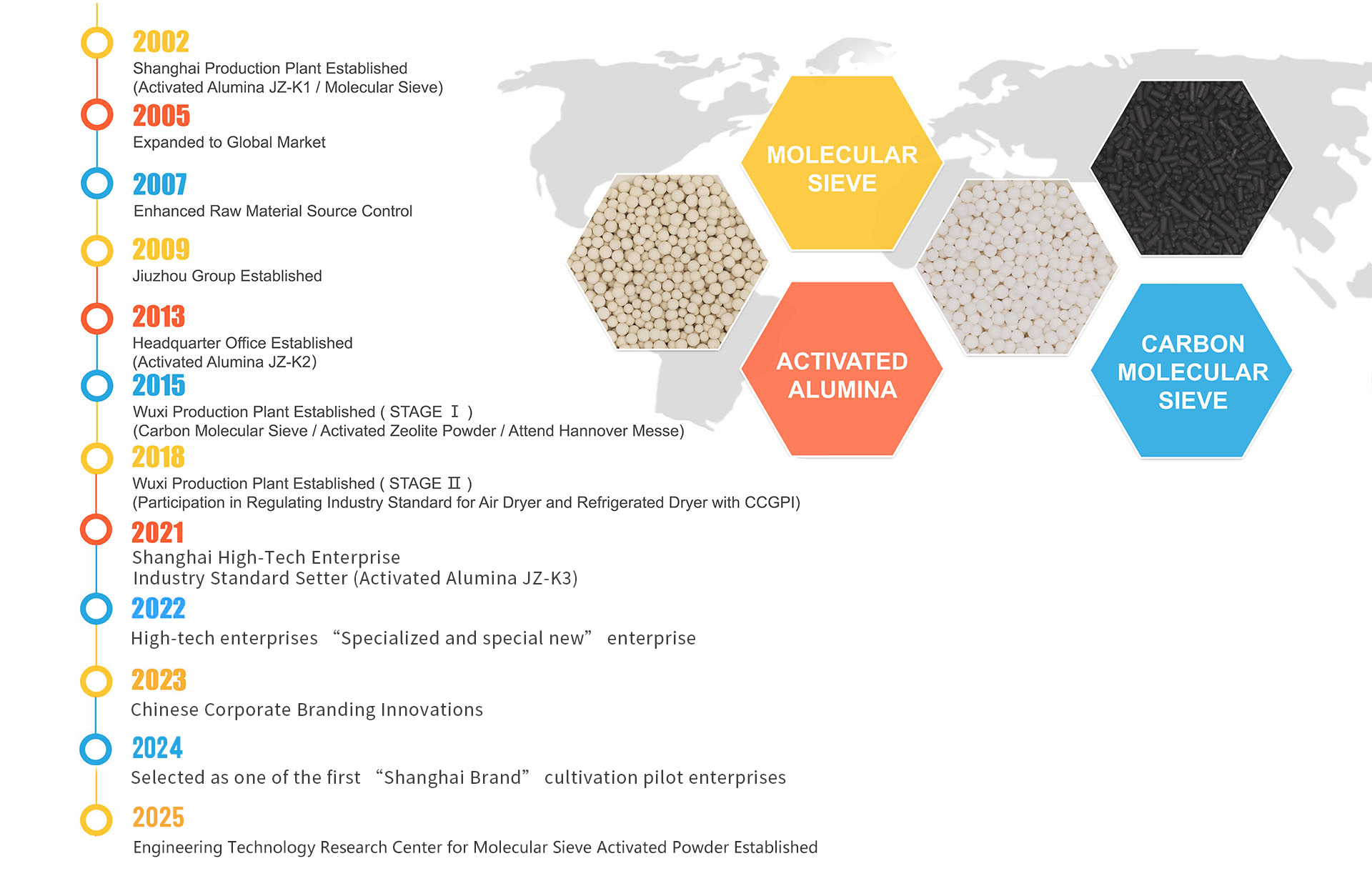
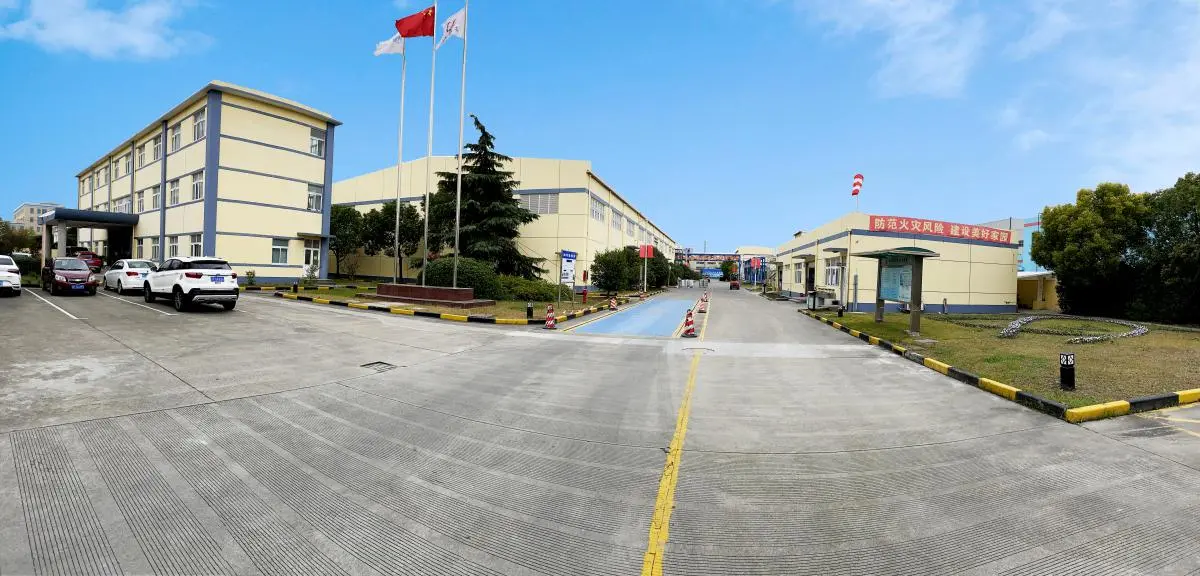
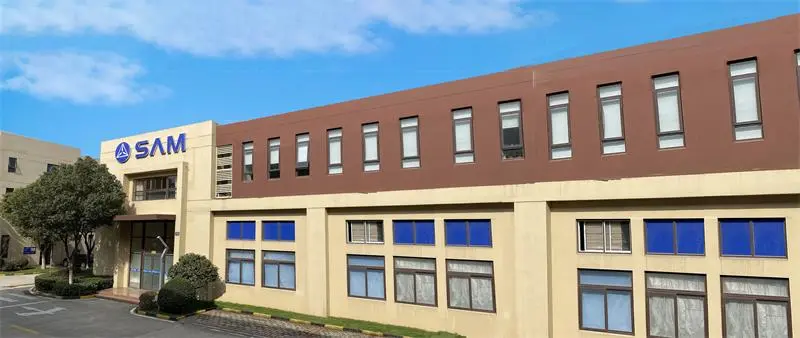
Located in the premier economic development center of Shanghai, Shanghai Jiuzhou Chemicals Co., Ltd. (JOOZEO) has adhered for decades to the dual pillars of rigorous quality control and technical innovation. Our production capabilities span molecular sieve powders, active zeolites, activated alumina, catalysts, and specialty packaging materials. Backed by ISO9001:2008 certifications, TUV, and SGS testing, we operate dual state-of-the-art factories in Shanghai and Wuxi, ensuring high-volume supply chain resilience and compliance with international manufacturing norms.
Industrial procurement teams face complex variables when sourcing molecular sieve packets at scale. Pricing cannot be assessed solely on a per-packet basis. True cost efficiency lies in the adsorption-to-weight ratio and shelf life integrity. Substandard suppliers often cut costs by mixing natural clay binders or low-capacity powders with the synthetic zeolite, resulting in poor kinetic curves and premature saturation. JOOZEO addresses this by providing comprehensive batch certificates of analysis (CoA), guaranteeing minimum moisture adsorption capacities (typically ≥ 21% by weight at 10% RH, 25°C). By optimizing the shipping configuration and utilizing hermetic aluminum-barrier bulk packaging, we guarantee an active shelf life of 24+ months for unopened shipments.
The adsorbent industry is rapidly transitioning toward green chemical matrices and intelligent tracking systems. Key industry trends include:
JOOZEO does not merely follow standards—we actively draft and define them. Our team contributes directly to national and international chemical and mechanical engineering bodies.
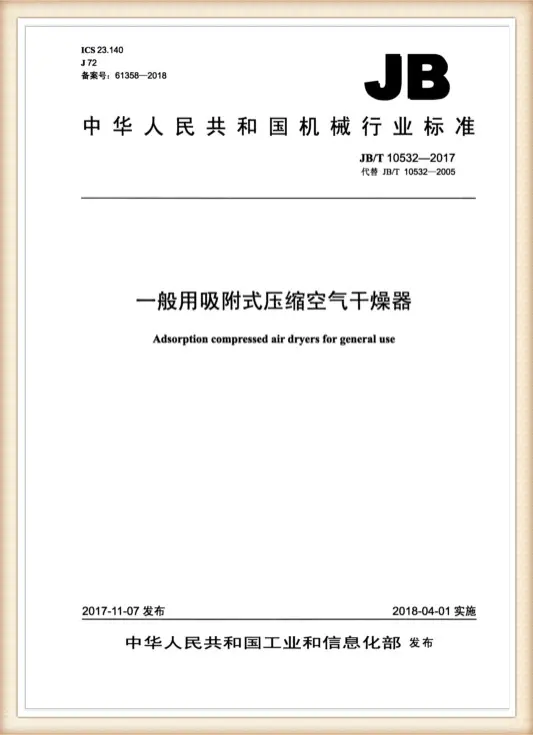
JB / T 10532-2017
Adsorption compressed air dryers for general use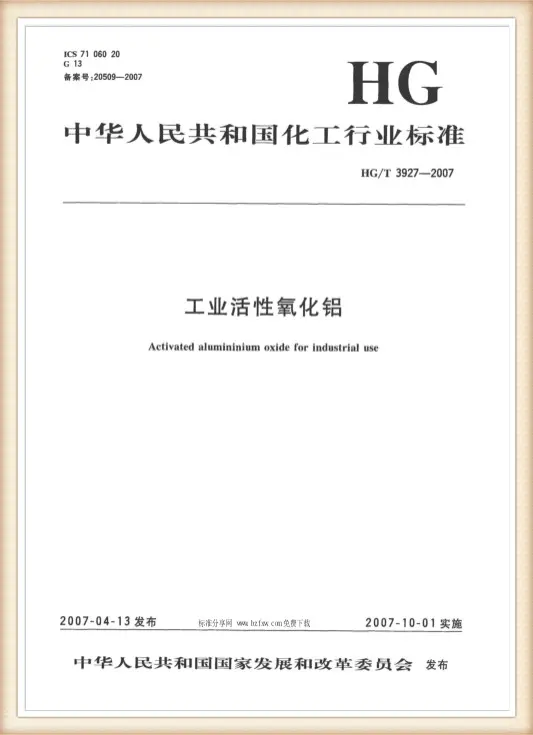
HG / T 3927-2007
Activated aluminum oxide for industrial use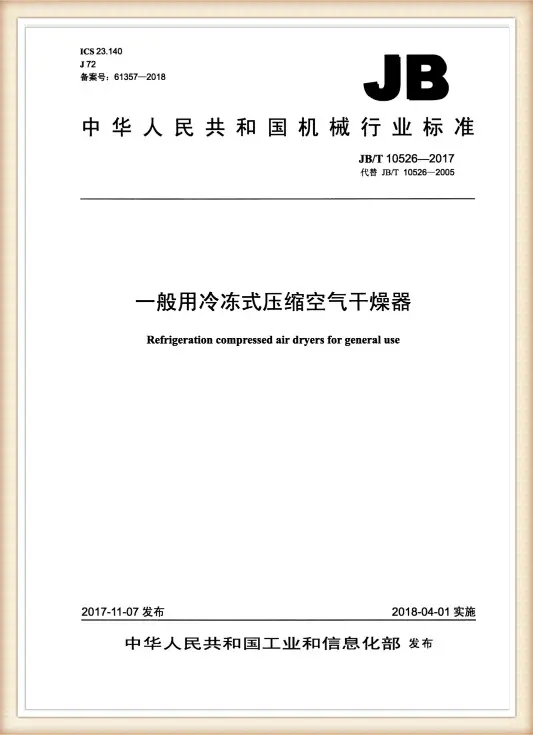
JB / T 10526-2017
Refrigeration compressed air dryers for general use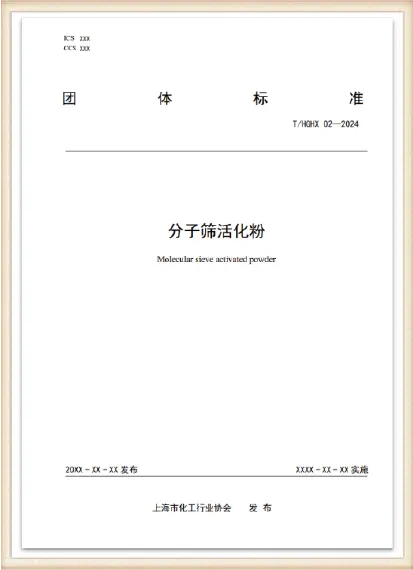
T/CGMA1201-2024
General Compressed Machinery Standards Group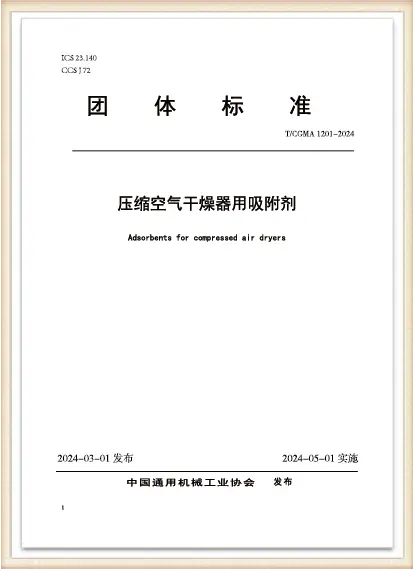
T/HGHX 02—2024
Chemical Adsorbent Quality & Test Procedures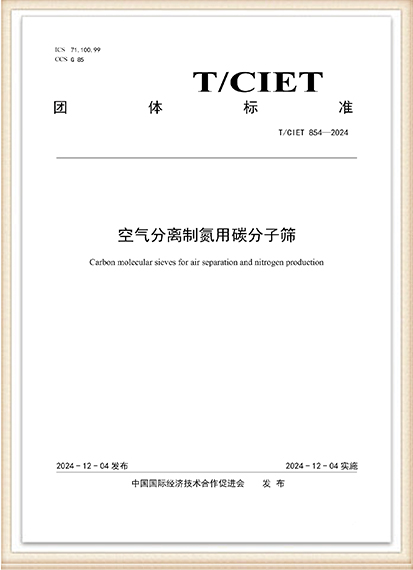
T/CIET 854-2024
Ecological Green Chemical Standard SystemMoisture is a universal degradative threat. In petrochemical streams, trace water causes catalyst poisoning. In insulating glass (IG) windows, temperature variations lead to internal condensation, reducing thermal properties. In pharmaceutical containers, hydrolytic decomposition degrades active pharmaceutical ingredients (APIs). Our macro solutions isolate these points of failure:
As part of our commitment to sustainable industrial development and AI-enhanced production lines, our technical roadmap focuses on the following milestones:
"Better air, Better life." We strive to minimize the environmental footprint of our manufacturing process. This is backed by zero-waste water recycling programs and high-efficiency gas filtering installations across all factories.

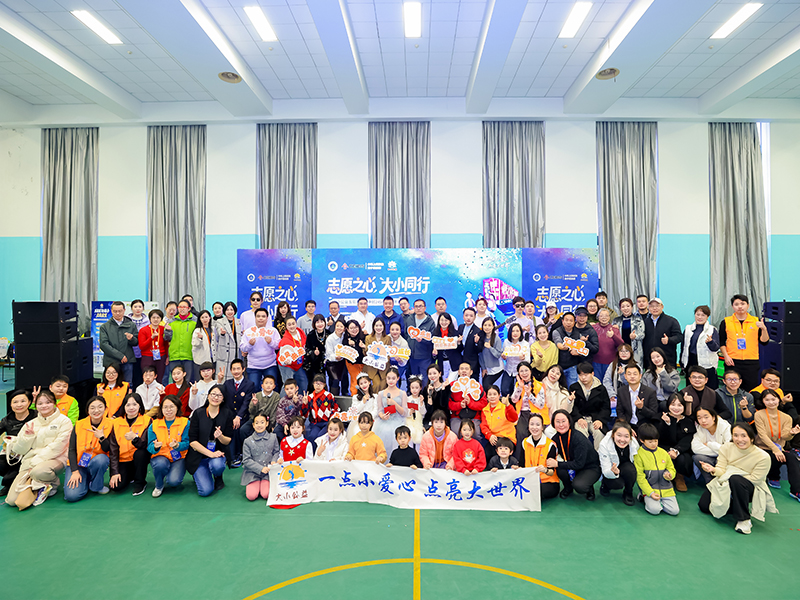
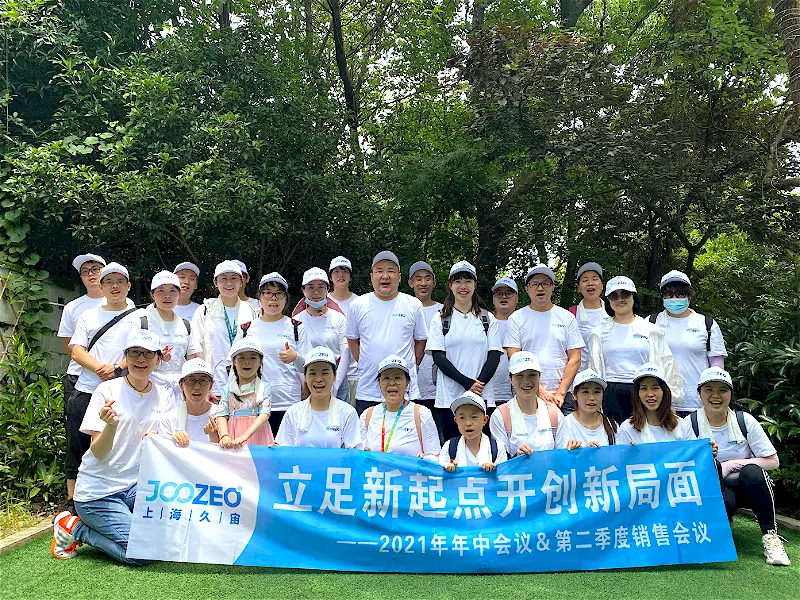
Technical answers from our laboratory experts on selection, storage, calculations, and performance metrics.
While silica gel is an amorphous silica structure that adsorbs moisture through surface capillaries, molecular sieves are crystalline zeolites with specific pore openings (e.g., 3Å, 4Å). Molecular sieves possess a much higher affinity for water molecules, especially at low relative humidity (RH < 20%) and under higher temperatures (up to 90°C), where silica gel tends to desorb (release) its trapped water. This performance profile makes molecular sieves the preferred choice for critical components like semiconductors, military electronics, and aerospace instrumentation.
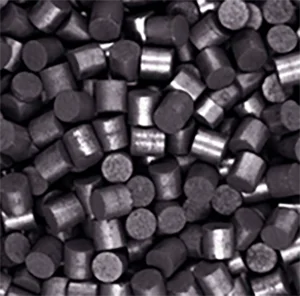
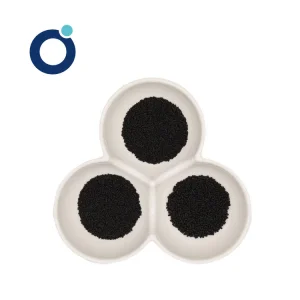
For most electronic packages, a 4Å (4 Angstrom) molecular sieve is standard. It has a pore opening of approximately 0.4 nm, which selectively adsorbs water (kinetic diameter 0.26 nm) while excluding larger hydrocarbon vapors. However, for applications where trace solvent residues must also be cleaned out alongside moisture, a 13X (10 Angstrom) molecular sieve or custom carbon blend (like JooSorb AST series) is utilized to accommodate larger compound structures.
The required desiccant weight depends on the container's interior volume, the barrier material's moisture vapor transmission rate (MVTR), target storage duration, and ambient environment conditions. A simplified formula is:
W = (V × C + A × MVTR × T) × SF
Where W is the required desiccant weight (g), V is internal volume (m³), C is target air dryness factor, A is surface area of packaging barrier (m²), MVTR is permeability (g/m²/day), T is storage duration (days), and SF is a safety factor. Contact JOOZEO engineers with your exact packaging specs, and we will model this for you.
Yes, our packets intended for pharmaceutical, food supplement, and medical device applications utilize active agents and outer packaging webs that are certified food-grade. They comply fully with FDA CFR 21, EU food contact material regulations, and undergo rigorous testing by SGS and TUV to ensure zero harmful compound leaching.
While bulk molecular sieve beads can be thermally regenerated at temperatures between 200°C and 300°C, regenerating packaged packets is generally not recommended. The heat seal temperatures of outer membranes (Tyvek or non-woven papers) are typically lower than the thermal energy required to drive out the trapped water molecules, which can cause the packet seals to fail. For industrial applications, replacing saturated packets is the safest method to guarantee dry environments.
We deploy a dual-tiered quality control system in our automated workshops. First, every incoming batch of raw synthetic zeolite powder undergoes crystalline and moisture-absorption benchmarking in our central dynamic laboratory. Second, every finished packet line utilizes high-speed visual scanning systems and precision weight sorters to identify and remove any packets with seal defects or weight variations before packaging and vacuum sealing.
For standard dimensions, we maintain stock in our warehouse network for immediate shipment. For custom sizes, custom print markings (e.g., specific warning labels or brand names), and unique multi-layer barriers, the typical manufacturing lead time is 7 to 14 working days from prototype layout sign-off.
We offer flexible FOB, CIF, DDP, and EXW terms through major ports including Shanghai and Ningbo. Container-level contract buyers benefit from staggered pricing models, annual quantity discounts, and extended credit terms subject to credit team approval. All quotes include complete testing reports, compliance declarations, and custom packaging support.
Connect directly with the JOOZEO engineering desk. We provide customized quotes, scientific packet calculations, and samples within 24 hours.
Send Enquiry RequestHigh-grade molecular sieve configurations engineered to meet the stringent demands of global chemical, HVAC, and industrial gas purification applications.