
Direct factory distribution lines featuring international standard-compliant synthetic molecular sieves and catalysts
A deep dive into the chemical configurations, thermodynamic behavior, and industrial pricing structures
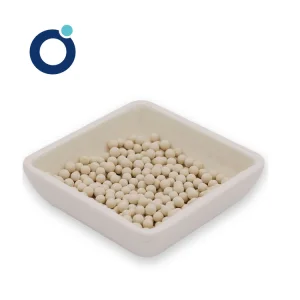
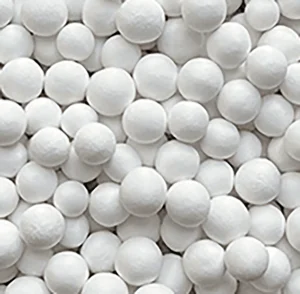
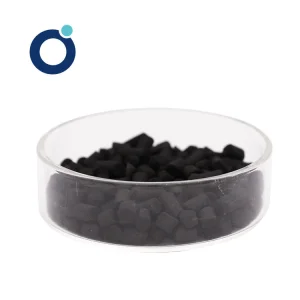
Zeolite 13X is the sodium-cation form of the Type X crystal structure, a synthetic alkali metal aluminosilicate characterized by a highly defined pore aperture of approximately 10 Angstroms (1.0 nm). The primary crystal unit cell features a faujasite (FAU) topology, yielding an extensive internal surface area and an exceptionally high electrostatic field. Because of its large pore aperture, it exhibits the highest theoretical mass transfer rate and maximum water/gas adsorption capabilities among standard synthetic zeolites (such as 3A, 4A, and 5A).
Chemically represented by the formula Na86[(AlO2)86(SiO2)106] · x H2O, Zeolite 13X is the benchmark adsorbent for the co-adsorption of moisture ($H_2O$), carbon dioxide ($CO_2$), and sulfur pollutants from gaseous or liquid feedstocks. In cryogenic air separation units (ASU), it acts as a preemptive cleaning matrix to ensure system integrity, preventing freezing within cold boxes.
Procuring Zeolite 13X at the best price requires an understanding of cost-determining factors. High-integrity synthetic zeolites are priced based on raw material purity (specifically the alumina-to-silica ratio), choice of inorganic binder (kaolin or attapulgite), bead spherical tolerance, and residual moisture content (measured as Loss on Ignition - LOI). Advanced formulations, such as Zeolite 13X-APG (optimized for Air Pre-Purification) and 13X-HP (engineered for High-Purity Oxygen concentrators using PSA/VPSA), incorporate specialized binders or metal-cation modifications that yield superior nitrogen-oxygen selectivity, affecting the unit price.
Industrial buyers should look beyond simple per-ton price metrics. The true cost of ownership (TCO) is determined by factors like adsorption lifetime (thermal swing cycle counts), mechanical crush strength, and attrition rates. Cheap, low-specification zeolites often experience premature structural collapse (dusting), leading to massive pressure drops across beds and requiring costly premature bed replacements.
| Property / Specification Parameter | Standard Zeolite 13X | Zeolite 13X-APG | Zeolite 13X-HP (Oxygen Concentrators) |
|---|---|---|---|
| Nominal Pore Diameter | ~10 Å (1.0 nm) | ~10 Å (1.0 nm) | ~9 Å (0.9 nm) (optimized field) |
| Typical Bead Size Options | 1.6-2.5 mm, 3.0-5.0 mm | 1.6-2.5 mm, 3.0-5.0 mm | 0.4-0.8 mm, 1.6-2.5 mm |
| $CO_2$ Adsorption Capacity (mg/g) | ≥ 180 (at 25°C, 1 bar) | ≥ 220 (at 25°C, 1 bar) | ≥ 240 (at 25°C, 1 bar) |
| Crush Strength (N) | ≥ 25 (for 1.6-2.5 mm) | ≥ 35 (for 1.6-2.5 mm) | ≥ 40 (for 1.6-2.5 mm) |
| Bulk Density (g/mL) | 0.62 - 0.68 | 0.64 - 0.70 | 0.61 - 0.66 |
| Loss on Ignition (LOI) at 575°C | ≤ 1.5 wt% | ≤ 1.0 wt% | ≤ 0.8 wt% |
A pioneer in synthetic aluminosilicates, industrial desiccants, and molecular sieve technologies
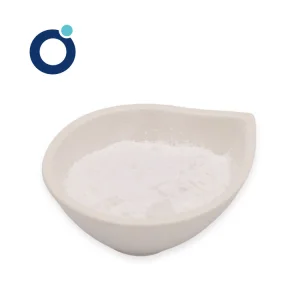
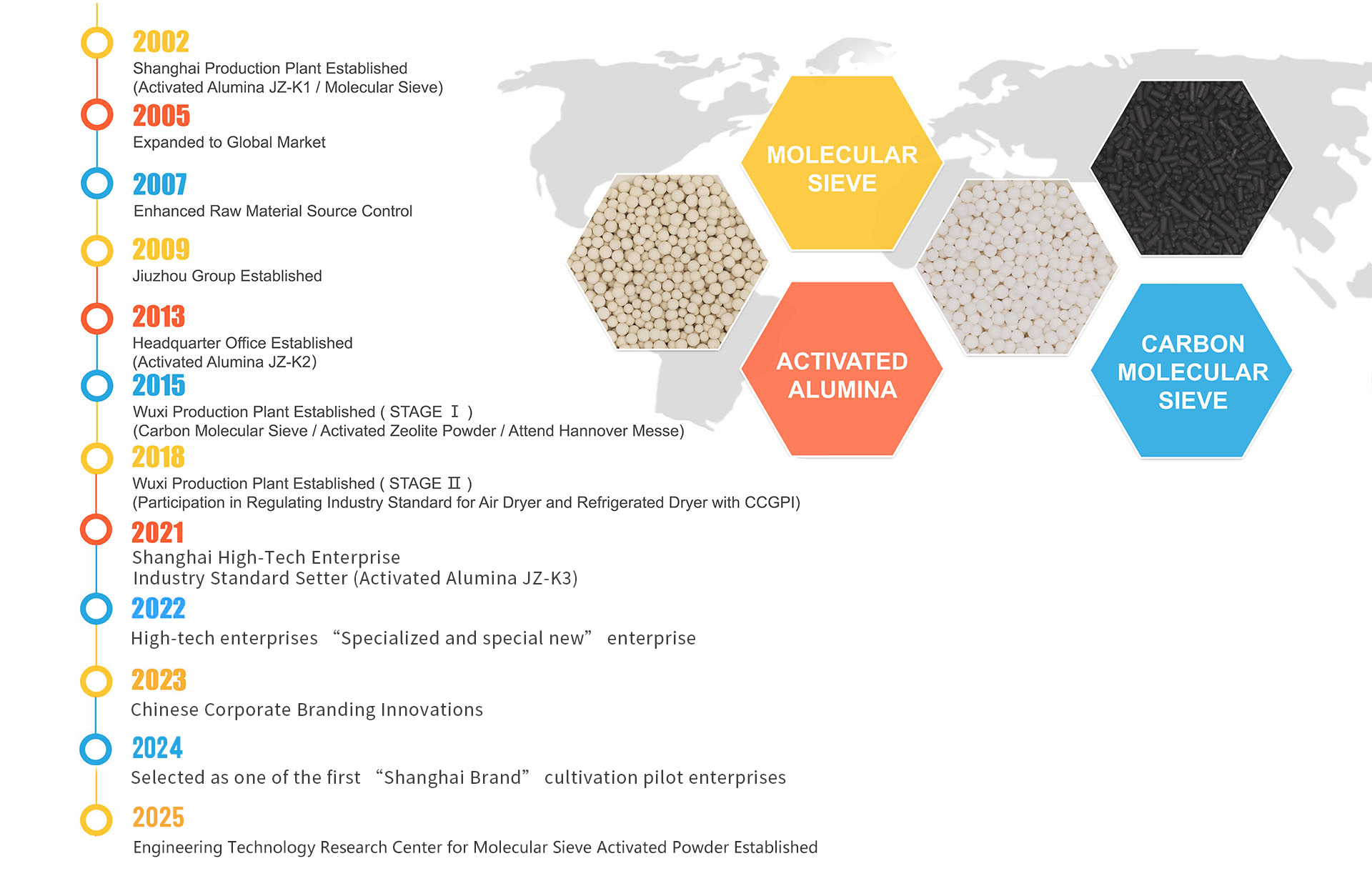
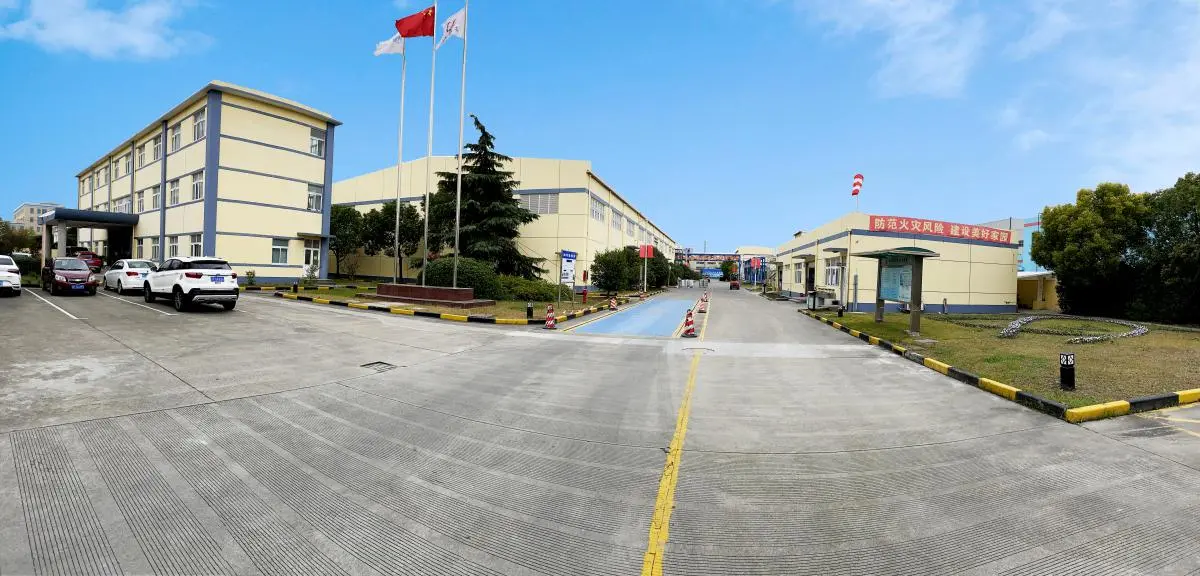
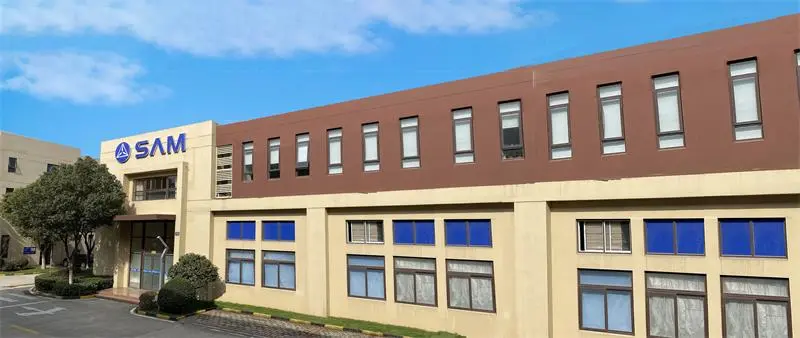
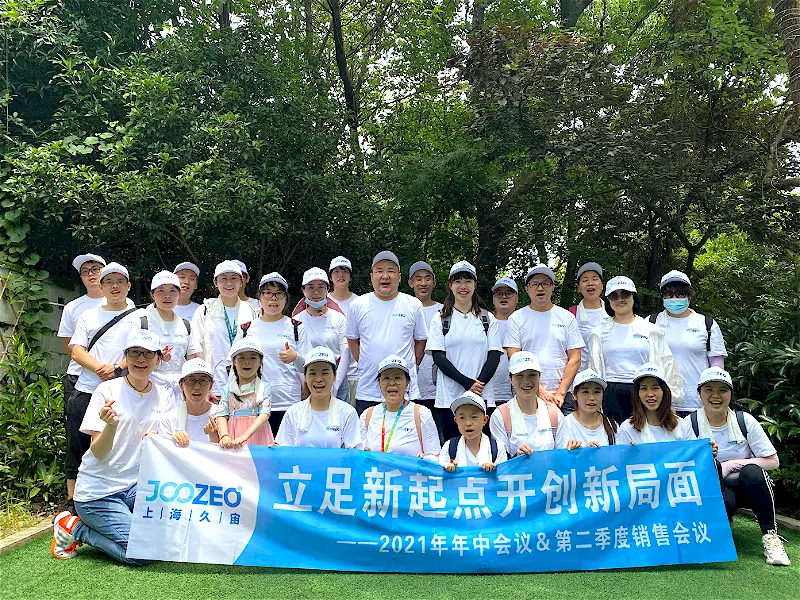
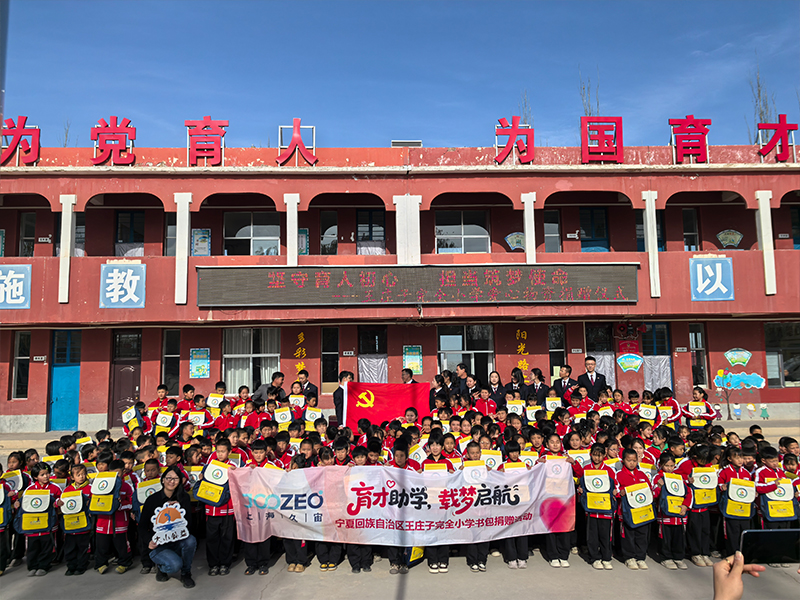
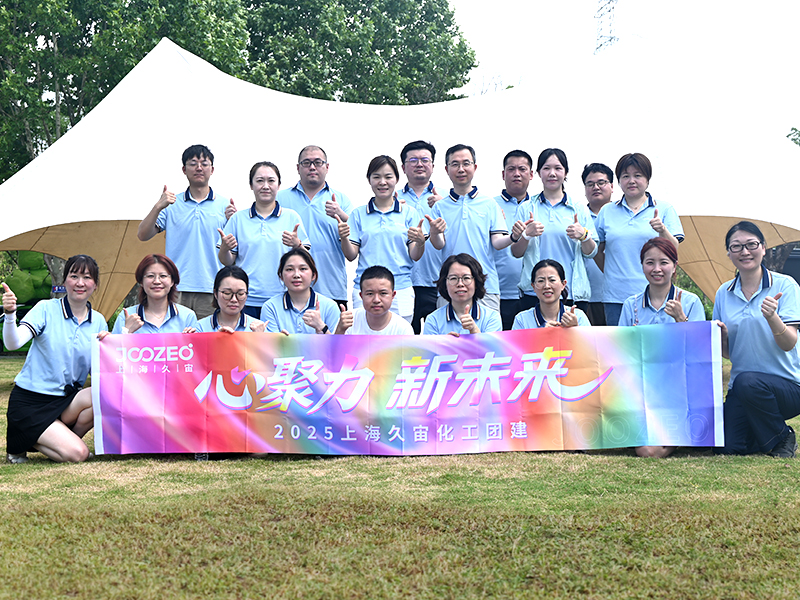
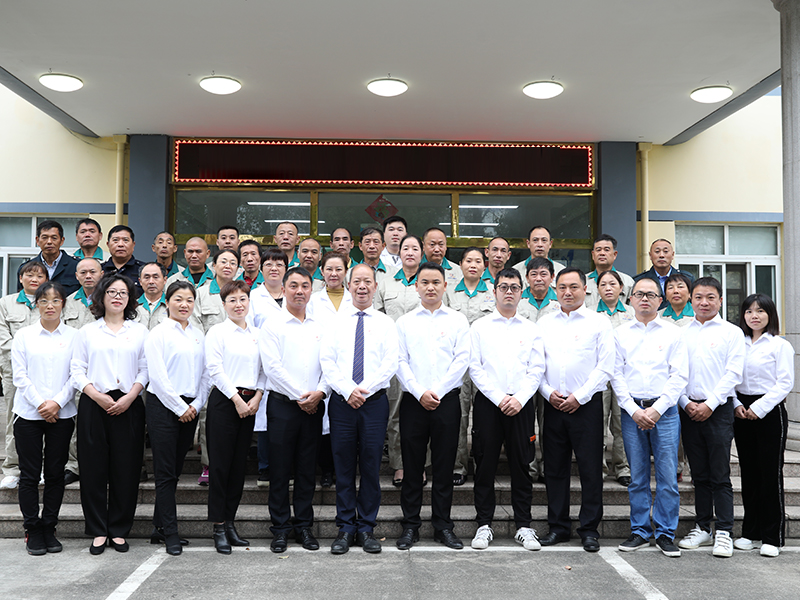
Shanghai Jiuzhou Chemicals Co., Ltd. is located in Shanghai, China's largest economic development city. Over the years, Jiuzhou has adhered to the core principles of "Quality Control & Innovation," and is committed to the research, development, and manufacturing of high-quality, innovative chemical solutions. Our main product line comprises various molecular sieve powders, molecular sieves, activated powder, activated alumina, aluminum oxide catalysts, various alumina packings, ceramic balls, sodium silicates, aluminum hydroxide, zeolite 4A, sodium carbonates, and SLES.
Our complete range of products has passed the ISO9001:2008 quality management system certification, as well as rigorous assessments from TUV & SGS. Our manufacturing plants utilize world-class production technologies and automated, multi-functional workshops. Backed by a central analytical laboratory and a dynamic adsorption testing facility, we monitor production to ensure full compliance with international standards.
Engineered for extreme performance across specialized municipal, commercial, and industrial facilities
In cryogenic air separation units (ASUs), Zeolite 13X-APG is employed in the pre-purifier thermal swing adsorption (TSA) or pressure swing adsorption (PSA) beds. It captures trace levels of $CO_2$, $H_2O$, and light hydrocarbons from incoming atmospheric air to prevent solidification and blockage inside high-efficiency heat exchangers operating at cryogenic temperatures.
Medical and metallurgical applications rely on VPSA (Vacuum Pressure Swing Adsorption) systems using modified Zeolite 13X-HP. Its optimized electrostatic field select nitrogen over oxygen, producing a continuous stream of up to 93-95% pure oxygen for respiratory support and combustion processes.
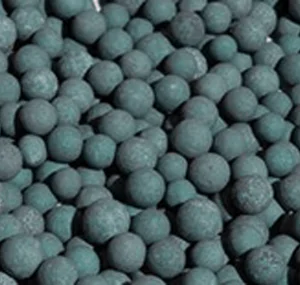
Modified 13X frameworks selectively remove carbon dioxide ($CO_2$), hydrogen sulfide ($H_2S$), and heavy sulfur compounds like methyl/ethyl mercaptans from raw natural gas. This desulfurization prevents pipeline corrosion, meets clean-burning specifications, and protects downstream catalysts.
Emerging R&D trends driving the evolution of advanced synthetic zeolites
At JOOZEO, our R&D roadmap focuses on addressing current energy efficiency challenges in industrial adsorption processes. Traditional thermal regeneration protocols require substantial thermal energy (temperatures ranging from 200°C to 350°C). Our research aims to lower this regeneration energy penalty by developing low-barrier adsorption/desorption dynamics.
Our current R&D initiatives focus on three key development paths:
How our integrated supply chain ensures cost stability and reliable global delivery
Our manufacturing centers in Wuxi and Shanghai, China, leverage localized supply networks to secure high-quality raw materials, including sodium silicate and sodium aluminate. By sourcing key raw materials locally, we remain insulated from international chemical market price volatility, ensuring stable pricing for our customers.
Through the integration of automated calcination lines and computerized synthesis reactors, we have reduced energy consumption per ton of finished product. These cost-efficiencies are passed directly to our global partners, allowing us to offer high-specification zeolites at highly competitive wholesale rates. Furthermore, our close proximity to the Port of Shanghai minimizes inland transport times and simplifies logistics, enabling prompt dispatch to over 80 countries.
Guiding national and industrial standards through verified expertise and testing protocols
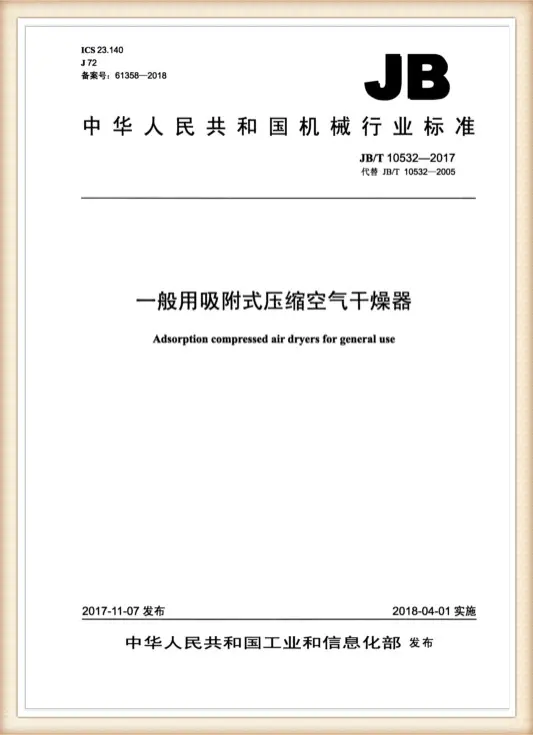
JB / T 10532-2017
Adsorption compressed air dryers for general use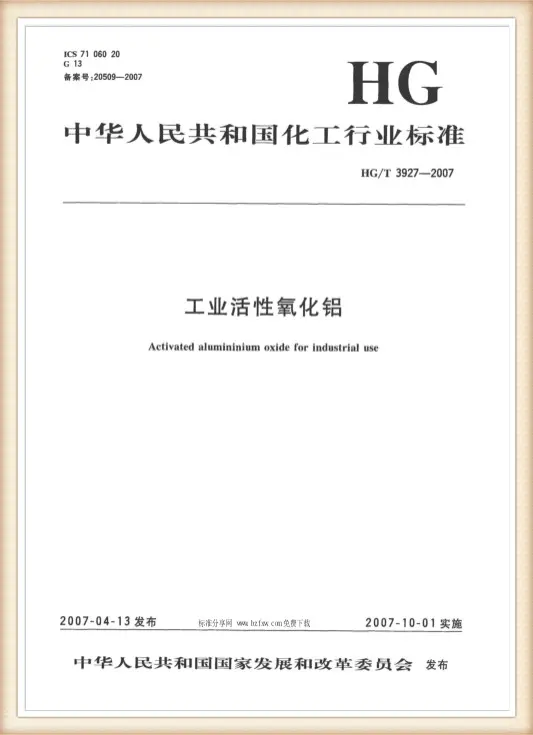
HG / T 3927-2007
Activated aluminum oxide for industrial use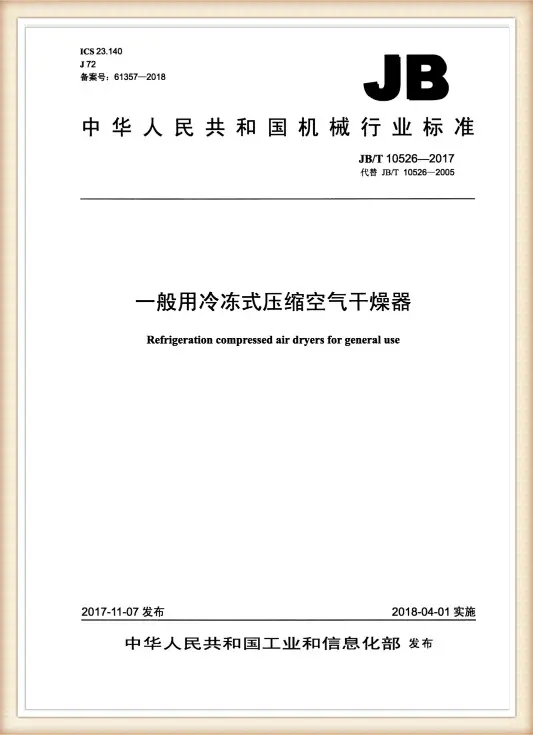
JB / T 10526-2017
Refrigeration compressed air dryers for general use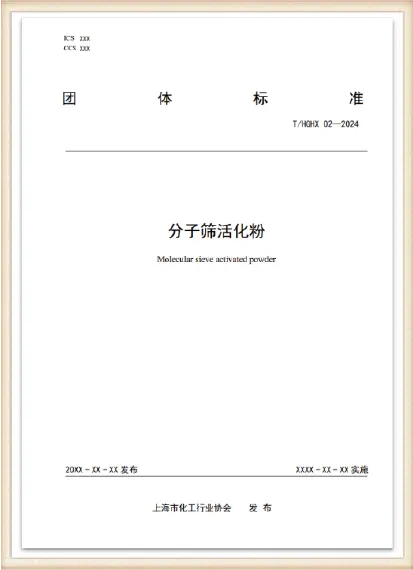
T/CGMA1201-2024
Industry standard specification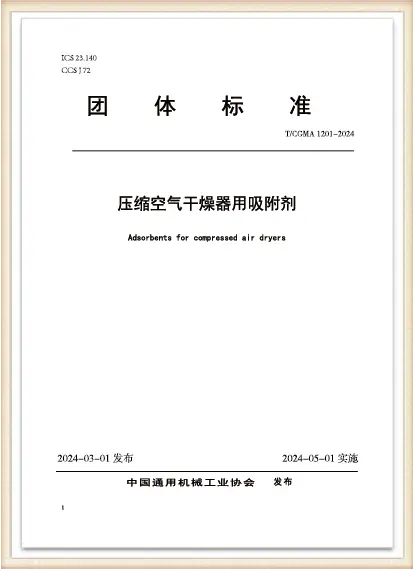
T/HGHX 02—2024
Industry chemical specification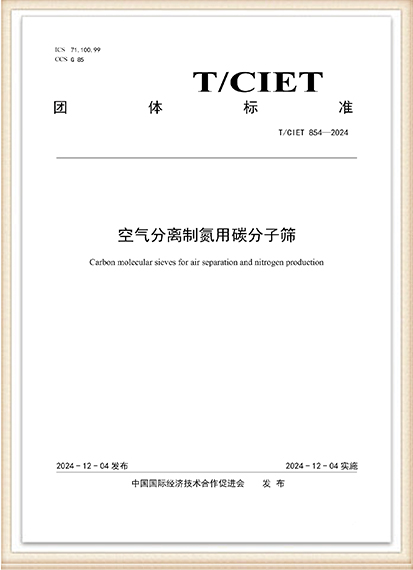
T/CIET 854-2024
Standardization and Testing rulesBetter air, Better life
Global engineering advisory combined with rigorous testing compliance
To ensure consistent performance in high-stakes chemical environments, every batch of Zeolite 13X undergoes systematic quality assurance testing before leaving our facilities. We measure crucial parameters, including static water adsorption capacity, bulk density, crushing strength, and particle size distribution. External testing reports from SGS or TUV can be provided upon request for regulatory compliance.
In addition to raw materials testing, JOOZEO offers comprehensive technical support. This includes customized sizing calculations for PSA units, advice on thermal regeneration cycles (recommending optimal temperature zones and purge gas volumes), and on-site engineering consultations to assist with loading techniques. Our global distribution channels ensure secure deliveries and reliable support for high-throughput chemical plants worldwide.
Technical answers addressing procurement, regeneration, and performance properties
Expanded industrial product line optimized for diverse process configurations
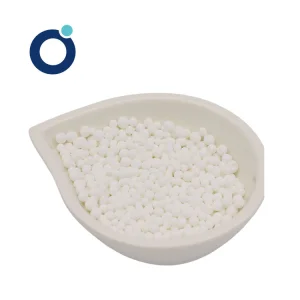
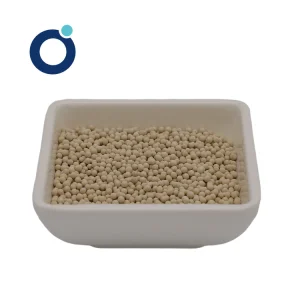
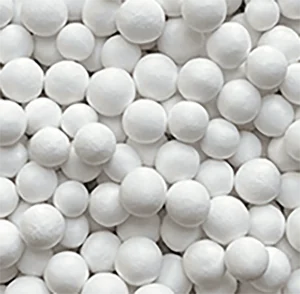
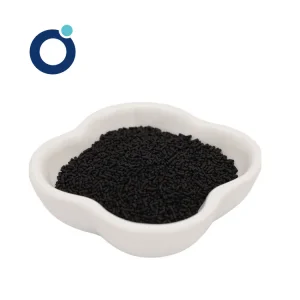
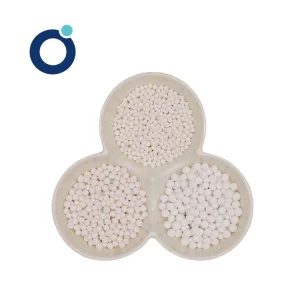
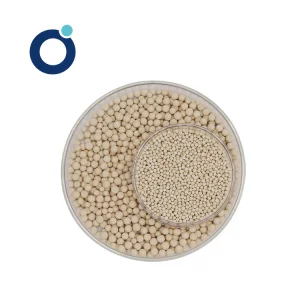
Get in touch with our engineers for custom pore layouts, adsorption cycle optimizations, and wholesale pricing. We respond to inquiries within 24 hours.