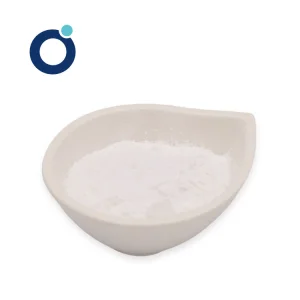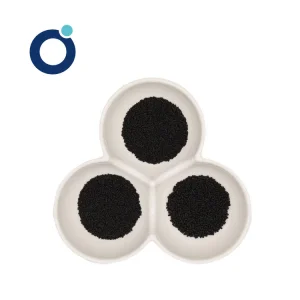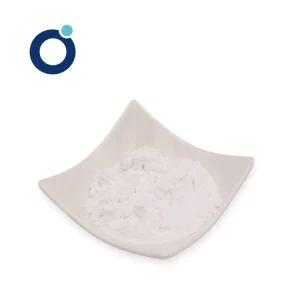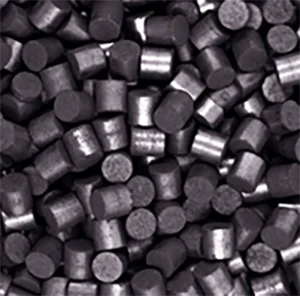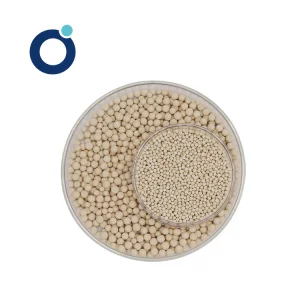
Explore our top-tier synthesized zeolite beads, catalysts, and active agents engineered for extreme operational durability.
Understanding structural geometry, kinetic pore diameters, and chemical kinetics in mass transfer operations.
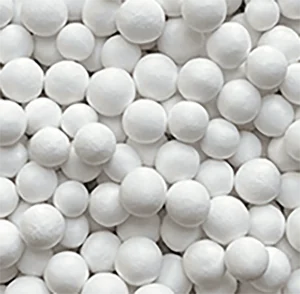
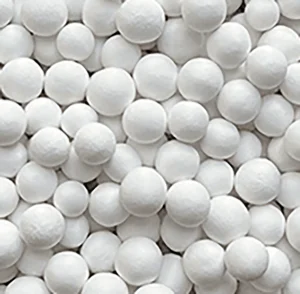
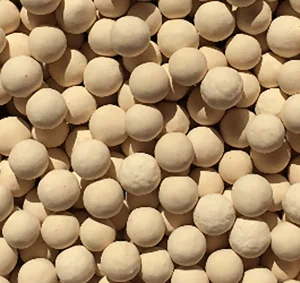
Synthesized zeolite molecular sieve beads are composed of highly ordered crystalline aluminosilicates characterized by an intricate network of open cavities and channels. The fundamental chemical structure utilizes SiO4 and AlO4 tetrahedra, bound together by shared oxygen atoms. This structural arrangement determines the exact molecular diameter limits, rejecting unwanted hydrocarbons while selectively locking onto target impurities.
Commercial formulations operate within precise pore dimension ranges. 3A (type potassium A) targets molecules with kinetic diameters below 0.3 nm, specifically protecting ethylene/propylene lines from co-adsorption. 4A (sodium A) acts as a high-capacity moisture desiccant, while 5A (calcium A) isolates straight-chain paraffins. 13X (sodium X) features a wider 1.0 nm aperture for simultaneous moisture, sulfur compound, and carbon dioxide extraction.
Optimizing the Mass Transfer Zone (MTZ) is critical for commercial desiccant beds. High mechanical strength and uniform bead roundness prevent premature fluidization. This minimizes gas channeling, controls pressure drop across columns, and guarantees predictable dew points below -70°C. High crush strength also limits attrition dust that can damage downstream turbo-expanders.
"In cryogenic applications such as liquefied natural gas (LNG) pre-treatment, the co-adsorption of hydrocarbons must be completely suppressed. Choosing the correct potassium-exchanged 3A zeolite over standard sodium 4A makes the difference between stable long-term desiccant life and catastrophic system plugging due to coking during high-temperature thermal regeneration cycles."
How modern process plants deploy structured molecular sieve beds to meet strict processing standards.
Pipeline specifications require water concentrations below 0.1 ppm to prevent hydrate formation at high pressures and cryogenic temperatures. JOOZEO Zeolite Molecular Sieve Beads are deployed in multi-vessel thermal swing adsorption (TSA) configurations. During the adsorption cycle, wet sour gas passes downward through the bed. The molecular sieve captures moisture, hydrogen sulfide (H2S), and mercaptans, leaving a clean methane stream ready for liquefaction or distribution.
In ethylene and propylene recovery loops, the presence of even trace moisture can freeze and block cold-box heat exchangers. Our specialized 3A zeolites are engineered with high potassium exchange levels to exclude ethylene molecules from entering the pore cavities. This prevents catalytic polymerization (coking) inside the crystalline cages, extending desiccant service life to over five years.
Liquid air plants require the absolute removal of CO2 and H2O to prevent ice blockage in primary heat exchangers. The combination of activated alumina and 13X zeolite beds delivers high dynamic capacity. In medical oxygen concentrators, specialized lithium-exchanged or high-performance sodium X zeolites utilize nitrogen-selective adsorption kinetics to separate atmospheric air into clean, high-purity medical-grade oxygen.
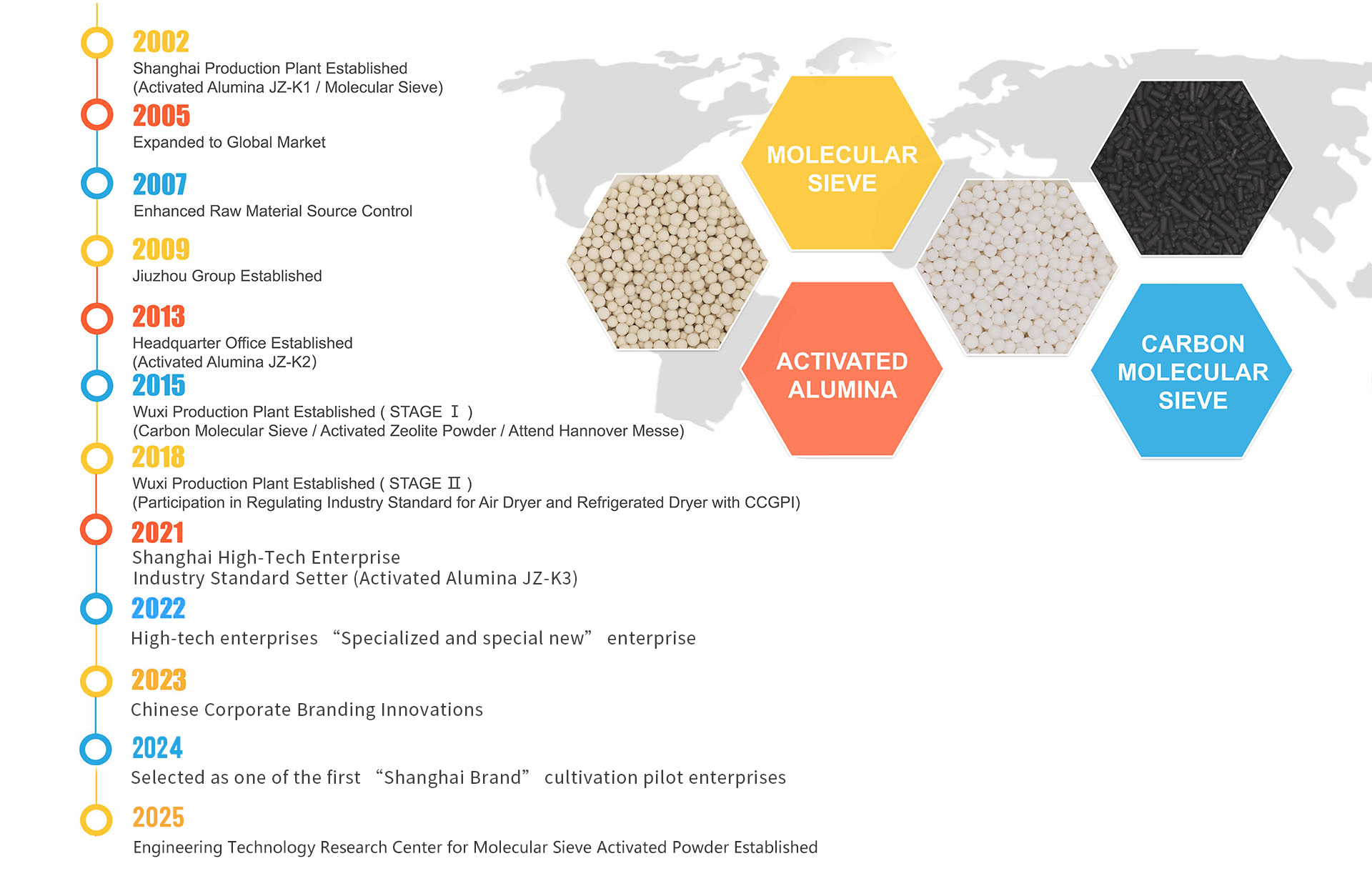
Three Decades of Innovation, Precision Quality Control, and Global Logistics Support
Located in Shanghai, the economic development center of China, Shanghai Jiuzhou Chemicals Co., Ltd. (JOOZEO) has focused on research, design, and manufacturing of high-performance chemical adsorbents for nearly thirty years. Our complete product catalog features molecular sieve powders, active adsorbents, activated alumina, catalysts, ceramic tower packings, and sodium silicate solutions.
Every batch of molecular sieve beads we manufacture undergoes rigorous quality testing. From dynamic adsorption verification to particle size distribution testing and chemical composition analysis, our quality control ensures compliance with international standards. Through our distribution channels spanning North America, Europe, Southeast Asia, and the Middle East, we deliver engineered adsorption solutions designed to lower energy consumption and reduce process carbon footprints.
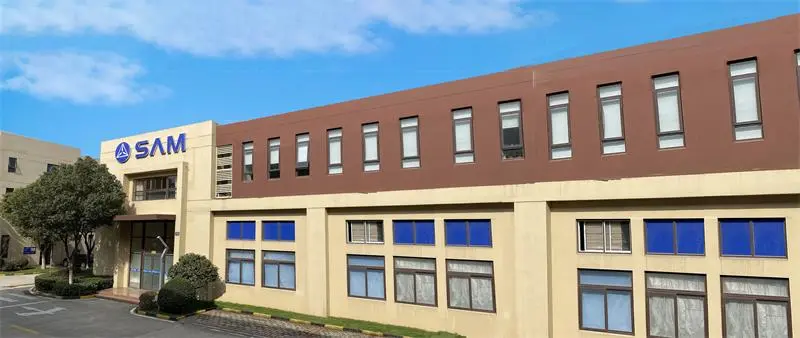
Explore our modern manufacturing facilities located in Shanghai and Wuxi.
Our Shanghai headquarters operates continuous rotary calcination kilns, automated bead forming lines, and a central testing lab. The facility maintains certifications including ISO9001:2008, TUV, and SGS, serving global engineering procurement contracts (EPCs).
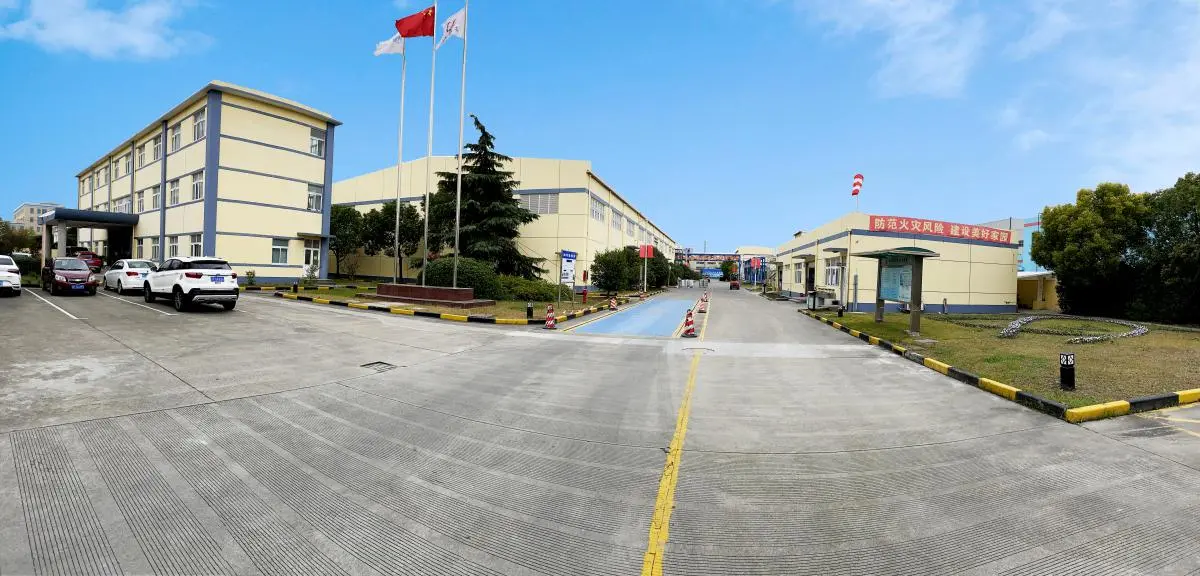
Our Wuxi plant expands raw material preparation capacity, specializing in synthetic zeolite powder processing, sodium silicate feedstock preparation, and heavy-duty product packaging. This multi-site footprint ensures stable supply chains even during high global demand periods.
As a recognized industry leader, JOOZEO actively participates in defining national and industrial standards for adsorbents and compressed air purification systems.
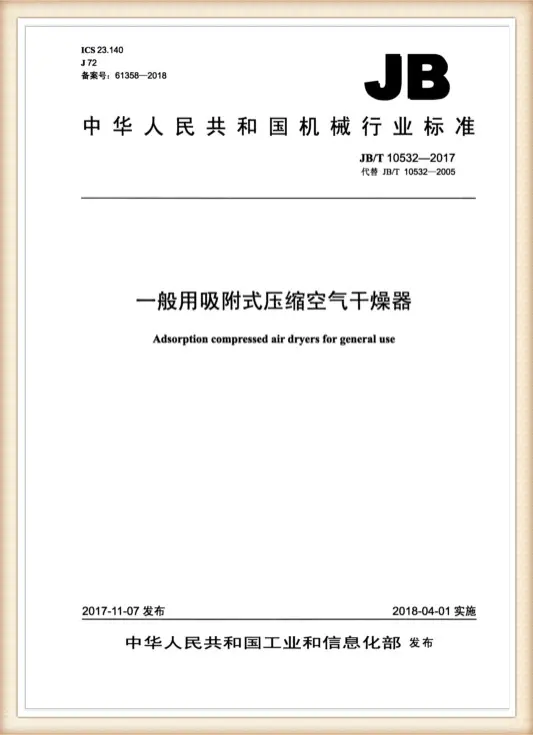
JB / T 10532-2017
Adsorption compressed air dryers for general use
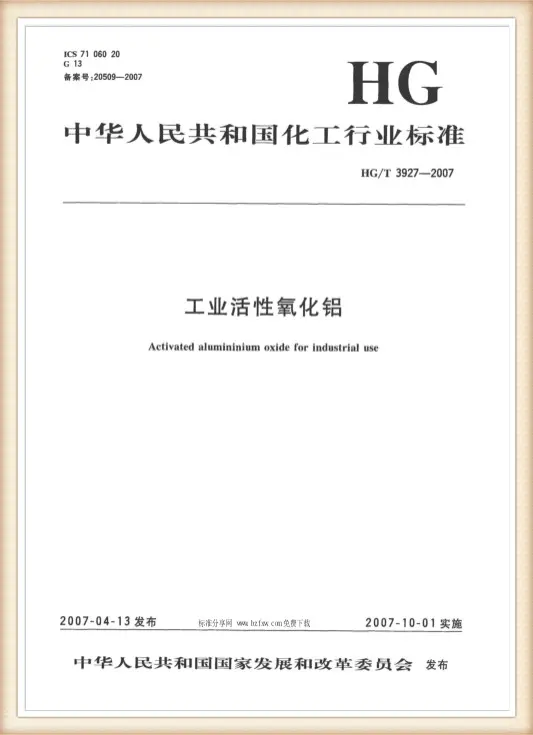
HG / T 3927-2007
Activated aluminium oxide for industrial use
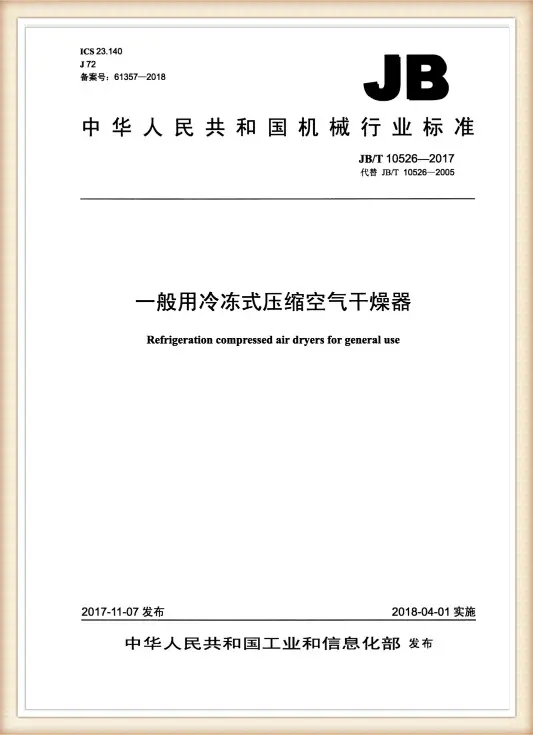
JB / T 10526-2017
Refrigeration compressed air dryers for general use
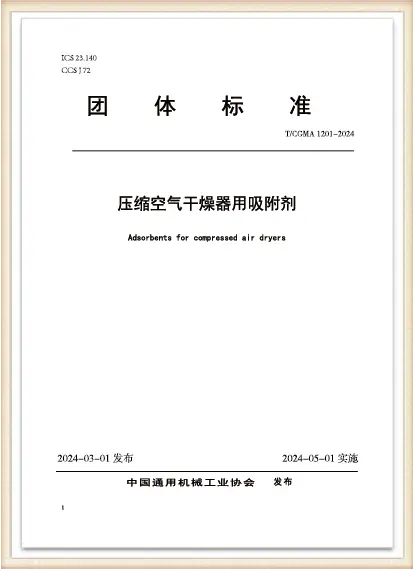
T/CGMA1201-2024
Group Standard for Compressed Air System Audits
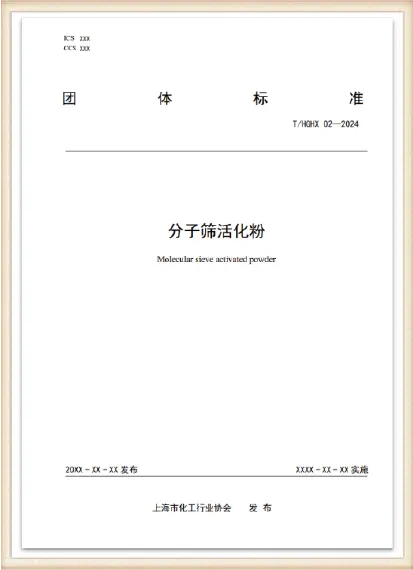
T/HGHX 02—2024
Chemical Adsorbent Quality Evaluation Protocol
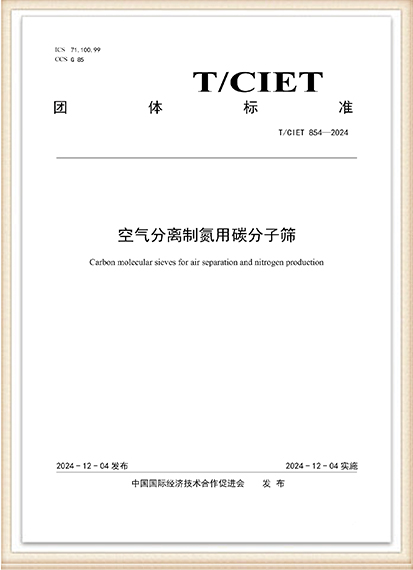
T/CIET 854-2024
Green Manufacturing - Low Carbon Chemical Adsorbents
Understanding the pricing metrics, key raw materials, and utility costs affecting global purchasing contracts.
Pricing for industrial zeolite molecular sieve beads is influenced by several factors: raw material grades (such as high-purity sodium silicate and sodium aluminate), the specific cation exchange process (using potassium for 3A, calcium for 5A, or lithium for advanced PSA grades), energy costs during calcination, and final shipping logistics. Standard beads range from $2,200 to $4,500 per metric ton, while specialty grades (e.g., binderless options or customized pore distributions) may carry premium rates depending on specifications.
| Zeolite Type | Nominal Pore Diameter | Primary Industrial Application | Relative Pricing Index | Key Performance Metrics |
|---|---|---|---|---|
| Zeolite 3A (K-LTA) | ~0.3 nm (3 Å) | Ethylene, cracked gas & solvent dehydration | Standard to Mid-Range | Excludes ethylene, high crushing resistance |
| Zeolite 4A (Na-LTA) | ~0.4 nm (4 Å) | Air brake systems, static desiccation, polyurethanes | Baseline Economy | High equilibrium water capacity, rapid kinetics |
| Zeolite 5A (Ca-LTA) | ~0.5 nm (5 Å) | PSA hydrogen purification, normal-isoparaffin separation | Mid-Range | Effective separation of linear alkanes |
| Zeolite 13X (Na-FAU) | ~0.9 nm (9 Å) | Cryogenic air pre-purification, mercaptan extraction | Mid-to-High Range | Large pore volume, co-adsorption of CO2/H2O |
| Binderless Zeolites | Custom (3A, 5A, 13X) | Ultra-dry systems requiring maximum dynamic capacity | Premium Grade | 20-30% higher operational capacity per unit volume |
Note: Pricing fluctuates based on order volume, customized bead size distribution (e.g., 1.6-2.5 mm vs. 3.0-5.0 mm), structural binder chemistry (attapulgite or kaolin clay systems), and packaging requirements (hermetically sealed steel drums vs. bulk super sacks). For current project quotes, contact our technical sales team.
Innovating next-generation molecular sieves to support low-carbon energy transition pathways.
Traditional molecular sieve beads require up to 20% clay binder to maintain structural integrity. This binder acts as dead weight, offering no adsorption capacity. JOOZEO’s research team is developing binder-free production processes that convert raw clay binders directly into active zeolite crystals after shaping. This increases dynamic adsorption capacity by up to 30%, reduces column sizing, and lowers freight costs.
As global industries transition toward net-zero targets, capturing carbon dioxide from combustion flue gas is critical. JOOZEO is developing specialized amine-functionalized silica gel beads and nitrogen-selective zeolites engineered for low-temperature regeneration. These materials lower the energy required to release captured CO2 compared to liquid amine scrubbing systems.
JOOZEO is committed to environmental stewardship, utilizing zero-discharge wastewater recycling and energy-efficient kiln operations in our factories.
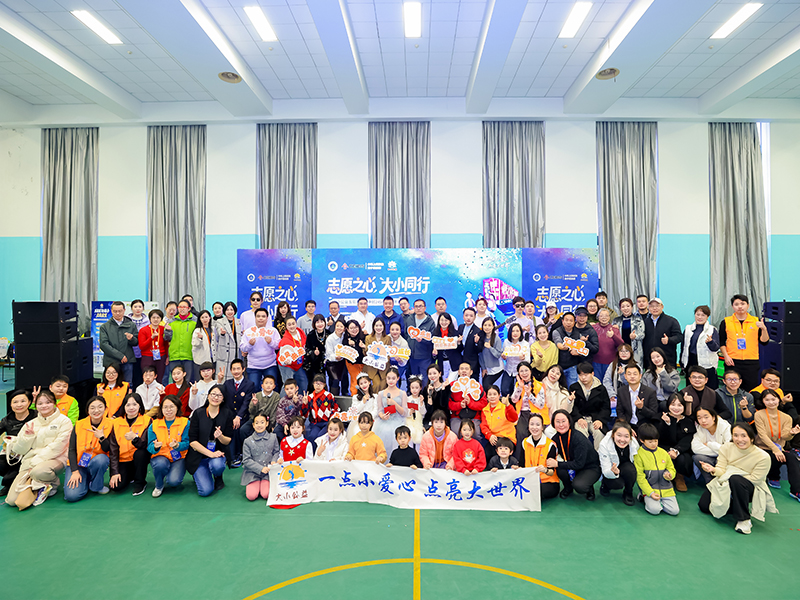
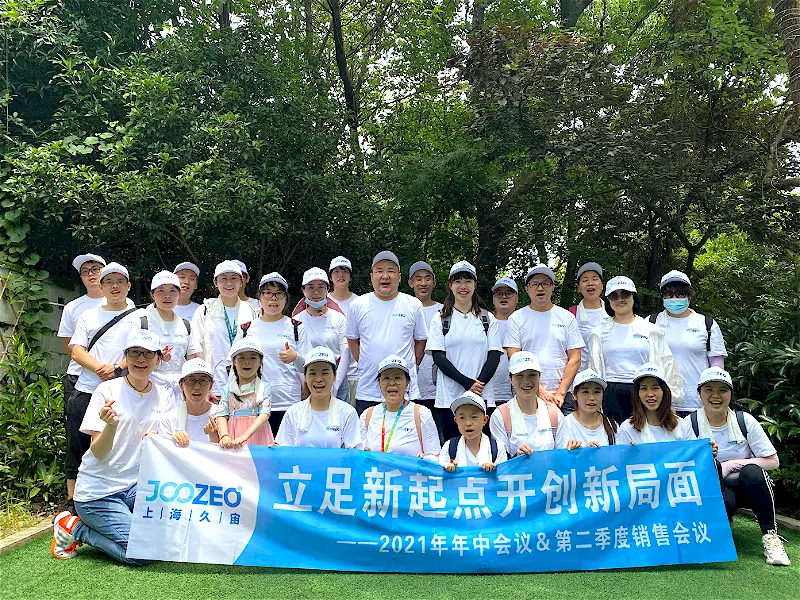
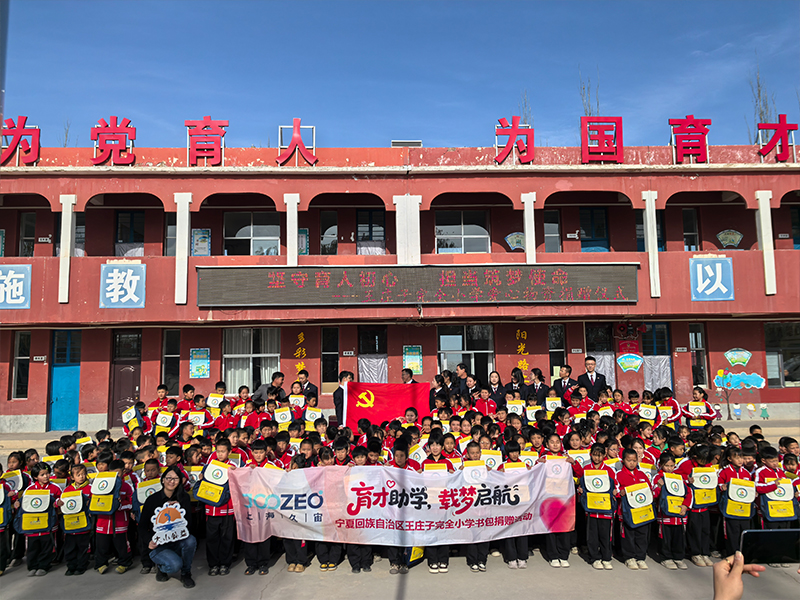
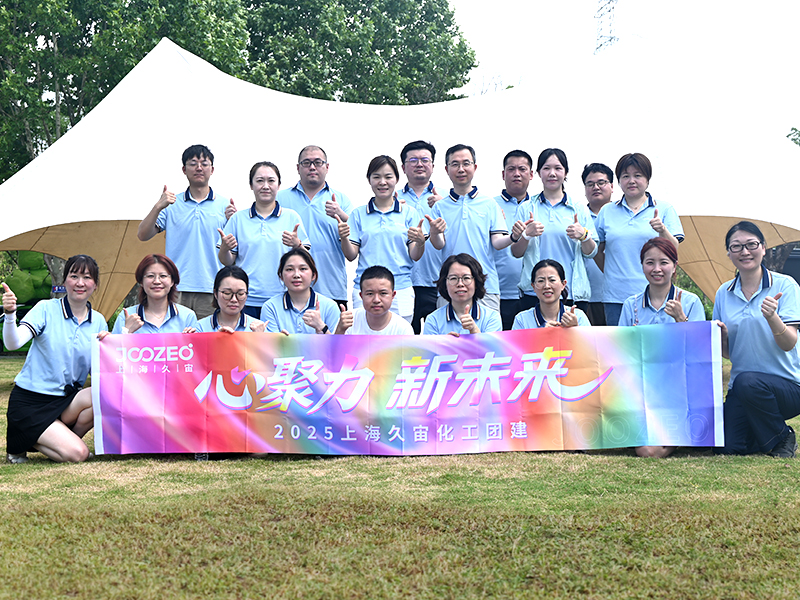
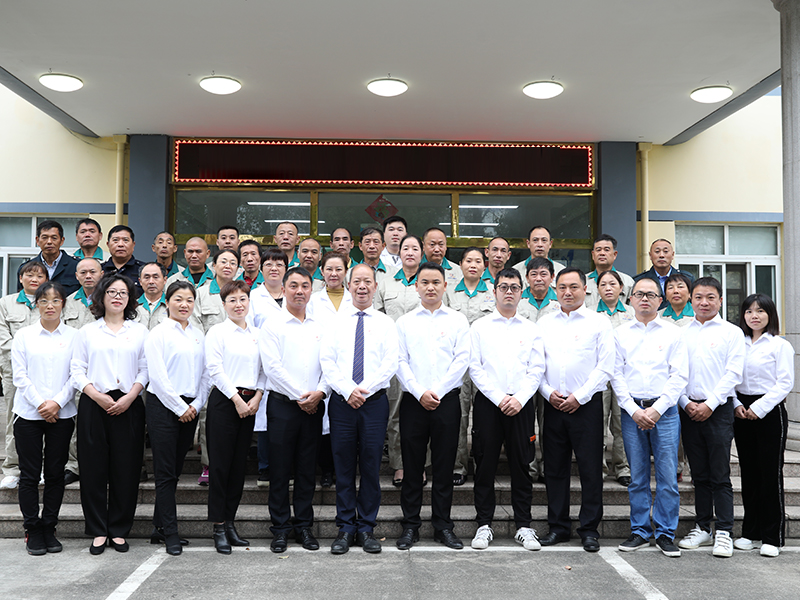
We believe that industrial chemistry must support ecological conservation. Our production facilities deploy closed-loop heating cycles to reduce carbon footprints, and we actively invest in reforestation initiatives. The gallery below showcases our active operations, environmental monitoring teams, and community outreach events.


Clear, direct technical answers addressing the selection, operation, and optimization of molecular sieves.
Select the correct chemical formulation, catalyst carrier, or active agent for your process requirements.
Contact our application engineering team today to request a product quote, discuss design parameters, or order custom bead sizes for your industrial drying units.
Send Request