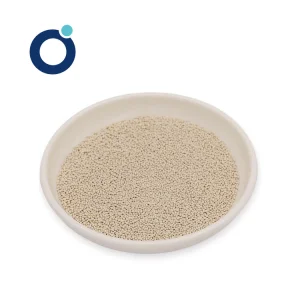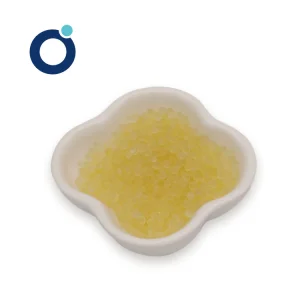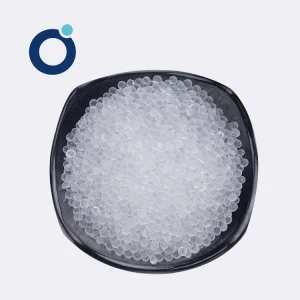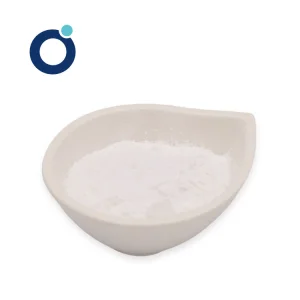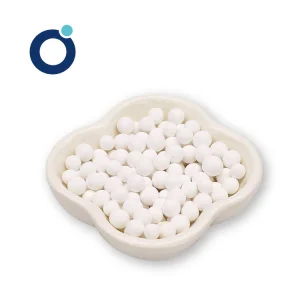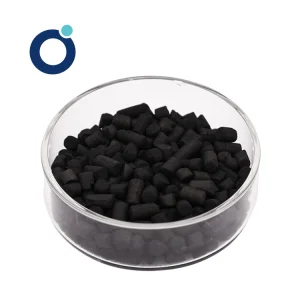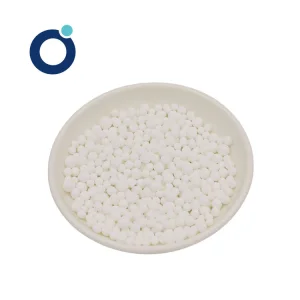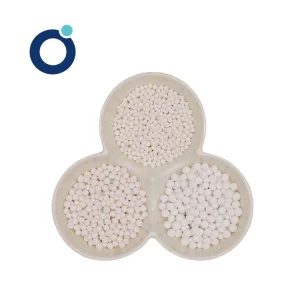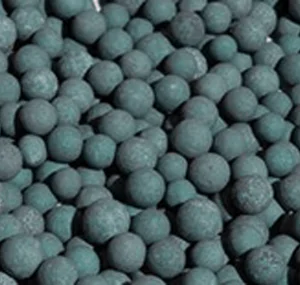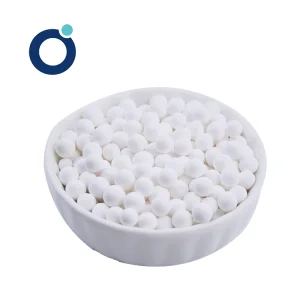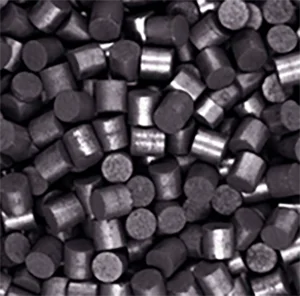
Select from our premium range of industrial molecular sieves, alumina catalysts, and structured desiccants.
Oxygen molecular sieves are key materials used in the separation of high-purity oxygen from atmospheric air. Operating on the principles of Pressure Swing Adsorption (PSA) and Vacuum Pressure Swing Adsorption (VPSA), these synthetic crystalline aluminosilicates feature precise pore openings. They are engineered to dynamically sieve nitrogen molecules, which have a larger quadrupole moment than oxygen. This allows oxygen to pass through as a concentrated gas product.
The selectivity coefficient of nitrogen over oxygen is determined by the electrostatic interaction between the nitrogen quadrupole and the exchangeable extra-framework metal cations (typically Lithium or Sodium) situated within the zeolite cage framework. Optimizing this ion-exchange capacity directly translates to lower energy expenditure per ton of oxygen produced.
Standard synthetic zeolites, such as Zeolite A (3A, 4A, and 5A) and Zeolite X (13X), are designed with specific pore sizes to optimize mass transfer kinetics. For instance, the JZ-OI series utilizes advanced Lithium ion-exchanged X-type zeolites (Li-X). This formulation creates a strong electrostatic field within the crystalline structure, enhancing nitrogen capacity and selectivity while maintaining low pressure drop across the adsorption columns.
In global industrial procurement, sourcing high-efficiency oxygen molecular sieves is no longer just a transaction based on per-kilogram pricing. Global engineers look at the Total Cost of Ownership (TCO). This metric includes initial charging volume, operational lifespan (typically targeted at 5–8 years), attrition rates, energy consumption during regeneration cycles, and compatibility with varying atmospheric humidity conditions.
Located in the major economic and development hub of Shanghai, Shanghai Jiuzhou Chemicals Co., Ltd. has prioritized quality control and continuous innovation since its founding in 1994. The company is committed to the research, development, and manufacturing of high-quality, innovative chemical adsorbents and catalysts. Our product line includes various molecular sieve powders, molecular sieves, activated powder, activated alumina, aluminum oxide catalysts, diverse types of alumina packing and ceramic balls, sodium silicates, aluminum hydroxide, zeolite 4A, sodium carbonates, and SLES. All products are manufactured in compliance with the ISO9001:2008 quality management system, and carry recognized TUV and SGS certifications.
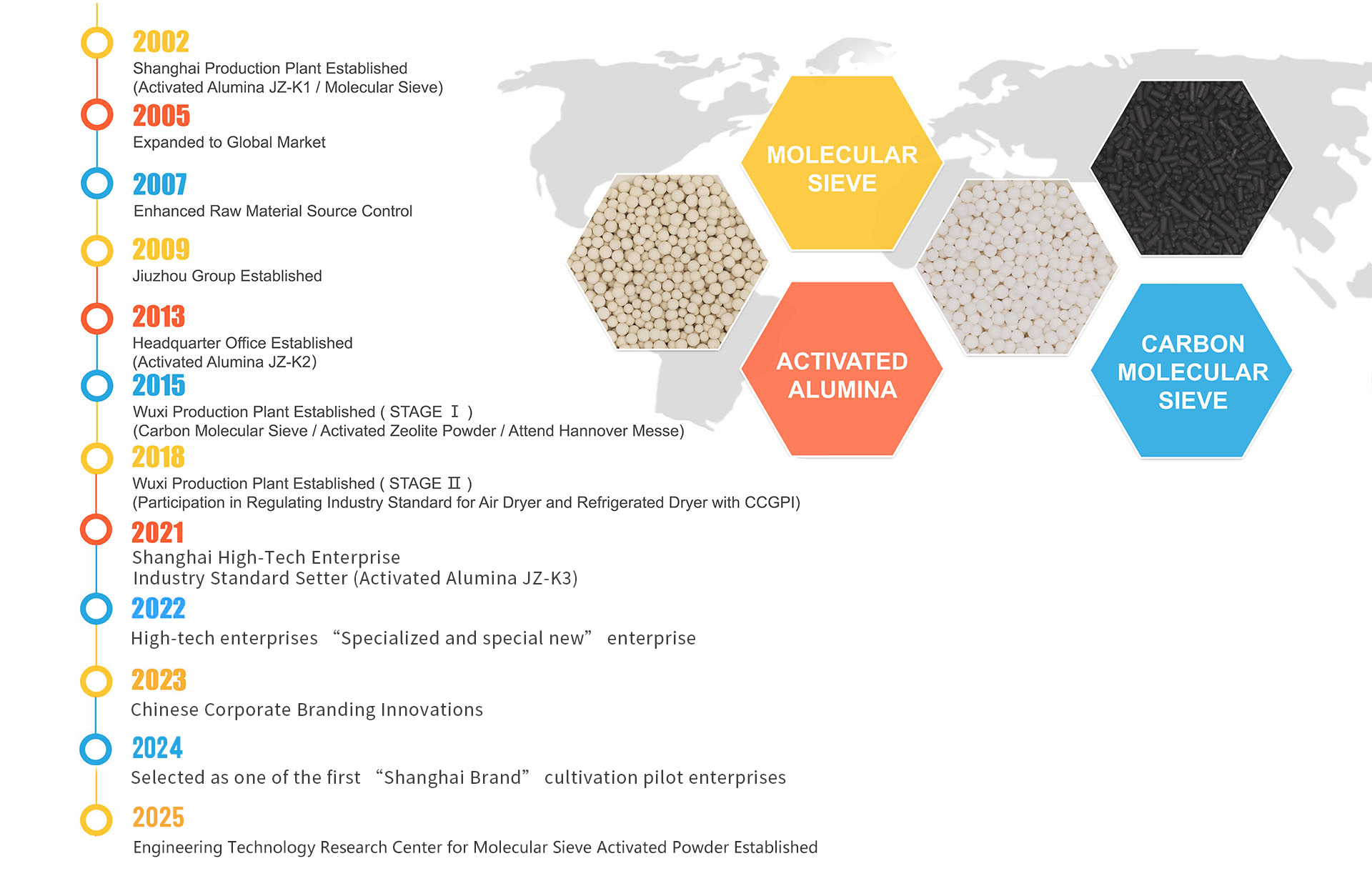
Our professional research team and chemical resource experts leverage advanced international production technologies and specialized machinery. JOOZEO operates multi-functional, automated production workshops and a dynamic test laboratory. This setup is equipped with analytical instruments for real-time quality monitoring and testing against global standards.
Over the years, we have built a distribution and support network across the United States, Southeast Asia, Japan, Europe, North and South America, and the Middle East. This network helps us provide customized solutions, technical support, and energy-efficient adsorption systems for clients worldwide.
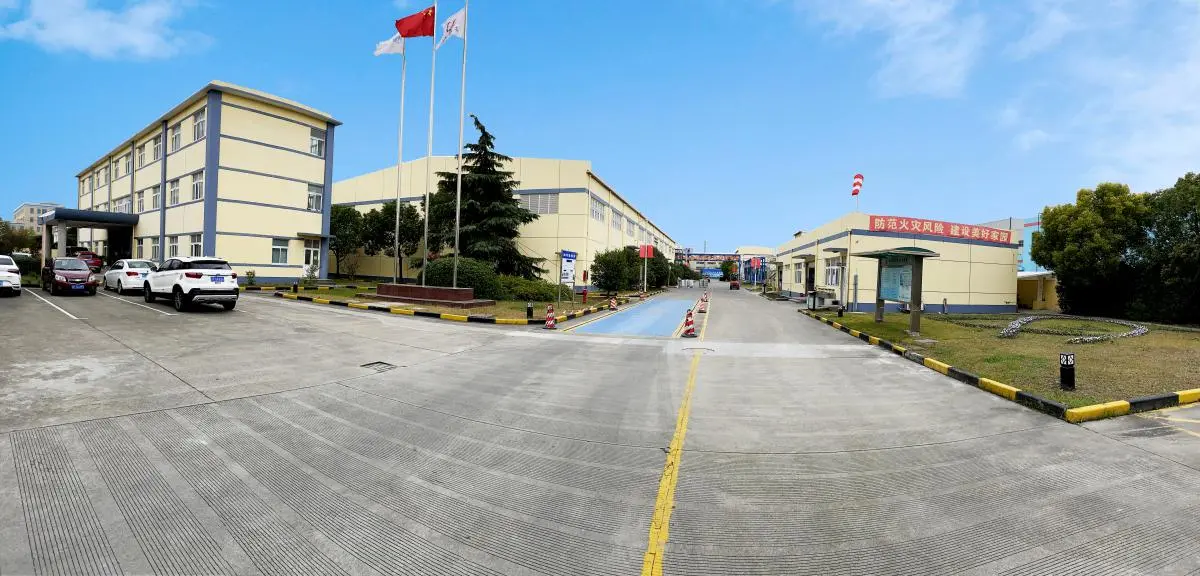
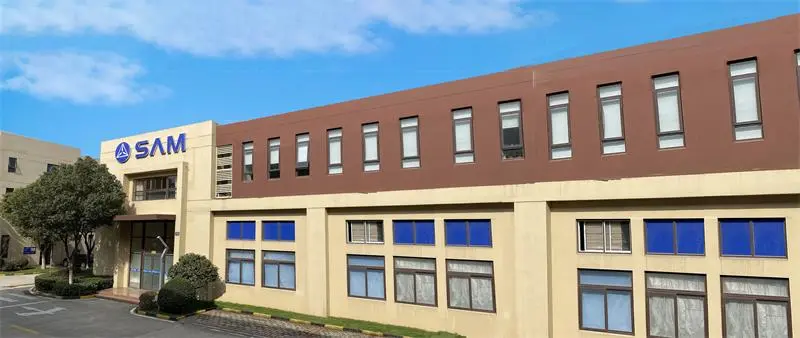
To support global supply chains, JOOZEO operates two main manufacturing hubs. The Shanghai Factory manages high-precision chemical syntheses, pilot R&D trials, and global logistics. The Wuxi Factory handles large-scale raw material processing, calcination, and volume bead extrusion. This dual-facility system helps maintain production continuity and stable lead times, even during periods of high market demand.
The molecular sieve industry is shifting toward materials with lower regeneration temperatures, higher nitrogen capacity, and longer mechanical wear cycles. Over the next decade, molecular sieve technology is expected to evolve through three key developments:
JOOZEO supports sustainable manufacturing and the reduction of greenhouse gases. By improving molecular sieve efficiency, we help global clients reduce the energy needed for air separation, supporting lower carbon emissions.
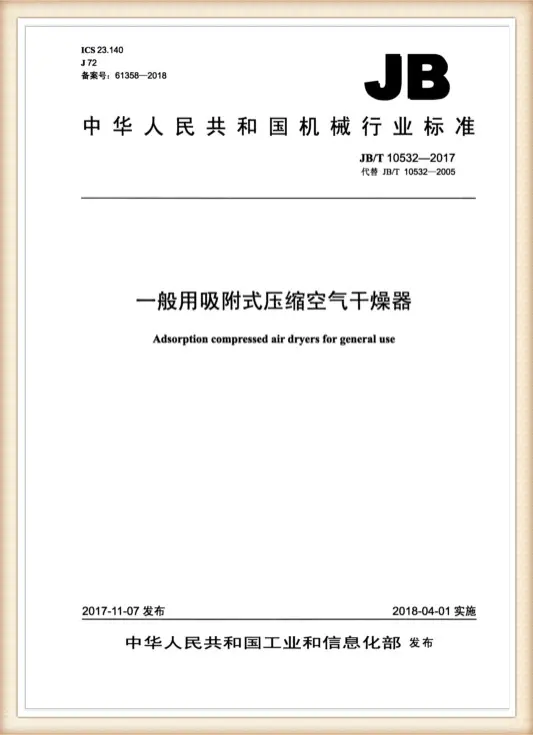
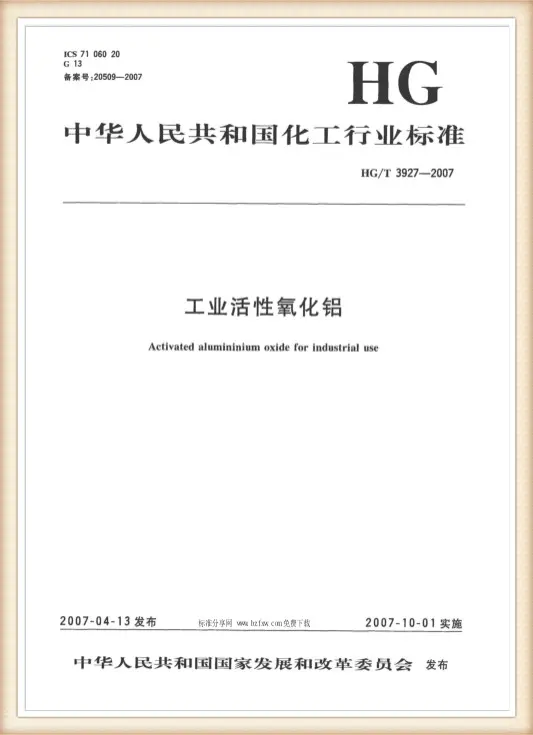
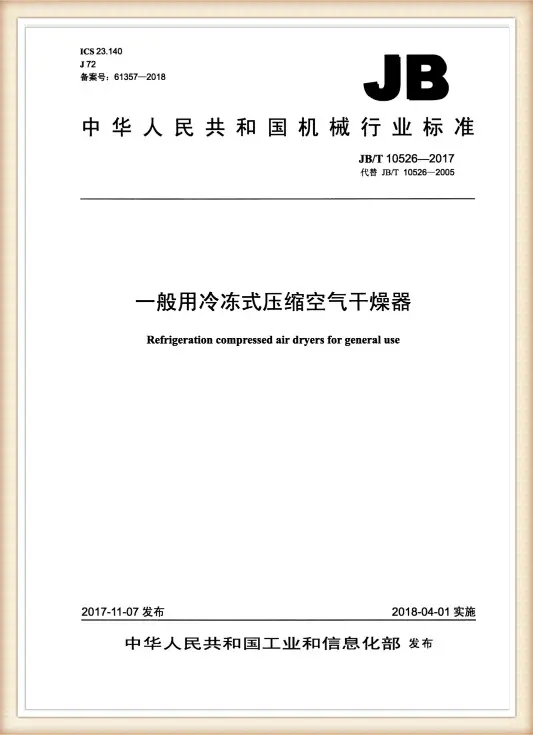
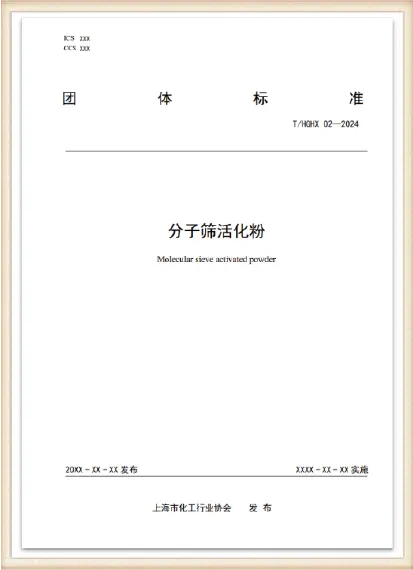
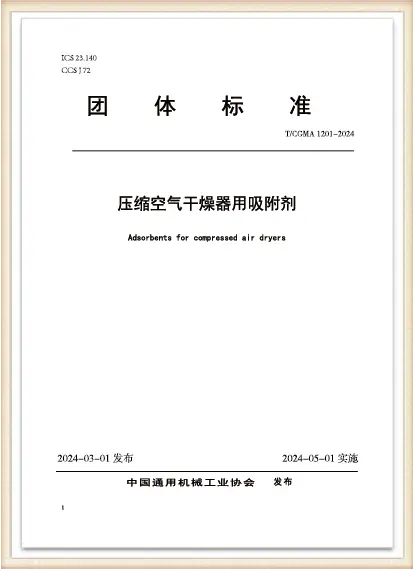
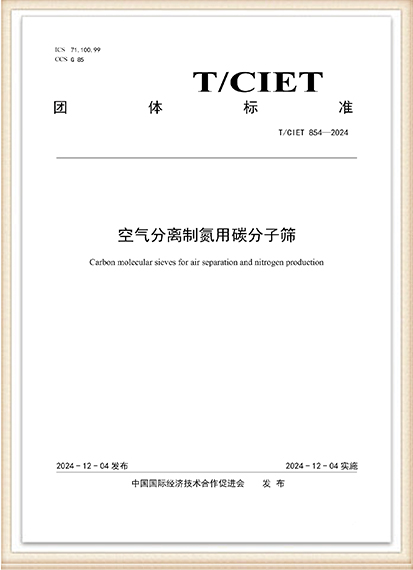
JOOZEO contributes to the drafting and refinement of key industrial standards in China and internationally. Our research teams work to align China's chemical and dryer manufacturing practices with global benchmarks. Below are the key standards we comply with and help shape:
Adsorption compressed air dryers for general use.
Activated aluminium oxide for industrial use.
Refrigeration compressed air dryers for general use.
Industry-specific design specifications for advanced compressor dryers.
Chemical industry standard for high-purity zeolite and activated materials.
Export standards for international eco-friendly adsorption solutions.
Sieving gases requires coordinating the molecular sieve with downstream components like compressors, cooling units, and pressure regulation valves. JOOZEO provides integrated solutions to optimize system reliability and efficiency:
For home oxygen therapy, portable oxygen concentrators (POCs) require compact, lightweight designs. JOOZEO’s JZ-OI series utilizes small-bead lithium zeolites that support higher oxygen generation rates in smaller cartridges. This assists device manufacturers in designing lighter, quieter equipment for patient use.
In industrial furnace applications, enrichment with oxygen (typically 90% to 93% purity) helps raise combustion temperatures, reduce fuel usage, and lower nitrogen oxide (NOx) emissions. Our large-particle VPSA zeolites are designed to sustain high mechanical stresses under fast cycle rates, helping to limit structural breakdown and gas channeling.
Ozone is used in municipal water treatment facilities to disinfect water without chemicals. High-purity oxygen feed gas is necessary to maintain ozone generator efficiency and prevent nitric acid formation. JOOZEO's desiccants work alongside molecular sieves to maintain dry, clean feed air, protecting corona-discharge systems from moisture damage.
Further options including advanced carbon media, specialty silica gels, and custom alumina materials.
If you have any questions or require custom specifications, please contact our team. We respond within 24 hours.
Send Request