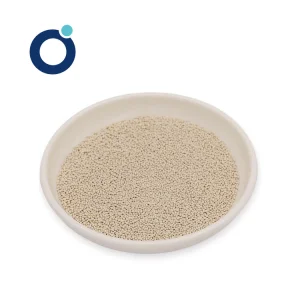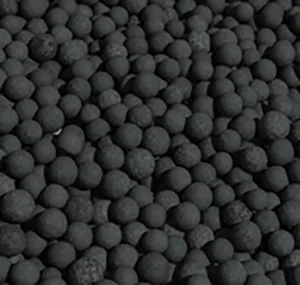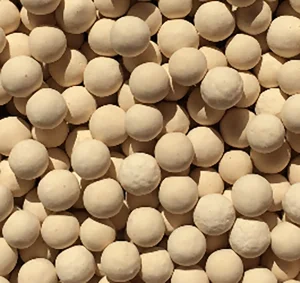
Select from our certified range of high-efficiency molecular sieves, silica gels, and carbon molecular sieves engineered for industrial applications.
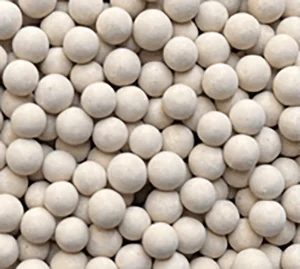
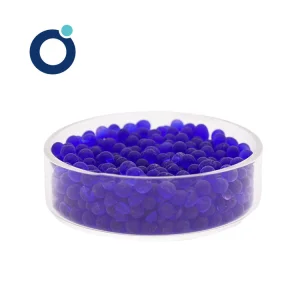
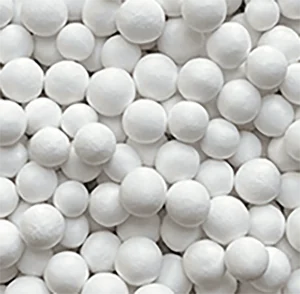
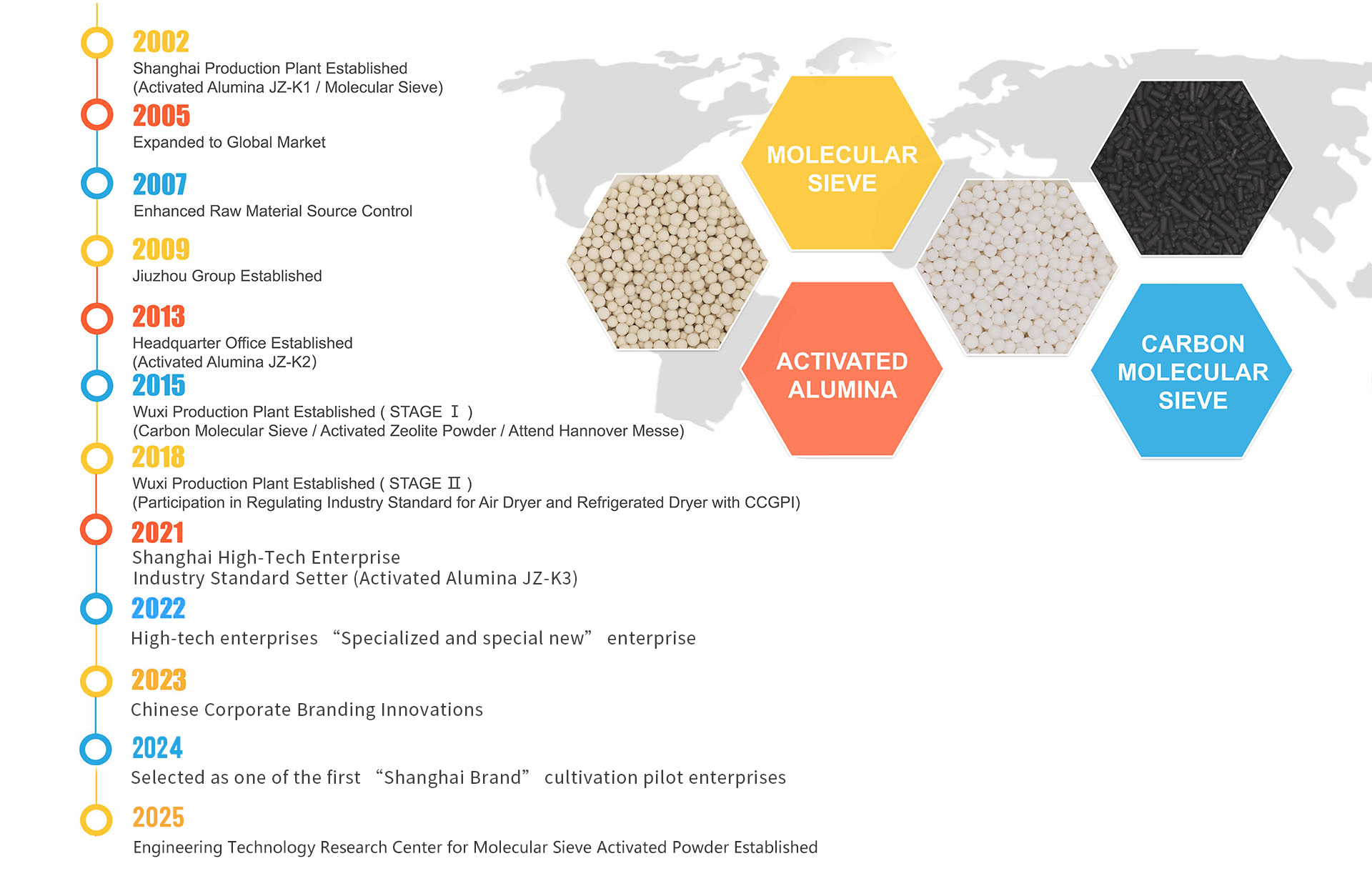
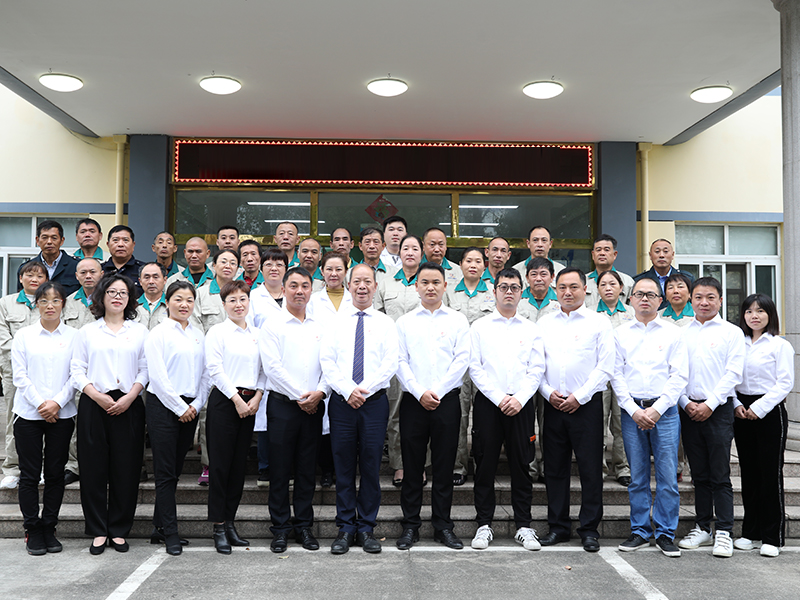
Established in 1994, Shanghai Jiuzhou Chemicals Co., Ltd. is located in China's largest economic hub, Shanghai. For over three decades, Jiuzhou has consistently adhered to our core operating principles of "Quality Control & Innovation". We are a globally recognized enterprise dedicated to the research, development, and high-volume manufacturing of premium chemical adsorbents, molecular sieves, and catalysts.
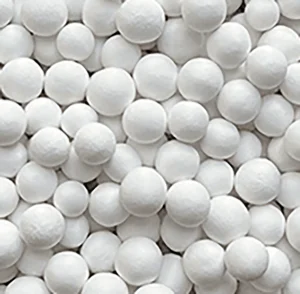
Our diverse chemical portfolio is designed to meet complex gas separation, fluid purification, and dehydration requirements worldwide. We specialize in producing various molecular sieve powders, synthetic molecular sieves, activated powder, activated alumina, aluminum oxide catalysts, diverse alumina packing systems, inert ceramic balls, sodium silicates, aluminum hydroxide, zeolite 4A, sodium carbonates, and SLES. Every batch is certified under the ISO9001:2008 Quality Management System and carries trusted TUV & SGS verifications.
Fully traceable batch processing, rigorous raw material selection, and state-of-the-art laboratory certification ensure zero-defect product exports.
Continuous R&D in collaboration with leading technical academic institutions, driving advances in specific adsorption selectivity.
Exploring the macro-economic and engineering paradigms driving the global demand for advanced synthetic zeolites.
The global chemical processing and energy industries are undergoing an unprecedented structural transition. Energy efficiency, strict emission regulations, and the expansion of the green hydrogen and renewable natural gas (RNG) sectors have placed molecular sieves at the center of process engineering. To achieve deep dehydration (typically reducing moisture levels down to less than 0.1 ppmv), buying high-grade molecular sieves with uniform pore structures is no longer optional—it is a critical operating requirement.
Whether in Natural Gas Processing, Air Separation Units (ASU), or hydrogen purification systems (such as PSA systems), molecular sieves act as the primary defense against impurities. Industrial operators must select materials that offer optimized pore distribution, high bulk density, and robust physical integrity to withstand repeated thermal swing adsorption (TSA) or pressure swing adsorption (PSA) cycles.
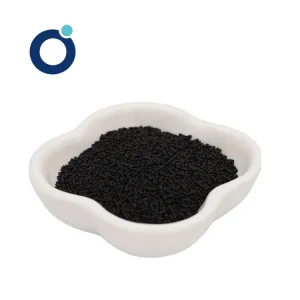
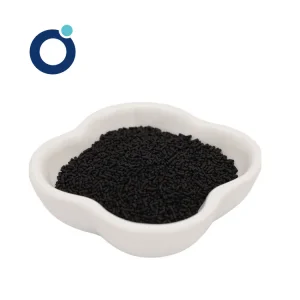
Another major development is the rapid deployment of Carbon Molecular Sieves (CMS) for on-site nitrogen generation. By exploiting differences in the kinetic diffusion rates of gas molecules, CMS products like the JZ-CMS series allow industrial plants to produce high-purity nitrogen directly from compressed air. This eliminates the logistics costs and energy footprint associated with liquid nitrogen deliveries, directly supporting modern corporate ESG goals.
Purification of green and blue hydrogen demands specialized molecular sieves capable of targeting trace impurities without degrading the gas stream.
Innovative synthetic zeolites are being deployed to selectively adsorb carbon dioxide from flue gases and process streams, aiding global net-zero initiatives.
From cryo-ASU pre-purification to oxygen concentrators, high nitrogen-adsorbing zeolites ensure safe, continuous processing.
Key technical parameters that chemical engineers and procurement officers analyze before choosing a supplier.
When industrial enterprises buy molecular sieves, their decision-making process is guided by technical specifications that directly impact plant uptime and operating costs. The primary parameters include:
As an established exporter to over 80 countries, Shanghai Jiuzhou Chemicals ensures that every batch of molecular sieve meets these rigorous engineering criteria. Our central laboratory continuously tests physical properties, guaranteeing that materials shipped to international clients deliver consistent performance under real-world operating conditions.
A look into our advanced manufacturing bases in Shanghai and Wuxi, driving global availability and quality.
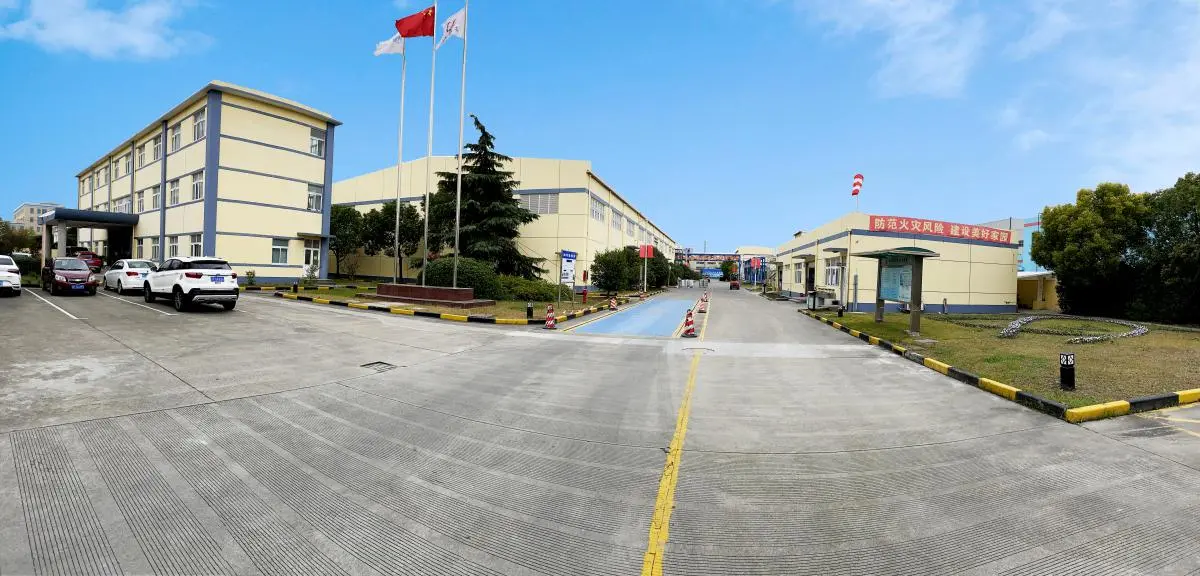
Our flagship plant integrates automated raw material processing, high-temperature rotary kilns, and real-time particle monitoring systems. This facility is optimized for large-scale production runs and rapid shipping access through Shanghai Port.

Focusing on custom synthetic zeolites, specialty catalyst carriers, and high-performance carbon molecular sieves. The Wuxi facility houses our dynamic testing laboratories, simulating variable temperature and pressure swing adsorption cycles.
The modern global supply chain is susceptible to shipping bottlenecks, fluctuating raw material costs, and unexpected capacity shortages. By maintaining dual-factory operations in Shanghai and Wuxi, Jiuzhou Chemical offers unparalleled supply chain resilience. Our automated production workshops ensure that output rates remain stable throughout the year, and our localized raw material supply networks insulate clients from price volatility.
Furthermore, our logistics department coordinates with international freight carriers to manage secure, compliant, and cost-effective shipping routes across the Americas, Europe, the Middle East, and Southeast Asia. We provide full documentation packages, including SGS/TUV analysis reports, customs clearance declarations, and safety data sheets (SDS) tailored to local regulatory requirements.
We do not just follow standards—we help write them. Jiuzhou is an active contributor to national chemical and manufacturing guidelines.
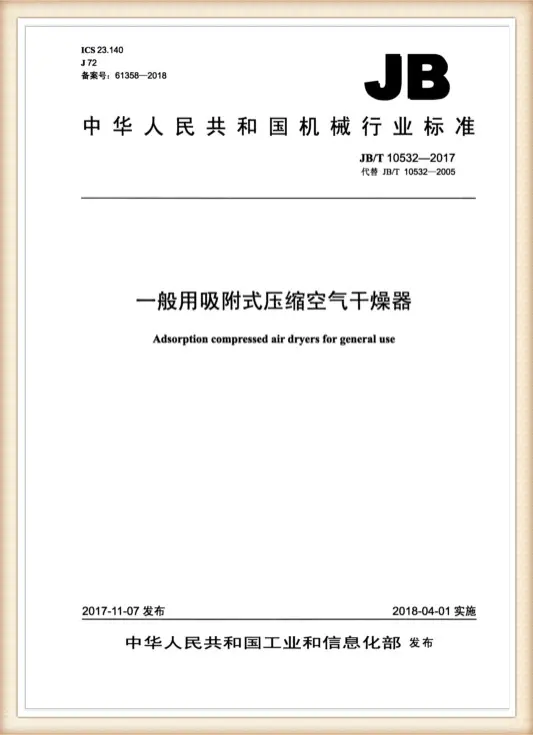
JB / T 10532-2017
Compressed Air Dryers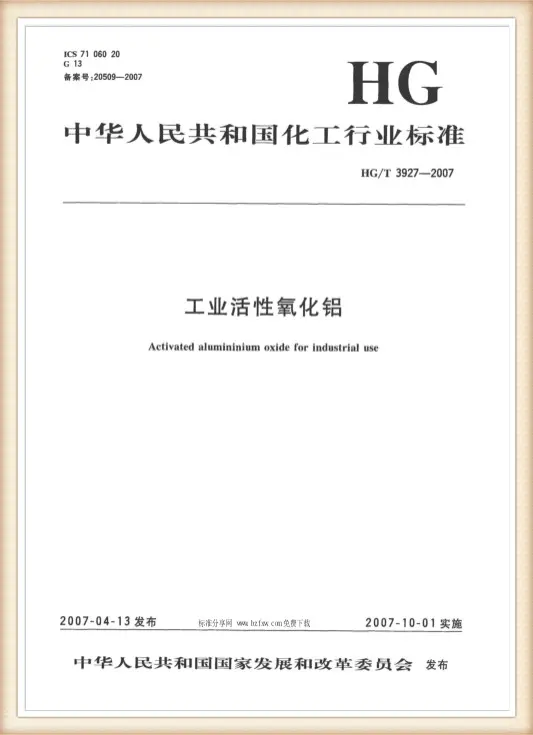
HG / T 3927-2007
Industrial Activated Alumina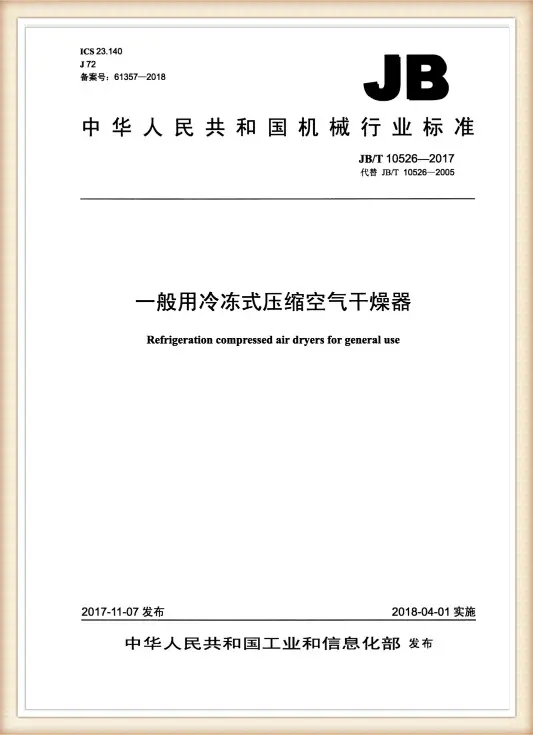
JB / T 10526-2017
Refrigeration Air Dryers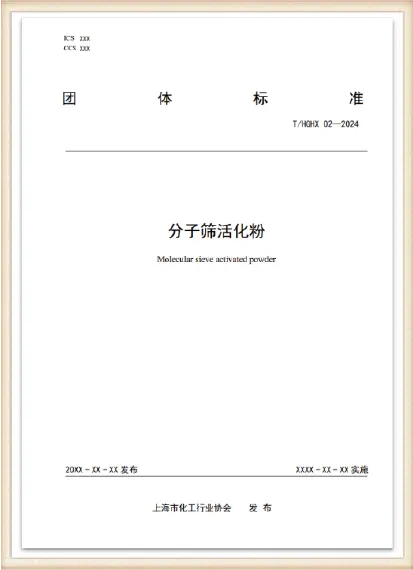
T/CGMA1201-2024
Machinery Guidelines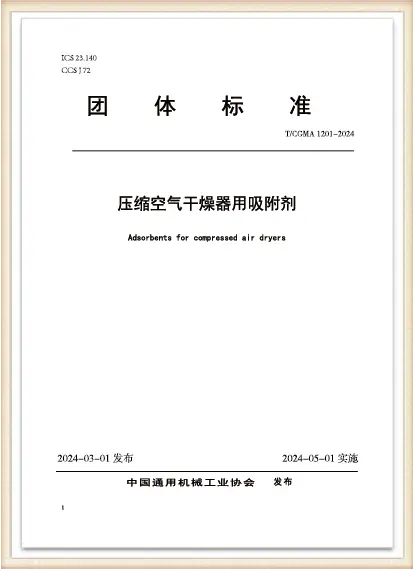
T/HGHX 02—2024
Chemical Standards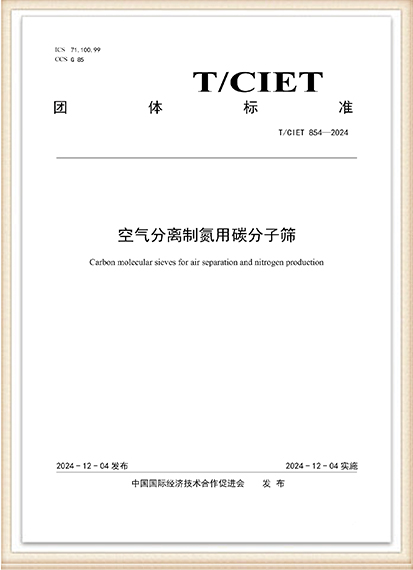
T/CIET 854-2024
Green Chemical TechHow our molecular sieves and adsorbents are deployed in major industries to optimize performance and prevent equipment downtime.
In natural gas liquefaction (LNG) plants, water content must be reduced to less than 0.1 ppm to prevent freezing and blockages in cryogenic heat exchangers. Our 3A and 4A Molecular Sieves are engineered specifically to selectively co-adsorb water without co-adsorption of heavier hydrocarbons or natural gas liquids, maximizing the yield and protecting downstream processes.
Medical oxygen systems and industrial combustion setups require high-purity oxygen generated on-demand. Using our specialized JZ-OI Oxygen Molecular Sieve, plants can perform high-efficiency pressure swing adsorption (PSA) to separate nitrogen from air, raising oxygen purity levels to 93%±3%. This product is highly regarded for its optimized adsorption capacity, rapid mass transfer kinetics, and durability.
In the construction sector, condensation inside insulating glass units leads to fogging and ruins insulation values. Our molecular sieve powders and desiccants are placed within the spacer frames to continuously adsorb trace moisture and solvent vapor, maintaining dry conditions between glass panes and extending structural life.
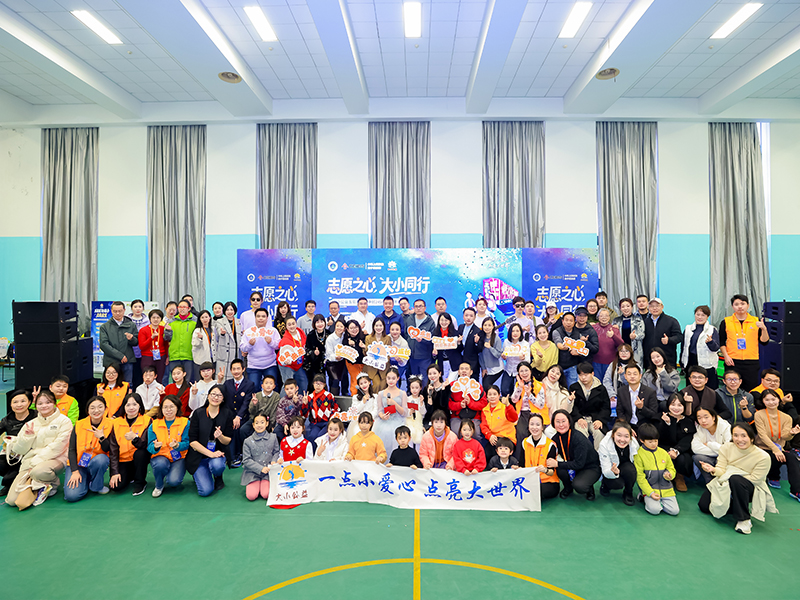
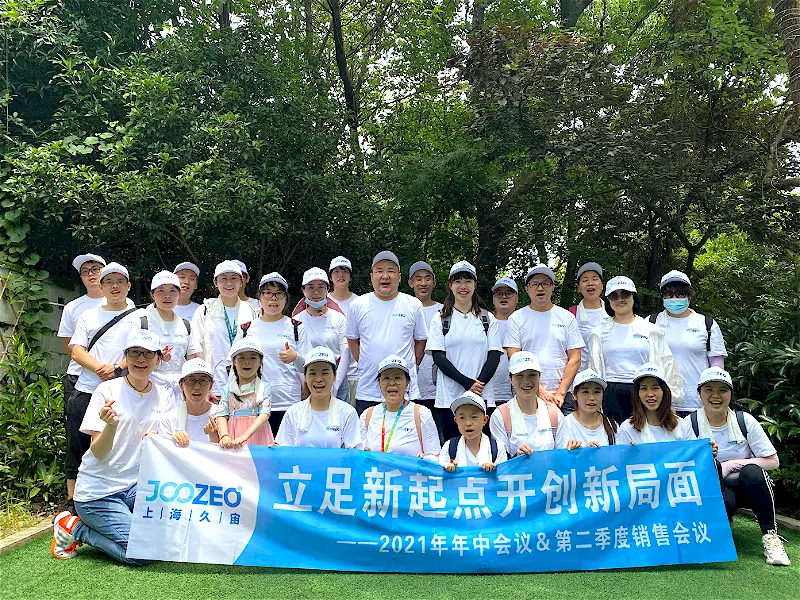
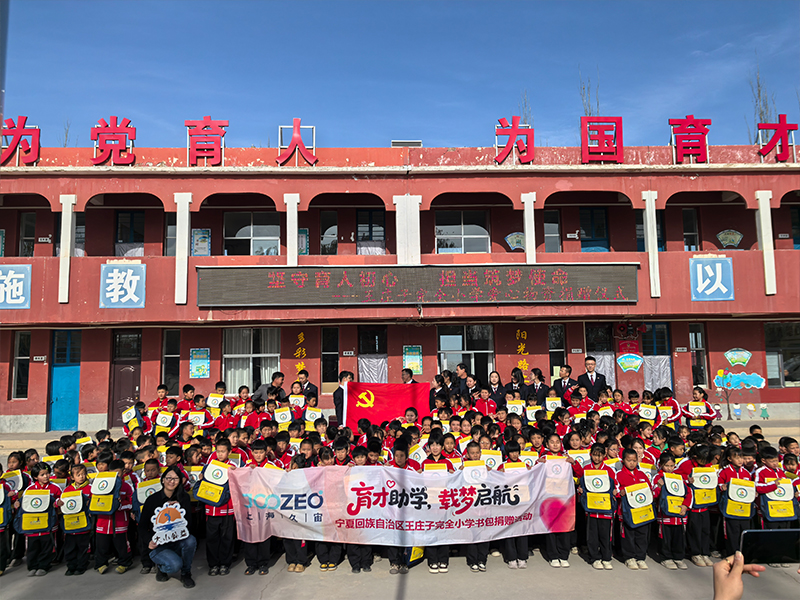
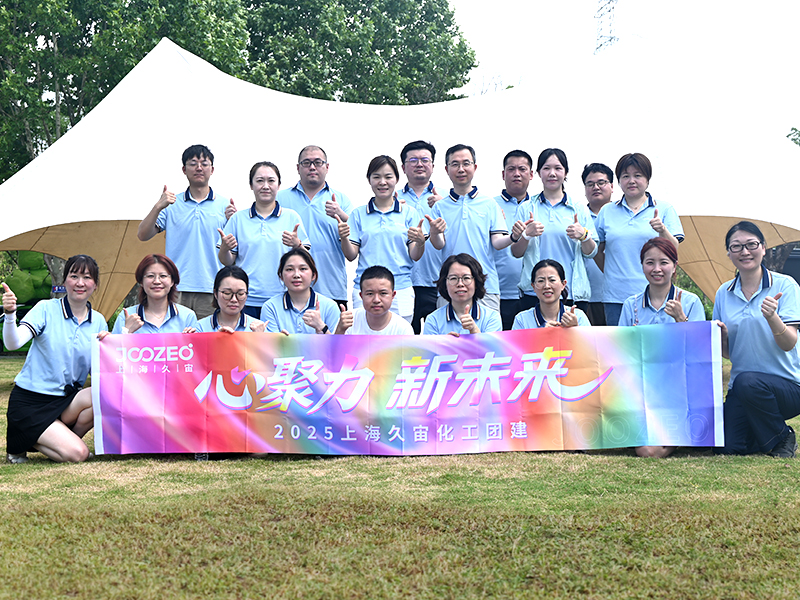
Jiuzhou is committed to green chemistry, offering sustainable solutions that protect our environment and local communities.
Expert answers to common engineering questions regarding selection, operation, and optimization of molecular sieves.
Explore our specialized Carbon Molecular Sieve (CMS) and custom catalyst support products for high-purity nitrogen and gas separation applications.