
Explore our top-tier catalyst, chemical raw material, and drying agent portfolios engineered to comply with high industrial performance standards globally.
Light Soda Ash, chemically known as Sodium Carbonate ($Na_2CO_3$) in its light, low-density powder form (typically ranging from 500 to 650 kg/m³ bulk density), represents one of the most critical foundational alkaline building blocks of modern industrial chemistry. Unlike its physical counterpart, Dense Soda Ash (which features larger crystal structures and double the bulk density), Light Soda Ash is widely preferred in application channels where high solubility rates, rapid aqueous dispersion, and specialized chemical syntheses are paramount.
Modern synthesis relies on the ammonia-soda process (Solvay) and dual-product ammonia-soda process (Hou's method), demanding strict chemical precision to optimize purity and yield output.
Pricing is governed by natural gas energy indexes, ammonia precursors, raw rock salt extraction metrics, and maritime dry-bulk freight indexes across key shipping corridors.
Premium global manufacturers control moisture ($< 0.5\%$) and sodium chloride impurities ($< 0.7\%$) to minimize corrosive wear on chemical processing reactors.
To support procurement planning, industrial buyers must evaluate physical differences that govern transport economics and application mechanics.
| Analytical Parameter | Light Soda Ash ($Na_2CO_3$) Specifications | Dense Soda Ash ($Na_2CO_3$) Specifications | Standard Testing Methodology |
|---|---|---|---|
| Chemical Purity ($Na_2CO_3$ Dry Basis) | $\ge 99.2\%$ | $\ge 99.2\%$ | GB/T 210.1-2004 Titration |
| Bulk Density | 0.55 - 0.65 g/cm³ | 0.90 - 1.00 g/cm³ | ASTM D1895 Gravimetric |
| Sodium Chloride ($NaCl$ Content) | $\le 0.70\%$ | $\le 0.70\%$ | Argentometric Volhard Method |
| Iron Impurity ($Fe_2O_3$ Dry Basis) | $\le 0.0035\%$ | $\le 0.0035\%$ | Colorimetric Spectrophotometry |
| Particle Size Distribution | $\ge 75\%$ passing 180 μm | $\ge 80\%$ retained on 250 μm | Sieve Screen Analysis |
| Industrial Role | Chemical Synthesis / Water Prep | Flat Glass / Container Glass | Process Matching Index |
The macroeconomic demand curve for Light Soda Ash is intrinsically tied to global manufacturing health, environmental purification projects, and synthetic chemical industries. Understanding the geography of production is crucial for global supply chain resilience:
Global soda ash output is divided into natural trona mining and synthetic manufacturing. The Americas dominate trona processing (derived from the Green River formation in Wyoming), boasting low-carbon footprint natural soda ash. Conversely, East Asia (specifically China, the world's leading manufacturer of synthetic alkali) and Europe rely heavily on the Solvay and Hou chemical methodologies to secure their regional supply chains.
Historically, synthetic manufacturing of Light Soda Ash has been highly energy-intensive. Leading global manufacturers are actively transitioning toward hybrid synthetic systems. Incorporating carbon capture, utilization, and storage (CCUS) directly into Solvay lime kilns allows producers to capture $CO_2$ gas streams and recycle them as precursors in the sodium carbonation stage, achieving a circular manufacturing cycle.
Purchasing directors must track several key cost factors. Synthetic Light Soda Ash pricing is heavily influenced by coal/natural gas energy costs, the pricing of ammonia raw materials, and changes in municipal environmental taxes. Over the past few quarters, container freight rate changes have also shifted buying preferences toward regional distribution hubs.
Due to its fine particle morphology and rapid dissolution kinetics, Light Soda Ash is widely used across multiple sectors.
Municipal water systems and chemical processing plants use Light Soda Ash as a pH adjuster. By neutralizing acidic wastewater streams, it helps prevent heavy metal leaching and protects downstream piping networks from corrosion.
In detergent manufacturing, Light Soda Ash acts as an essential builder. It softens wash water by binding calcium and magnesium ions, enabling active surfactants to perform efficiently.
Light Soda Ash serves as a key raw material in manufacturing sodium silicates, sodium bicarbonate, and sodium phosphates. In metal smelting, it acts as a fluxing agent to lower slag melting points and remove sulfur.
Established in 1994, Shanghai Jiuzhou Chemicals Co., Ltd. has developed into a premier industrial chemical manufacturer based in Shanghai, China. Over three decades, we have remained committed to rigorous quality control and product innovation, building a reputation as a trusted global supplier.
Our state-of-the-art facilities produce a wide range of advanced chemical solutions, including various molecular sieve powders, active powders, activated alumina, aluminum oxide catalysts, ceramic balls, sodium silicates, and sodium carbonates. Our production processes comply with global safety standards, backed by ISO9001:2008, TUV, and SGS certifications.
Leveraging our advanced manufacturing capacity and laboratory testing equipment, JOOZEO serves clients across the United States, Southeast Asia, Japan, Europe, the Middle East, and South America. We provide customized chemical compositions and energy-saving adsorption solutions.
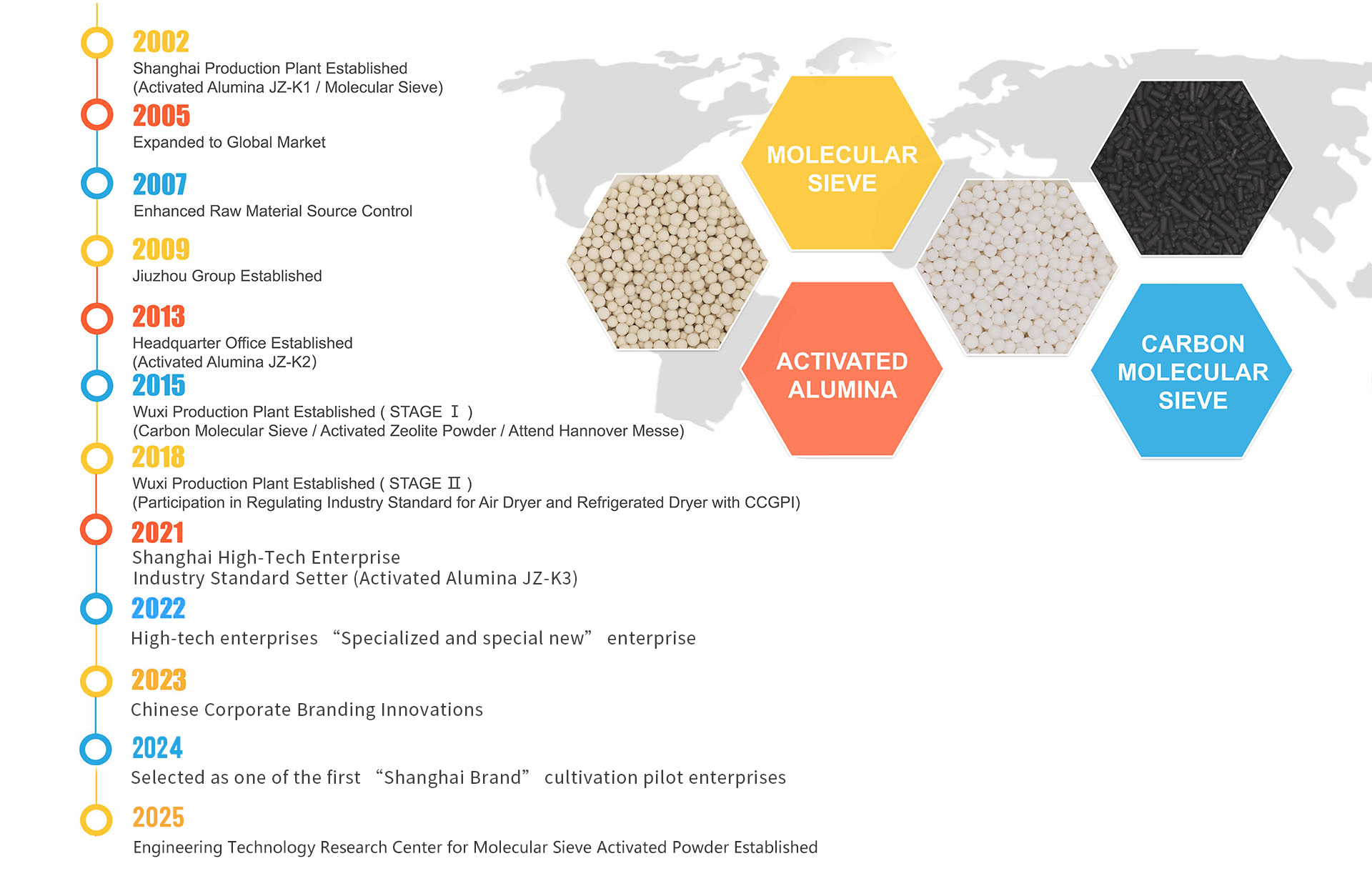
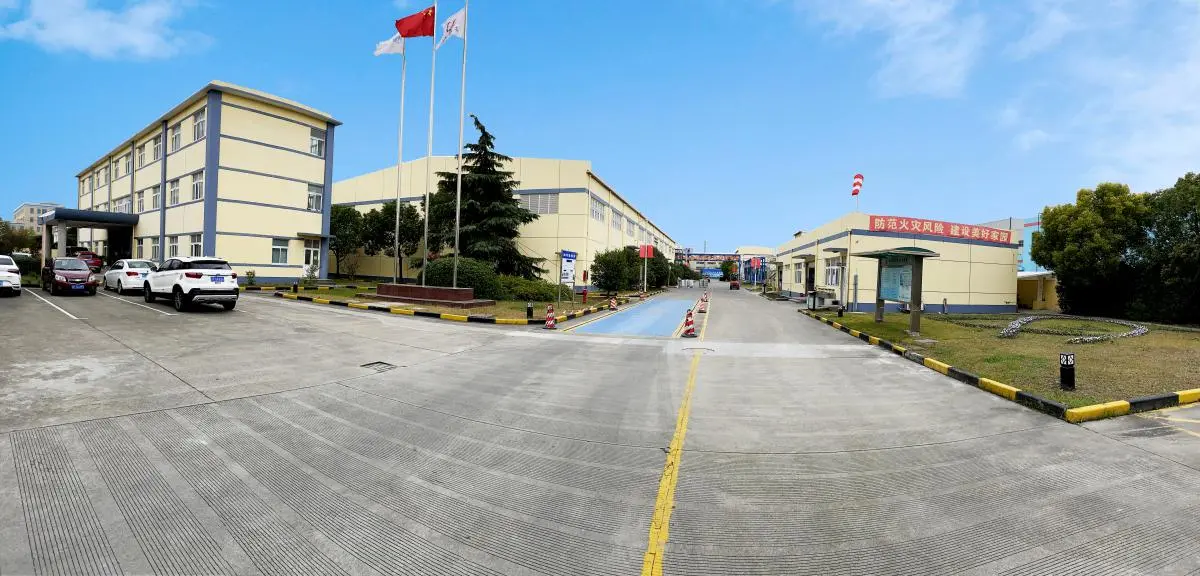

As a participant in drafting national and industrial guidelines, JOOZEO (Shanghai Jiuzhou Chemicals) helps establish quality parameters that ensure reliable performance across the dry chemical, catalyst, and adsorbent sectors.
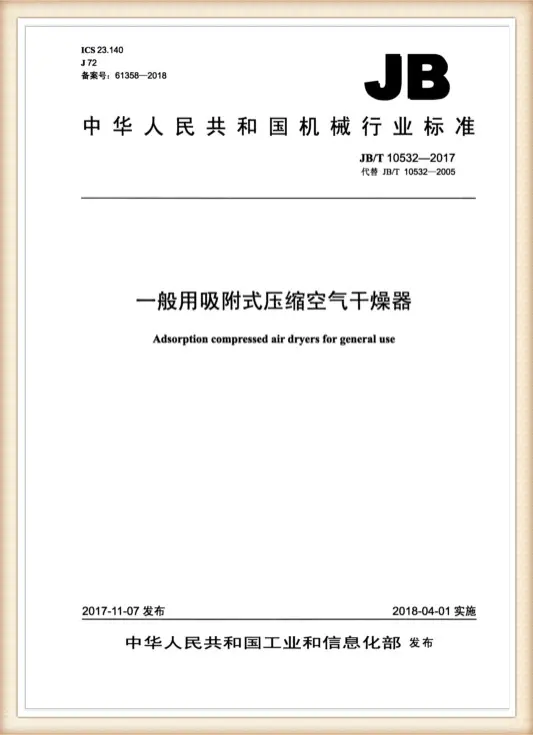
Adsorption compressed air dryers for general industrial applications.
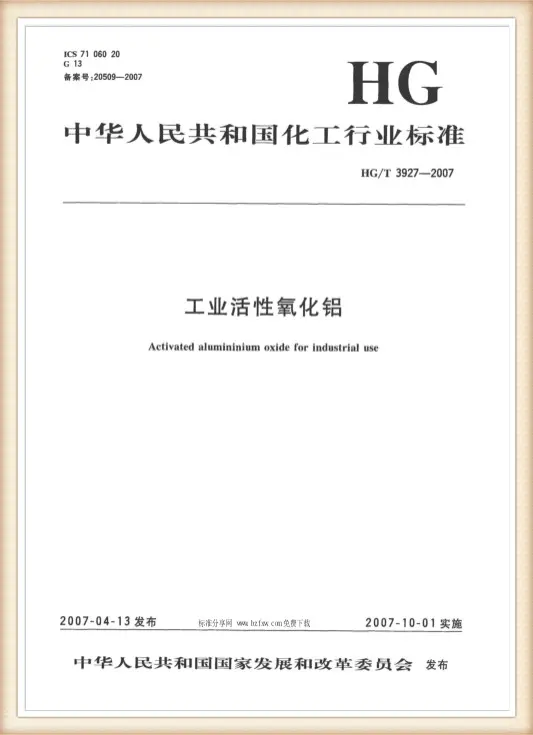
Activated aluminum oxide standards for industrial processing.
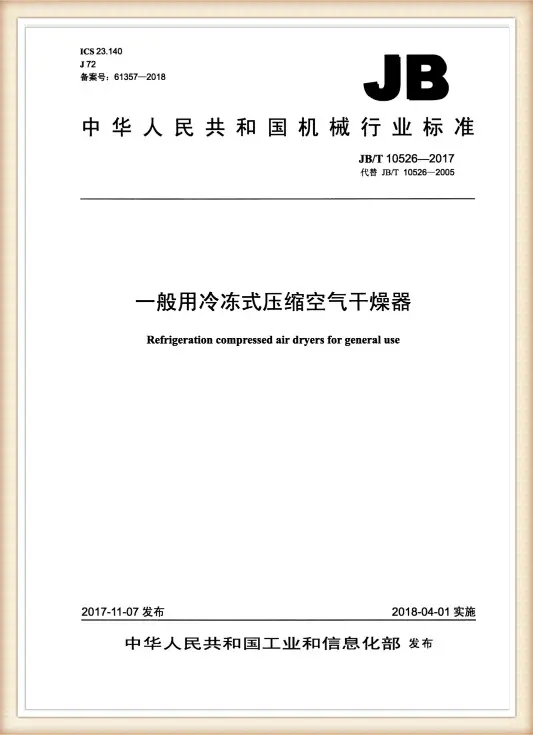
Refrigeration compressed air dryers operating parameters.
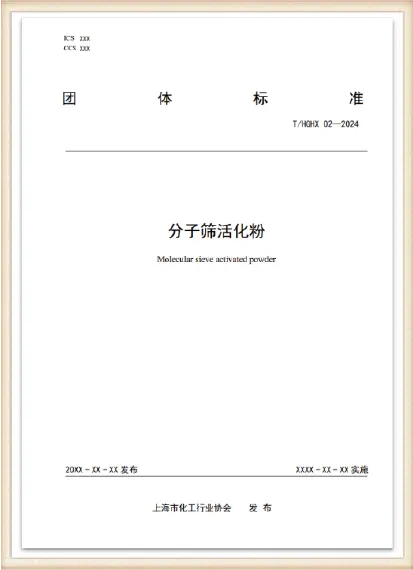
New industry regulations for gas-liquid separation and adsorbent materials.
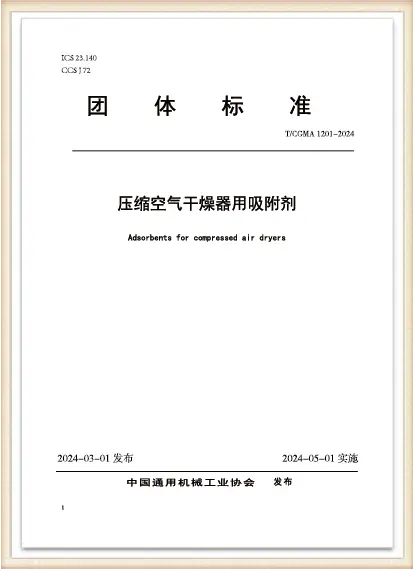
Updated guidelines for active catalyst materials and chemical carrier standards.
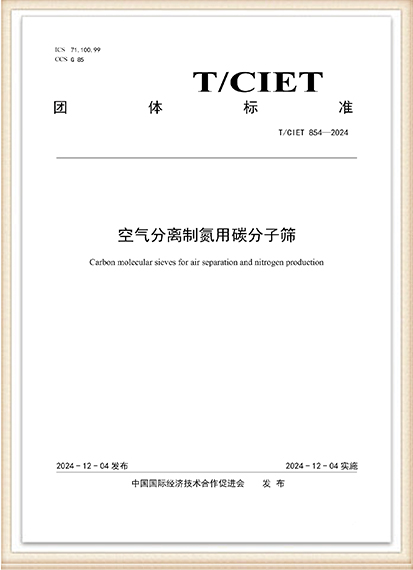
Green manufacturing regulations and zero-emission carbon guidelines.
At JOOZEO, we believe in minimizing environmental impact. Our research team focuses on developing low-emission chemical processing techniques and recycling waste heat in our Shanghai and Wuxi factories to lower energy consumption.

Common technical queries regarding the selection, storage, chemical properties, and logistics of Light Soda Ash.
The differences are physical rather than chemical: both share the formula $Na_2CO_3$. Light Soda Ash features a lower bulk density (0.55-0.65 g/cm³) and smaller particle size, meaning it dissolves faster in water, making it ideal for chemical compounding, water treatment, and detergent formulas. Dense Soda Ash has a higher bulk density (0.9-1.0 g/cm³) and larger crystals, which reduces dust and prevents segregation, making it the preferred choice for glass furnace melting.
The Solvay process uses brine ($NaCl$), limestone ($CaCO_3$), and ammonia as an intermediate catalyst. It produces calcium chloride ($CaCl_2$) as a byproduct. The Hou process, or dual-product method, integrates ammonia synthesis. By passing carbon dioxide through ammoniated brine, it yields ammonium chloride ($NH_4Cl$) as a coproduct, which is used as fertilizer. This process eliminates the need for limestone and calcium chloride waste, reducing raw material usage.
Because Light Soda Ash is hygroscopic, it absorbs moisture from the air, which can lead to hydration and caking ($Na_2CO_3 \cdot H_2O$ or $Na_2CO_3 \cdot 10H_2O$). It should be stored in a dry, ventilated facility, away from acids, and protected from high humidity. Using moisture-barrier lined packaging (such as woven PP bags with PE inner liners) helps maintain flowability during long-term storage.
Key cost drivers include energy indexes (especially coal and natural gas used for calcination), raw salt extraction costs, and synthetic ammonia market prices. Additionally, logistics and bulk freight rates influence landed costs for international shipments.
Review our additional industrial chemical offerings, featuring high-purity compositions designed for demanding process conditions.
Need detailed technical specifications, custom packaging options, or bulk pricing contracts? Contact our engineering team for support.
Request Quote & Technical Specsheet