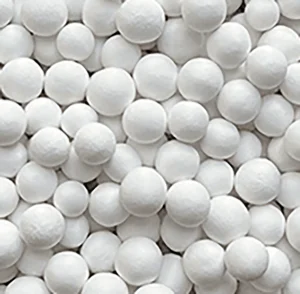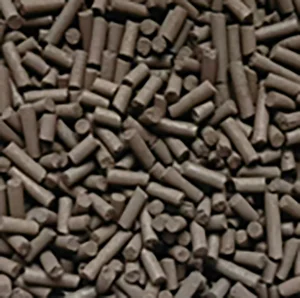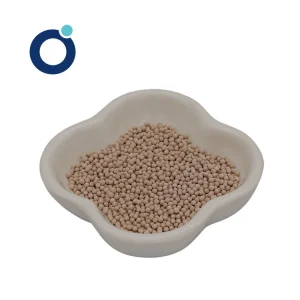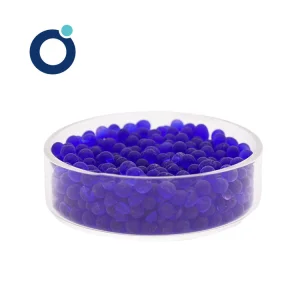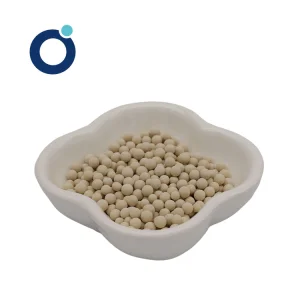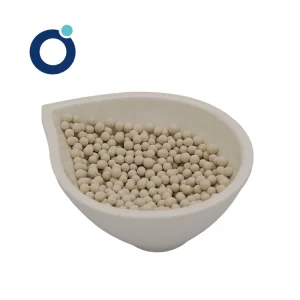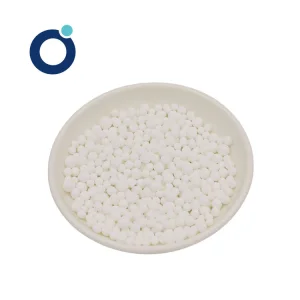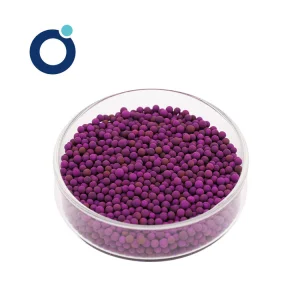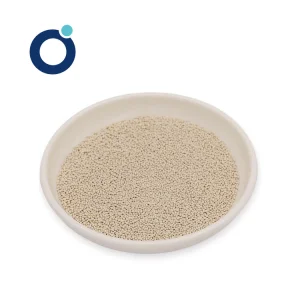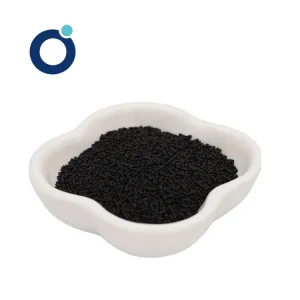
In modern industrial and medical environments, the demand for high-efficiency gas separation technology has driven molecular sieve science to new limits. The Lithium Molecular Sieve (primarily synthetic Li-X zeolite) represents the pinnacle of modern adsorption technology. Specifically optimized for Pressure Swing Adsorption (PSA) and Vacuum Pressure Swing Adsorption (VPSA) processes, these structures exhibit unparalleled nitrogen adsorption capacity compared to legacy sodium or calcium-based zeolites.
Due to the small ionic radius and high charge density of the lithium cation, the electrostatic interaction between the zeolite framework and the quadrupole moment of the nitrogen molecule is significantly enhanced. This translates to an increased separation coefficient for N₂ over O₂, enabling compact systems to output medical-grade oxygen (≥93%±3%) and ultra-pure industrial oxygen with drastically reduced energy footprints.
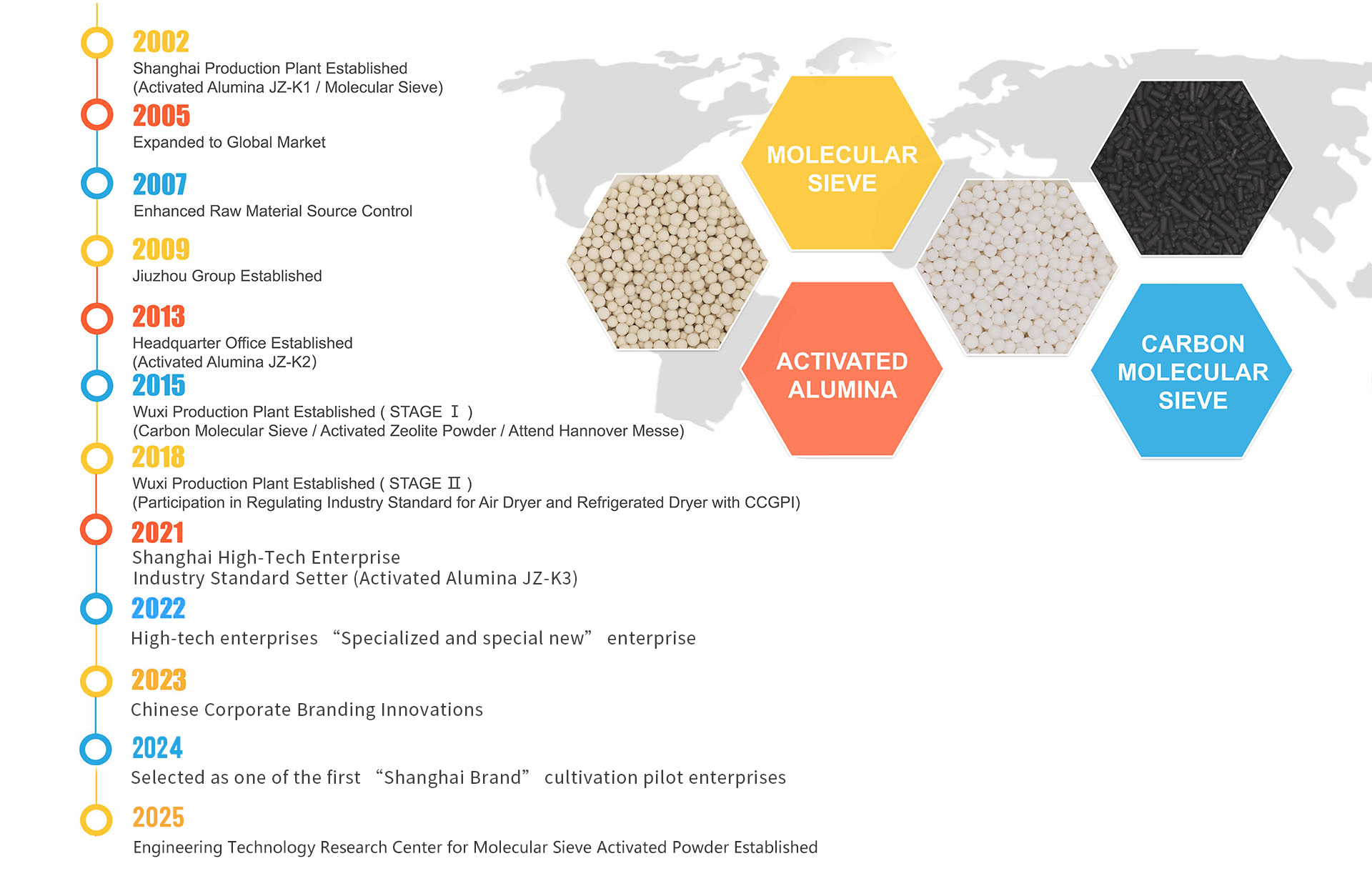
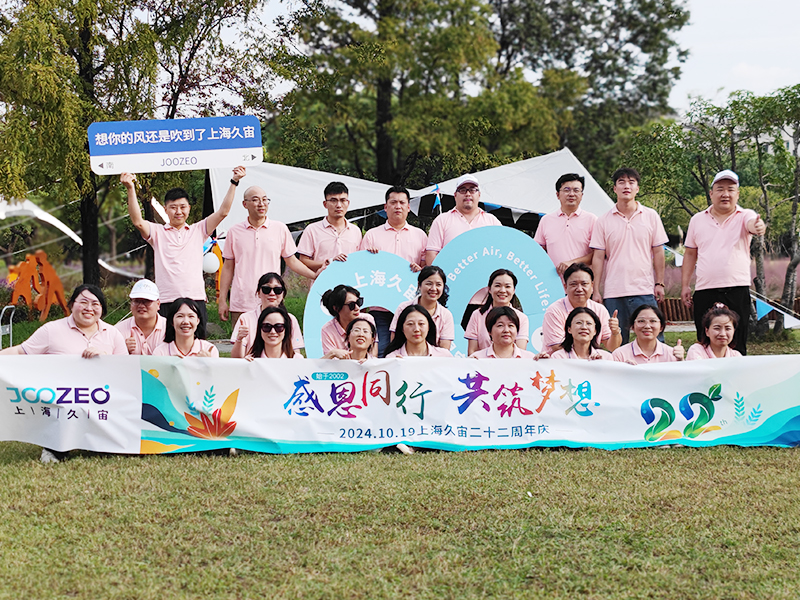
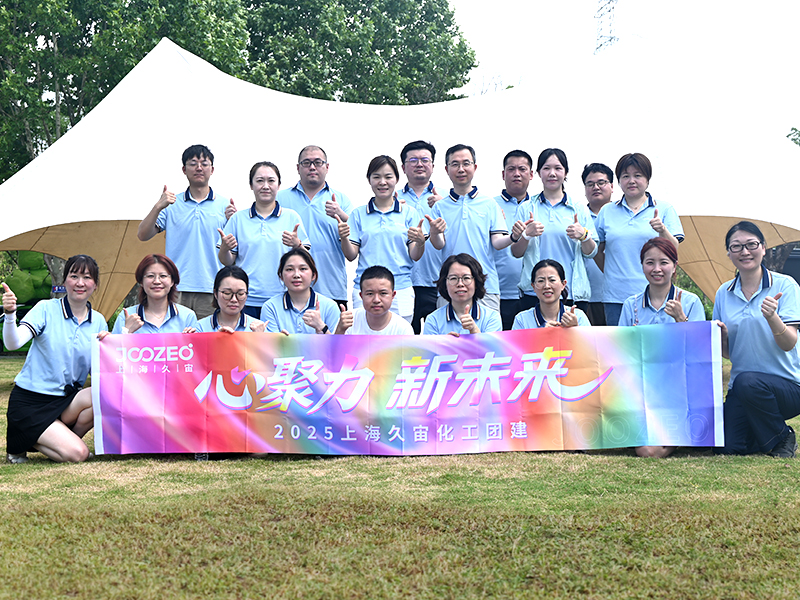
Established in the heart of Shanghai, Jiuzhou has adhered to the principles of strict quality control and perpetual innovation, delivering world-class adsorbents globally.
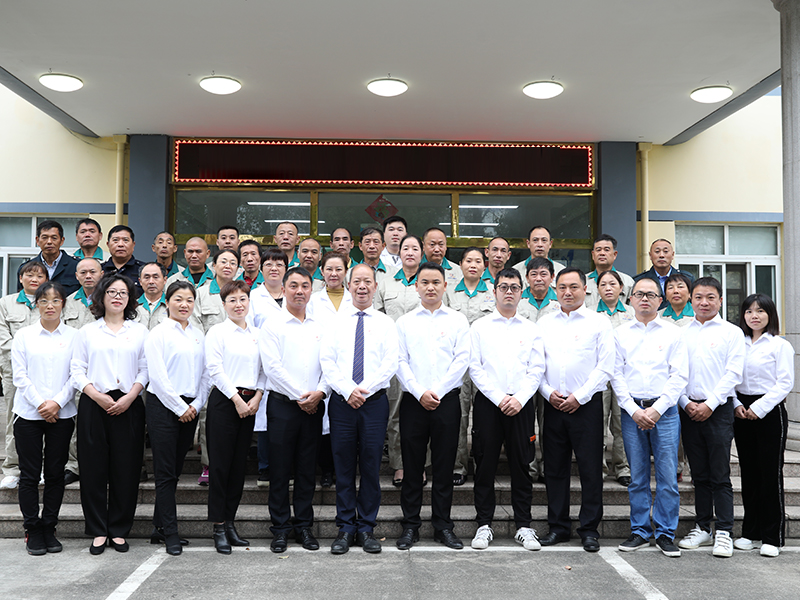
Shanghai Jiuzhou Chemicals Co., Ltd. is located in the primary Economic Development Zone of Shanghai. Over the decades, we have committed ourselves to the development, manufacturing, and global supply of premium-grade chemical products. Our extensive catalog includes various molecular sieve powders, active powders, activated alumina, aluminum oxide catalysts, ceramic ball packing, sodium silicates, aluminum hydroxide, zeolite 4A, sodium carbonates, and specialized chemical agents. All operations conform strictly to ISO9001:2008 and are audited by TUV and SGS.
Adsorption technologies are highly contextual. Depending on geographical climate, energy costs, and regulatory frameworks, lithium molecular sieves are deployed across distinct specialized applications:
Within healthcare facilities and home-care oxygen concentrators, our Oxygen Molecular Sieve JZ-OI is highly favored. It allows manufacturers to design smaller, lighter, and more energy-efficient portable oxygen concentrators (POCs) that perform exceptionally well even in high-humidity local environments.
For steelmaking, glass manufacturing, and municipal wastewater treatment plants, large-scale VPSA generators demand high-performance molecular sieves with excellent crush strength. Jiuzhou’s advanced lithium-X formulations prevent dust formation, extending mechanical lifetimes while ensuring optimal nitrogen capacity.
In high-altitude regions (e.g., aerospace and defense) and cold climates, air density and temperature affect kinetic absorption rates. Our low-temperature lithium zeolite formulas maintain exceptional adsorption capacity even at sub-zero temperatures, ensuring stable gas delivery.
Our manufacturing architecture leverages dual-site production facilities. Together, they achieve highly optimized production capacity and provide resilience against global supply chain disruptions.
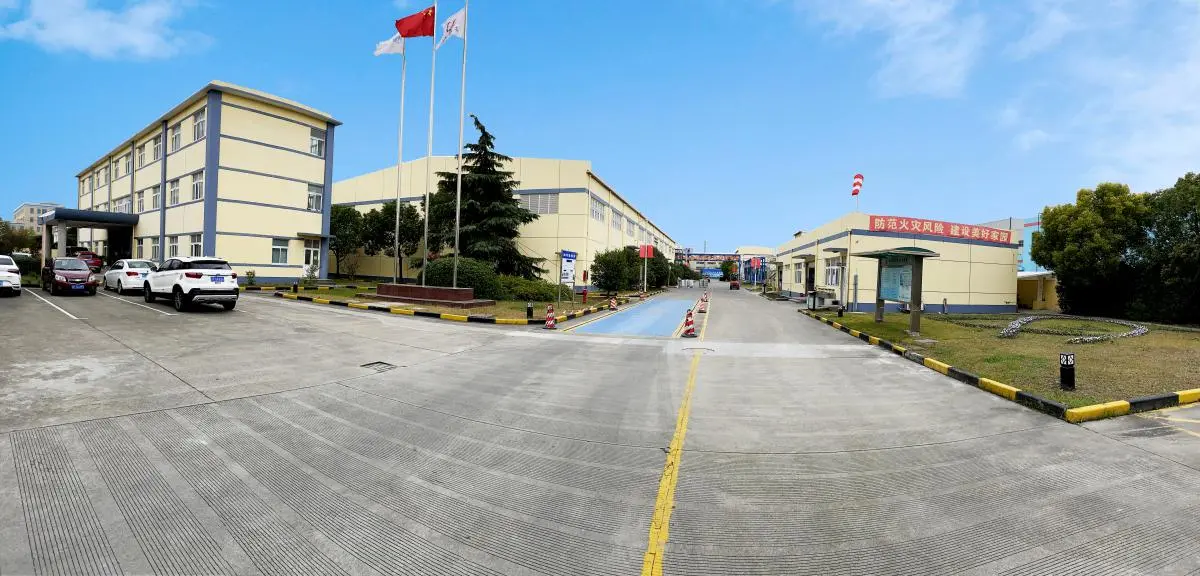
Focuses on advanced material engineering, customized formulations, dynamic adsorption laboratories, and international logistics. It serves as our central chemical research hub, establishing raw material standards and quality assurance benchmarks.

Optimized for high-volume calcination, shaping, and activation of zeolite materials. Wuxi features state-of-the-art automated rotary kilns and dynamic laboratory test beds that ensure physical integrity, uniform bead size, and precise lithium exchange rates.
Our research and development team is actively charting the next generation of synthetic zeolites. Over the next decade, the industry transition will focus heavily on reducing the regeneration energy of lithium molecular sieves.
1. Binderless Zeolite Development: By eliminating inert binders in the bead-forming process, we are targeting a 20-30% increase in active adsorbent density. This allows for even smaller vessel sizing in oxygen generators.
2. High Lithium-Exchange Precision: By implementing advanced ion-exchange monitoring systems, we ensure that our lithium exchange rates consistently exceed 98%, minimizing inactive sodium phase residues.
3. Decreased Desorption Energy: Modifying the crystal cage framework to allow rapid nitrogen release during purging cycles, minimizing energy loss in industrial PSA vacuum pumps.
Through our core principles of 100% Quality Control and 100% Innovation, we have introduced closed-loop lithium extraction systems within our factories. This process recycles excess lithium wash waters, drastically reducing chemical waste while lowering manufacturing overhead.
Our company motto, "Better air, Better life", drives us to push boundaries in gas purification, reducing industrial carbon footprints on a global scale.
Our manufacturing and processing units benefit immensely from China's fully integrated industrial ecosystem. From local availability of high-purity raw materials (aluminate, silicate, and lithium compounds) to immediate access to deep-water ports in Shanghai, we guarantee lead times that competitors struggle to match.
Jiuzhou maintains long-term structural partnerships with localized lithium processors, securing uninterrupted raw material supply even during periods of global mineral volatility.
All molecular sieves are hermetically sealed in heavy-duty steel drums or flexible intermediate bulk containers (FIBCs) with internal aluminum foil moisture barriers to guarantee zero moisture pre-absorption during long-distance shipping.
Our central laboratories execute strict XRD (X-ray Diffraction) structural testing and ICP (Inductively Coupled Plasma) chemical profiling on every batch of raw zeolite and finished molecular sieve product.
Shanghai Jiuzhou Chemicals is not just a participant; we are an active contributor to the drafting of national and industrial standards for adsorbents, molecular sieves, and compressed air systems.
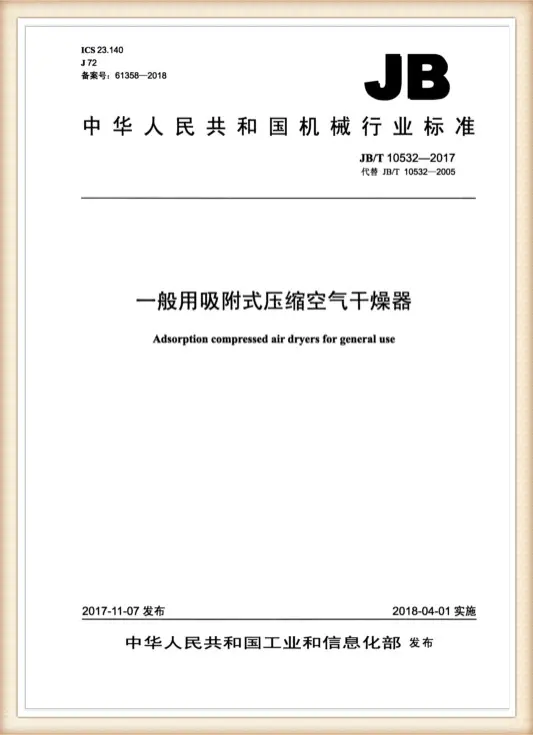
Adsorption compressed air dryers for general use
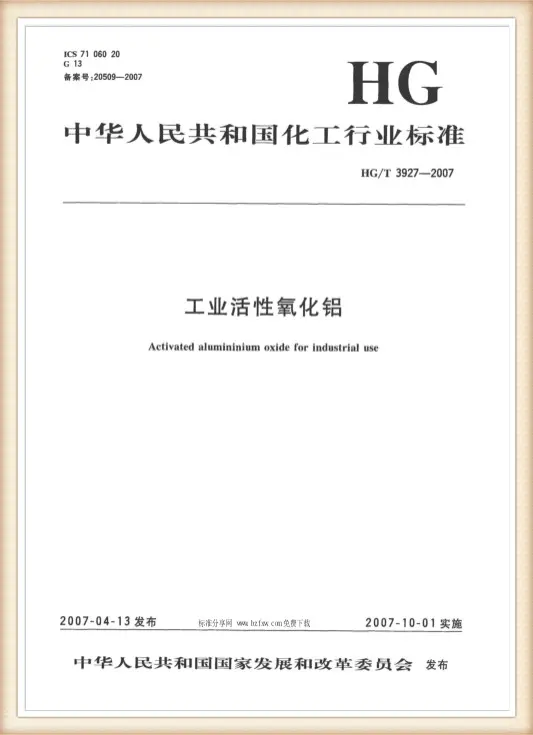
Activated aluminum oxide for industrial use
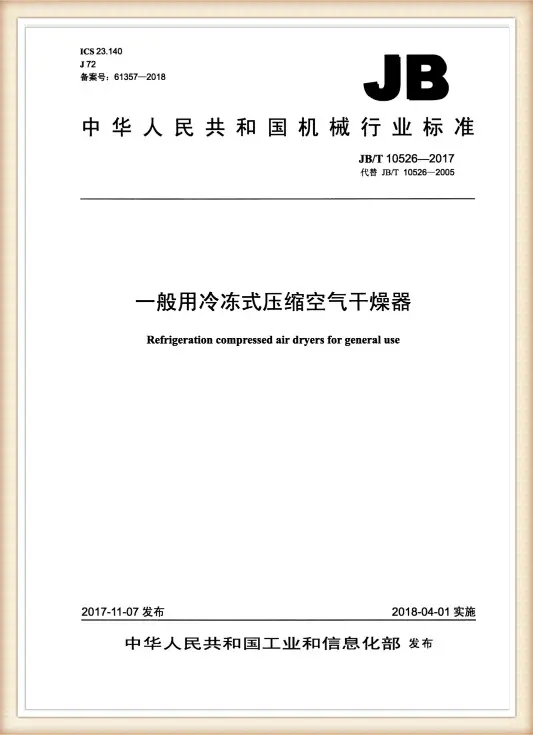
Refrigeration compressed air dryers for general use
Industrial performance standard framework
Adsorbent chemical manufacturing compliance
Green development standards for chemical materials
"Better air, Better life" is the underlying mission behind all our chemical formulations. We maintain sustainable manufacturing footprints across all operations.