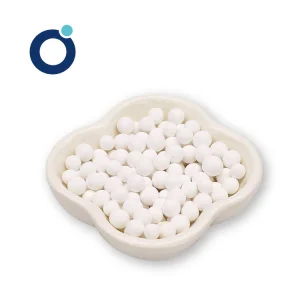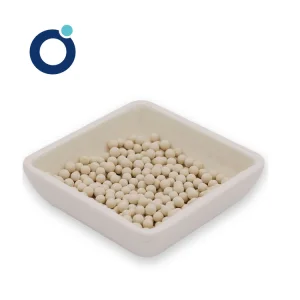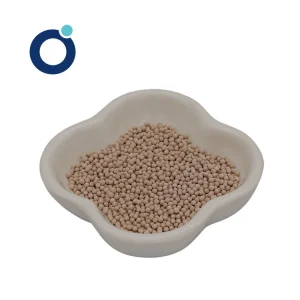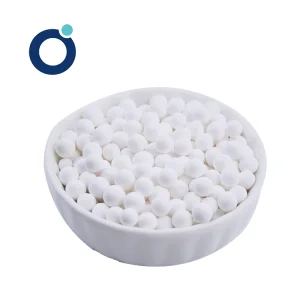
Exclusively manufactured and calibrated to optimize moisture mitigation, dew-point depression, and structural integrity in double and triple glazing assemblies.
A technical examination of dual-seal dynamics, VOC mitigation, and thermodynamic stabilization in modern structural glazing.
The global construction and building envelope sectors are undergoing a massive transformation, driven by demands for structural energy efficiency and carbon neutrality. Insulating Glass (IG) units, which serve as the foundation of modern high-rise facades and energy-efficient residences, rely on advanced material science to maintain their performance over decades of thermal cycles.
At the center of this reliability is the Dual-Seal Barrier System. The primary seal (typically Polyisobutylene, or PIB) acts as a low-permeability shield against moisture ingress and noble gas (Argon/Krypton) escape. The secondary seal (Silicone, Polyurethane, or Polysulfide) provides the structural strength to resist negative wind load, gravitational shear, and thermal expansion pressures.
However, the chemical link that binds this seal system to the glass is highly sensitive. The presence of residual moisture inside the cavity can lead to permanent internal condensation, chemical attack on Low-E coatings, and seal degradation. Thus, structural adhesives must work hand-in-hand with highly engineered adsorbents, such as 3A molecular sieves, to manage the dew point within the space.
Standard 4A zeolites possess pore apertures large enough to co-adsorb atmospheric nitrogen and argon gas. When temperatures fluctuate, these gases are adsorbed and desorbed, creating severe internal pressure changes. This causes "glass bowing" and eventually leads to structural joint failure.
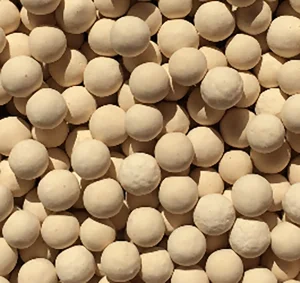
By using highly calibrated 3A Molecular Sieves (such as JOOZEO's JZ-404B), the pore size is strictly limited to 3 Angstroms. This selectively traps water molecules (2.8 Å) while ignoring nitrogen and argon, keeping pressure within the system stable and ensuring the adhesive bonds remain strong.
Delivering high-efficiency adsorption technology and premium chemical additives to standard-setting businesses worldwide since 1994.
Shanghai Jiuzhou Chemicals Co., Ltd. is located in Shanghai, the largest economic development city in China. Over the years, Jiuzhou has always adhered to the “quality control, innovation” principles, and remains committed to the development, research, and manufacturing of high-quality innovative chemical products.
Our core portfolio includes various molecular sieve powders, molecular sieves, activated powder, activated alumina, aluminum oxide catalysts, different types of alumina packing and ceramic balls, sodium silicates, aluminum hydroxide, zeolite 4A, sodium carbonates, and SLES. All of our products have passed the ISO9001:2008 Quality Management System Certification as well as international TUV & SGS Certifications.
With a professional and world-class research team, Jiuzhou operates advanced automated production lines and central laboratories equipped with high-precision analytical instruments. This ensures our chemical products consistently meet international quality requirements and function flawlessly in extreme industrial environments.
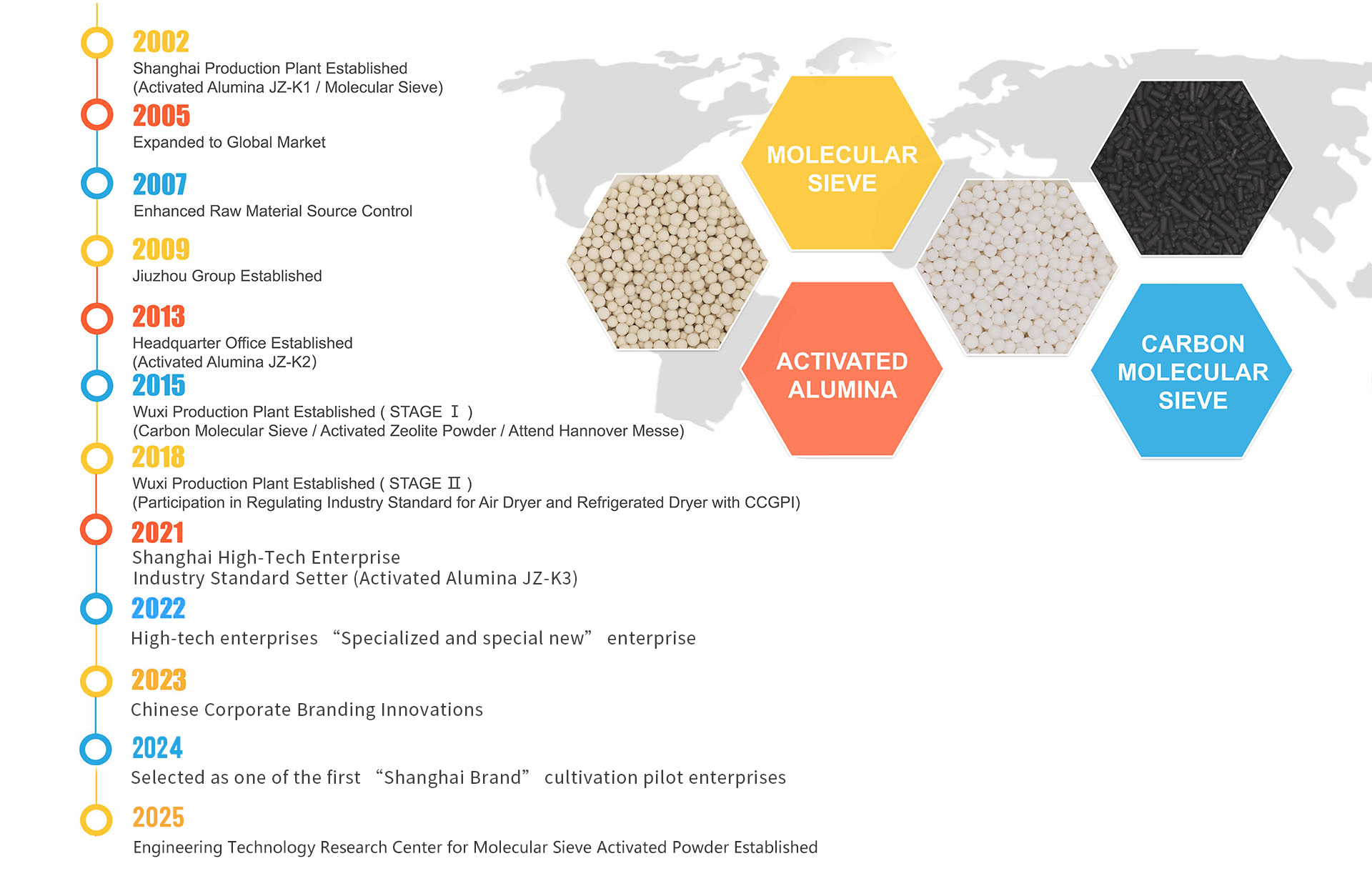
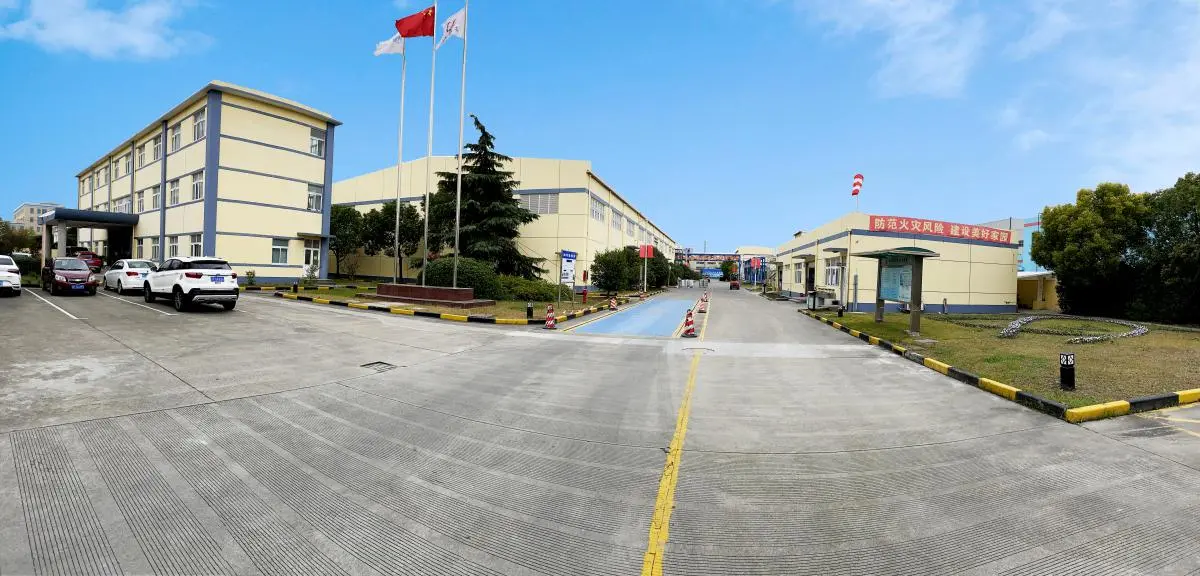
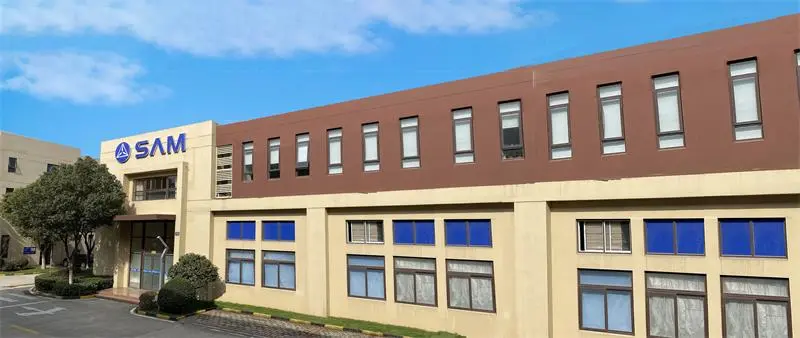
How JOOZEO leverages vertical manufacturing integration and fast shipping networks to support global supply chains.
Our proximity to major domestic raw material basins in China helps us bypass global supply chain volatility. By sourcing and refining key silicate and aluminate precursors locally, we can keep production costs stable and run continuous manufacturing processes even when global markets are fluctuating.
Both our Shanghai and Wuxi production facilities use programmable PLC controls that monitor kiln heating, particle sieving, and seal-proof packing in real time. This high level of automation allows us to quickly adjust pore size, bead geometry, and density profiles to match unique buyer specifications.
Our location in Shanghai provides direct access to one of the world's largest container shipping hubs. This geographic advantage shortens inland transit times, lowers logistics costs, and allows us to offer flexible, reliable shipping options to Europe, the Americas, and Southeast Asia.
We don't just follow requirements; we actively participate in drafting the standards that govern the Chinese chemical and adsorption industries.
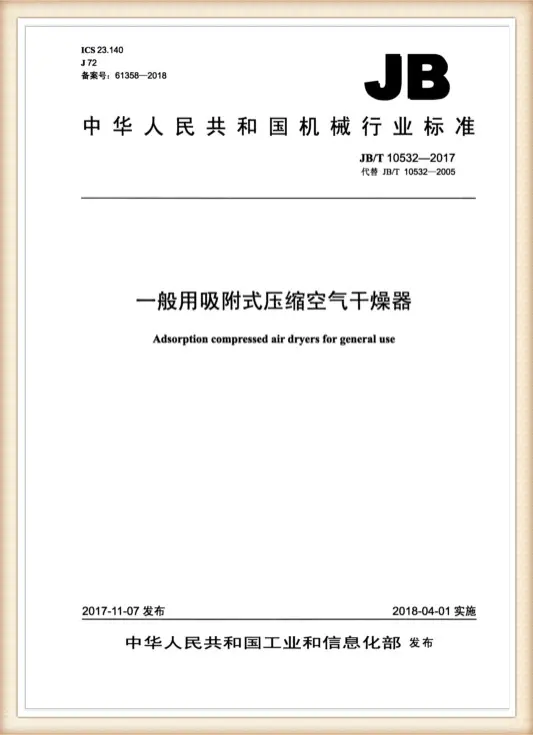
JB / T 10532-2017
Adsorption compressed air dryers for general use
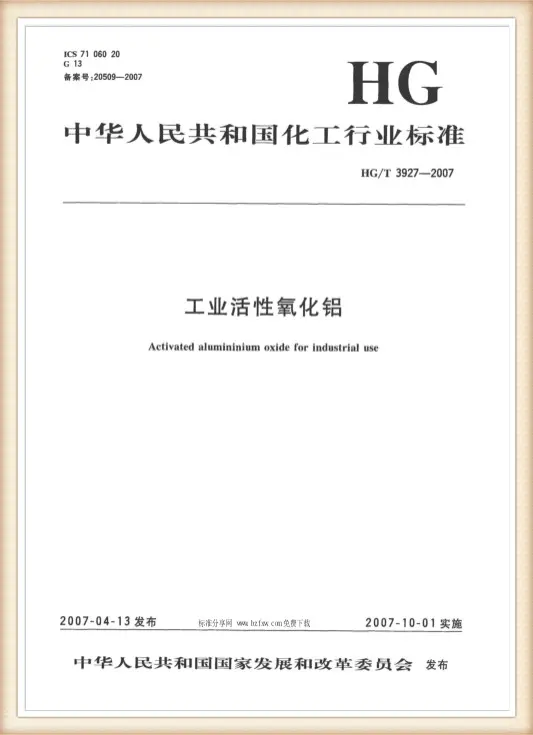
HG / T 3927-2007
Activated aluminium oxide for industrial use
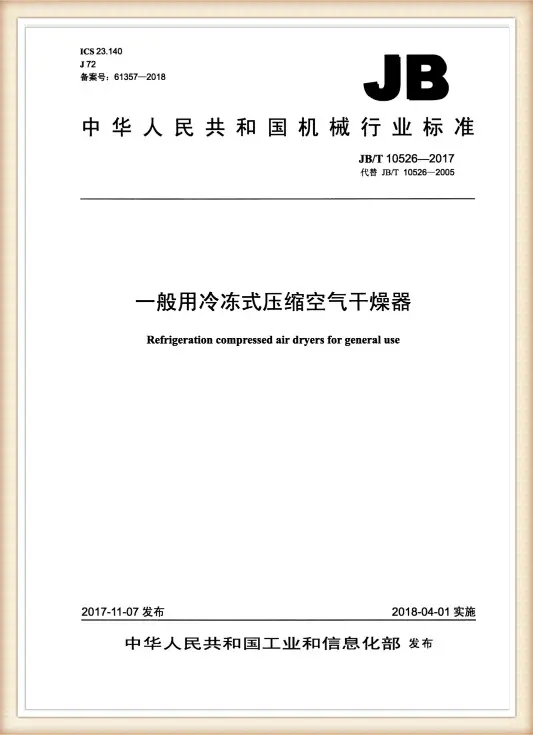
JB / T 10526-2017
Refrigeration compressed air dryers for general use
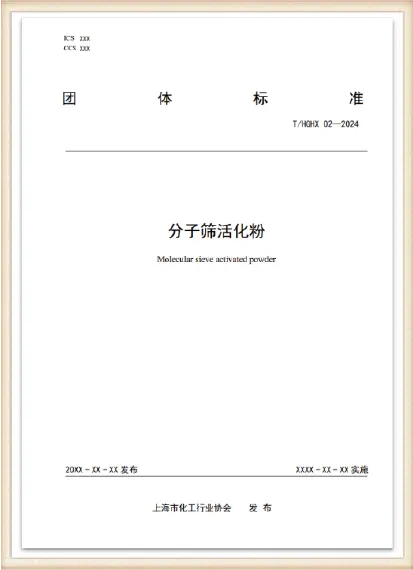
T/CGMA1201-2024
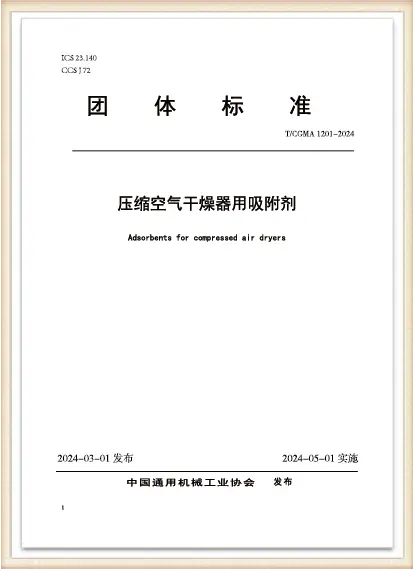
T/HGHX 02—2024
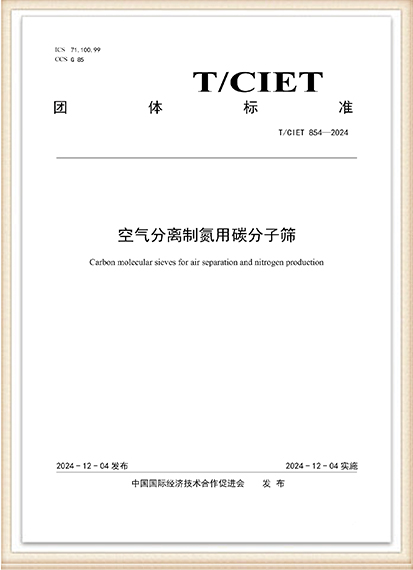
T/CIET 854-2024
Engineering sealant and desiccant systems to withstand extreme weather conditions, wind loads, and chemical exposure.
Modern architectural designs demand glazing systems that perform reliably in any climate. In high-humidity tropical areas, moisture vapor transmission rates (MVTR) through primary sealants rise significantly. Without high-adsorption capacity desiccants, the seal systems in these environments would fail within a few years.
Similarly, structural glazing in extreme cold zones experiences constant expansion and contraction stresses. The secondary seal must remain elastic and securely bonded to the glass to prevent moisture ingress. By keeping the air space clean and dry, our adhesives and desiccants prevent internal frost and structural degradation.
This reliable moisture control also protects sensitive low-emissivity (Low-E) metal coatings inside the IG unit from oxidation, helping the system maintain its designed thermal insulation value (U-value) for decades.
| Adsorbent Grade | Target Adsorbate | Pore Size | Primary Application |
|---|---|---|---|
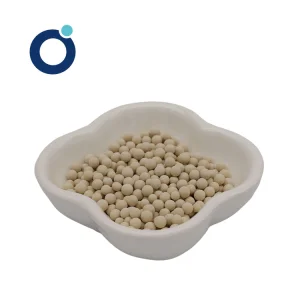
| JZ-404B (Molecular Sieve) | H₂O (Water Vapor) | 3 Å | Insulating Glass Desiccant (Argon filled) |
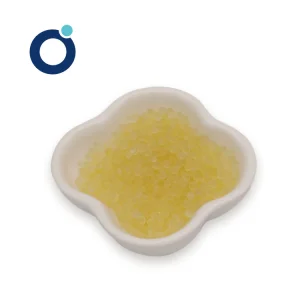
| JZ-WSG (Silica Gel) | Liquid Water / Moisture | Variable | Water-resistant dynamic dehumidification |
| JZ-SAG (Alumina Silica) | Heavy Polar Hydrocarbons | Medium | Industrial gas drying and purification |
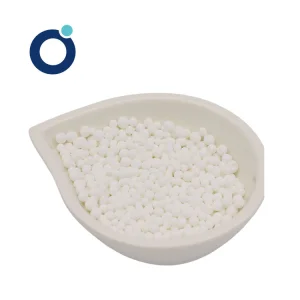
| JZ-K2 (Activated Alumina) | Acidic residues & moisture | High porosity | Air separation and desiccant air dryers |
"Better air, Better life" — We design chemical manufacturing systems that prioritize low carbon footprints, clean energy, and environmental sustainability.




Deep engineering answers on chemical compatibility, dew point mitigation, gas adsorption, and long-term durability standards.
A 4A molecular sieve has a pore opening of approximately 4 Angstroms. This is large enough to adsorb nitrogen, oxygen, and noble gases like Argon. As temperatures fluctuate, the molecular sieve will continuously adsorb and release these gases, causing significant pressure variations inside the sealed unit. This pressure can cause the glass to bow inward or outward, distorting reflections and placing severe stress on the secondary sealant. Over time, this stress leads to seal failure, gas leakage, and condensation. A 3A molecular sieve, with its 3-Angstrom pore size, selectively adsorbs only water vapor, avoiding these pressure issues.
The primary seal (usually Polyisobutylene or PIB butyl) acts as the main barrier against gas and moisture transmission. It has a low moisture vapor transmission rate (MVTR) and keeps argon gas locked inside the unit. However, PIB has very low structural strength. The secondary seal (such as silicone, polyurethane, or polysulfide) is applied over the primary seal to provide the necessary mechanical strength. It holds the glass sheets together, transfers structural wind loads, and accommodates movement caused by thermal expansion and contraction. Both seals must work together to ensure the system performs reliably over the long term.
Chemical fogging is caused by volatile organic compounds (VOCs) outgassing from sealants, spacer corner connectors, or decorative grills inside the glass unit. When temperatures drop, these vapors condense on the cooler glass surface, creating an oily film that cannot be cleaned. To prevent this, manufacturers must use low-VOC adhesives and high-purity molecular sieves that are free from organic contaminants. Additionally, the molecular sieve must have a high capacity to adsorb trace organic compounds that might be released during the curing process.
Argon gas is used to improve the thermal insulation (U-value) of insulating glass units. The European EN 1279-3 standard regulates gas leakage rates, specifying that an IG unit must lose less than 1% of its gas content per year. High gas loss rates quickly reduce the unit's energy efficiency. To meet this standard, the primary PIB seal must form a continuous, defect-free barrier, and the secondary sealant must adhere securely to both the glass and the spacer, preventing gas from slowly diffusing out at the edges.
The water adsorption capacity determines how much moisture the molecular sieve can hold before it saturates. Even with a high-quality sealant, small amounts of moisture slowly diffuse into the air space over time. If a molecular sieve has a low adsorption capacity (or is compromised by dust and impurities), it will reach saturation quickly. Once saturated, moisture will remain in the air space, leading to internal condensation and eventual unit failure. Using high-capacity 3A molecular sieves helps extend the functional life of the glazing system to 25 or 30 years.
Key parameters include chemical compatibility, adhesion strength, and cure rates. If the spacer adhesive and secondary sealant are incompatible, plasticizers can migrate between the materials, causing the primary butyl seal to soften, slip, or liquefy. Manufacturers should perform peel adhesion tests, track changes in hardness, and conduct UV exposure tests (such as ASTM C1249) to ensure that the chemical bonds remain stable and do not degrade under sun exposure and temperature cycling.
Preserved original specifications to ensure your production processes meet global quality and environmental standards.
Have questions or need technical support? Contact us today. Our engineering team typically responds within 24 hours.
Send Request