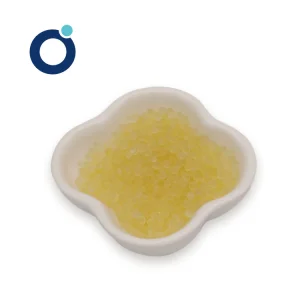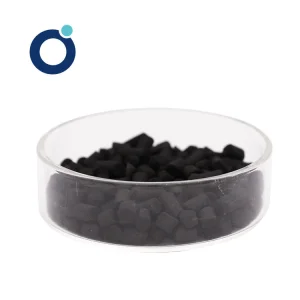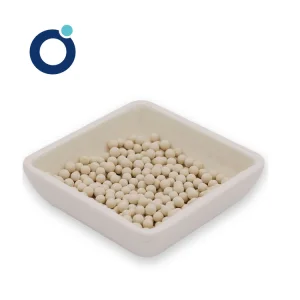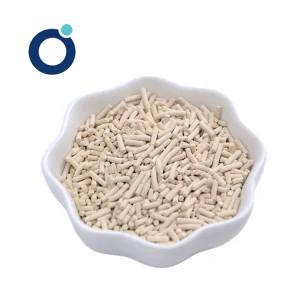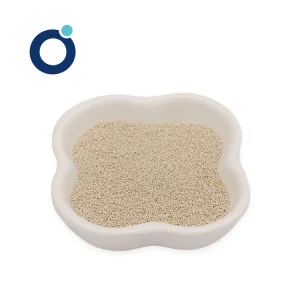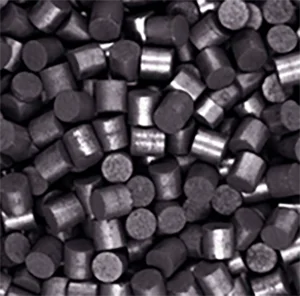
Explore our elite selection of custom-engineered molecular sieves, silica gels, and industrial chemical solutions tailored for global distribution.
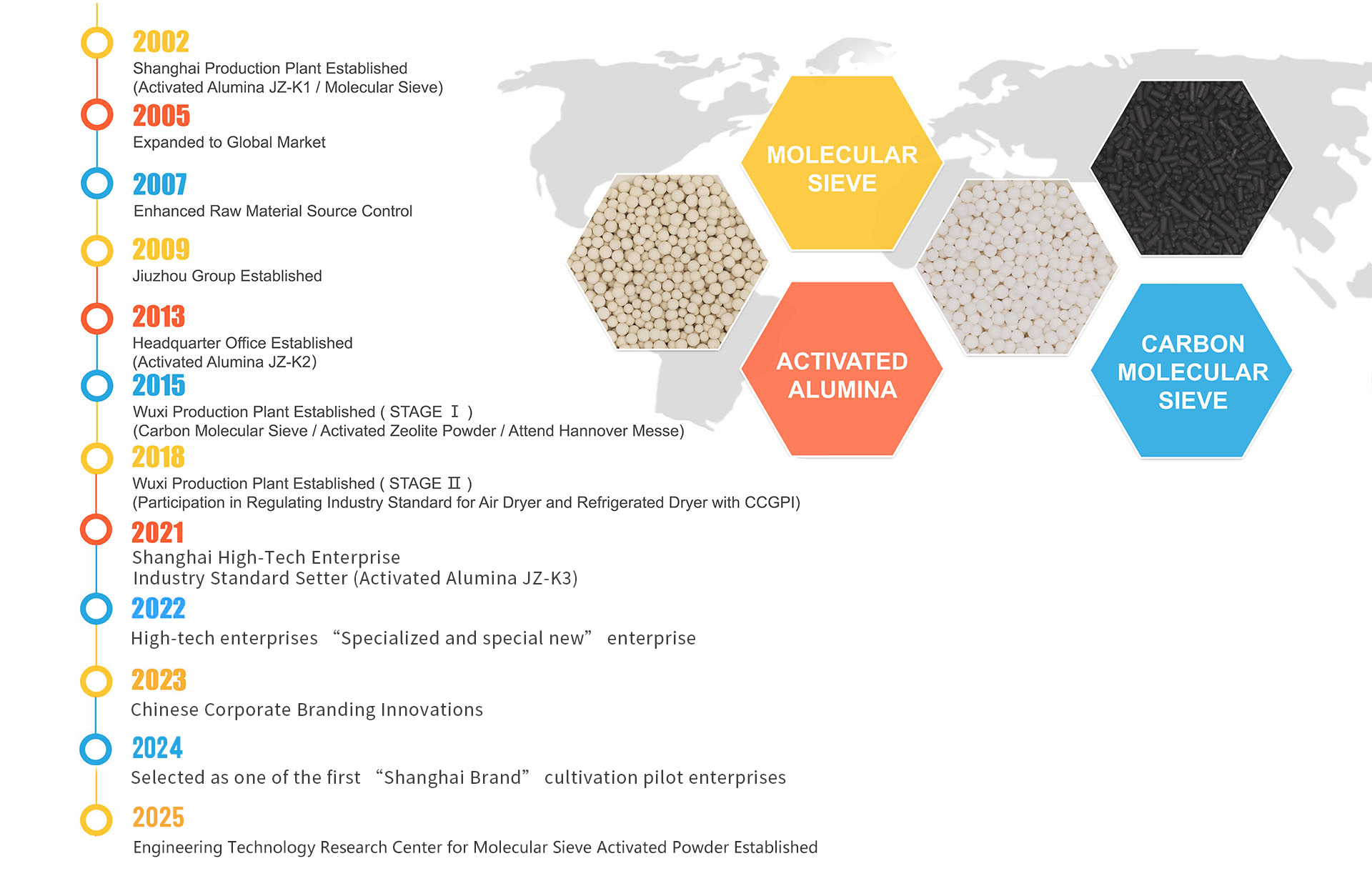
Shanghai Jiuzhou Chemicals Co., Ltd. is strategically situated in Shanghai, China's premiere Economic Development and industrial logistics hub. Over the years, Jiuzhou has consistently adhered to the "quality control, innovation" principles, establishing itself as a pioneer in the developmental research, synthesis, and precision engineering of high-quality molecular sieves, adsorbents, and advanced catalysts.
Our core product matrix encompasses specialized molecular sieve powders, engineered molecular sieve spheres and pellets, activated powders, activated alumina, aluminum oxide catalysts, various ceramic and alumina packing solutions, sodium silicates, aluminum hydroxide, zeolite 4A, sodium carbonates, and SLES. Certified under ISO9001:2008 and audited by TUV & SGS, our chemical products fulfill the rigorous quality boundaries dictated by global chemical standards.
Equipped with a world-class in-house R&D team and dynamic laboratories hosting state-of-the-art analytical equipment, Joozeo translates chemical science into highly stable, eco-friendly industrial adsorption solutions. Through our global distribution network extending across the United States, Southeast Asia, Japan, Europe, South America, and the Middle East, we support multi-scale plants in achieving optimized energy management and purification efficiency.
With high-capacity manufacturing lines located in key industrial corridors, we ensure stable material supply and strict quality controls.
Maintaining a 100% Quality Control standard through raw material inspection, precise thermal activation mapping, and standard batch screening.
Consistently investing in advanced zeolite pore structures, functional binders, and novel synthesis mechanisms to push performance limits by 100%.
Strategic localized distribution hubs allowing customized adsorption solutions to reach clients in North America, Europe, and Asia rapidly.
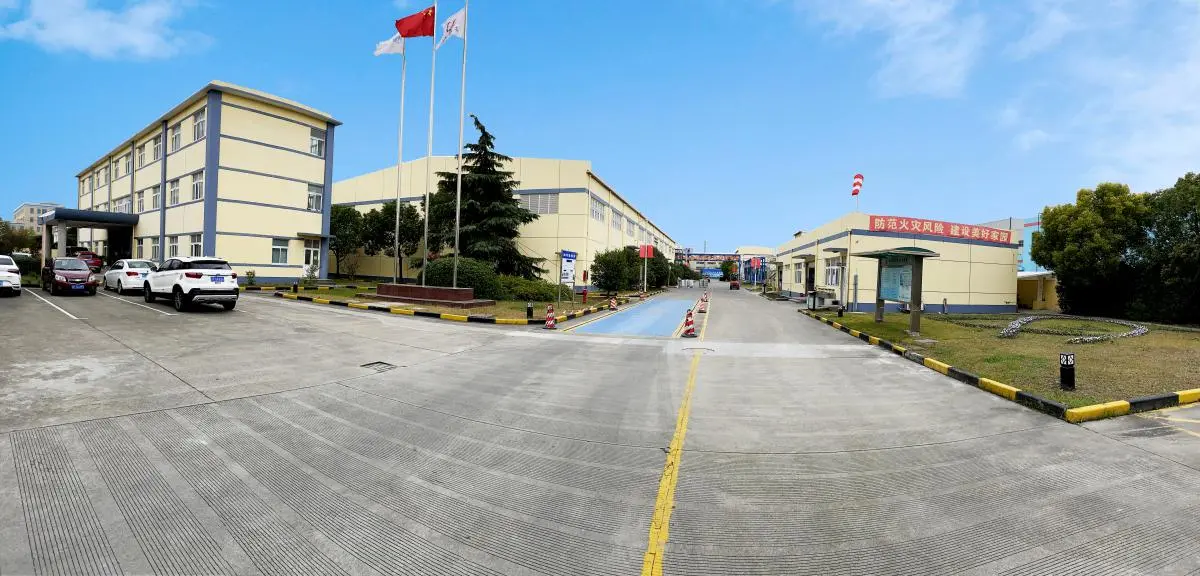
Shanghai Production Base

Wuxi Industrial Park
Molecular sieves, primarily crystalline metal aluminosilicates, are characterized by highly defined, three-dimensional porous networks. The design principles governing these materials depend on targeted pore sizing, select cation exchanges, and structural topology (e.g., LTA, FAU, or MFI frameworks). As global energy markets demand higher purity thresholds and reduced operational footprints, the engineering process behind custom zeolites has progressed from simple physical isolation to molecular-level affinity engineering.
At the center of high-performance molecular sieve design is the ability to target the kinetic diameters of specific gas molecules. For example, in air separation configurations, a lithium-exchanged low-silica X-type zeolite (ZMS9) leverages localized electrostatic fields to selectively adsorb nitrogen over oxygen, delivering high-purity medical and industrial oxygen. Alternatively, in petrochemical refineries, pore control at the 3Å to 5Å range isolates trace moisture and contaminants from complex hydrocarbon feeds without co-adsorbing light olefins like ethylene or propylene.
Modern manufacturing utilizes advanced hydrothermal crystallization to regulate crystal sizing, preventing macro-impurity phases while securing optimal mechanical strength and low dust indexes. Minimizing structural binders—which act as inert flow-restrictors—is key. Binderless technologies enable molecular sieve beds to operate at higher volumetric capacities, saving energy during regeneration cycles and reducing bed sizing requirements.
Across the globe, industrial gas cleaning, petrochemical processing, and environmental management sectors are facing tougher purity regulations. In North America and Europe, the surge in renewable natural gas (RNG) and green hydrogen generation has triggered a high demand for carbon molecular sieves (CMS) and silica gels for Pressure Swing Adsorption (PSA) purification. Localized applications, such as dehydration systems in winter-affected regions, require sieves with superior hydrothermal stability to prevent crystalline collapse during frequent temperature swing regeneration loops.

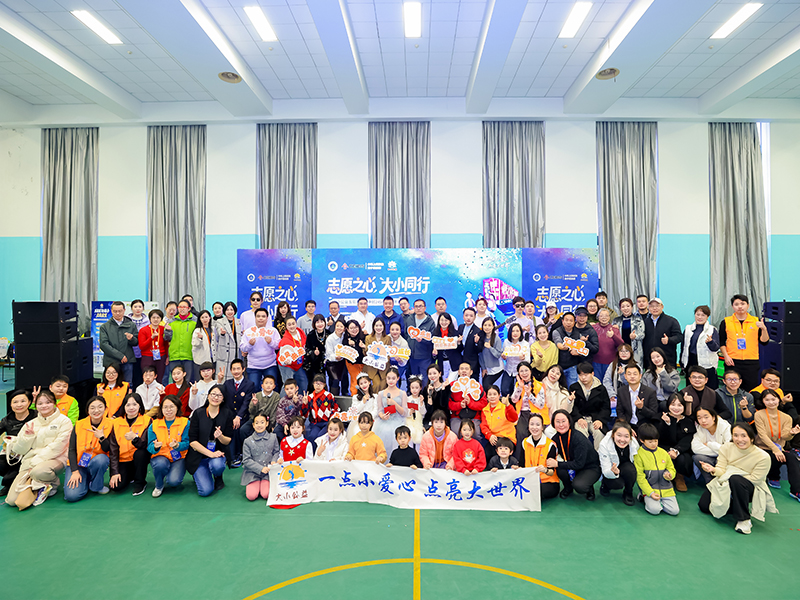
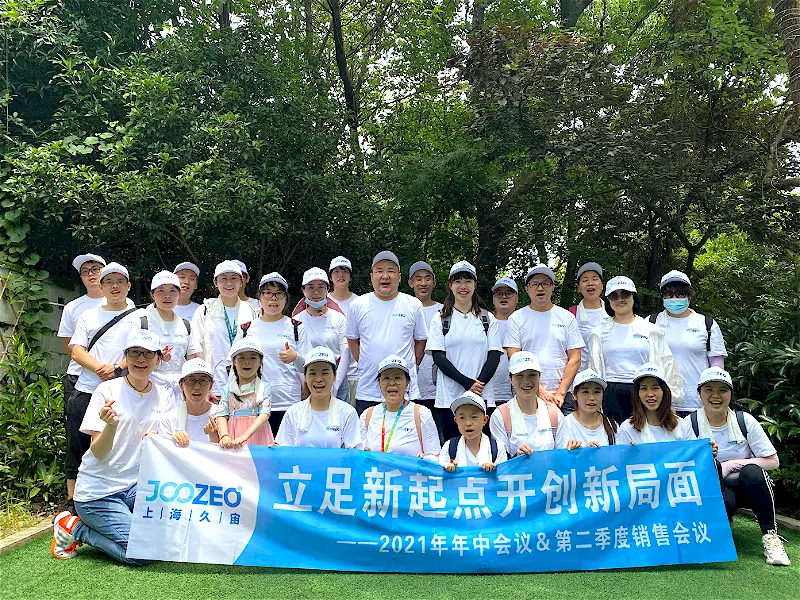
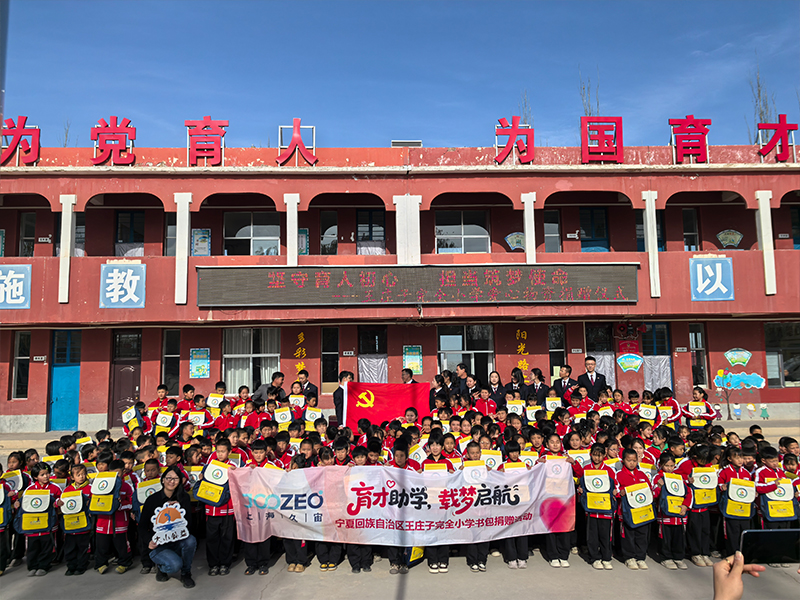
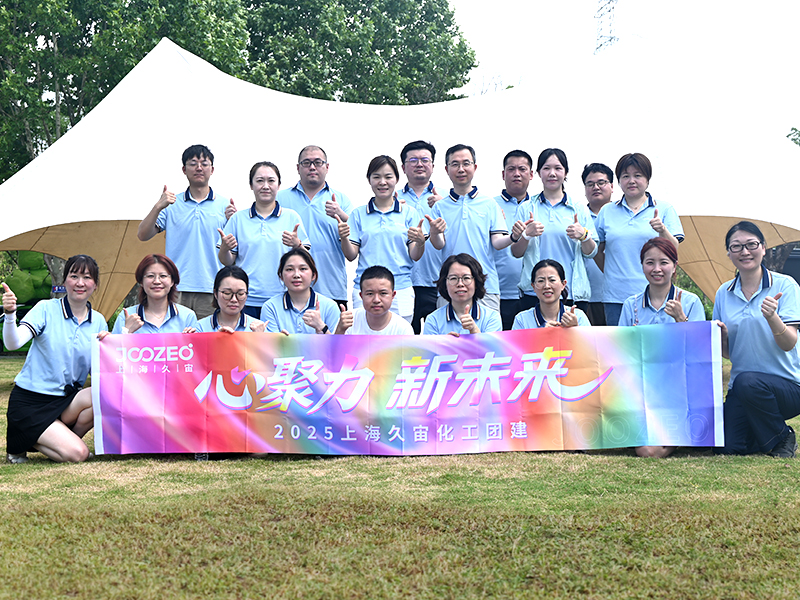
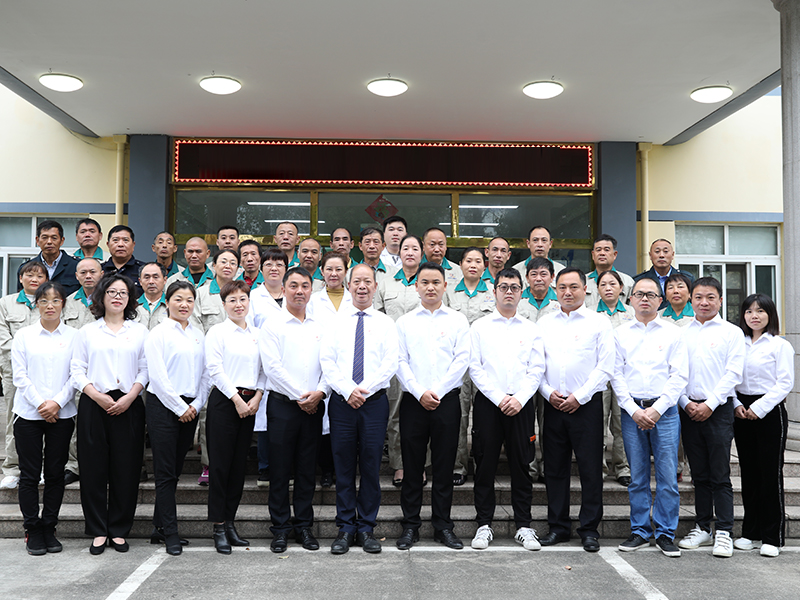

Better air, Better life. Joozeo believes that industrial chemical manufacturers must act as environmental stewards. Dehydration and separation technologies directly impact environmental footprints by saving energy, capturing carbon, and removing VOCs. This philosophy shapes every step of our manufacturing process, from minimizing energy use during zeolite synthesis to engineering materials that last longer and reduce waste.
As an industry leader, Joozeo does not just follow standard practices; we help define them. We actively shape regional and national standards, ensuring that modern adsorption technology meets the safety and efficiency requirements of future industrial installations.
Joozeo participates in setting and revising key national and industrial benchmarks, reflecting our commitment to technical precision and reliability.
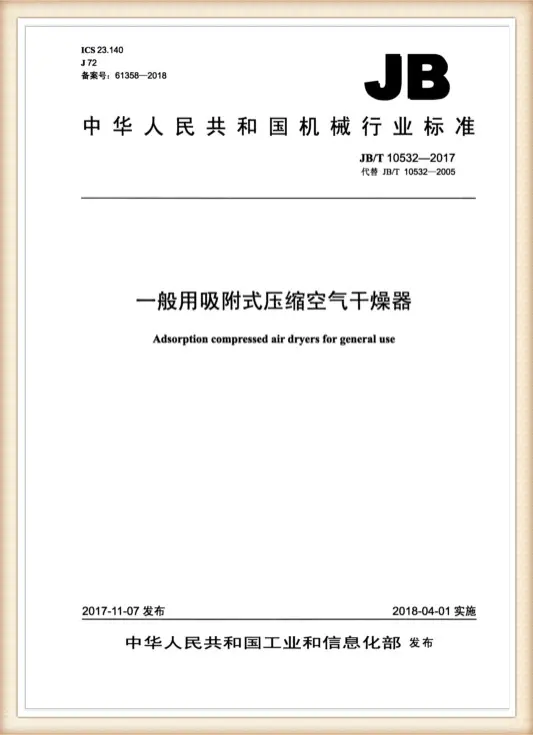
Adsorption compressed air dryers for general use.
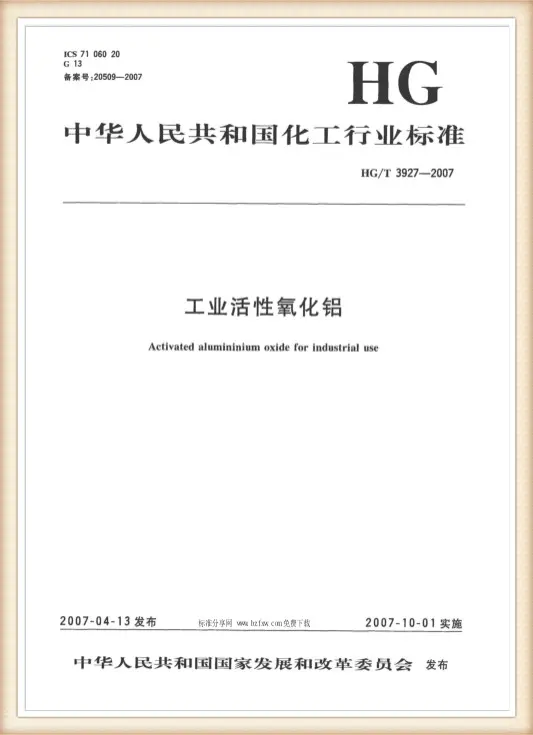
Activated aluminum oxide for industrial use.
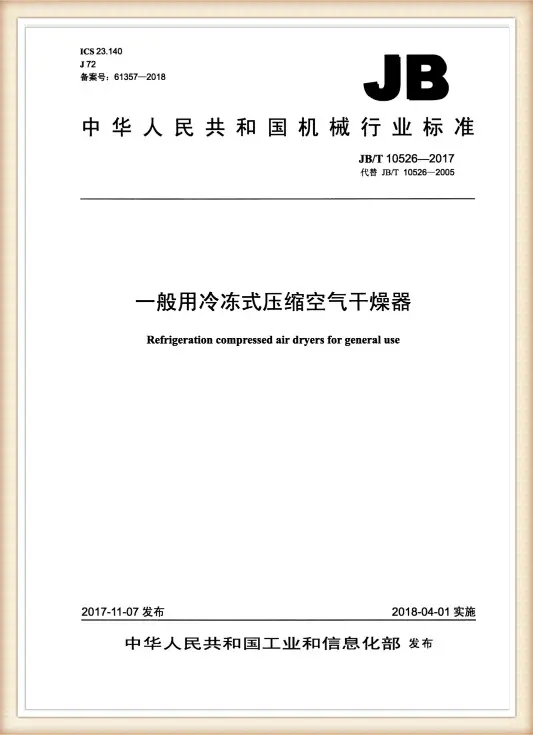
Refrigeration compressed air dryers for general use.
Advanced standard framework for machinery and gas purification technologies.
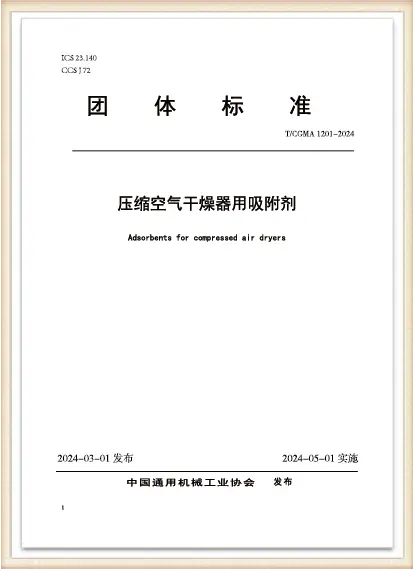
Chemical composition, analysis methods and standards for industrial desiccants.
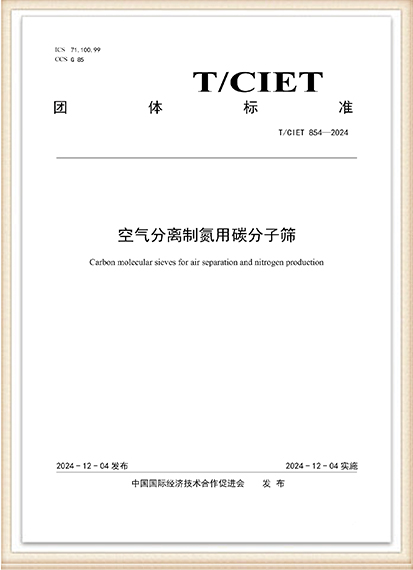
Green manufacturing & carbon footprint assessment framework for chemical products.
To meet the demands of advanced chemical plants, our technical roadmap targets three core areas: increasing spatial efficiency, extending hydrothermal lifespan, and minimizing carbon footprints. As energy operations transition to lower emissions, separation systems must run at peak efficiency with minimal thermal waste.
Using computational chemistry and molecular simulations, we analyze zeolite crystal growth to minimize structural defects. This yields highly uniform pore sizes, maximizing selectivity for molecules like N₂, O₂, H₂O, and CO₂.
By refining the framework's silicon-to-aluminum ratios and modifying structures post-synthesis, our molecular sieves resist high-temperature steam degradation during regeneration, ensuring reliable long-term performance.
We build digital twins of PSA and TSA setups, matching customized adsorbent profiles with specific flow rates, temperatures, and pressures to maximize operational efficiency and reduce bed sizes.
Our ongoing development focus targets carbon capture and storage (CCS) systems, biogas upgrading, and high-performance hydrogen purification. In these applications, gas compositions can vary widely, requiring chemically resilient structures. Our goal is to provide adsorbents that can handle fluctuating moisture levels and corrosive pollutants like hydrogen sulfide (H₂S) without losing structural integrity.
For modern chemical and industrial plants, selecting the right adsorbent is only part of the puzzle. The material must work in harmony with the broader plant design, process conditions, and target output qualities. Joozeo offers comprehensive solutions designed to optimize operations, reduce downtime, and improve recovery rates across key industrial sectors.
Trace moisture in cracked gas, ethylene, or propylene streams can cause catalyst poisoning and freezing in downstream cryogenic operations. Our tailored 3A and 4A molecular sieves provide rapid mass transfer rates and high mechanical crush strength, protecting equipment and maintaining high yields.
Our ZMS lithium-exchanged zeolites are engineered specifically for PSA and VPSA oxygen concentrators. They deliver fast adsorption kinetics and high nitrogen working capacity, allowing manufacturers to build smaller, more energy-efficient oxygen units for hospitals and industrial plants.
Working under standards like JB/T 10532-2017 and HG/T 3927-2007, our dual-bed configurations of activated alumina and molecular sieves deliver reliable dew points down to -70°C. This protection prevents corrosion, scale buildup, and freeze-ups in critical pneumatic systems.
We design specialty carbon molecular sieves (CMS) and modified zeolites to extract clean hydrogen from syngas and capture carbon dioxide from flue streams. These materials feature high structural density and excellent thermal stability to handle challenging cyclic loads.
Technical insights and practical guidance regarding adsorbent selection, application limits, and operating parameters.
Pore size dictates which molecules can enter the zeolite cavity. A 3Å sieve selectively adsorbs water (kinetic diameter ~2.6Å) while excluding larger hydrocarbon chains like ethylene or propylene, preventing co-adsorption and trace chemical polymerization. Selecting the correct pore size ensures targeted adsorption, high purity, and efficient energy usage during regeneration.
Traditional molecular sieves contain 15% to 20% clay binders, which keep the structure together but do not assist in adsorption. Binderless sieves convert these binders into active crystalline zeolite structures. This increases the working capacity by up to 25%, reduces bed footprints, minimizes purge gas requirements, and improves overall system efficiency.
Temperature Swing Adsorption (TSA) regenerates the bed by heating it (often between 200°C and 300°C) to break polar bonds, which is highly effective for removing trace water. Pressure Swing Adsorption (PSA) regenerates the bed by lowering the pressure at near-ambient temperatures, offering rapid cycling times suitable for hydrogen purification and oxygen concentration.
Adsorbent degradation is usually caused by thermal shock, acid contamination, or hydrothermal sintering during regeneration. Using high-purity raw materials, optimized silica-to-alumina frameworks, and installing dynamic guard beds (such as activated alumina) helps absorb heavy liquids and acid gases, extending the life of the primary zeolite bed.
All Joozeo products are certified under ISO9001:2008 and hold TUV and SGS certifications. We actively participate in setting key industry benchmarks, including JB/T 10532-2017 for compressed air dryers and HG/T 3927-2007 for active alumina, ensuring our materials meet or exceed global performance standards.
Explore our high-performance molecular sieves, specialized packs, and catalyst products designed for complex industrial separations.