Explore our premium grade chemical adsorbents, molecular sieves, and custom chemical process formulations engineered to meet international safety and performance standards.
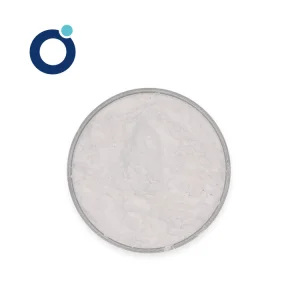
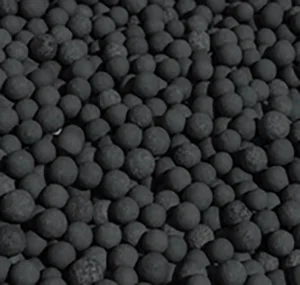
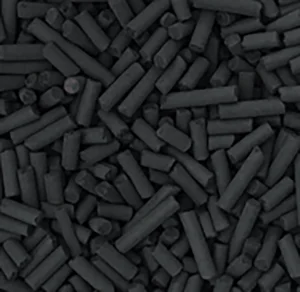
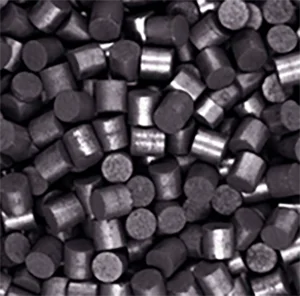
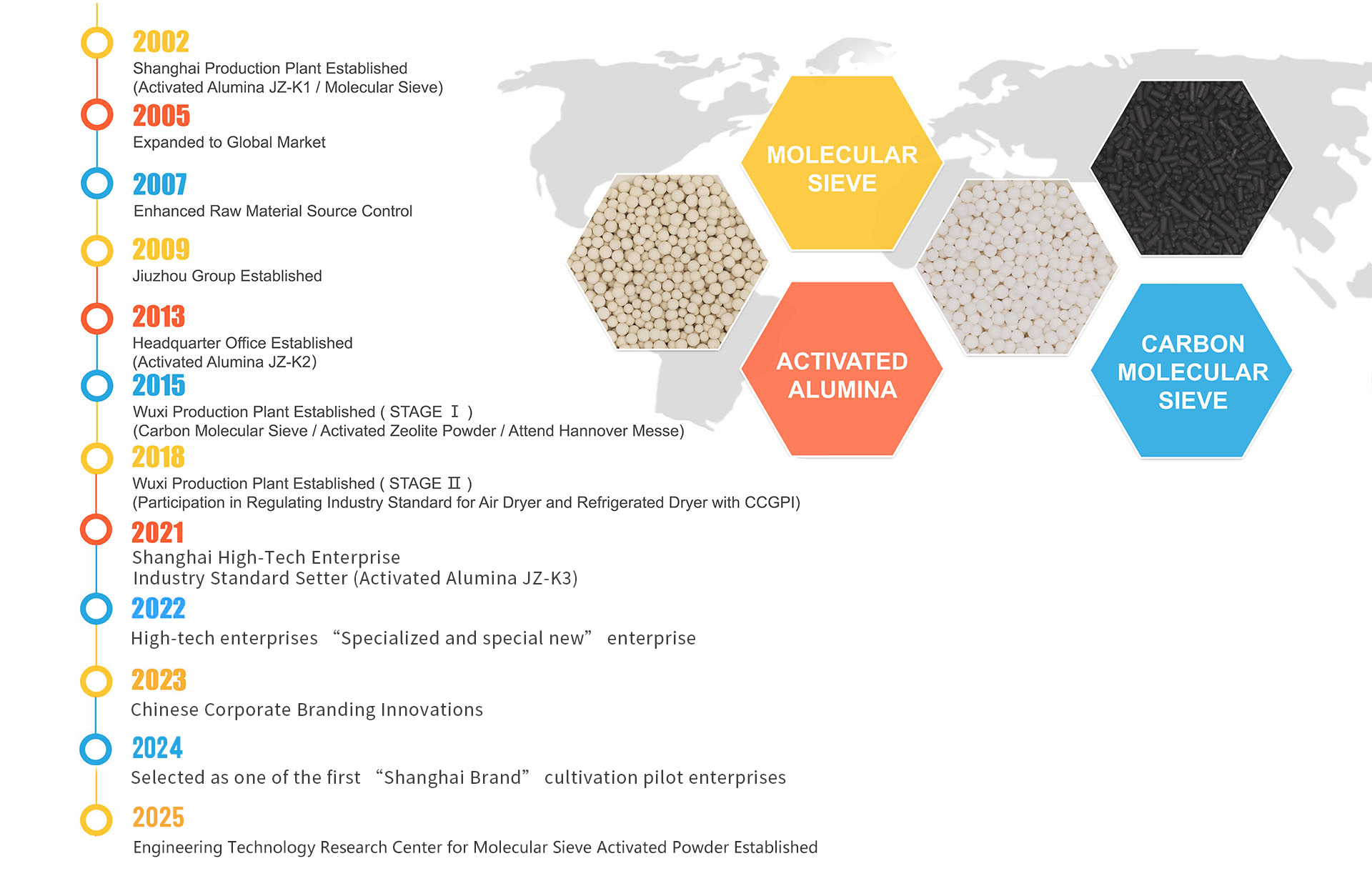
Shanghai Jiuzhou Chemicals Co., Ltd. is strategically situated in Shanghai, China's premier hub for industrial commerce and economic development. Over decades of systematic expansion, Jiuzhou has consistently adhered to the core philosophies of "Quality Control & Continuous Innovation". We remain fully dedicated to the advanced research, custom synthesis, and large-scale manufacturing of high-performance chemical adsorbents, molecular sieves, and catalysts.
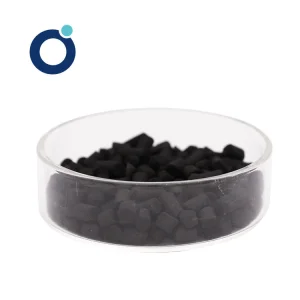
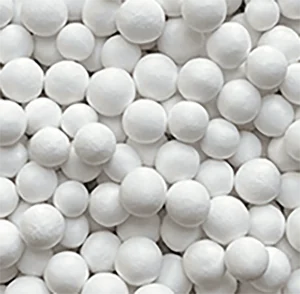
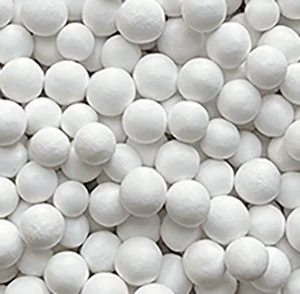
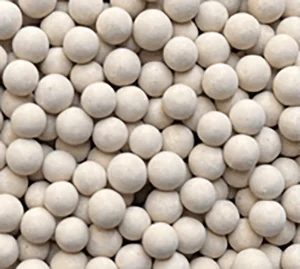
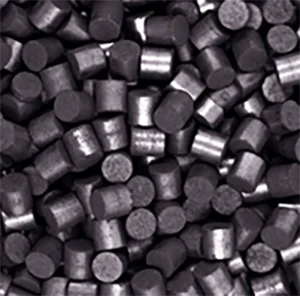
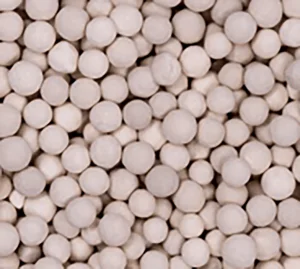
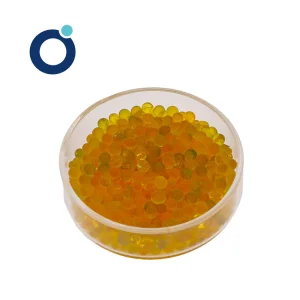
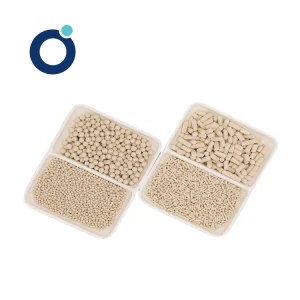
Our expansive product portfolio serves critical process industries worldwide. Key offerings include molecular sieve powders, synthetic molecular sieve beads, activated powders, activated alumina desiccant media, aluminum oxide catalysts, premium-grade ceramic balls and structured alumina packing, sodium silicates, aluminum hydroxide, zeolite 4A, sodium carbonates, and SLES.
Every batch of material processed at our facilities conforms to the stringent parameters of the ISO9001:2008 Quality Management System, validated by top-tier global validation agencies including TUV Rheinland and SGS Group.
Understanding the critical role of synthetic amorphous silica in global manufacturing, catalyst systems, and environmental control.
Modern procurement demands highly specialized pore distribution envelopes and heavy metal compliance. Our silica gel powders are engineered down to specific sub-micron grades, serving as the benchmark for chromatography separation and catalytic support applications.
For multinational buyers in North America, Europe, and Asia-Pacific, logistical resilience is paramount. Jiuzhou’s dual-factory supply network guarantees robust lead times and bulk container optimization for high-density adsorption media.
Industrial desiccant powders must balance thermodynamic kinetics and static capacity. We customize water vapor adsorption characteristics under extreme relative humidity ranges (from 10% to 90% RH) to protect sensitive electronics and pharmaceutical APIs.
From an organic synthesis standpoint, Silica Gel Powder (SiO₂·nH₂O) is a highly porous, amorphous structure with an exceptionally high specific surface area, typically ranging from 300 to 800 m²/g. This immense surface area is rich in silanol (Si-OH) groups, which act as the primary active sites for physical adsorption, hydrogen bonding, and surface functionalization. As procurement departments navigate the complexities of sourcing chemical intermediates, selecting the appropriate pore volume, particle size distribution, and pH compatibility becomes critical to preventing process failure, reducing extraction time in chromatography, and maximizing the lifetime of dehydration units.
Aligning advanced chemical engineering with global environmental, manufacturing, and deep-purification requirements.
Our commitment extends beyond raw material supply. Jiuzhou works alongside petrochemical design institutes and pharmaceutical process engineers to map adsorption kinetics. Our tech roadmap focuses on:
We actively reduce the carbon footprint of our calcining process. This alignment with eco-friendly chemical manufacturing guarantees that our partners meet modern Scope 3 emissions targets.
Silica gel powders and associated desiccant materials serve as critical backbones for:
By offering customized packaging solutions, we ensure that bulk container transport maintains the integrity of the silica gel, preventing premature saturation during transit.
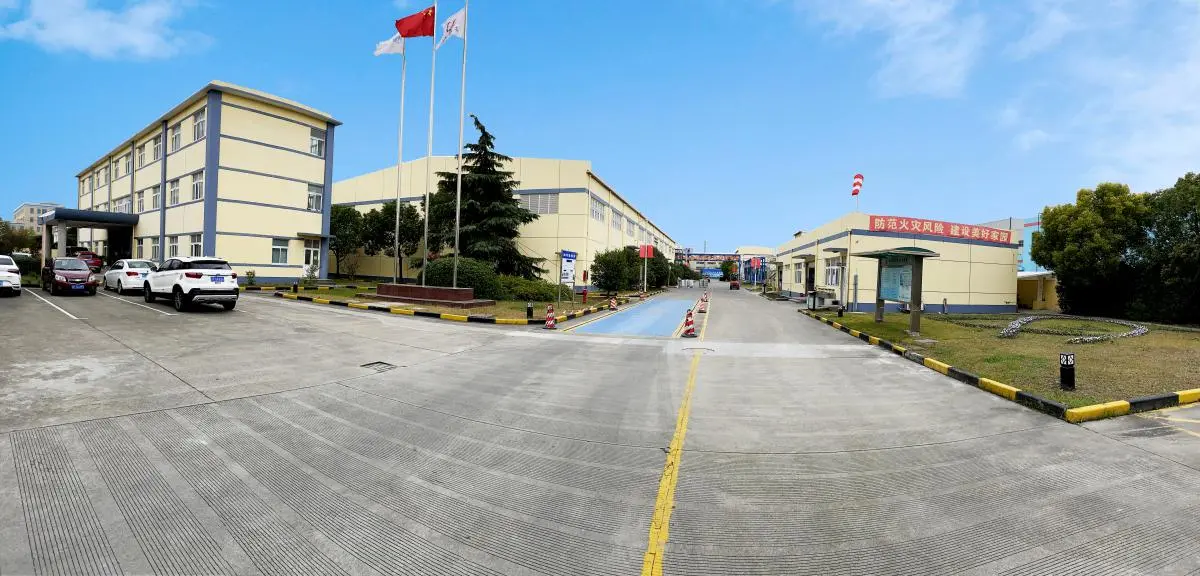
A closer look inside Shanghai Jiuzhou Chemical’s automated production workshops, research laboratories, and dual-facility capabilities.
Our manufacturing network is split into two major hubs. The Shanghai Factory focuses on complex custom formulations, surface modification, and catalyst optimization. The Wuxi Factory houses our massive continuous-flow calcining kilns, spray-drying towers, and automated packaging lines.
Both locations operate under 24/7 central monitoring, using international production technology and precision laboratory testing. In-line analytical tools monitor particle distribution and moisture profiles in real-time, ensuring zero batch-to-batch deviation.

We do not just follow standards; we actively write them. Jiuzhou’s technical leaders participate in drafting national GB and industrial HG/JB specifications.
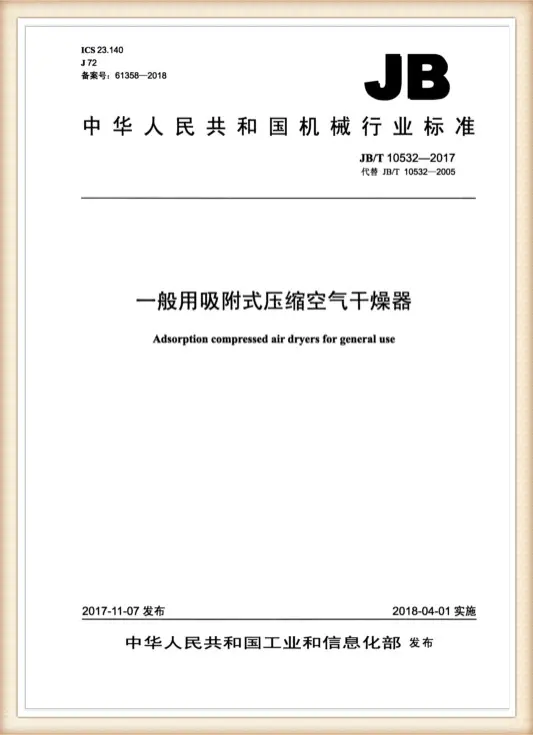
Adsorption compressed air dryers for general industrial applications.
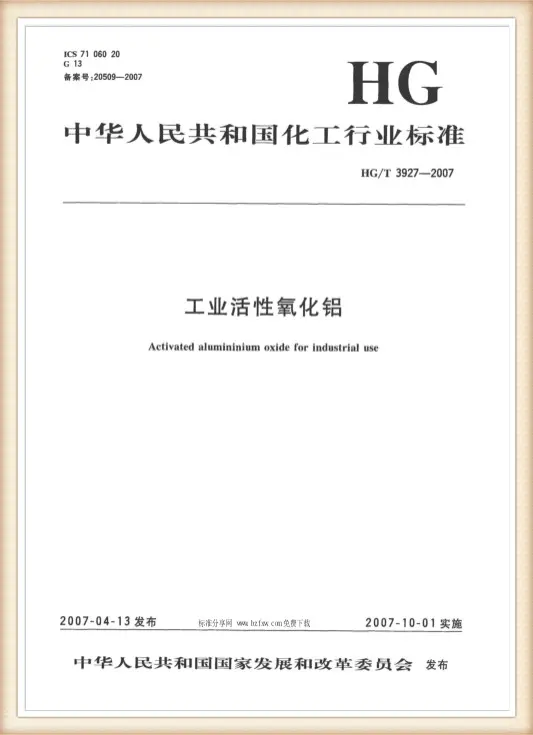
Activated aluminum oxide for industrial desiccant and catalyst use.
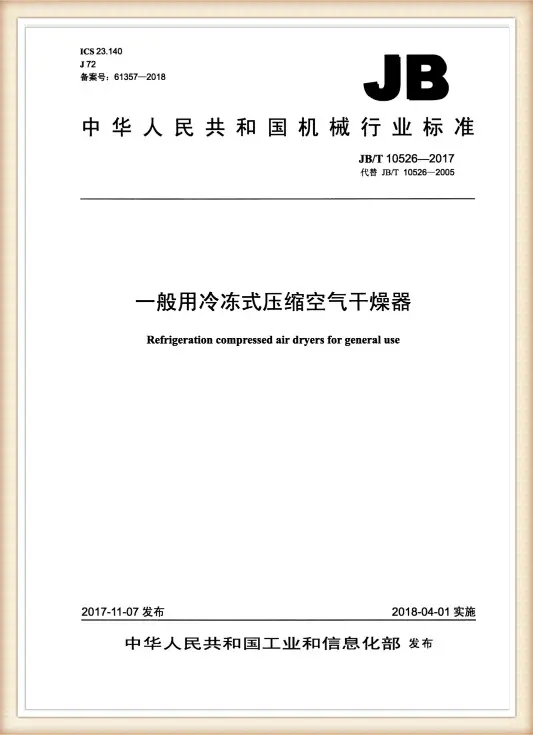
Refrigeration compressed air dryers for general industrial processes.
Industrial machinery gas purification and drying systems standard.
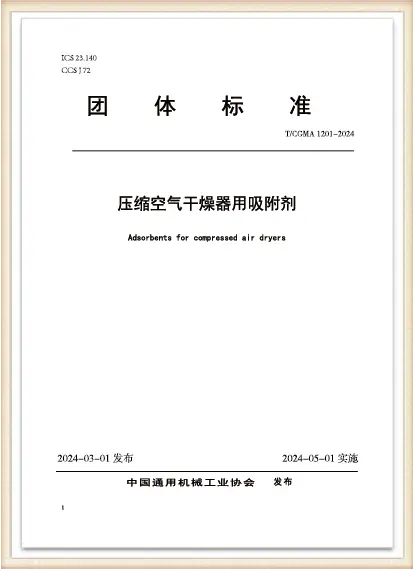
Advanced chemical engineering adsorbents & synthetic zeolites specification.
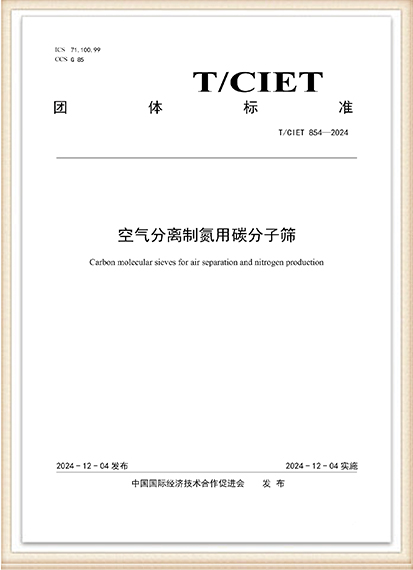
Environmental and energy-saving standards for chemical production facilities.
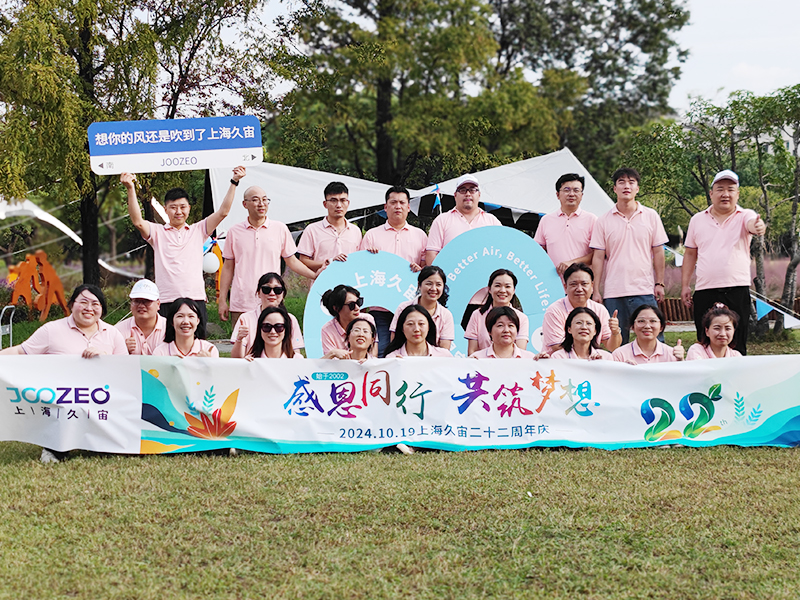
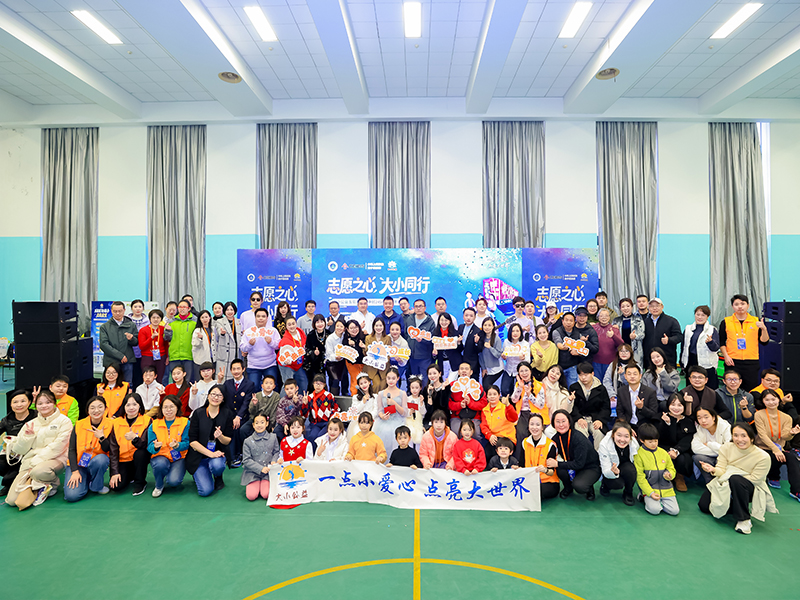
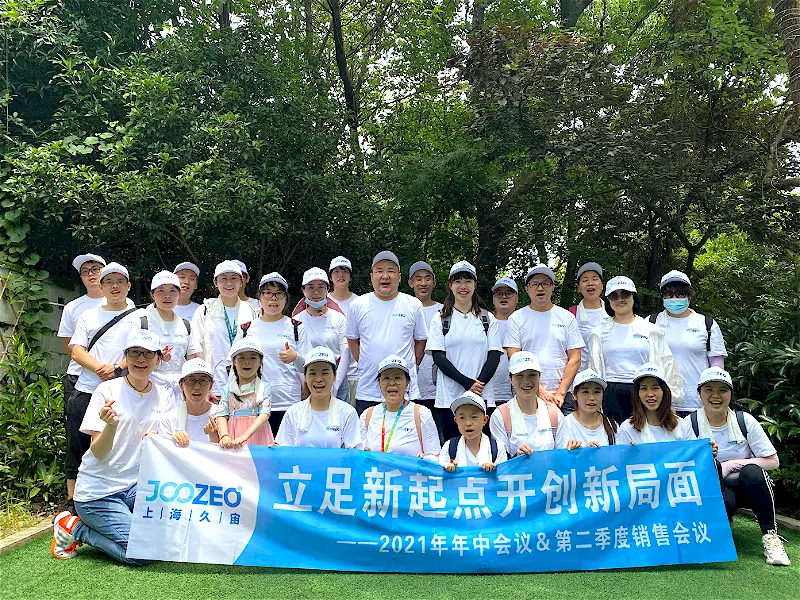
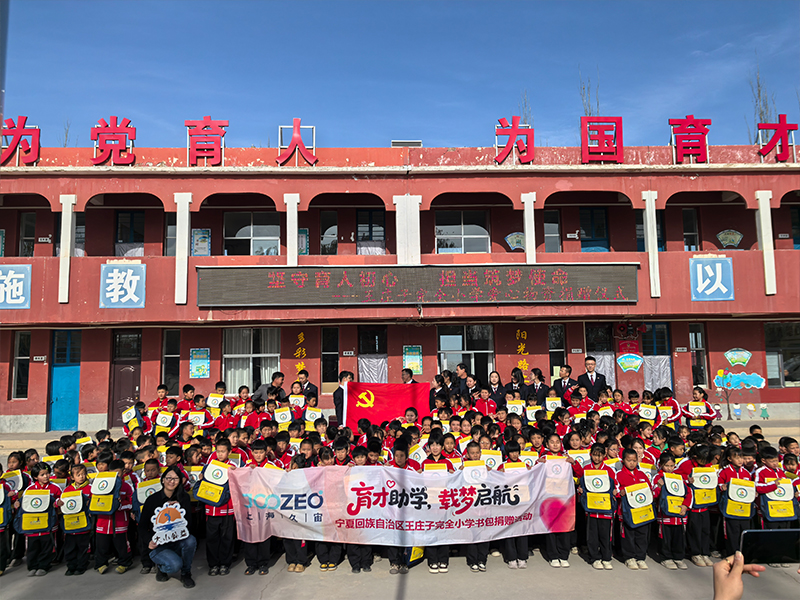
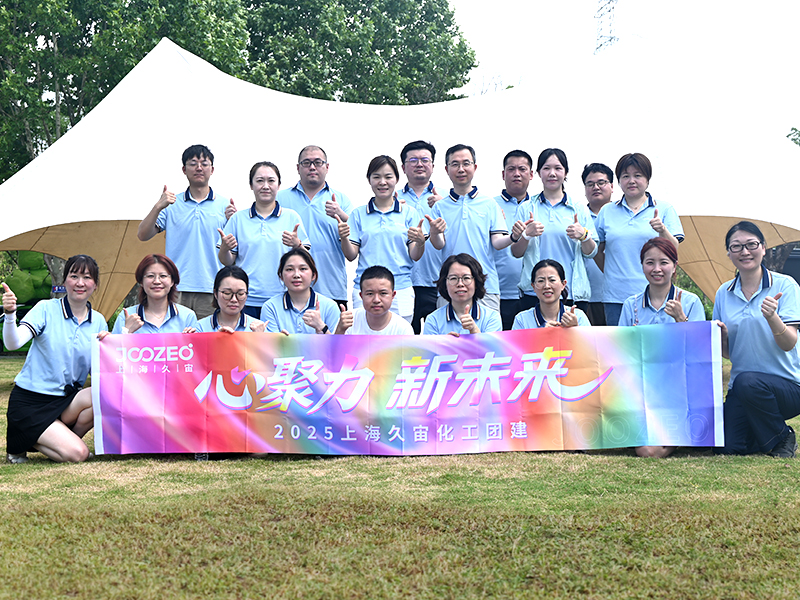
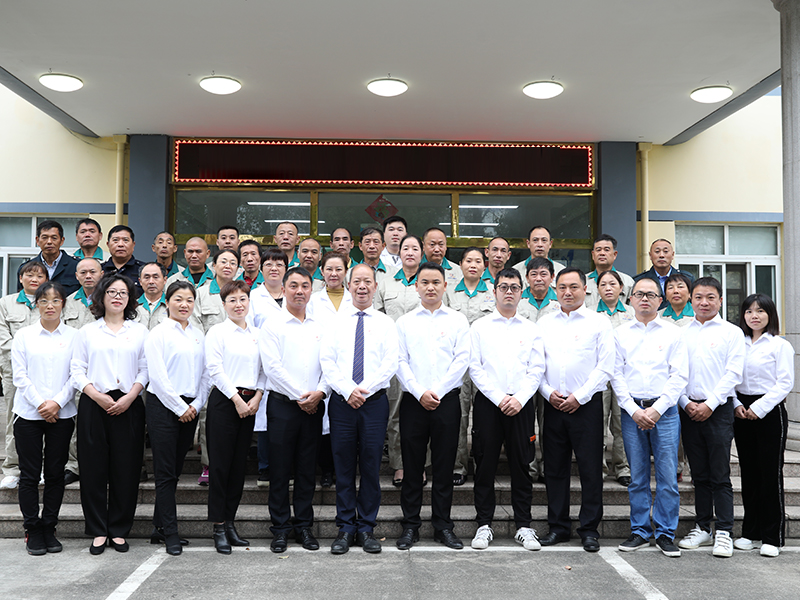
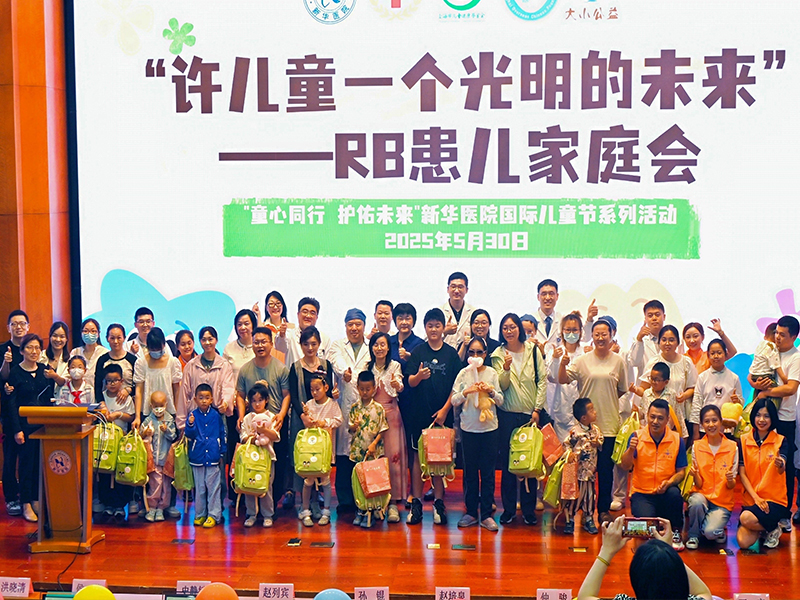
We integrate sustainable practices, low-emission manufacturing lines, and community support programs to build a cleaner future.
"We believe that high-quality chemical manufacturing must coexist in harmony with the global environment."
Our chemical engineering experts answer frequently asked questions about selecting, processing, and optimizing silica gel materials.
For preparative chromatography or HPLC, the primary factors are particle size distribution (e.g., 60-100 mesh, 200-300 mesh, or sub-micron size), pore size (typically 60 Å, 90 Å, or 120 Å), and surface purity. Narrow distribution curves prevent chromatographic channeling and control pressure drop across columns, yielding sharp separation peaks and high compound purities. Silanol group density must be uniform to prevent permanent tailing of polar analytes.
Silica gel is an amorphous adsorbent with a broad distribution of pore sizes, making it highly efficient at high relative humidity and bulk water removal. Molecular sieves, on the other hand, are crystalline aluminosilicates with extremely precise pore structures (like 3A, 4A, 5A, or 13X). Molecular sieves excel at drying down to trace moisture levels (under 1 ppm water dew point) even at elevated temperatures, whereas silica gel is preferred for higher inlet loading or co-adsorption of moisture and heavier hydrocarbons.
Yes. Thermal regeneration can be performed by heating the saturated silica gel powder to temperatures between 120°C and 180°C. Exceeding 200°C can result in dehydroxylation of the active silanol groups on the surface, which permanently collapses the micro-pore network and reduces future adsorption capacity. For industrial process dryers, precise thermal profiling is managed in regeneration towers.
For applications where silica gel is packaged adjacent to food or pharmaceutical items, materials must satisfy FDA CFR 21 requirements, REACH registration, and RoHS compliance. Testing ensures that the chemical structure does not leach heavy metals, cobalt (often used in indicating gels), or volatile organic compounds into target materials. Our products undergo rigorous testing by third-party certifiers like SGS to ensure absolute compliance with safety guidelines.
Have an upcoming process challenge or need custom specifications? Our chemical engineering staff responds within 24 hours with dedicated pricing and technical data sheets.
Send RequestBrowse our additional line of synthetic zeolites, liquid silicates, and custom-blended active carbons engineered for high-performance chemical processing.