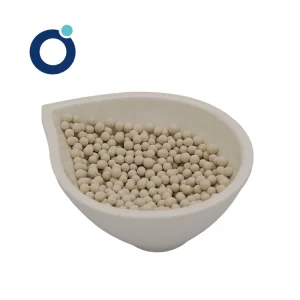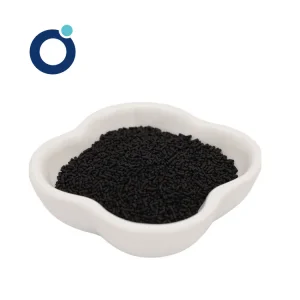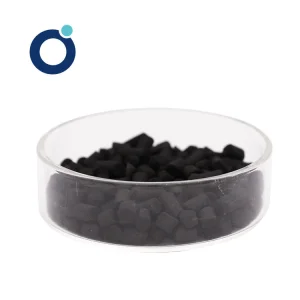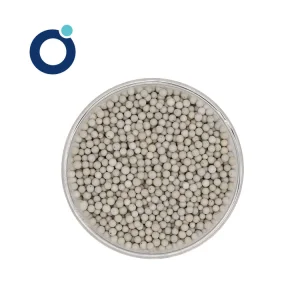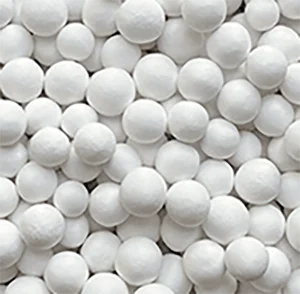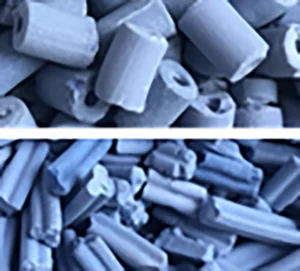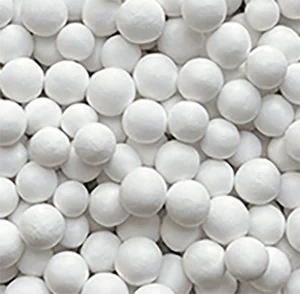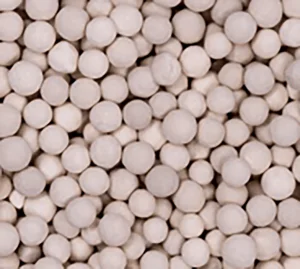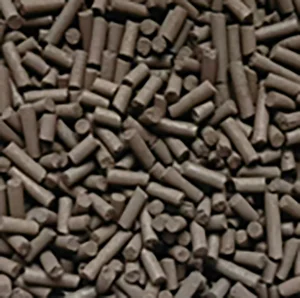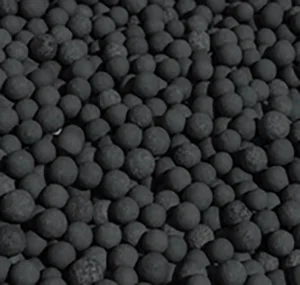
Engineered by Shanghai Jiuzhou Chemicals for maximum thermal stability, durability, and target performance.
Sodium silicate ($Na_2SiO_3$), commonly known as water glass, is a highly versatile inorganic chemical compound composed of sodium oxide ($Na_2O$) and silica ($SiO_2$). The performance characteristics, solubility, and overall reactivity of sodium silicate are fundamentally defined by its Modulus (Molar Ratio), which is the molecular ratio of $SiO_2$ to $Na_2O$. Varying this ratio allows manufacturers to customize the physical and chemical properties of the material for a wide variety of industrial processes.
The modulus dictates the molecular framework of the polymer chain. A higher modulus (typically 3.2 to 3.5) implies a greater concentration of silica relative to sodium oxide. This results in faster polymerization, rapid setting, and higher thermal stability, making high-modulus sodium silicate ideal for foundry binders, catalysts, and acid-resistant cements. Conversely, a lower modulus (1.6 to 2.5) indicates higher alkalinity. It provides excellent solubility and detergent builder efficiency, but exhibits slower gelation kinetics.
| Specification Grade | SiO₂ Content (%) | Na₂O Content (%) | Molar Ratio (Modulus) | Viscosity (mPa.s / 20°C) | Primary Industrial Application |
|---|---|---|---|---|---|
| Liquid Grade A (High Ratio) | 29.5 - 31.0 | 8.8 - 9.6 | 3.20 - 3.40 | 150 - 250 | Silica gel manufacturing, cardboard adhesives, soil consolidation |
| Liquid Grade B (Medium Ratio) | 26.5 - 28.5 | 10.2 - 11.5 | 2.40 - 2.60 | 200 - 400 | Detergent synthesis, pulp & paper peroxide stabilization |
| Solid/Glass Grade S-01 | 71.5 - 73.5 | 25.5 - 27.0 | 3.10 - 3.30 | N/A (Crystalline) | Refining, silicate-based chemistry precursors |
| Solid/Glass Grade S-02 | 64.0 - 66.5 | 32.0 - 34.0 | 2.00 - 2.20 | N/A (Crystalline) | Metasilicate production, instant binder manufacturing |
As industrial processes transition towards green manufacturing and decarbonization, sodium silicate plays an increasingly crucial role as a core bio-neutral binder and chemical precursor. By working closely with research institutes and processing experts, Shanghai Jiuzhou Chemicals delivers custom formulations that address challenges across multiple sectors:
By blending high-ratio liquid sodium silicate with catalysts (such as organic esters or calcium salts), engineers achieve controlled geopolymerization. This reaction creates a load-bearing, impermeable matrix that is ideal for stabilizing soil in tunnel excavation and foundation engineering.
In bleach processing, trace transition metals like copper, iron, and manganese can catalyze the premature breakdown of hydrogen peroxide ($H_2O_2$). Sodium silicate sequesters these metal ions, stabilizing the peroxide bath and improving overall paper brightness while lowering processing costs.
Unlike organic phenol-formaldehyde resins, sodium silicate binders release zero harmful volatile organic compounds (VOCs) during metal casting. Standardizing on inorganic sodium silicate sand mold systems helps modern foundries meet tight carbon emission caps without sacrificing core mechanical strength.
Deploying high-quality raw materials requires a dependable global supply chain. At Shanghai Jiuzhou Chemicals, we operate two main production facilities, located in Shanghai and Wuxi. From these hubs, we export to over 80 countries across North America, Europe, the Asia-Pacific region, and the Middle East.
Whether transporting high-viscosity liquid sodium silicate in ISO tanks to prevent polymerization, or shipping bulk solid glass chunks in moisture-controlled sea containers, our shipping team manages the entire process. This keeps transport costs low and ensures your materials arrive on schedule.
We perform exhaustive quality testing at every step of production. Our facilities maintain ISO9001:2008 Quality Management System certifications, and all export consignments undergo third-party auditing by TUV and SGS. We strictly comply with regional environmental and safety mandates, including EU REACH registrations, US EPA standards, and hazardous material storage requirements.
As chemical processing evolves, our research team is developing new, sustainable manufacturing methods. We are actively investigating bio-derived silica sources (such as rice husk ash) to reduce our carbon footprint, as well as high-concentration solid silicate powders that dissolve rapidly in ambient-temperature water. By reducing transportation weights and energy consumption during dissolution, we help our partners lower their overall environmental impact.
A premier chemical engineering pioneer committed to quality control and sustainable adsorption solutions since 1994.
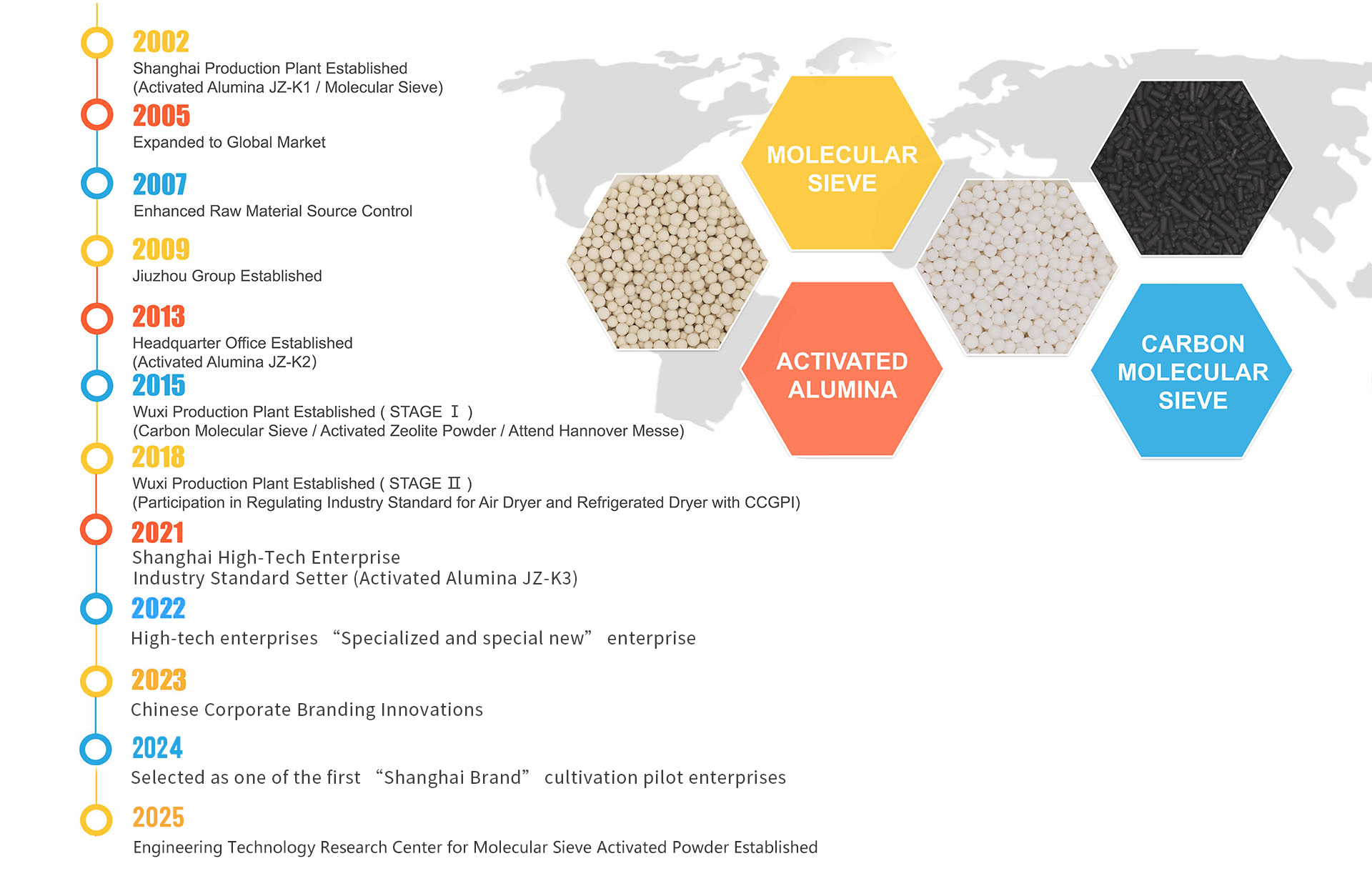
Shanghai Jiuzhou Chemicals Co., Ltd. is located in Shanghai, China's largest economic development center. Over the years, Jiuzhou has consistently prioritized "quality control and innovation," focusing on the research, development, and manufacture of high-quality chemical products.
Our main products include various molecular sieve powders, molecular sieves, activated powders, activated alumina, aluminum oxide catalysts, various alumina packing materials, ceramic balls, sodium silicates, aluminum hydroxide, zeolite 4A, sodium carbonates, and SLES. All of our products are certified under the ISO9001:2008 quality management system, and carry certifications from TUV and SGS.
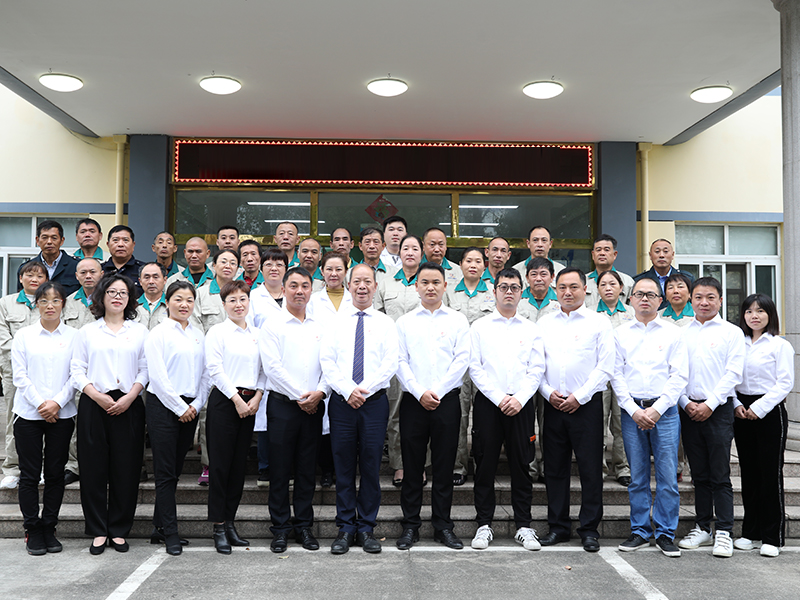
Jiuzhou features a world-class research and development team, paired with state-of-the-art production machinery. Our facilities include a comprehensive central laboratory and a dynamic testing facility equipped with advanced monitoring and analysis instrumentation. These assets allow us to test and verify that every shipment meets strict international standards.
Take a look inside our high-capacity production plants in Shanghai and Wuxi.
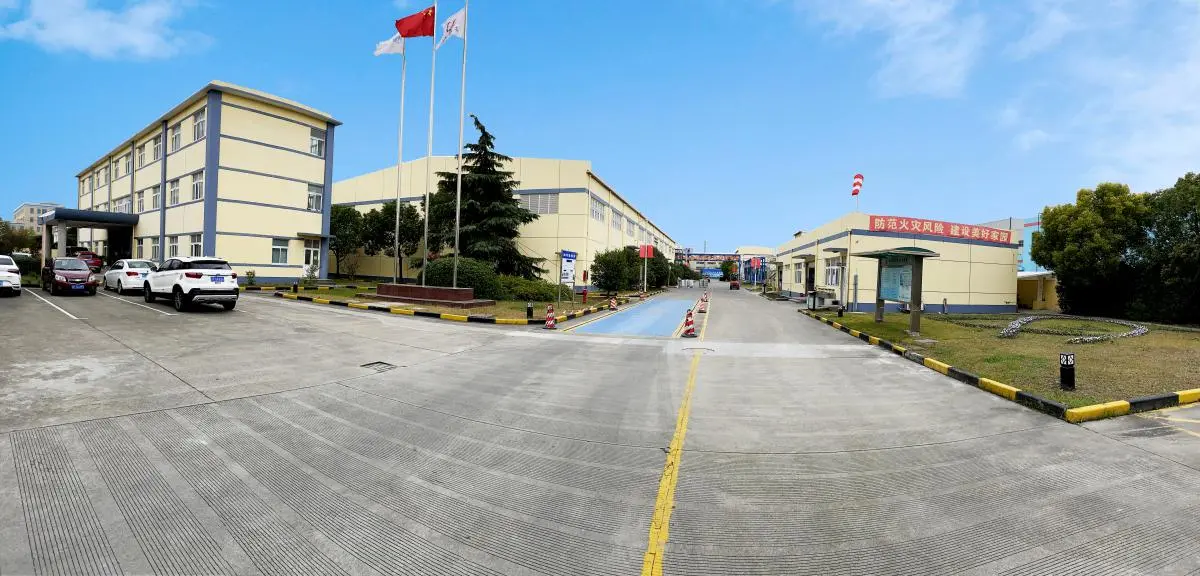
Focuses on advanced molecular sieve synthesis, automated packaging, and raw material processing.

Specializes in bulk chemical synthesis, calcination, and large-scale sodium silicate processing.
We actively contribute to drafting and refining chemical industry standards in China.
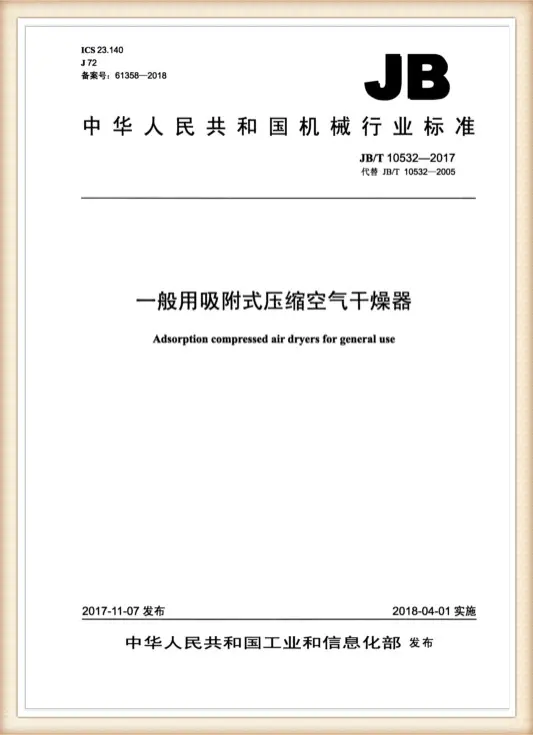
Adsorption compressed air dryers for general industrial use
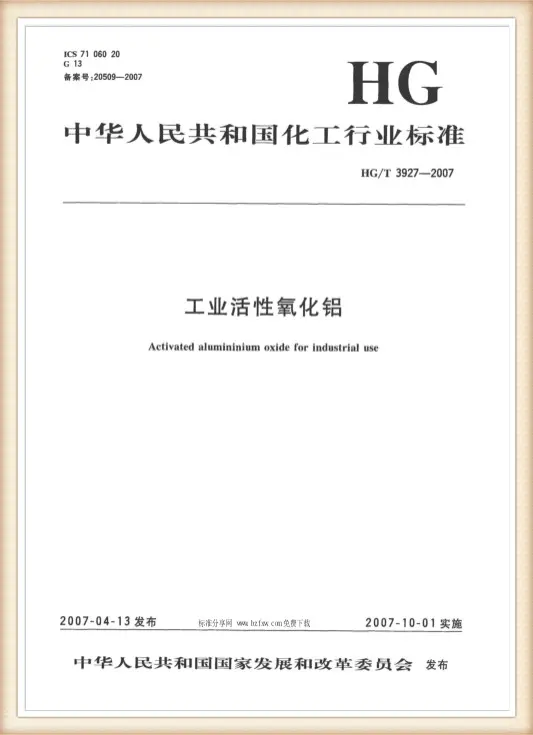
Activated aluminum oxide for industrial applications
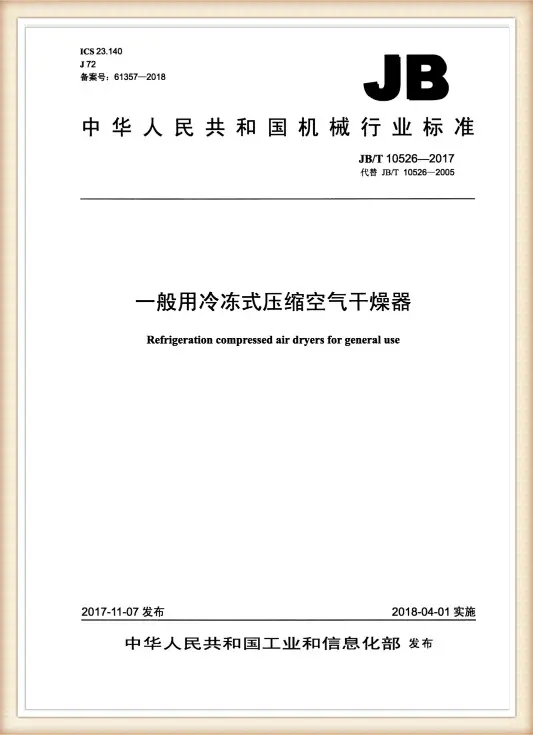
Refrigeration compressed air dryers for general industrial use
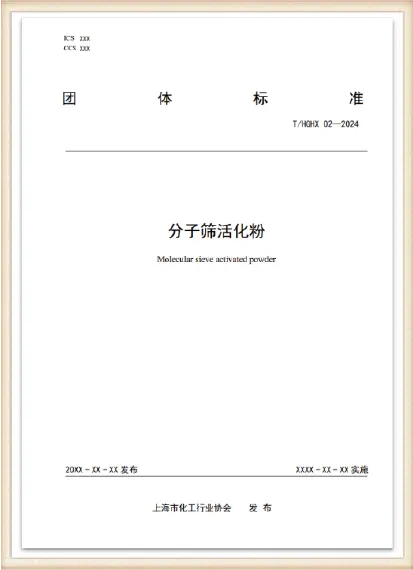
Participating Enterprise in General Machinery Standards
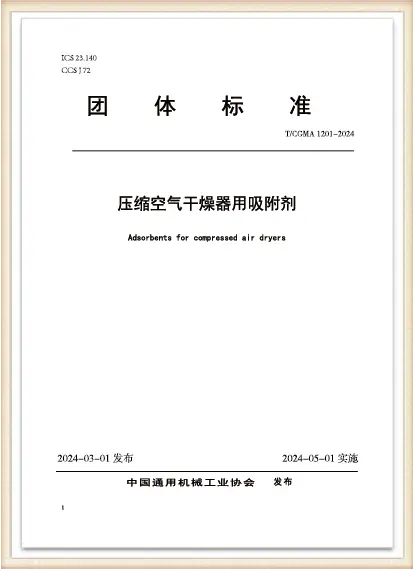
Chemical and Raw Material Evaluation Standards
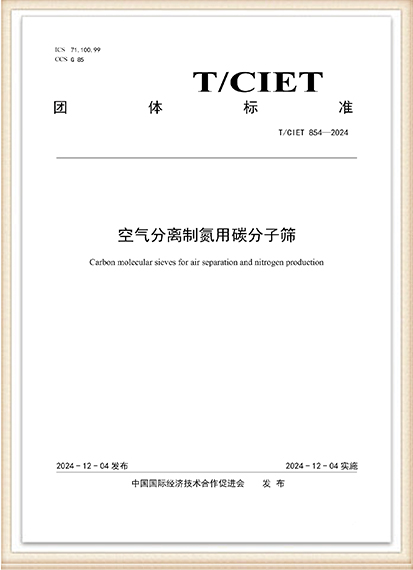
Industrial adsorption and gas purification guidelines
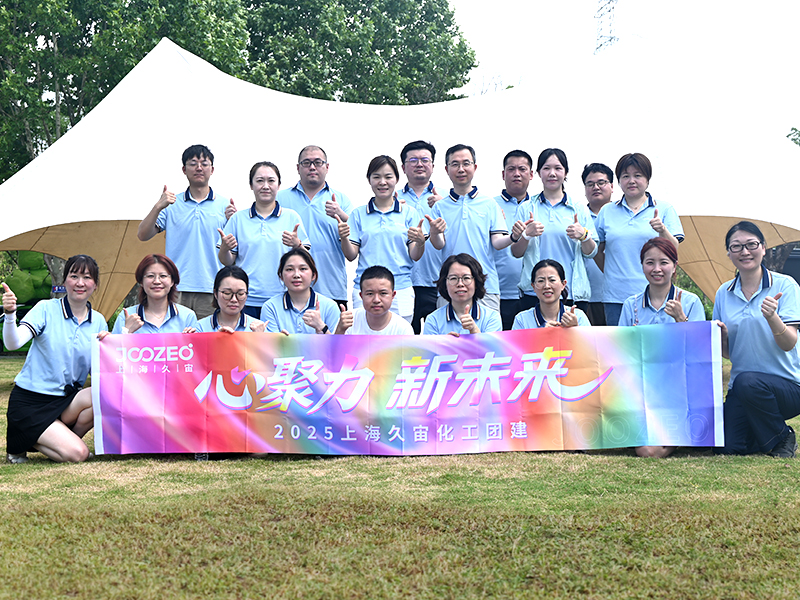
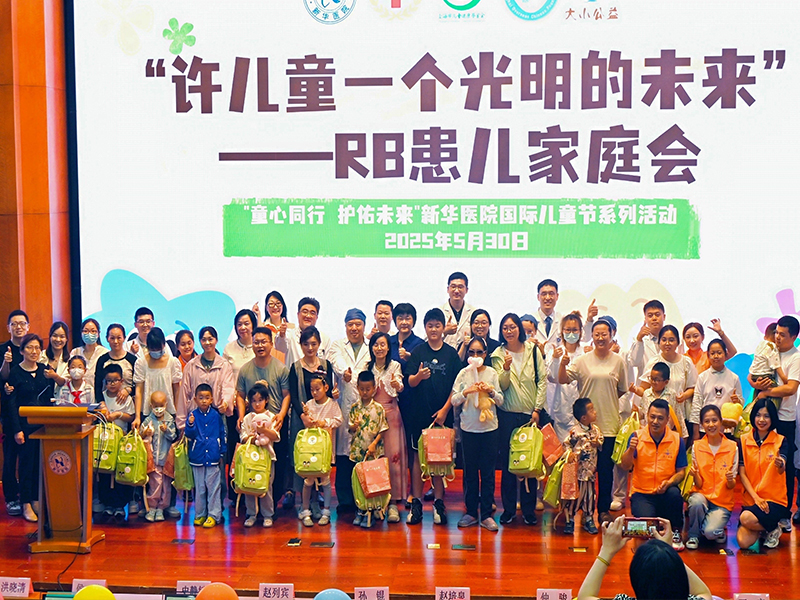
We are committed to low-emission chemical production, workplace safety, and reducing environmental impact worldwide.
Technical advice and purchasing guidelines for global procurement teams and chemical engineers.
Additional chemical formulations manufactured under strict quality standards for global delivery.
Our engineering and sales support teams respond to technical requests within 24 hours.
Send Request