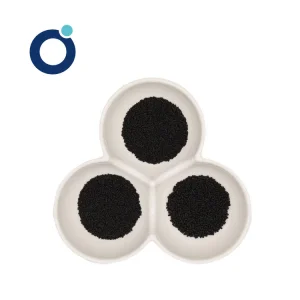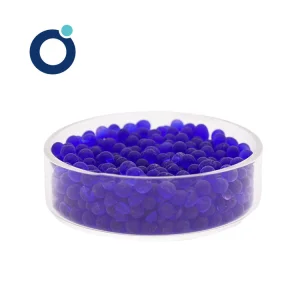
Explore our core selection of high-performance molecular sieves, silica gels, and advanced adsorption products engineered for international process industries.
A Globally Recognized Leader in the Synthesis and Optimization of Molecular Sieves and Chemical Adsorbents
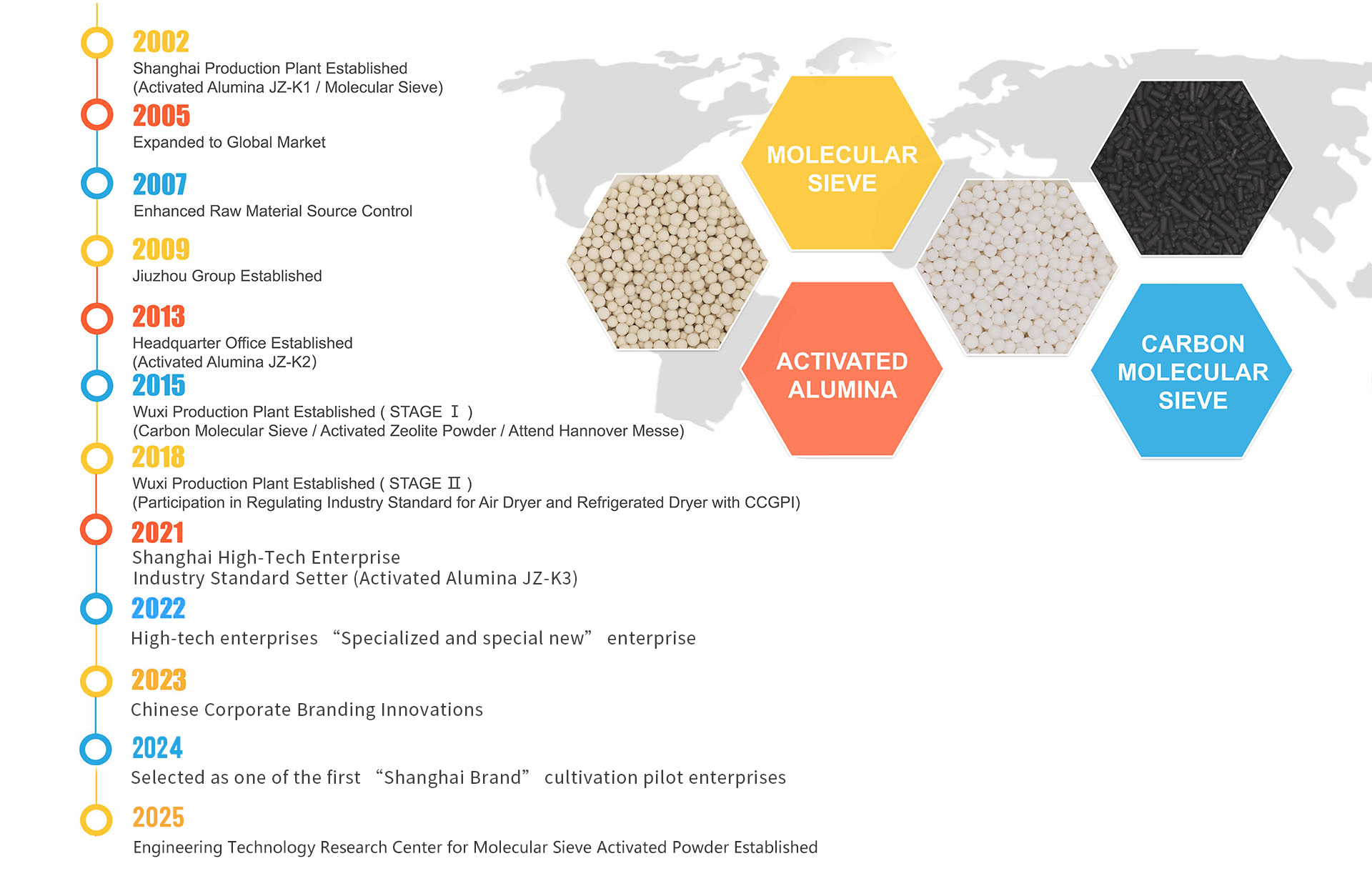
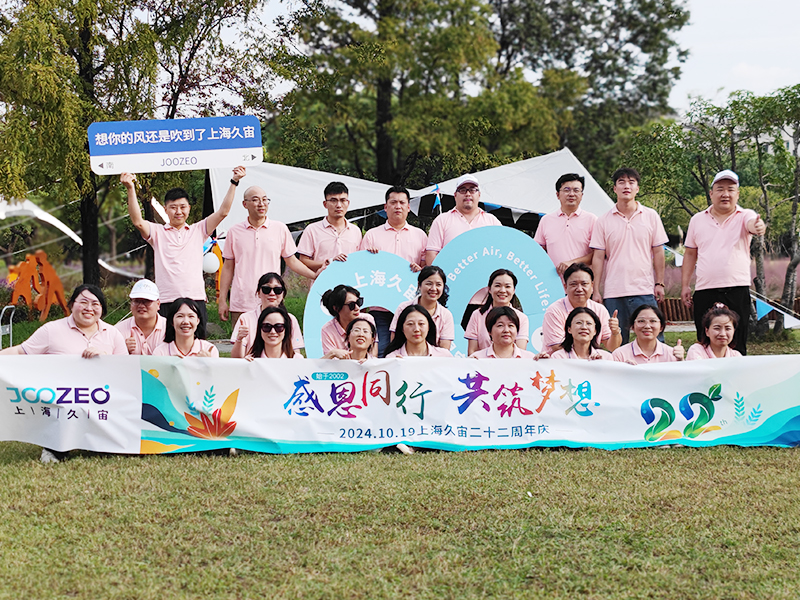
Located in Shanghai, China's economic and technological epicenter, Shanghai Jiuzhou Chemicals Co., Ltd. (Joozeo) has consistently adhered to the foundational tenets of "Quality Control & Continuous Technical Innovation." For nearly three decades, we have dedicated ourselves to the fundamental research, process design, and manufacturing of premium, high-capacity chemical adsorbents.
Our comprehensive catalog encompasses high-performance molecular sieve powders, synthetic molecular sieves, activated powder, activated alumina, aluminum oxide catalysts, various ceramic and alumina packings, sodium silicates, aluminum hydroxide, zeolite 4A, sodium carbonates, and SLES. All production operations conform stringently to the ISO9001:2008 Quality Management System, certified by world-leading third-party inspectors, TUV & SGS.
With state-of-the-art automated manufacturing lines and a centralized analytical laboratory equipped with dynamic testing systems, Joozeo supplies tailor-made engineering desiccants, customized pore-geometry solutions, and energy-saving adsorption systems to industries across the Americas, Europe, the Middle East, and Southeast Asia.
Understanding selective crystalline adsorption to optimize process performance, reduce energy consumption, and guarantee product purity.
Zeolite molecular sieves are crystalline, highly ordered aluminosilicates containing three-dimensional networks of SiO4 and AlO4 tetrahedra. These structures form precise channels and cages of uniform molecular dimensions. The negatively charged alumina framework is balanced by exchangeable cations (such as sodium, potassium, or calcium), which can be engineered to modify the pore diameter and coordinate selective adsorption fields.
Unlike traditional amorphous desiccants (such as silica gel or activated carbon) that rely on capillary condensation, synthetic zeolites operate on two distinct physical phenomena: size exclusion and electrostatic selectivity.
| Zeolite Type | Nominal Pore Size | Cation Type | Common Kinetic Adsorbates | Key Process Applications |
|---|---|---|---|---|
| Type 3A (LTA) | ~3 Å | Potassium (K+) | H2O, NH3 | Cracked gas drying, ethanol dehydration, refrigerant desiccation. |
| Type 4A (LTA) | ~4 Å | Sodium (Na+) | H2O, CO2, H2S, C2H4 | Air dryer systems, natural gas dehydration, closed-loop static drying. |
| Type 5A (LTA) | ~5 Å | Calcium (Ca2+) | n-paraffins, light hydrocarbons | Hydrogen purification (PSA), iso/normal paraffin separation. |
| Type 13X (FAU) | ~10 Å | Sodium (Na+) | Large molecules, mercaptans | Cryogenic air pre-purification (H2O & CO2 removal), medical O2 concentrators. |
| Lithium-X (LiX) | ~9 Å | Lithium (Li+) | N2, O2 (high N2 selectivity) | High-efficiency VPSA/PSA medical and industrial oxygen generation. |
Combining raw material security, automated smart kilns, and stringent laboratory tracking to deliver premium global shipments.
By producing our own molecular sieve powders and sodium silicates, we eliminate external raw material volatility. This control guarantees consistent crystalline structure and optimum cation exchange rates batch after batch.
Our advanced, gas-fired rotary kilns operate under digital atmospheric control, ensuring precise thermal activation. This process eliminates under-activated cores and over-calcined sintered structures, maintaining maximum water adsorption capacity.
Every production run undergoes dynamic adsorption tests. We measure crush strength, attrition rates, bulk density, and breakthrough times in our central test beds to verify field reliability before dispatch.
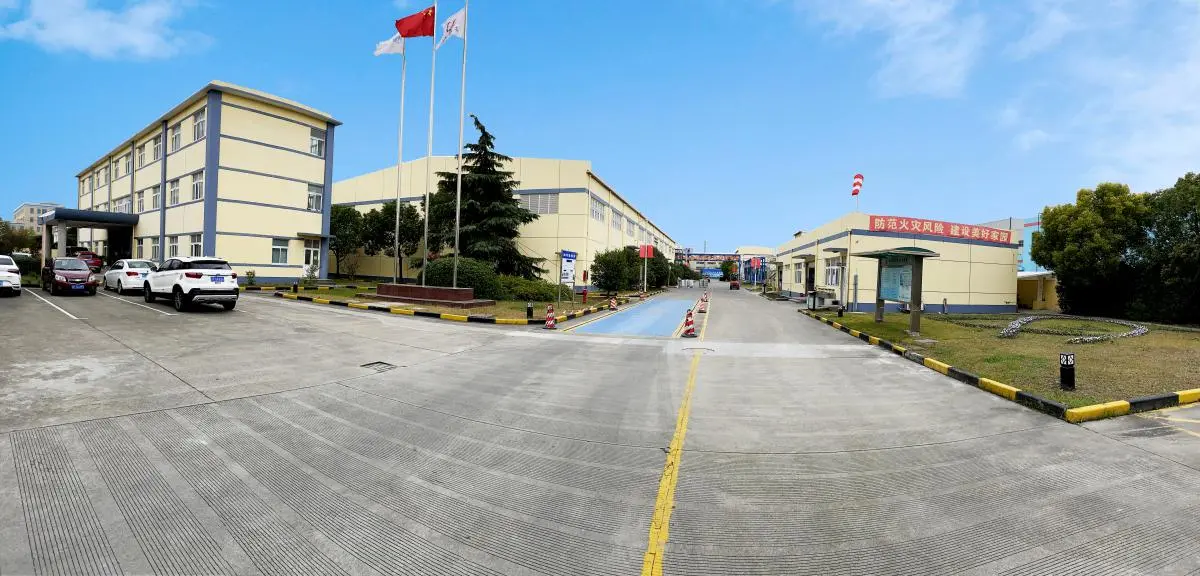
Our primary facility in Shanghai houses the central laboratories, the technical support department, and our automated packaging systems. This site focuses on specialty synthetic zeolites, custom catalyst carriers, and high-performance gas separation media.

Our Wuxi plant acts as our high-volume production hub, manufacturing large-scale industrial desiccant beads, activated powder, and standard activated alumina grades. This facility leverages advanced logistics connections for rapid port shipping.
Addressing complex engineering challenges in petrochemicals, industrial gas production, environmental control, and clean energy.
Removal of trace water, CO2, and corrosive sulfur compounds (H2S, mercaptans) from natural gas streams to prevent cryogenic hydrate formation and meet pipeline transport specifications.
Deep dehydration of cracked gas, ethylene, propylene, and butadiene. Selective adsorption prevents hydrocarbon polymerization within the desiccant bed, extending run-times and catalyst life.
Providing high-nitrogen-capacity Lithium-X molecular sieves (JZ-ZMS9) optimized for Pressure Swing Adsorption units, yielding medical-grade oxygen (>93%) in respiratory systems.
Custom molecular sieve designs for Carbon Capture, Utilization, and Storage (CCUS) operations, removing carbon dioxide from industrial flue gases under variable pressures.
We do not just follow standards—we help write them. Jiuzhou Chemicals is an active participant in drafting national and industrial chemical specifications.
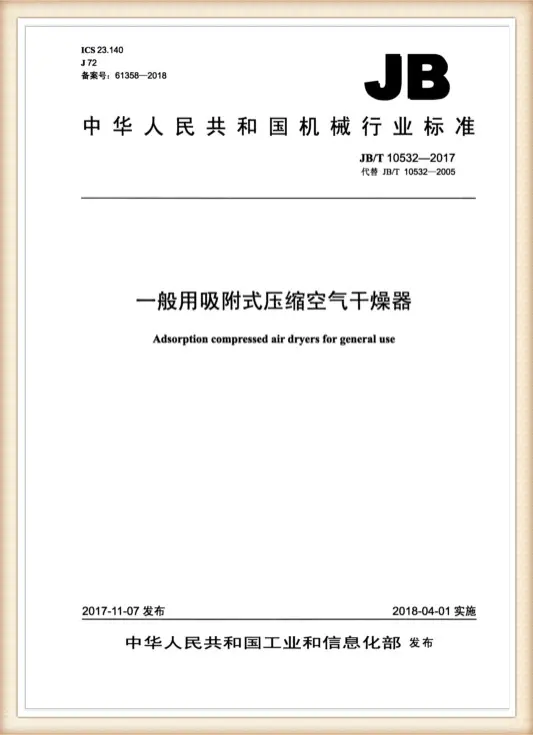
JB / T 10532-2017
Adsorption compressed air dryers for general use
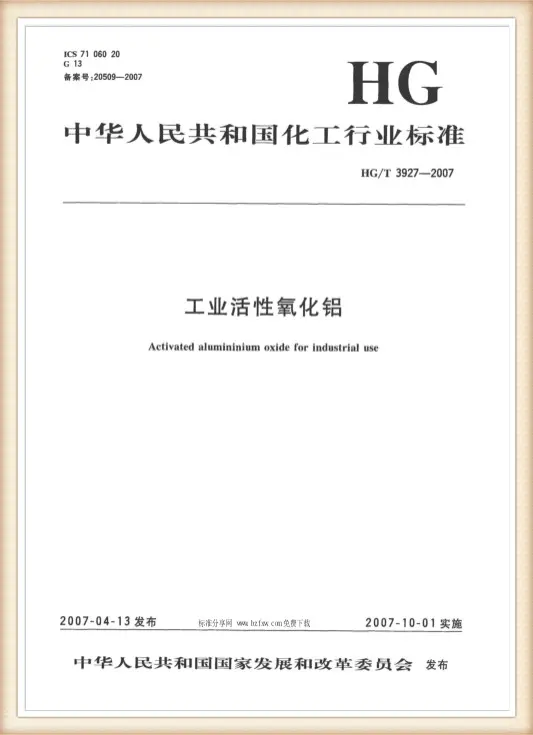
HG / T 3927-2007
Activated aluminium oxide for industrial use
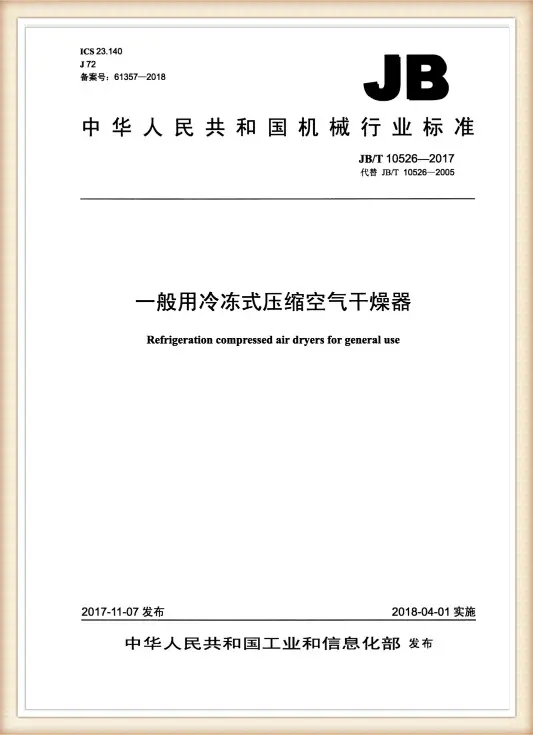
JB / T 10526-2017
Refrigeration compressed air dryers for general use
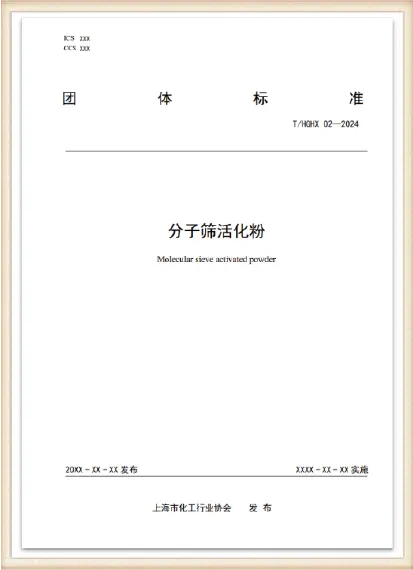
T/CGMA1201-2024
Drafter and technical contributor
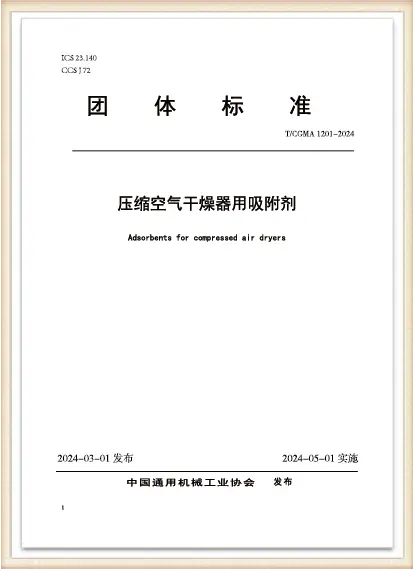
T/HGHX 02—2024
Drafter and technical contributor
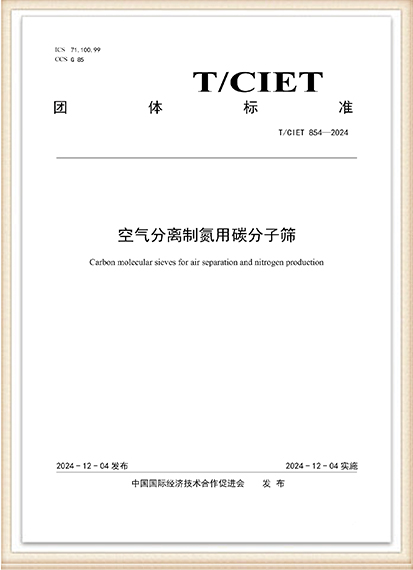
T/CIET 854-2024
Drafter and technical contributor
At Jiuzhou Chemicals, our goal extends beyond raw production. We believe that clean air and sustainable environments form the foundation of global health. Our green production systems utilize energy recovery technology and particulate scrubbing to minimize industrial emissions.
Our products directly support sustainable industries worldwide, including clean hydrogen separation, VOC reduction, and industrial emission control. By supplying durable, low-energy desiccants, we help chemical processing facilities reduce their operational carbon footprints.
Key technical parameters and performance indicators for industrial molecular sieve sourcing.
For industrial buyers, EPC firms, and plant engineers, procuring molecular sieves involves assessing parameters beyond initial price per ton. Selecting the correct media ensures process efficiency, prevents unplanned downtime, and protects downstream equipment.
Addressing technical questions regarding molecular sieve selection, regeneration protocols, and lifetime optimization.
Explore our industrial range of molecular sieves, alumina desiccants, carbon sieves, and raw chemical compounds.
Need custom adsorbent specifications, pricing, or system design assistance? Contact our engineering team today. We respond within 24 hours.
Send Request